
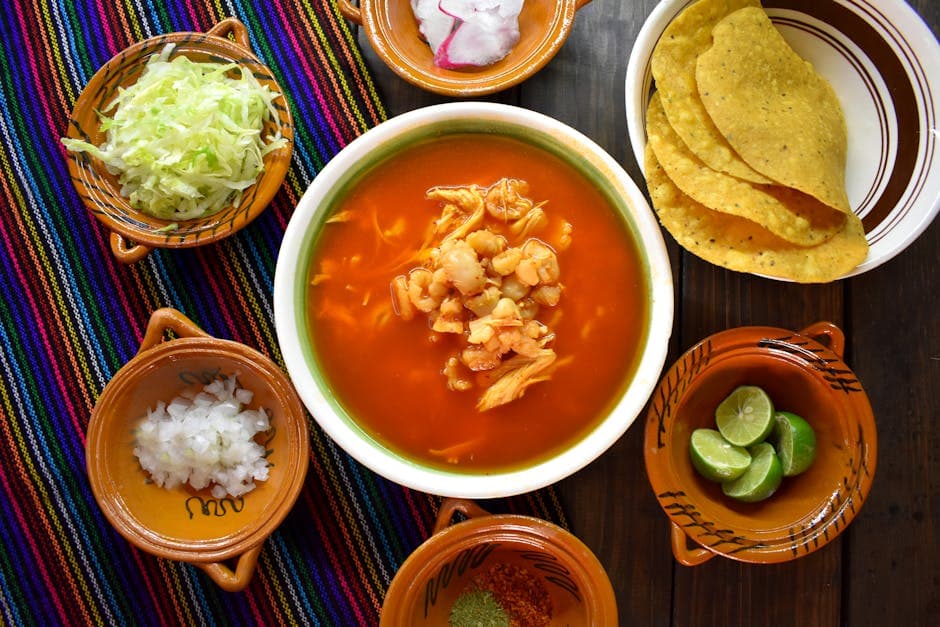
Sopa de Lima (Yucatecan Lime and Chicken Soup)
Yucatán's bright, fragrant chicken soup perfumed with the rare lima agria (bitter lime) and topped with crispy fried tortilla strips.
About This Recipe
Sopa de lima is the great soup of the Yucatán Peninsula — clean, golden, profoundly aromatic, and built around the distinctive flavor of lima agria, a bitter lime native to the region that tastes nothing like the Persian or key limes most cooks know. A whole free-range chicken is poached gently with onion, garlic, and the long flat-leaf Yucatecan oregano, then the meat is shredded and returned to the strained, clear broth. Just before serving, slices of lima agria are added — never squeezed or boiled, just floated — releasing their floral, slightly bitter perfume into each bowl. The soup is finished with diced ripe tomato, slivered raw red onion macerated in lime, fresh cilantro, and a generous pile of tortillas cut into ribbons and fried in lard until shatter-crisp. Each spoonful contains broth, shredded chicken, the crunch of the tortilla strips, the freshness of cilantro and onion, and the unmistakable aromatic bite of lima. It is the soup served at Yucatecan family Sundays, in market stalls in Mérida, and beside cochinita pibil at weddings. In Mexico City and abroad, regular limes substitute (and the dish remains delicious), but a true sopa de lima in Yucatán has a depth and bitterness that no other citrus reproduces.
Ingredients
Serves 6
- 1 (1.5–1.8 kg)whole chicken, jointed (or 6 bone-in skin-on thighs)
- 2 Lcold water
- 1 largewhite onion, halved (one half for stock, one half for soup)
- 6 clovesgarlic, smashed
- 2bay leaves
- 1 tbspYucatecan or Mexican oregano (preferably leaf, not ground)
- 1 tspground allspice (pimienta gorda)
- 1 tbspkosher salt
- 2 mediumripe tomatoes, diced 5 mm
- 1green or yellow bell pepper, diced 5 mm
- 3–4lima agria (bitter limes, sliced thin); substitute 4 regular limes if unavailable
- 6 smallcorn tortillas, cut into 5 mm ribbons
- 120 mllard or neutral oil, for frying tortilla strips
- 1 small bunchfresh cilantro, chopped
- 1 smallred onion, slivered and soaked in lime juice 10 minutes
- 1habanero, finely chopped (optional, served on the side)
Instructions
- 1
Build the broth
Place chicken pieces in a large pot with cold water, one onion half, garlic, bay leaves, oregano, allspice and salt. Bring to a gentle simmer over medium heat and skim the foam that rises. Reduce heat to low and cook uncovered for 40 minutes until the chicken is just cooked through. Never boil hard — a clear broth requires gentle heat.
- 2
Strain and shred
Lift out the chicken pieces and let cool until handleable. Strain the broth through a fine sieve into a clean pot — discard the solids. Pull the chicken meat from the bones in large shreds, discarding skin and bones. Return shredded meat to a bowl, cover, and set aside.
- 3
Fry the tortilla strips
While the chicken cools, heat the lard in a small skillet over medium-high heat to 180°C / 360°F. Fry the tortilla ribbons in 2 batches until shatter-crisp and golden, about 60 seconds per batch. Drain on paper towels and lightly salt while hot. These will go soggy if made too far ahead — fry within an hour of serving.
- 4
Sweat the soup vegetables
Dice the remaining onion half. In the now-clean pot, heat 1 tbsp of the tortilla-frying lard over medium heat. Add diced onion and bell pepper and cook 5 minutes until softened. Add the diced tomato and cook 3 minutes more until the tomato breaks down slightly.
- 5
Combine and simmer
Pour the strained broth back into the pot with the sweated vegetables. Bring to a gentle simmer. Taste — the broth should be aggressively seasoned but balanced. Adjust salt. Return the shredded chicken and warm through, 3 minutes. Do not boil.
- 6
Add the lime — gently
Off the heat, float the thin slices of lima agria (or regular lime) on the surface of the soup. Let infuse 2 minutes — the heat releases their oils. Do NOT squeeze or boil — boiled lime turns bitter and the soup loses its perfume. Discard the slices before serving if they look ragged, or leave them as garnish.
- 7
Build each bowl
Ladle hot soup into bowls. Top each with a generous pile of crisp tortilla strips, a scatter of slivered red onion (lifted from its lime soak), and chopped fresh cilantro. The tortilla strips should be added at the table so they crackle as they soften in the broth.
- 8
Serve with sides
Pass extra lime wedges, chopped habanero, and a saucer of cilantro at the table. Each diner adjusts heat and acid to taste. Sopa de lima is meant to be assembled bite by bite in each bowl — the textures shift as you eat from crunchy to softened, from cool to warm.
Did you make this?
Rate it and help other cooks find the recipes that actually work.
One tap to sign in, and we'll save the rating you just picked.
Everything you need to plan your week — free
- Meal calendar
- Grocery list
- AI recipe ideas
Track what you eat
Snap your meal to log calories and macros, run fasting timers and track water in the free SnapCal app.
Pro Tips
- →
Lima agria (bitter lime) is the authentic citrus and worth searching for at Latin American markets. If using regular Persian limes, add a small splash of grapefruit juice for hint of bitterness.
- →
Don't boil the limes — even 2 minutes too long releases bitter pith oils that ruin the broth. Float, infuse briefly, and serve.
- →
Frying tortilla strips in lard (not vegetable oil) is the traditional Yucatecan choice and adds discernible richness. Save and reuse the lard for frying eggs or potatoes.
- →
Use a homemade chicken broth or a whole chicken simmered slowly — boxed broth tastes flat in such a clear, simple soup.
Variations
- •
Sopa de lima de pavo: traditional version made with leftover turkey carcass — perfect for the day after Thanksgiving or Christmas.
- •
Vegetarian: replace chicken with hearts of palm and double the broth with vegetable stock; add lima later to keep brightness.
- •
Sopa de lima con huevo: poach an egg in each bowl for a richer breakfast version popular in Mérida.
- •
Spicy: stir in 1 tsp chipotle paste with the vegetables for a smoky-spicy variation popular in Campeche.
Storage
Refrigerate broth, shredded chicken and tortilla strips separately for up to 3 days. Assemble fresh at serving time. Adding tortilla strips to leftover soup makes them soggy quickly. Don't freeze — lime aromatics fade in the freezer.
History & Origin
Sopa de lima is a colonial-era dish from the Yucatán Peninsula combining Mayan techniques (corn tortillas, allspice) with Spanish introductions (citrus, poultry, lard). It is mentioned in Yucatecan cookbooks as early as the late 19th century and remains a defining dish of the regional cuisine.
Frequently Asked Questions
What if I can't find lima agria?
Use Persian limes plus a tiny dash of grapefruit juice for the bitter dimension. The flavor won't be identical but will be respectable. Avoid key limes, which are too tart and floral for this soup.
Can I use rotisserie chicken to save time?
Yes — shred 600 g of rotisserie chicken and simmer in a good-quality store-bought chicken stock with the aromatics for 20 minutes. You'll lose some depth versus a from-scratch broth but it's a respectable weeknight version.
Why are my limes making the soup bitter?
You boiled them or left them in too long. Float thin slices off the heat and infuse 2 minutes maximum, or add the lime juice at the end (not the rind) and skip the slices entirely.
Are tortilla strips really necessary?
Yes — they are the textural backbone of the soup. Don't substitute store-bought tortilla chips, which are too thick and salty. Cut and fry fresh corn tortillas; it takes 5 minutes and transforms the dish.
Nutrition Facts
Per serving (420g / 14.8 oz) · 6 servings total
Time Summary
Have Questions?
Ask our AI cooking assistant anything about this recipe — substitutions, techniques, scaling.
Chat with AI Chef →Featured in Guides
This recipe is featured in the following curated guides:
More Mexican Recipes
You Might Also Like
Similar dishes from other cuisines around the world.
Browse by Ingredient
More recipes built around the same core ingredients.
Free Kitchen Tools
Calculators and converters that pair with this page — no signup needed.
Put This Into a Plan
Schedule it, shop for it, and track what you already have.
Read Next
Longer reads that go deeper on the ideas behind this dish.
Community
Join the conversation
Sign in to leave a comment and save your favourite recipes