
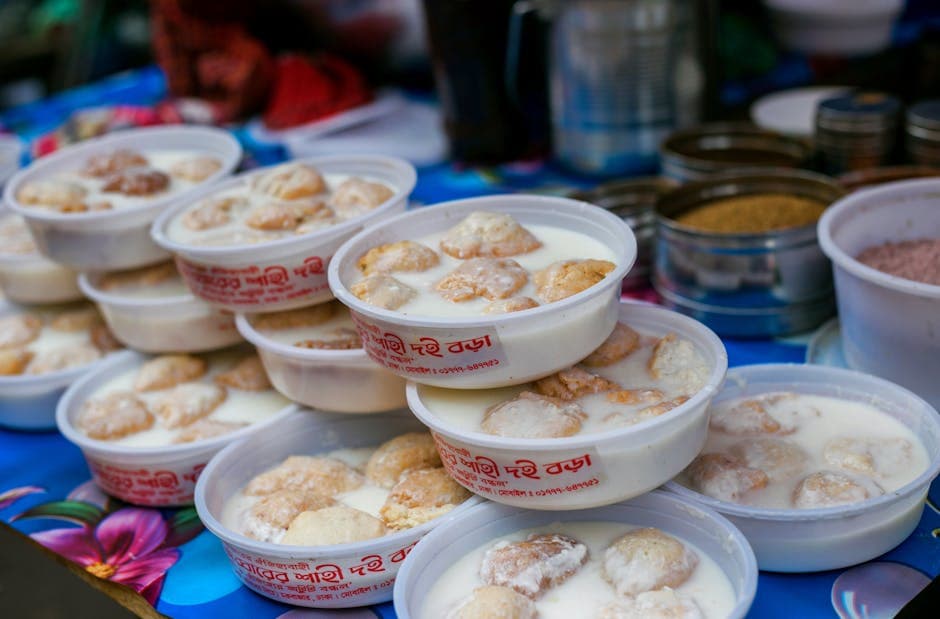
مشتي دوي (الزبادي البنغالي الحلو)
زبادي البنغال الحلو المصنوع من الطين بالكراميل - يوضع طوال الليل من الحليب المخفف ونبات النخيل، ويؤكل بالملعقة، باردًا وعنبريًا.
حول هذه الوصفة
مشتي دوي هو عبقري بنغالي مكثف في كوب من الطين. يتم تقليل الحليب بصبر باستخدام جاج النخيل (نولن جور في الشتاء، أو التمر أو قصب الجاجري) حتى يتحول إلى لون العنبر الشاحب، ثم يبرد إلى فاتر، ويخلط مع ملعقة من الزبادي الحي، ويصب في أواني خزفية مسامية ليبقى طوال الليل في مكان دافئ. يمتص الطين الرطوبة، وتقوم البكتيريا بعملها، وبحلول الصباح يصبح الزبادي متماسكًا بما يكفي ليحمل بصمة ملعقة، حلوة ولكن منعشة، ومتوجة بالكراميل الجوزي الذي لا يقدمه سوى الجاجري. في كلكتا، تعرض محلات الحلويات صفوفًا من هذه الأواني مكدسة بارتفاع أربعة؛ في المنزل، تعمل الراميكينز أيضًا تقريبًا. إنها ملكة الحلويات البنغالية والنهاية المثالية لوجبة ثقيلة من السمك والأرز.
المكونات
يخدم 6
- 1.5 لحليب كامل الدسم (كامل الدسم، ويفضل أن يكون غير متجانس)
- 150 غجاجري نخيل التمر (نولين جور) أو جاجري النخيل الداكن
- 50 غالسكر الأبيض (للكراميل)
- 3 ملعقة كبيرةالزبادي الحي العادي مع الثقافات النشطة
- 1 قبضةالهيل المطحون (اختياري)
التعليمات
- 1
تقليل الحليب
صب الحليب في مقلاة ذات قاع ثقيل. يُغلى المزيج ثم يُخفض إلى نار خفيفة ثابتة. حرك كل بضع دقائق، وكشط القاعدة، حتى يقل حجمها بمقدار الثلث تقريبًا - أي حوالي 35 دقيقة. يجب أن يبدو الحليب كريميًا وأصفر قليلاً.
- 2
كراميل السكر
أثناء انخفاض كمية الحليب، أذيبي السكر الأبيض في مقلاة صغيرة جافة على نار متوسطة دون التحريك، مع التحريك من حين لآخر، حتى يتحول إلى لون الكراميل العنبري العميق.
راقب عن كثب - يتحول الكراميل من العنبر إلى المحترق في 15 ثانية.
- 3
الجمع
يُسكب الكراميل الساخن في الحليب المخفف في تيار رفيع أثناء الخفق. سوف ينفجر، ثم يذوب. أضيفي سعف النخيل وحركيه حتى يذوب بالكامل.
- 4
يصفى ويبرد
صفي الخليط من خلال منخل ناعم لإزالة أي رواسب. بارد لدرجة حرارة الجسم (37-40 درجة مئوية) - دافئ إلى معصمك ولكن ليس ساخنًا.
- 5
أضف الثقافة
اخفقي الزبادي الحي ناعمًا في وعاء صغير، ثم اخفقيه مع الحليب المبرد. أضف قليلًا من الهيل في حالة الاستخدام.
- 6
تصب في الأواني
قسّم بين 6 أواني فخارية أو رامكينس. غطيها بشكل فضفاض بطبق أو شاش.
- 7
وضع في الدفء
ضعها في مكان دافئ - داخل فرن غير مضاء مع إضاءة الضوء، أو لفها بمنشفة سميكة - لمدة 8-10 ساعات حتى تتماسك وتميل بشكل لطيف.
- 8
تبرد قبل التقديم
ضعيها في الثلاجة لمدة 4 ساعات على الأقل قبل التقديم حتى يتماسك الزبادي تمامًا وتتعمق نكهة الكراميل.
هل جرّبت هذه الوصفة؟
قيّمها وساعد الآخرين في العثور على الوصفات التي تنجح فعلاً.
سجّل الدخول بنقرة واحدة وسنحفظ التقييم الذي اخترته للتو.
كل ما تحتاجه لتخطيط أسبوعك — مجانًا
- تقويم الوجبات
- قائمة التسوق
- أفكار وصفات بالذكاء الاصطناعي
تابع ما تأكله
صوّر وجبتك لتسجيل السعرات والعناصر الغذائية، واستخدم مؤقتات الصيام وتتبع شرب الماء في تطبيق SnapCal المجاني.
نصائح للمحترفين
- →
يعطي الحليب غير المتجانس مجموعة أكثر دسمًا بشكل ملحوظ، حيث تبيعه متاجر الأطعمة الصحية على أنه حليب "كريمي الخط".
- →
تحقق من تاريخ الزبادي الحي بعناية؛ الزبادي القديم ذو الثقافات الضعيفة لن يضبط دوي بشكل صحيح.
- →
تعتبر الأواني الفخارية غير المزججة تقليدية وتمتص مصل اللبن للحصول على قوام أكثر سمكًا. تعمل قوالب السيراميك الخزفية ولكن توقع دوي أكثر مرونة قليلاً.
- →
إذا لم يكن لديك نولين جور، فإن شراب التمر الداكن الممزوج بالسكر البني يمثل بديلاً مقبولاً.
الاختلافات
- •
أضف ملعقتين كبيرتين من الحليب المكثف المحلى للحصول على أسلوب متجر حلويات كولكاتا الأكثر ثراءً.
- •
زعفران مشتي دوي: انقعي 10 خيوط زعفران في 1 ملعقة كبيرة حليب ساخن وحركيها قبل الإعداد.
- •
تعلو المقاهي الحديثة الفستق المحلوق وأوراق الفضة الصالحة للأكل (الفارك).
تخزين
برد لمدة تصل إلى 5 أيام. تتحسن النكهة في اليوم الثاني مع تعمق الكراميل. لا تجمد - الملمس ينكسر بشكل لا يمكن إصلاحه.
التاريخ والأصل
نشأت مشتي دوي في بوجورا (بنغلاديش الآن) في أواخر القرن التاسع عشر وانتشرت عبر محلات الحلويات البنغالية في كلكتا، حيث أصبحت مشهورة. تم تسجيل استخدام نولين جور (نبات النخيل الشتوي الطازج) في كتابات الطهي البنغالية منذ القرن التاسع عشر ويظل الإصدار الموسمي المتميز.
الأسئلة المتداولة
لم يتم ضبط مشتي دوي الخاص بي - ماذا حدث؟
السبب الأكثر شيوعًا: كان الحليب ساخنًا جدًا عند إضافة المزرعة وقتل البكتيريا. يجب أن يبرد الخليط حتى يصبح فاترًا (37-40 درجة مئوية). السبب الثاني هو الزبادي الضعيف أو منتهي الصلاحية.
هل يمكنني عمل هذا بدون سعف النخيل؟
نعم - استبدل السكر البني بالإضافة إلى ملعقة كبيرة من شراب التمر للحصول على عمق الكراميل. لن تكون النكهة أصلية ولكن التقنية تعمل.
لماذا استخدام الأواني الفخارية؟
يعمل الطين المسامي على طرد الرطوبة من الزبادي، مما يمنحه كثافة أكثر وقابلية للملعقة، ويساهم في رائحة ترابية رقيقة. تعمل القوالب المصنوعة من السيراميك أو الزجاج، حيث يظل الزبادي رطبًا قليلاً.
حقائق التغذية
لكل وجبة (180g) · 6 حصص إجمالية
ملخص الوقت
هل لديك أسئلة؟
اسأل مساعد الطبخ الذي يعمل بالذكاء الاصطناعي لدينا أي شيء عن هذه الوصفة - البدائل والتقنيات والقياس.
الدردشة مع AI Chef →ظهرت في الأدلة
هذه الوصفة واردة في الأدلة المنسقة التالية:
المزيد من وصفات هندي
قد يعجبك أيضًا
أطباق مشابهة من مطابخ أخرى حول العالم.
أدوات مطبخ مجانية
حاسبات ومحوّلات تكمّل هذه الصفحة — دون الحاجة إلى تسجيل.
حوّلها إلى خطة
جدولها، تسوّق لها، وتابع ما لديك بالفعل.
اقرأ بعد ذلك
مقالات أطول تتعمّق في الأفكار وراء هذا الطبق.
مجتمع
انضم إلى المحادثة
قم بتسجيل الدخول لترك تعليق وحفظ وصفاتك المفضلة