
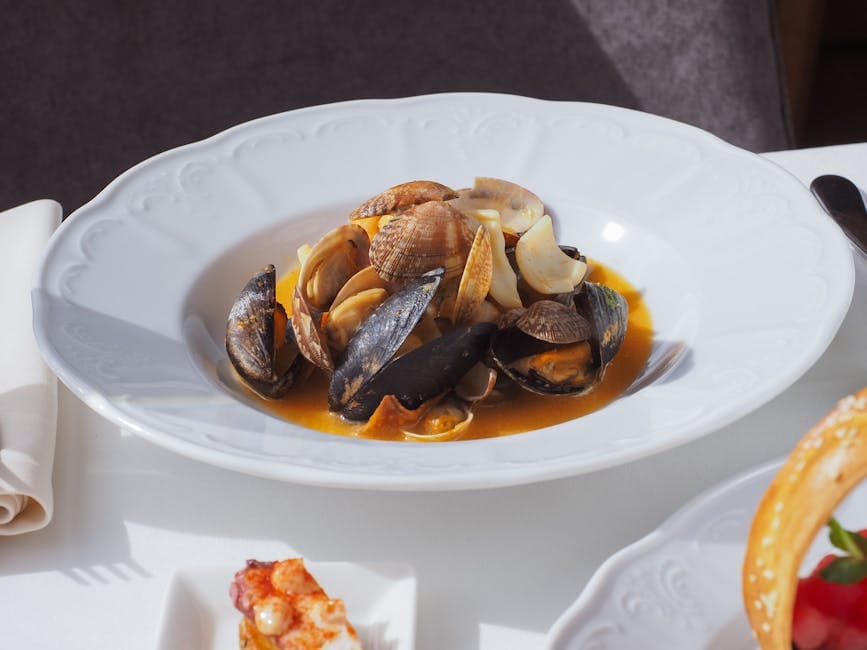
Bouillabaisse Marseillaise (حساء سمك مرسيليا)
يخنة الصيادين الأسطورية في بروفانس - مرق الزعفران والشمر المعطر مع الراسكاس، والكونجر، وسمك الصخور، ويقدم مع الخبز المحمص المغطى بالروبيل.
حول هذه الوصفة
Bouillabaisse هو طبق الصياد العظيم في مرسيليا وواحد من أكثر الوجبات احتفالية في المطبخ الفرنسي. نشأت هذه الطريقة في كالانك الصخرية للميناء القديم، وكانت في الأصل طريقة يستخدمها الصيادون لاستخدام أسماك الصخور الشوكية والعظمية والأقل تسويقًا التي لا يمكنهم بيعها - الراسكاس (سمكة العقرب)، والجالينيت (الجرنار)، وسان بيير (جون دوري)، وثعبان البحر - عن طريق غليها مع الشمر والطماطم والثوم والزعفران وزيت الزيتون في مرق برتقالي عميق عطر. يضع ميثاق مرسيليا لعام 1980، الذي وقعته مطاعم بويلابايس الكبرى، القواعد: أربع أسماك على الأقل من قائمة محددة، وقاعدة من الشمر والطماطم، والزعفران من البداية إلى النهاية، وتقديمها في طبقين - أولًا يُغرف المرق فوق الخبز المحمص ويُفرك بالثوم ويعلوه الرويل (مايونيز ناري بالزعفران والثوم والفلفل)، ثم تُقدم السمكة بأكملها بشكل منفصل على طبق وطبق. شرائح على الطاولة. يحتاج بويلابايس المناسب إلى الاستثمار - أنواع متعددة من الأسماك، وزركشة السمك، والزعفران الحقيقي، والرويل من الصفر - ولكن التجربة لا تشبه أي يخنة أخرى من المأكولات البحرية، مع التعقيد الذي يأتي من أومامي المالح متعدد الطبقات للأسماك المتعددة، وعطر الزعفران والشمر، وكمة من الثوم والفلفل الحار في الرويل.
المكونات
يخدم 6
- 2 كغأسماك بيضاء صلبة مختلطة على العظم - من الناحية المثالية سمك العقرب، والغرنارد، وسمك الراهب، وجون دوري، وثعبان البحر الكونجر؛ الحد الأدنى 4 أنواع
- 500 غعظام الأسماك ورؤوس الأسماك البيضاء (اسأل بائع السمك)، وإزالة الخياشيم وشطفها من الدم
- 2 كبيرحبات من الشمر، مقطعة إلى شرائح؛ 2 بصلة كبيرة، مقطعة إلى شرائح؛ 1 رأس ثوم مقسم
- 500 غطماطم ناضجة، مفرومة (أو علبة 400 جرام في الشتاء)، بالإضافة إلى 1 ملعقة كبيرة معجون طماطم
- 1 large pinchخيوط زعفران (1 جرام) مقسمة
- 200 ملزيت زيتون بروفنسي بكر ممتاز، مقسم
- 150 ملالنبيذ الأبيض الجاف (كاسيس أو بيكبول)
- 1 stripقشر البرتقال المجفف؛ 1 باقة ثوم (زعتر، غار، سيقان الشمر، البقدونس)؛ 1 ملعقة صغيرة يانسون أو 30 مل باستيس
- 1 loafخبز ريفي قديم، مقطع إلى شرائح بسمك 1.5 سم ومجفف في الفرن
- 1 recipeالرويل - 2 فص ثوم، 1 فلفل أحمر صغير، قليل من الزعفران، 1 صفار بيضة، 200 مل زيت زيتون، 1 ملعقة كبيرة عصير ليمون
التعليمات
- 1
تحضير السمك
قم بقياس جميع الأسماك وأمعاءها، مع ترك الرؤوس. قطع السمك الأكبر حجمًا إلى مقاطع عرضية يبلغ طولها 8 سم. اشطف العظام بالماء البارد حتى تصبح صافية (15 دقيقة - الدم يفسد المرق). يُملح قطع السمك قليلًا ثم يُوضع في الثلاجة أثناء تحضير المرق.
- 2
بناء قاعدة المرق
في وعاء واسع، سخني 4 ملاعق كبيرة زيت زيتون على نار متوسطة. قومي بفرم الشمر والبصل والثوم لمدة 12 دقيقة بدون لون حتى ينضج تماماً. أضيفي الطماطم ومعجون الطماطم واطهيه لمدة 8 دقائق حتى تختفي الرائحة النيئة.
- 3
أضف العظام وأغرسها
أضف عظام السمك ورؤوسه المغسولة إلى الخضار. اسكبي النبيذ الأبيض واتركيه يغلي لمدة دقيقتين. أضف 2 لتر من الماء البارد، وقشر البرتقال، وباقة الثوم، ونصف كمية الزعفران، واليانسون. جلب فقط لينضج.
- 4
ينضج المخزون
يُطهى على نار خفيفة لمدة 35 دقيقة، مع إزالة الرغوة من الأعلى بانتظام. لا تتركه يغلي بقوة وإلا أصبح المرق مرًا وغائمًا. تمر عبر منخل ناعم، مع الضغط على المواد الصلبة بقوة لاستخراج كل قطرة، ثم تعاد المرق المصفى إلى وعاء نظيف.
- 5
اصنع الرويل
في الهاون، اطحني الثوم والفلفل الحار والزعفران وقليل من الملح حتى تصبح عجينة. اخفقي صفار البيض ثم رشي زيت الزيتون قطرة قطرة مع الخفق المستمر حتى تحصلي على مايونيز سميك برتقالي متوهج. اخفقي عصير الليمون وملعقة كبيرة من المرق الدافئ لتخفيفه.
يقوم التقليديون بتكثيف الرويل بقطعة من البطاطس المسلوقة أو فتات الخبز المنقوع بدلاً من صفار البيض - كلاهما يعمل؛ الخبز أكثر ريفية.
- 6
قم بطهي السمك بالترتيب حسب صلابة السمك
أحضر المرق المصفى إلى نار هادئة. أضف الزعفران المتبقي والأسماك الصلبة أولًا (سمك الراهب، الكونجر) واتركها على نار خفيفة لمدة 6 دقائق. أضف السمك متوسط الصلابة (الجورنارد، جون دوري) واتركه على نار خفيفة لمدة 5 دقائق. أخيرًا، أضف الأسماك الأكثر حساسية (سمك العقرب، الدنيس البحري) واتركها على نار خفيفة لمدة 4 دقائق. إجمالي حساء البويلابيس ينضج: 12-15 دقيقة.
- 7
نخب الخبز
نحمص شرائح الخبز حتى تصبح ذهبية اللون، ثم نفركها برفق بفص ثوم خام مقطع إلى نصفين. ضعي قطعة خبز محمصة واحدة في كل وعاء، مع طبق صغير من الرويل ومبشرة صغيرة من الغرويير بجانبه.
- 8
يخدم في عملين
الفعل الأول: اغرف المرق في أوعية فوق خبز محمص بالثوم وملعقة كبيرة من الرويل. الفصل الثاني: تقديم السمك على طبق دافئ، مرشوش بزيت الزيتون ومنثور عليه البقدونس الطازج. يأكل رواد المطعم طبق المرق أولاً، ثم يساعدون أنفسهم في صيد السمك في نفس الوعاء.
هل جرّبت هذه الوصفة؟
قيّمها وساعد الآخرين في العثور على الوصفات التي تنجح فعلاً.
سجّل الدخول بنقرة واحدة وسنحفظ التقييم الذي اخترته للتو.
كل ما تحتاجه لتخطيط أسبوعك — مجانًا
- تقويم الوجبات
- قائمة التسوق
- أفكار وصفات بالذكاء الاصطناعي
تابع ما تأكله
صوّر وجبتك لتسجيل السعرات والعناصر الغذائية، واستخدم مؤقتات الصيام وتتبع شرب الماء في تطبيق SnapCal المجاني.
نصائح للمحترفين
- →
استخدم أكبر عدد ممكن من أنواع الأسماك المختلفة - فالنكهات ذات الطبقات من أسماك الصخور المختلطة هي الهدف الأساسي من bouillabaisse. النسخة ذات النوع الواحد هي حساء السمك، وليس حساء السمك.
- →
حفظ العظام وشطفها بوسواس. عظام دامية = مخزون مر غائم. انقعها في ماء مملح لمدة 20 دقيقة إذا لم ينظفها بائع السمك.
- →
زعفران حقيقي وليس كركم وليس "الزعفران المكسيكي" (العصفر). للحصول على 6 حصص، تحتاج إلى 1 جرام على الأقل - قد يبدو هذا كثيرًا ولكنه النكهة المميزة.
- →
أضف السمك بالترتيب، لمدة 12-15 دقيقة فقط. يُقتل Bouillabaisse بسبب طهي السمك لفترة طويلة. يجب أن يكون لحم السمك معتمًا ومتقشرًا فقط، لا أكثر.
الاختلافات
- •
Bouillabaisse de morue - أحد أنواع الصوم الكبير البروفنسي المصنوع من سمك القد المملح والبطاطس بدلاً من الأسماك الطازجة.
- •
بورايد سيتواز - ابن عم من سيت، مع السمك الأبيض فقط (بدون راسكاس) وينتهي مع أيولي يقلب في المرق لجعله كريميًا.
- •
حصص فردية حديثة - شرائح السمك في المطبخ وتقديمها مطلية بالفعل لأناقة المطعم، مما يفقد بعضًا من الحفل.
- •
جراد البحر - أضف جراد البحر المقطع إلى النصف في آخر 7 دقائق؛ مثير للجدل في مرسيليا ولكنه مذهل في المناسبات الخاصة.
تخزين
أفضل يوم للطهي - يصبح السمك المسلوق طريًا إذا تم إعادة تسخينه. يمكن حفظ المرق المصفى بمفرده في الثلاجة لمدة 3 أيام أو شهرين مجمداً، وهو رائع كقاعدة للحساء. يحتفظ الرويل بالثلاجة لمدة 3 أيام في وعاء مغلق.
التاريخ والأصل
تطورت Bouillabaisse بين الصيادين في Vieux-Port of Marseille منذ فترة العصور الوسطى فصاعدًا كوسيلة لاستخدام أسماك الصخور غير القابلة للبيع من الصيد اليومي. قام "ميثاق بويابيس" لعام 1980، الذي وقعه 11 مطعمًا رائدًا في مرسيليا، بتدوين الوصفة لحمايتها من تبسيط فخ السائحين.
الأسئلة المتداولة
هل يمكنني عمل ذلك بسمكة واحدة أو سمكتين فقط؟
بصراحة لا، إنه يصبح حساء سمك، وليس حساء. الهوية الكاملة للطبق تأتي من طبقات أومامي من أنواع متعددة. ابحث عن عبوات "حساء السمك" المختلطة لدى بائعي الأسماك الجيدين، أو أضف إليها أسماك الراهب المجمدة، والغرنارد، والكونجر.
هل قشر البرتقال ضروري؟
نعم - إنها إحدى النكهات البروفنسالية المميزة. استخدمي قشر البرتقال المجفف (المجفف في الشمس لمدة يومين) للحصول على النكهة الأكثر كثافة؛ يعمل طازجًا أيضًا ولكنه أقل تركيزًا.
تقسيم الرويل الخاص بي – هل يمكنني حفظه؟
نعم، ضعي صفارًا جديدًا وملعقة صغيرة من المرق في وعاء نظيف، ثم أضيفي الرويل المكسور ببطء شديد، مع الخفق المستمر. إنه يعيد بناء المستحلب. السبب الأرجح: إضافة الزيت بسرعة كبيرة أو أن المكونات كانت باردة.
ما أزواج النبيذ مع bouillabaisse؟
وردة بروفنسية جافة (باندول، كوت دو بروفانس) أو بيضاء ناصعة من كاسيس أو بيكبول دي بينيه. تجنب اللون الأبيض الثقيل والأحمر بالكامل - يحتاج بويلابايس إلى الحموضة لتقطيع الزعفران والرويل.
حقائق التغذية
لكل وجبة (480g) · 6 حصص إجمالية
ملخص الوقت
هل لديك أسئلة؟
اسأل مساعد الطبخ الذي يعمل بالذكاء الاصطناعي لدينا أي شيء عن هذه الوصفة - البدائل والتقنيات والقياس.
الدردشة مع AI Chef →ظهرت في الأدلة
هذه الوصفة واردة في الأدلة المنسقة التالية:
المزيد من وصفات فرنسي
قد يعجبك أيضًا
أطباق مشابهة من مطابخ أخرى حول العالم.
تصفّح حسب المكوّن
وصفات أخرى مبنية على المكوّنات الأساسية نفسها.
أدوات مطبخ مجانية
حاسبات ومحوّلات تكمّل هذه الصفحة — دون الحاجة إلى تسجيل.
حوّلها إلى خطة
جدولها، تسوّق لها، وتابع ما لديك بالفعل.
اقرأ بعد ذلك
مقالات أطول تتعمّق في الأفكار وراء هذا الطبق.
مجتمع
انضم إلى المحادثة
قم بتسجيل الدخول لترك تعليق وحفظ وصفاتك المفضلة