
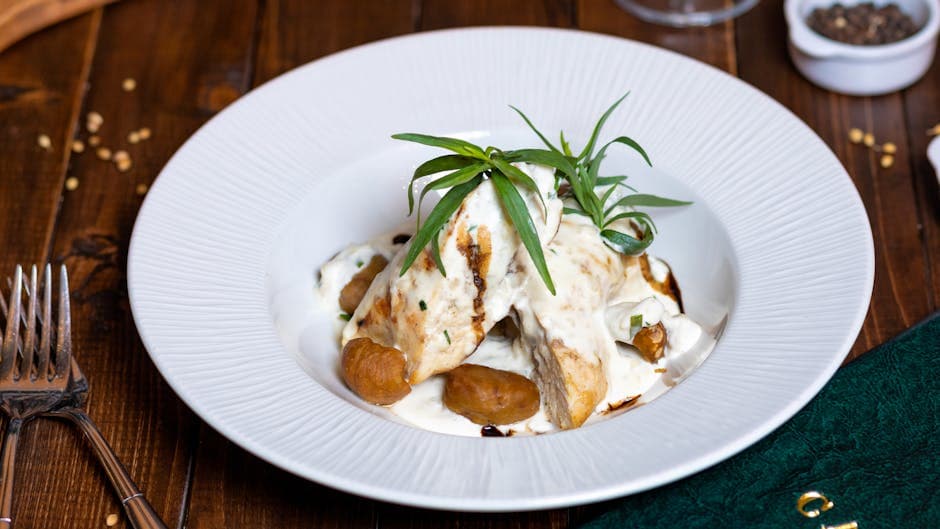
Poulet à la Moambé (دجاج كونغولي في زبدة النخيل)
الطبق الوطني لوسط أفريقيا: دجاج مطهو ببطء في صلصة جوز الهند مع الفلفل الحار والبصل والطماطم - حريري وأحمر داكن.
حول هذه الوصفة
بوليه لا موامبي هو الطبق الوطني لكل من جمهورية الكونغو الديمقراطية وجمهورية الكونغو، وهو أحد أكثر أطباق اليخنة تميزًا في وسط أفريقيا. موامبي هو اللب السميك ذو اللون الطيني المضغوط من ثمار جوز النخيل - ويباع في علب عبر محلات البقالة الأفريقية ومنطقة البحر الكاريبي باسم "صلصة الحبوب" أو "كريمة النخيل". يُطهى اللب مع الدجاج المحمر والبصل والطماطم والفلفل الحار والثوم والقليل من المرق حتى يتحول إلى صلصة عميقة ولامعة تلتصق بكل عظم. النكهة لا تشبه أي شيء غربي - ترابية، وجوزية قليلاً، ونباتية بطريقة يصعب وصفها ولكن يمكن التعرف عليها على الفور. يتم تناوله مع الأرز أو الفوفو أو الشيكوانجو (الكسافا المخمرة)، وفي الاحتفالات الكبرى لا يكتمل أي طبق بدون قطعة من دجاج موامبي.
المكونات
يخدم 4
- 1دجاجة كاملة (1.4 كجم)، مقطعة إلى 8 قطع، منزوعة الجلد
- 1 can (800 g)كريمة جوز النخيل (صلصة الحبوب / نيكس دي بالم)
- 2 ملعقة كبيرةزيت نباتي
- 2 كبيربصل أصفر، مقطع إلى شرائح
- 4 فصوصالثوم المطحون
- 2طماطم ناضجة، مبشورة
- 1 ملعقة كبيرةمعجون الطماطم
- 1غطاء محرك السيارة سكوتش أو هابانيرو، كامل
- 1مكعب ماجي
- 1 ملعقة صغيرةملح ناعم، بالإضافة إلى المزيد حسب الرغبة
- 1 ملعقة صغيرةالفلفل الأسود المطحون
- 1 small pieceزنجبيل طازج، مبشور
- 400 ملماء أو مرق دجاج خفيف
- 2أوراق الغار
التعليمات
- 1
دجاج الموسم
جفف قطع الدجاج. افركي كل شيء بنصف الملح والفلفل والزنجبيل المبشور وفص ثوم مهروس. راحة 15 دقيقة.
- 2
بني الدجاج
سخني الزيت في قدر ثقيل أو فرن هولندي على نار متوسطة عالية. يُحمر الدجاج على دفعات، لمدة 4 دقائق لكل جانب، حتى يصبح الجلد ذهبي اللون. نقل إلى لوحة. لا تزدحم المقلاة.
براوننج غير قابل للتفاوض - وهذا هو المكان الذي يأتي منه معظم العمق اللذيذ.
- 3
عرق العطريات
خفض الحرارة إلى متوسطة. يُضاف البصل إلى القدر نفسه مع الثوم المتبقي ويُطهى لمدة 10 دقائق حتى يصبح طريًا جدًا وذو لون فاتح.
- 4
بناء قاعدة الصلصة
يُضاف معجون الطماطم ويُطهى لمدة دقيقتين. تُضاف الطماطم المبشورة وتُطهى لمدة 5 دقائق أخرى، مع إزالة القطع ذات اللون البني من الوعاء.
- 5
أضف كريم النخيل
تُسكب كريمة جوز النخيل مع 400 مل من الماء (أو المرق). حرك حتى تصبح ناعمة - ستكون الصلصة ذات لون أحمر غامق. يُضاف مكعب ماجي، وأوراق الغار، والغطاء الاسكتلندي بالكامل، والملح المتبقي.
- 6
طبخ
أعد قطع الدجاج وأي عصائر إلى الوعاء. يُترك على نار خفيفة ويُغطى جزئيًا ويُطهى لمدة 45-55 دقيقة. يقلب كل 10 دقائق. يجب أن يكون الدجاج طريًا جدًا وأن تقل الصلصة بمقدار الثلث.
- 7
إنهاء
قم بإزالة أي زيت زائد من السطح (كريمة النخيل غنية - طبقة رقيقة من الزيت الأحمر جيدة، والبركة السميكة أكثر من اللازم). إزالة أوراق الغار والفلفل الحار كله. تذوق وضبط الملح.
- 8
خدمة
تُسكب الصلصة بسخاء فوق كل قطعة من الدجاج. يقدم مع الأرز الأبيض أو الفوفو وجانب من السبانخ أو الكرنب المقلي (أسلوب ساكا ساكا).
هل جرّبت هذه الوصفة؟
قيّمها وساعد الآخرين في العثور على الوصفات التي تنجح فعلاً.
سجّل الدخول بنقرة واحدة وسنحفظ التقييم الذي اخترته للتو.
كل ما تحتاجه لتخطيط أسبوعك — مجانًا
- تقويم الوجبات
- قائمة التسوق
- أفكار وصفات بالذكاء الاصطناعي
اطبخ دون الحاجة للمس الشاشة
احصل على خطط وجبات بالذكاء الاصطناعي ووضع طهي خطوة بخطوة ووصفاتك المحفوظة في تطبيق Bento المجاني.
نصائح للمحترفين
- →
استخدمي كريمة جوز النخيل المعلبة من إحدى العلامات التجارية في وسط أفريقيا مثل Trofai أو Ghana's Praise - كما أن "صلصة الحبوب" الفرنسية الكاريبية مناسبة أيضًا. تجنب زيت النخيل الأحمر المكرر؛ إنه ليس نفس الشيء.
- →
إذا انقسمت الصلصة وتجمعت الزيت بشكل كبير، قم بخفقها في 50 مل من الماء الساخن بقوة لإعادة الاستحلاب، وخفض الحرارة - تنكسر كريمة النخيل إذا تم غليها على نار خفيفة بشدة.
- →
لا تزرع البذور في غطاء محرك السيارة الاسكتلندي - احتفظ به كاملاً، فهو يعطر الحساء بلطف. إذا أردت النار، اثقبها بالسكين مرة واحدة قبل إضافتها.
الاختلافات
- •
نسخة بوندو: أضف 200 جرام من أوراق الكسافا المقشرة في الخطوة 6 للحصول على طبق على طراز كينشاسا بالكامل.
- •
استخدم الدجاج الحبشي أو البط بدلاً من الدجاج للحصول على نسخة احتفالية شائعة في برازافيل.
- •
نباتي: استبدل الدجاج بقطع من الموز المقلي والفطر. اطهي الصلصة لمدة 20 دقيقة فقط.
تخزين
يتم تبريده بشكل جميل لمدة 3-4 أيام؛ تتعمق النكهة بين عشية وضحاها. يُعاد التسخين بلطف لمنع قشدة النخيل من الانقسام. يتجمد شهرين؛ ذوبان الجليد بين عشية وضحاها قبل إعادة التسخين.
التاريخ والأصل
صلصة موامبي تسبق الاستعمار – شجرة جوز النخيل (Elaeis guineensis) موطنها الأصلي غرب ووسط أفريقيا، وقد تم استخدام لب النخيل كوسيلة للطهي لعدة قرون. أصبحت نسخة الدجاج رسمية كطبق وطني في كل من الكونغو خلال القرن العشرين وتم تقديمها بشكل مشهور في المآدب الرسمية في كينشاسا وبرازافيل.
الأسئلة المتداولة
أين أجد كريمة جوز النخيل؟
انظر إلى محلات البقالة الأفريقية (الأقسام الكاميرونية والإيفوارية والكونغولية والنيجيرية) أو الأسواق الكاريبية الكبيرة - فهي تحمل علامة صلصة الحبوب أو noix de palme أو pâte de noix de palme. كما تقوم متاجر البقالة المتخصصة عبر الإنترنت بتخزينها.
هل يمكنني استخدام زيت النخيل الأحمر بدلاً من كريم النخيل؟
لا – إنهما مختلفان تمامًا. زيت النخيل الأحمر هو زيت الطبخ المكرر. كريم جوز النخيل هو لب الفاكهة غير المكرر مع الألياف والدهون والنكهة. لا يوجد بديل جيد.
هل من المفترض أن تكون صلصة موامبي زيتية؟
تعتبر طبقة رقيقة من الزيت البرتقالي والأحمر في الأعلى صحيحة وتقليدية - قم بإزالة الزيت بقوة فقط إذا كان هناك أكثر من بضع ملاعق كبيرة. الزيت يحمل النكهة.
حقائق التغذية
لكل وجبة (380g) · 4 حصص إجمالية
ملخص الوقت
هل لديك أسئلة؟
اسأل مساعد الطبخ الذي يعمل بالذكاء الاصطناعي لدينا أي شيء عن هذه الوصفة - البدائل والتقنيات والقياس.
الدردشة مع AI Chef →ظهرت في الأدلة
هذه الوصفة واردة في الأدلة المنسقة التالية:
المزيد من وصفات Congolese
قد يعجبك أيضًا
أطباق مشابهة من مطابخ أخرى حول العالم.
أدوات مطبخ مجانية
حاسبات ومحوّلات تكمّل هذه الصفحة — دون الحاجة إلى تسجيل.
حوّلها إلى خطة
جدولها، تسوّق لها، وتابع ما لديك بالفعل.
اقرأ بعد ذلك
مقالات أطول تتعمّق في الأفكار وراء هذا الطبق.
مجتمع
انضم إلى المحادثة
قم بتسجيل الدخول لترك تعليق وحفظ وصفاتك المفضلة