
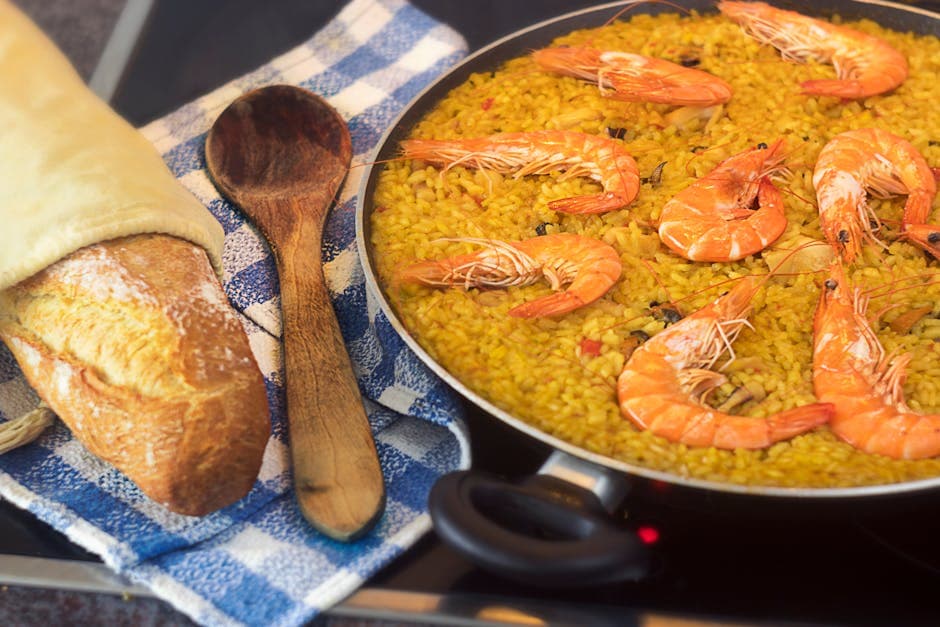
Fideuà (الباييلا المعكرونة بالمأكولات البحرية الإسبانية)
قريب نودلز الباييلا من فالنسيا - شعيرية قصيرة محمصة مطبوخة على طريقة الباييلا مع الحبار والجمبري ومرق الزعفران، تقدم مع اليولي بالثوم.
حول هذه الوصفة
Fideuà هو شقيق المعكرونة الباييلا، ولد على ساحل البحر الأبيض المتوسط في فالنسيا في الثلاثينيات من القرن الماضي عندما قام طباخ الصياد على متن القارب "سانتا إيزابيل" باستبدال المعكرونة بالأرز (حسب الأسطورة) لمنع القبطان الجشع من أكل المقلاة بأكملها. أصبح هذا الطبق الآن أيقونة بلنسية وكاتالونية، ويتم إعداده في نفس مقلاة الباييلا المسطحة الواسعة، مع نفس مرق المأكولات البحرية بالزعفران والطماطم، ولكن باستخدام شعيرية أنبوبية قصيرة تسمى فيديو (على غرار بوكاتيني المكسورة) والتي يتم تحميصها أولاً في زيت الزيتون حتى يصبح لونها بنيًا داكنًا - هذا التحميص هو ما يمنح الفديو رائحة الدخان المميزة التي تشبه رائحة القهوة تقريبًا. يتم بعد ذلك طهي المعكرونة بالكامل في مرق المأكولات البحرية، حيث تمتص النكهة عندما تنضج، مع إضافة الحبار والجمبري وبلح البحر والسمك الأبيض في اللحظات المناسبة. مثل ابن عم الأرز، يكافئ "فيدوا" الطباخ الذي يصنع "سوكارات" مناسبة - الطبقة السفلية المقرمشة الثمينة حيث تتكرمل المعكرونة على المقلاة - ويتم تقديمه دائمًا مع جانب من اليولي، مستحلب زيت الزيتون والثوم اللاذع الذي يضعه رواد المطعم على كل شوكة. تذهب المقلاة مباشرة إلى وسط الطاولة، ويأكل الجميع بملعقة من إسفين المقلاة الخاص بهم. كوب من ألبارينيو أو كافا البارد، وقطعة كبيرة من الخبز لامتصاص أي مرق، وستحصل على واحدة من أفضل الوجبات التي يقدمها ساحل البحر الأبيض المتوسط.
المكونات
يخدم 4
- 300 غفيديو (شعيرية مجوفة قصيرة)، أو قطع بوكاتيني مكسورة بسمك 1 سم
- 1.2 لمخزون غني من الأسماك أو المأكولات البحرية (محضر في المنزل إن أمكن) ويبقى ساخنًا
- 300 غحبار طازج، مقشر ومقطع إلى حلقات
- 12القريدس الخام
- 300 غبلح البحر منزوع اللحية ومقشر
- 200 غسمكة بيضاء صلبة (سمك الراهب أو سمك النازلي)، مقطعة إلى قطع بحجم 3 سم
- 1 كبيرالطماطم الناضجة، المبشورة (التخلص من الجلد)
- 1 صغيربصل مفروم ناعماً
- 4 فصوصالثوم المفروم
- 1 ملعقة صغيرةالفلفل الحلو المدخن (بيمنتون دولسي)
- 1 قبضةخيوط زعفران محمصة قليلاً ومفتتة
- 5 ملعقة كبيرةزيت الزيتون البكر الممتاز
- 1 small bowlاليولي (مايونيز بالثوم) للتقديم
- 1ليمون، مقطّع إلى شرائح
التعليمات
- 1
نخب الشعرية
سخني ملعقتين كبيرتين من زيت الزيتون في مقلاة الباييلا الواسعة على نار متوسطة. أضيفي الفيديو والخبز المحمص، مع التحريك المستمر بملعقة خشبية، لمدة 4-5 دقائق حتى يتحول لونهما إلى اللون البني الذهبي الغامق - تقريبًا لون شوكولاتة الحليب. هذه الخطوة بالغة الأهمية: فالمعكرونة غير المحمصة تنتج فيديو عديم النكهة. تقلب في وعاء وتترك جانباً.
- 2
احرق الجمبري والحبار
أضف 2 ملعقة كبيرة زيت أخرى إلى المقلاة. احرق الجمبري لمدة 60 ثانية على كل جانب حتى يصبح لونه ورديًا فقط، وسينتهي من طهيه لاحقًا. إزالة إلى لوحة. أضف الحبار واحرقه لمدة 90 ثانية حتى يصبح معتمًا؛ إزالة وتوضع جانبا. يجب الآن طلاء المقلاة بزيت ملون بالمأكولات البحرية.
- 3
بناء سوفريتو
أضف ما تبقى من 1 ملعقة كبيرة زيت. يُضاف البصل ويُطهى لمدة 5 دقائق حتى يصبح شفافًا ويبدأ في اللون. يُضاف الثوم ويُطهى لمدة 60 ثانية. أضيفي الطماطم المبشورة والفلفل الحلو المدخن، واطهيه لمدة 6-8 دقائق مع التحريك حتى تصبح الطماطم داكنة ويبدأ الزيت في الانفصال حول الحواف - وهي سوفريتو إسبانية مناسبة.
- 4
أضف الزعفران والسمك الأبيض
أضيفي الزعفران المفتت واتركيه يتفتح في السوفريتو لمدة 30 ثانية. أضيفي قطع السمك الأبيض وحركيها بلطف لتغطيها. سيبدأون في التماسك ولكنهم سيبقون خامًا في الداخل.
- 5
أضف الشعرية والمرق الساخن
أعد المعكرونة المحمصة إلى المقلاة وحركها لتندمج مع السوفريتو. اسكبي لترًا واحدًا من المرق الساخن — ينبغي أن يغطي المعكرونة فقط. قم بتوزيعها بالتساوي عبر المقلاة (لا تقلب مرة أخرى من هذه النقطة - يتم بناء الفيديوا مثل الباييلا، دون إزعاج).
- 6
اطبخ المعكرونة
جلب إلى نار هادئة قوية. اطهيها على نار متوسطة إلى عالية لمدة 8 دقائق، ثم رتبي الحبار والروبيان وبلح البحر فوقها، واضغطي عليها قليلاً داخل المعكرونة. اطهيها لمدة 6-8 دقائق أخرى حتى يمتص المرق تقريبًا وتقف المعكرونة في وضع مستقيم. أضف المزيد من المرق الساخن 100 مل في المرة الواحدة فقط إذا لزم الأمر.
- 7
بناء السقراط والراحة
قم بزيادة الحرارة إلى أعلى مستوى خلال الـ 90 ثانية الأخيرة - واستمع إلى صوت طقطقة المعكرونة على المقلاة. وهذا يشكل السوكارات، الطبقة السفلية المقرمشة الثمينة. يُرفع عن النار ويُغطى بورق الألمنيوم بشكل غير محكم ويترك لمدة 5 دقائق. يُقدم مباشرة من المقلاة مع شرائح الليمون ووعاء كبير من اليولي على الجانب.
هل جرّبت هذه الوصفة؟
قيّمها وساعد الآخرين في العثور على الوصفات التي تنجح فعلاً.
سجّل الدخول بنقرة واحدة وسنحفظ التقييم الذي اخترته للتو.
كل ما تحتاجه لتخطيط أسبوعك — مجانًا
- تقويم الوجبات
- قائمة التسوق
- أفكار وصفات بالذكاء الاصطناعي
تابع ما تأكله
صوّر وجبتك لتسجيل السعرات والعناصر الغذائية، واستخدم مؤقتات الصيام وتتبع شرب الماء في تطبيق SnapCal المجاني.
نصائح للمحترفين
- →
إن تحميص النودلز باللون الداكن - الداكن جدًا تقريبًا - هو ما يجعل fideuà fideuà. لا تسحبهم إلى اللون الذهبي؛ ادفع إلى اللون البني الجوزي العميق. إنها تحترق بسرعة، لذا ابق في المقلاة باستمرار.
- →
يُحدث مخزون السمك محلي الصنع من قذائف الجمبري وعظام السمك وسمكة صغيرة كاملة فرقًا كبيرًا. حتى المخزون لمدة 30 دقيقة يتفوق على مرق السمك في السوبر ماركت.
- →
لا تحرك بعد إضافة المرق. مثل الباييلا، يحتاج الفديو إلى الطهي دون إزعاج لتكوين طبقات وتشكيل سوكارات.
- →
اليولي غير قابل للتفاوض في الجانب. اصنعه باستخدام هاون ومدقة (3 فصوص ثوم، ½ ملعقة صغيرة ملح، 1 صفار بيضة، ثم أضف 200 مل من زيت الزيتون ببطء) للحصول على المستحلب الأصلي.
الاختلافات
- •
فيديو أسود (fideuà negra) - أضف كيسين من حبر الحبار مع المرق للحصول على لون داكن مثير.
- •
مزيج من البر والبحر - أضف قطعًا من فخذ الدجاج والكوريزو للحصول على نسخة داخلية أكثر قلبًا.
- •
فيديو الخضار - استخدمي مرق الخضار الغني وأضيفي إليه الخرشوف والفاصوليا البيضاء والفلفل الأحمر المشوي.
- •
فيديوا مع الأرنب - أسلوب بلنسية الداخلي، يشبه الباييلا المعكرونة مع قطع الأرانب وإكليل الجبل.
تخزين
من الأفضل أن تؤكل في نفس اليوم من المقلاة. قم بتبريده لمدة تصل إلى يومين؛ يُعاد تسخينه بلطف في مقلاة مغطاة مع قليل من الماء (يعمل الميكروويف على إضفاء المطاط على المأكولات البحرية وتليين السوكارات). لا تتجمد جيدًا، حيث تتحول المعكرونة إلى فطيرة.
التاريخ والأصل
تم اختراع Fideuà في أوائل ثلاثينيات القرن العشرين على يد طباخ شاب يُدعى غابرييل رودريغيز باستور (الملقب بـ "Gabrieló") على متن قارب الصيد سانتا إيزابيل خارج غانديا، فالنسيا. وبحسب ما ورد كان القبطان يأكل أكثر من حصته من الباييلا الخاصة بالطاقم، لذلك استبدل غابرييلو النودلز بالأرز على أمل ألا يحبها القبطان - وبدلاً من ذلك ولدت كلاسيك بلنسية.
الأسئلة المتداولة
هل يمكنني استخدام شعر الملاك أو السباغيتي؟
لا، مقاطع الفيديو قصيرة وجوفاء، ومصممة لامتصاص المرق دون أن تلتصق. البوكاتيني المكسور هو أفضل بديل للسوبر ماركت؛ يتحول شعر الملاك إلى عصيدة.
هل أحتاج إلى مقلاة الباييلا؟
يوصى به بشدة - الشكل الواسع والسطحي هو ما يسمح للنودلز بالطهي بالتساوي وتشكيل السوكارات. تعمل المقلاة العريضة غير اللاصقة ولكنها لن تجعل القاع مقرمشًا أيضًا.
هل يمكنني تقديم fideuà قدما؟
لا — fideuà هو طبق يقدم في نفس الساعة. قم بإعداد المرق وأعد جميع المكونات مسبقًا، ولكن يجب أن يتم الطهي دفعة واحدة متواصلة، ويجب أن يكون التقديم فوريًا.
ما النبيذ الذي يجب أن أشربه معه؟
ألبارينيو البارد من غاليسيا، رويدا البيضاء الصغيرة، أو الكافا المتلألئة كلها مثالية. الورد البارد من بروفانس يعمل أيضًا بشكل جيد لفيديو الصيف.
حقائق التغذية
لكل وجبة (420g) · 4 حصص إجمالية
ملخص الوقت
هل لديك أسئلة؟
اسأل مساعد الطبخ الذي يعمل بالذكاء الاصطناعي لدينا أي شيء عن هذه الوصفة - البدائل والتقنيات والقياس.
الدردشة مع AI Chef →المزيد من وصفات اسباني
قد يعجبك أيضًا
أطباق مشابهة من مطابخ أخرى حول العالم.
تصفّح حسب المكوّن
وصفات أخرى مبنية على المكوّنات الأساسية نفسها.
أدوات مطبخ مجانية
حاسبات ومحوّلات تكمّل هذه الصفحة — دون الحاجة إلى تسجيل.
حوّلها إلى خطة
جدولها، تسوّق لها، وتابع ما لديك بالفعل.
اقرأ بعد ذلك
مقالات أطول تتعمّق في الأفكار وراء هذا الطبق.
مجتمع
انضم إلى المحادثة
قم بتسجيل الدخول لترك تعليق وحفظ وصفاتك المفضلة