
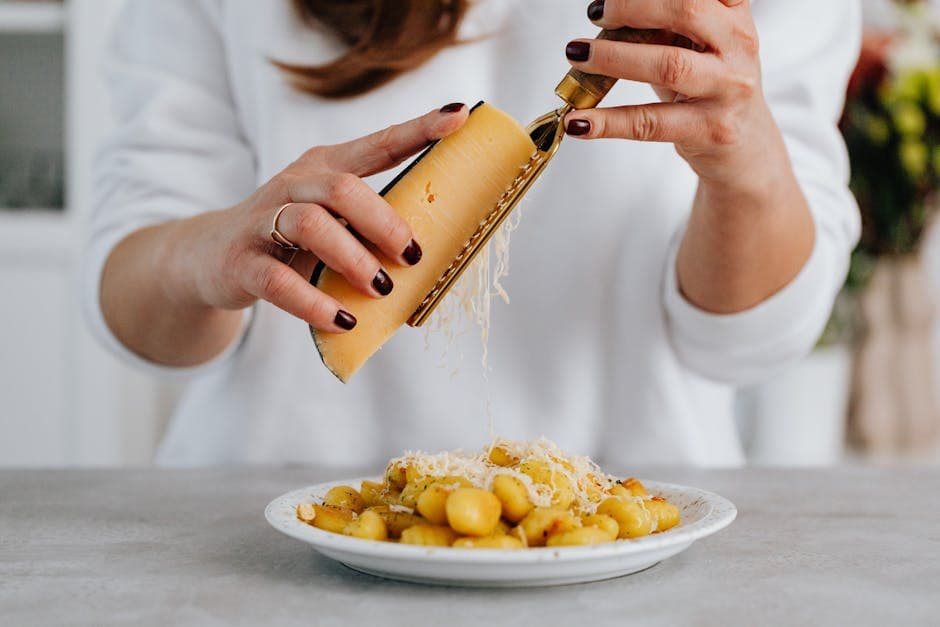
جنوكتشي ألا رومانا
فطائر السميد الروماني - أقراص من السميد المطبوخ مغطاة بالزبدة والبارميزان، مخبوزة حتى تصبح ذهبية اللون.
حول هذه الوصفة
جنوكتشي ألا رومانا هو ابن العم الروماني لجنوكتشي البطاطس الأكثر شهرة - وهو طبق مختلف تمامًا. يتم طهي السميد الخشن مع الحليب وصفار البيض وجبنة البارميزان في عصيدة من دقيق الذرة الصلبة، ثم يُفرد بشكل مسطح حتى يتماسك، ثم يتم ختمه على شكل أقراص ومتداخلة في طبق الخبز مثل قشور السمك. يتم غسلها بالزبدة المذابة، ومغطاة بالمزيد من جبن البارميزان، ويتم خبزها حتى تصبح الأسطح ذهبية اللون ومقرمشة، وتظهر على شكل غرتان فاخر مطاطي قليلاً - حريري في المنتصف، ومقرمش في الأعلى. يأكلها الرومان يوم الخميس (جيوفيدي جنوكتشي)، وهو يوم صيام تاريخيًا يكون فيه الطبق الخالي من اللحوم منطقيًا.
المكونات
يخدم 4
- 1 لحليب كامل الدسم
- 250 غسميد خشن (سيمولا دي غرانو دورو)
- 1 ملعقة صغيرةملح البحر الناعم
- 1 good gratingجوزة الطيب الطازجة
- 100 غزبدة غير مملحة، بالإضافة إلى كمية إضافية
- 120 غبارميجيانو-ريجيانو، مبشورة جيدًا، بالإضافة إلى المزيد للأعلى
- 3 كبيرصفار البيض
التعليمات
- 1
جلب الحليب ليغلي على نار خفيفة
في قدر واسعة وثقيلة، قومي بتسخين الحليب مع الملح وجوزة الطيب حتى يتصاعد البخار.
- 2
المطر في السميد
يُسكب السميد ببطء مع الخفق المستمر. خففي النار واطهيه، مع التبديل إلى ملعقة خشبية مع التحريك بقوة، لمدة 8-10 دقائق حتى يصبح سميكًا جدًا ثم اسحبيه بعيدًا عن جوانب القدر.
- 3
إثراء
بعيدًا عن النار، أضيفي 50 جرامًا من الزبدة و70 جرامًا من جبن البارميزان. عندما يبرد بدرجة كافية حتى لا يتدافع (حوالي 5 دقائق)، أضيفي صفار البيض واحدًا تلو الآخر.
- 4
انتشار والبرد
يُوزّع الخليط على صينية خبز مبللة أو سطح رخامي مدهون بالزيت إلى لوح بسمك 1 سم. السلس مع ملعقة مبللة. تبرد، ثم توضع في الثلاجة لمدة ساعة على الأقل حتى تصبح متماسكة.
- 5
أقراص الطوابع
اقطعي دوائر بحجم 5 سم باستخدام قطاعة البسكويت أو الزجاج. احفظ الزركشة التي يمكن إعادة ضغطها وإعادة ختمها.
- 6
طبقة في الطبق
دهن طبق الغراتان بالزبدة بسخاء. قم بتداخل الأقراص مثل حراشف السمك، مما يؤدي إلى تقسيم الزركشة إلى فجوات.
- 7
أعلى
قم بإذابة الـ 50 جرامًا المتبقية من الزبدة واسكبها بالتساوي على الجزء العلوي. انثر بسخاء مع البارميزان المتبقي وبعض الشبكات الإضافية.
- 8
اخبز
اخبزيها في الفرن على حرارة 220 درجة مئوية لمدة تتراوح بين 22 و28 دقيقة حتى يصبح سطحها ذهبيًا ومقرمشًا وتظهر الفقاعات على الحواف.
- 9
الراحة والخدمة
راحة 5 دقائق. يقدم مباشرة من الطبق. التناقض بين الجزء العلوي المتشقق والطبقة السفلية المنصهرة هو النقطة المهمة.
هل جرّبت هذه الوصفة؟
قيّمها وساعد الآخرين في العثور على الوصفات التي تنجح فعلاً.
سجّل الدخول بنقرة واحدة وسنحفظ التقييم الذي اخترته للتو.
كل ما تحتاجه لتخطيط أسبوعك — مجانًا
- تقويم الوجبات
- قائمة التسوق
- أفكار وصفات بالذكاء الاصطناعي
تابع ما تأكله
صوّر وجبتك لتسجيل السعرات والعناصر الغذائية، واستخدم مؤقتات الصيام وتتبع شرب الماء في تطبيق SnapCal المجاني.
نصائح للمحترفين
- →
استخدمي السميد الخشن، وليس دقيق السميد الناعم، فالقوام يعتمد عليه.
- →
بلل ملعقتك باستمرار عند تنعيم البلاطة؛ تلتصق العجينة بالأسطح الجافة.
- →
قم بدهن الأقراص بكمية إضافية من الزبدة المذابة قبل الخبز للحصول على سطح ذهبي اللون ومقرمش.
الاختلافات
- •
أضف طبقة من السبانخ المطبوخة أو البروسسيوتو المفروم بين الأقراص للحصول على طبق رئيسي أكثر ثباتًا.
- •
استبدل نصف كمية البارميزان بالبيكورينو رومانو القديم للحصول على حافة رومانية أكثر حدة.
- •
يرش الجزء العلوي بأوراق الزعتر والقليل من نكهة الليمون للحصول على لمسة نهائية أكثر إشراقًا.
تخزين
برد لمدة تصل إلى 3 أيام. أعد هشها في فرن ساخن (200 درجة مئوية، 8 دقائق)؛ الميكروويف يجعلها مطاطية.
التاريخ والأصل
تم توثيق جنوكتشي السميد الروماني منذ القرن الثامن عشر على الأقل وظل طبقًا خاليًا من اللحوم لصيام الجمعة ويوم العيد التقليدي في روما الكاثوليكية. ولا يزال يتم تقديمها أسبوعيًا في المطاعم الرومانية الكلاسيكية مثل Da Felice وArmando al Pantheon.
الأسئلة المتداولة
هل يمكنني أن أتقدم بهذه الأمور؟
نعم - قم بختمها وطبقتها حتى يوم واحد، ثم ضعها في الثلاجة مغطاة، واخبزها مباشرة من الثلاجة لمدة 5 دقائق إضافية.
ما هو الفرق من جنوكتشي البطاطس؟
جنوكتشي البطاطس عبارة عن فطائر مسلوقة صغيرة من البطاطس المهروسة والدقيق. جنوكتشي الرومانية عبارة عن أقراص مخبوزة من بودنغ السميد. عائلة مختلفة تماما.
حقائق التغذية
لكل وجبة (320g) · 4 حصص إجمالية
ملخص الوقت
هل لديك أسئلة؟
اسأل مساعد الطبخ الذي يعمل بالذكاء الاصطناعي لدينا أي شيء عن هذه الوصفة - البدائل والتقنيات والقياس.
الدردشة مع AI Chef →ظهرت في الأدلة
هذه الوصفة واردة في الأدلة المنسقة التالية:
المزيد من وصفات إيطالي
قد يعجبك أيضًا
أطباق مشابهة من مطابخ أخرى حول العالم.
أدوات مطبخ مجانية
حاسبات ومحوّلات تكمّل هذه الصفحة — دون الحاجة إلى تسجيل.
حوّلها إلى خطة
جدولها، تسوّق لها، وتابع ما لديك بالفعل.
اقرأ بعد ذلك
مقالات أطول تتعمّق في الأفكار وراء هذا الطبق.
مجتمع
انضم إلى المحادثة
قم بتسجيل الدخول لترك تعليق وحفظ وصفاتك المفضلة