
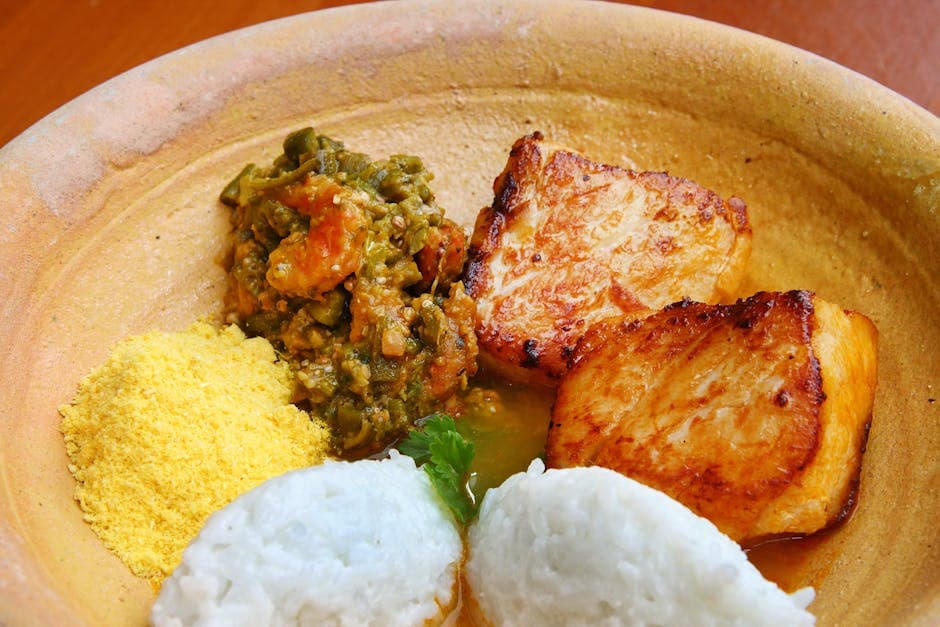
أتيكي بواسون (كسكس الكسافا الإيفواري مع السمك المشوي)
الكلاسيكية الساحلية في كوت ديفوار: الكسافا المخمرة "الكسكس" مع السمك الكامل المشوي وصلصة البصل الخام والفلفل الحار.
حول هذه الوصفة
Attiéké Poisson هو العلم غير الرسمي لأطعمة الشوارع في ساحل العاج. Attiéké نفسها - حبيبات صغيرة لاذعة قليلاً من الكسافا المخمرة والمطهية على البخار - تبدو مثل الكسكس ولكن لها نكهة مميزة وحامضة بلطف من تخمير المنيهوت المبشور على مدار 24 ساعة. حول بحيرات أبيدجان يتم تكديسها على أطباق بجانب سمك البلطي المشوي أو الدنيس البحري، منقوع في صلصة البصل والطماطم والفلفل الحار الخام التي تسمى "صلصة بيمنت"، ومعصورة بالليمون. المزيج عبقري: يمتص أتيكيه البارد والرقيق عصائر السمك وحرارة السالسا، وكل قضمة تحتوي على طبقات من الدخان والحامض والحاد والمقرمش. يتم تناوله واقفاً في maquis (المطاعم في الهواء الطلق) بالأصابع، ويتم غسله بالبيساب (الكركديه) أو بيرة بوك الباردة.
المكونات
يخدم 4
- 500 غattiéké المطهوة على البخار مسبقًا (تباع في عبوات مفرغة من الهواء في محلات البقالة الأفريقية)
- 2سمك بلطي أو سمك دنيس كامل، مقشر ومنزوع الأحشاء (حوالي 400 جرام لكل منهما)
- 3 ملعقة كبيرةزيت نباتي مقسم
- 2الليمون الحامض إلى النصف
- 1 ملعقة كبيرةملح ناعم مقسم
- 1 ملعقة صغيرةفلفل أبيض
- 1 ملعقة صغيرةالزنجبيل المطحون
- 2 فصوصالثوم المبشور
- 2 كبيرطماطم، مقطعة إلى مكعبات صغيرة
- 1 كبيربصل أحمر، مفروم ناعماً
- 1سكوتش بونيه الفلفل الحار، المفروم ناعما (البذور في للحرارة الكاملة)
- 2بصل أخضر، مقطع إلى شرائح
- 1مكعب ماجي، مفتت
- 2 ملعقة كبيرةالماء
التعليمات
- 1
سجل السمكة
اصنع ثلاث شقوق قطرية على كل جانب من كل سمكة، بحيث تقطع الجلد حتى العظم. يساعد ذلك على تغلغل التتبيلة وطهي السمك بالتساوي.
- 2
نقع
اخلطي ملعقتين صغيرتين من الملح والفلفل الأبيض والزنجبيل المطحون والثوم المبشور وعصير ليمونة واحدة وملعقة كبيرة من الزيت. فرك في جميع أنحاء السمك، في الشقوق والتجويف. راحة 20 دقيقة.
- 3
اصنعي الصلصة
تُمزج الطماطم، والبصل الأحمر، والبصل الأخضر، والماجي المفتت، وعصير نصف ليمونة، والماء، وملعقة صغيرة من الملح في وعاء. يقلب ويترك لمدة 10 دقائق على الأقل حتى تمتزج النكهات.
هذه صلصة نيئة، وليست صلصة مطبوخة - حدتها هي الهدف الأساسي من الطبق.
- 4
قم بتدفئة attiéké
ضعي العتيكي في وعاء مقاوم للحرارة، ثم رشي ملعقتين كبيرتين من الماء فوقه، ثم غطيه بورق الألمنيوم، واتركيه على البخار فوق قدر من الماء المغلي لمدة 8 دقائق. زغب بالشوكة. (يمكنك أيضًا تغطية الميكروويف لمدة 3 دقائق إذا تم الضغط عليه.)
- 5
تسخين الشواية
احصل على شواية فحم، أو مقلاة شواء، أو مقلاة ثقيلة غير لاصقة ساخنة جدًا. دهن كلا السمكتين بالملعقتين الكبيرتين المتبقيتين من الزيت.
- 6
قم بشوي السمك
قم بطهي كل سمكة لمدة 5-6 دقائق لكل جانب، دون إزعاج، حتى يتفحم الجلد جيدًا ويتقشر اللحم بسهولة بالقرب من العمود الفقري. لا تحركها، فالجلد يحتاج إلى وقت ليتحرر بشكل طبيعي.
- 7
لوحة
كومة كومة سخية من attiéké الدافئة على كل طبق. ضع سمكة (أو نصف سمكة) بجانبها. يُسكب الصلصة الخام بالملعقة فوق الجزء العلوي من السمك وحول العتيق. أضيفي شرائح الليمون وقدميها على الفور.
هل جرّبت هذه الوصفة؟
قيّمها وساعد الآخرين في العثور على الوصفات التي تنجح فعلاً.
سجّل الدخول بنقرة واحدة وسنحفظ التقييم الذي اخترته للتو.
كل ما تحتاجه لتخطيط أسبوعك — مجانًا
- تقويم الوجبات
- قائمة التسوق
- أفكار وصفات بالذكاء الاصطناعي
اطبخ دون الحاجة للمس الشاشة
احصل على خطط وجبات بالذكاء الاصطناعي ووضع طهي خطوة بخطوة ووصفاتك المحفوظة في تطبيق Bento المجاني.
نصائح للمحترفين
- →
قم بشراء أتيكيه جاهز على البخار في عبوات مفرغة من الهواء - حيث يستغرق صنعه من الكسافا الخام 48 ساعة من التخمير وهو غير عملي في المنزل خارج غرب أفريقيا.
- →
اترك السمك المتبل في درجة حرارة الغرفة لمدة 20 دقيقة قبل الشوي. الأسماك الباردة مباشرة من الثلاجة تلتصق بشكل سيء بالمقلاة.
- →
لا تتجاهل مكعب ماجي في الصلصة - فهو يحمل نكهة أومامي التي تميز الصلصة الإيفوارية الأصيلة.
الاختلافات
- •
Attiéké Garba: استبدل السمك الكامل بقطع من التونة المقلية - وهي نسخة الوجبات السريعة الشائعة لدى طلاب أبيدجان.
- •
أضف بيضة مسلوقة، مقطعة إلى نصفين، على كل طبق، وهو أمر شائع في وجبات غداء العمل.
- •
نباتي: قم بشوي شرائح سميكة من لسان الحمل والتوفو الصلب بدلاً من السمك؛ صلصة البيمينت تحمل الطبق.
تخزين
تناول الطعام في نفس اليوم. يتم تبريد بقايا attiéké لمدة يومين ؛ إحياء مع رش الماء وتغطية 90 ثانية في الميكروويف. تبقى بقايا الصلصة صالحة لمدة 24 ساعة ولكنها تفقد مذاقها الخام.
التاريخ والأصل
تعود أصول أتيكي إلى شعب الإبريي في جنوب كوت ديفوار، وقد ظل عنصرًا أساسيًا في المنطقة لعدة قرون. وأصبح أول طبق في كوت ديفوار يحصل على المؤشر الجغرافي المحمي من الاتحاد الأوروبي في عام 2024، وهو ما يعترف رسميًا بأساليب الإنتاج المستخدمة حول قرى بحيرة أبيدجان.
الأسئلة المتداولة
هل يمكنني استبدال الكسكس بـ attiéké؟
نعم من الناحية التركيبية، لكن لا من حيث النكهة - attiéké له نكهة حامضة ومخمرة مميزة يفتقر إليها الكسكس. إذا كان يجب عليك استبداله، أضف ملعقة صغيرة من عصير الليمون إلى الكسكس العادي كتقدير سيء.
هل attiéké خالي من الغلوتين؟
نعم، فهو مصنوع بالكامل من الكسافا المتخمرة ولا يحتوي على القمح. فقط تأكد من أن أي توابل مضافة على العبوة خالية أيضًا من الغلوتين.
ما هي الأسماك الأخرى التي تناسب هذا الطبق؟
سمك القاروس الكامل، وسمك النهاش الأحمر، والماكريل، أو البرنزينو كلها تعمل. تجنب الأسماك المدخنة الزيتية - تحتاج الصلصة النيئة إلى نكهة مشوية نظيفة لتحقيق التوازن.
حقائق التغذية
لكل وجبة (480g) · 4 حصص إجمالية
ملخص الوقت
هل لديك أسئلة؟
اسأل مساعد الطبخ الذي يعمل بالذكاء الاصطناعي لدينا أي شيء عن هذه الوصفة - البدائل والتقنيات والقياس.
الدردشة مع AI Chef →المزيد من وصفات Ivorian
قد يعجبك أيضًا
أطباق مشابهة من مطابخ أخرى حول العالم.
أدوات مطبخ مجانية
حاسبات ومحوّلات تكمّل هذه الصفحة — دون الحاجة إلى تسجيل.
حوّلها إلى خطة
جدولها، تسوّق لها، وتابع ما لديك بالفعل.
اقرأ بعد ذلك
مقالات أطول تتعمّق في الأفكار وراء هذا الطبق.
مجتمع
انضم إلى المحادثة
قم بتسجيل الدخول لترك تعليق وحفظ وصفاتك المفضلة