
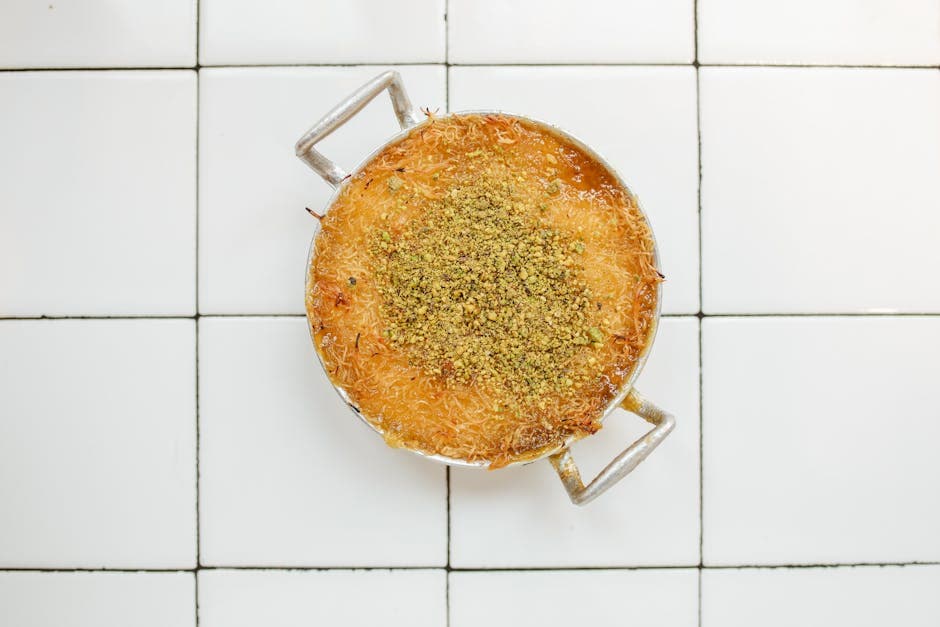
كنافة نابلسية (فطيرة جبنة شامية)
معجنات الجبنة الفلسطينية الشامية - معجنات قطايفي مقطعة فوق طبقة من الجبن الذائب، منقوعة في شراب الورد والبرتقال، ومرشوشة بالفستق.
حول هذه الوصفة
كنافة النابلسي (أيضًا كنافة أو كنافة) هي أكثر الحلوى المحبوبة في الشرق الأوسط - وربما الأكثر مسرحية. يتم دفن طبقة سفلية من الجبن النابلسي الطازج والمطاط تحت معجنات قطايفي مقطعة ذات لون برتقالي فاتح (خيوط عجين السميد) منقوعة في الزبدة أو السمن، وتُخبز حتى تصبح المعجنات ذهبية اللون ومقرمشة ويذوب الجبن تحتها. يتم قلب كل شيء على طبق، منقوع في شراب السكر المعطر برائحة الورد وزهر البرتقال، ويتم رشه بالفستق المطحون. النتيجة: تباين بين نكهة الجبن الناعمة، وحلوة الجبن، ومالحة، وزهرية الورد، والتي لا مثيل لها في أي تقليد آخر. أصلها من نابلس في الضفة الغربية الفلسطينية (ومن هنا "النابلسي")، وانتشرت في جميع أنحاء بلاد الشام ولديها الآن متاجر في جميع أنحاء العالم. تؤكل ساخنة من المقلاة – الكنافة لا تنتظر أحداً.
المكونات
يخدم 8
- 400 غمعجنات قطايفي (رقاقة مقطعة)، مذابة إذا كانت مجمدة
- 200 غزبدة غير مملحة أو زبدة مذابة (السمن).
- 500 غجبنة نابلسية طازجة أو موزاريلا قليلة الرطوبة + خلطة عكاوي
- 1 ملعقة صغيرةملون طعام برتقالي (اختياري للطبقة البرتقالية التقليدية)
- 400 غسكر
- 240 ملالماء
- 1 ملعقة كبيرةعصير ليمون
- 1 ملعقة صغيرةماء الورد
- 1 ملعقة صغيرةماء زهر البرتقال
- 100 غفستق مقشر، مفروم فرماً ناعماً (للتزيين)
التعليمات
- 1
نقع الجبن لتحلية
الجبن النابلسي مملح. يجب عليك تحليتها. نقطع الجبن إلى مكعبات وننقعها في الماء البارد لمدة ساعتين مع تغيير الماء مرتين. في حالة استخدام الموتزاريلا، لا حاجة للنقع. صفي الجبن وابشريه بشكل خشن.
- 2
اصنع الشراب
الجمع بين السكر والماء وعصير الليمون في قدر. جلب ليغلي. خفض إلى نار هادئة. يُطهى لمدة 10 دقائق حتى يصبح سميكًا قليلاً (يجب أن يغطي الملعقة ولكن لا يكون سميكًا مثل دبس السكر). يُرفع عن النار ويُضاف ماء الورد وماء زهر البرتقال. تبرد تمامًا، فالشراب البارد على الكنافة الساخنة هو الحل.
- 3
تحضير المعجنات
قم بفصل القطايف بأصابعك لفك الخيوط وفصلها - فهي تأتي معبأة بإحكام. ضع في وعاء واسع. يُسكب فوق الزبدة المذابة (أو السمن) بالإضافة إلى ألوان الطعام الاختيارية. قلبي جيدًا حتى تصبح كل خصلة لامعة وبرتقالية قليلاً.
- 4
بناء في مقلاة واسعة
اضغطي نصف كمية القطايف المدهونة بالزبدة في قاع طبق خبز دائري مقاس 28 سم (أو 20 × 30 سم مستطيل)، ثم قومي بتعبئته بإحكام. اصنع طبقة متساوية ومسطحة.
- 5
أضف الجبن
تُوزّع الجبنة بالتساوي فوق قاعدة القطايف في طبقة متساوية، مع ترك مسافة 1 سم عند الحواف.
- 6
أعلى مع المعجنات المتبقية
وزّعي النصف الآخر من القطيفة المدهونة بالزبدة فوق الجبنة، مع الضغط عليها بلطف لتسويتها.
- 7
اخبز
اخبزيها في الفرن على حرارة 200 درجة مئوية لمدة 25-30 دقيقة حتى يتحول الجزء العلوي إلى اللون البني الذهبي العميق ويمكنك رؤية (أو شم) الجبن وهو يغلي عند الحواف.
- 8
الوجه (لحظة الحقيقة)
انسحب. راحة 30 ثانية. ضع طبقًا مسطحًا واسعًا فوق المقلاة. بثقة وقفازات الفرن، اقلب المقلاة على الطبق. ارفع المقلاة بعيدًا. أصبحت الكنافة الآن ذات جانب برتقالي مقرمش للأعلى.
- 9
نسكب القطر البارد فوق الكنافة الساخنة
اسكبي الشراب البارد بالتساوي على الكنافة الساخنة، واستمعي إلى الهسهسة الدرامية. تمتص المعجنات الشراب ورقائق البطاطس. يبقى الجبن منصهرًا.
- 10
الفستق ويقدم على الفور
الاستحمام بالفستق المطحون. تقطع إلى أسافين أو مربعات على الفور. تناولها ساخنة - بمجرد أن تبرد الكنافة، يتحول الجبن إلى شريط مطاطي واحد. الجنة هي الشريحة الأولى.
هل جرّبت هذه الوصفة؟
قيّمها وساعد الآخرين في العثور على الوصفات التي تنجح فعلاً.
سجّل الدخول بنقرة واحدة وسنحفظ التقييم الذي اخترته للتو.
كل ما تحتاجه لتخطيط أسبوعك — مجانًا
- تقويم الوجبات
- قائمة التسوق
- أفكار وصفات بالذكاء الاصطناعي
تابع ما تأكله
صوّر وجبتك لتسجيل السعرات والعناصر الغذائية، واستخدم مؤقتات الصيام وتتبع شرب الماء في تطبيق SnapCal المجاني.
نصائح للمحترفين
- →
شراب بارد على كنافة ساخنة – تباين درجات الحرارة هو الحيلة. لا تتراجع.
- →
استخدم الجبن النابلسي أو العكاوي الحقيقي إذا استطعت - الجبن الطازج المملح والمحلى. الموزاريلا بديل عملي.
- →
تناول الطعام خلال 15 دقيقة من صب الشراب. بعد ذلك يتصلب الجبن ويختفي السحر.
الاختلافات
- •
كنافة القشطة (كنافة بالشطة): استبدلي الجبنة بالقشطة المحلاة السميكة. أخف وزنا وأكثر حليبا.
- •
كنافة خشنة: بالفستق المفروم بين العجينة والجبن.
- •
كنافة الشوكولاتة: نسخة دبي الحديثة – نوتيلا بين طبقات المعجنات. تدنيس المقدسات أو العبقرية اعتمادا على من تسأل.
تخزين
الأفضل خلال 15 دقيقة من الطلاء. كنافة باردة ليست كنافة في الحقيقة. لإحياء الجبنة: أعد تسخين الشرائح في فرن على حرارة 200 درجة مئوية لمدة 5 دقائق لإعادة تليين الجبن.
التاريخ والأصل
نشأت الكنافة النابلسية في نابلس، فلسطين، حيث يتم تصنيع الجبن النابلسي منذ أكثر من 1000 عام. أصبح الطبق تخصصًا إقليميًا بحلول القرن الرابع عشر وانتشر في دمشق وبيروت والقاهرة. يستخدم إصدار "عكاوي" (عكا) الجبن من ساحل إسرائيل/فلسطين. يعتبر الطبق الرئيسي في مطعم هاشم في عمان (حيث يأكل الملك عبد الله) وحبيبة في عمان على نطاق واسع هو المعيار المرجعي العالمي.
الأسئلة المتداولة
أين أجد الجبن النابلسي؟
بقالة الشرق الأوسط، غالبًا ما تكون في عبوات ملحية محكمة الغلق. إذا لم يكن متوفرًا: مزيج 50/50 من جبن الموتزاريلا منخفض الرطوبة والعكاوي هو البديل القياسي. جبن الموتزاريلا النقي مقبول في قليل.
لماذا الكنافة الخاصة بي رطبة؟
كان الشراب ساخنًا جدًا عند سكبه، أو سكبته أكثر من اللازم. يتم تطبيق الشراب البارد بالتساوي ولكن ليس بشكل غزير. يجب أن تمتص المعجنات الشراب ولا تسبح فيه.
حقائق التغذية
لكل وجبة (240g) · 8 حصص إجمالية
ملخص الوقت
هل لديك أسئلة؟
اسأل مساعد الطبخ الذي يعمل بالذكاء الاصطناعي لدينا أي شيء عن هذه الوصفة - البدائل والتقنيات والقياس.
الدردشة مع AI Chef →ظهرت في الأدلة
هذه الوصفة واردة في الأدلة المنسقة التالية:
المزيد من وصفات لبناني
قد يعجبك أيضًا
أطباق مشابهة من مطابخ أخرى حول العالم.
تصفّح حسب المكوّن
وصفات أخرى مبنية على المكوّنات الأساسية نفسها.
أدوات مطبخ مجانية
حاسبات ومحوّلات تكمّل هذه الصفحة — دون الحاجة إلى تسجيل.
حوّلها إلى خطة
جدولها، تسوّق لها، وتابع ما لديك بالفعل.
اقرأ بعد ذلك
مقالات أطول تتعمّق في الأفكار وراء هذا الطبق.
مجتمع
انضم إلى المحادثة
قم بتسجيل الدخول لترك تعليق وحفظ وصفاتك المفضلة