
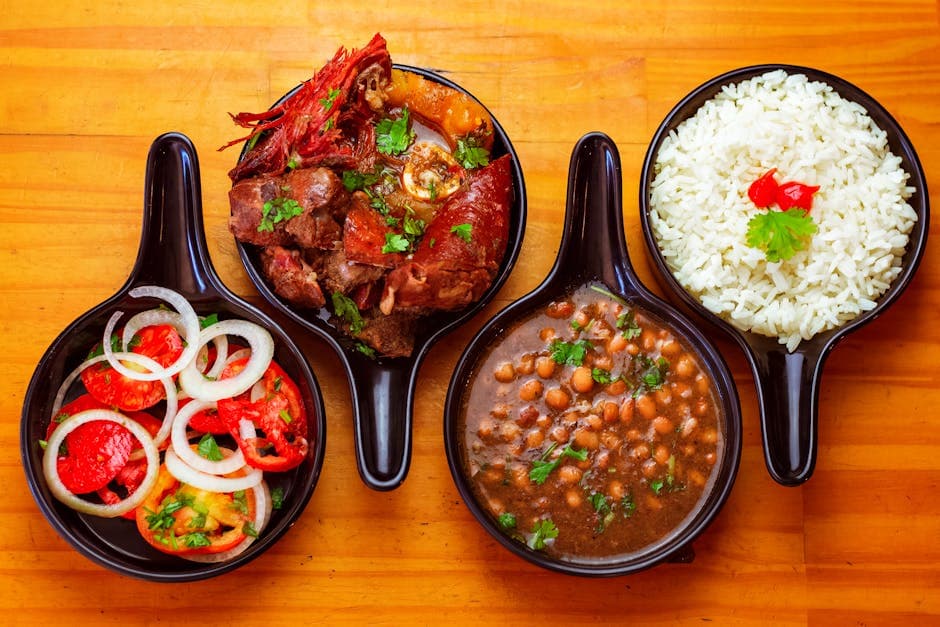
ندوليه (حساء الأوراق المرة الكاميروني مع الفول السوداني ولحم البقر)
الطبق الوطني الكاميروني - يخنة سميكة ولذيذة من الأوراق المرة والفول السوداني المطحون ولحم البقر والأسماك المجففة والروبيان، تقدم مع الموز أو البطاطا المسلوقة.
حول هذه الوصفة
ندوليه هو الطبق الوطني للكاميرون وواحد من أكثر أطباق اليخنة تميزًا في غرب أفريقيا. يأخذ الطبق اسمه من الأوراق المرة (Vernonia amygdalina، التي تسمى ndolé في لغة Duala والورقة المرة باللغة الإنجليزية) التي تمنحه عمقًا مميزًا - الأوراق التي يجب غسلها وغليها عدة مرات لإزالة أقسى المرارة قبل سلقها، وتصفيتها، وتقطيعها جيدًا أو طحنها إلى عجينة خشنة. يضاف إلى هذه الخضار الفول السوداني المحمص المطحون (الذي يثخن الحساء إلى شيء بين الكاري وبوريه الخضار المكتنزة) وقطع اللحم البقري ذات اللون البني والأسماك المجففة المدخنة (غالبًا سمك المرق أو الشوكي) والروبيان - سواء كان طازجًا أو مجففًا. يتكون الطبق من طبقات من النكهة: البصل والثوم والزنجبيل والغطاء الاسكتلندي يشكلون القاعدة العطرية. يساهم الفول السوداني في الحصول على قوام حلو وتحميص خفيف. الأوراق المرة تجلب العمق والحدة الطبية الطفيفة. وطبقات المأكولات البحرية - الروبيان المجفف، والأسماك المدخنة، والروبيان الطازج - توفر ذلك الأومامي غير التقليدي الشائع في الطبخ الساحلي في غرب إفريقيا. الحساء أخضر داكن وكثيف وذو نكهة قوية. يُقدم الندوليه مع الميوندو (أعواد الكسافا المخمرة)، أو الموز الحلو المقلي، أو البطاطا المسلوقة، أو ببساطة الأرز الأبيض، وهو محور وجبات الغداء الكاميرونية يوم الأحد، وحفلات الزفاف، والتعميد - والطبق الذي يتجمع حوله الكاميرونيون في الشتات في أي مكان من ياوندي إلى بروكسل.
المكونات
يخدم 6
- 300 غالأوراق المرة الطازجة أو المجمدة (ندوليه)؛ استبدل السبانخ الطازجة + 1 ملعقة صغيرة من مسحوق جذر الجنطيانا أو الجرجير
- 300 غفول سوداني مقشر (أو 250 جرام من زبدة الفول السوداني الطبيعية غير المحلاة)
- 700 غلحم بقري أو لحم مطهي، مقطع إلى قطع بحجم 3 سم
- 200 غالسمك المجفف المدخن (سمك المرق، الماكريل المدخن، أو الرنجة المدخنة)، منقوع لمدة ساعة ومقشر
- 300 غجمبري خام، مقشر ومنزوع العروق
- 3 ملعقة كبيرةجراد البحر المجفف المطحون (أو مسحوق الروبيان المجفف)
- 2 كبيربصل أصفر نصف مفروم + نصف ممزوج
- 6 فصوصالثوم
- 1 إبهامزنجبيل مقشر
- 1–2فلفل سكوتش بونيه (أو هابانيرو)
- 120 ملزيت النخيل الأحمر (أو الزيت النباتي)
- 2مكعبات مرقة ماجي/كنور، مفتتة
- 1 ملعقة كبيرةملح كوشير
- 1 ملعقة كبيرةالفلفل الأبيض المطحون
- 500 ملالماء أو مرق اللحم البقري
- 2 ripeموز حلو، مقطع إلى شرائح ومقلي (للتقديم)
التعليمات
- 1
غسل أوراق المر ثلاث مرات
ضعي أوراق المر في وعاء كبير مع حفنة كبيرة من الملح. قم بتدليك الأوراق بقوة بين راحتي يديك لمدة 3 دقائق، فهذا يزيل المرارة. اشطفيه تحت الماء الجاري، وكرري عملية الفرك بالملح، ثم اشطفيه مرة أخرى. ثم يغلي في كمية كبيرة من الماء لمدة 10 دقائق، ثم يصفى، ويعصر حتى يجف. يجب أن تكون الأوراق خضراء داكنة ومريرة بشكل طفيف.
تتخطى الأوراق المرة المجمدة المغسولة مسبقًا في محلات البقالة الأفريقية هذه الخطوة تمامًا - مما يوفر وقتًا كبيرًا.
- 2
تحميص وطحن الفول السوداني
إذا كنت تستخدم الفول السوداني الخام، قم بتحميصه في مقلاة جافة على نار متوسطة لمدة 10 دقائق حتى يصبح لونه ذهبيًا خفيفًا وتفوح رائحته. تبرد، ثم تطحن في محضرة الطعام أو الخلاط حتى تحصل على عجينة سميكة (قوام زبدة الفول السوداني). إذا كنت تستخدم زبدة الفول السوداني الطبيعية الجاهزة، تجاوز هذه الخطوة ولكن تأكد من أنها لا تحتوي على سكر مضاف.
- 3
بني اللحم البقري
تتبل قطع اللحم بالملح، والفلفل الأبيض، ونصف مكعبات المرق، ورشة من الفلفل الأسود. سخني ملعقتين كبيرتين من زيت النخيل في قدر ثقيل على نار عالية. قم بتحمير اللحم البقري بقوة من جميع الجوانب على دفعتين - حوالي 5 دقائق لكل دفعة. ننقله إلى طبق ونتركه جانباً.
- 4
بناء القاعدة العطرية
امزج نصف البصل المتبقي مع الثوم والزنجبيل والسكوتش بونيه بالإضافة إلى 60 مل من الماء حتى يصبح ناعمًا. في نفس الوعاء (لا تقم بتنظيفه)، قم بتسخين زيت النخيل المتبقي. يُضاف نصف البصل المفروم ويُطهى لمدة 5 دقائق حتى يصبح طريًا. أضيفي العطريات المخلوطة واقليها مع التحريك لمدة 5 دقائق حتى تنضج النيئة.
- 5
أضف معجون الفول السوداني
قم بتحريك معجون الفول السوداني في الوعاء واطبخه لمدة 3 دقائق، مع التحريك باستمرار - سيبدو المعجون مكسورًا في البداية، ثم يتجمع معًا عندما يسخن. أضف 250 مل من الماء تدريجيًا، واخفق حتى تحصل على صلصة سميكة وناعمة. سيبدو الخليط مثل كاري الفول السوداني السميك.
- 6
أضف اللحم البقري والأسماك والتوابل
عودة لحم البقر البني إلى الوعاء. أضف شرائح السمك المدخن، وجراد البحر المفروم، ومكعبات المرق المتبقية، و250 مل أخرى من الماء. يُحرَّك المزيج جيدًا ويُغطى ويُترك على نار خفيفة لمدة 45 دقيقة حتى ينضج اللحم البقري. يجب أن يكون الحساء سميكًا، ويُضاف الماء على دفعات صغيرة إذا كان كثيفًا جدًا.
- 7
أضف الأوراق المريرة والروبيان
أضيفي الأوراق المرة المجهزة والروبيان الخام. يُطهى على نار خفيفة لمدة 10 دقائق - يتحول الروبيان إلى اللون الوردي وتتزاوج الأوراق المرة مع صلصة الفول السوداني. تذوق وضبط الملح والفلفل. يجب أن تكون النكهة عميقة ومريرة قليلاً وجوزية ولذيذة بشكل مكثف.
- 8
استريح ثم قدم
ارفعيه عن النار واتركيه لمدة 10 دقائق - يتعمق الندوليه بشكل كبير أثناء بقاءه. يُقدم الطبق في أوعية عميقة مع الموز الحلو المقلي، أو الميوندو (أعواد الكسافا)، أو اليام المسلوق جنبًا إلى جنب. قم بتوفير صلصة سكوتش بونيه إضافية على الجانب لمحبي الحرارة.
هل جرّبت هذه الوصفة؟
قيّمها وساعد الآخرين في العثور على الوصفات التي تنجح فعلاً.
سجّل الدخول بنقرة واحدة وسنحفظ التقييم الذي اخترته للتو.
كل ما تحتاجه لتخطيط أسبوعك — مجانًا
- تقويم الوجبات
- قائمة التسوق
- أفكار وصفات بالذكاء الاصطناعي
اطبخ دون الحاجة للمس الشاشة
احصل على خطط وجبات بالذكاء الاصطناعي ووضع طهي خطوة بخطوة ووصفاتك المحفوظة في تطبيق Bento المجاني.
نصائح للمحترفين
- →
توفر الأوراق المرة المجمدة المغسولة مسبقًا (تباع في محلات البقالة الأفريقية باسم "ndolé feuilles") 30 دقيقة من الإعداد. إذا لم تكن متوفرة، فإن السبانخ الطازجة بالإضافة إلى حفنة صغيرة من الجرجير تقارب المرارة، ولكن ليس بالضبط.
- →
زيت النخيل الأحمر تقليدي ويعطي الحساء لونه العميق المميز ونكهة لذيذة. لا تستبدل زيت الزيتون أو زيت جوز الهند – فالنكهة أساسية.
- →
لا تتجاهل جراد البحر المجفف، فهو أومامي المركز ضروري. تباع في محلات البقالة الأفريقية ومنطقة البحر الكاريبي على أنها "جراد البحر المطحون" أو "مسحوق الجمبري المجفف".
- →
Ndolé أفضل في اليوم الثاني بعد تزاوج النكهات. اجعل يومًا للأمام إذا استطعت.
الاختلافات
- •
Ndolé aux crevettes: تخطي لحم البقر وضاعف الجمبري الطازج - النسخة الكاميرونية الساحلية المشهورة في دوالا.
- •
Ndolé sans viande (نباتي): احذف لحم البقر والمأكولات البحرية، وأضف معجون الفول السوداني والأوراق المرة، وأضف مكعبات التوفو الصلبة وجرعة سخية من صلصة الصويا.
- •
Ndolé chèvre: استخدم لحم الماعز بدلًا من لحم البقر - اطبخه ببطء لمدة 30 دقيقة إضافية للحصول على الطراوة.
- •
ندوليه وبوبولو: يقدمان مع بوبولو (جذوع الكسافا المخمرة) بدلاً من لسان الحمل - وهو تقليد ياوندي.
تخزين
قم بتبريده في حاوية محكمة الإغلاق لمدة تصل إلى 4 أيام. تتعمق النكهات، ويفضلها العديد من الكاميرونيين في اليوم الثاني. يتجمد جيدًا في أجزاء 500 جرام لمدة تصل إلى 3 أشهر. يُعاد التسخين بلطف على نار خفيفة مع القليل من الماء؛ لا تستخدم الميكروويف أبدًا (يمكن أن تنقسم صلصة الفول السوداني).
التاريخ والأصل
يعود أصل ندوليه إلى شعب دوالا في ساحل الكاميرون وقد تم توثيقه كطبق تقليدي منذ 400 عام على الأقل. لقد أصبح الطبق الوطني الفعلي للكاميرون في القرن العشرين ويتم تناوله الآن في جميع أنحاء البلاد وفي جميع أنحاء الشتات الكاميروني، حيث تحرس العائلات الإقليمية عن كثب وصفاتهم الخاصة.
الأسئلة المتداولة
أين يمكنني أن أجد الأوراق المرة؟
مجمدة في محلات البقالة الأفريقية - تحمل علامة "ndolé" أو "الورقة المرة" أو "ewuro". يقوم الموردون عبر الإنترنت بشحن الأوراق المرة المجففة أيضًا (قم بترطيبها قبل الاستخدام). السبانخ بالإضافة إلى عدد قليل من أوراق الجرجير تستبدل بشكل غير كامل.
هل من المفترض أن يكون "ندوليه" مريرا للغاية؟
مريرة بشكل معتدل، وليس بقوة. إذا تم غسلها بشكل صحيح (شطفها 3 مرات بالملح + غليها)، فيجب أن يكون طعم الأوراق مثل الخضروات اللذيذة مع لمسة من الحدة الطبية. الأوراق المجمدة المغسولة مسبقًا هي الأخف.
هل يمكنني عمل هذا بدون المأكولات البحرية؟
نعم، لكنه يغير طابعه - حيث يوفر جراد البحر المجفف والسمك المدخن العمود الفقري للأومامي. عوضي ذلك بملعقتين كبيرتين من صلصة الصويا، وملعقة كبيرة من معجون الميسو، ومكعب ماجي إضافي للحصول على عمق مماثل.
ما الذي يمكنني تقديمه مع الندوليه إلى جانب الموز؟
ميوندو أو بوبولو (الكسافا المخمرة)، أو اليام المسلوق، أو الأرز الأبيض العادي، أو فوفو، أو الموز الأخضر المسلوق. يعتبر الموز الحلو المقلي هو الاقتران الأكثر شعبية لأن حلاوته توازن الحساء المر اللذيذ.
حقائق التغذية
لكل وجبة (460g) · 6 حصص إجمالية
ملخص الوقت
هل لديك أسئلة؟
اسأل مساعد الطبخ الذي يعمل بالذكاء الاصطناعي لدينا أي شيء عن هذه الوصفة - البدائل والتقنيات والقياس.
الدردشة مع AI Chef →ظهرت في الأدلة
هذه الوصفة واردة في الأدلة المنسقة التالية:
المزيد من وصفات Cameroonian
قد يعجبك أيضًا
أطباق مشابهة من مطابخ أخرى حول العالم.
أدوات مطبخ مجانية
حاسبات ومحوّلات تكمّل هذه الصفحة — دون الحاجة إلى تسجيل.
حوّلها إلى خطة
جدولها، تسوّق لها، وتابع ما لديك بالفعل.
اقرأ بعد ذلك
مقالات أطول تتعمّق في الأفكار وراء هذا الطبق.
مجتمع
انضم إلى المحادثة
قم بتسجيل الدخول لترك تعليق وحفظ وصفاتك المفضلة