
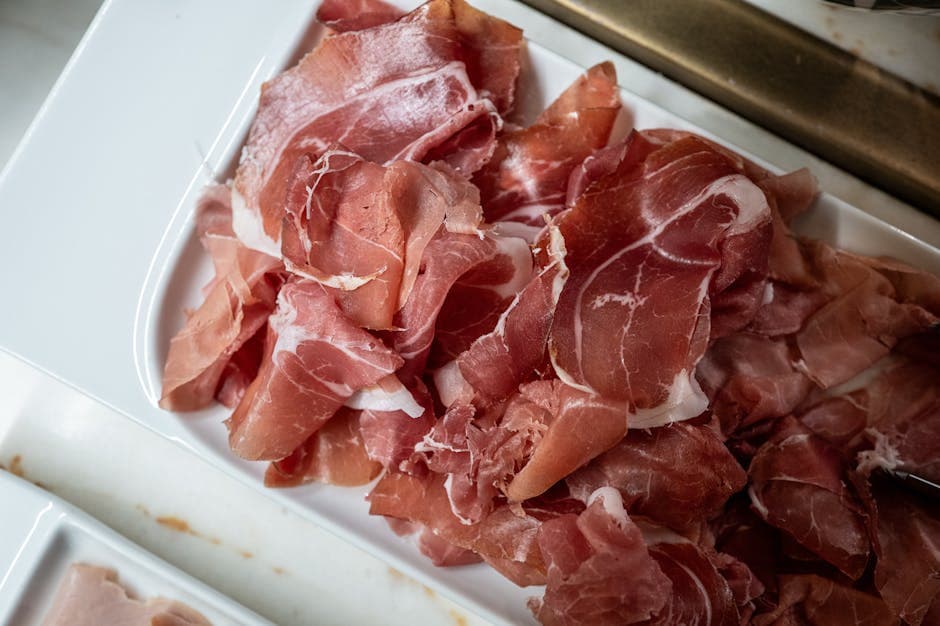
سالتيمبوككا ألا رومانا (لحم العجل مع بروسسيوتو والمريمية)
سكالوبين لحم العجل الكلاسيكي في روما مع طبقة من البروسسيوتو والمريمية الطازجة، مقلي بالزبدة ومنتهي بصلصة النبيذ الأبيض السريعة.
حول هذه الوصفة
سالتيمبوككا ألا رومانا تعني "يقفز في الفم" - وهو اسم يُنسب أولاً إلى مطعم روماني كان يعد بأن الطبق جيد جدًا لدرجة أنه سيقفز إلى العشاء. إنها واحدة من أبسط الأطباق الثانية وأكثرها شعبية في المطبخ الروماني: سكالوبين لحم العجل المطحون بشكل رقيق ومغطى بشريحة بروسسيوتو كرودو (دي بارما أو دي سان دانييلي) وورقة حكيم طازجة، مؤمنة بعود أسنان، ثم تقلى في الزبدة لمدة تقل عن ثلاث دقائق إجمالاً. دفقة من النبيذ الأبيض الجاف تزيل المقلاة وتستحلب بالزبدة في صلصة حريرية. الطبق بأكمله عبارة عن دراسة في ضبط النفس - ستة مكونات فقط، لا يوجد دقيق في النسخة الرومانية الأكثر صرامة، لا ثوم، لا بصل، لا طماطم. يقطع النبيذ ثراء الزبدة، وتعطي المريمية كل شيء، وتتقرمش البروسسيوتو قليلاً عند الحواف. يُقدم طبق سالتيمبوككا مع السبانخ المقلية وتُسكب فوقها صلصة المقلاة، وهو نوع الطبق الذي يثبت أن الطبخ الإيطالي يدور في الغالب حول عدم عرقلة المكونات.
المكونات
يخدم 4
- 8سكالوبين لحم العجل (60 جم لكل منهما)، مقشر حتى يصل سمكه إلى 4 مم
- 8 شرائحبروسسيوتو دي بارما، مقطع إلى شرائح رفيعة، مشذب ليناسب لحم العجل
- 8أوراق حكيم طازجة كبيرة
- 60 غزبدة غير مملحة، مقسمة
- 2 ملعقة كبيرةزيت الزيتون البكر الممتاز
- 150 ملالنبيذ الأبيض الجاف (فراسكاتي، فيرمينتينو، أو بينوت جريجيو)
- فلفل أسود مطحون طازجًا
- ملح البحر الناعم، باعتدال (البروسسيوتو مالح)
- 8المسواك الخشبية
التعليمات
- 1
جنيه لحم العجل
ضع كل سكالوبين بين ورقتين من ورق التغليف واطرق بمطرقة اللحم (الجانب الأملس) حتى يصل سمكها إلى حوالي 4 مم. يجب أن تكون القطع بحجم راحة يدك تقريبًا وأن تكون شفافة عند الحواف. جفف بمنشفة ورقية.
- 2
تجميع
ضعي شريحة من البروسسيوتو على كل قطعة من لحم العجل، ثم قومي بقصها لتناسب حجمها. ضع ورقة حكيم في وسط البروسسيوتو. قم بتأمينها باستخدام عود أسنان واحد عبر الطبقات الثلاث، مع التقاط ورقة المريمية في المنتصف.
لا تتبل بالملح بعد، فالبروسسيوتو يحمل الكثير. بضع حبات من الفلفل الآن جيدة.
- 3
تسخين المقلاة
سخني 30 جرامًا من الزبدة مع زيت الزيتون في مقلاة واسعة على نار متوسطة إلى عالية حتى تتشكل الرغوة من الزبدة. يمنع الزيت الزبدة من الاحتراق. يجب أن تكون المقلاة ساخنة بدرجة كافية بحيث يصدر لحم العجل أزيزًا عاليًا عند دخوله.
- 4
احرق الجانب prosciutto لأسفل
ضع جانب سالتيمبوككا بروسسيوتو في المقلاة. قم بالطهي لمدة 60-90 ثانية - يجب أن يكون البروسسيوتو مقرمشًا وأن تعطر المريمية المطبخ. لا تزدحم المقلاة؛ العمل على دفعتين إذا لزم الأمر.
- 5
الوجه والانتهاء
اقلبها بالملقط واطهي جانب لحم العجل لمدة 60 ثانية - لحم العجل رقيق ويطهى بسرعة. يجب أن يكون اللحم ورديًا بالكاد في المنتصف. ننقله إلى طبق دافئ، مع وضع جانب البروسسيوتو لأعلى.
- 6
اصنع صلصة المقلاة
صب النبيذ الأبيض في المقلاة الساخنة. يغلي بقوة لمدة 90 ثانية، مع كشط الفوند بملعقة خشبية، حتى ينخفض حجمه إلى النصف. بعيدًا عن النار، أضيفي 30 جرامًا المتبقية من الزبدة في إضافتين لتتحول إلى صلصة لامعة.
- 7
يخدم على الفور
اسحب المسواك. تُسكب صلصة المقلاة فوق سالتيمبوككا وتُقدم على الفور - سالتيمبوككا لا تنتظر أحدًا. ترافق مع السبانخ المقلية مع الثوم، أو الفاصوليا الخضراء بالزبدة.
هل جرّبت هذه الوصفة؟
قيّمها وساعد الآخرين في العثور على الوصفات التي تنجح فعلاً.
سجّل الدخول بنقرة واحدة وسنحفظ التقييم الذي اخترته للتو.
كل ما تحتاجه لتخطيط أسبوعك — مجانًا
- تقويم الوجبات
- قائمة التسوق
- أفكار وصفات بالذكاء الاصطناعي
تابع ما تأكله
صوّر وجبتك لتسجيل السعرات والعناصر الغذائية، واستخدم مؤقتات الصيام وتتبع شرب الماء في تطبيق SnapCal المجاني.
نصائح للمحترفين
- →
استخدم بروسسيوتو دي بارما أو سان دانييل الحقيقي - لحم الخنزير "على طريقة بارما" في السوبر ماركت ليس هو نفسه ولن يكون مقرمشًا بشكل صحيح. اطلب من شريحة المأكولات الجاهزة أن تطلبها؛ غالبًا ما تكون الشرائح المعبأة سميكة جدًا.
- →
لا طحين لحم العجل. العديد من الوصفات الحديثة (بما في ذلك بعض الوصفات الإيطالية الأمريكية) يتم غمسها في الدقيق، لكن سالتيمبوككا الرومانية الكلاسيكية غير مطحونة للحصول على صلصة أكثر نظافة وأكثر إشراقًا.
- →
المريمية الطازجة ضرورية - المريمية المجففة ذات مذاق عفن وتطغى على الطبق. إذا لم تجده طازجًا، فاحذفه بدلاً من استخدامه جافًا.
- →
سوف تنكسر الصلصة إذا كانت المقلاة ساخنة جدًا عند إضافة الزبدة الباردة. اسحبي المقلاة من الموقد أولًا ثم قومي بتحريكها، لا تخفقيها.
الاختلافات
- •
مع مارسالا - استبدل النبيذ الأبيض بنبيذ مارسالا الحلو للحصول على نسخة أكثر ثراءً وأكثر تأثراً بالصقلية (لم تعد "رومانا" من الناحية الفنية بعد الآن).
- •
دجاج سالتيمبوككا - استبدل لحم العجل بصدور الدجاج المطحونة بشكل رقيق؛ يتم تقديمه على نطاق واسع في المطاعم الإيطالية الأمريكية ولكنه نادر في روما.
- •
لحم الخنزير الخاصرة سالتيمبوكا - ميداليات لحم الخنزير المقدد تعمل بشكل جميل وأرخص من لحم العجل.
- •
نباتي - استبدل لحم العجل بشرائح سميكة من البورتوبيلو المشوي وتخطي البروسسيوتو، واستخدم شريحة من البروفولون بدلاً من ذلك.
تخزين
سالتيمبوككا هو طبق يتم تقديمه في نفس اليوم، إذ يصبح البروسسيوتو رطبًا في الثلاجة. إذا كان يجب عليك الاحتفاظ ببقايا الطعام، قم بتبريدها لمدة تصل إلى 24 ساعة ثم أعد تسخينها لفترة وجيزة في مقلاة ساخنة، ولا تستخدم الميكروويف أبدًا. يمكن تجميع المكونات التحضيرية (غير مطبوخة) قبل ما يصل إلى 4 ساعات وتبريدها تحت فيلم التشبث.
التاريخ والأصل
تم توثيق سالتيمبوككا ألا رومانا لأول مرة في كتاب بيليجرينو أرتوسي "La scienza in cucina" عام 1891 كوصفة من أصل بريشي، على الرغم من أن روما سرعان ما طالبت بها وحولتها إلى طبق تراتوريا مميز في أوائل القرن العشرين. قامت مؤلفة كتب الطبخ الرومانية آدا بوني بتدوين النسخة الحديثة غير المطحونة في كتابها "Il Talismano della felicità" عام 1929.
الأسئلة المتداولة
هل يمكنني تقديم سالتيمبوككا للأمام؟
قم بتجميعها (خامًا) لمدة تصل إلى 4 ساعات قبل وضعها في الثلاجة تحت غلاف بلاستيكي، ولكن قم بطهيها فقط قبل التقديم مباشرة. نسيج البروسسيوتو ونضارة الصلصة لا يبقيان على قيد الحياة.
لماذا خرج البروسسيوتو الخاص بي من لحم العجل؟
إما أنك تخطيت المسواك أو أن لحم العجل لم يكن جافًا عند تجميعه. جفف لحم العجل أولاً، ثم ثبته دائمًا باستخدام عود أسنان واحد عبر الطبقات الثلاث.
ما هو أفضل النبيذ للشرب مع سالتيمبوككا؟
أبيض جاف وناصع من لاتسيو - فراسكاتي سوبريور هو الاقتران الروماني الكلاسيكي. اللون الأحمر الإيطالي الفاتح مثل Cesanese del Piglio يعمل أيضًا إذا كنت تفضل اللون الأحمر.
هل يمكنني استخدام الديك الرومي بدلا من لحم العجل؟
تعمل شرحات صدور الديك الرومي المقشورة بشكل جيد كبديل أصغر حجما وأرخص. طهي أقل بـ 30 ثانية لكل جانب - يجف الديك الرومي بشكل أسرع من لحم العجل.
حقائق التغذية
لكل وجبة (220g) · 4 حصص إجمالية
ملخص الوقت
هل لديك أسئلة؟
اسأل مساعد الطبخ الذي يعمل بالذكاء الاصطناعي لدينا أي شيء عن هذه الوصفة - البدائل والتقنيات والقياس.
الدردشة مع AI Chef →ظهرت في الأدلة
هذه الوصفة واردة في الأدلة المنسقة التالية:
المزيد من وصفات إيطالي
قد يعجبك أيضًا
أطباق مشابهة من مطابخ أخرى حول العالم.
أدوات مطبخ مجانية
حاسبات ومحوّلات تكمّل هذه الصفحة — دون الحاجة إلى تسجيل.
حوّلها إلى خطة
جدولها، تسوّق لها، وتابع ما لديك بالفعل.
اقرأ بعد ذلك
مقالات أطول تتعمّق في الأفكار وراء هذا الطبق.
دليل النظام الغذائي لمتلازمة تكيس المبايض: الأطعمة الكاملة التي تساعد على توازن الهرمونات وتقليل الأعراض
16 دقيقة
النظام الغذائي لمرض السكري من النوع 2: أغذية كاملة قائمة على الأدلة تساعد في التحكم في نسبة السكر في الدم
16 دقيقة
خطة النظام الغذائي لمرض السكري من النوع 2: استراتيجيات كاملة قائمة على الأدلة للتحكم في نسبة السكر في الدم
18 دقيقة
مجتمع
انضم إلى المحادثة
قم بتسجيل الدخول لترك تعليق وحفظ وصفاتك المفضلة