
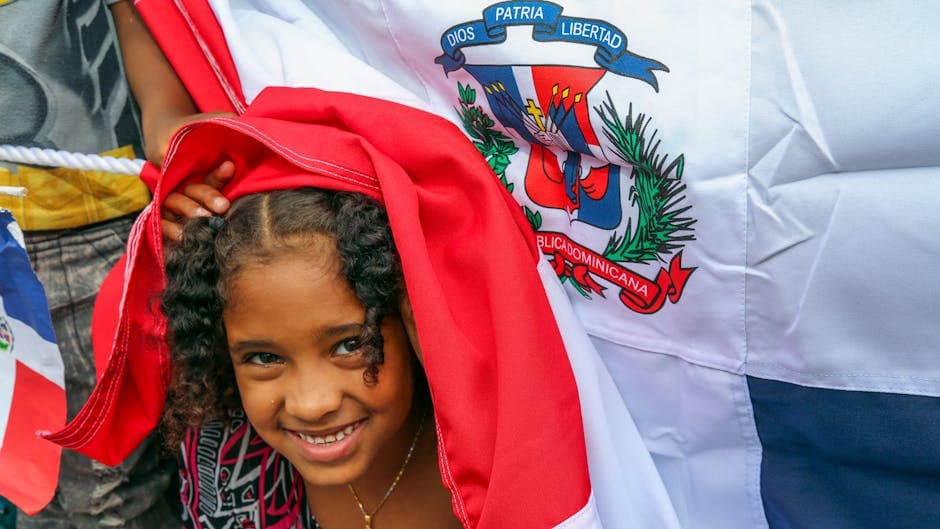
La Bandera Dominicana
Das dominikanische Nationalmittagessen: weißer Reis, mit Sofrito geschmorte rote Bohnen und geschmortes Hähnchen — die drei Farben der Flagge.
Über dieses Rezept
La Bandera (wörtlich 'die Flagge') ist das alltägliche Nationalgericht der Dominikanischen Republik, das praktisch jeden Werktag auf Mittagstischen im ganzen Land serviert wird. Die drei Elemente — lockerer Langkornreis, suppige rote Kidneybohnen mit Sofrito und Squash geschmort sowie Schmorrhähnchen (Pollo Guisado) — repräsentieren das Weiß, Rot und Blau der dominikanischen Flagge. Die Magie liegt im Schichten: Jede Komponente ist vollständig gewürzt, aber sie kommen erst voll zur Geltung, wenn man sie in einem einzigen Gabelbissen isst, wobei der Bohnenansatz in den Reis zieht und die tomatengetönte Sauce des Hähnchens alles zusammenbindet. Gebratene grüne Kochbananen, Avocado oder ein essigmarinieter Krautsalat runden den Teller üblicherweise ab.
Zutaten
Dient 4
- 8 StückeHähnchenschenkel und -keulen, mit Knochen
- 1Limette, ausgepresst
- 3 ELSofrito (gemixter Zwiebeln, Paprika, Knoblauch, Koriander)
- 1 TLgetrockneter Oregano
- 2 ELTomatenmark
- 1 ELSazón con Culantro y Achiote
- 2 ELneutrales Öl
- 1 TLZucker
- 1Zwiebel, in Ringe geschnitten
- 300 mlWasser
- 400 ggetrocknete rote Kidneybohnen, über Nacht eingeweicht (oder 800 g gekocht)
- 2 ELSofrito
- 200 gCalabaza oder Butternutkürbis, gewürfelt
- 1 TLSalz
- 400 gLangkornreis
- 1 ELÖl
- 1 TLSalz
- 620 mlWasser für den Reis
Anleitung
- 1
Hähnchen marinieren
Hähnchen mit Limettensaft, Sofrito, Oregano, Sazón und einer großzügigen Prise Salz einreiben. Mindestens 30 Minuten, idealerweise 2 Stunden marinieren.
- 2
Bohnen kochen
Eingeweichte Bohnen abgießen. Mit 1,5 L frischem Wasser bedecken; 60–75 Minuten köcheln lassen, bis sie weich sind. In einer separaten Pfanne Sofrito 3 Minuten anbraten, Kürbis und 2 Schöpflöffel Bohnenbrühe hinzufügen, 5 Minuten kochen. Zu den Bohnen mit Salz geben; weitere 15 Minuten köcheln lassen, bis der Kürbis zerfällt und die Brühe leicht eindickt.
- 3
Zucker karamellisieren
Öl und Zucker in einem schweren Topf bei mittlerer Hitze erhitzen, bis der Zucker tief bernsteinfarben wird, etwa 3 Minuten. Das ist das dominikanische Geheimnis für eine glänzende, mahagonifarbene Sauce.
Genau aufpassen — verbrannter Zucker schmeckt bitter; sofort vom Herd nehmen, wenn er Karamellaroma erreicht.
- 4
Hähnchen anbraten
Hähnchen vorsichtig hinzufügen (das Öl spritzt). Alle Seiten 8–10 Minuten insgesamt anbraten.
- 5
Schmoren
Tomatenmark, Zwiebel und Wasser hinzufügen. Abdecken und 30–35 Minuten köcheln lassen, bis das Hähnchen zart und die Sauce reduziert und glänzend ist. Abschmecken; Salz anpassen.
- 6
Reis kochen
Reis waschen, bis das Wasser klar läuft. In einem Topf Öl erhitzen; Reis hinzufügen und 1 Minute rühren. Wasser und Salz hinzufügen. Zum Kochen bringen, abdecken, auf niedrigste Stufe reduzieren, 18 Minuten kochen. 5 Minuten vom Herd abgedeckt ruhen lassen. Auflockern.
- 7
La Bandera anrichten
Auf jedem Teller: einen Reisberg auf einer Seite, einen Schöpflöffel Bohnen daneben (leicht den Reis überlappend) und 2 Hähnchenstücke mit Sauce. Optional: Avocadoscheiben und gebratene Kochbananen.
Haben Sie das gekocht?
Bewerte es und hilf anderen, die Rezepte zu finden, die wirklich funktionieren.
Einmal anmelden, und wir speichern die Bewertung, die Sie gerade gewählt haben.
Alles, was Sie für Ihre Wochenplanung brauchen — kostenlos
- Essensplaner
- Einkaufsliste
- KI-Rezeptideen
Behalten Sie im Blick, was Sie essen
Fotografieren Sie Ihre Mahlzeit, um Kalorien und Makros zu erfassen, nutzen Sie Fasten-Timer und tracken Sie Ihr Wasser – in der kostenlosen SnapCal-App.
Profi-Tipps
- →
Der Karamellisierungsschritt ist für die richtige dominikanische Pollo-Guisado-Farbe unverhandelbar — nicht weglassen.
- →
Calabaza (Westindischer Kürbis) ist traditionell, aber Butternutkürbis funktioniert fast genauso gut.
- →
Sazón con Culantro y Achiote (Goya-Marke ist Standard) verleiht die charakteristische golden-rote Tönung — ohne ihn schmeckt das Gericht flach.
Variationen
- •
Bandera con Habichuelas Blancas: rote Bohnen durch weiße Bohnen (Cannellini) ersetzen.
- •
Vegetarisch: Hähnchen weglassen; Bohnen verdoppeln und gebratenen Tofu oder mehr Kürbis hinzufügen.
- •
Einige grüne Oliven zum Hähnchenschmortopf geben für eine cibaeñische Variante.
Lagerung
Alle drei Komponenten bis zu 4 Tage separat im Kühlschrank aufbewahren. Bohnen und Hähnchen sanft auf dem Herd aufwärmen. Reis erwärmt sich gut mit einem EL Wasser in einer abgedeckten Pfanne.
Geschichte und Herkunft
La Bandera wurde in der Mitte des 20. Jahrhunderts als Nationalgericht der Dominikanischen Republik kodifiziert, obwohl die Komponenten — spanischer Reis, afrikanisch beeinflusste Bohnen und kreolisches Schmorrhähnchen — bis in die Kolonialzeit zurückreichen. Die Flaggenfarben-Symbolik stammt von Schriftstellern und Köchen der 1960er Jahre.
Häufig gestellte Fragen
Was kann ich tun, wenn ich kein Sazón finde?
Eigenes mischen: 1 TL gemahlenen Koriander, 1 TL gemahlenen Kreuzkümmel, 1 TL Knoblauchpulver, 1 TL Annatto-Pulver (Achiote), 0,5 TL Kurkuma, 0,5 TL Salz. 1 EL pro Rezept verwenden.
Kann ich Dosenbohnen verwenden?
Ja — 800 g gekochte oder zwei 400-g-Dosen verwenden, abgetropft. Die Sofrito-und-Kürbis-Mischung hinzufügen und 15 Minuten köcheln lassen, um die suppige Textur zu entwickeln.
Warum den Zucker karamellisieren?
Karamellisierter Zucker (Azúcar Quemada genannt) ist die dominikanische Technik, die Schmorrhähnchen seine tiefe Mahagonifarbe und einen subtilen bittersüßen Unterton verleiht. Es ist der größte Unterschied zwischen dominikanischem und anderen lateinamerikanischen Guisados.
Ist La Bandera dasselbe wie kubanische oder puertorikanische Reis-und-Bohnen-Gerichte?
Ähnliches Konzept, unterschiedliche Zubereitung. Dominikanische Bohnen sind suppiger mit Kürbis; kubanische Art ist trockener (Moros y Cristianos kocht Reis und Bohnen zusammen); puertorikanische Habichuelas Guisadas verwenden Kürbis und Culantro.
Nährwertangaben
Pro Portion (480g) · 4 Portionen insgesamt
Zeitzusammenfassung
Haben Sie Fragen?
Fragen Sie unseren KI-Kochassistenten zu diesem Rezept – Ersetzungen, Techniken, Skalierung.
Chatten Sie mit AI Chef →In Reiseführern vorgestellt
Dieses Rezept ist in den folgenden kuratierten Leitfäden enthalten:
Weitere Dominican Rezepte
Das könnte Ihnen auch gefallen
Ähnliche Gerichte aus anderen Küchen der Welt.
Kostenlose Küchen-Tools
Rechner und Umrechner, die zu dieser Seite passen — ohne Anmeldung.
Daraus einen Plan machen
Einplanen, einkaufen und im Blick behalten, was schon da ist.
Weiterlesen
Ausführliche Artikel zu den Ideen hinter diesem Gericht.
Karibische Küche: Ein kompletter Jerk, Roti, Reis und Erbsen und die sonnenverwöhnten Aromen der Inseln
13 Min.
Das Darmmikrobiom und die Ernährung: Eine vollständige Übersicht darüber, was man essen sollte, um ein gesünderes Mikrobiom aufzubauen
14 Min.
Darmmikrobiom-Diät: Ein komplettes Lebensmittel, das die Darmgesundheit wirklich verbessert
18 Min.
Gemeinschaft
Beteiligen Sie sich an der Unterhaltung
Melden Sie sich an, um einen Kommentar zu hinterlassen und Ihre Lieblingsrezepte zu speichern