
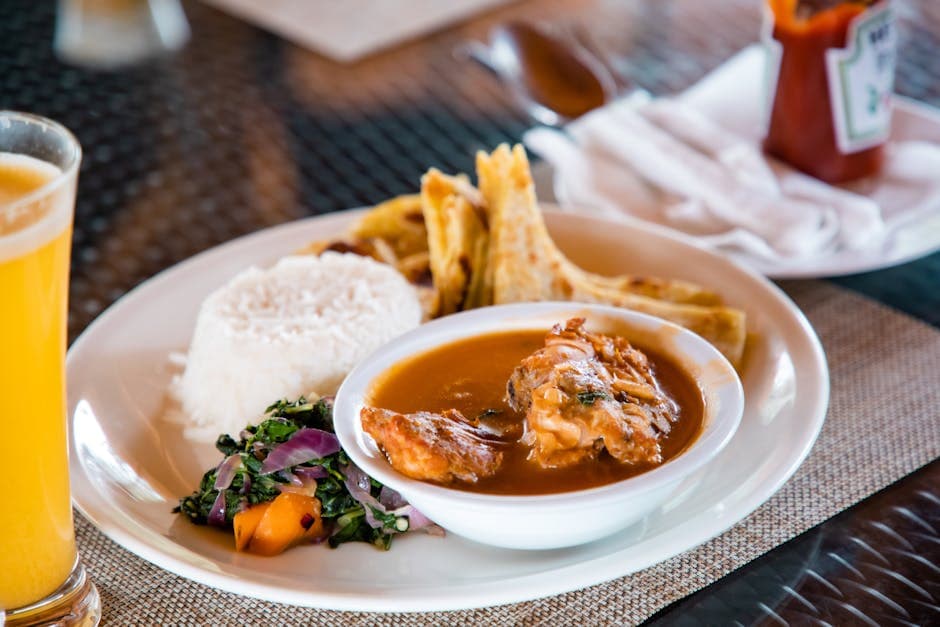
Katogo (Ugandischer Kochbananen-Fruehstueckseintopf)
Ugandas geliebtes Fruehstueck: gruene Matoke-Kochbananen gedünstet mit Rindinnereien oder Bohnen in einer herzhaften Tomaten-Zwiebel-Sauce.
Über dieses Rezept
Katogo ist Ugandas ikonisches Fruehstueck und das Komfortgericht, das die meisten Morgen in Kampala begleitet. Gruene Matoke-Kochbananen werden geschaelt und zusammen mit einer herzhaften Beilage gedünstet — meistens Rindinnereien, manchmal Bohnen, geraeucherter Fisch, Erdnusssauce oder Ziege — in einem einzigen Topf mit Zwiebel, Tomate und Currypulver, bis die Bananen weich sind, die Sauce dick ist und sich beides zu einem saettigenden Eintopf verbunden hat. Der Name 'Katogo' bedeutet im Luganda woertlich 'eine Mischung', und das Prinzip ist genau das: Staerke und Protein zusammen gegart, sodass die Aromen in die Kochbanane eindringen. Von Strassenstanden und Matatu-Haltestellen ab 6 Uhr morgens wird Katogo von Taxifahrern, Markthaendlern und allen mit einem vollen Tag vor sich gegessen. Die Bohnenversion macht es zu einem idealen vegetarischen Alltagsgericht.
Zutaten
Dient 4
- 8 mittleregruene Matoke-Kochbananen (ostafrikanische Kochbananen), geschaelt und in 4 cm grosse Stuecke geschnitten
- 400 ggekochte rote Kidneybohnen (oder 250 g Rindinnereien/Schmorfleisch, gewuerfelt)
- 2 ELneutrales Oel
- 2 großegelbe Zwiebeln, fein gewuerfelt
- 3 ZehenKnoblauch, fein gehackt
- 1 ELfrischer Ingwer, fein gehackt
- 3 mittlereTomaten, fein gehackt
- 2 ELTomatenmark
- 1 ELmildes Currypulver
- 1 TLgemahlener Kreuzuemmel
- 1gruene Paprika, gewuerfelt
- 1Scotch-Bonnet- oder kleine Chili, ganz (optional)
- 1 cubeRind- oder Gemuese-Bruehnwuerfel
- 1.5 TLfeines Salz
- 1 TLschwarzer Pfeffer
- 600 mlWasser oder Bruehe
- 3 ELfrischer Koriander, gehackt
Anleitung
- 1
Matoke schaelen
Haende zuerst mit etwas Oel einreiben — Matoke-Saft faerbt. Beide Enden abschneiden, die Schale der Laenge nach einritzen und die gruene Schale abloesen. Stuecke in Wasser mit einem Spritzer Essig legen, um Braeunug zu verhindern.
Messer und Haende immer einoelen; der Saft ist klebrig und faerbt Stoffe dauerhaft.
- 2
Grundlage aufbauen
In einem schweren Topf das Oel bei mittlerer Hitze erwaermen. Zwiebeln 8 Minuten hell-golden duensten. Knoblauch, Ingwer, Currypulver und Kreuzuemmel hinzufuegen; 1 Minute anduensten, bis es duftet.
- 3
Tomate hinzufuegen
Tomaten, Tomatenmark und Paprika einruehren. 6–8 Minuten kochen, bis die Tomaten zerfallen und sich das Oel am Rand der Pfanne absetzt.
- 4
Protein und Fluessigkeit hinzufuegen
Bohnen (oder angebratene Innereien/Schmorfleisch), Bruehnwuerfel, Salz, Pfeffer und die ganze Chili falls verwendet einruehren. 500 ml Wasser eingiessen und zum Koecheln bringen.
- 5
Matoke hinzufuegen
Matoke-Stuecke abgiessen und in den Topf einbetten. Mit genuegend Wasser aufgiessen, um sie knapp zu bedecken (ca. 100 ml mehr). Abdecken und 25–30 Minuten koecheln, bis die Matoke gabelzart ist und die Sauce dick ist.
- 6
Abschmecken und fertigstellen
Bei Verwendung von Innereien/Fleisch sicherstellen, dass es zart ist — bei Bedarf noch 10 Minuten kochen. Mit Salz abschmecken. Die ganze Chili entfernen. Koriander einruehren und heiss in tiefen Schusseln servieren, manchmal mit einem Spiegelei oder Avocado als Beilage.
Haben Sie das gekocht?
Bewerte es und hilf anderen, die Rezepte zu finden, die wirklich funktionieren.
Einmal anmelden, und wir speichern die Bewertung, die Sie gerade gewählt haben.
Alles, was Sie für Ihre Wochenplanung brauchen — kostenlos
- Essensplaner
- Einkaufsliste
- KI-Rezeptideen
Behalten Sie im Blick, was Sie essen
Fotografieren Sie Ihre Mahlzeit, um Kalorien und Makros zu erfassen, nutzen Sie Fasten-Timer und tracken Sie Ihr Wasser – in der kostenlosen SnapCal-App.
Profi-Tipps
- →
Echte Matoke (ostafrikanische gruene Kochbananen) ist unverzichtbar — normale Kochbananen funktionieren als Ersatz, sind aber suesser; zugesetzten Zucker reduzieren oder weglassen.
- →
Bei Verwendung von Rindinnereien (die traditionelle Version) diese zuerst 30 Minuten separat kochen, bis sie zart sind, bevor sie in den Topf kommen.
- →
Kochen Sie den Matoke nicht zu lange – sobald er weich ist, hören Sie auf. Durch weiteres Kochen wird es gummiartig und stärkehaltig.
Variationen
- •
Katogo mit Innereien: die klassische Kampala-Strassenversion, mit Pansen und Leber als Protein.
- •
Katogo mit Erdnusssauce: Erdnussbutterbasierte Sauce, hergestellt durch Einruehren von 4 EL naturlichem Erdnussmus in den Topf 5 Minuten vor dem Servieren.
- •
Geraeuchterter-Fisch-Katogo: in den letzten 10 Minuten 200 g geflockte geraeucherte Tilapia hinzufuegen fuer eine aromatische Version, die in den Seeregionen beliebt ist.
Lagerung
Bis zu 3 Tage kuehlschranken. Mit einem Spritzer Wasser auf dem Herd erwaermen; die Matoke wird kalt fest, wird aber beim Erwaermen wieder weich.
Geschichte und Herkunft
Katogo entwickelte sich als sparsames Buganda-Haushalts-Fruehstueck — eine Moeglichkeit, uebrig gebliebenen Eintopf oder Bohnen durch gemeinsames Kochen mit der Morgen-Matoke in einem einzigen Topf zu strecken. Es wanderte von Dorfkuechen in Kampalas Strassenessenskultur in den 1980er Jahren und ist heute eines von Ugandas bekanntesten Nationalgerichten.
Häufig gestellte Fragen
Wo kann ich Matoke kaufen?
Ostafrikanische oder karibische Lebensmittelhaendler suchen — frische Matoke ist ganzjaehrig in Staedten mit bedeutenden ugandischen oder ruandischen Gemeinschaften erhaeltlich. Tiefgekuehlte, geschaelte Matoke ist ebenfalls weit verbreitet erhaeltlich und funktioniert einwandfrei.
Kann ich normale Bananen verwenden?
Nein — Essbananen werden zu Brei. Es werden gruene Kochbananen (Matoke) oder als Ersatz sehr gruene, unreife Kochbananen benoetigt.
Ist Katogo nur fuer das Fruehstueck?
Es ist traditionell ein Fruehstueck, aber viele Ugander essen es auch zum Mittagessen oder als kraeftiges spaetes Abendessen. Restaurants servieren es jetzt den ganzen Tag.
Ist es scharf?
Nur leicht — der Scotch Bonnet wird ganz hinzugefuegt und nie zerbrochen, sodass er duftet ohne zu brennen. Currypulver ist hier mild, nicht auf indischem Schaerfeniveau.
Nährwertangaben
Pro Portion (520g) · 4 Portionen insgesamt
Zeitzusammenfassung
Haben Sie Fragen?
Fragen Sie unseren KI-Kochassistenten zu diesem Rezept – Ersetzungen, Techniken, Skalierung.
Chatten Sie mit AI Chef →In Reiseführern vorgestellt
Dieses Rezept ist in den folgenden kuratierten Leitfäden enthalten:
Weitere Ugandan Rezepte
Das könnte Ihnen auch gefallen
Ähnliche Gerichte aus anderen Küchen der Welt.
Kostenlose Küchen-Tools
Rechner und Umrechner, die zu dieser Seite passen — ohne Anmeldung.
Daraus einen Plan machen
Einplanen, einkaufen und im Blick behalten, was schon da ist.
Weiterlesen
Ausführliche Artikel zu den Ideen hinter diesem Gericht.
Gemeinschaft
Beteiligen Sie sich an der Unterhaltung
Melden Sie sich an, um einen Kommentar zu hinterlassen und Ihre Lieblingsrezepte zu speichern