
Dolce
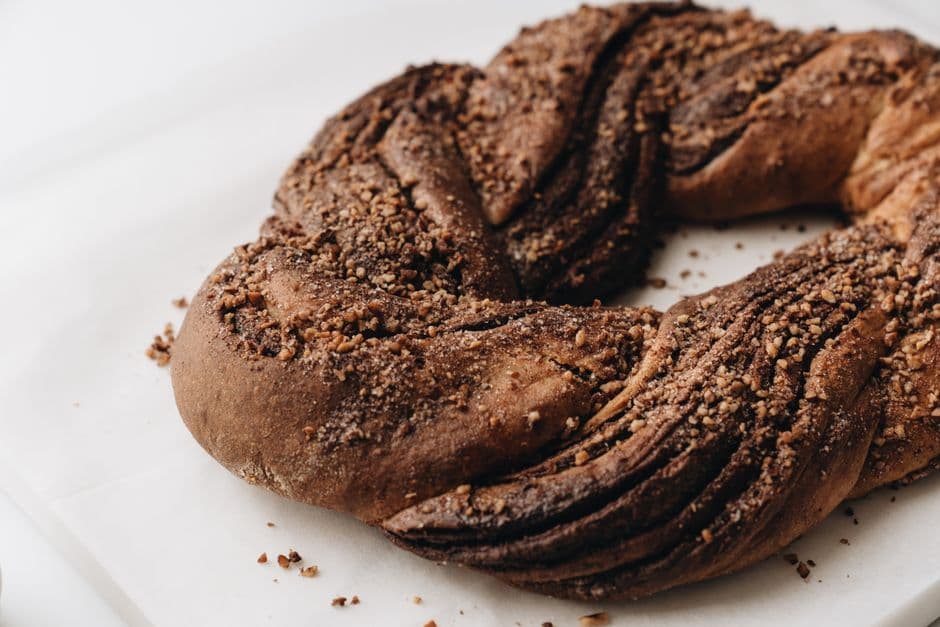
Babka
Pane di lievito ricco e imburrato dell'Europa orientale vorticato di cioccolato e cotto in una pagnotta riccia lucida.
75 min380 kcalDifficile
★4.7(1,791)
Bigos, pierogi, żurek: cibo di conforto centroeuropeo abbondante e caldo.
Altre ricette costruite attorno agli stessi ingredienti principali.
Tieni traccia di ciò che mangi
Fotografa il tuo pasto per registrare calorie e macro, usa i timer del digiuno e monitora l’acqua con l’app gratuita SnapCal.
Pianifica i pasti, monitora il digiuno e crea la lista della spesa — gratis
La dashboard di MyCookingCalendar funziona direttamente nel browser, nessun download necessario.
Pane di lievito ricco e imburrato dell'Europa orientale vorticato di cioccolato e cotto in una pagnotta riccia lucida.
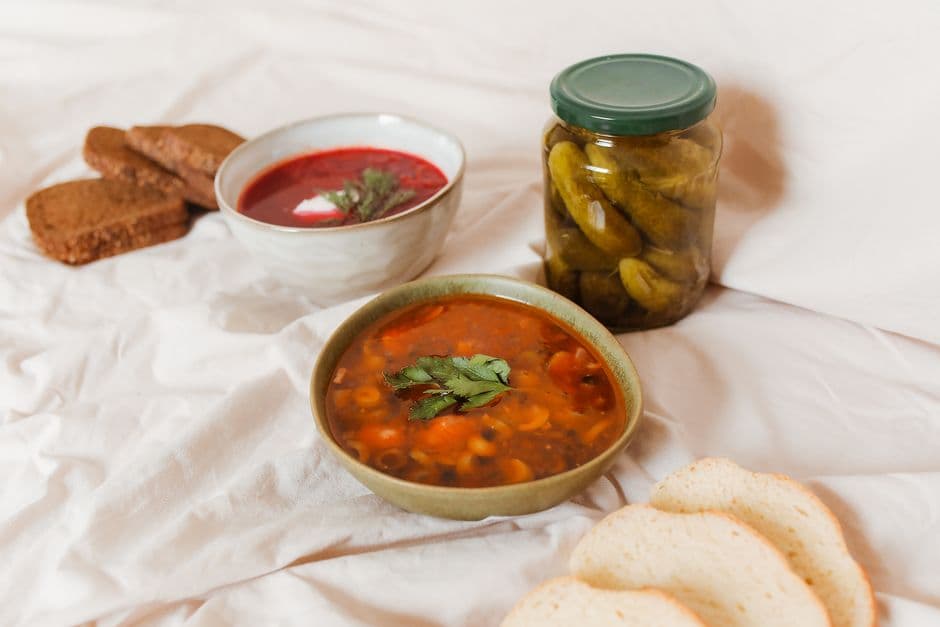
Una zuppa densa, cremosa e intensamente acida a base di farina di segale fermentata, guarnita con uovo sodo, salsiccia bianca e rafano — la più iconica zuppa pasquale della Polonia.
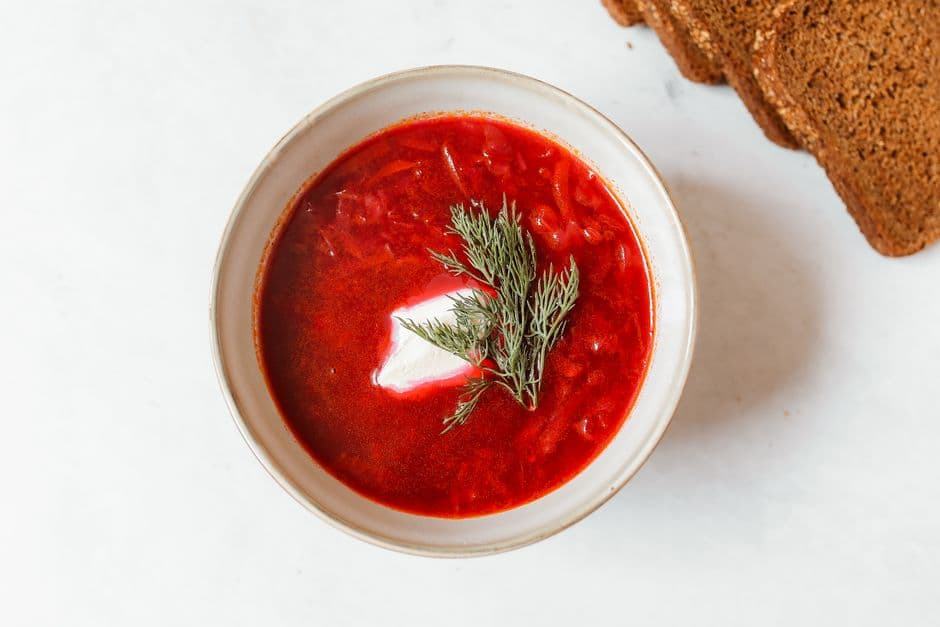
Un consommé di barbabietola di un rosso brillante e dal sapore intenso, con un gusto pulito agrodolce — la zuppa della Vigilia di Natale polacca, servita con gnocchi ai funghi.
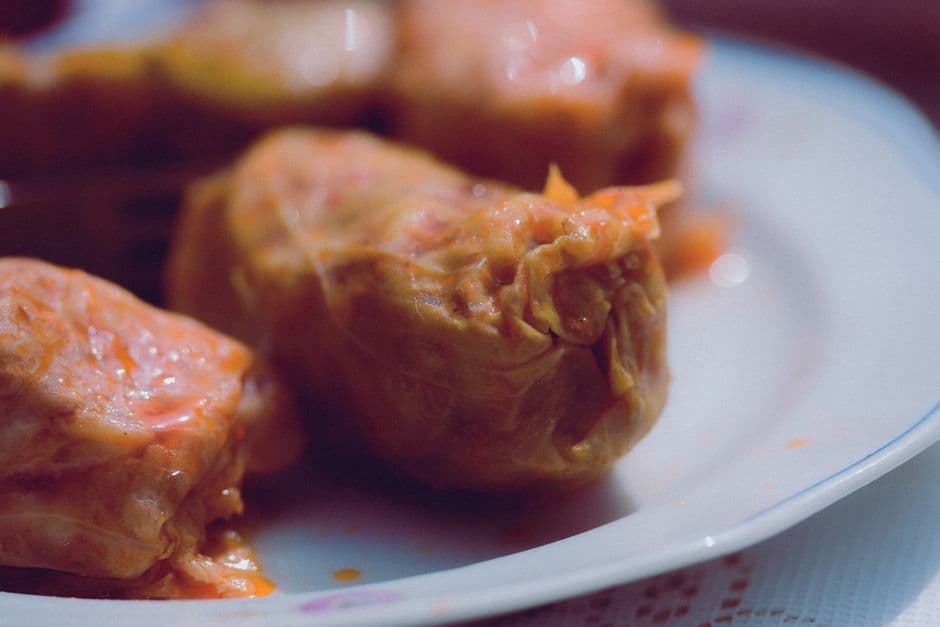
Foglie di cavolo tenere ripiene di maiale speziato e riso, brasate lentamente in un ricco sugo di pomodoro — il piatto di conforto familiare più amato della Polonia.
La classica zuppa di trippa polacca — trippa di manzo cotta a fuoco lento in un ricco brodo speziato alla paprika con verdure e maggiorana, un piatto sostanzioso e riscaldante con secoli di storia.
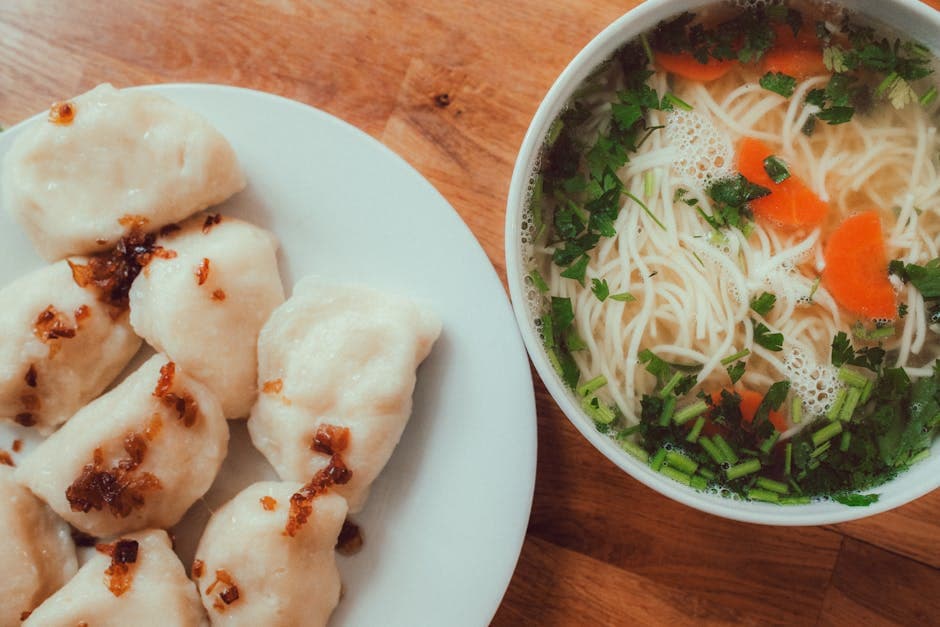
Il dorato brodo domenicale polacco — un consommé cristallino e profondamente nutriente con sottili tagliolini all'uovo.
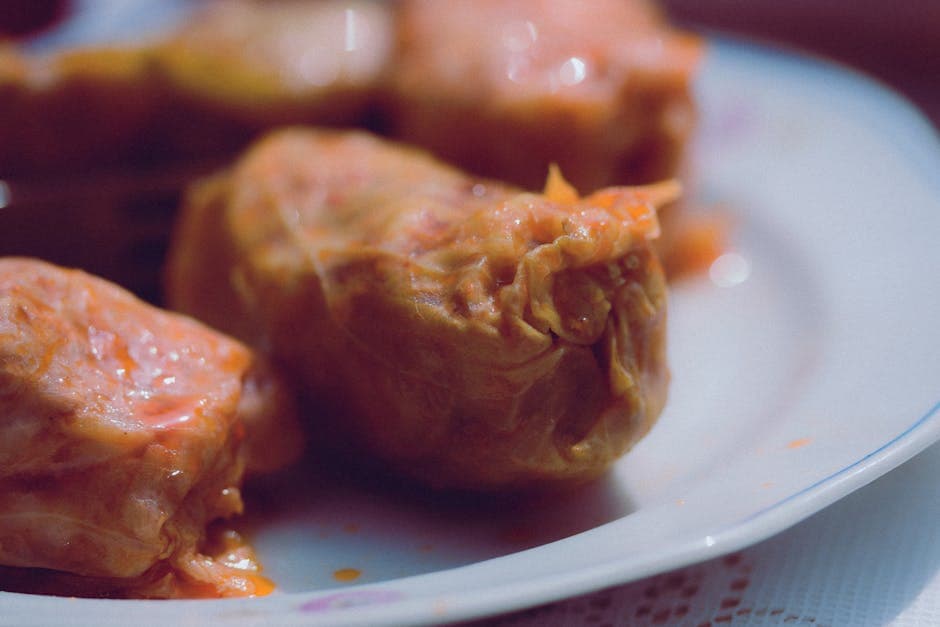
Tenere foglie di cavolo arrotolate attorno a maiale speziato e riso, cotte lentamente in un ricco sugo di pomodoro — la cucina del cuore polacca al suo meglio.
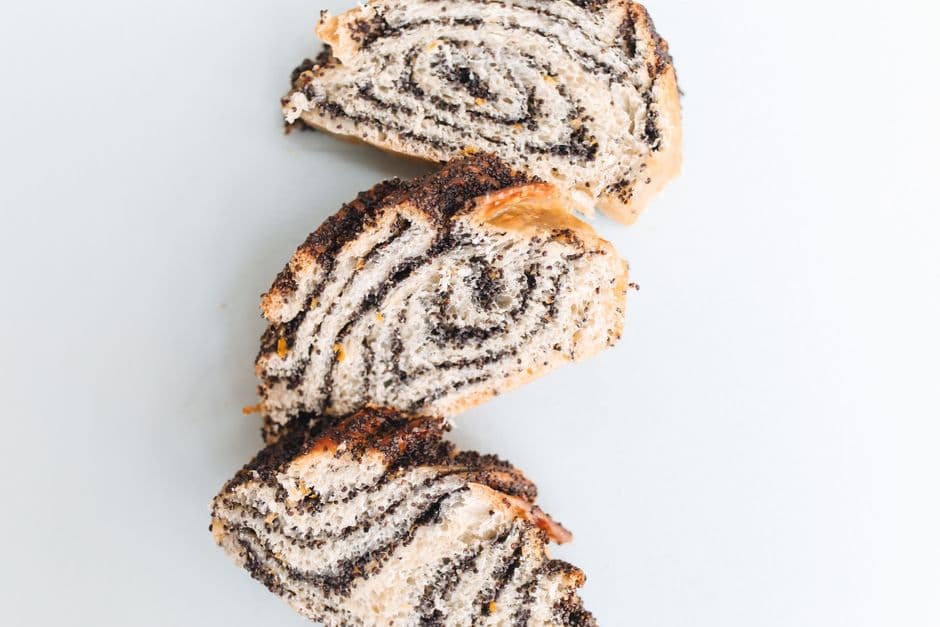
Rotolo lievitato festivo polacco ripieno di una ricca pasta dolce ai semi di papavero — il protagonista dei tavoli natalizi.

L'amata zuppa di pomodoro cremosa polacca con riso — la zuppa di conforto per eccellenza dell'infanzia polacca nei giorni feriali.
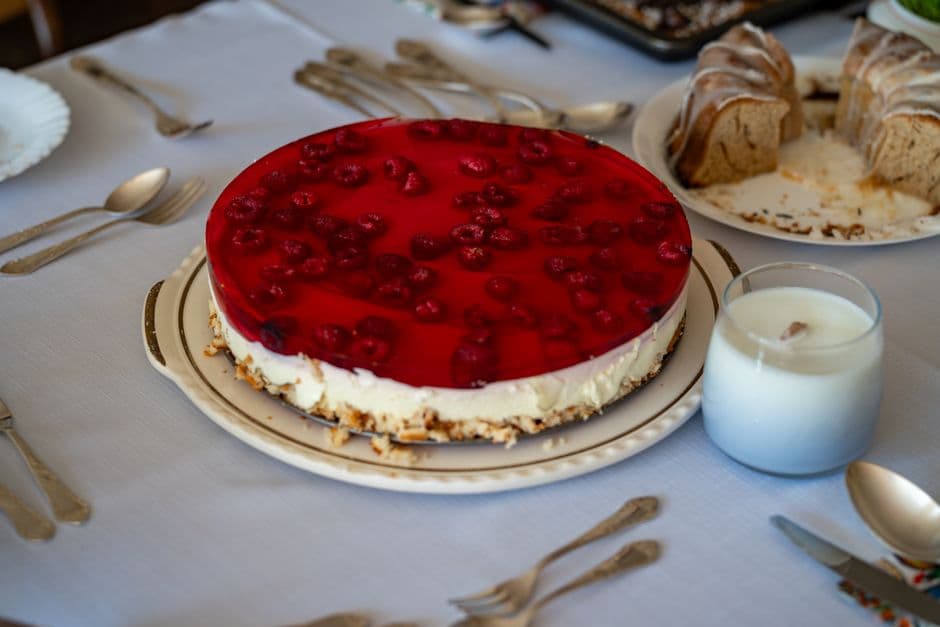
L'iconica cheesecake polacca preparata con formaggio fresco twaróg — densa, acidula e assolutamente diversa da qualsiasi altra cheesecake.
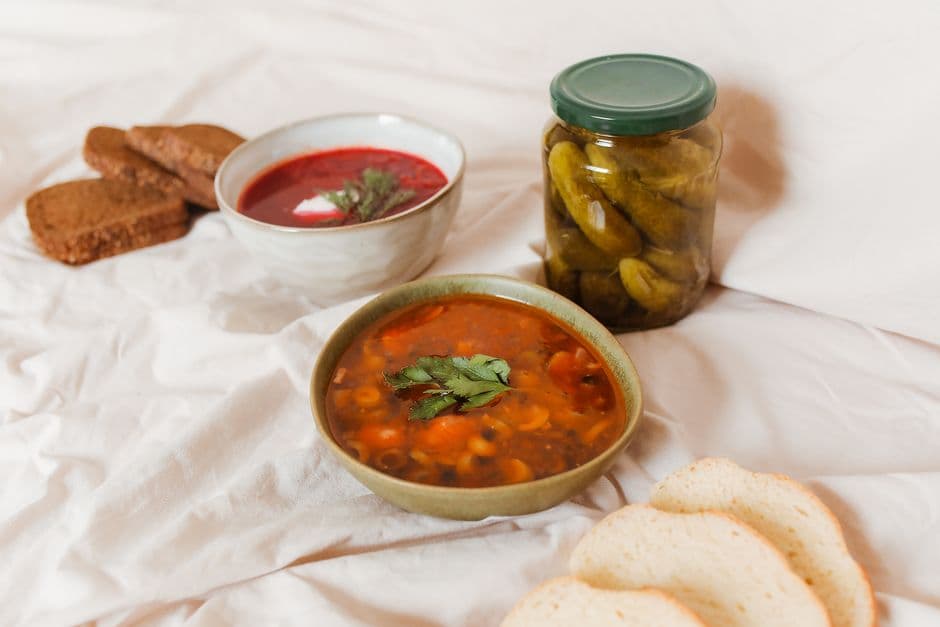
L'iconico zuppa di segale acida polacca — un brodo dal sapore acidulo unico fermentato dalla farina di segale, servito con uovo sodo, salsiccia bianca e rafano, protagonista della Pasqua polacca.
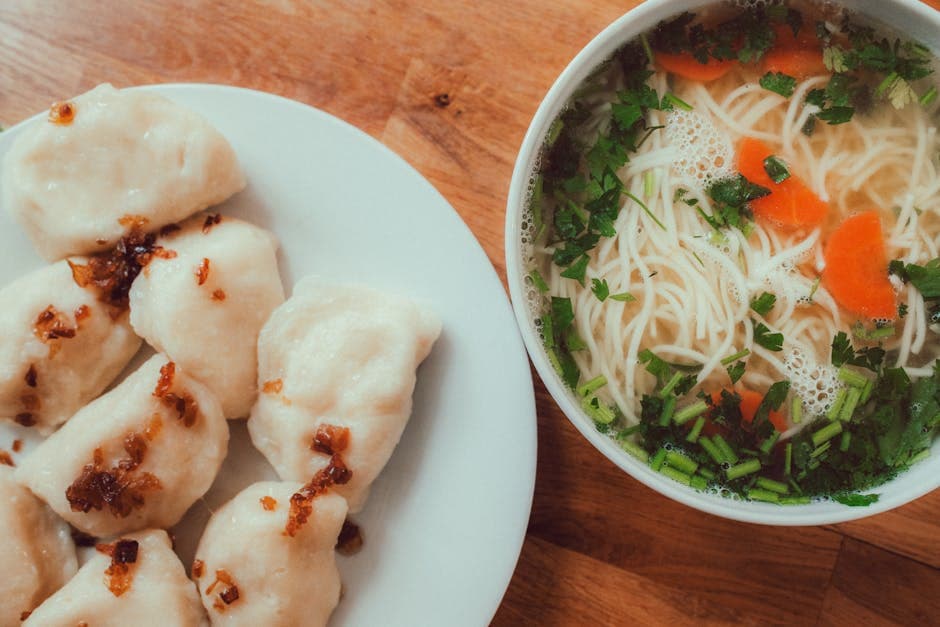
Zuppa polacca di barbabietola color rubino servita limpida o con uszka, gnocchetti ai funghi — il gioiello della Vigilia di Natale polacca.
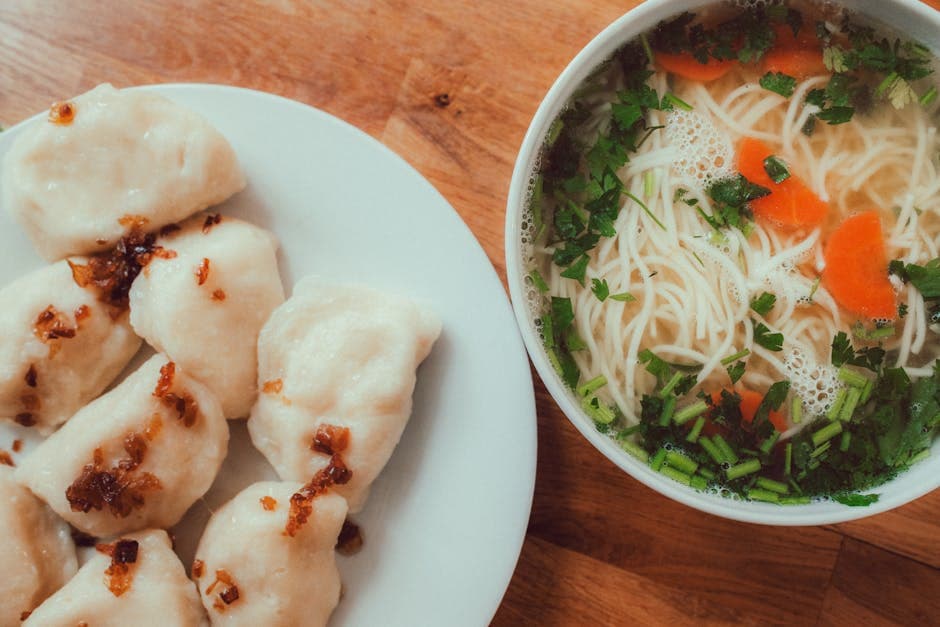
Involtini di cavolo ripieni polacchi con maiale e riso in una ricca salsa di pomodoro — cotti al forno fino a diventare teneri e confortanti.
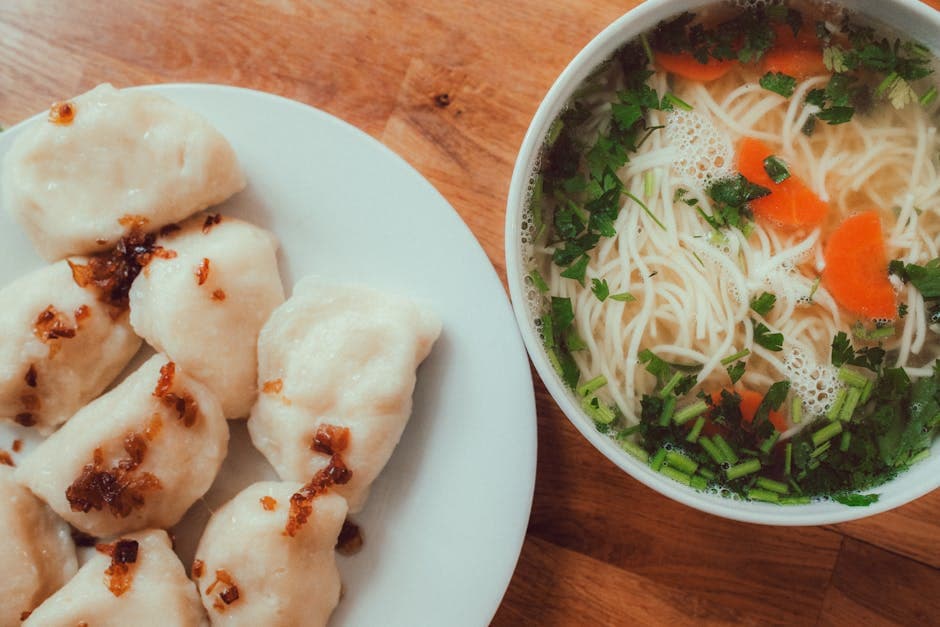
Cotoletta di maiale impanata polacca — la risposta polacca alla Wiener Schnitzel, presente a ogni pranzo domenicale in famiglia.
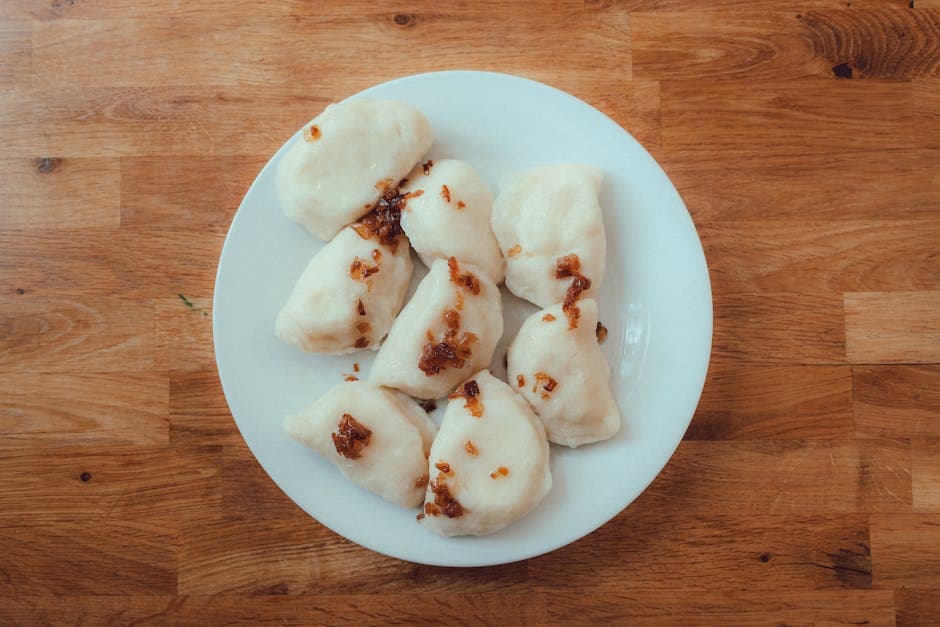
Ravioli polacchi ripieni di patate, formaggio twaróg e cipolla: bolliti e poi saltati in padella nel burro.

Ravioli polacchi della vigilia di Natale ripieni di funghi selvatici, cipolla e un sussurro di maggiorana: terrosi, affumicati, profondamente stagionali.
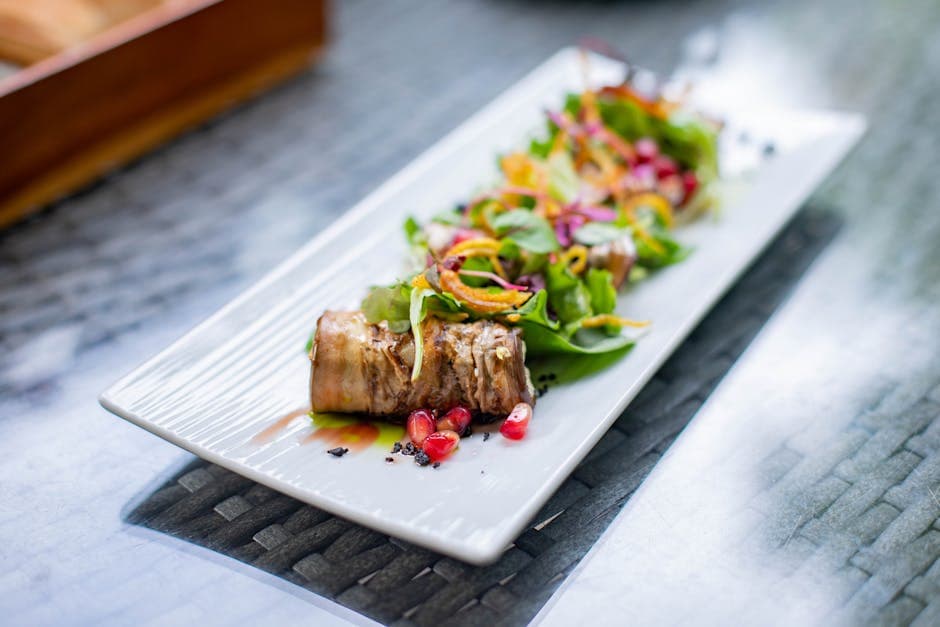
Classico della domenica della Slesia: manzo pestato finemente arrotolato attorno a pancetta, sottaceti e cipolla, brasato lentamente in salsa scura con cavolo rosso e gnocchi.

L'iconico "stufato del cacciatore" polacco: crauti e cavoli freschi cotti lentamente per ore con carne di maiale, kielbasa affumicata, funghi, prugne e vino rosso fino a ottenere un sapore profondamente mogano e complesso.
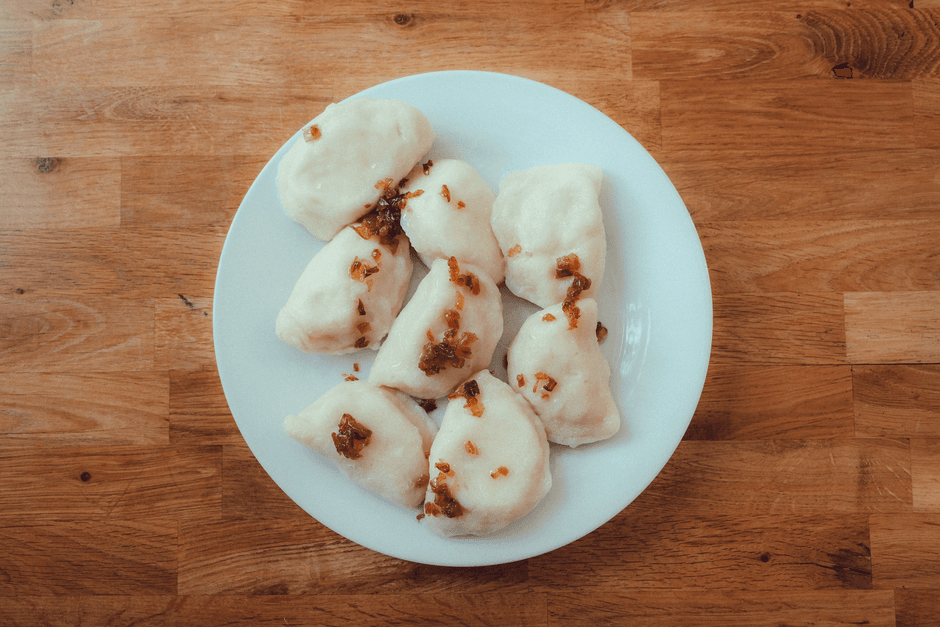
Gnocchi di pasta frolla a mezzaluna ripieni di crema di patate e formaggio, serviti con cipolle caramellate e panna acida.
La ciotola di riso alle erbe e limone del mercato polacco porta il sapore polacco in una pratica ciotola di riso costruita con cosce di pollo, aneto, panna acida, cavolo e funghi e un finale di aneto fresco.
La zuppa di pomodoro affumicata del Polish Village conferisce un sapore polacco a una pratica zuppa a base di funghi, aneto, panna acida, cavolo e funghi e un finale di aneto fresco.
Polish Garden Sesame Lime Skillet porta il sapore polacco a una pratica cena in padella composta da cavolfiore, aneto, panna acida, cavolo e funghi e un finale di aneto fresco.
I Polish Harbor Charred Pepper Noodles conferiscono un sapore polacco a un pratico piatto di noodle composto da spaghetti di riso, aneto, panna acida, cavolo e funghi e un finale di aneto fresco.
L'insalata polacca di erbe verdi di montagna conferisce un sapore polacco a una pratica insalata composta da pollo grigliato, aneto, panna acida, cavolo e funghi e un finale di aneto fresco.
La focaccia alle erbe e limone del Festival polacco conferisce un sapore polacco a una pratica focaccia realizzata con pasta per focaccia, aneto, panna acida, cavolo e funghi e un finale di aneto fresco.
Polish Homestyle Smoky Tomato Traybake porta il sapore polacco a un pratico vassoio preparato con patate dolci, aneto, panna acida, cavolo e funghi e un finale di aneto fresco.
Le frittelle al sesamo e lime di Polish Street conferiscono un sapore polacco a pratiche frittelle realizzate con pesce salato, aneto, panna acida, cavolo e funghi e un finale di aneto fresco.
Il piatto da colazione polacco al peperone carbonizzato dorato conferisce sapore polacco a un pratico piatto da colazione costruito con fagioli, aneto, panna acida, cavolo e funghi e un finale di aneto fresco.
Polish Weeknight Green Herb Dessert conferisce il sapore polacco a un pratico dessert a base di cocco, aneto, panna acida, cavolo e funghi e un finale di aneto fresco.
Una zuppa piccante e fermentata di segale con salsiccia affumicata, patate e un uovo sodo, spesso servita in una ciotola di pane.
Cetrioli tagliati a fettine sottili salati, scolati e conditi con una leggera salsa di panna acida e aneto, un lato estivo rinfrescante.
Croccanti frittelle di patate grattugiate, legate con uovo e un tocco di farina, servite con panna acida o zucchero.
Tenere foglie di cavolo arrotolate attorno a carne macinata e riso condite, bollite in una salsa a base di pomodoro fino a renderle morbide.
Una cheesecake al forno densa e alta, realizzata con formaggio contadino twaróg, più leggera e meno ricca delle versioni in stile newyorkese.
Una cotoletta di maiale pestata, impanata e saltata in padella, la risposta polacca alla cotoletta, servita con patate e cavolo cotto.
Un brodo di barbabietola chiaro, di colore rosso intenso, inacidito con succo di barbabietola fermentato, tradizionalmente servito con gnocchi ripieni di funghi alla vigilia di Natale.
Una zuppa di trippa sostanziosa e pepata fatta bollire per ore con ortaggi a radice e maggiorana finché la trippa diventa setosa e tenera.
Un pane dolce lievitato arrotolato attorno a un ripieno denso e scuro di semi di papavero, tagliato a rondelle per le festività.
Morbidi e soffici gnocchi di patate a forma di zoccoli, lessati e saltati in padella con burro e pangrattato.
Grandi e densi gnocchi di patate ripieni di carne macinata condita, lessati e serviti con burro fuso e pancetta croccante.
Sottili crêpe arrotolate attorno a un gustoso ripieno di carne e funghi, impanate e fritte fino a renderle dorate e croccanti.
Filetti di aringhe salate marinati in una salsa cremosa e piccante di panna acida e cipolla, un classico antipasto freddo.
Fette di sanguinaccio di grano saraceno saltate in padella servite con mele dolci caramellate e cipolle fritte.
Un brodo di pollo chiaro e dal sapore intenso, cotto a fuoco lento con ortaggi a radice, filtrato e servito su sottili tagliatelle all'uovo.
Delicati pasticcini di pasta fritta a forma di nastro, leggeri e croccanti, spolverati abbondantemente di zucchero a velo per il periodo di Carnevale.
Kielbasa polacca grigliata su segale con senape, sottaceti e cipolla caramellata: un sostanzioso panino a base di salsiccia preferita dai polacchi.
Patate a strati e aringhe in salamoia cotte in salsa cremosa all'aneto: una versione costiera polacca di un classico piatto di patate al forno.
Tenerissime polpette di maiale e manzo cotte a fuoco lento in una salsa di cipolle profondamente caramellata: il klopsiki casalingo polacco, servito su kasza o patate.
Fagioli bianchi bolliti con salsiccia affumicata e pancetta in salsa di pomodoro e paprika: il sostanzioso stufato di fagioli polacco, nonostante il suo nome dal suono francese.
Una sostanziosa frittata ricca di kielbasa affumicata a dadini, patate e pepe nero: una sostanziosa colazione rustica polacca.
Miglio tostato cotto a fuoco lento in un porridge cremoso con composta di mele e un filo di miele: una tradizionale ciotola di cereali per la colazione polacca.
Trota intera cotta al forno con un generoso burro alle erbe, un omaggio alla tradizione polacca della pesca d'acqua dolce e all'amore per l'aneto.
Cetrioli a fette sottili ripiegati in una leggera salsa di panna acida e aneto: l'insalata estiva più semplice e amata della Polonia, la mizeria.
Un brodo di pollo dorato, cotto a fuoco lento con sottili tagliatelle all'uovo e aneto fresco: la classica zuppa domenicale polacca, rosół.
Un pollo intero strofinato con maggiorana e arrostito su cipolle profondamente caramellate: un centrotavola domenicale costruito con l'erba saporita tipica della Polonia.
Cavolo e patate a strati cotti al forno con semi di cumino e salsa leggera alla panna: un piatto di verdure della fattoria polacca costruito su due alimenti base della dispensa.
Sottili strisce di pasta attorcigliate fritte fino a renderle croccanti e spolverate di zucchero a velo: l'amata pasticceria polacca di carnevale, faworki.
Croccanti frittelle di patate polacche, grattugiate fresche e fritte dorate, servite con un ciuffo di panna acida all'aneto.
Semole di grano saraceno polacche tostate (kasza gryczana) condite con kielbasa rosolata, mela caramellata e aneto fresco.
Tagliatelle all'uovo alla polacca condite con salmone in salsa di aneto e panna acida, un piatto confortevole della costa baltica.
Una sostanziosa zuppa polacca di piselli spezzati grochówka, addensata e servita in una ciotola con kielbasa affumicata e maggiorana.
Peperoni ripieni del classico ripieno polacco gołąbki di maiale, riso e maggiorana, cotti in salsa di panna acida.
Cavolfiore intero bollito cotto sotto una coltre di pangrattato dorato e imburrato, un contorno semplice e classico polacco.
Un kotlet polacco di maiale e manzo in stile mielony, legato con pane ammollato e maggiorana, fritto nel burro e servito su un panino.
Kisiel polacco setoso, un budino addensato con frutta a base di bacche rosse e fecola di patate, servito freddo con panna.
Un piatto polacco Wigilia della vigilia di Natale di barzcz di barbabietola color rubino chiaro servito insieme a pierogi di funghi senza carne e crauti.
La cucina polacca è stata forgiata da inverni rigidi, pianure fertili e secoli trascorsi al crocevia dell'Europa. Le sue basi sono cereali, carne di maiale, cavoli, barbabietole, funghi e latticini, conservati mediante fermentazione, affumicatura e decapaggio. I sapori aspri sono una firma nazionale: żurek, una zuppa inacidita con antipasto di segale fermentata; barszcz di barbabietola fermentata; kapusta kiszona (crauti) in bigos, lo stufato del cacciatore che combina cavolo fresco e acido con diverse carni e funghi di bosco essiccati, tradizionalmente migliorato con giorni di riscaldamento.
I Pierogi sono gli ambasciatori globali: gnocchi a mezzaluna ripieni di patate e formaggio contadino (ruskie), crauti e funghi, carne o frutta di stagione, bolliti e poi spesso saltati in padella nel burro con cipolle. Intorno a loro campeggia un abbondante canone: il kotlet schabowy, la cotoletta di maiale impanata delle cene domenicali; gołąbki, involtini di cavolo in salsa di pomodoro; kiełbasa in decine di forme affumicate regionali; e placki ziemniaczane, frittelle di patate croccanti. Fili culinari ebraici, lituani, ucraini e tedeschi attraversano tutto questo, riflettendo l'ampiezza del vecchio Commonwealth.
Il ritmo conta nella cucina polacca. L'obiad, il pasto principale, arriva a metà pomeriggio e si apre quasi senza eccezioni con la zuppa: rosół (brodo di pollo dorato con noodles) la domenica, zuppa di sottaceti o zuppa di pomodoro a metà settimana. La vigilia di Natale (Wigilia) richiede dodici piatti senza carne, tra cui carpa, barszcz con gnocchi di uszka e kutia. La raccolta dei funghi rimane un autentico passatempo nazionale, e aneto, maggiorana, pimento e panna acida completano i piatti di tutto il repertorio.
Pierogi
Gnocchi a mezzaluna bolliti con ripieni dal russo di patate e formaggio ai crauti-funghi, finiti nel burro con cipolle fritte.
Prima le zuppe
Żurek, barszcz, rosół e zuppa di sottaceti aprono quasi ogni cena polacca: gli agenti acidificanti come la segale fermentata e le barbabietole sono il segno distintivo della tradizione.
Cavolo e fermentazione
I crauti alimentano lo stufato di bigos e i ripieni di pierogi, mentre il cavolo fresco avvolge i panini gołąbki in salsa di pomodoro.
Kiełbasa e carne affumicata
La cultura della salsiccia polacca spazia dalla kiełbasa jałowcowa affumicata al ginepro alla biała fresca e all'aglio, grigliata, bollita nelle zuppe o al forno con cavolo.
Patate e latticini
Frittelle di patate, gnocchi di Slesia e kopytka si abbinano a panna acida, formaggio contadino twaróg e aneto in tutta la cucina.
Funghi di bosco
I borowiki (porcini) essiccati arricchiscono bigos, barszcz e uszka natalizia: il foraggiamento rimane un rituale stagionale vivente.
In testa ci sono gli gnocchi pierogi, seguiti dalle salsicce kiełbasa, dallo stufato di bigos, dagli involtini di cavolo gołąbki, dal kotlet schabowy (cotoletta di maiale impanata), dalla zuppa acida di segale żurek e dalla zuppa di barbabietole barszcz. La cucina è sostanziosa e incentrata su carne di maiale, cavoli, patate, funghi e sapori acidi fermentati, con panna acida e aneto come ritocchi finali costanti.
I pierogi e i varenyky ucraini sono cugini stretti: entrambi gnocchi più grandi con ripieni cotti come patate, formaggio, cavoli o frutta, bolliti e spesso imburrati. I pelmeni russi sono più piccoli, con la pelle più sottile e ripieni di carne cruda condita che cuoce all'interno dello gnocco, servito con brodo, panna acida o aceto. Il "ruskie" in pierogi ruskie si riferisce alla storica Rutenia Rossa, non alla Russia.
I piatti celebrativi tradizionali - bigos, cotolette impanate, salsicce - sono ricchi, ma il cibo polacco quotidiano include piatti molto più leggeri: brodo rosół chiaro, insalate di cetrioli e pomodori (mizeria, surówki) ad ogni cena, verdure fermentate, kefir e latticello e zuppe di frutta estiva. I cibi fermentati come i crauti, la segale acida e i sottaceti conferiscono alla cucina un'acidità brillante che ne riduce la ricchezza.
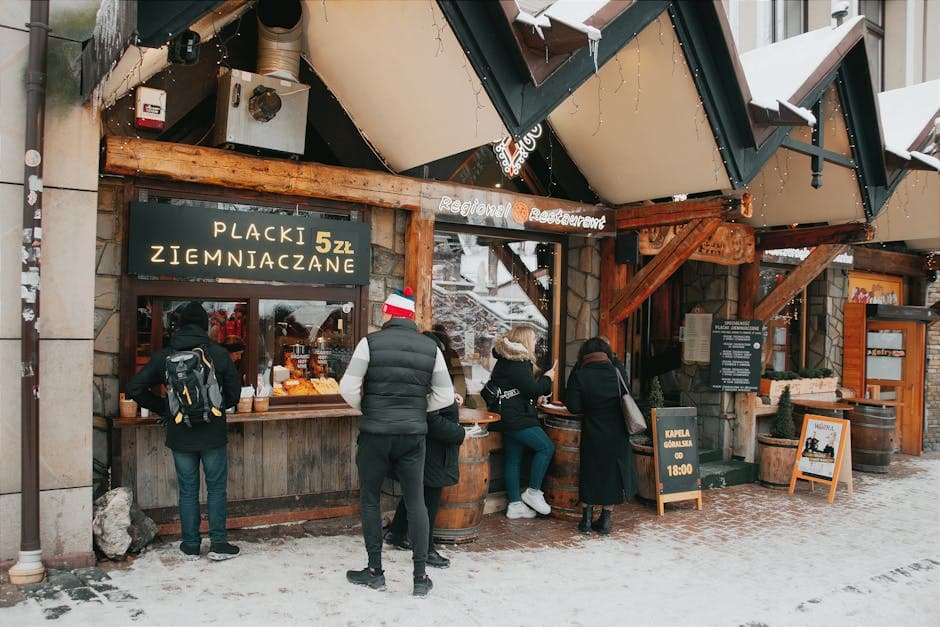
Le frittelle di patate (placki ziemniaczane) sono quasi infallibili: patate e cipolla grattugiate, uova, farina, patatine fritte e servite con panna acida. Per un progetto di punta, prepara il pierogi ruskie: l'impasto è composto solo da farina, acqua e un po' di grasso, e il ripieno di patate e formaggio del contadino è indulgente. Lessare, quindi rosolare nel burro con le cipolle.
La Wigilia, la cena della vigilia di Natale, è tradizionalmente senza carne e comprende dodici piatti: barzcz di barbabietola con gnocchi di uszka ripieni di funghi, carpa fritta o in gelatina, aringhe sott'olio o panna, crauti con funghi, pierogi, tagliatelle alla kutia o ai semi di papavero e composta di frutta secca. Il pasto inizia quando appare la prima stella e inizia con la condivisione della cialda opłatek.
Calcolatori e convertitori pensati per questa pagina — senza registrazione.
Calcolatore di dosi
Dimezza o raddoppia ogni quantità di questa ricetta senza fare calcoli a mente.
Convertitore di misure
Converti tazze, grammi, once e millilitri in entrambe le direzioni.
Convertitore per friggitrice ad aria
Converti tempo e temperatura del forno nelle impostazioni della friggitrice ad aria.