
dinner
Bamia
Egyptian okra stew braised with lamb, tomatoes, garlic, and coriander into a tender, savory comfort dish.
90 min420 calMedium
★4.7(2,706)
Koshari, ful medames, molokhia — ancient recipes from the Nile valley.
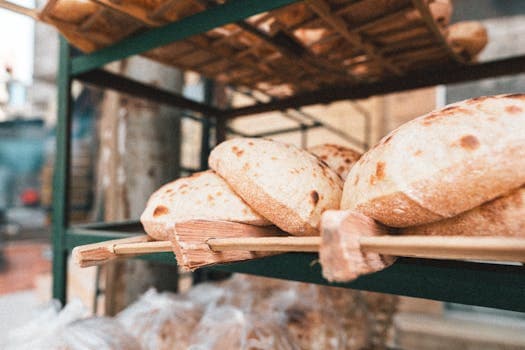
Egyptian cuisine is one of the world's oldest continuous food traditions — bread and beer were being made along the Nile five thousand years ago, and ful medames, the slow-stewed fava bean breakfast, likely predates the pharaohs' decline. The Nile valley's fertile silt made Egypt a grain and legume culture: bread (eish baladi, a whole-wheat pocket bread) is so central that the Arabic word used for it, eish, literally means life.
The national dish, koshary, tells the story of Egypt's crossroads position: rice, lentils, and pasta layered with spiced tomato sauce, crispy fried onions, and garlicky vinegar — Italian pasta and Indian lentils absorbed into a Cairo street food. Molokhia, a soup of finely minced jute leaves with garlic and ground coriander fried in ghee (the taqliya), divides households over whether it belongs with rabbit, chicken, or seafood, the Alexandrian preference.
Egyptian home cooking is economical and legume-driven; meat is often reserved for Fridays and feasts. Cooks rely on a small, assertive spice set — cumin, coriander, garlic — rather than complex blends, and on techniques like mahshi (stuffing vegetables and grape leaves with herbed rice) and slow stewing. Duqqa, the crushed nut-seed-spice condiment eaten with bread and olive oil, is a typically Egyptian piece of frugal genius.
Ful medames
Fava beans slow-simmered overnight, mashed with cumin, lemon, and oil — Egypt's ancient national breakfast, eaten with baladi bread.
Koshary
Street-food layering of rice, lentils, pasta, spicy tomato sauce, fried onions, and garlic vinegar, sold from dedicated koshary shops.
Molokhia
Jute mallow leaves minced fine and simmered into a green soup finished with a sizzling garlic-coriander taqliya.
Eish baladi
Whole-wheat pocket flatbread baked at high heat, used as utensil, wrap, and plate at nearly every Egyptian meal.
Mahshi
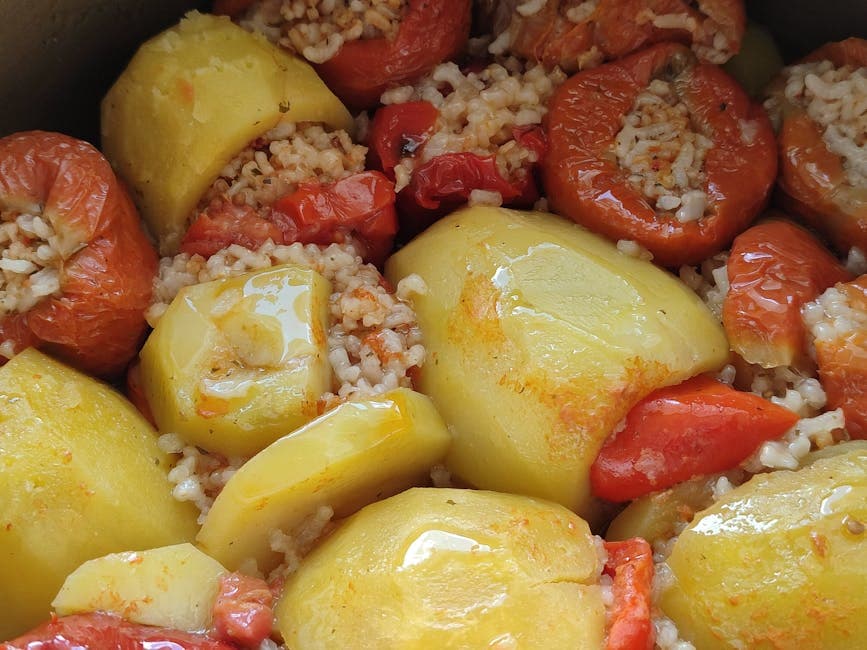
Vegetables, cabbage, and grape leaves stuffed with rice perfumed with dill, parsley, and tomato, then simmered in broth.
Duqqa
Crushed hazelnuts or chickpeas with sesame, coriander, and cumin, eaten by dipping bread first in olive oil then the mix.
Egyptian okra stew braised with lamb, tomatoes, garlic, and coriander into a tender, savory comfort dish.

Egypt's beloved street food — a hearty bowl of rice, lentils, macaroni and chickpeas topped with a spiced tomato sauce, crispy fried onions and a garlicky vinegar dressing.

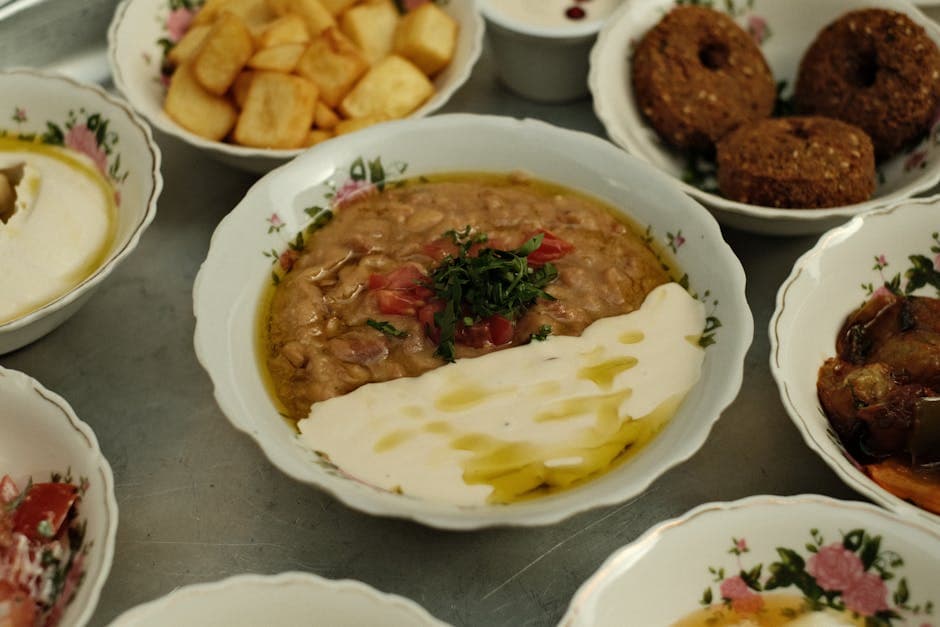
Egypt's ancient breakfast staple — slow-cooked fava beans seasoned with cumin, lemon and garlic, finished with olive oil and served with eggs, pitta and fresh vegetables.
Egypt's most beloved dessert: flaky pastry baked in sweetened milk with cream, raisins, coconut and nuts — a warm, indulgent pudding with a crispy golden top.
Finely chopped dried or fresh molokhia leaves cooked in rich chicken broth with a fragrant garlic and coriander tafaya, served over rice — Egypt's national soup.
Egypt's ultimate street food: layers of rice, lentils, macaroni and chickpeas topped with spiced tomato sauce, crispy onions and a garlic-vinegar daqqa — the country's most beloved dish.
A moist, syrup-soaked semolina cake with coconut and rose water, topped with whole almonds — the Middle East's most beloved tea-time cake.

Egypt's beloved street food national dish — a hearty bowl of rice, lentils, and pasta topped with spiced tomato sauce, crispy fried onions, and a garlicky vinegar drizzle.
Egypt's ancient green soup — a silky, slightly viscous stew made from finely chopped jute leaves, simmered in chicken broth with a spectacular fried garlic and coriander tarka.

Egypt's beloved spiced meat-stuffed bread — a pita or baladi bread filled with a fiery mixture of minced beef, onion, and chilies, baked until the bread crisps and the meat sizzles.
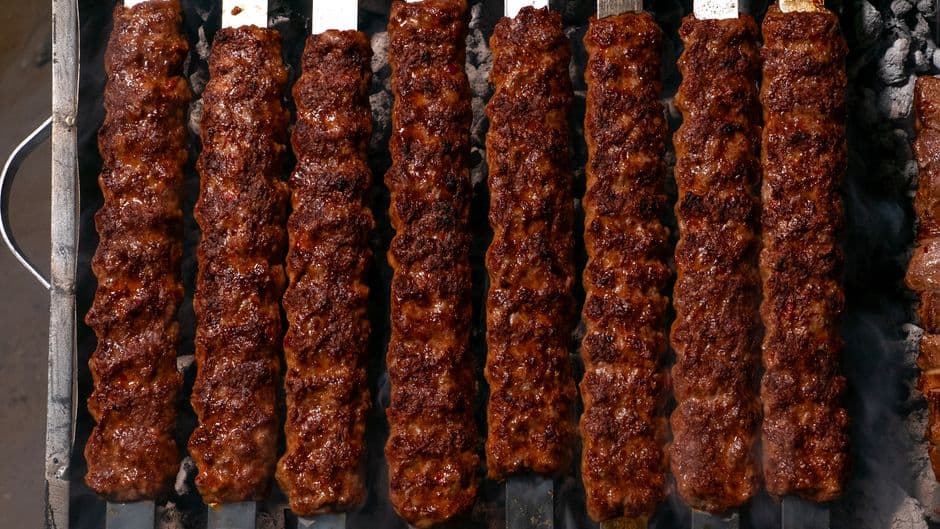
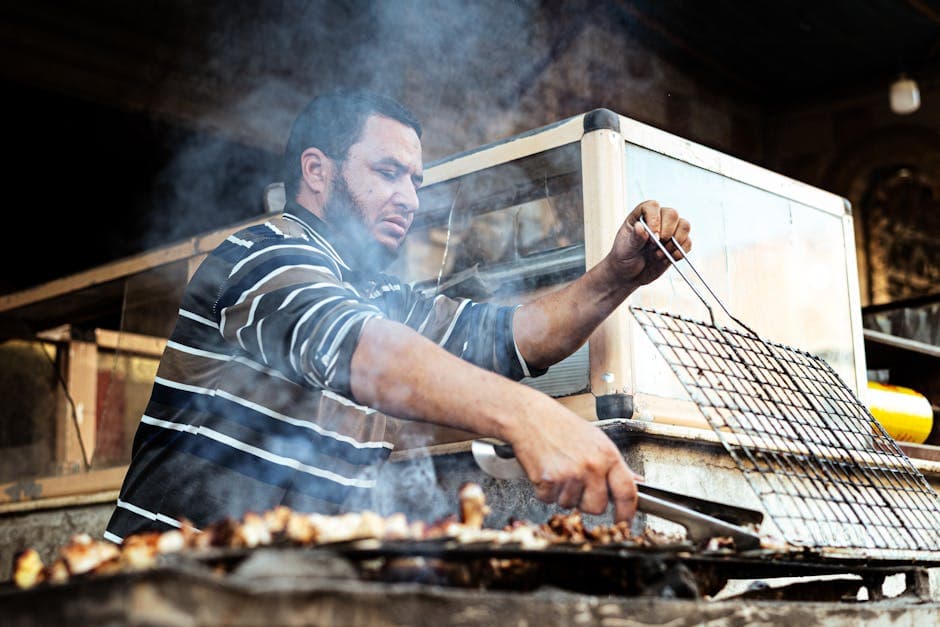
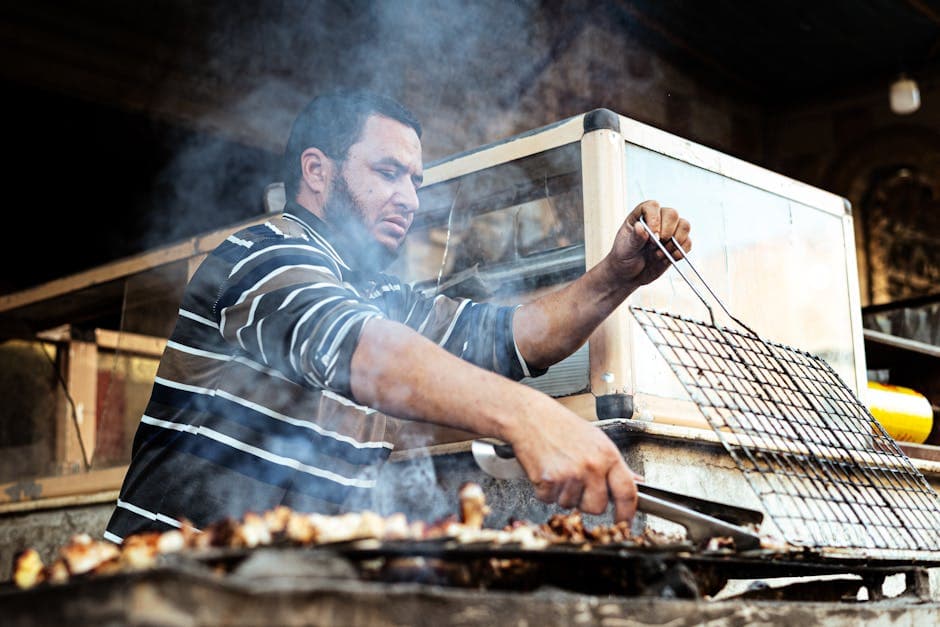
Fragrant spiced ground beef and lamb skewers grilled over charcoal — Egypt's ultimate street food.
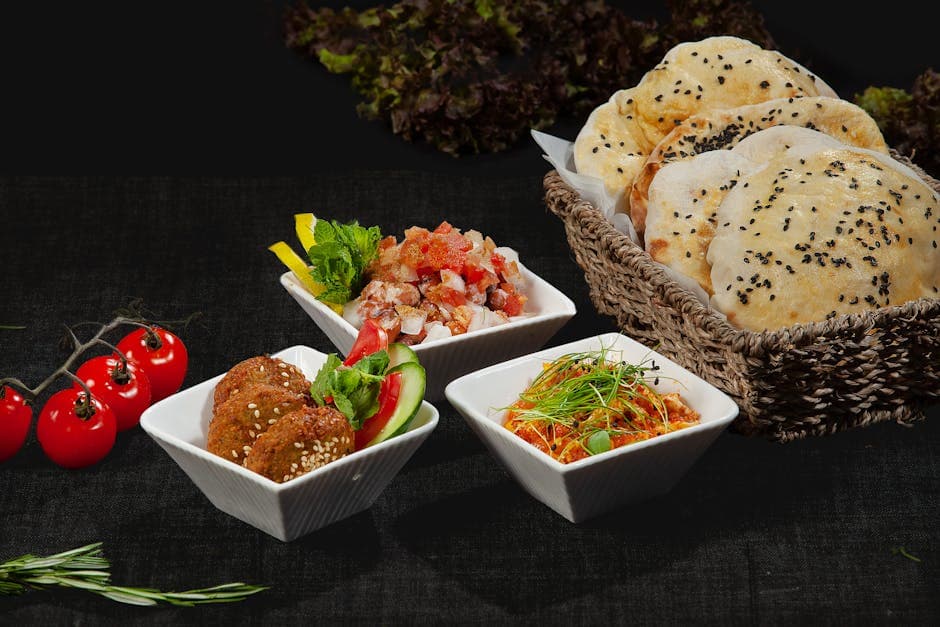
Egypt's original falafel made with fava beans instead of chickpeas — crispier, greener, and uniquely Egyptian.
Tender vegetables — zucchini, peppers, tomatoes — stuffed with herbed rice and slow-cooked in tomato broth.
Moist, syrup-soaked semolina cake flavored with coconut and rose water — Egypt's most beloved dessert.

Silky, garlicky jute leaf soup — Egypt's national dish, fragrant with coriander and served over rice or with rabbit.
Egypt's most popular street dish — a layered bowl of rice, lentils, macaroni, chickpeas, crispy onions and two sauces: spicy tomato and tangy vinegar. Cairo on a plate.

Egypt's national breakfast and one of the world's oldest dishes — dried fava beans slow-cooked until tender and mashed with cumin, lemon and olive oil. Eaten by pharaohs and Cairo traffic wardens alike.
Egypt's national dessert and the Middle East's greatest bread pudding — layers of crispy pastry soaked in sweet hot milk with coconut, raisins, almonds and pistachios, baked until the top caramelises. Warm, rich, extraordinary.
Cairo's beloved street food — whole bread loaf stuffed with heavily spiced minced beef and onion, then baked or grilled until the crust is crispy and the filling juicy. Fast food, Egyptian style.

Egyptian jute leaf soup — vivid green, slimy and deeply savoury — served over rice or with chicken.
Egypt's ultimate street food — a layered bowl of rice, lentils, pasta and chickpeas with spiced tomato sauce and crispy fried onions.
Egypt's national breakfast — slow-simmered fava beans crushed at the bowl with lemon, garlic, cumin, and olive oil.
Egypt's pharaonic layered pastry: paper-thin dough folded with ghee into hundreds of flaky leaves, baked golden and served with honey or cheese.
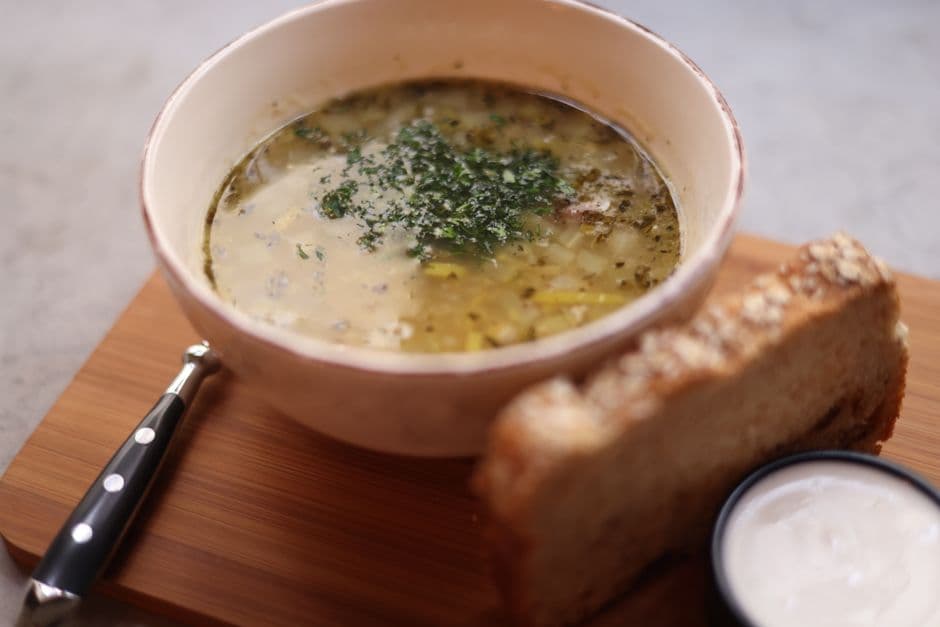
Egypt's most beloved green soup — finely chopped jute leaves in golden chicken broth, finished with garlic-cilantro takleya and served over rice.
Cairo's beloved national street food — layered rice, brown lentils, macaroni and chickpeas under a garlicky tomato sauce, crisp fried onions, and a fiery vinegar-chilli daqqa.
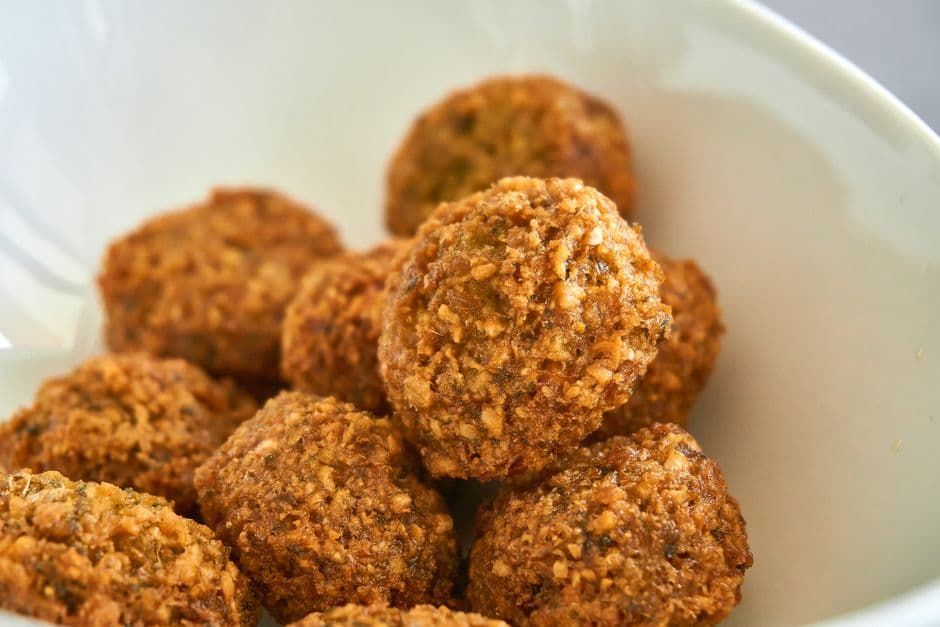
Creamy, green falafel made from fava beans instead of chickpeas — Egypt's beloved street food.
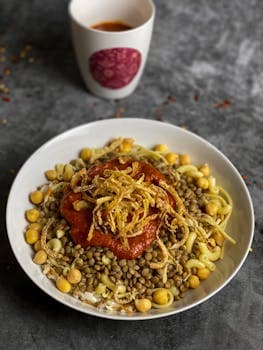
Egypt's national dish — layered rice, lentils, pasta, chickpeas with tomato sauce and crispy onions.
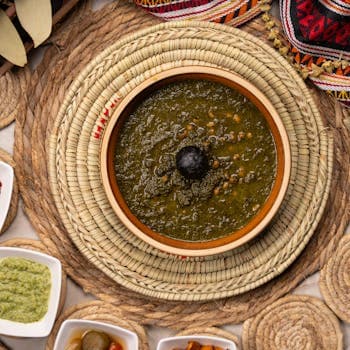
Egyptian jute leaf soup with garlic, coriander, and chicken — emerald green, deeply savory, ancient.
Egyptian cuisine is known for hearty, legume-based dishes with ancient roots: ful medames (stewed fava beans), koshary (rice, lentils, and pasta with spiced tomato sauce), ta'ameya (fava-bean falafel), and molokhia soup. Bread is central to every meal, meat plays a smaller role than in much of the Middle East, and flavors lean on cumin, coriander, and garlic.
Lebanese cooking is lighter and mezze-driven — fresh herbs, lemon, olive oil, tabbouleh, chickpea hummus. Egyptian food is heartier and more grain-and-legume based: fava beans replace chickpeas (Egyptian falafel, ta'ameya, is made from favas), koshary and molokhia have no Lebanese equivalent, and dishes are typically built around one substantial plate rather than many small ones.
No, Egyptian food is aromatic rather than hot. The core seasonings are cumin, ground coriander, and generous garlic, with heat offered separately as shatta, a chili sauce spooned over koshary or ful to taste. Compared with North African neighbors like Tunisia, where harissa makes heat structural, Egyptian dishes are mild and rely on slow cooking for depth.
Start with koshary: every component — rice, brown lentils, small pasta, tomato sauce with vinegar and garlic, crispy fried onions — is a basic technique, and assembly is the only trick. Ful medames is even simpler if you use canned fava beans, mashed with cumin, lemon, garlic, and olive oil. Both are vegan, cheap, and authentically everyday Egyptian.
Molokhia is a soup made from jute mallow leaves, minced very finely and simmered in chicken or rabbit broth, finished with garlic and ground coriander fried in ghee. The leaves give it a distinctive silky, slightly viscous texture similar to okra. It tastes green and garlicky, and is traditionally ladled over rice or eaten with bread.