🇻🇪
dinner
Pabellón Criollo
Venezuela's national dish — a harmonious plate of shredded beef caraotas (black beans), white rice and sweet fried plantain that together tell the story of the country's heritage.
150 min720 calMedium
★4.8(934)
Pabellón criollo, arepas, hallacas — rich, corn-based comfort food.
Venezuelan cuisine grew from the same criollo blending as its neighbors — Indigenous corn and yuca traditions, Spanish meats and rice, African plantain and cooking techniques — plus a notable twentieth-century layer of Italian, Portuguese, and Spanish immigration that put pasta, crusty bread, and ham-stuffed pastries (cachitos) into daily life. The arepa is the undisputed national staple: a thick griddled corn cake split and stuffed, with fillings catalogued by name, from reina pepiada (avocado-chicken salad) to pelúa, pabellón, and dominó.
The national plate, pabellón criollo, assembles shredded beef (carne mechada) in tomato and pepper, black beans, white rice, and fried sweet plantain (tajadas) — sometimes crowned with a fried egg 'a caballo.' December belongs to hallacas: corn dough tinted with annatto, filled with a stew of beef, pork, olives, raisins, and capers, wrapped in banana leaves and boiled, assembled by whole families in an annual ritual. Cachapas, sweet fresh-corn pancakes folded around queso de mano, are roadside-stand royalty.
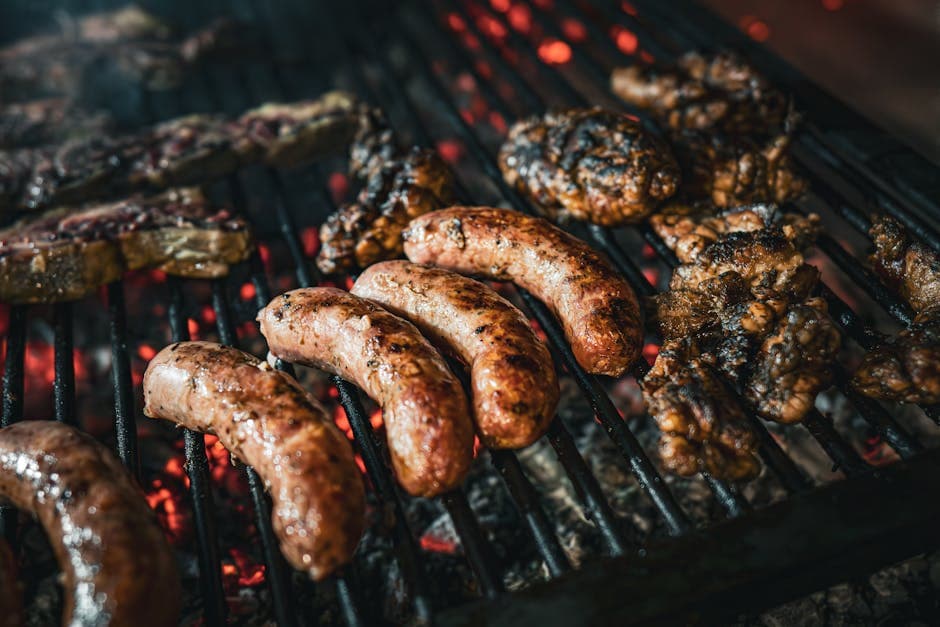
Seasoning is mild and savory: the sofrito relies on ají dulce, a sweet heatless chili essential to Venezuelan beans and stews, plus garlic, onion, cumin, and Worcestershire sauce, a beloved pantry adoption. Cheese matters enormously — fresh salty queso llanero, soft queso de mano, grated queso duro over everything. Guasacaca, an avocado-cilantro-vinegar sauce, accompanies grilled meats, and parrilla culture in the Llanos centers on slow-grilled beef with yuca and ensalada rallada.
Arepas & Their Fillings
Thick masarepa corn cakes split and stuffed — reina pepiada, carne mechada, ham and cheese — eaten at any hour from areperas.
Pabellón Criollo
The national dish: shredded beef in tomato sofrito, black beans (caraotas), white rice, and fried sweet plantains on one plate.
Hallacas
Banana-leaf-wrapped corn dough parcels filled with a beef, pork, olive, raisin, and caper stew — the centerpiece of Venezuelan Christmas.
Ají Dulce
A sweet, aroma-rich chili with no heat that defines Venezuelan sofrito and distinguishes its black beans from neighboring cuisines.
Cachapas & Fresh Corn
Sweet pancakes ground from fresh corn kernels, griddled and folded over soft, salty queso de mano.
Guasacaca & Cheese Culture
An avocado-herb-vinegar sauce for grilled meats, alongside a deep bench of fresh cheeses — llanero, de mano, guayanés.
Venezuela's national dish — a harmonious plate of shredded beef caraotas (black beans), white rice and sweet fried plantain that together tell the story of the country's heritage.
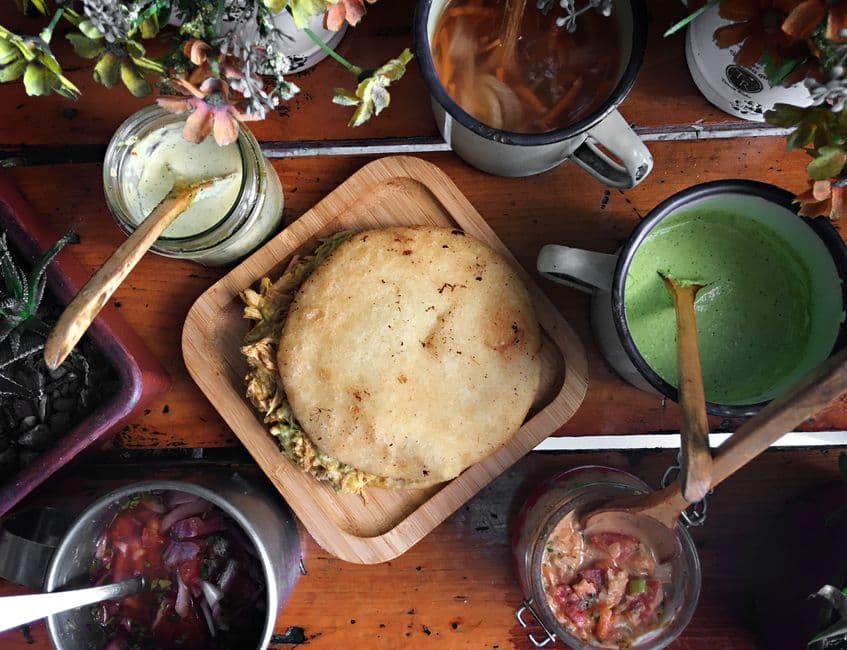
Venezuela's daily bread — golden, crispy-shelled corn cakes made from precooked cornmeal, split open and stuffed with any combination of cheese, black beans, shredded beef or avocado.
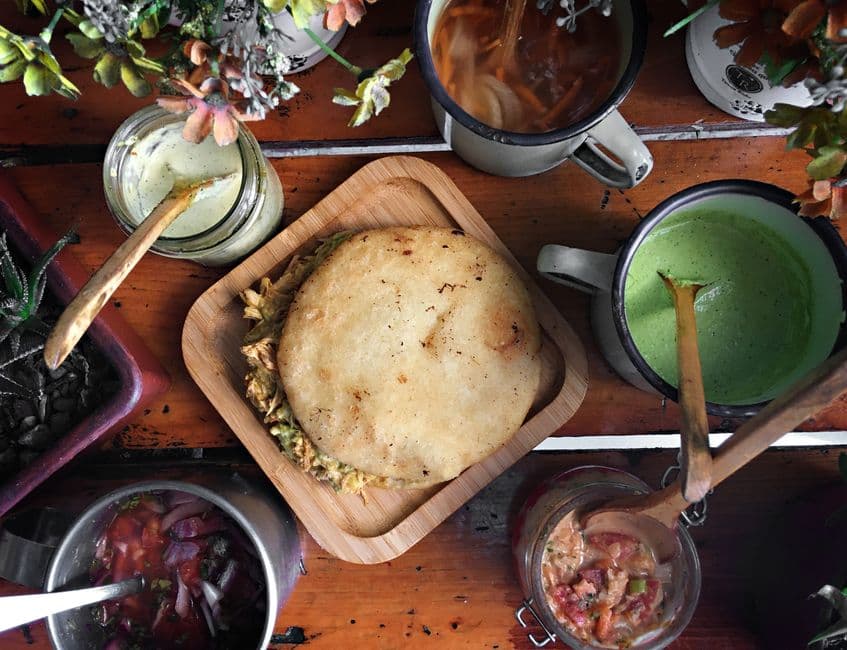
Thick, golden cornmeal cakes, griddled and then split open and filled — Venezuela's daily bread, eaten at every meal and endlessly versatile.
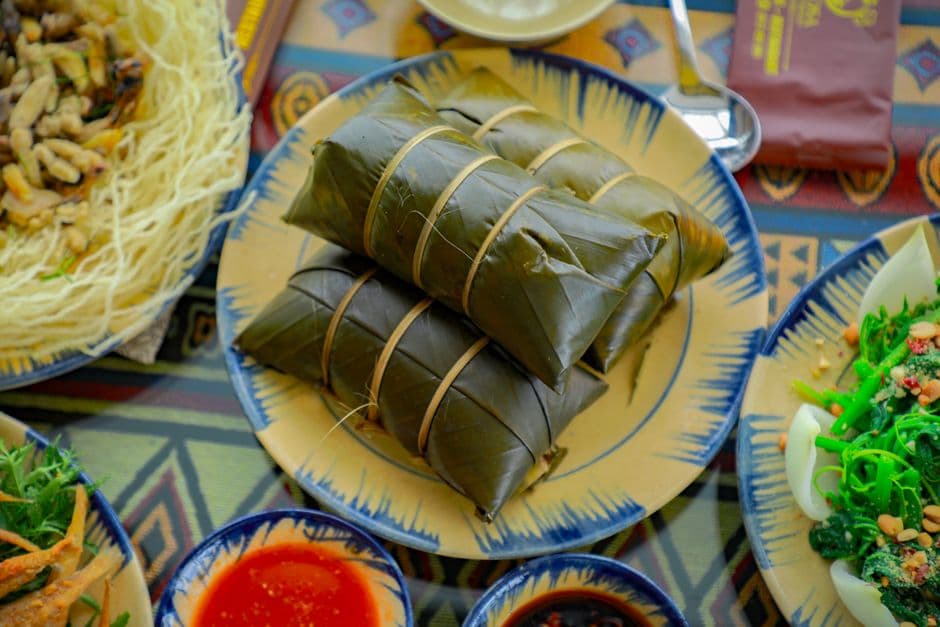
Cornmeal packages filled with a fragrant slow-cooked stew of beef, pork and chicken with olives, raisins and peppers, wrapped in banana leaves and steamed — Venezuela's most cherished Christmas tradition.
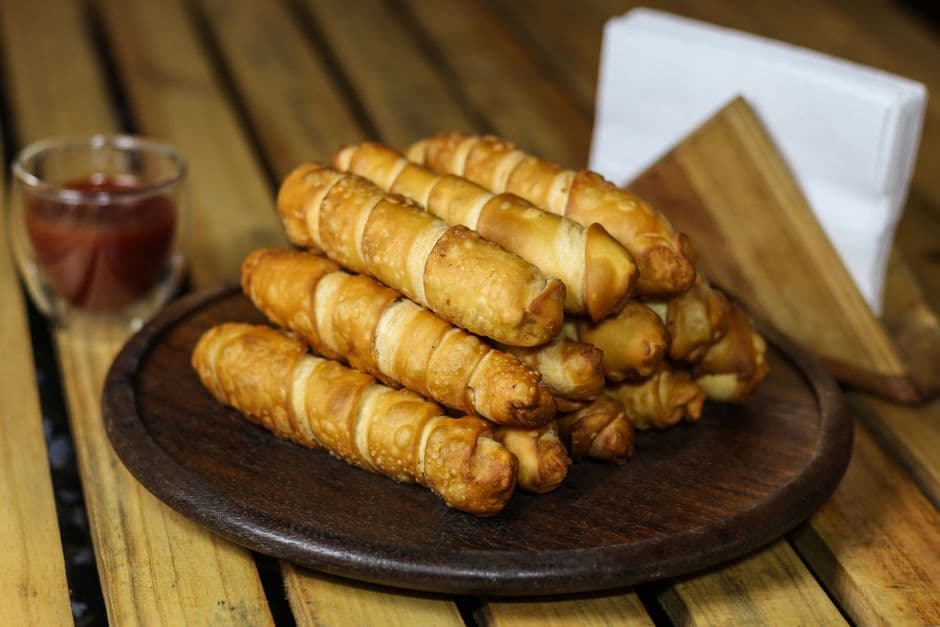
Crispy fried or baked dough sticks wrapped around molten queso blanco — Venezuela's most popular party appetiser, impossible to stop eating.
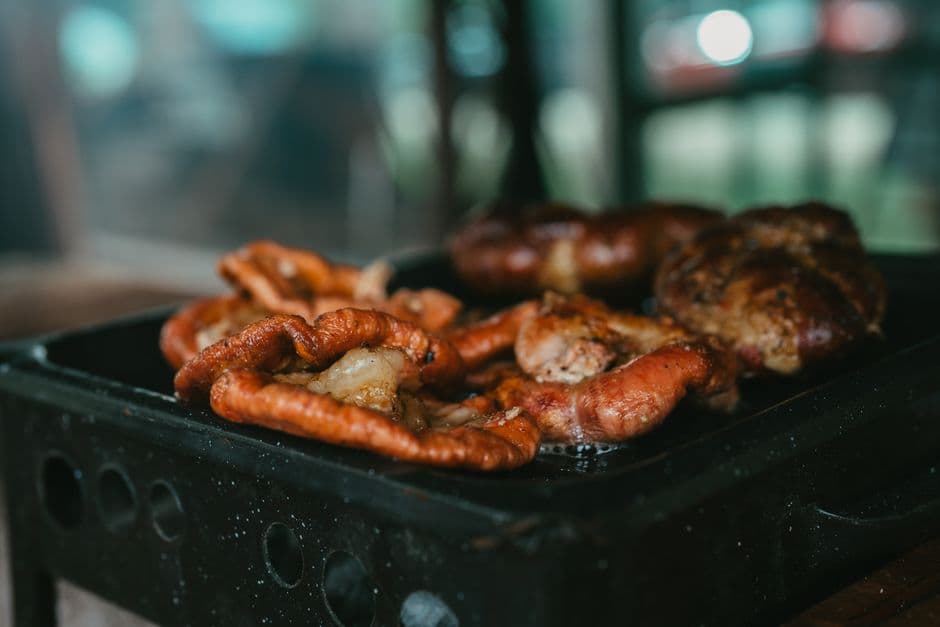
Venezuelan whole braised beef tenderloin caramelised in dark brown sugar until jet black, then slow-cooked in wine and spices to create a haunting sweet-savoury sauce.
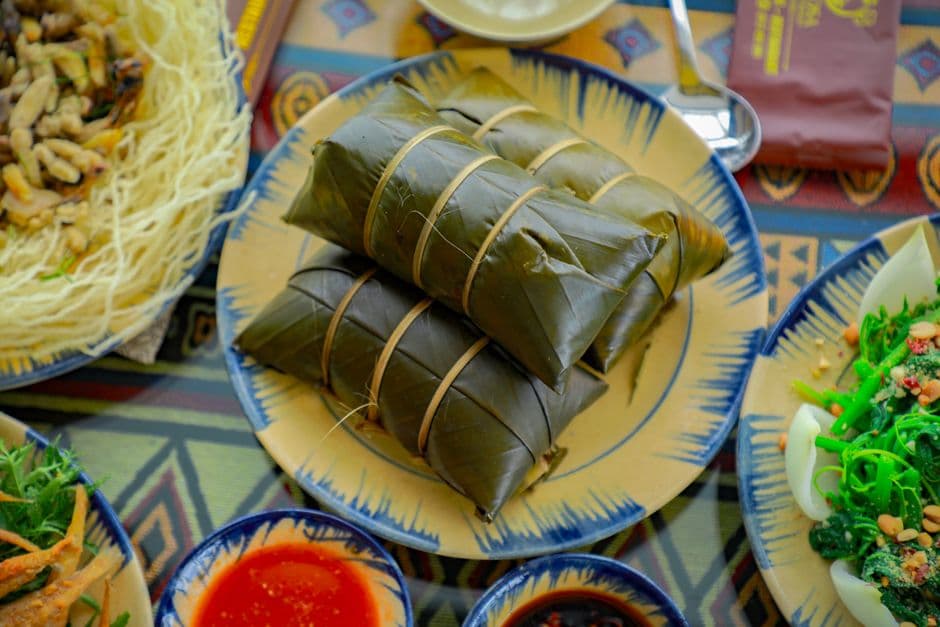
Venezuela's Christmas treasure — corn dough filled with a rich stew of beef, pork, and chicken with olives, capers, and raisins, wrapped in banana leaves and steamed.
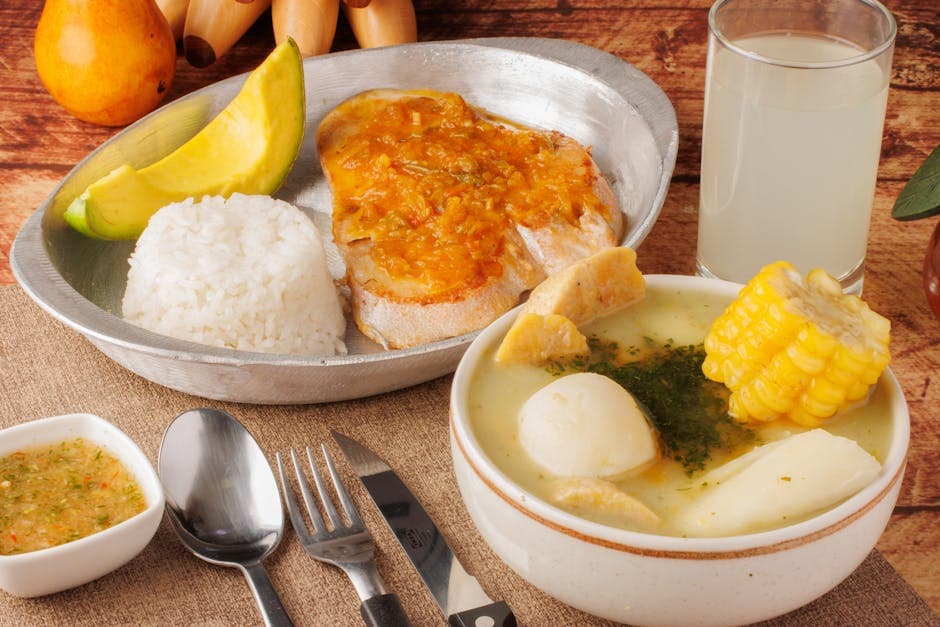
Venezuela's dramatic black roast beef — beef braised in a dark, glossy sauce of papelón (raw sugar), red wine, and vegetables until deeply caramelized and intensely flavored.
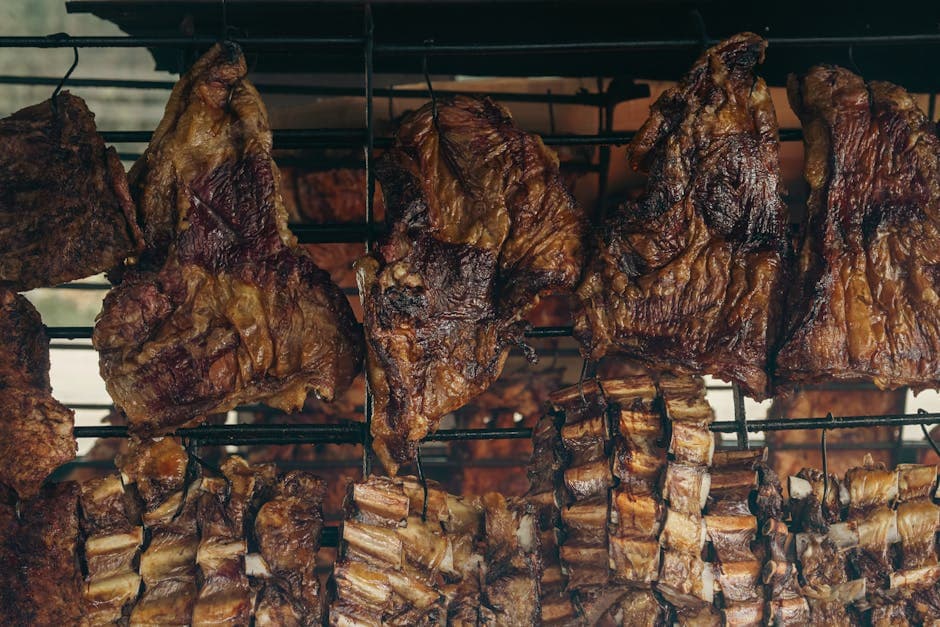
Venezuela's irresistible cheese bread sticks — stretchy wheat dough wrapped around salty queso blanco, fried or baked until golden and the cheese inside turns molten and gooey.
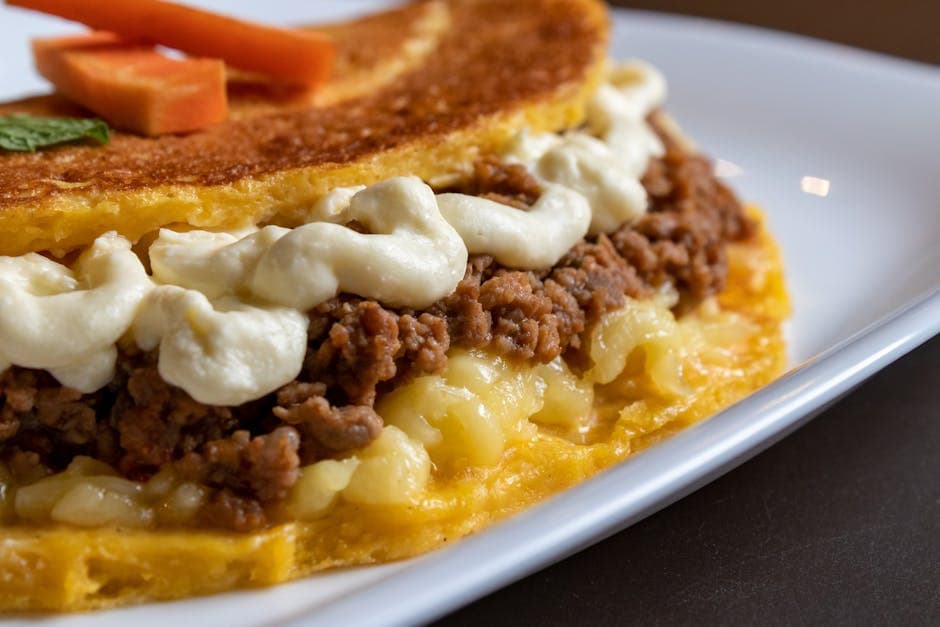
Sweet fresh corn pancakes folded around hand cheese — Venezuela's beloved street food and breakfast classic.
Rich, velvety Venezuelan black beans seasoned with papelón and spices — a cornerstone of pabellón criollo.
Luscious Venezuelan coconut cream dessert — sweet, velvety, and impossible to stop eating.
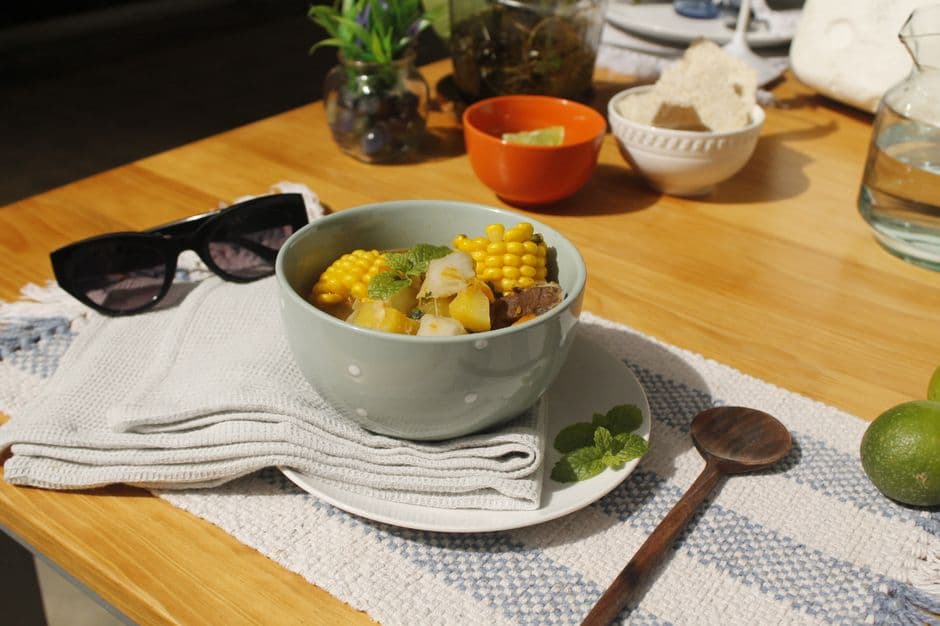
Hearty Venezuelan chicken and vegetable stew with corn, plantain, and yuca — the ultimate comfort soup.
Venezuela's silky caramel flan with a unique 'holey' texture from whole eggs — rich, sweet, and unmistakably Venezuelan.
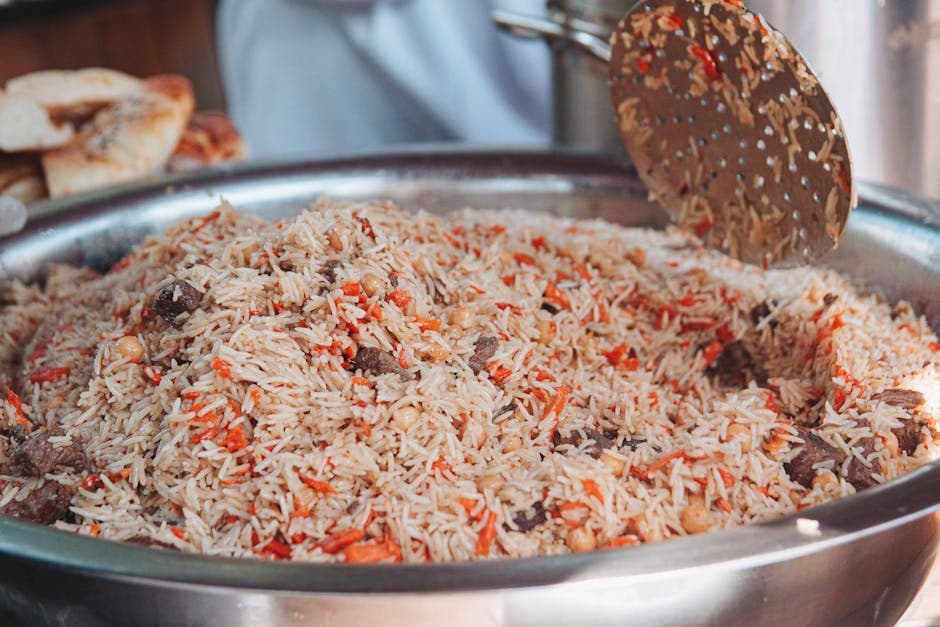
Venezuela's definitive national plate — white rice, black beans, shredded beef (carne mechada) and sweet fried plantain arranged together. The four elements represent Venezuela's racial and cultural heritage.
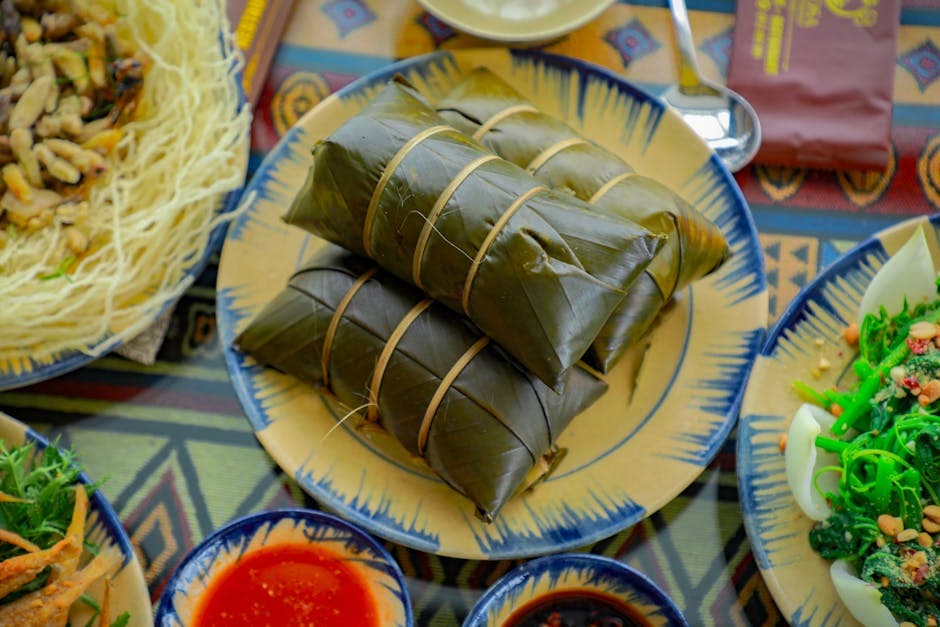
Venezuela's most important dish — a complex Christmas tamale of seasoned corn dough filled with a rich beef, pork and chicken stew with olives, raisins and capers, wrapped in banana leaves and boiled. A labour of love and love made labour.
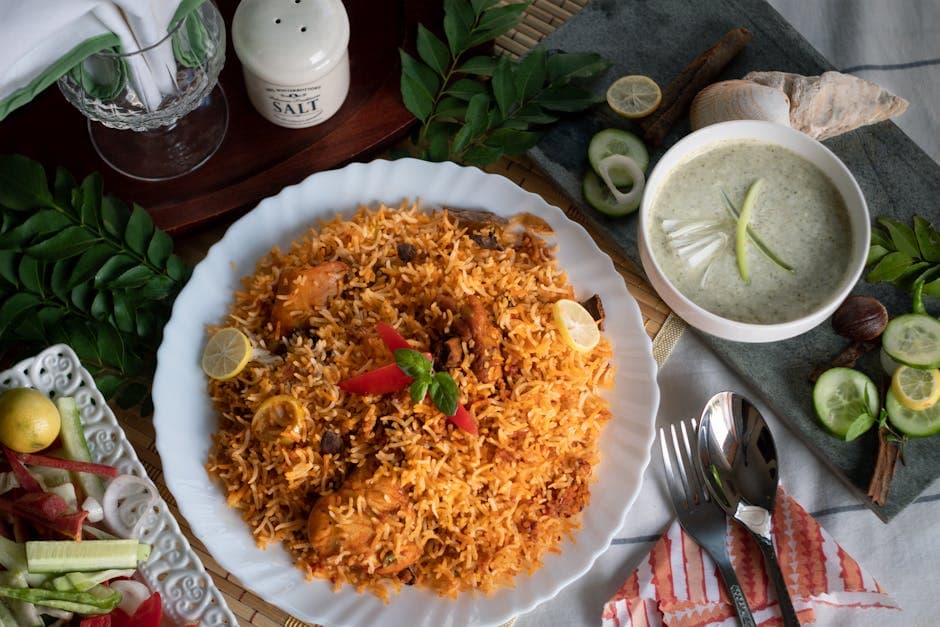
Venezuelan cheese-filled dough sticks, twisted in bread dough and deep-fried until golden — the country's favourite party snack.
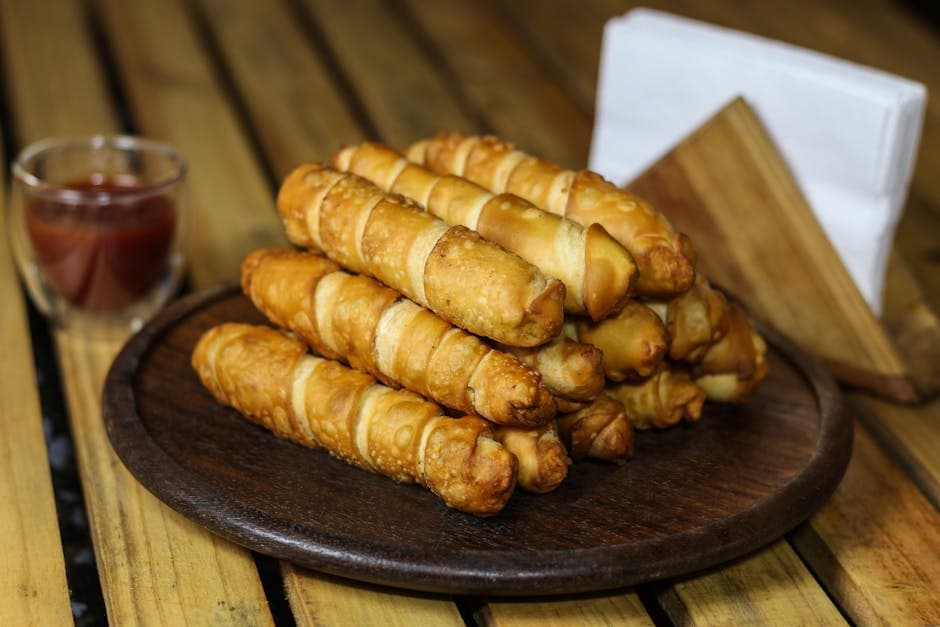
Venezuelan black beans cooked with peppers, cumin and a splash of panela sugar — the essential companion to pabellón criollo.
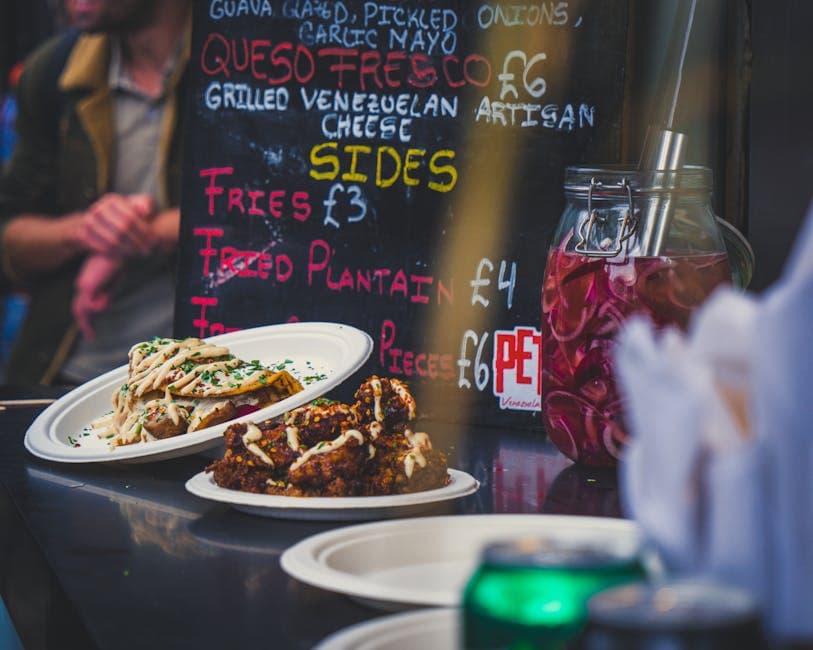
Venezuelan hearty chicken and root vegetable stew with corn, yuca and plantain — a complete one-pot meal.
Venezuela's national dish — shredded beef, black beans, fried plantain and white rice on one plate.
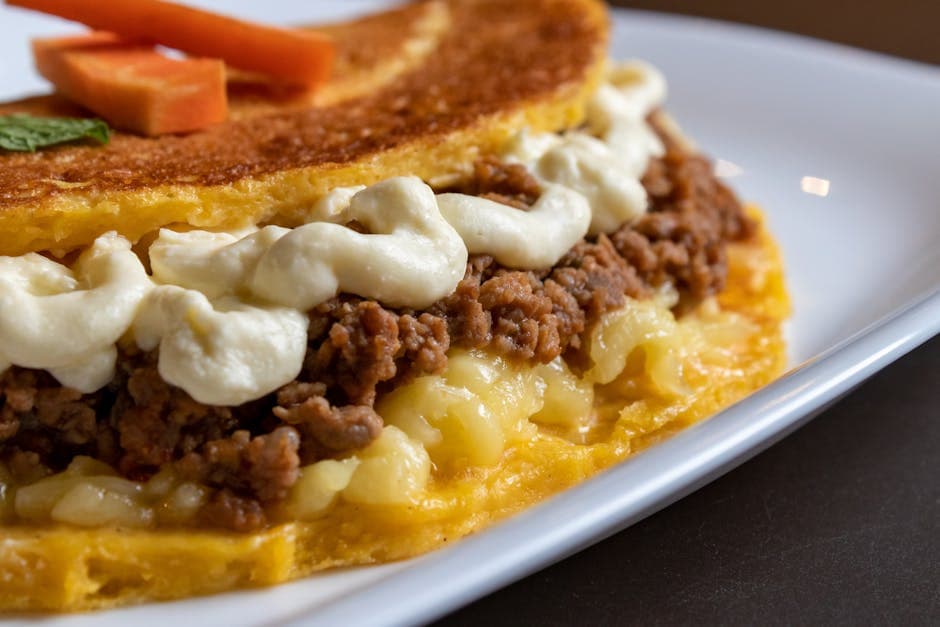
Venezuelan sweet corn pancakes filled with queso mano cheese — the beloved street food of the llanos.
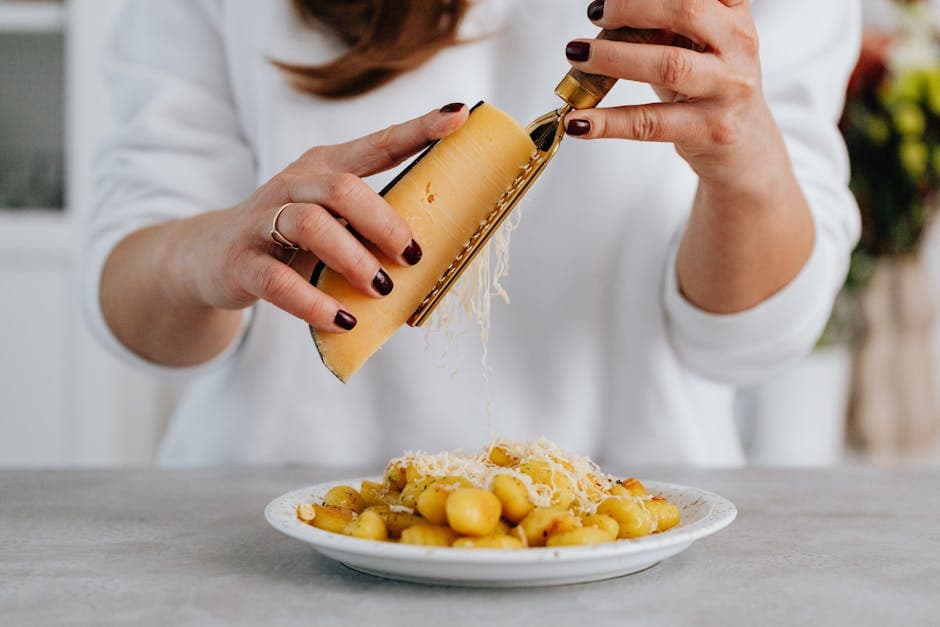
Venezuelan corn arepa filled with chicken-avocado salad — the queen of arepas, named for a beauty queen.
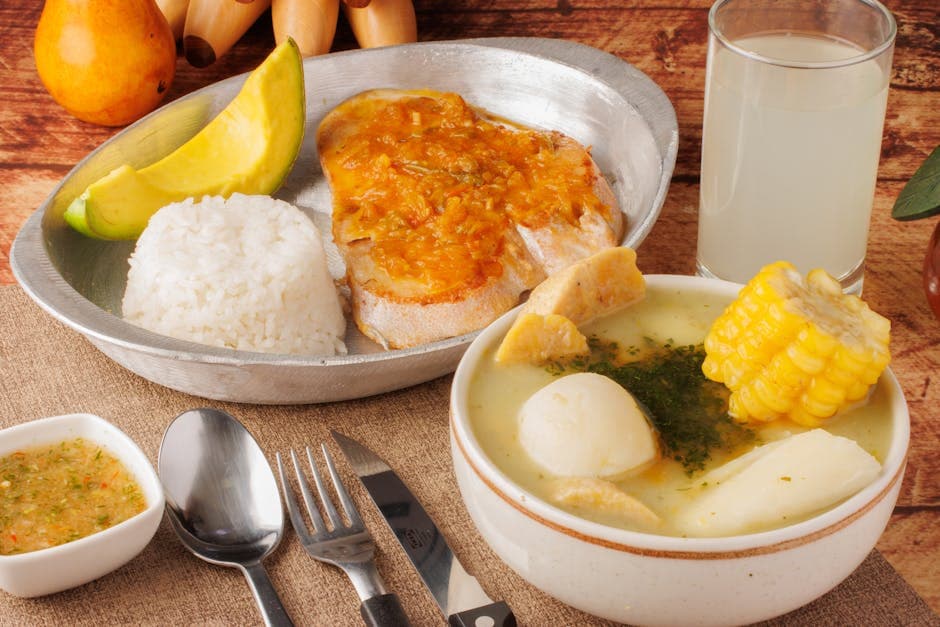
Venezuela's iconic stuffed arepa with creamy avocado-chicken salad — created for a 1955 beauty queen.
A four-quadrant plate of slow-shredded beef in tomato sofrito, black beans, white rice and fried sweet plantains — the colours of the Venezuelan flag arranged on every Sunday table.
Stuffed arepas above all, plus pabellón criollo (shredded beef, black beans, rice, and plantains), Christmas hallacas, cachapas with cheese, tequeños (fried cheese sticks), and empanadas made with corn flour. The cuisine is corn-centered, cheese-rich, and mild, with the sweet ají dulce pepper and fried plantains giving it a distinct savory-sweet character.
They share masarepa arepas, sancochos, and a mild palate, but Venezuelan arepas are thicker, split, and stuffed, while Colombian ones are thinner and usually topped or eaten plain. Venezuela's black beans seasoned with ají dulce, the pabellón plate, hallacas, and cachapas are distinctively Venezuelan; Colombia counters with ajiaco, bandeja paisa, and a wider regional soup repertoire. Italian influence is also stronger in Venezuela.
No. Venezuelan cooking is built on ají dulce, a chili with all the aroma of a habanero and none of the heat, plus garlic, onion, cumin, and sweet peppers. Hot sauce (picante) exists but is strictly an optional table condiment. The cuisine's contrast comes from sweet plantains and fresh corn against salty cheese and savory stewed meats, not from chili heat.
Arepas: knead masarepa (precooked white corn meal) with water and salt, shape thick discs, griddle until crusty, then finish in the oven so they puff. Split and stuff with reina pepiada — shredded chicken mashed with avocado, lime, and a little mayonnaise. Tajadas (fried ripe plantain slices) and black beans complete a starter pabellón.
Tequeños are Venezuela's signature party snack: sticks of firm white cheese (queso blanco llanero or similar) wrapped in a spiral of soft wheat dough and deep-fried until golden, so the cheese melts inside the crisp casing. Named for the city of Los Teques, they are mandatory at Venezuelan birthdays and weddings, typically served with guasacaca or a pink dipping sauce.