Newdinner
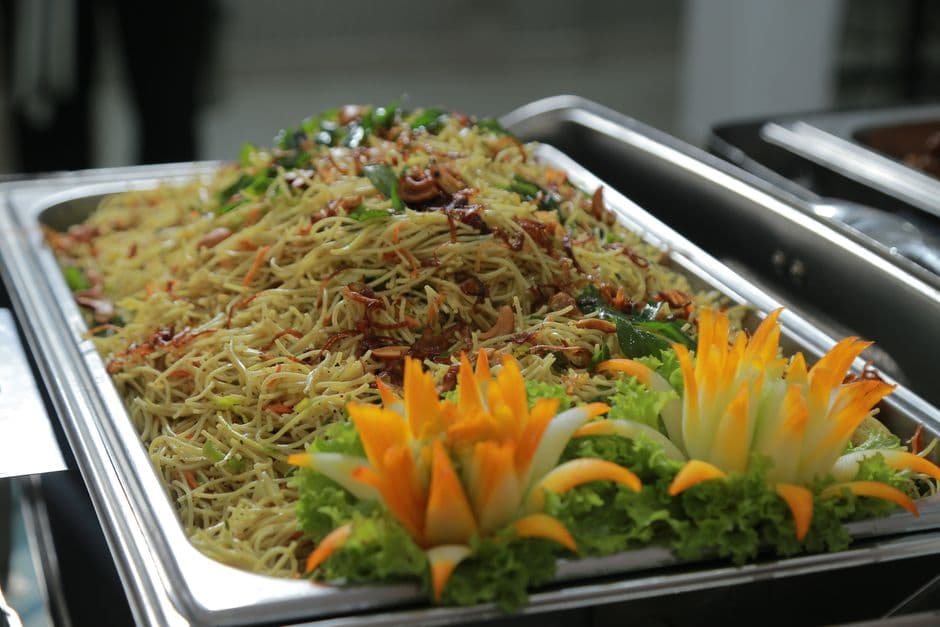
Kottu Roti
Sri Lanka's iconic street food — shredded flatbread stir-fried with vegetables, egg, spices and your choice of chicken or vegetables on a sizzling hot griddle.
40 min540 calMedium
★4.7(538)
Fish curry, kottu roti, hoppers — fiery coconut-rich cooking from the Pearl of the Indian Ocean.
Sri Lankan cuisine is rice-and-curry culture at its most layered: a single meal typically presents rice surrounded by four to six curries — one fish or meat, several vegetable, a mallung of shredded greens with coconut, plus sambols. Coconut runs through everything as milk, oil, and flesh, and the heat is genuine — Sri Lankan curries routinely outgun their South Indian neighbors, driven by red chili and intensified by Maldive fish, the cured tuna flakes that add umami to pol sambol and many curries.
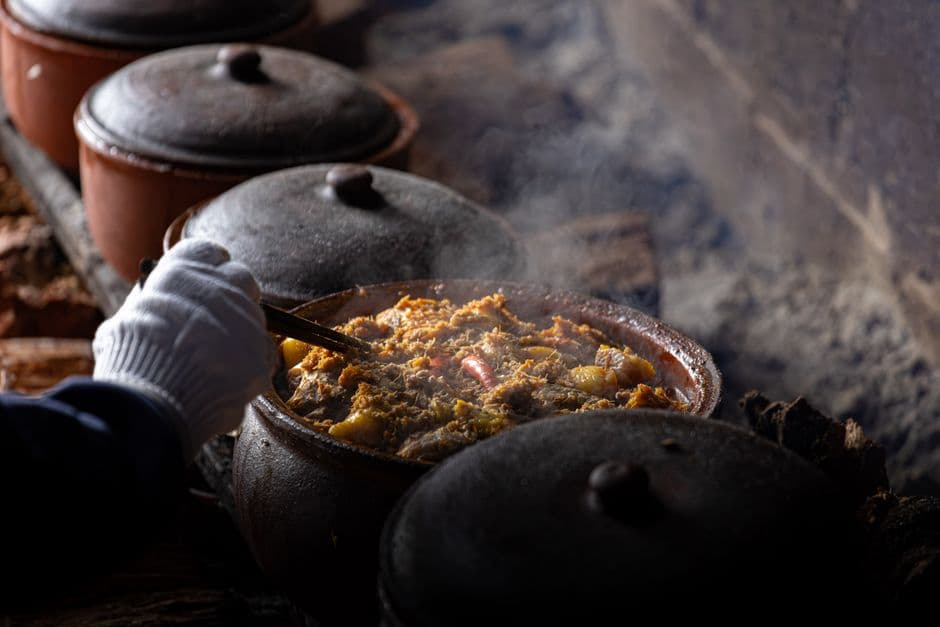
The defining technique is the roasted curry powder: coriander, cumin, fennel, and curry leaves dark-roasted before grinding, giving black curries — notably the Chitty- and southern-style black pork curry — their smoky depth, with goraka (a sour gambooge fruit) or tamarind for acid. Hoppers (appa), fermented rice-coconut bowls crisp at the edge with a custardy center, string hoppers, and coconut roti form a breakfast bread tradition unlike anywhere else in South Asia.
History layered in more: Tamil influence brought dosai and pittu; Malay settlers contributed watalappan, the jaggery-coconut custard; Dutch Burghers left lamprais, curry and rice baked in a banana leaf; and kottu roti — chopped godamba roti stir-fried on a griddle with curry, vegetables, and egg to a percussive clatter — became the island's signature street food. Home cooks temper everything with curry leaves, pandan (rampe), and mustard seeds in coconut oil.
Rice and curry
The daily format: rice ringed by several curries, a coconut mallung of greens, and sambols, balancing heat, sourness, and richness.
Coconut in every form
Coconut milk bodies the curries, coconut oil starts them, and fresh-scraped coconut becomes pol sambol and mallung.
Roasted curry powder
Dark-roasting coriander, cumin, fennel, and curry leaves before grinding creates the smoky base of Sri Lankan black curries.
Hoppers and string hoppers
Fermented rice-coconut batter cooked into crisp-edged bowls (appa) or pressed into steamed noodle nests for breakfast and dinner.
Sambols
Fiery condiments — pol sambol of coconut, chili, lime, and Maldive fish; lunu miris of pounded onion and chili — finish every plate.
Kottu roti
Chopped godamba roti stir-fried with vegetables, egg, and curry on a clattering griddle, Sri Lanka's defining street food.
Sri Lanka's iconic street food — shredded flatbread stir-fried with vegetables, egg, spices and your choice of chicken or vegetables on a sizzling hot griddle.

Fermented rice and coconut milk batter cooked in a tiny wok to create crispy-edged bowl-shaped pancakes with an egg nestled in the centre — Sri Lanka's most distinctive breakfast.
Fragrant rice cooked in stock, baked with four curries, blachan and seeni sambol in a sealed banana leaf parcel — Sri Lanka's most unique colonial heritage dish.
Fried aubergine in a sweet, sour and spiced vinegar pickle with mustard seeds and curry leaves — Sri Lanka's most addictive condiment and side dish.
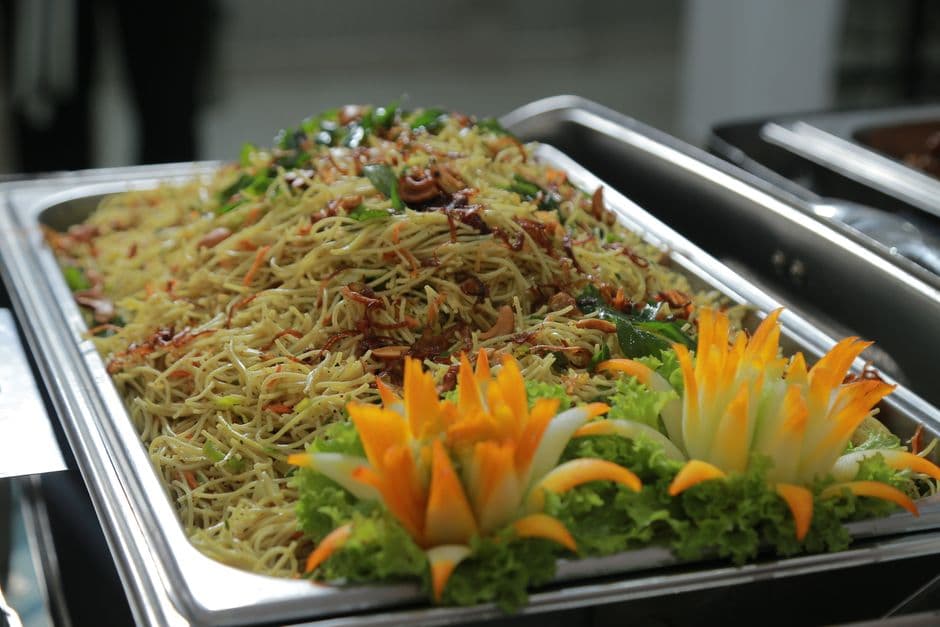
Delicate rice flour noodle nests steamed on round mats — Sri Lanka's most ethereal breakfast, served with coconut milk and pol sambol.
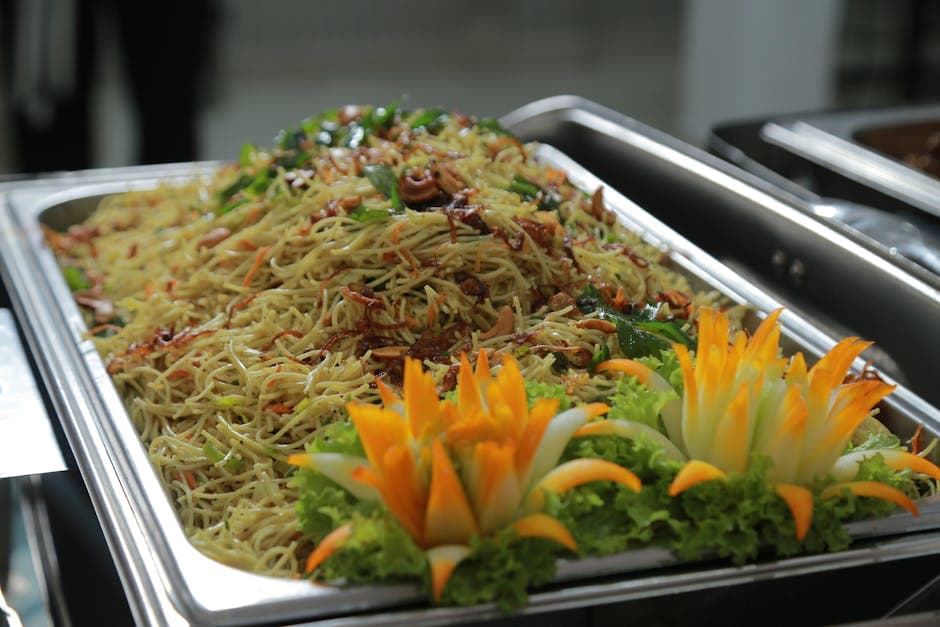
Sri Lanka's everyday comfort — red lentils cooked in coconut milk with curry leaves, turmeric, and tempered mustard seeds, the simple dish found on every Sri Lankan table.
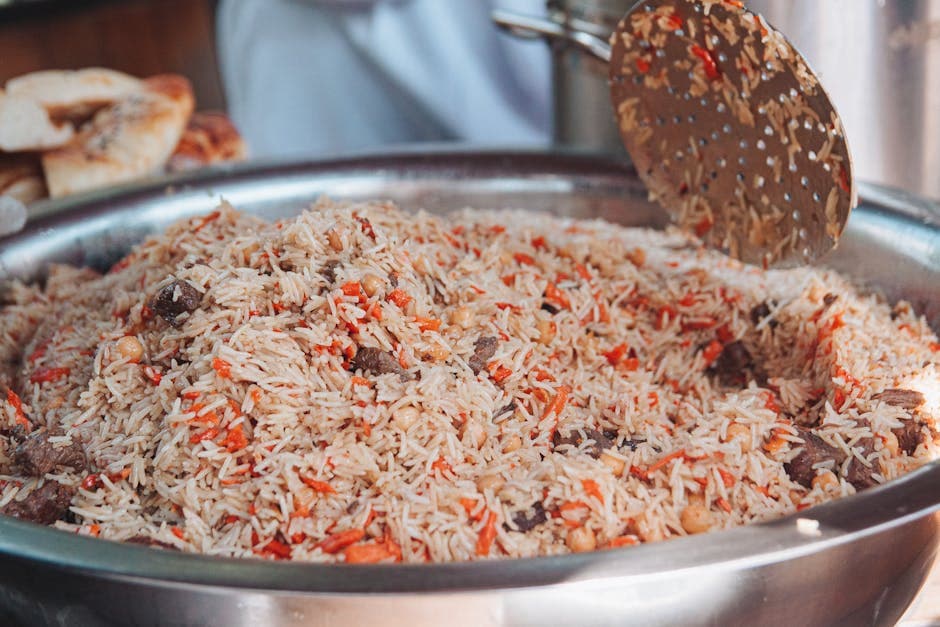
Sri Lanka's iconic bowl-shaped rice pancakes — fermented rice and coconut batter cooked in a small wok until crispy at the edges and soft in the center, eaten with curries and sambols.

Sri Lanka's essential coconut sambol — freshly grated coconut mixed with red onion, chilies, lime juice, and Maldive fish for a fiery, fragrant condiment eaten at every meal.

Sri Lanka's auspicious coconut milk rice — made for every celebration, from New Year to weddings.

Delicate Sri Lankan steamed rice flour noodle nests — eaten at breakfast with coconut milk curry and sambol.

Sri Lanka's addictive sweet, sour, and spicy fried eggplant pickle — the essential accompaniment to rice and curry.

Soft-boiled eggs in a delicate, spiced coconut milk gravy — a simple and comforting Sri Lankan staple.

Sweet, spicy Sri Lankan caramelized onion relish with Maldive fish — the essential condiment for every rice and curry table.

Sri Lanka's signature curry — thick tuna or kingfish steaks simmered in a fiery, intensely flavoured coconut and goraka (gamboge) sauce with curry leaves, pandan and fenugreek. Incomparably fragrant.

Sri Lanka's essential condiment — freshly grated coconut tossed with red onion, green chilli, lime juice, Maldive fish and chilli flakes. Eaten at every meal from breakfast hoppers to rice and curry.
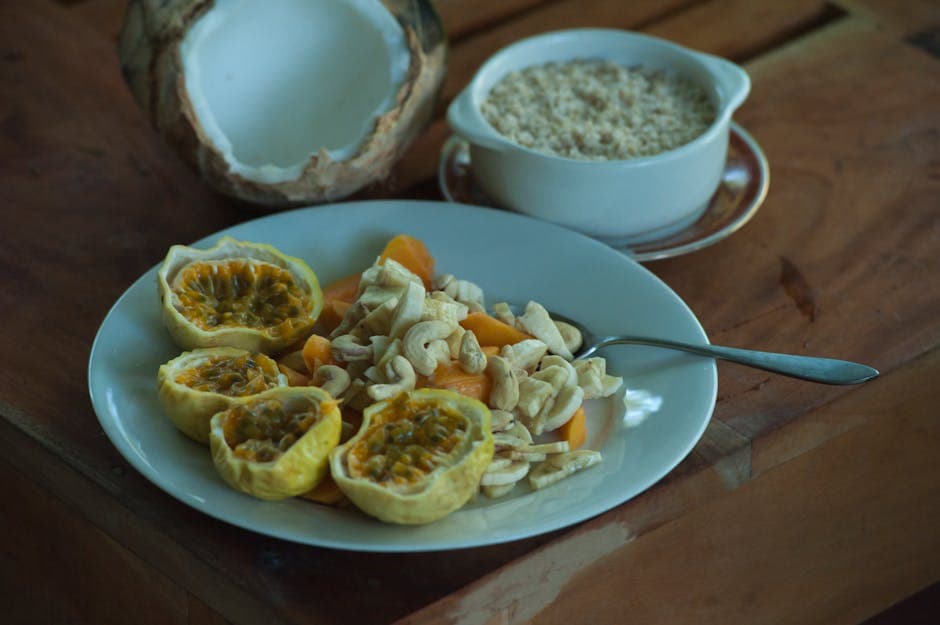
Sri Lanka's most beloved street food — leftover flatbread (roti or godamba) chopped into strips and stir-fried with egg, vegetables, curry sauce and your choice of protein. The sound of steel blades on a griddle.

Sri Lankan pickled aubergine relish with chillies, vinegar and mustard seeds — a bold, tangy condiment and side dish.
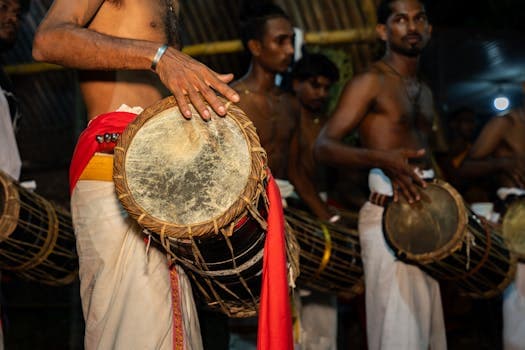
Crispy fermented rice and coconut bowl-shaped pancakes with an egg set in the centre — Sri Lanka's most iconic breakfast.
Whole crabs simmered in a ferociously spiced coconut milk curry — the pinnacle of Sri Lankan coastal cooking.
Sri Lankan chopped flatbread stir-fried with vegetables, egg and meat on a griddle — the island's most popular street food.

Sri Lanka's iconic street food — shredded godhamba roti chopped on a hot griddle with vegetables, egg and curry, set to the rhythm of clanging metal cleavers.

Rice, three-meat curry, frikkadel meatballs and seeni sambol wrapped in banana leaves and baked — Sri Lanka's most labor-intensive heritage dish.
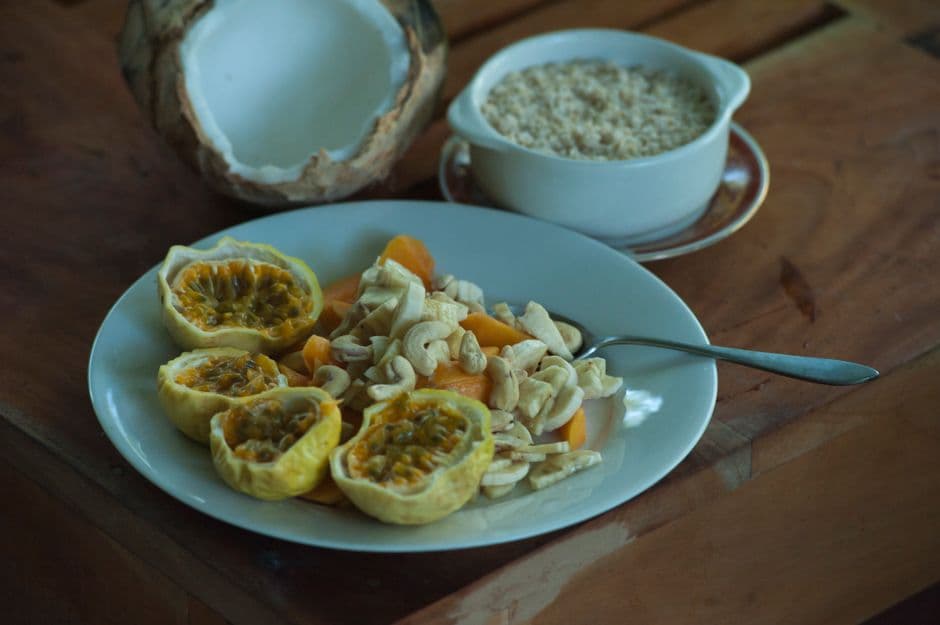
Sri Lanka's auspicious creamy coconut rice — cooked in thick coconut milk, set into diamond-cut wedges, served with fiery lunu miris sambol.

Sri Lanka's iconic Muslim festive dessert — a steamed coconut-milk and jaggery custard scented with cardamom, clove, and nutmeg, topped with cashews.
Sri Lankan cuisine is known for rice and curry spreads with multiple dishes per meal, coconut-milk curries built on dark-roasted curry powder, fiery sambols like pol sambol, and a unique bread tradition of hoppers, string hoppers, and kottu roti. Maldive fish flakes, curry leaves, pandan, and goraka sourness give it flavors distinct from Indian cooking.
Sri Lankan curries use a dark-roasted curry powder — coriander, cumin, fennel, and curry leaves toasted to near-black — giving smokier, often hotter results than most Indian styles. Coconut milk is nearly universal rather than regional, Maldive fish adds umami where India might use ghee or dairy, and souring comes from goraka or lime. Breads differ too: hoppers and string hoppers instead of naan and chapati.
Yes — Sri Lankan food is among the spiciest in South Asia, with red chili powder and fresh green chilies in most curries and condiments like lunu miris that are nearly pure pounded chili. But meals are self-balancing: plain rice, cooling coconut mallung, dhal, and yogurt-based sides offset the heat, and home cooks simply scale chili down without losing the roasted-spice character.
Parippu — Sri Lankan dhal curry — is the perfect start: red lentils simmered in coconut milk with turmeric, then finished with a tempering of mustard seeds, curry leaves, onion, and dried chili in hot oil. Pair it with pol sambol (fresh or frozen grated coconut, chili, lime, salt) and rice for a genuinely representative meal in under forty minutes.
Hoppers (appa) are bowl-shaped pancakes from a fermented batter of rice flour and coconut milk, cooked in a small round-bottomed pan so the edges turn lacy and crisp while the center stays soft. An egg hopper has an egg cracked into the base mid-cook. They are eaten for breakfast or dinner with lunu miris, pol sambol, or curry spooned into the bowl.