
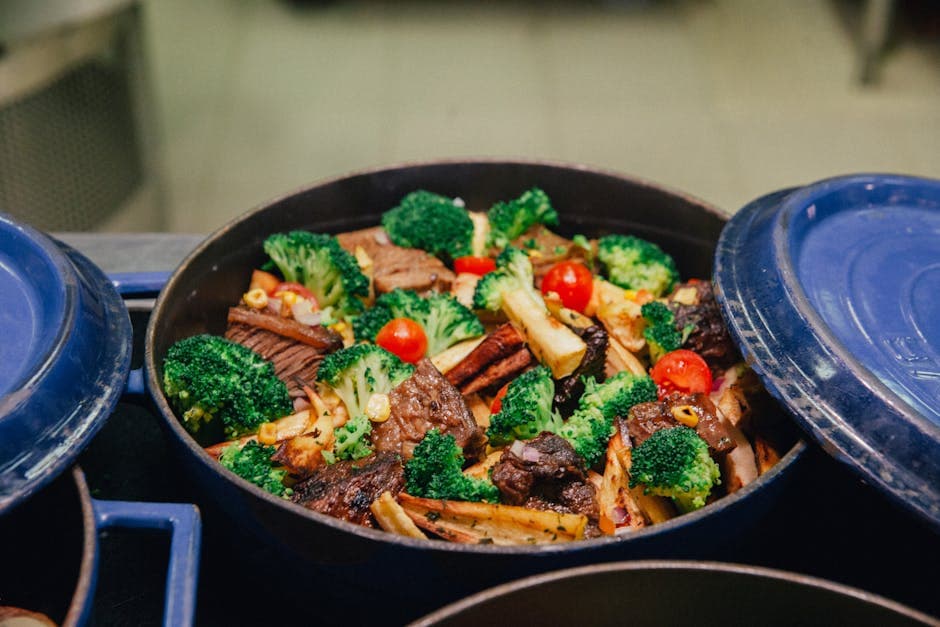
هانجي (وليمة فرن الأرض الماورية)
وليمة الماوري التقليدية في نيوزيلندا - لحم الضأن والدجاج ولحم الخنزير والكومارا واليقطين مطهوة على البخار لساعات على الحجارة الساخنة المدفونة تحت الأرض.
حول هذه الوصفة
هانجي هي طريقة الطبخ القديمة لشعب الماوري في أوتياروا بنيوزيلندا: حفرة محفورة في الأرض ومبطنة بأحجار النهر التي يتم تسخينها بشدة في نار الحطب، ثم توضع طبقات من اللحم والخضروات الجذرية، وتغطى بقطعة قماش مبللة وكومة ثقيلة من التربة، وتترك للبخار لمدة ثلاث إلى أربع ساعات. والنتيجة لا تشبه أي طعام مطبوخ في الفرن - لحم خروف يسقط من العظم، وكومارا (البطاطا الحلوة الماورية) مكرملة عند الحواف، واليقطين طري وحلو، وكلها تحمل رائحة ترابية باهتة ودخانية لا يمكن لأي مطبخ أن يكررها. هانجي هي محور تجمعات الماوري الرئيسية: حفلات الزفاف والجنازات (تانجيهانجا) وأعياد الميلاد والاحتفالات الموسمية. تستخدم تعديلات الطهي المنزلي الحديثة أجهزة طهي بخارية أو أجهزة ويب مدفونة، لكن المبدأ — الحجارة الساخنة، والقماش المبلل، والأرض المختومة، والوقت الطويل — يظل قائمًا. هذا الإصدار هو هانجي المكيف منزليًا باستخدام شواية مغطاة وأحجار الحمم البركانية.
المكونات
يخدم 12
- 1.5 كغكتف خروف، بالعظم
- 1.5 كغدجاجة كاملة أو 8 أفخاذ دجاج
- 1 كغكتف لحم الخنزير، إلى قطع بحجم 6 سم
- 2 كغالكومارا (البطاطا الحلوة البرتقالية)، مقشرة ومقطعة إلى نصفين
- 1 كغاليقطين أو القرع، في أسافين كبيرة
- 1 كغبطاطس بيضاء مقشرة ومقطعة إلى نصفين
- 2 headsملفوف مقطع إلى أرباع
- 2 ملعقة كبيرةملح البحر
- 2 ملعقة كبيرةفلفل أسود مطحون طازجًا
- 8 أغصانإكليل الجبل الطازج
- 8 فصوصثوم مهروس
- 2 لالماء المغلي
- 12أحجار النهر أو صخور الحمم البركانية (مقاومة للحرارة، 8-10 سم)، يتم تسخينها في نار الحطب (البديل: شواية فحم ذات قاعدة سميكة من الحديد الزهر)
- 2ملاءات قطنية نظيفة أو موسلين (لطريقة الحفرة التقليدية)
التعليمات
- 1
تحضير اللحوم
افركي جميع اللحوم بسخاء بالملح والفلفل والثوم المطحون. دس أغصان إكليل الجبل حول الحمل. أحضر إلى درجة حرارة الغرفة قبل 30 دقيقة من الطهي.
- 2
بناء مصدر الحرارة
الطريقة التقليدية: حفر حفرة بعمق 60 سم وعرض 80 سم، وإشعال نار الحطب الساخنة فوق حجارة النهر لمدة 90 دقيقة حتى تتوهج الحجارة باللون الأحمر. التكيف المنزلي: قم بتسخين غلاية الشواء بالفحم حتى يصبح الفحم ساخنًا باللون الأبيض، ثم ضع صخور الحمم البركانية مباشرة فوق الفحم.
- 3
تحضير السلة
قم بتغطية سلة معدنية عميقة أو مقلاة آمنة للاستخدام في الفرن بأوراق الكرنب (تحمي الطعام من حرارة الحجر المباشرة وتضيف الرطوبة). ضعي الطبقات بهذا الترتيب من الأسفل: لحم الخنزير، لحم الضأن، الدجاج، البطاطس، الكومارا، اليقطين، المزيد من الملفوف.
- 4
أضف السائل
صب 500 مل من الماء المغلي على طبقات الطعام، وهذا يولد البخار الذي يقوم بالطهي الفعلي.
- 5
تغطية بقطعة قماش مبللة
انقعي قطع القطن في الماء البارد، ثم اعصريها برفق حتى تتشبع ولكن دون أن تتساقط. قم بتغطية السلة بشكل كثيف بقطعة القماش المبللة. يحبس القماش البخار ويمنع الطعام من ملامسة الأوساخ أو الفحم.
- 6
الختم — الحفرة التقليدية
أنزل السلة على الحجارة الساخنة في الحفرة. قم بجرف الأرض بسرعة فوق الجزء العلوي لإغلاقها - لا ينبغي أن يهرب أي دخان أو بخار. يجب أن تكون الحفرة محكمة الإغلاق، وإلا تنخفض درجة الحرارة بسرعة كبيرة.
- 7
الختم — طريقة الشواء
في حالة استخدام غلاية الشواء: ضع السلة على شبكة الطهي فوق الحجارة الساخنة. قم بتغطية السلة بشكل غير محكم بقطعة قماش مبللة، ثم أغلق الغطاء بإحكام، وأغلق الفتحات بورق الألمنيوم. يُطهى على نار غير مباشرة لمدة 3.5 ساعة، مع إضافة الفحم الطازج كل 90 دقيقة.
قاوم الرغبة في إلقاء نظرة خاطفة - كل فحص يخفض درجة الحرارة بمقدار 20 درجة مئوية ويضيف وقت الطهي.
- 8
بخار طويل
طهي 3.5-4 ساعات. تطلق Pit hāngī خصلات من البخار في النهاية؛ يصبح الشواء هانجي جاهزًا عندما يُسحب الحمل بسهولة باستخدام شوكتين. إجمالي الوقت المنقضي بما في ذلك إشعال النار هو 5-6 ساعات.
- 9
كشف وخدمة
كشف بعناية. يجب أن يتصاعد البخار من قطعة القماش، ويكون الطعام ذهبي اللون. فك على طبق كبير. يقدم مع صلصة النعناع للحمل والزبدة للكومارا والكثير من البيرة أو الكافا.
هل جرّبت هذه الوصفة؟
قيّمها وساعد الآخرين في العثور على الوصفات التي تنجح فعلاً.
سجّل الدخول بنقرة واحدة وسنحفظ التقييم الذي اخترته للتو.
كل ما تحتاجه لتخطيط أسبوعك — مجانًا
- تقويم الوجبات
- قائمة التسوق
- أفكار وصفات بالذكاء الاصطناعي
تابع ما تأكله
صوّر وجبتك لتسجيل السعرات والعناصر الغذائية، واستخدم مؤقتات الصيام وتتبع شرب الماء في تطبيق SnapCal المجاني.
نصائح للمحترفين
- →
استخدم أحجار النهر أو صخور الحمم البركانية، فهي تحتفظ بالحرارة لفترة أطول بكثير من أحجار الحديقة العادية، والتي يمكن أن تنفجر أيضًا عندما تكون ساخنة. لا تستخدم أبدًا الحجر الرملي أو الحجر الجيري.
- →
طبقة الملفوف غير قابلة للتفاوض؛ فهو يحمي الطعام من الاحتراق ويضيف رطوبة حيوية.
- →
بلل قطعة القماش جيدًا ولكن اعصرها من الماء الزائد، فنقع قطعة القماش المبللة يخفض درجة الحرارة؛ قطعة قماش جافة تشتعل فيها النيران.
- →
خطط لإجمالي الوقت المنقضي من 5 إلى 6 ساعات بما في ذلك إشعال النار؛ هانجي هو التزام لمدة نصف يوم، وليس عشاء في نهاية الأسبوع.
الاختلافات
- •
يستخدم المنزل الحديث هانجي طباخ هانجي من الفولاذ فوق الأرض (فرن بخاري محمول تم اختراعه لطهي الماراي) - متوفر بسهولة في نيوزيلندا.
- •
تضيف المأكولات البحرية هانجي جراد البحر الكامل وبلح البحر والباوا إلى الطبقة العليا خلال الساعة الأخيرة.
- •
التكيف مع الموقد: ضع نفس المكونات في قدر بخاري كبير فوق الماء المغلي بسرعة لمدة 4 ساعات - بدون نكهة دخانية ولكن الهيكل يعمل.
تخزين
قم بتبريد بقايا الطعام لمدة تصل إلى 3 أيام. يُعاد تسخينه برفق في فرن على حرارة 150 درجة مئوية؛ لا تضع اللحم في الميكروويف أبدًا - فهو يجفف قوامه المطبوخ ببطء. تُهرس الكمارا المتبقية بشكل جميل مع الزبدة والملح.
التاريخ والأصل
لقد كانت هانجي هي طريقة الطبخ المركزية لشعب الماوري منذ وصولهم إلى أوتياروا في نيوزيلندا في القرن الثالث عشر تقريبًا، وقد تم جلبها من تقاليد أومو البولينيزية السابقة وإيمو هاواي للطهي في الحفرة. يظل علامة على هوية الماوري ومحورًا لتجمعات الماراي. يقدمه الآن منتجو الهانجي التجاريون على المستوى الوطني، لكن النسخة المطبوخة في المنزل في المناسبات العائلية هي روح الطبق.
الأسئلة المتداولة
هل هانجي مطبوخ حقًا تحت الأرض؟
تقليديا نعم، حيث يتم حفر حفرة وتبطينها بالحجارة الساخنة، ثم يتم وضع الطعام في الأعلى، ويتم دفن كل شيء تحت التربة لمدة 3-4 ساعات من الطهي بالبخار. تستخدم الإصدارات المنزلية الحديثة حفلات الشواء المختومة أو المواقد الفولاذية هانجي، والتي تقارب التأثير.
لماذا يكون طعم هانجي مدخنًا إذا تم طهيه على البخار؟
تمتص الحجارة الساخنة دخان الخشب من النار التي تسخنها، ثم تطلق هذا الدخان ببطء أثناء الطهي، مما يعطر الطعام. بدون الحجارة المسخنة بالخشب (على سبيل المثال، عند استخدام شواية غاز)، ستفقد تلك الرائحة المميزة.
هل يمكنني عمل هانجي صغير لأربعة أشخاص؟
نعم - قم بتقليص كتف خروف واحد، وأربعة أفخاذ دجاج، وكيلوغرام من الخضار في فرن هولندي مغطى على شواية الفحم. لا يزال مبدأ الطهي بالبخار الطويل والمحكم والمنخفض والبطيء ساريًا.
ما الفرق بين هانجي ولواو هاواي؟
كلاهما من الأعياد البولينيزية المطبوخة في الحفرة ويشتركان في أصل مشترك. يستخدم هانجي عادةً لحم الضأن والكومارا؛ يشتهر Luau باستخدام خنزير كالوا والقلقاس. تقنية ختم القماش والتربة مشتركة.
حقائق التغذية
لكل وجبة (520g) · 12 حصص إجمالية
ملخص الوقت
هل لديك أسئلة؟
اسأل مساعد الطبخ الذي يعمل بالذكاء الاصطناعي لدينا أي شيء عن هذه الوصفة - البدائل والتقنيات والقياس.
الدردشة مع AI Chef →ظهرت في الأدلة
هذه الوصفة واردة في الأدلة المنسقة التالية:
المزيد من وصفات New-zealand
قد يعجبك أيضًا
أطباق مشابهة من مطابخ أخرى حول العالم.
أدوات مطبخ مجانية
حاسبات ومحوّلات تكمّل هذه الصفحة — دون الحاجة إلى تسجيل.
حوّلها إلى خطة
جدولها، تسوّق لها، وتابع ما لديك بالفعل.
اقرأ بعد ذلك
مقالات أطول تتعمّق في الأفكار وراء هذا الطبق.
مجتمع
انضم إلى المحادثة
قم بتسجيل الدخول لترك تعليق وحفظ وصفاتك المفضلة