

NewSnacks
Bolani — Afghan Stuffed Flatbread
Thin flatbread filled with spiced potato, leek or pumpkin, pan-fried in oil until golden and crispy — Afghanistan's most beloved street food and celebration bread.
50 min380 kcalEasy
★4.8(1,987)
Kabuli pulao, mantu, bolani — fragrant, spiced dishes from the crossroads of Asia.
More recipes built around the same core ingredients.
Track what you eat
Snap your meal to log calories and macros, run fasting timers and track water in the free SnapCal app.
Plan your meals, track fasting and build your grocery list — free
MyCookingCalendar's dashboard runs right in your browser, no download needed.
Thin flatbread filled with spiced potato, leek or pumpkin, pan-fried in oil until golden and crispy — Afghanistan's most beloved street food and celebration bread.

A rich, fragrant milk pudding with toasted vermicelli, dates, raisins, almonds and saffron — the essential dessert of Eid celebrations across Afghanistan and Central Asia.

A fragrant Afghan lamb stew cooked down with spinach, leeks, coriander and dried fenugreek leaves until deeply green and intensely flavoured.

Delicate Afghan dumplings filled with spiced leek and spring onion, served on a bed of yoghurt and topped with a rich lamb and tomato sauce and dried mint.

Perfectly steamed, fluffy long-grain rice with a golden, crispy tah-dig crust — the essential Afghan rice technique for any meat or vegetable dish.
Delicate Afghan dumplings filled with scallions and leeks, topped with meat sauce and yogurt.
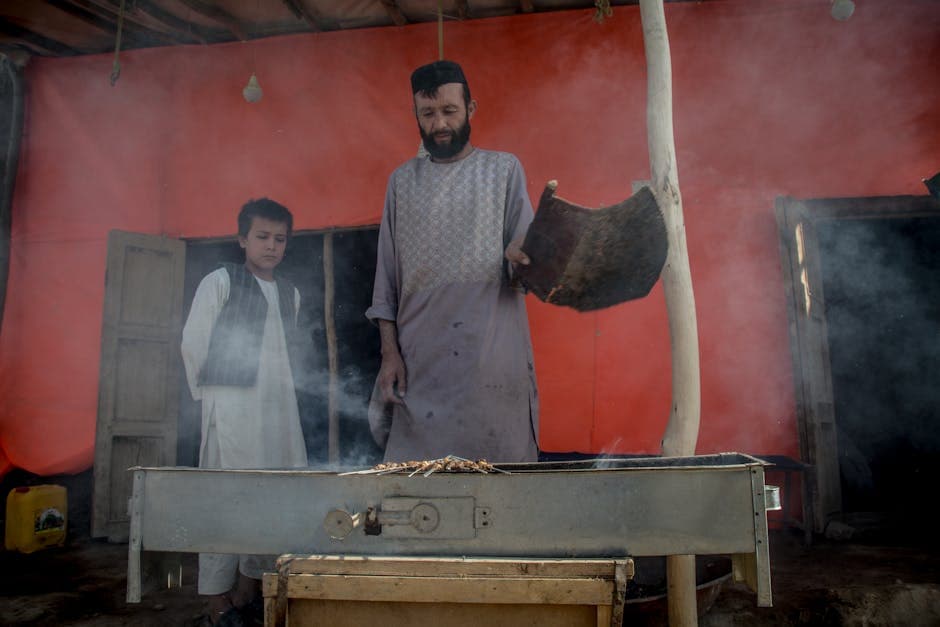
Afghanistan's national dish — fragrant lamb rice with caramelized carrots, raisins, and whole spices.

Silky Afghan milk pudding set in individual bowls, fragrant with rose water and cardamom, topped with pistachios.
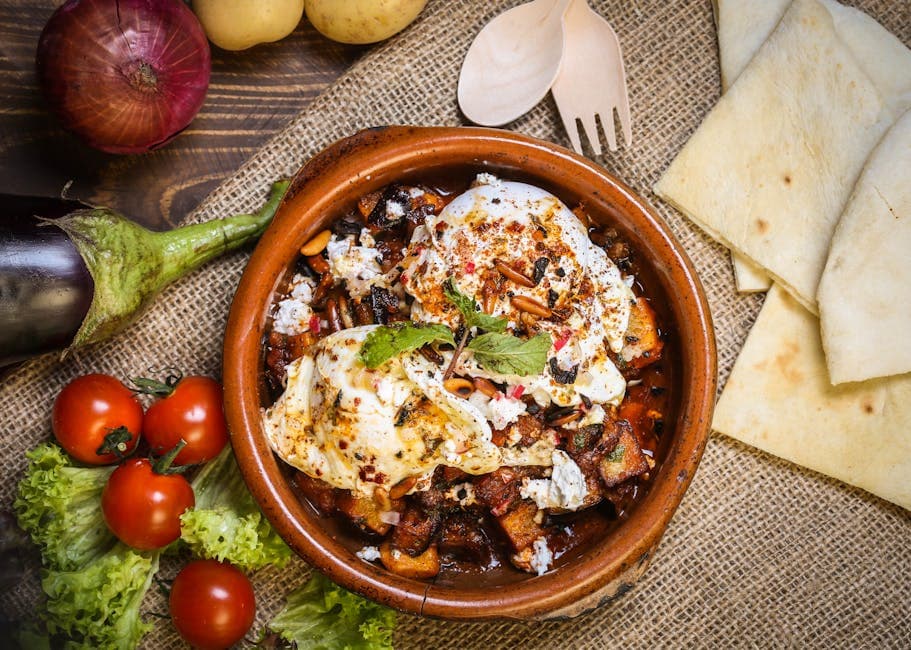
Tender fried eggplant layered with spiced tomato sauce and cooling yogurt — Afghanistan's beloved vegetable dish.
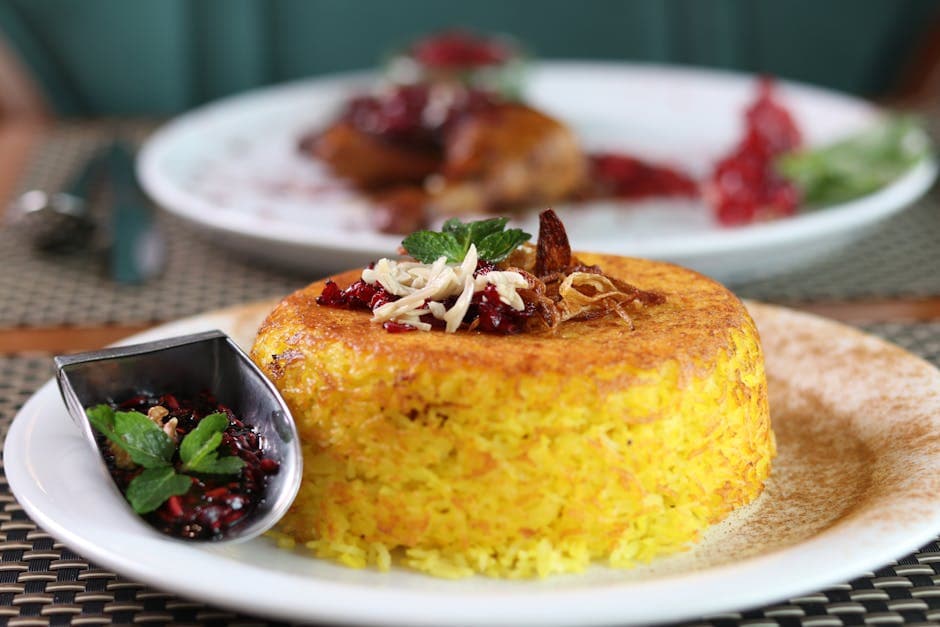
Afghanistan's golden saffron rice pudding with rose water and cardamom — a Nowruz and ceremony dessert.

Afghanistan's national dish and crowning glory — tender lamb braised in aromatic spices, served on a mound of fragrant rice studded with sweet carrots and plump raisins.

Afghanistan's most celebrated dish for guests — delicate steamed dumplings filled with spiced beef and onion, draped in a yogurt and tomato sauce, topped with split peas and dried mint. A labour of love.
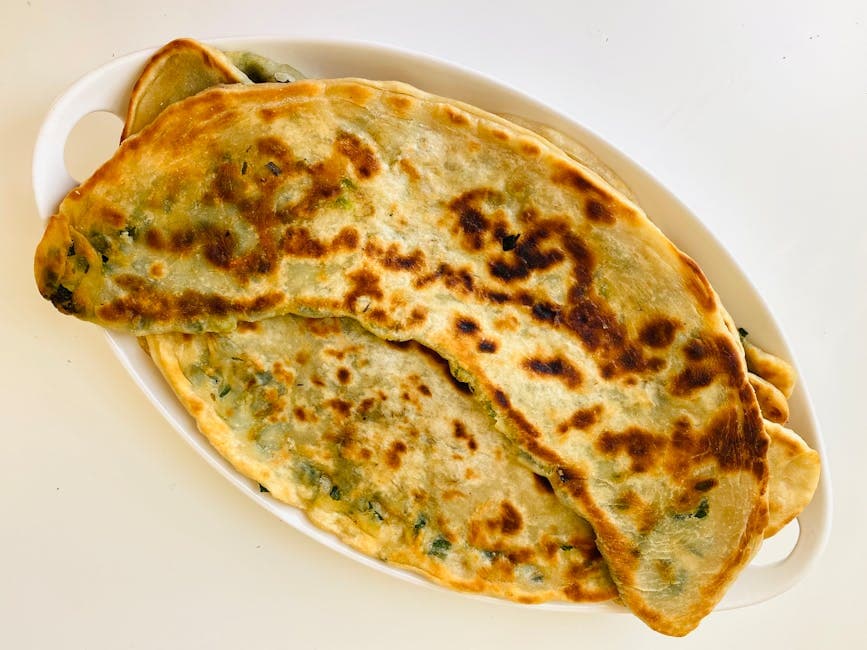
Afghanistan's beloved stuffed flatbread — thin rounds of unleavened dough filled with spiced potato, leek or pumpkin, pan-fried until golden and flaky. The street food of Kabul.
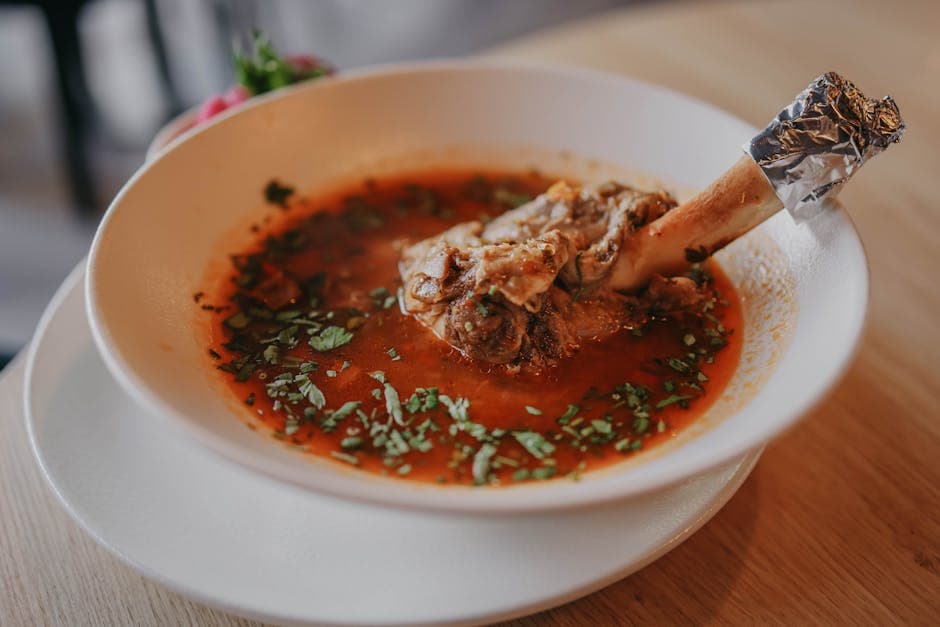
Afghanistan's essential everyday soup — bone-in lamb and chickpeas simmered in a fragrant tomato and vegetable broth with turmeric, coriander and cinnamon. Ladled over flatbread for a complete meal.
Afghan leek and scallion dumplings topped with spiced ground beef and yoghurt sauce — a national treasure.
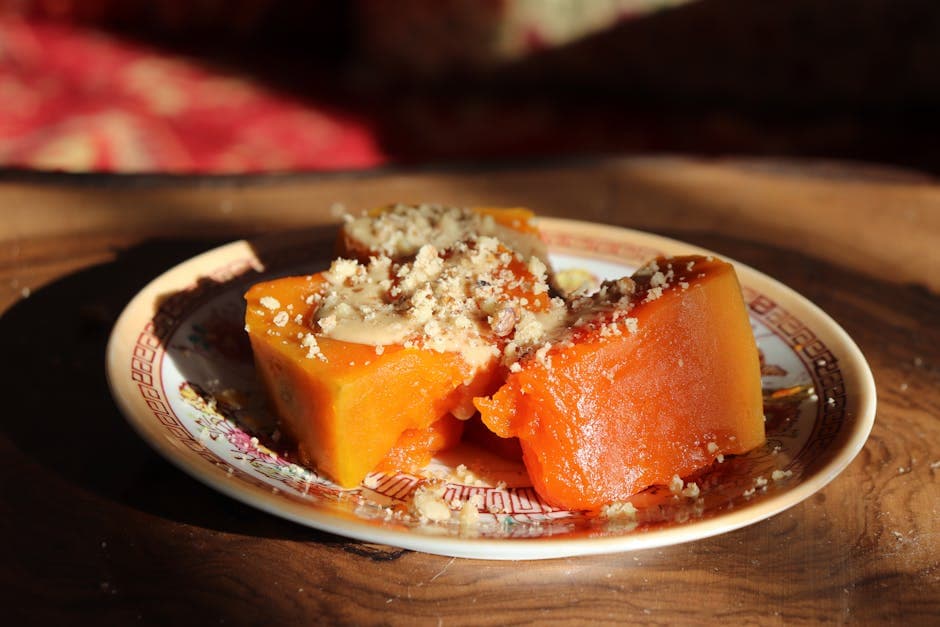
Afghan baked sweet pumpkin in a spiced tomato meat sauce, topped with garlicky yoghurt — a beautiful autumn dish.
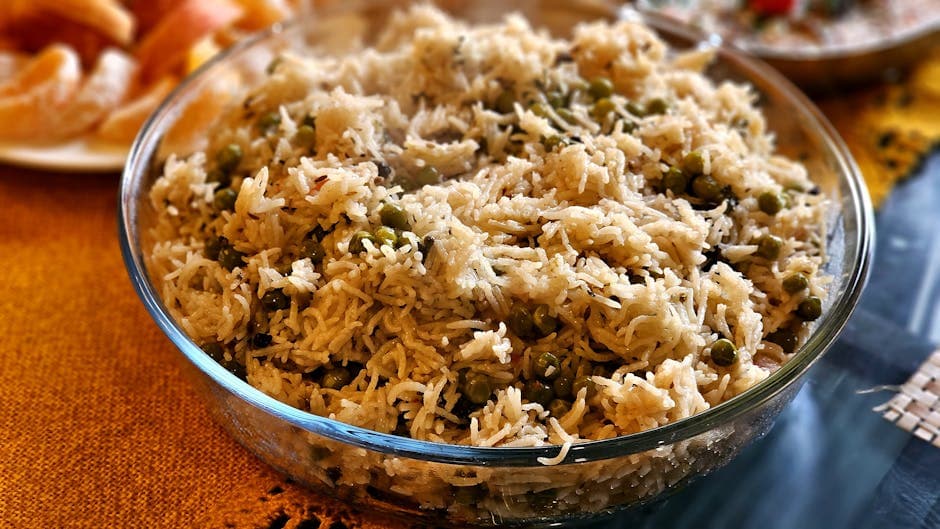
Afghanistan's national dish — fragrant long-grain rice steamed over lamb shanks, crowned with caramelised carrots, raisins, and pistachios.
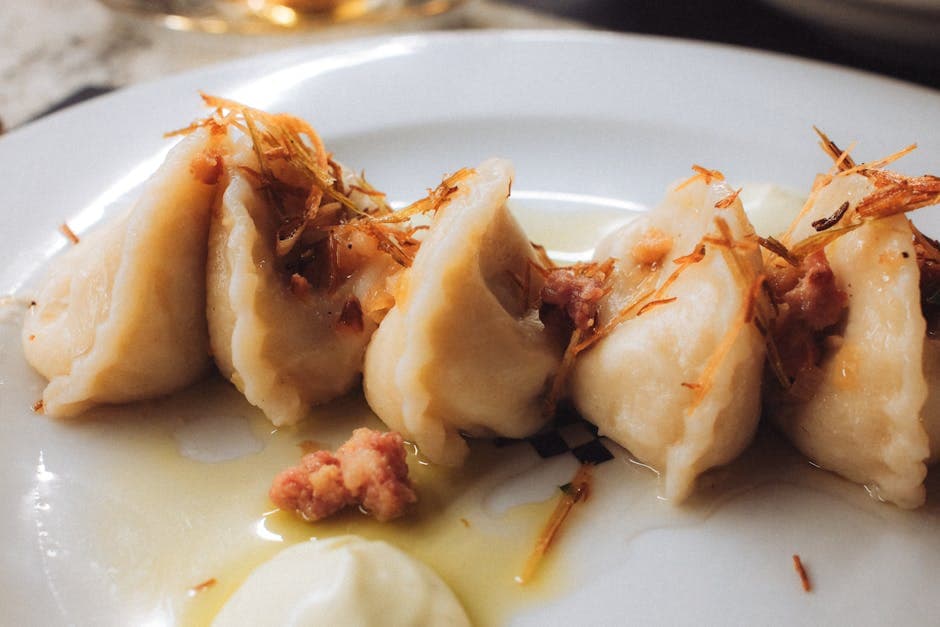
Afghanistan's celebration dumpling: paper-thin pasta filled with sautéed leeks, topped with garlic yoghurt and spiced lamb sauce.
Afghan Market Lemon Herb Rice Bowl brings afghan flavor to a practical rice bowl built with chicken thighs, coriander, yogurt, lamb and dried mint, and a fresh cilantro finish.
Afghan Village Smoky Tomato Soup brings afghan flavor to a practical soup built with mushrooms, coriander, yogurt, lamb and dried mint, and a fresh cilantro finish.
Afghan Garden Sesame Lime Skillet brings afghan flavor to a practical skillet dinner built with cauliflower, coriander, yogurt, lamb and dried mint, and a fresh cilantro finish.
Afghan Harbor Charred Pepper Noodles brings afghan flavor to a practical noodle dish built with rice noodles, coriander, yogurt, lamb and dried mint, and a fresh cilantro finish.
Afghan Mountain Green Herb Salad brings afghan flavor to a practical salad built with grilled chicken, coriander, yogurt, lamb and dried mint, and a fresh cilantro finish.
Afghan Festival Lemon Herb Flatbread brings afghan flavor to a practical flatbread built with flatbread dough, coriander, yogurt, lamb and dried mint, and a fresh cilantro finish.
Afghan Homestyle Smoky Tomato Traybake brings afghan flavor to a practical traybake built with sweet potatoes, coriander, yogurt, lamb and dried mint, and a fresh cilantro finish.
Afghan Street Sesame Lime Fritters brings afghan flavor to a practical fritters built with salted fish, coriander, yogurt, lamb and dried mint, and a fresh cilantro finish.
Afghan Golden Charred Pepper Breakfast Plate brings afghan flavor to a practical breakfast plate built with beans, coriander, yogurt, lamb and dried mint, and a fresh cilantro finish.
Afghan Weeknight Green Herb Dessert brings afghan flavor to a practical dessert built with coconut, coriander, yogurt, lamb and dried mint, and a fresh cilantro finish.
Rice cooked in a fragrant lamb broth, topped with sweet caramelized carrots and raisins, Afghanistan's national dish.
Small steamed dumplings filled with spiced ground beef and onion, topped with a garlicky yogurt sauce and a split pea and tomato topping.
Delicate dumplings filled with scallions and leeks, boiled and topped with a spiced ground meat sauce and garlicky yogurt.
Thin flatbread folded around a spiced potato and leek filling, pan-fried until crisp, served with yogurt and cilantro chutney.
Tender lamb or beef braised with a large quantity of spinach and fresh herbs until deeply savory, a comforting Afghan home-cooked stew.
Seasoned ground lamb or beef pressed onto flat skewers and grilled over charcoal until charred and juicy, an Afghan grilling staple.
A clear, comforting lamb broth simmered with chickpeas, potatoes and carrots, a foundational Afghan home-cooked soup.
A silky, chilled milk pudding thickened with rice flour and delicately scented with rosewater and cardamom, topped with crushed pistachios.
Flattened, coarsely textured ground meat patties studded with tomato and coriander, pan-fried until crisp-edged, a beloved street food.
A regional spelling and variation of aushak, delicate scallion-filled dumplings topped with meat sauce and garlic yogurt, a celebratory Afghan dish.
Fried eggplant slices layered with a spiced tomato sauce and topped with garlicky yogurt, a beloved Afghan appetizer or side.
A dense, chewy frozen dessert made with a gum-thickened milk base, scented with cardamom and saffron, a traditional Afghan treat.
Spiced ground meatballs simmered in a rich tomato sauce, served over fluffy long-grain rice, a beloved Afghan family dinner.
Fragrant rice studded with candied orange peel, sweet carrots and pistachios, served with saffron-spiced braised chicken.
Lamb braised with a generous double portion of onions until they nearly melt into the rich, deeply savory sauce.
Rice simmered slowly in milk and sugar until thick and creamy, scented with cardamom and rosewater, a comforting Afghan dessert.
A simplified, lighter version of qorma-e-sabzi, spinach simmered with onions and light seasoning, served over plain rice for an easy weeknight meal.
A mixed platter of grape leaves and vegetables like bell peppers and tomatoes stuffed with a herbed rice and meat filling.
Rice cooked together with tender mung beans and spiced lamb, a hearty, protein-rich one-pot Afghan meal.
Fragrant basmati rice layered with tender lamb, caramelized carrots and raisins, Afghanistan's celebrated national dish, qabili palaw.
Thin unleavened flatbread folded around a spiced potato and scallion filling, pan-fried until crisp, the beloved Afghan snack known as bolani.
Spiced ground beef meatballs simmered in a rich tomato and turmeric sauce, a hearty Afghan home dish traditionally served over steamed rice.
A hearty soup of mixed beans, chickpeas and small noodles in a spiced tomato broth, finished with fresh mint and yogurt, a comforting Afghan classic.
A dense, herb-packed baked omelet loaded with scallion, spinach and fresh dill, an Afghan take on the herb frittatas found across Persian-influenced cooking.
Cracked wheat and red lentils simmered together with warming spices into a thick, savory porridge, a nourishing Afghan comfort dish.
Firm white fish fillets marinated in turmeric, garlic and tamarind, then baked until flaky, an Afghan preparation that balances earthy spice with tang.
Flat, coarsely textured spiced beef patties studded with tomato and coriander seed, pan-fried until crisp-edged, the Afghan and Pashtun classic chapli kebab.
Delicate dumplings filled with scallion and leek, topped with a spiced ground meat sauce and garlicky yogurt, the elegant Afghan dish known as aushak.
Cucumber, tomato and radish tossed with fresh mint, lime and pomegranate seeds, a bright, crunchy Afghan salad served alongside kebabs and rice dishes.
Steamed beef and onion dumplings topped with garlicky yogurt and a spiced split-pea sauce, the celebrated Afghan dish known as mantu.
A whole chicken rubbed with browned garlic, coriander and turmeric, roasted until deeply golden, an Afghan-spiced take on a classic Sunday roast.
Fried eggplant slices layered with a spiced tomato sauce, baked and topped with garlicky mint yogurt, the beloved Afghan dish borani banjan.
Thin, crisp fried dough shaped like elephant ears, dusted with powdered sugar and crushed pistachios, a festive Afghan sweet served during Eid and Nowruz.
Fragrant Afghan-style rice with tender chicken, caramelized carrots and raisins, finished with garlic and lemon.
Pan-fried Afghan-style flatbreads stuffed with garlicky potato and scallion, similar to bolani, served with yogurt and mint.
A fragrant Afghan-inspired rice bowl with garlicky sautéed spinach, warmed with ginger and a touch of orange zest.
Fragrant Afghan-inspired herbed rice served with grilled fish, brightened with fresh mint, cilantro and lemon.
A warming Afghan-style split pea and lentil stew brightened with garlic, lemon and a fried garlic-tomato topping.
Bell peppers stuffed with Afghan-spiced ground beef and rice, finished with a warm orange and ginger tomato sauce.
A layered Afghan-inspired eggplant casserole with garlicky tomato sauce and a cool mint yogurt topping, baked until bubbling.
A spiced, crispy-edged Afghan-style beef patty inspired by chapli kebab, served burger-style with garlic and lemon yogurt.
A creamy, cardamom-scented Afghan-inspired frozen milk pudding studded with pistachios and finished with fresh mint.
A festive Afghan holiday plate of steamed beef and onion dumplings (mantu) topped with garlicky yogurt and a tomato-lentil sauce.
Afghan cuisine sits at the hinge of Persian, Central Asian, and South Asian cooking, and its crown is Kabuli pulao (qabili palaw): rice steamed with lamb and topped with caramelized carrots, raisins, and almonds — sweet, savory, and the obligatory centerpiece of any honored guest's meal. Afghan rice cookery is a discipline of its own: long-grain rice soaked, parboiled, and steam-finished (dampokht) so each grain stands separate.
Dumplings and dairy mark the northern, Central Asian inheritance: mantu (steamed dumplings of spiced ground meat) and ashak (leek-and-scallion dumplings) both arrive blanketed in garlicky yogurt and a split-pea or meat tomato sauce, dusted with dried mint. Naan baked in the tandoor is torn at every meal, and the national identity runs through tea — green in the south, black in the north, always with sweets or sugared almonds (noql).
Home cooking leans on qorma stews (onion-based, with lamb or chicken and ingredients like sour grapes or spinach), banjan (eggplant in tomato with yogurt, the dish often called borani banjan), and bolani, the thin stuffed flatbreads fried for street food and Ramadan tables. The spice register — cumin, coriander, cardamom, dried mint — is aromatic rather than hot, balanced constantly by yogurt, fresh cilantro chutney, and torshi pickles.
Kabuli pulao
Lamb buried in steamed rice under caramelized carrots, raisins, and almonds — Afghanistan's national dish and the measure of a cook.
Mantu and ashak
Steamed meat or leek dumplings served under garlic yogurt and a tomato-split-pea sauce, finished with dried mint.
Tandoor naan
Long, ridged flatbreads baked against tandoor walls, torn and used as the utensil at virtually every Afghan meal.
Qorma stews
Slow onion-based braises of lamb, chicken, or vegetables, soured with tomato, sour grapes, or dried limes, served over chalow rice.
Yogurt and chaka
Strained garlicky yogurt cools dumplings, eggplant borani, and kebabs, balancing the cuisine's richness.
Kebab culture
Chapli kebab (spiced flattened patties) and lamb tikka skewers, grilled over coals and served with naan and cilantro chutney.
Afghan cuisine is known for Kabuli pulao — rice with lamb, caramelized carrots, and raisins — plus mantu and ashak dumplings under garlic yogurt, tandoor-baked naan, qorma stews, bolani stuffed flatbreads, and chapli kebabs. It bridges Persian rice mastery, Central Asian dumplings, and South Asian breads, with yogurt and dried mint as signature finishing touches.
Afghan food is far milder and less sauce-heavy. Where Indian curries build complex spice blends and chili heat, Afghan qormas rely on slow-cooked onions, cumin, coriander, and souring agents like sour grapes or dried limes. Rice is the centerpiece in Afghanistan — fluffy, separate-grained pulaos — rather than an accompaniment, and yogurt-based toppings replace cream-based gravies.
No, Afghan food is aromatic rather than hot. The core spices are cumin, coriander, cardamom, black pepper, and dried mint, with chili used sparingly. Heat lives in the condiments — green cilantro-chili chutney and torshi pickles — so each diner adjusts their own plate. The exception is chapli kebab from the eastern, Pashtun regions, which carries noticeable chili and coriander seed.
Borani banjan is the easiest authentic start: fry eggplant slices, braise them briefly in a garlicky tomato sauce, and serve over garlic yogurt with dried mint and naan. Bolani — flatbreads stuffed with spiced potato or leeks and pan-fried — is a good second. Kabuli pulao is the goal dish, but its rice technique rewards a little practice first.
Kabuli pulao is long-grain rice cooked in a broth made from braising lamb (sometimes chicken or beef), seasoned with cumin, cardamom, and sometimes a char masala blend. The braised meat is buried in the rice, which is steamed and then crowned with carrots julienned and caramelized in sugar, black raisins, and slivered almonds — a deliberate sweet-savory contrast.
Calculators and converters that pair with this page — no signup needed.