
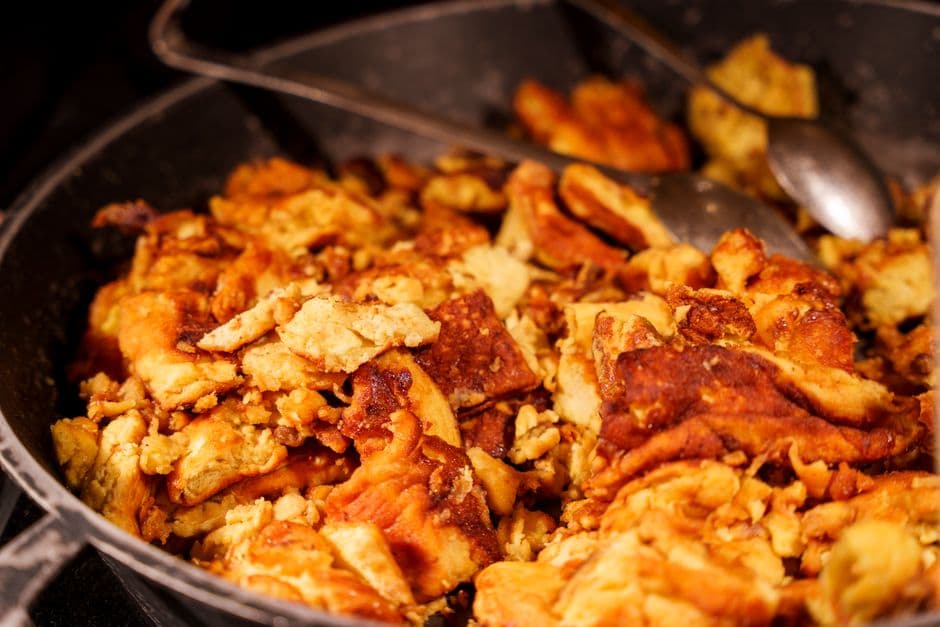
NewDinner
Tafelspitz
Vienna's most elegant dish — prime beef simmered in a fragrant vegetable broth until silky tender, served with creamed spinach, rösti and apple-horseradish sauce.
200 min380 kcalMedium
★4.7(821)
Wiener schnitzel, Tafelspitz, Kaiserschmarrn — refined Central European cooking.
More recipes built around the same core ingredients.
Track what you eat
Snap your meal to log calories and macros, run fasting timers and track water in the free SnapCal app.
Plan your meals, track fasting and build your grocery list — free
MyCookingCalendar's dashboard runs right in your browser, no download needed.
German & Austrian Cuisine: 28 Traditional Recipes
Explore hearty German and Austrian cooking with 28 traditional recipes from breads to schnitzel to strudel.
8 Recipes to Use Up Leftover Egg Whites
Made a custard, carbonara, or lemon curd and now have a bowl of egg whites with nowhere to go? Eight real recipes — meringue, macarons, pavlova, an omelette — built specifically around egg whites.
8 Recipes to Use Up Leftover Mashed Potatoes
Made too much mash for dinner? Eight real recipes — shepherd's pie, colcannon, boxty, potato-filled dumplings — that are actually built around already-mashed potato.
Vienna's most elegant dish — prime beef simmered in a fragrant vegetable broth until silky tender, served with creamed spinach, rösti and apple-horseradish sauce.
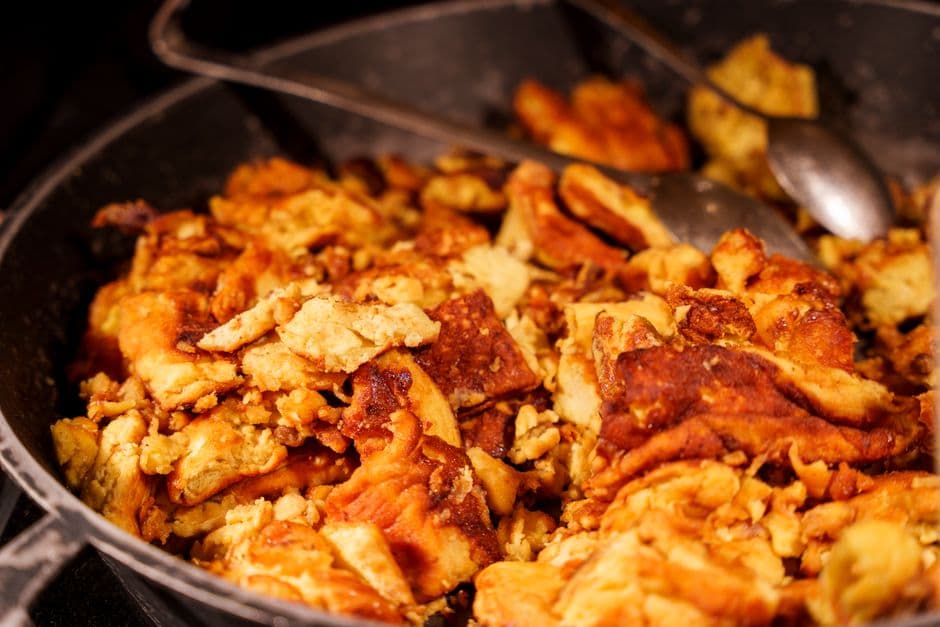
Austria's imperial torn pancake — a golden, airy, rum-soaked scrambled pancake dusted with icing sugar and served with warm plum compote.

A thick, torn and caramelised pancake with raisins, dusted in icing sugar and served with plum compote — Austria's most beloved dessert with a royal history.

Paper-thin hand-pulled dough filled with spiced apples, raisins and breadcrumbs — the crown jewel of Viennese pastry.

A rich, deeply paprika-spiced beef stew that defines Viennese coffeehouse cooking — darker, silkier and richer than its Hungarian cousin.

The definitive Wiener Schnitzel — veal escalope coated in just flour, egg, and breadcrumbs then pan-fried in clarified butter until the breading puffs and rises from the meat.
Austria's most iconic dish — veal pounded impossibly thin, breaded, and fried in clarified butter until golden and puffy.
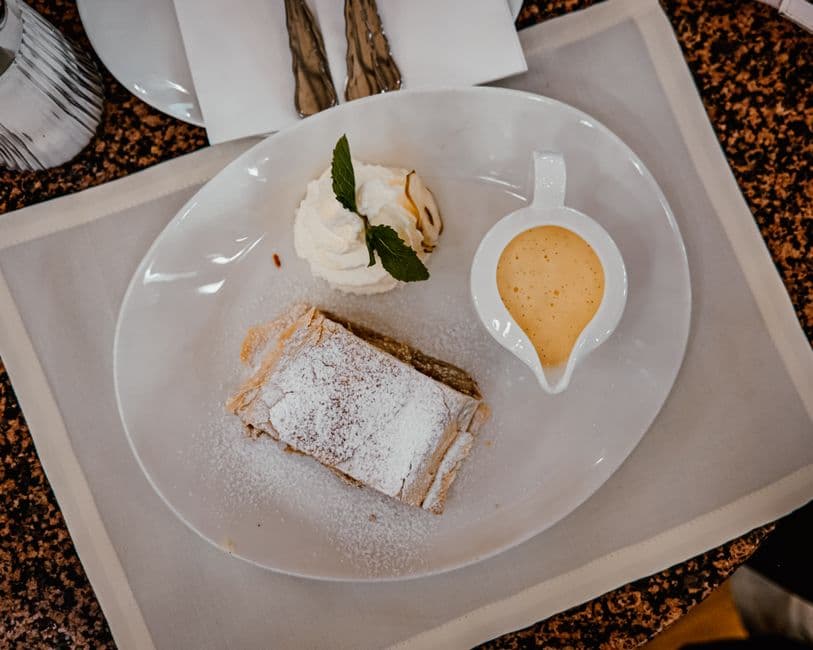
Classic Viennese apple strudel — paper-thin pastry filled with cinnamon apples, raisins, and walnuts.

Vienna's beloved beef sirloin topped with a mountain of crispy fried onion rings in a rich beef jus.

Vienna's most elegant cake — hazelnut-almond meringue layers sandwiched with rum buttercream, topped with fondant.
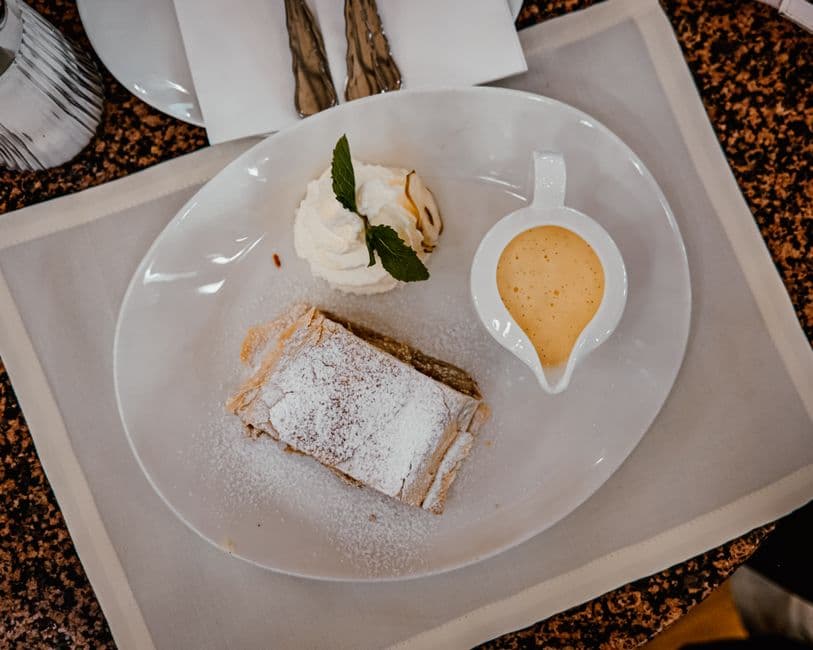
Vienna's beloved boiled beef with marrow bones, served with apple-horseradish sauce and chive sauce.
Three golden soufflé dumplings representing the mountains around Salzburg — Austria's most dramatic dessert.
Austrian potato goulash with paprika, onions and frankfurt sausages — a hearty Viennese meatless weeknight dish.
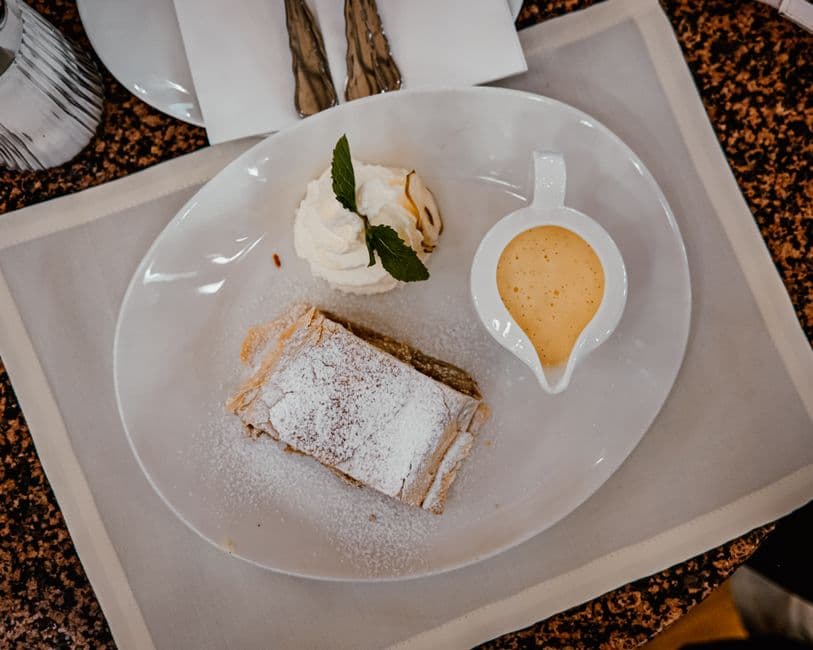
Austrian cream cheese strudel with raisins and vanilla in wafer-thin flaky pastry — a Viennese coffeehouse classic.
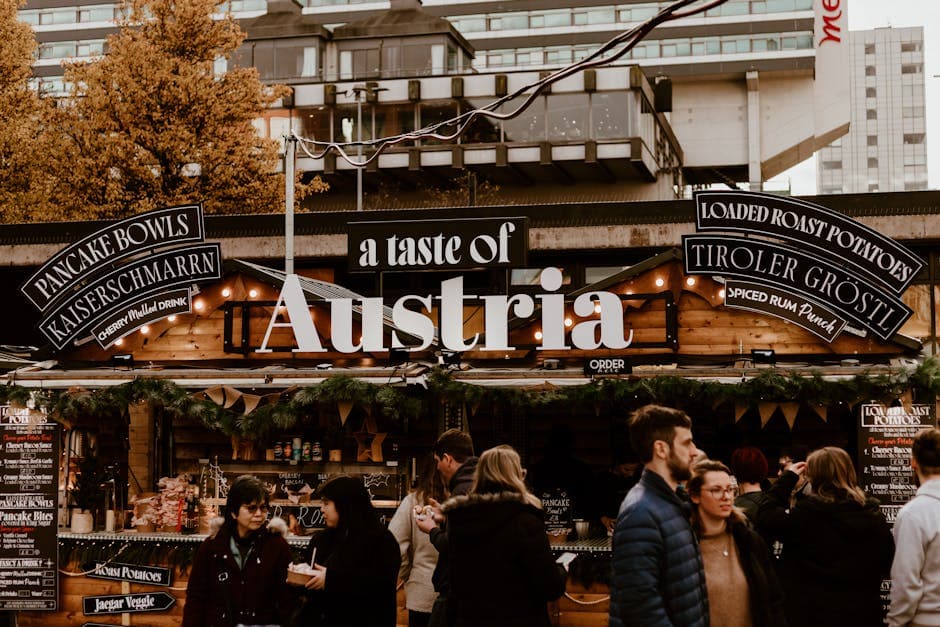
Austria's most famous veal cutlet — pounded thin, breaded, fried in butter, served with lemon and parsley potatoes.
Austrian Market Lemon Herb Rice Bowl brings austrian flavor to a practical rice bowl built with chicken thighs, butter, poppy seeds, apples and breadcrumbs, and a fresh chives finish.
Austrian Village Smoky Tomato Soup brings austrian flavor to a practical soup built with mushrooms, butter, poppy seeds, apples and breadcrumbs, and a fresh chives finish.
Austrian Garden Sesame Lime Skillet brings austrian flavor to a practical skillet dinner built with cauliflower, butter, poppy seeds, apples and breadcrumbs, and a fresh chives finish.
Austrian Harbor Charred Pepper Noodles brings austrian flavor to a practical noodle dish built with rice noodles, butter, poppy seeds, apples and breadcrumbs, and a fresh chives finish.
Austrian Mountain Green Herb Salad brings austrian flavor to a practical salad built with grilled chicken, butter, poppy seeds, apples and breadcrumbs, and a fresh chives finish.
Austrian Festival Lemon Herb Flatbread brings austrian flavor to a practical flatbread built with flatbread dough, butter, poppy seeds, apples and breadcrumbs, and a fresh chives finish.
Austrian Homestyle Smoky Tomato Traybake brings austrian flavor to a practical traybake built with sweet potatoes, butter, poppy seeds, apples and breadcrumbs, and a fresh chives finish.
Austrian Street Sesame Lime Fritters brings austrian flavor to a practical fritters built with salted fish, butter, poppy seeds, apples and breadcrumbs, and a fresh chives finish.
Austrian Golden Charred Pepper Breakfast Plate brings austrian flavor to a practical breakfast plate built with beans, butter, poppy seeds, apples and breadcrumbs, and a fresh chives finish.
Austrian Weeknight Green Herb Dessert brings austrian flavor to a practical dessert built with coconut, butter, poppy seeds, apples and breadcrumbs, and a fresh chives finish.
A deeply savory paprika-braised beef stew with a mountain of caramelized onions, thicker and less soupy than its Hungarian cousin.
Half-moon dumplings filled with a tangy farmer's cheese, potato and mint mixture, boiled and served with browned butter.
A dense chocolate sponge cake layered with apricot jam and coated in a glossy dark chocolate glaze, Vienna's most famous cake.
A classic Viennese beef goulash topped with a fried egg, a sliced frankfurter and a tangy pickled cucumber.
A clear beef broth studded with soft, tender semolina dumplings, a simple, comforting first course of Austrian home cooking.
Thinly sliced warm potatoes dressed in a tangy broth, vinegar and mustard dressing, the classic Austrian companion to schnitzel.
Whole fresh apricots wrapped in a soft potato or quark dough, boiled, then rolled in buttery cinnamon breadcrumbs.
A pan-seared beef steak topped with a mountain of crispy fried onions, a classic Viennese restaurant staple.
Soft, pillowy yeasted rolls baked close together and filled with apricot or plum jam, brushed with butter, a beloved Austrian teatime treat.
A crumbly, spiced ground-almond and hazelnut pastry shell filled with tart red currant jam and topped with a lattice crust.
Rye bread topped with a paprika-spiced cheese spread flecked with caraway and onion — a beloved Austrian tavern snack, liptauer.
Torn caramelized pancake pieces baked with a custard until golden — a bread-pudding-style take on Austria's beloved kaiserschmarrn.
Tender beef and pork patties seasoned with marjoram and black pepper, pan-fried until golden — Austria's everyday fleischlaberl.
A hearty bean soup simmered with smoked sausage and a touch of paprika-driven heat — a warming Austrian farmhouse stew.
A soft, folded omelette filled with a generous mix of fresh garden herbs and a touch of sour cream — a simple, refined Austrian breakfast.
Light, fluffy semolina dumplings simmered in a clear beef broth with fresh chives — a beloved Austrian soup, grießnockerlsuppe.
Whole trout baked and finished with a nutty brown butter and toasted almonds — an Alpine Austrian fish dish, forelle blau style adapted.
Thin, delicate crepes filled with sugar and a squeeze of fresh lemon, rolled and dusted with powdered sugar — Austria's beloved palatschinken.
Warm sliced potatoes dressed in a tangy vinegar and mustard dressing with chives — Austria's classic no-mayonnaise potato salad, erdäpfelsalat.
A whole chicken rubbed with marjoram, garlic and black pepper and roasted until deeply golden — a straightforward Austrian Sunday dinner.
Roasted peppers, onion and potatoes baked with a warm paprika and caraway seasoning — a hearty Austrian vegetable side dish.
Buttery almond crescent cookies rolled in vanilla sugar — Austria's beloved Christmas cookie, vanillekipferl.
Torn, caramelized Austrian pancake pieces brightened with lemon zest and fresh herbs, dusted with powdered sugar.
A hearty Austrian pearl barley bowl with roasted garlic, mushrooms and melted Alpine cheese.
Pan-seared Alpine lake fish over buttery pepper rice, finished with a squeeze of lime and fresh dill.
A tangy Austrian lentil salad with lemon, mustard vinaigrette, red onion and fresh herbs, served warm or at room temperature.
Classic Austrian stuffed peppers filled with rice, ground beef and roasted garlic, simmered in a light tomato sauce.
A creamy Austrian paprika chicken casserole with bell peppers, baked with a light sour cream and lime finish.
A crisp breaded pork schnitzel served burger-style with a bright lemon and fresh herb sauce.
A warm Austrian semolina pudding, lightly spiced with cracked pepper, topped with a tart lime-berry compote.
A festive Austrian roast goose plate with red cabbage and crisp turmeric-golden roasted potatoes.
Austrian cuisine is the kitchen of an empire. Habsburg Vienna absorbed dishes from Hungary (gulasch), Bohemia (knödel dumplings and powidl), the Balkans (Serbian-style reisfleisch), and beyond, refining them into the Wiener Küche — one of the few cuisines named for a city. Wiener schnitzel is its flag: a veal cutlet pounded thin, breaded in flour, egg, and fine crumbs, fried in clarified butter until the crust soufflés away from the meat, served with lemon and potato salad dressed in broth and vinegar, never cream.
Beef holds unusual prestige. Tafelspitz — boiled beef from a specific cut, served with apple-horseradish and chive sauce plus rösti-style potatoes — was Emperor Franz Joseph's favorite and remains Vienna's defining dish. Around it sits a hearty alpine layer: Tiroler gröstl (bacon-potato skillet with fried egg), Styrian fried chicken with pumpkin-seed-oil salads, and Käsespätzle in the western provinces. Paprika-rich fiakergulasch, served with sausage and fried egg, shows the Hungarian inheritance fully naturalized.
No tradition outshines the Mehlspeisen — Austria's flour-based sweets that blur dessert and main course. Apfelstrudel demands dough stretched until newspaper can be read through it; Sachertorte (chocolate cake with apricot jam, born of an 1832 kitchen improvisation by Franz Sacher) sparked a famous legal battle over authenticity; Kaiserschmarrn, shredded caramelized pancake with plum compote, was the emperor's namesake. Viennese coffeehouse culture, UNESCO-listed, frames it all with melange and marble tables.
Wiener Schnitzel
Veal pounded thin, breaded, and fried in clarified butter so the crust puffs — by Austrian law, only veal versions may carry the name.
Tafelspitz & Boiled Beef
Vienna's imperial beef tradition: tafelspitz simmered with root vegetables, served with apple-horseradish and chive sauce.
Mehlspeisen
The flour-sweets canon — apfelstrudel, Kaiserschmarrn, palatschinken, Sachertorte — where desserts can legitimately be dinner.
Knödel Culture
Bohemian-inherited dumplings in every register: bread semmelknödel beside roasts, speck-filled tirolean knödel, apricot marillenknödel for dessert.
Gulasch, Viennese Style
Hungarian gulyás naturalized into a thick onion-paprika beef stew, served as fiakergulasch with sausage, fried egg, and gherkin.
Coffeehouse Tradition
UNESCO-listed Viennese cafés serve melange and einspänner with strudel and torte — institutions of lingering, not takeaway.
Wiener schnitzel leads, followed by Tafelspitz boiled beef, gulasch, bread dumplings, Käsespätzle, and an exceptional dessert tradition: apfelstrudel, Sachertorte, Kaiserschmarrn, and Salzburger nockerl. Viennese coffeehouse culture — melange, einspänner, marble tables, newspapers — is itself UNESCO-recognized. The cuisine blends Hungarian, Bohemian, Italian, and Balkan inheritances refined in imperial Vienna.
They share schnitzel, dumplings, sausage, and beer, but Austrian cooking is the more cosmopolitan heir of the Habsburg empire: paprika gulasch from Hungary, knödel and powidl from Bohemia, and a far deeper dessert culture (Mehlspeisen). Wiener schnitzel must be veal, while German schweineschnitzel is pork. Austria also favors boiled beef dishes like Tafelspitz, rare on German menus, and pumpkin seed oil in Styria.
Veal — in Austria the name 'Wiener schnitzel' is legally protected and may only describe a breaded veal cutlet. The same preparation with pork must be labeled 'Schnitzel Wiener Art' (Vienna-style). The hallmarks are a thin, evenly pounded cutlet, a light breading that puffs and wrinkles away from the meat (soufflieren), and frying in plenty of clarified butter, served simply with lemon.
Kaiserschmarrn is forgiving and fast: a thick pancake batter with raisins, cooked in butter, torn into pieces, caramelized with sugar, and served with plum compote (zwetschkenröster). For savory, try Tiroler gröstl — pan-fried potatoes, onions, and bacon topped with a fried egg. Schnitzel itself is also beginner-friendly if you keep the oil hot and the cutlet thin.
In 1832, sixteen-year-old apprentice Franz Sacher improvised a dense chocolate cake with apricot jam and chocolate glaze when his head chef fell ill before a banquet for Prince Metternich. His son later founded the Hotel Sacher, and a decades-long court battle with Demel pastry shop over the 'original' title ended in 1963 — Hotel Sacher won the right to the seal, while Demel sells its own version.
Calculators and converters that pair with this page — no signup needed.