
Dinner
Moros y Cristianos
Cuba's beloved black beans and rice dish — cooked together in the same pot so the rice absorbs the dark, earthy flavour of the beans, aromatics and cumin.
60 min380 kcalEasy
★4.7(978)
Ropa vieja, moros y cristianos, lechón — bold, slow-cooked Caribbean flavours.
More recipes built around the same core ingredients.
Track what you eat
Snap your meal to log calories and macros, run fasting timers and track water in the free SnapCal app.
Plan your meals, track fasting and build your grocery list — free
MyCookingCalendar's dashboard runs right in your browser, no download needed.
Cuba's beloved black beans and rice dish — cooked together in the same pot so the rice absorbs the dark, earthy flavour of the beans, aromatics and cumin.
Tender shredded flank steak braised in a rich sofrito of tomato, peppers, onion and olives — Cuba's national dish and one of the great slow-cooked beef preparations.
Spiced ground beef with tomatoes, olives, raisins and capers in a fragrant sofrito — Cuba's most versatile everyday dish, served with rice and beans.
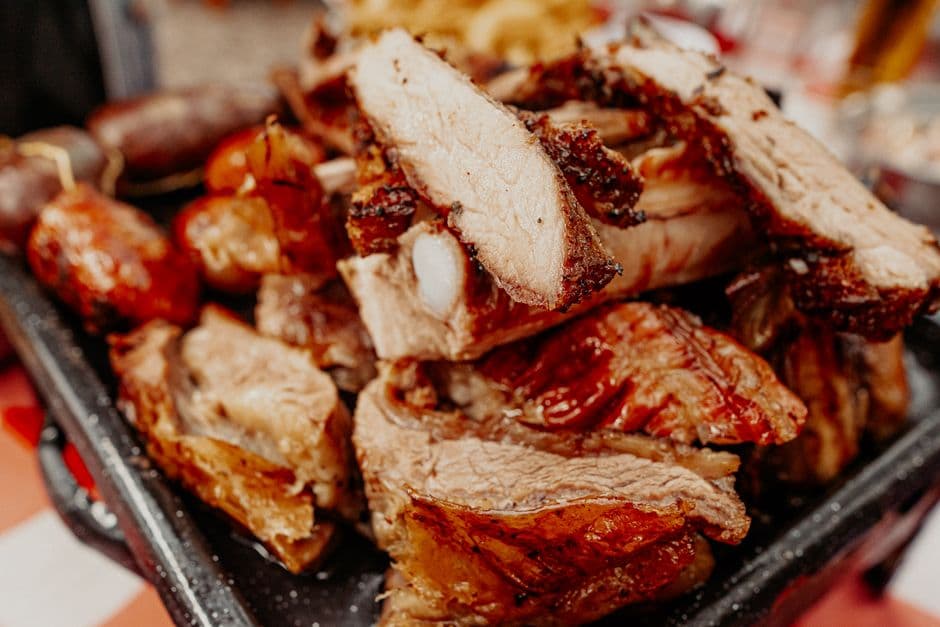
Whole pork shoulder marinated overnight in a garlicky sour orange mojo, then slow-roasted until the skin is crackling and the meat melts away from the bone.

Cuba's national dish — shredded flank steak braised until meltingly tender in a rich sauce of tomatoes, peppers, olives, and sofrito, served over rice and black beans.
The legendary pressed Cuban sandwich — layers of roast pork, ham, Swiss cheese, pickles, and mustard in crusty bread, grilled until the cheese melts and the bread crisps.

Cuba's essential black beans — slowly simmered with sofrito, cumin, and oregano until creamy and deeply flavorful, the irreplaceable companion to Cuban white rice.
Cuban pan-fried shredded beef — crispy and caramelized on the outside, tender inside, marinated in lime and garlic, served with moros y cristianos and fried plantains.
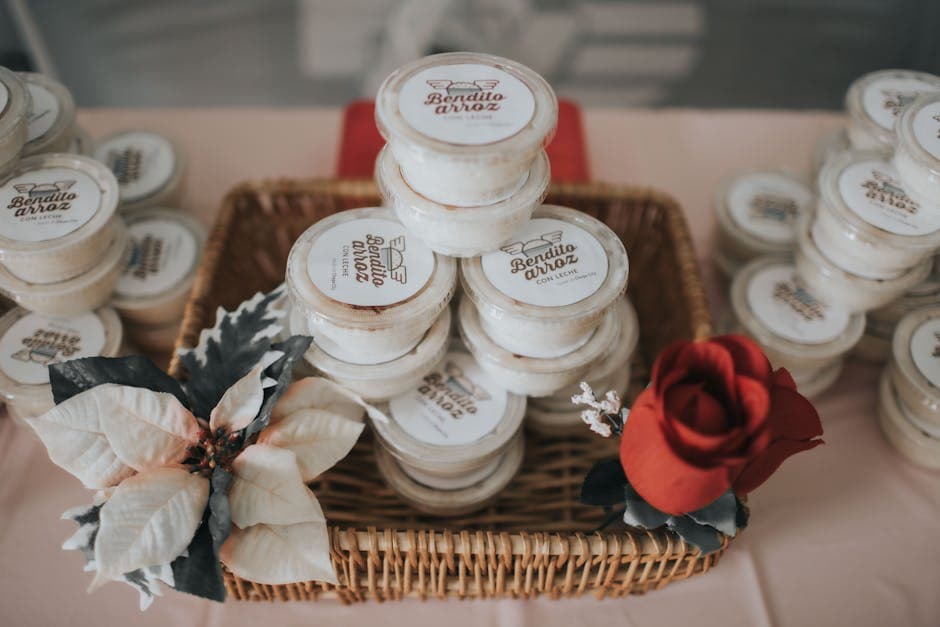
Cuban rice pudding — creamy, cinnamon-scented rice cooked low and slow in whole milk until meltingly soft, served warm or cold with a dusting of ground cinnamon.

Cuba's beloved three-milk cake — a light sponge soaked in a mixture of condensed, evaporated, and whole milk until impossibly moist, topped with whipped cream.
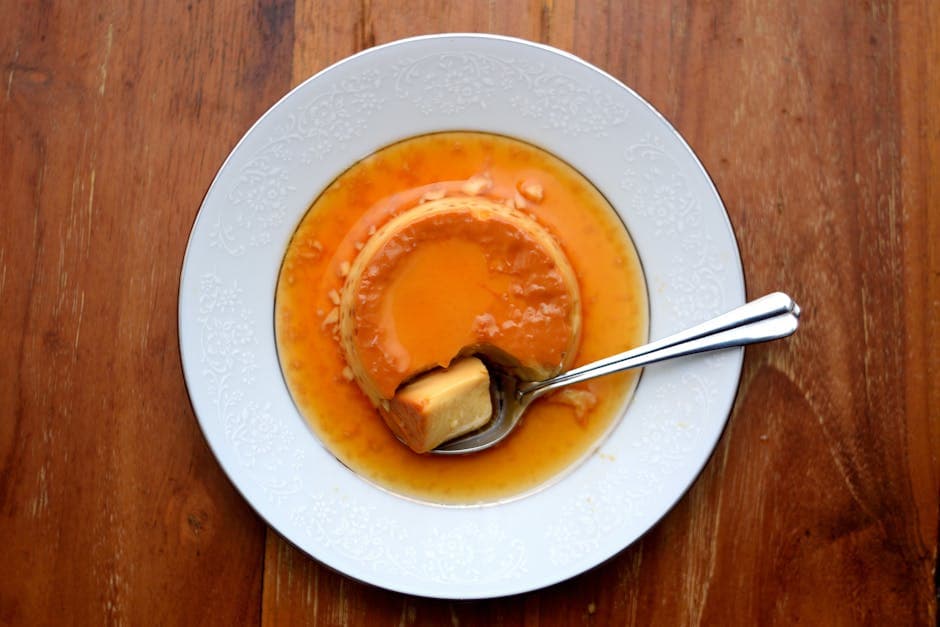
Cuba's silky, rich caramel custard — denser than French crème caramel, made with condensed and evaporated milk.

Cuba's greatest sandwich — crusty Cuban bread piled with roast pork, pickles, and mojo — the street food king.
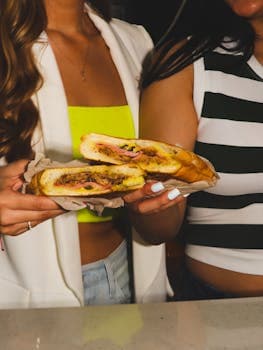
Miami's iconic pressed sandwich of roast pork, ham, Swiss cheese, mustard and pickles — toasted until the cheese melts and the bread is shatteringly crisp.

Crispy flattened green plantains, double-fried until golden and crunchy — the essential Cuban and Caribbean side dish.

Cuban spiced ground beef with olives, raisins and capers in a tomato sauce — served over white rice.
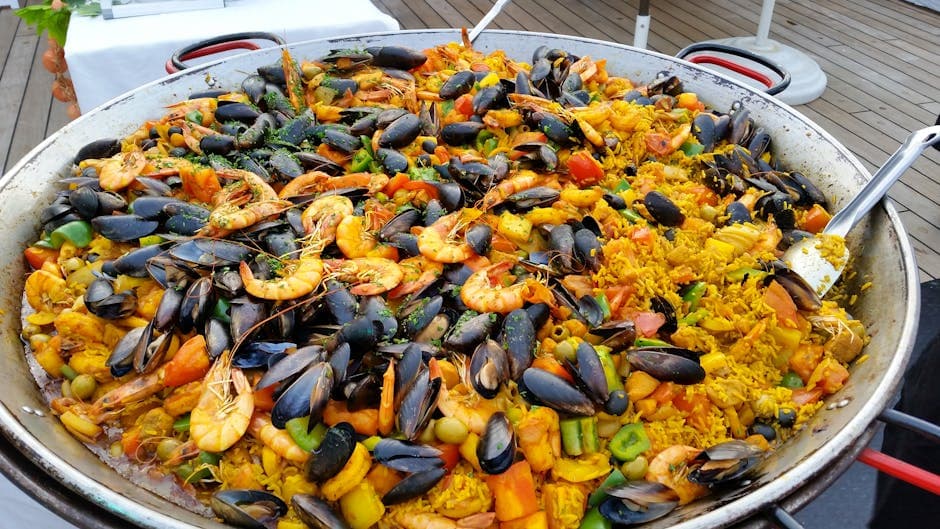
Cuban black beans and rice cooked together in one pot with sofrito and spices — the essential side dish of Cuban cuisine.
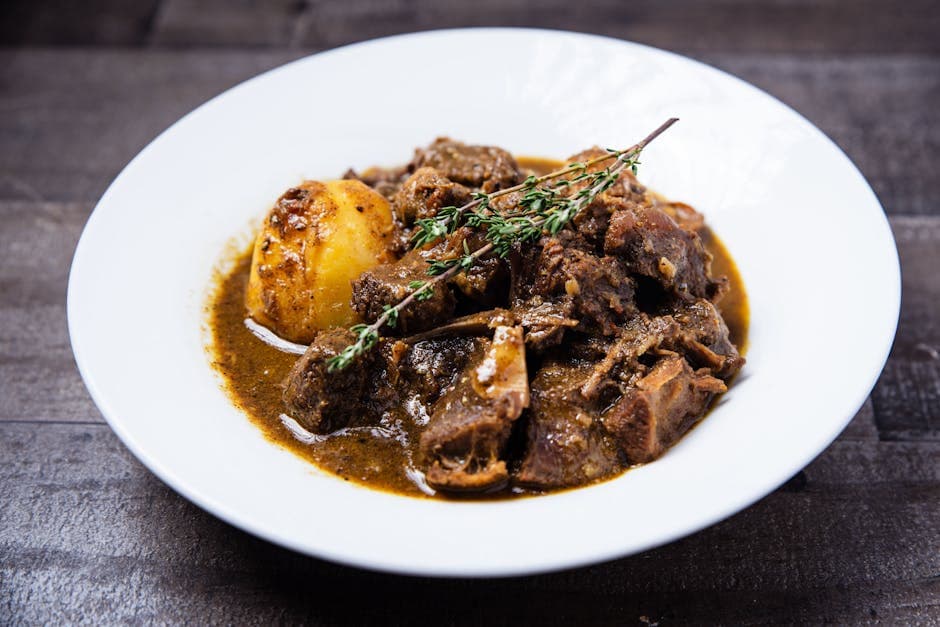
Cuba's deeply red oxtail stew braised with wine, tomato, peppers, and cumin until the meat slides off the bone — pure soul food.

Cuba's national dish — flank steak slow-cooked then shredded into a deep, garlicky sofrito-and-tomato sauce with peppers, olives and capers, served over fluffy white rice with sweet plantains.

Whole pork shoulder marinated overnight in mojo of sour orange, garlic and oregano, then slow-roasted until the skin shatters and the meat falls into juicy shreds.

Havana Lemon Herb Grain Bowl turns cuban pantry flavors into a complete grain bowl with salmon, sour orange, garlic, cumin and oregano, and a fresh cilantro finish.

Santiago Smoky Tomato Soup turns cuban pantry flavors into a complete soup with white fish, sour orange, garlic, cumin and oregano, and a fresh cilantro finish.

Matanzas Sesame Lime Stew turns cuban pantry flavors into a complete stew with chicken legs, sour orange, garlic, cumin and oregano, and a fresh cilantro finish.

Camaguey Charred Pepper Noodles turns cuban pantry flavors into a complete noodle dish with wheat noodles, sour orange, garlic, cumin and oregano, and a fresh cilantro finish.

Trinidad Green Herb Salad turns cuban pantry flavors into a complete salad with grilled chicken, sour orange, garlic, cumin and oregano, and a fresh cilantro finish.

Pinar Lemon Herb Flatbread turns cuban pantry flavors into a complete flatbread with flatbread dough, sour orange, garlic, cumin and oregano, and a fresh cilantro finish.

Cienfuegos Smoky Tomato Traybake turns cuban pantry flavors into a complete traybake with sweet potatoes, sour orange, garlic, cumin and oregano, and a fresh cilantro finish.

Holguin Sesame Lime Fritters turns cuban pantry flavors into a complete fritters with salted fish, sour orange, garlic, cumin and oregano, and a fresh cilantro finish.

Varadero Charred Pepper Breakfast Plate turns cuban pantry flavors into a complete breakfast plate with yogurt, sour orange, garlic, cumin and oregano, and a fresh cilantro finish.

Guantanamo Green Herb Dessert turns cuban pantry flavors into a complete dessert with coconut, sour orange, garlic, cumin and oregano, and a fresh cilantro finish.
Cuban Market Lemon Herb Rice Bowl brings cuban flavor to a practical rice bowl built with chicken thighs, sour orange, garlic, cumin and oregano, and a fresh cilantro finish.
Cuban Village Smoky Tomato Soup brings cuban flavor to a practical soup built with mushrooms, sour orange, garlic, cumin and oregano, and a fresh cilantro finish.
Cuban Garden Sesame Lime Skillet brings cuban flavor to a practical skillet dinner built with cauliflower, sour orange, garlic, cumin and oregano, and a fresh cilantro finish.
Cuban Harbor Charred Pepper Noodles brings cuban flavor to a practical noodle dish built with rice noodles, sour orange, garlic, cumin and oregano, and a fresh cilantro finish.
Cuban Mountain Green Herb Salad brings cuban flavor to a practical salad built with grilled chicken, sour orange, garlic, cumin and oregano, and a fresh cilantro finish.
Cuban Festival Lemon Herb Flatbread brings cuban flavor to a practical flatbread built with flatbread dough, sour orange, garlic, cumin and oregano, and a fresh cilantro finish.
Cuban Homestyle Smoky Tomato Traybake brings cuban flavor to a practical traybake built with sweet potatoes, sour orange, garlic, cumin and oregano, and a fresh cilantro finish.
Cuban Street Sesame Lime Fritters brings cuban flavor to a practical fritters built with salted fish, sour orange, garlic, cumin and oregano, and a fresh cilantro finish.
Cuban Golden Charred Pepper Breakfast Plate brings cuban flavor to a practical breakfast plate built with beans, sour orange, garlic, cumin and oregano, and a fresh cilantro finish.
Cuban Weeknight Green Herb Dessert brings cuban flavor to a practical dessert built with coconut, sour orange, garlic, cumin and oregano, and a fresh cilantro finish.
A garlicky Cuban black beans and rice bowl built the way Cuban farmhouse kitchens actually make Moros y Cristianos.
A coastal Cuban-style fish soup built on garlic, sofrito and a light coconut-chile broth, inspired by Oriente-region seafood cooking.
A hearty Cuban-style lentil skillet with deeply caramelized onions, inspired by potaje de lentejas, Cuba's everyday lentil stew.
A simple citrus-marinated Cuban avocado and onion salad, the kind served at nearly every family meal on the island.
Roasted sweet potatoes and onions bathed in Cuban garlic mojo, a simple traybake built on the island's classic citrus-garlic sauce.
Crisp Cuban corn fritters studded with tomato and pepper, based on frituras de maiz, a beloved island street snack.
A simple Cuban harbor-town breakfast of browned-butter toasted bread and soft scrambled eggs, served alongside strong cafe con leche.
A silky Cuban flan infused with fresh mint and topped with guava, a mountain-town twist on the island's most beloved dessert.
A tangy tamarind-lime spin on Cuban picadillo, the sweet-savory ground meat stew built for spooning over rice.
Warm tortilla wraps filled with garlicky Cuban black beans, caramelized onion and rice, built for a fast homestyle lunch.
Charred calabaza pumpkin wedges with a garlicky ginger-scallion oil, a street-grill-inspired plate built on Cuba's favorite squash.
Bell peppers stuffed with a spiced ground beef, rice and tomato filling, based on ajies rellenos, a Cuban home-cooking classic.
A quick Cuban-inspired rice salad tossed with fresh herbs and a garlicky yogurt dressing, built for using up leftover rice.
Bone-in chicken thighs braised in a lemony garlic-wine sauce with olives, inspired by Cuba's classic pollo en fricase.
Mushrooms roasted in a smoky tomato-garlic sauce, a coastal-style starter built on Cuba's love of sofrito and smoked paprika.
Charred sweet peppers tossed with garlic-lime rice noodles, a quick Sunday street-snack riff built on Cuban char and citrus flavors.
A one-pot herb-flecked rice and chickpea dinner, a green, garlicky late-night Cuban-inspired comfort bowl.
Thin-pounded garlic-lime steak, griddled Cuban bread, and shoestring potatoes stacked into the sandwich every Miami lunch counter is known for.
Cumin-and-oregano beef meatballs simmered in a charred-lemon tomato sauce until they soak up all the sofrito flavor.
Slow-simmered Cuban black beans deepened with a tamarind-tomato sofrito for a tangier twist on the classic pot.
A fluffy Cuban-style omelet folded around sautéed jalapeño, onion and cheese, griddled until the edges turn crisp.
Creamy Cuban cornmeal porridge simmered with sofrito and finished with toasted sesame seeds for nutty crunch.
Whole fish fillets baked in a coconut milk and ginger sauce, a nod to the coastal Afro-Caribbean influence found in eastern Cuban cooking.
A spoonable Cuban tamal en cazuela baked in a dish instead of husks, layered with seasoned pork and jalapeño for a casserole-style tamale.
A crisp Cuban chopped salad of avocado, tomato and radish tossed in a citrus-yogurt dressing instead of the usual straight vinaigrette.
Whole roast chicken marinated in garlic mojo and finished with a squeeze of broiler-charred lemon for extra depth.
Cuban sweet potato and calabaza squash baked in a tangy tamarind-tomato glaze until caramelized at the edges.
Thin-fried sweet plantain crisps tossed in cinnamon sugar with a pinch of chile powder for a sweet-heat snack.
Ripe plantains mashed into a turmeric-golden batter and pan-fried until the edges caramelize.
Smoky black beans and garlicky rice piled into a bowl with a bright lime-herb finish.
Shrimp simmered into saffron-orange rice with peppers, tomato and a gentle chile kick.
A hearty Cuban lentil stew with chorizo, potatoes and pumpkin, spooned over rice.
Bell peppers filled with sweet-savory Cuban picadillo -- ground beef, olives, raisins and a hint of lime.
Slow-shredded beef in a smoky tomato-pepper sauce, baked into a comforting family casserole.
A paprika-spiced beef and chorizo patty on a soft bun, topped with crispy shoestring potatoes.
Creamy cinnamon-spiced rice pudding simmered slowly in milk, finished with a dusting of ground cinnamon.
Citrus-garlic mojo-marinated roast pork served with black beans, rice and boiled yuca for a Cuban holiday spread.
Cuban cuisine is criollo cooking: Spanish technique and ingredients reworked in the Caribbean with African hands and Taíno staples. Spain supplied sofrito, pork, rice, and citrus-garlic marinades; West African foodways shaped the love of root vegetables (viandas) like yuca, malanga, and boniato, plus slow one-pot stews; the Taíno contributed cassava and barbacoa-style pit cooking. The result is a cuisine of marinated roast pork (lechón asado), black beans and rice, and plantains at every stage of ripeness.
Signature dishes tell the island's story. Ropa vieja — shredded beef in tomato, pepper, and olive sofrito — arrived with Canary Islanders. Moros y cristianos cooks black beans and rice together; arroz con pollo gets its color from bijol or saffron. Mojo, the essential sauce of sour orange, garlic, oregano, and cumin, marinates pork and dresses boiled yuca. The Cuban sandwich — roast pork, ham, Swiss, pickles, and mustard pressed on lard-enriched bread — was born in the cigar-worker communities linking Havana, Key West, and Tampa.
Cuban food is notably gentle for the Caribbean: garlic, onion, cumin, oregano, and bay provide depth without chili heat, since hot peppers never took hold on the island. Home cooking centers on the caldero, a heavy pot for rice and beans, and on stretching ingredients — picadillo with raisins and olives over rice, caldosa stews, tostones smashed and twice-fried. Strong sweet coffee (cafecito), guava pastries, and flan close the meal.
Sofrito Criollo
Onion, garlic, green bell pepper, and tomato slowly fried in oil — the starting point of beans, stews, picadillo, and rice dishes.
Mojo
Sour orange juice, raw garlic, oregano, and cumin form the marinade for lechón asado and the dressing for boiled yuca.
Black Beans & Rice
Served separately as frijoles negros or cooked together as moros y cristianos, the daily foundation of the Cuban plate.
Lechón Asado
Whole or shoulder pork marinated in mojo and slow-roasted until the skin crisps — the centerpiece of Nochebuena and every celebration.
Plantains Three Ways
Green as twice-fried tostones, ripe as sweet maduros, or boiled in stews — plantains appear at nearly every Cuban meal.
Viandas (Root Vegetables)
Yuca con mojo, malanga fritters, and boniato reflect the Taíno and African roots of the island's starch traditions.
Ropa vieja, lechón asado (mojo-marinated roast pork), black beans and rice, picadillo, tostones, maduros, yuca con mojo, and the pressed Cuban sandwich. The flavor profile is garlicky, citrusy, and savory — built on sofrito, cumin, oregano, and sour orange — and famously not spicy, since chili peppers play almost no role in traditional island cooking.
No — Cuban food is one of the mildest cuisines in Latin America. Hot chilies are essentially absent from the traditional repertoire; flavor comes from garlic, onion, cumin, oregano, bay leaf, and sour orange instead. If a dish at a Cuban restaurant is hot, it's a modern or fusion choice, not a tradition. Heat-averse eaters can order anything on a Cuban menu safely.
They share Spanish-Caribbean roots — sofrito, rice and beans, roast pork, plantains — but differ in detail. Puerto Rican sofrito includes culantro (recao) and ají dulce peppers, and the cuisine features mofongo, pasteles, and arroz con gandules (pigeon peas). Cuban cooking favors black beans over pink, sour-orange mojo as its master seasoning, and dishes like ropa vieja and moros y cristianos.
Picadillo: ground beef simmered with sofrito, cumin, oregano, tomato, green olives, and raisins, served over white rice with maduros. It is one pan, thirty minutes, and teaches the Cuban flavor base. Black beans from dried with a proper sofrito are the next step; ropa vieja is easy too if you have time to braise and shred flank steak.
Cuban bread (a soft, lard-enriched white loaf) layered with mojo roast pork, sliced ham, Swiss cheese, dill pickles, and yellow mustard, then pressed flat and toasted until the cheese melts and the crust crisps. Tampa's version adds Genoa salami, reflecting its Italian immigrant community; Miami purists omit it. Mayonnaise, lettuce, and tomato are universally considered violations.
Calculators and converters that pair with this page — no signup needed.