

Dinner
Czech Guláš
The Czech interpretation of goulash — beef slow-braised with enormous quantities of onions and paprika into a thick, deeply savoury sauce. Served with bread dumplings and always with a dark beer.
135 min480 kcalMedium
★4.7(412)
Svíčková, goulash, koláče — hearty Bohemian cooking with bread dumplings and Pilsner.
More recipes built around the same core ingredients.
Track what you eat
Snap your meal to log calories and macros, run fasting timers and track water in the free SnapCal app.
Plan your meals, track fasting and build your grocery list — free
MyCookingCalendar's dashboard runs right in your browser, no download needed.
The Czech interpretation of goulash — beef slow-braised with enormous quantities of onions and paprika into a thick, deeply savoury sauce. Served with bread dumplings and always with a dark beer.
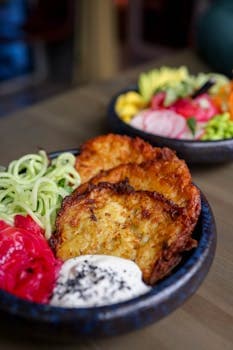
Czech potato pancakes — coarsely grated potato, egg, garlic and marjoram fried in lard until golden and crispy at the edges. Simple, addictive, and the street food of Czech markets.

Czech Republic's beloved hangover cure — a clear broth intensely flavoured with garlic, caraway and marjoram, poured over toasted bread and a poached or fried egg. Simple and restorative.

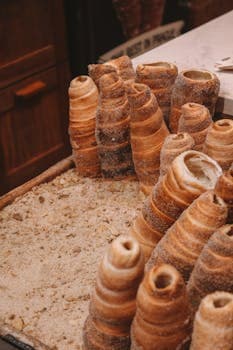
Czech spiral pastry wrapped around a rod and grilled over open flame, dusted with cinnamon sugar.
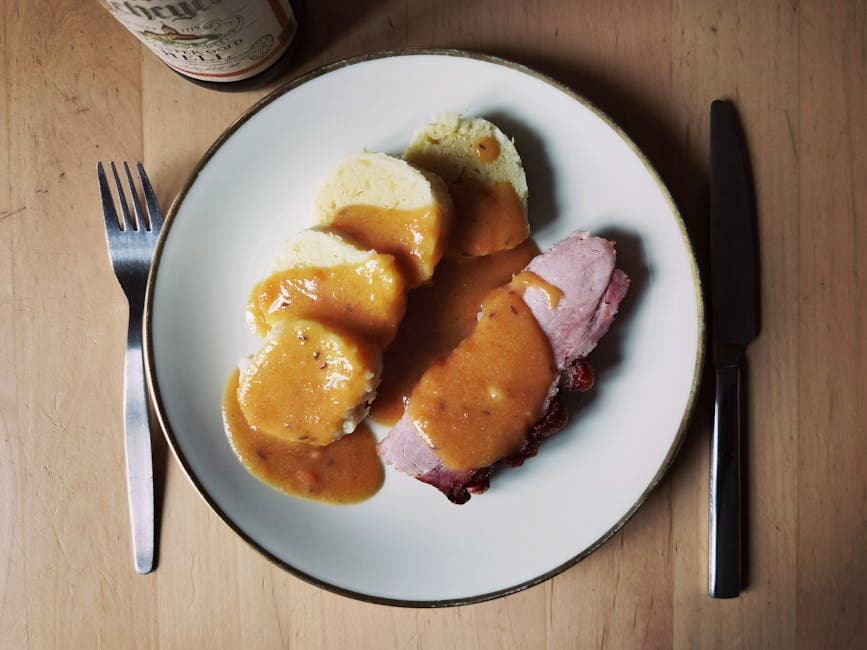
Creamy Czech soup with mushrooms, dill, potatoes and a poached egg — a Bohemian classic.
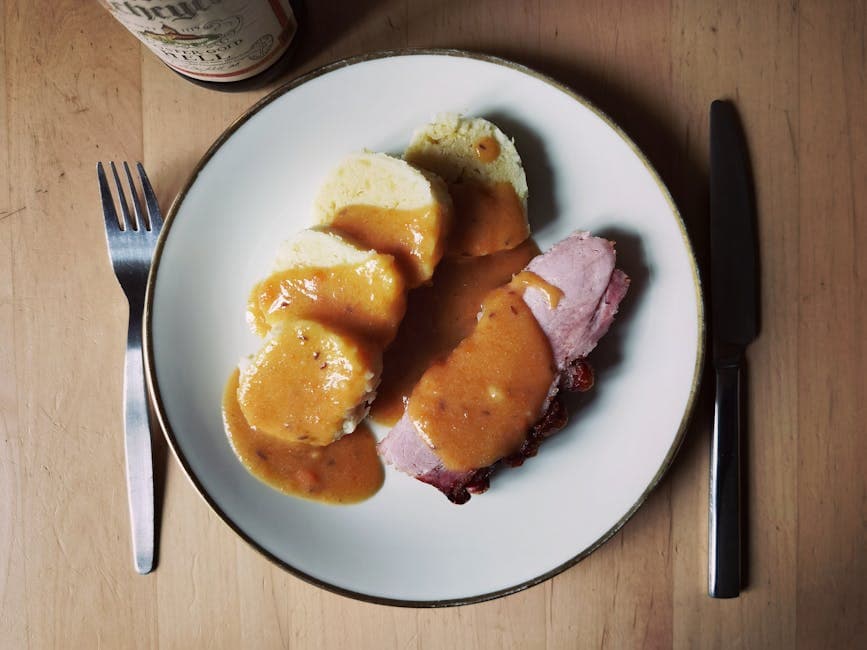
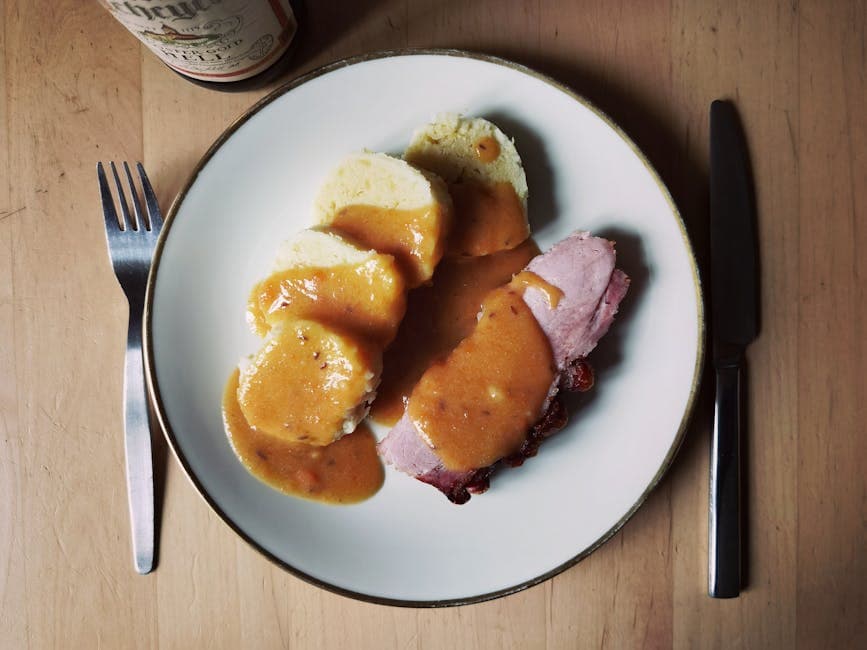
The Czech national dish — roast pork with bread dumplings and braised sauerkraut.
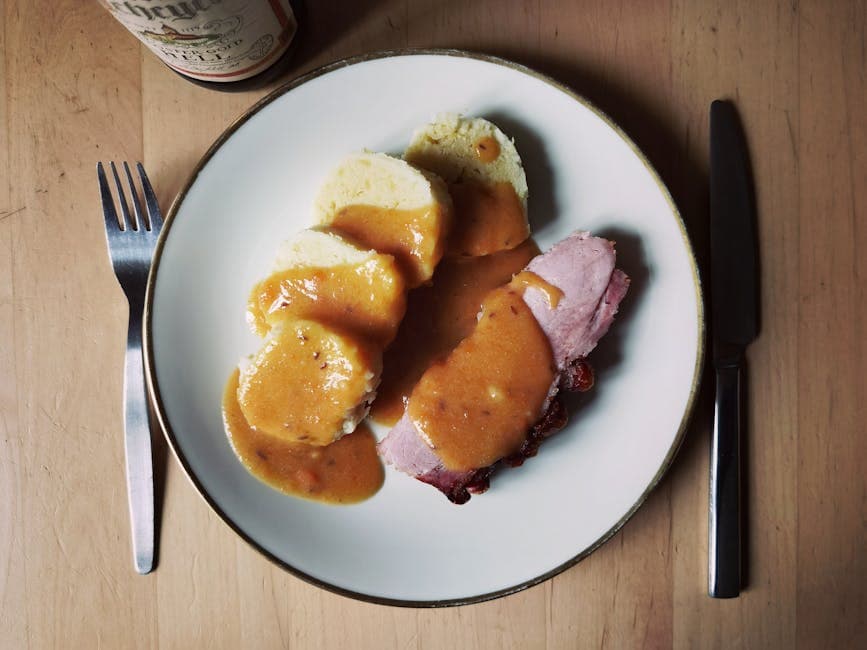
Czech sweet dumplings filled with plum jam, rolled in toasted breadcrumbs and butter — a traditional dessert.
Czech barley and mushroom bake — a humble, earthy Christmas Eve dish of Bohemian peasant tradition.
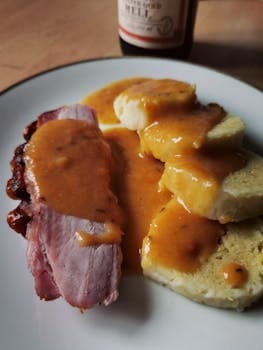
Roast pork with bread dumplings and sweet-sour sauerkraut — the iconic Czech pub trio.
Soft, round Czech pastries with a sweet poppy seed, plum or curd cheese filling — Bohemia's most beloved sweet.
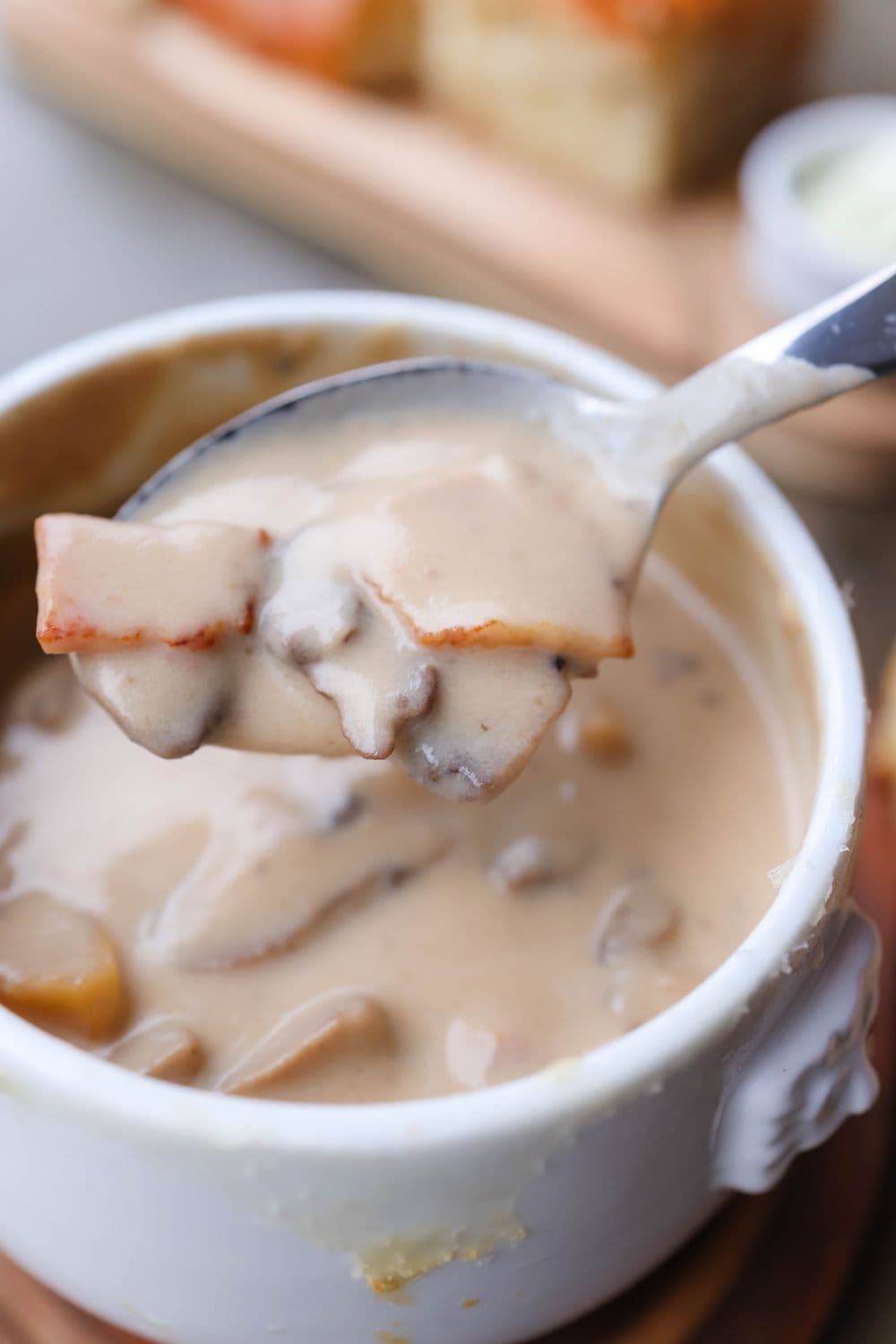
Creamy potato-mushroom soup with dill, vinegar and a poached egg — the comfort soup of Czech farmhouses.
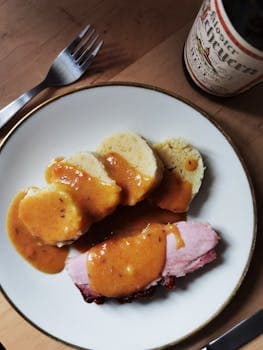
Sweet-and-sour tomato sauce served over beef and bread dumplings — the comfort food of every Czech childhood.
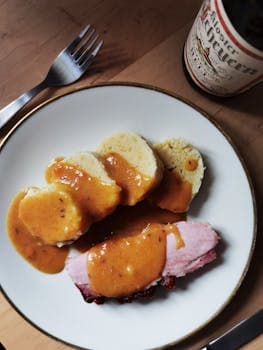
Breaded fried Edam cheese — Czechia's favourite vegetarian fast food, served with tartar sauce and chips.
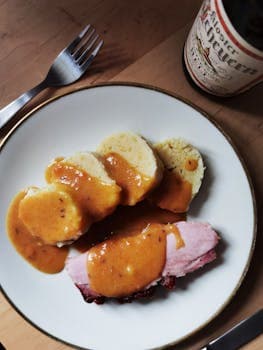
Soft potato-dough dumplings filled with whole plums, strawberries or apricots — Czech summer dessert at its best.
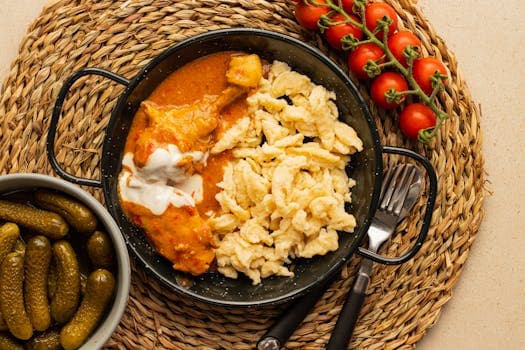
Tender chicken in a velvety sour cream-paprika sauce — Czechia's lighter cousin of the Hungarian classic, served with bread dumplings.
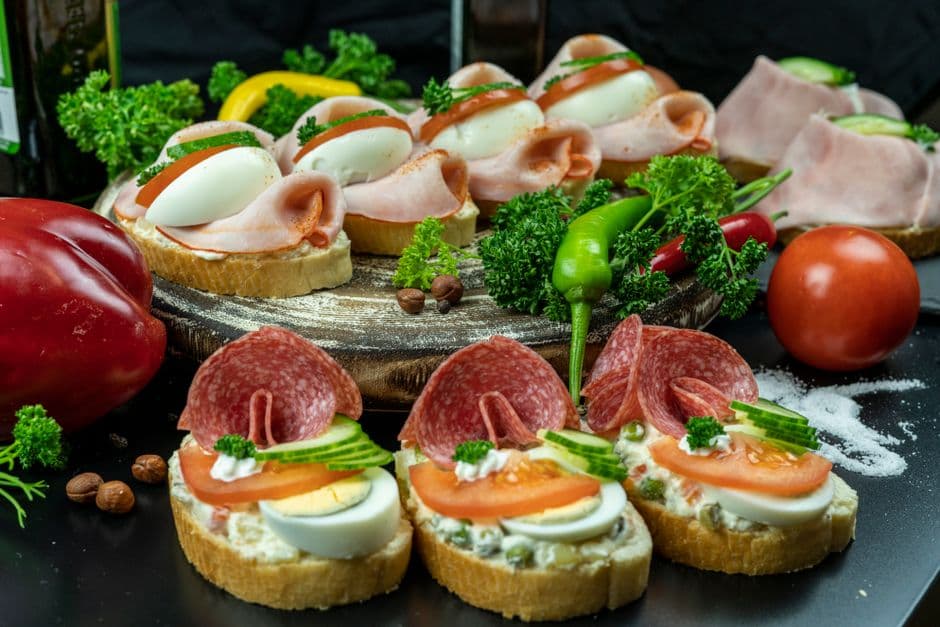
Open-face sandwiches on slices of veka bread topped with elaborate decorations — the iconic Czech party food.
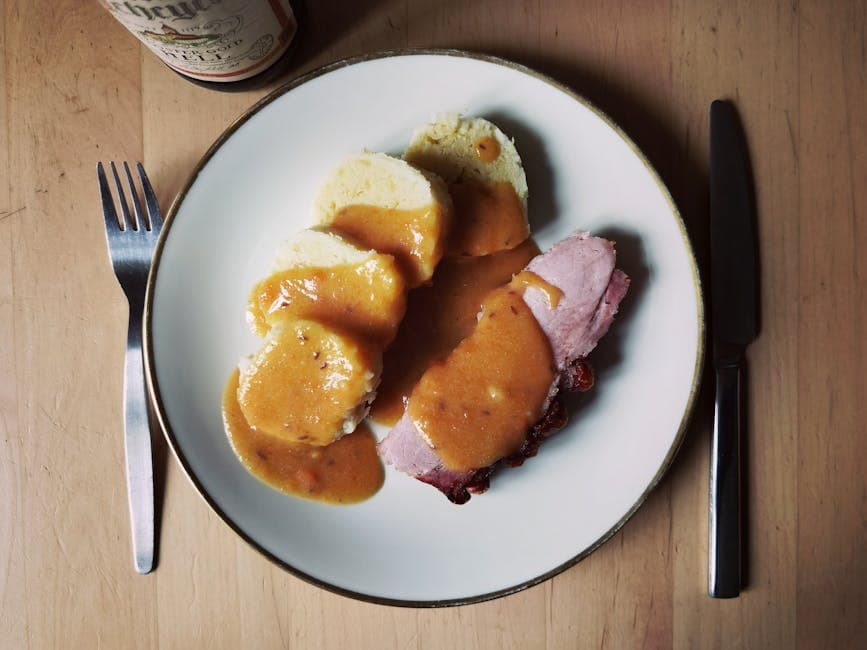
Czech-Moravian national dish — beef sirloin slow-braised with root vegetables, blended into a velvety cream sauce, served with bread dumplings.

The Czech national dish — beef sirloin braised in a vegetable-cream sauce, sliced and served with bread dumplings, cranberry jam and whipped cream.
Czech Market Lemon Herb Rice Bowl brings czech flavor to a practical rice bowl built with chicken thighs, caraway, paprika, beer and sour cream, and a fresh parsley finish.
Czech Village Smoky Tomato Soup brings czech flavor to a practical soup built with mushrooms, caraway, paprika, beer and sour cream, and a fresh parsley finish.
Czech Garden Sesame Lime Skillet brings czech flavor to a practical skillet dinner built with cauliflower, caraway, paprika, beer and sour cream, and a fresh parsley finish.
Czech Harbor Charred Pepper Noodles brings czech flavor to a practical noodle dish built with rice noodles, caraway, paprika, beer and sour cream, and a fresh parsley finish.
Czech Mountain Green Herb Salad brings czech flavor to a practical salad built with grilled chicken, caraway, paprika, beer and sour cream, and a fresh parsley finish.
Czech Festival Lemon Herb Flatbread brings czech flavor to a practical flatbread built with flatbread dough, caraway, paprika, beer and sour cream, and a fresh parsley finish.
Czech Homestyle Smoky Tomato Traybake brings czech flavor to a practical traybake built with sweet potatoes, caraway, paprika, beer and sour cream, and a fresh parsley finish.
Czech Street Sesame Lime Fritters brings czech flavor to a practical fritters built with salted fish, caraway, paprika, beer and sour cream, and a fresh parsley finish.
Czech Golden Charred Pepper Breakfast Plate brings czech flavor to a practical breakfast plate built with beans, caraway, paprika, beer and sour cream, and a fresh parsley finish.
Czech Weeknight Green Herb Dessert brings czech flavor to a practical dessert built with coconut, caraway, paprika, beer and sour cream, and a fresh parsley finish.
Beef sirloin slow-braised with root vegetables until the sauce turns silky and slightly sweet, served with bread dumplings and cranberries.
Grated potato pancakes seasoned with garlic and marjoram, fried until deeply golden and crisp at the edges, a beloved Czech street food.
Slow-roasted pork shoulder served with soft bread dumplings and tangy braised sauerkraut, the quintessential Czech Sunday dinner.
A thick, dark beef stew flavored with paprika and caraway, distinctly less soupy than Hungarian gulyás, served with bread dumplings.
A yeasted dough wound around a wooden spit, roasted over open flame until golden, and rolled in cinnamon sugar and walnuts.
A thick slab of breaded, deep-fried cheese with a molten interior, served in a bun with tartar sauce, a beloved Czech fast-food staple.
A hearty, slightly tangy potato soup studded with mushrooms and marjoram, a beloved everyday Czech comfort food.
Soft potato or quark dough wrapped around whole plums or apricots, boiled, then rolled in buttery breadcrumbs and dusted with sugar.
Halved sausages pickled in a spiced vinegar brine with onions, a tangy, beer-friendly pub snack served cold.
A tangy, creamy potato and mushroom soup finished with fresh dill and a poached egg, a beloved South Bohemian specialty.
Tender beef simmered in a sweet-tangy tomato sauce, a nostalgic Czech comfort dish often served with bread dumplings or rice.
A yeasted bread dough studded with cubed bread, poached whole and sliced, the essential starchy side for nearly every Czech braise.
Pork simmered with sauerkraut in a paprika sauce finished with sour cream, a tangy, comforting Czech take on goulash.
Soft, pillowy yeasted buns with a hollowed center filled with fruit jam, poppy seed or farmer's cheese, and a crumbly streusel topping.
A rich, braided sweet bread studded with raisins and almonds, traditionally baked for Christmas morning breakfast across the Czech Republic.
A tangy, hearty soup of sauerkraut and smoked sausage simmered with potatoes, a warming Czech winter staple.
Small, elaborately topped open-faced sandwiches on white bread, arranged with ham, egg, cheese and vegetables, a beloved Czech party classic.
Tangy pickled sausages and onion piled on rye bread, a Czech pub classic known as utopenci, or 'drowned men,' served straight from the jar.
Crispy, garlicky grated potato pancakes fried until golden, finished with a pat of fresh herb butter, a beloved Czech street food and home dish.
A hearty baked Czech meatloaf with a whole hard-boiled egg hidden in the center, seasoned with marjoram and served sliced with potatoes.
A thick, hearty bean soup simmered with smoked pork and marjoram, a warming Czech classic served with dark bread.
A hearty pan omelet loaded with diced boiled potato, onion and fresh herbs, a simple Czech farmhouse breakfast that stretches eggs into a full meal.
Simple, nutty buckwheat groats simmered soft and finished with browned butter, a traditional Czech side dish and comfort food known as kaše.
Whole carp fillets baked with a garlic and marjoram herb butter, the fish dish central to a traditional Czech Christmas Eve dinner.
Soft potato dough wrapped around whole plums or apricots, boiled until tender and finished with melted butter and sweetened breadcrumbs.
Diced boiled potato tossed with pickles, carrot, egg and mayonnaise, the classic Czech potato salad served at Christmas alongside fried carp.
A whole chicken rubbed with marjoram, caraway and garlic, roasted until deeply golden, a Sunday classic across Czech households.
Shredded cabbage slow-braised with bacon, onion and caraway seed, then finished in the oven, a hearty Czech vegetable side turned into a bake.
Sweet yeasted dough wrapped around a rolling pin, grilled over coals and rolled in cinnamon sugar and walnuts, the popular Czech street pastry trdelník.
Crispy Czech potato pancakes flavored with garlic, marjoram and cumin, fried until golden at the edges.
A hearty Czech pearl barley and mushroom bowl seasoned with garlic and marjoram, finished with toasted sesame for crunch.
Pan-seared trout served over rice with a creamy Czech dill sauce (koprova omacka), a classic homestyle pairing.
A tangy, cumin-scented Czech lentil stew bowl finished with a splash of vinegar and served over bread or rice.
Classic Czech stuffed peppers filled with rice and beef in tomato sauce, finished with a scatter of toasted sesame.
A comforting Czech bread dumpling bake layered with smoked ham, egg custard and melted cheese.
A juicy Czech-style spiced beef patty seasoned with garlic, marjoram and cumin, served burger-style with tangy mustard.
A warm, creamy Czech semolina pudding sweetened with sugar and cinnamon, a classic homestyle dessert or breakfast.
A festive Czech roast duck plate with a browned butter pan gravy, served alongside bread dumplings and braised cabbage.
Czech cuisine is Central European comfort cooking shaped by Austro-Hungarian kitchens and Bohemian rural tradition, with the knedlík — the boiled bread or potato dumpling, sliced and served to soak up sauce — as its defining staple. The canonical national dish is vepřo knedlo zelo: roast pork with bread dumplings and braised sauerkraut, while svíčková na smetaně — beef sirloin in a creamy root-vegetable sauce with cranberries and a slice of lemon — is the festive benchmark by which Czech cooks are judged.
Sauces and soups carry the cuisine: meals traditionally open with polévka (garlic soup česnečka, potato soup bramboračka, tripe soup dršťková), and main courses are built around flour-thickened, slow-simmered omáčky — dill sauce (koprovka), tomato, mushroom. Guláš, borrowed from Hungary and made thicker and milder, is as much pub food as home food, always with dumplings and raw onion, ideally alongside Pilsner-style lager — the Czechs drink more beer per capita than any nation on earth.
Baking is the sweeter half of the identity: kolache (koláče) topped with tvaroh farmer's cheese, poppy seed, or plum povidla; ovocné knedlíky, fruit-filled dumplings dressed with melted butter, tvaroh, and sugar that legitimately serve as a main course; and Christmas vánočka braided bread. Home cooks keep caraway, marjoram, and garlic as the core seasoning trio, and Sunday lunch — soup, roast, dumplings, beer — remains the week's anchor meal.
Knedlíky (dumplings)
Boiled bread or potato dumplings, sliced like a loaf — the essential sauce-soaking side, and in fruit-filled form a sweet main course.
Omáčky (sauces)
Creamy flour-thickened sauces — svíčková's root-vegetable cream, dill koprovka, tomato — define how Czech mains are constructed.
Roast pork and sauerkraut
Vepřo knedlo zelo, pork roast with dumplings and braised zelí, is the consensus national plate of Bohemia.
Soups (polévky)
Garlic česnečka, potato bramboračka, and beef broth with liver dumplings traditionally open every proper Czech lunch.
Beer culture
Pilsner lager, invented in Plzeň in 1842, is treated as part of the meal; the Czechs lead the world in per-capita consumption.
Sweet baking
Tvaroh-and-poppy-seed kolache, plum-jam buchty, and braided vánočka carry the Bohemian pastry tradition.
Czech cuisine is known for hearty meat-and-dumpling plates: roast pork with sauerkraut (vepřo knedlo zelo), svíčková beef in creamy vegetable sauce, and goulash with bread dumplings. Soups like garlic česnečka open meals, kolache pastries and fruit dumplings cover the sweet side, and Pilsner lager — invented in Plzeň — is considered an integral part of the table.
They overlap in pork, cabbage, and beer, but Czech cooking is sauce-centered where German food leans toward roasts with sides. The Czech knedlík — a boiled, sliced bread dumpling — differs from German potato Klöße, and creamy omáčky like svíčková's root-vegetable sauce have no direct German counterpart. Czech goulash is thicker than Hungarian and milder, and sweet fruit-filled dumplings serve as actual main courses.
Svíčková na smetaně is beef sirloin larded and roasted over a base of carrots, celeriac, parsley root, and onion, which is then puréed with cream into a velvety, slightly sweet sauce. It is served with bread dumplings, cranberry compote, a lemon slice, and whipped cream. It is the festive standard of Czech cooking — the dish by which family recipes and restaurants are judged.
No — Czech food is among Europe's mildest. Seasoning rests on caraway, marjoram, garlic, sweet paprika, and bay leaf, with richness from pork fat, butter, and cream instead of heat. Even goulash, spicy in its Hungarian homeland, is made mild and thick in the Czech version. Sharpness comes from sauerkraut, pickles, mustard, and grated horseradish served with boiled beef.
Czech goulash is the most forgiving entry: braise beef chuck with lots of onions, sweet paprika, caraway, and marjoram until thick, and serve with store-bought or homemade bread dumplings. Bramboráky — garlicky, marjoram-spiked potato pancakes — take thirty minutes and need only pantry items. Once comfortable, attempt houskové knedlíky (bread dumplings), the skill that unlocks the whole cuisine.
Calculators and converters that pair with this page — no signup needed.