
NewDinner
Stamppot Boerenkool
Holland's ultimate winter comfort food — creamy mashed potatoes beaten together with curly kale and served with smoked sausage and a pool of gravy.
50 min520 kcalEasy
★4.6(876)
Stamppot, erwtensoep, stroopwafels — robust and comforting Dutch cooking.
More recipes built around the same core ingredients.
Track what you eat
Snap your meal to log calories and macros, run fasting timers and track water in the free SnapCal app.
Plan your meals, track fasting and build your grocery list — free
MyCookingCalendar's dashboard runs right in your browser, no download needed.
Holland's ultimate winter comfort food — creamy mashed potatoes beaten together with curly kale and served with smoked sausage and a pool of gravy.

The Netherlands' legendary thick split pea soup with smoked pork hock, celeriac and leek — so thick a spoon can stand upright in it.

Extraordinarily thick split pea soup with smoked pork knuckle, celeriac, leek and rookworst sausage — the Netherlands' most beloved winter dish.

Crispy golden balls with a molten, rich beef ragù interior — the Netherlands' most beloved bar snack, served with hot mustard.

A hearty Dutch mash of potato, carrot and onion with butter, served alongside braised beef — the national dish of the Netherlands with deep historical roots.

Two thin crispy waffle rounds sandwiched with a thick, warming caramel syrup filling — the Netherlands' most beloved biscuit and one of Europe's great sweet treats.
Holland's ultimate winter comfort food — creamy mashed potatoes combined with leafy greens (traditionally kale or endive) and served with smoked sausage.
The most iconic Dutch stamppot — creamy mashed potatoes vigorously stirred with braised kale, served with smoked rookworst sausage and crispy bacon.
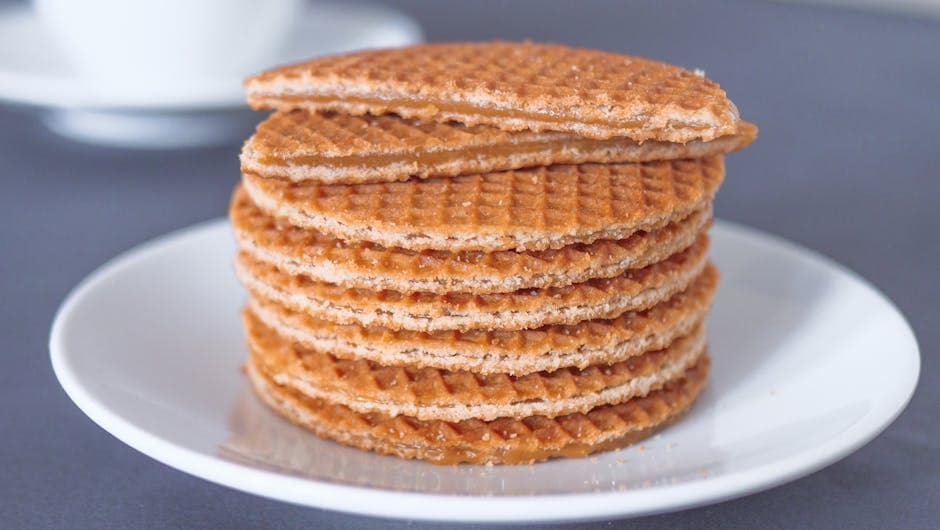
Thin waffle cookies sandwiching a layer of caramel syrup — the Netherlands' most iconic sweet treat.
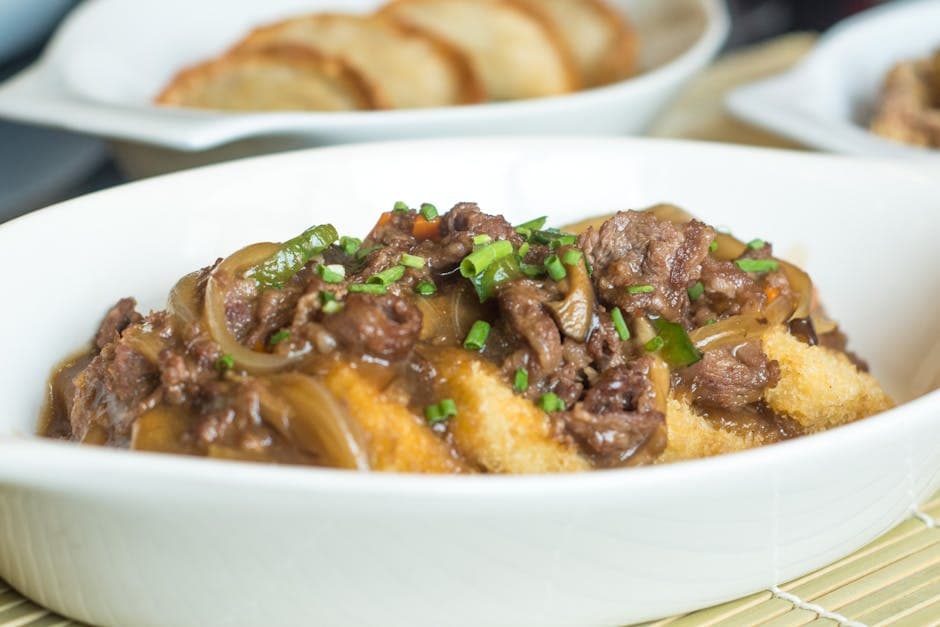
Rich, tangy Dutch beef stew slowly braised with a mountain of onions, vinegar, and bay leaves.
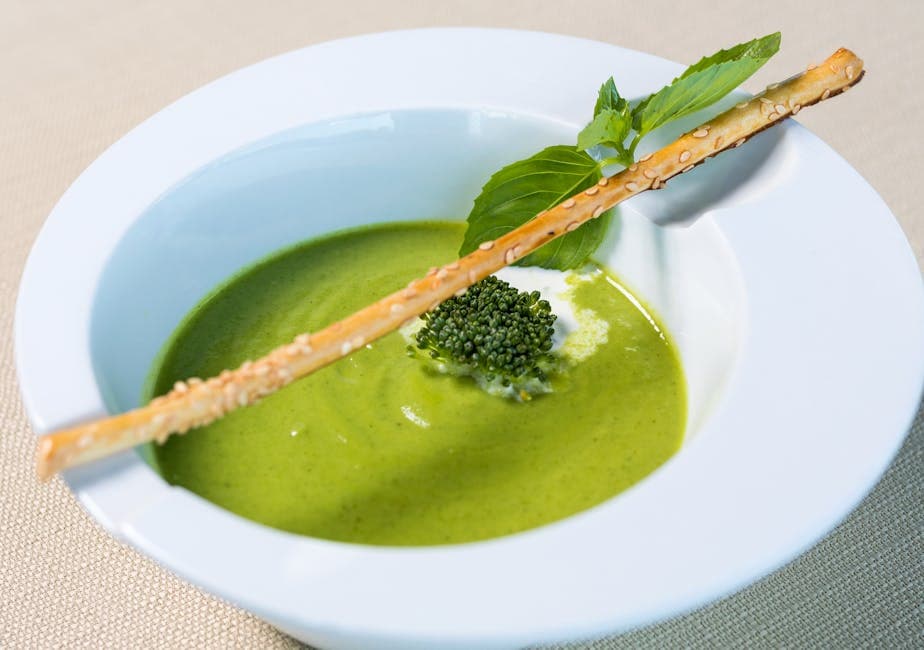
The Netherlands' thick, army-green winter soup — so hearty a spoon stands in it, loaded with pork and smoked sausage.

Crispy fried Dutch beef ragout balls — the ultimate café snack, always served with mustard.
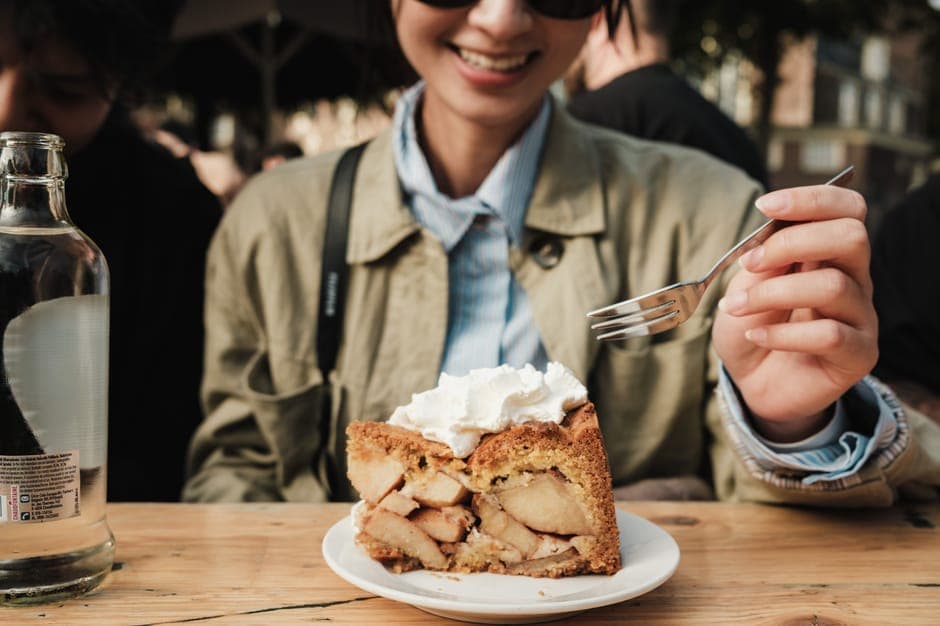
Deep-filled Dutch apple tart with a buttery shortcrust, cinnamon apples, and a lattice top — café culture in a slice.
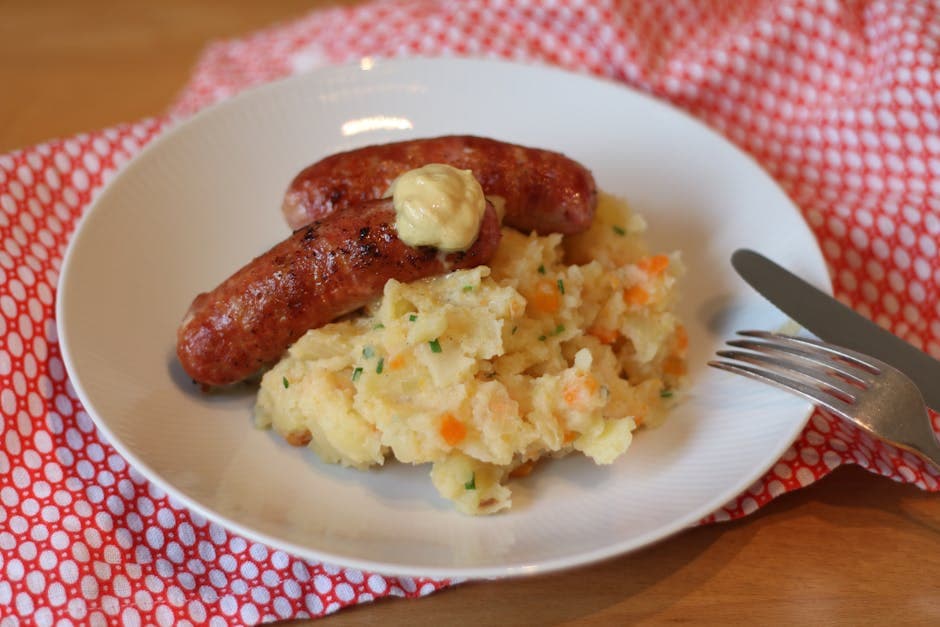
Netherlands' second great stamppot — carrots, onions and potatoes boiled together and mashed into a rough, sweet-savoury orange mash. Eaten on October 3rd to commemorate the liberation of Leiden.
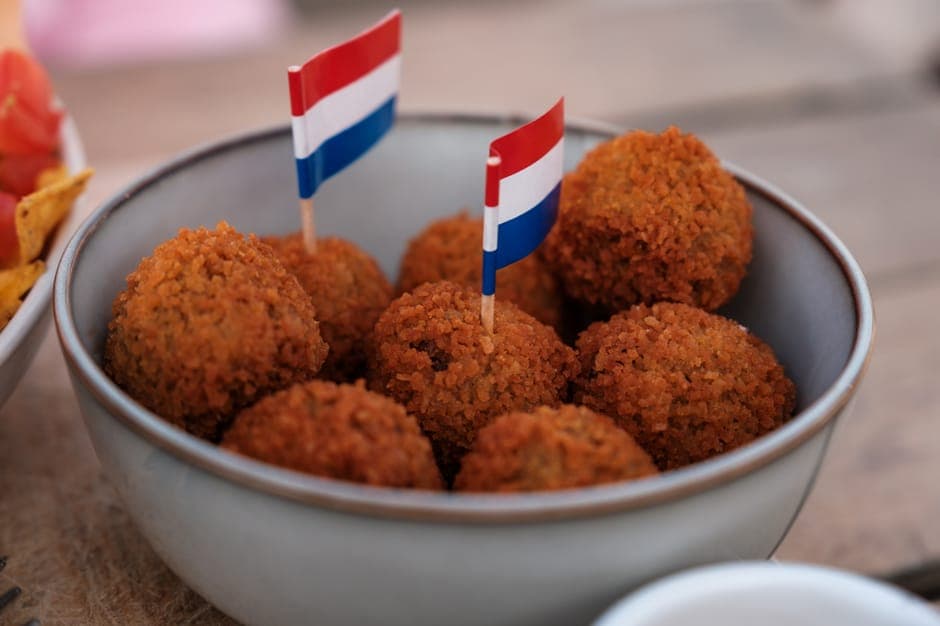
Netherlands' most popular bar snack — crispy, golden deep-fried balls with a molten beef ragout centre. Served with Dutch mustard at every café and birthday party. The essential Dutch bite.
Thick, hearty Dutch split pea soup with smoked sausage and pork — so thick a spoon stands up in it.
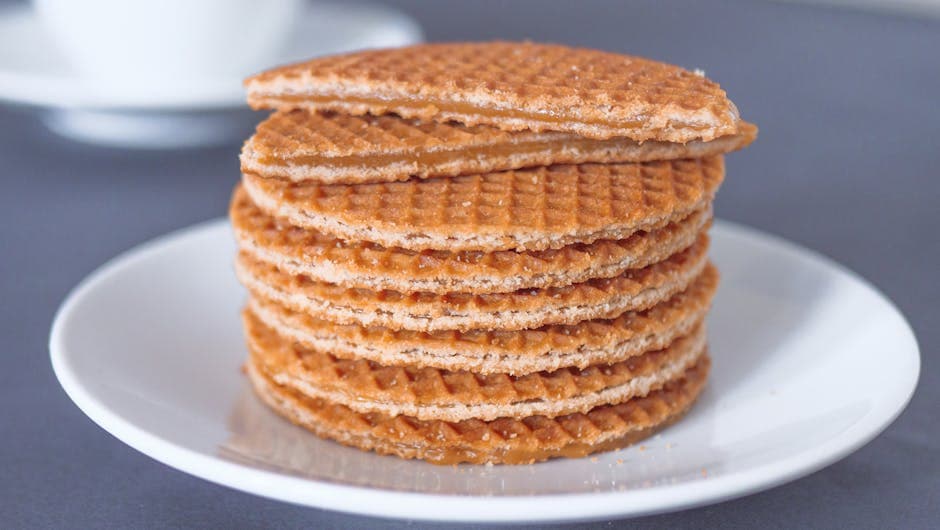
Dutch thin waffle cookies sandwiched with a caramel syrup filling — designed to warm on a cup of coffee.
Dutch Market Lemon Herb Rice Bowl brings dutch flavor to a practical rice bowl built with chicken thighs, butter, potatoes, cheese and mustard, and a fresh parsley finish.
Dutch Village Smoky Tomato Soup brings dutch flavor to a practical soup built with mushrooms, butter, potatoes, cheese and mustard, and a fresh parsley finish.
Dutch Garden Sesame Lime Skillet brings dutch flavor to a practical skillet dinner built with cauliflower, butter, potatoes, cheese and mustard, and a fresh parsley finish.
Dutch Harbor Charred Pepper Noodles brings dutch flavor to a practical noodle dish built with rice noodles, butter, potatoes, cheese and mustard, and a fresh parsley finish.
Dutch Mountain Green Herb Salad brings dutch flavor to a practical salad built with grilled chicken, butter, potatoes, cheese and mustard, and a fresh parsley finish.
Dutch Festival Lemon Herb Flatbread brings dutch flavor to a practical flatbread built with flatbread dough, butter, potatoes, cheese and mustard, and a fresh parsley finish.
Dutch Homestyle Smoky Tomato Traybake brings dutch flavor to a practical traybake built with sweet potatoes, butter, potatoes, cheese and mustard, and a fresh parsley finish.
Dutch Street Sesame Lime Fritters brings dutch flavor to a practical fritters built with salted fish, butter, potatoes, cheese and mustard, and a fresh parsley finish.
Dutch Golden Charred Pepper Breakfast Plate brings dutch flavor to a practical breakfast plate built with beans, butter, potatoes, cheese and mustard, and a fresh parsley finish.
Dutch Weeknight Green Herb Dessert brings dutch flavor to a practical dessert built with coconut, butter, potatoes, cheese and mustard, and a fresh parsley finish.
Two thin, crisp waffle discs sandwiched around a chewy caramel syrup filling, traditionally warmed over a hot drink.
A sweet, hearty mash of carrots, onions and potatoes served alongside slow-braised beef, historically tied to the Siege of Leiden.
Small, crisp-fried balls of creamy beef ragout, a classic Dutch bar snack served with mustard for dipping.
Tiny, pillowy yeasted pancakes cooked in a special dimpled pan, served warm dusted with powdered sugar and butter.
Fresh Zeeland mussels steamed in white wine with celery, leek and onion, served with a big bowl of fries.
Crisp, flaky pastry turnovers filled with cinnamon-spiced diced apple and raisins, a beloved Dutch fair-food treat.
A regional variation of Dutch split pea soup enriched with flaked smoked eel, a specialty of the Netherlands' waterways.
Deep-fried yeasted dough balls studded with raisins and currants, dusted with powdered sugar, a beloved New Year's Eve treat.
A crisp, deep-fried beef ragout croquette tucked into a soft white bread roll with mustard, a beloved Dutch lunch classic.
A creamy mash of potatoes folded with raw curly endive that wilts from the heat, topped with crispy bacon bits.
Crisp, deeply spiced brown sugar cookies stamped with traditional windmill or figure shapes, a Sinterklaas holiday classic.
A layered chilled dessert of vanilla custard and fruit yogurt, a nostalgic Dutch supermarket-style treat made from scratch.
Beef chunks slow-braised with a mountain of onions, bay leaves and vinegar until deeply savory and sweet.
Large, softly spiced ground beef meatballs braised in a rich pan gravy, a quintessential Dutch Sunday dinner dish.
Crisp, beer-battered bite-sized pieces of white fish, a classic Dutch market-stall snack served with garlic-herb sauce.
Soft-cured raw herring on a bun with pickles and raw onion — the Netherlands' beloved street-food herring sandwich, broodje haring.
Braised Belgian endive wrapped in ham and baked under a béchamel and cheese sauce — a beloved Dutch comfort casserole.
Hearty beef and pork meatballs seasoned with nutmeg and cloves, browned and simmered in a rich gravy — a classic Dutch home dinner.
Brown beans simmered with bacon, apple and black pepper into a thick, hearty stew — a traditional Dutch farmhouse comfort dish.
A fluffy omelette folded around sautéed apple and a drizzle of Dutch spiced syrup — a warming autumn breakfast built on classic Dutch pantry staples.
Creamy buckwheat porridge finished with a savory herb butter — a traditional Dutch grain porridge with a savory rather than sweet finish.
Cod fillets baked under a mustard, herb and breadcrumb crust — a simple, coastal-inspired Dutch fish dinner.
A tall, deeply spiced apple pie with a lattice crust and raisins — the Netherlands' beloved appeltaart, denser and more custard-like than American versions.
A chopped salad of potato, beetroot, apple and pickles bound in a light mayonnaise dressing — Holland's classic huzarensalade.
A whole chicken rubbed with nutmeg, cloves and thyme and roasted until golden — a warmly spiced Dutch Sunday roast built on the country's classic pantry spices.
Mashed potato, carrot and onion baked with black pepper and butter — Holland's historic hutspot, tied to the liberation of Leiden.
Thin waffle cookies split and filled with a warm caramel syrup — the Netherlands' beloved stroopwafel, best eaten fresh off a griddle in the market.
Thin, oversized Dutch pancakes studded with sautéed apple and warmed with cinnamon, cooked skillet-style.
A warming grain bowl built on the flavors of Dutch stamppot boerenkool — barley, kale, smoked sausage and nutmeg.
Zeeland-style mussels steamed in white wine, garlic and lemon, the Netherlands' most iconic seafood dish, served over rice.
Erwtensoep, the Netherlands' thick winter split pea soup with smoked sausage, served as a hearty bowl.
Bell peppers stuffed with warmly spiced Dutch gehaktbal-style ground beef, baked in a nutmeg-scented tomato sauce.
A creamy baked Dutch casserole of braised endive, mashed potato and melted cheese, brightened with garlic and lemon.
A Dutch-spiced beef burger seasoned like gehaktballen with nutmeg and allspice, topped with sharp Old Amsterdam cheese.
Silky Dutch vla custard pudding topped with a lemon-bright fruit compote and a crunchy speculaas spice-cookie crumb.
A festive Dutch holiday braise of chicken (traditionally rabbit) with prunes, orange and a warm hit of ginger.
Dutch cuisine grew from a cold, wet, maritime climate and a Calvinist suspicion of excess: simple, filling food done well. The historic core is the stamppot family — potatoes mashed with vegetables like kale (boerenkool), sauerkraut, or endive, served with smoked rookworst sausage and gravy — alongside erwtensoep, a split-pea soup thick enough to stand a spoon in, eaten after winter skating. Herring matters deeply: Hollandse nieuwe, the lightly brined first catch of the season, eaten raw with onions, is a national rite each June.
The Dutch Golden Age and the colonial era left a second layer. The spice trade made nutmeg, cinnamon, and cloves everyday baking spices — hence speculaas cookies and ontbijtkoek. Ties to Indonesia embedded Indo-Dutch food into the national diet: nasi goreng, satay with peanut sauce, and the rijsttafel, an elaborate many-dish rice table format that was actually a Dutch colonial invention. Surinamese roti and broodje pom are fixtures in Amsterdam and Rotterdam.
Daily eating is famously pragmatic: bread with cheese or hagelslag (chocolate sprinkles) for breakfast and lunch, one cooked meal in the evening. Cheese is the great export and pride — Gouda and Edam aged from young (jong) to crystalline oud, sliced thin with the cheese plane the Dutch made their own. Street and snack culture supplies the joy: stroopwafels pressed warm, poffertjes with butter and powdered sugar, crisp bitterballen with mustard, and frites with mayonnaise.
Stamppot
Potatoes mashed with kale, sauerkraut, endive, or carrot-onion hutspot, crowned with smoked rookworst — the definitive winter dinner.
Cheese Craft
Gouda and Edam aged from jong to brittle, caramel-noted oud, eaten daily in thin planed slices on bread.
Herring & the Sea
Raw Hollandse nieuwe herring with chopped onions, plus kibbeling and smoked eel, anchor the maritime side of the table.
Indonesian Inheritance
Colonial history made satay, nasi goreng, sambal, and the rijsttafel permanent fixtures of Dutch home and restaurant eating.
Baking Spices & Sweets
Spice-trade nutmeg, cinnamon, and cloves flavor speculaas, ontbijtkoek, and the caramel-filled stroopwafel.
Fried Snack Culture
Bitterballen and kroketten with mustard, frites with mayo, and poffertjes define borrel hour and street eating.
Cheese first — Gouda and Edam — then stroopwafels, raw herring with onions, stamppot with rookworst, split-pea soup (erwtensoep), bitterballen, poffertjes, and frites with mayonnaise. Thanks to colonial history, Indonesian dishes like satay and nasi goreng are also genuinely part of Dutch eating, as is Surinamese roti in the big cities.
The traditional core is mild and comfort-oriented — potatoes, cheese, bread, smoked sausage — but the full Dutch table is spicier than its reputation. Indonesian-Dutch food brings sambal and spiced satay into ordinary households, Surinamese cuisine adds madame jeanette pepper heat, and aged cheeses, smoked fish, raw herring, and mustard carry plenty of intensity on their own.
Gouda is made with whole milk, giving it a richer, creamier body that develops caramel and butterscotch notes with crunchy tyrosine crystals as it ages. Edam uses partly skimmed milk, so it is firmer, lower in fat, and milder, traditionally shaped in red-waxed balls. Both are named for the towns whose markets sold them, and both range from young to extra-aged (overjarig).
Stamppot boerenkool: boil potatoes with chopped kale, mash together with butter, milk, and a splash of vinegar or mustard, and serve with a smoked sausage warmed in the pan and a well of gravy. It is one pot and thirty minutes. Erwtensoep — split peas simmered with pork, leek, celeriac, and rookworst — is the natural second project.
Rijsttafel ('rice table') is a Dutch colonial-era format for serving Indonesian food: rice surrounded by a dozen or more small dishes — beef rendang, satay, gado-gado, sambal goreng, acar pickles — covering the spectrum from mild to hot. It was assembled by the Dutch in colonial Indonesia rather than being a native tradition, and today it survives mainly in Dutch Indonesian restaurants.
Calculators and converters that pair with this page — no signup needed.