
Newstarter
Kurt
Tangy, salted Kazakh dried yogurt balls — an ancient nomadic snack and appetiser made from strained yogurt, shaped by hand and air-dried to a firm, long-lasting cheese.
260 min42 kcalEasy
★4.3(156)
Beshbarmak, kurt, baursak — nomadic traditions and warming steppe-inspired cuisine.
More recipes built around the same core ingredients.
Track what you eat
Snap your meal to log calories and macros, run fasting timers and track water in the free SnapCal app.
Plan your meals, track fasting and build your grocery list — free
MyCookingCalendar's dashboard runs right in your browser, no download needed.
Tangy, salted Kazakh dried yogurt balls — an ancient nomadic snack and appetiser made from strained yogurt, shaped by hand and air-dried to a firm, long-lasting cheese.
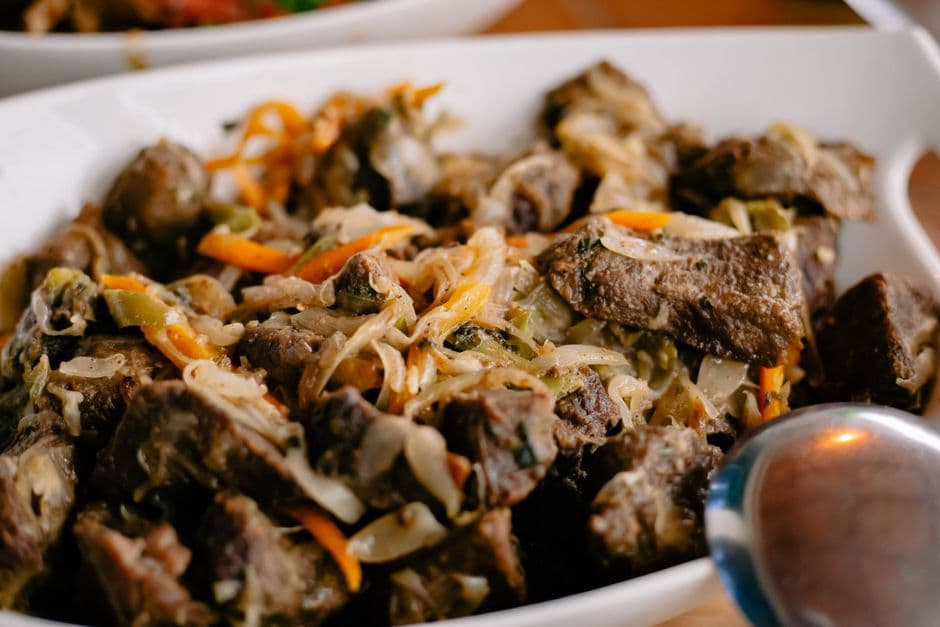
A robust Kazakh fry-up of liver, kidney, heart and lung with onion, peppers and potatoes — the nomadic hunter's feast traditionally made immediately after slaughter.
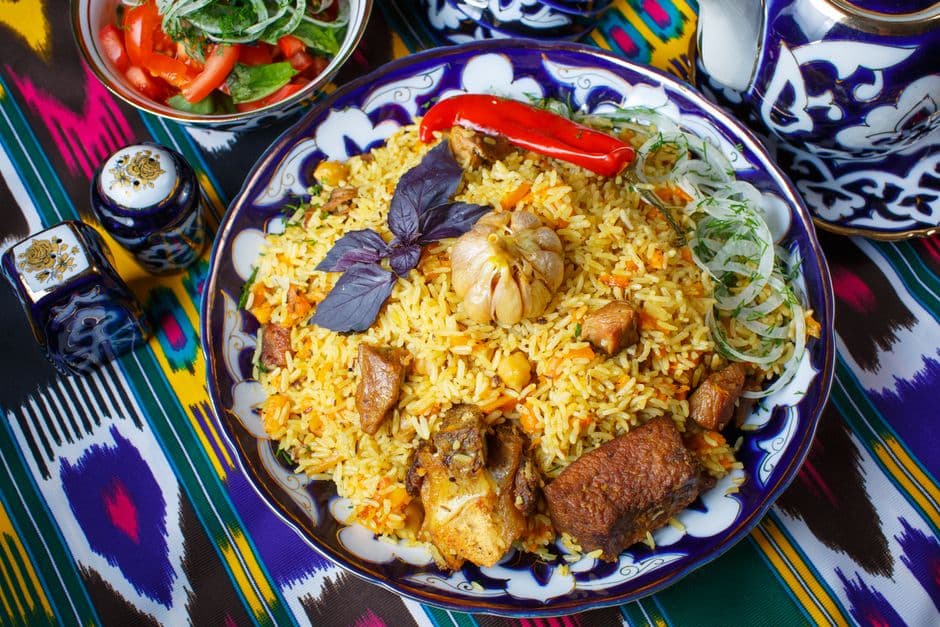
Pillowy, golden deep-fried leavened dough squares — the universal Kazakh celebration bread served with every meal, ceremony and gathering.

A hearty Kazakh variation of beet and lamb soup — warm, earthy, and nourishing, with a rich broth built from slow-simmered lamb bones and root vegetables.
Kazakhstan's traditional fried meat and offal dish — crispy bits of lamb, onion, and potato pan-fried in animal fat, hearty and satisfying nomadic campfire food.
Kazakhstani baked lamb pastries — flaky puff pastry triangles stuffed with spiced minced lamb and onion, baked in a clay oven (tandoor) until golden and sizzling.

A ceremonial Kazakh drink-soup for Nauryz (Persian New Year) — a unique preparation of seven ingredients including millet, meat, wheat, dried fruit, and fermented mare's milk.

Kazakhstan's ceremonial dish — tender lamb over wide homemade noodles with rich onion broth, eaten with your hands.

Soft, golden Kazakh fried dough balls — the essential bread of Central Asian celebrations.

Kazakh ritual broth served with dried sheep milk balls (qurt) — the essential first course of beshbarmak.

Kazakhstan's prized fermented and smoked horse meat sausage — the most traditional Kazakh cured meat.
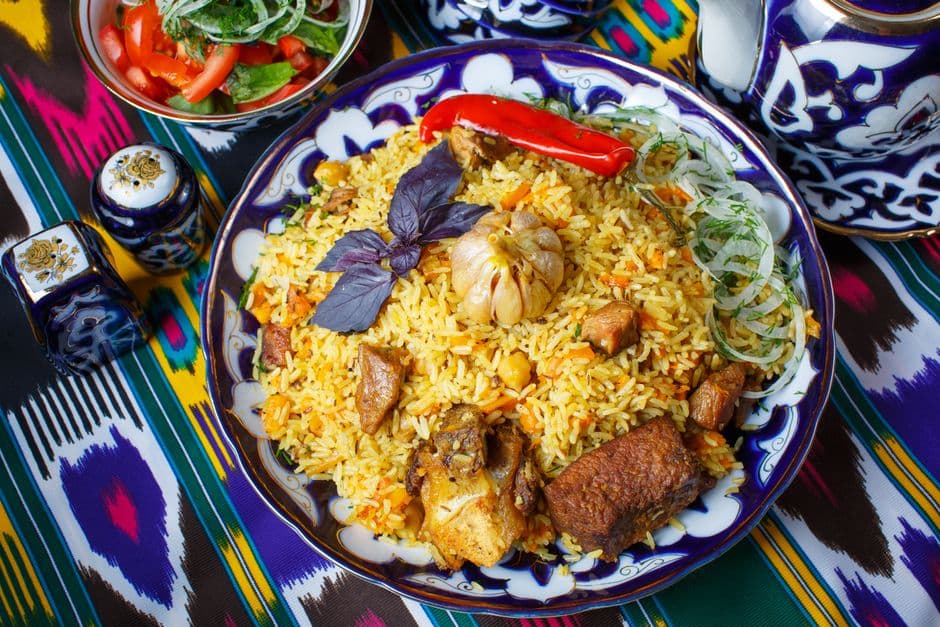
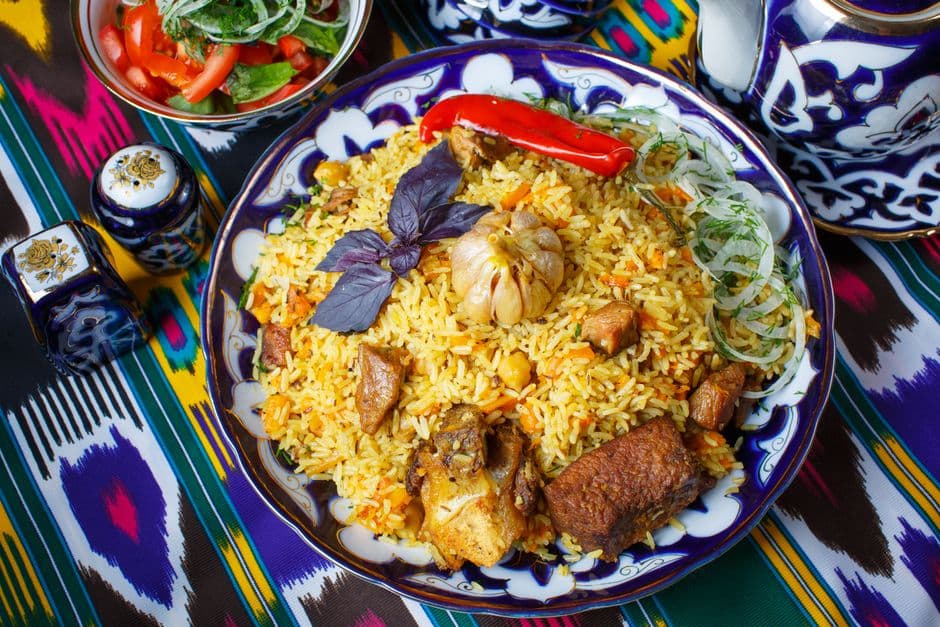
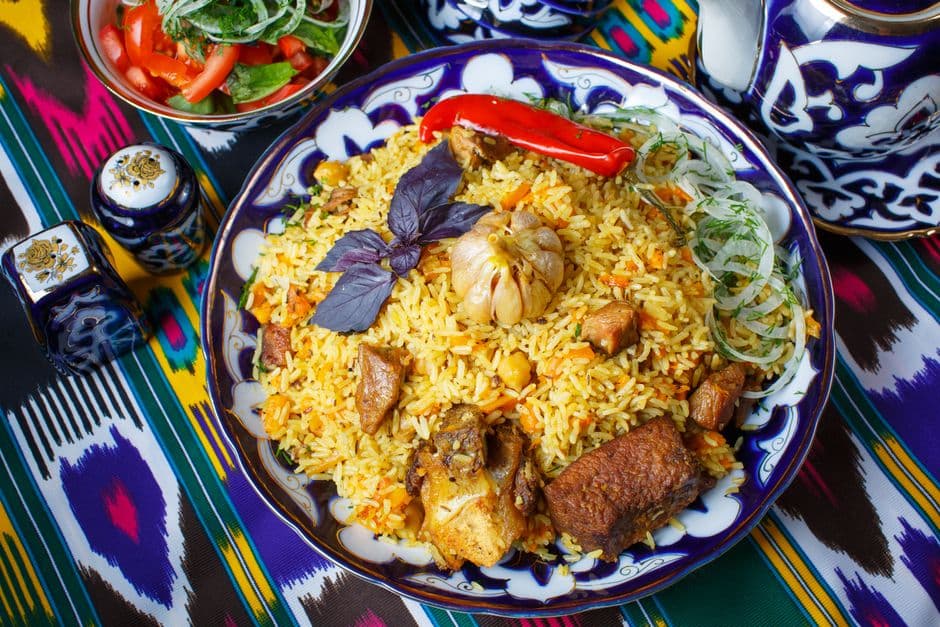
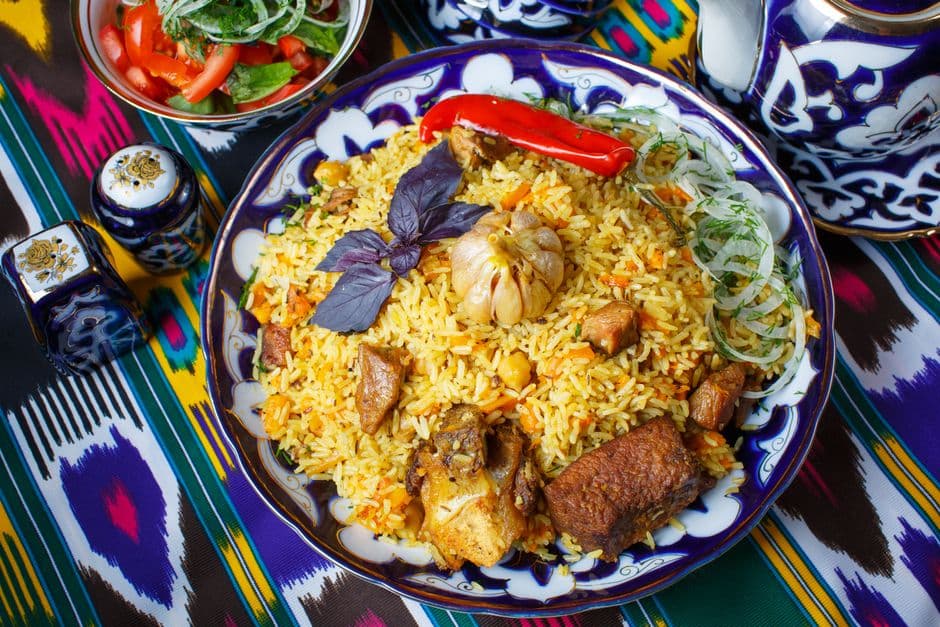
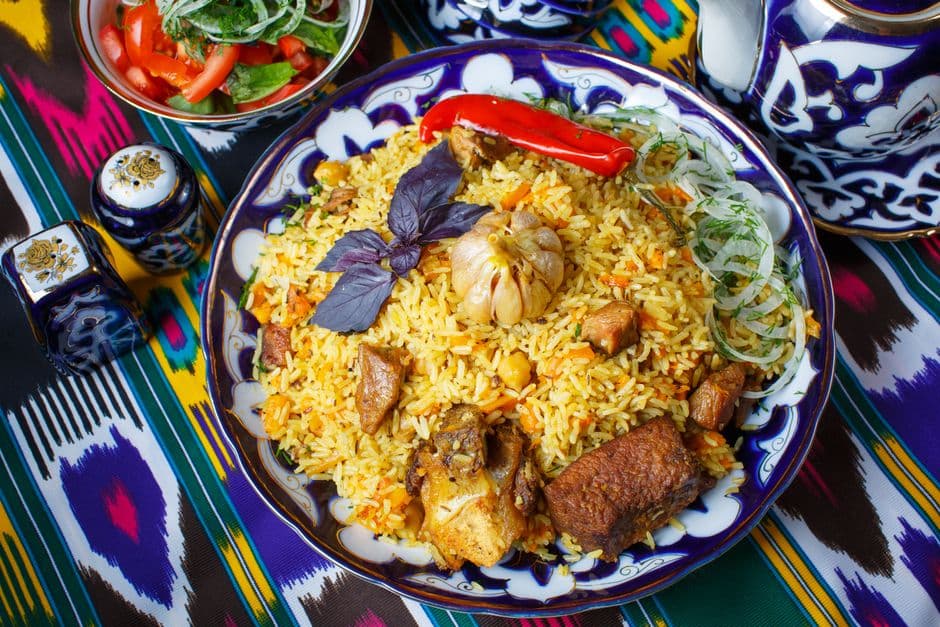
Kazakhstan's celebration rice pilaf with lamb, yellow carrots, and chickpeas — slow-cooked in the Fergana Valley tradition.
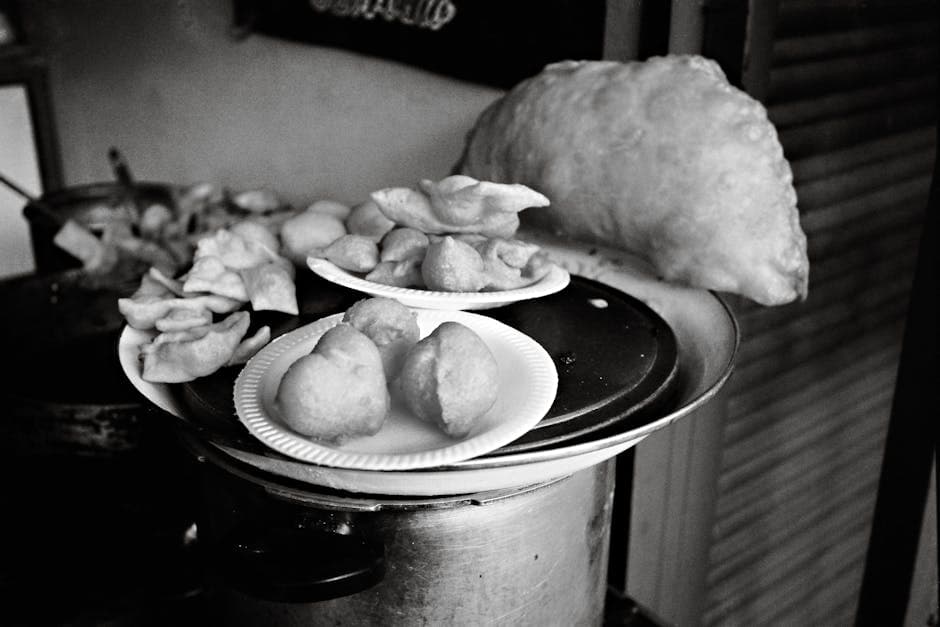
Kazakhstan's beloved fried dough puffs — pillowy, yeast-leavened squares of wheat dough deep-fried in oil until golden and airy inside. Served at every Kazakh celebration with honey, jam or sour cream.

Clear Kazakh broth from slow-simmered bone-in mutton — the fundamental soup of the steppe.

Kazakh fried offal — heart, liver and kidneys with onion and spices — a traditional nomadic celebration dish.
Stamped tandoor flatbread with a decorative pattern — the daily bread of Kazakhstan, baked in a clay oven.
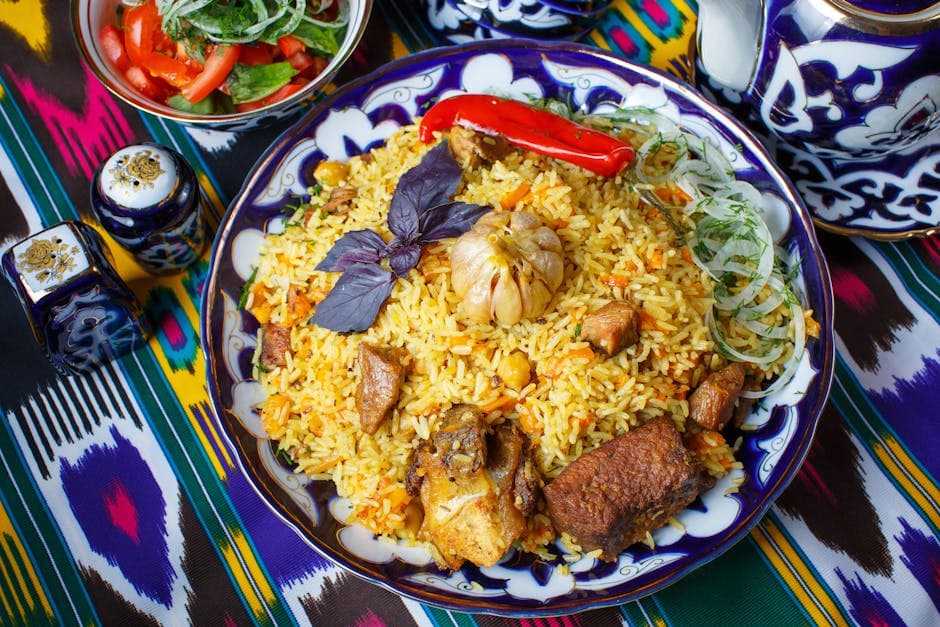
Kazakhstan's national dish — sheets of hand-rolled noodles bathed in lamb-and-horse-meat broth, eaten with the fingers.
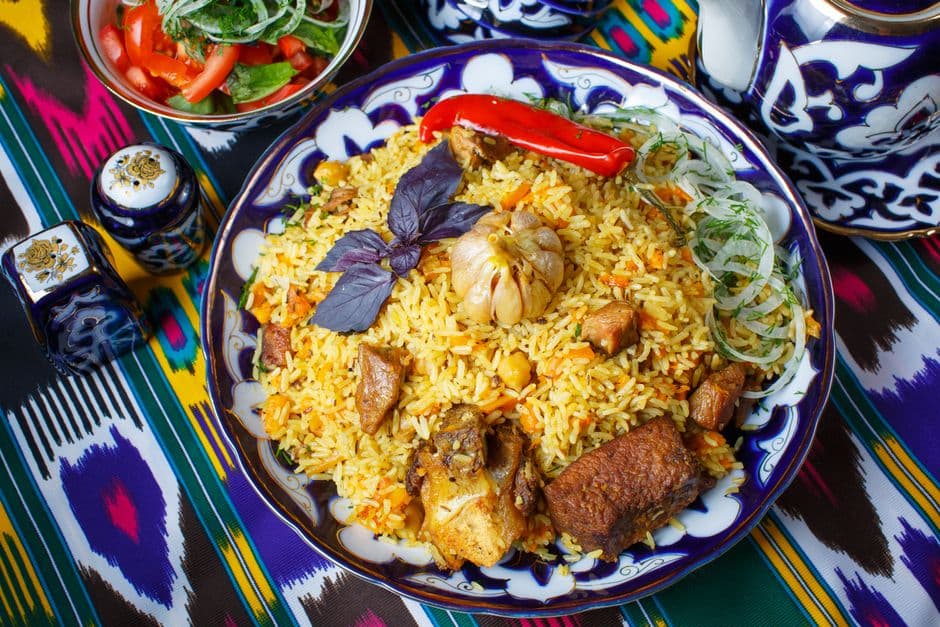
Large hand-rolled steamed dumplings filled with chopped lamb, onion and sweet pumpkin, glistening with melted tail fat and served with sour cream and chilli — the Sunday celebration of the Kazakh steppe.
Kazakh cuisine is the food of the steppe nomads: meat and milk, preserved to survive migration and winter. Horse and mutton dominate — beshbarmak, the national dish whose name means 'five fingers,' is boiled meat (often horse) served over wide hand-rolled noodles with onion broth (sorpa) poured over, eaten traditionally by hand from a shared platter. Kazy, horse-rib sausage cured and smoked, remains the most honored delicacy on any festive dastarkhan spread.
Dairy preservation reaches an art form: kumys (fermented mare's milk, lightly fizzy and sour), shubat (fermented camel's milk), and kurt, the rock-hard dried sour-milk balls carried by herders for centuries as portable protein. These ferments were nomadic survival technology — milk that would spoil in a day became drink and food that lasted months on horseback.
Settled life and Silk Road contact added baursak — puffed fried dough served at every celebration — plov and lagman from Uzbek and Uyghur neighbors, and Russian-era staples like black tea drunk milky and constant. Home cooking remains boil-and-broth centered: meat is simmered long, the sorpa is served as its own course, and guests are honored with specific cuts, the sheep's head historically presented to the most respected elder.
Beshbarmak
Boiled horse meat or mutton over hand-rolled noodle sheets with onion-rich sorpa broth — the national dish, shared from one platter.
Horse meat and kazy
Horse is the festive meat of Kazakh culture; kazy, smoked horse-rib sausage, headlines every celebration table.
Fermented milks
Kumys from mares and shubat from camels — sour, lightly effervescent drinks rooted in nomadic preservation.
Kurt
Dried balls of salted, strained sour milk; shelf-stable steppe protein eaten as a snack or dissolved into broth.
Baursak
Deep-fried puffed dough pieces, scattered across the dastarkhan at weddings, holidays, and any guest's arrival.
Sorpa and boiling
Long-simmered meat broth served as its own course; boiling, not roasting, is the foundational Kazakh technique.
Kazakh cuisine is known for beshbarmak — boiled meat over wide noodles with onion broth — and for its nomadic meat-and-dairy heritage: horse meat delicacies like kazy sausage, fermented mare's milk (kumys), camel's milk (shubat), dried kurt cheese balls, and fried baursak dough. Hospitality around the dastarkhan, the festive spread, is central to the food culture.
Yes — horse is the most prestigious meat in Kazakh culture, not a hardship food. Kazy (smoked horse-rib sausage), zhaya (cured hip), and horse-meat beshbarmak anchor weddings and holidays. The tradition comes from nomadic herding, where horses were wealth, transport, and food. The meat is lean and slightly sweet; outside Kazakhstan, beef or lamb is the usual substitute in recipes.
Beshbarmak means 'five fingers,' because it was traditionally eaten by hand. Meat — horse, mutton, or beef — is boiled for hours, then served over wide, flat hand-rolled noodles boiled in the same broth, topped with onions softened in stock. The sorpa broth is drunk alongside from bowls. It is a communal dish, served from one large platter at gatherings.
No, traditional Kazakh food is among the mildest in Asia. Seasoning relies on salt, black pepper, onion, and the natural flavor of long-boiled meat and broth; chili plays essentially no role in the classic repertoire. Heat appears only in borrowed dishes like Uyghur lagman, where a chili condiment is offered. Richness and saltiness, not spice, define the palate.
Beshbarmak with beef or lamb is approachable: simmer the meat with bay leaf and onion for two to three hours, roll a simple egg-noodle dough into wide sheets (lasagna sheets work in a pinch), boil them in the broth, and top with broth-softened onions. Baursak — yeasted fried dough puffs — is a fun, fast second project and needs only pantry staples.
Calculators and converters that pair with this page — no signup needed.