
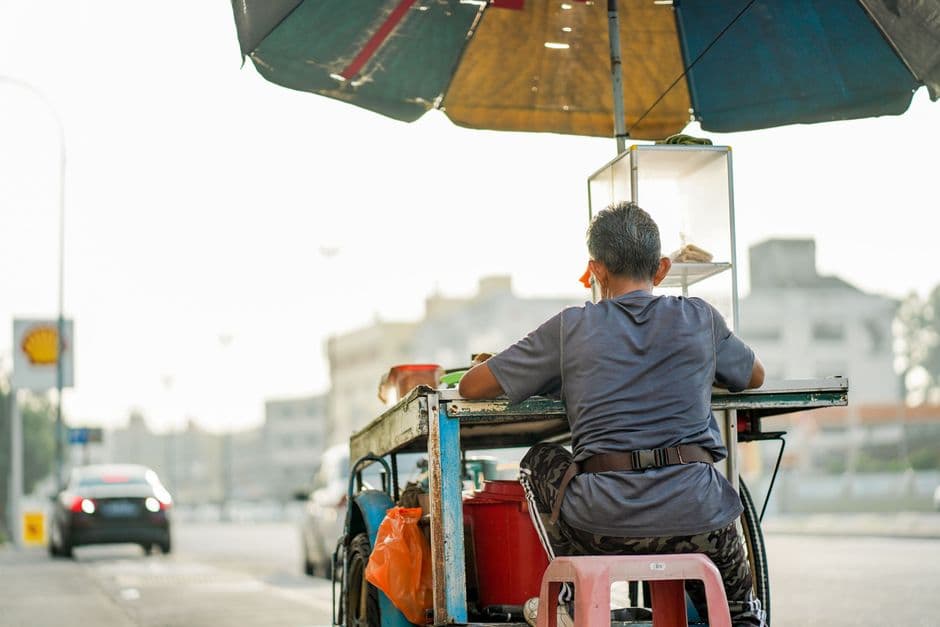
NewDinner
Char Kway Teow
Malaysia's iconic wok-fried flat rice noodle dish — charred with dark soy sauce, prawns, cockles, Chinese sausage and egg over screaming-hot heat.
35 min650 kcalMedium
★4.8(1,678)
Laksa, nasi lemak, char kway teow — a vibrant fusion of Malay, Chinese and Indian flavours.
More recipes built around the same core ingredients.
Track what you eat
Snap your meal to log calories and macros, run fasting timers and track water in the free SnapCal app.
Plan your meals, track fasting and build your grocery list — free
MyCookingCalendar's dashboard runs right in your browser, no download needed.
Malaysia's iconic wok-fried flat rice noodle dish — charred with dark soy sauce, prawns, cockles, Chinese sausage and egg over screaming-hot heat.
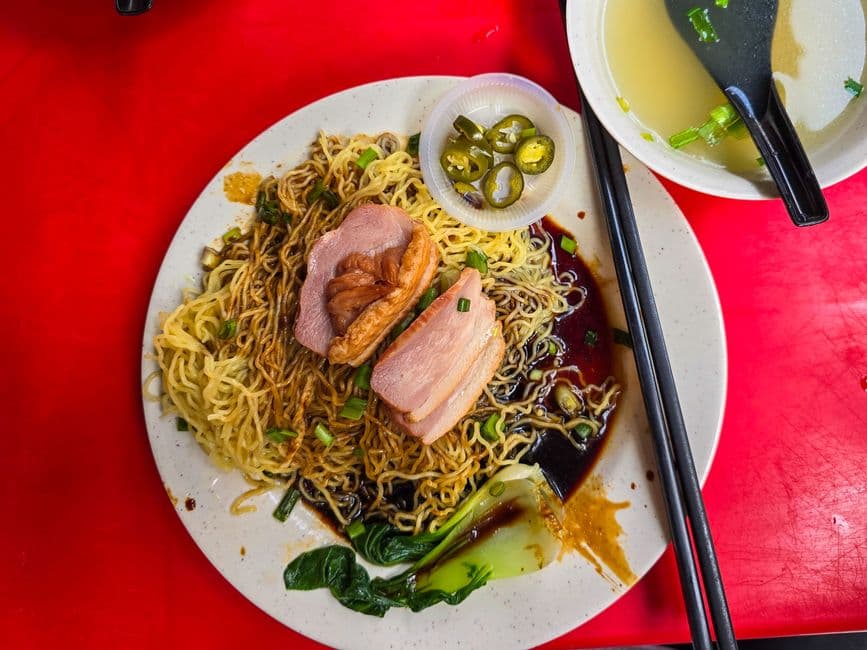
Springy egg noodles in a rich pork bone broth with delicate wontons, char siu pork and choy sum — the quintessential Malaysian hawker noodle bowl.
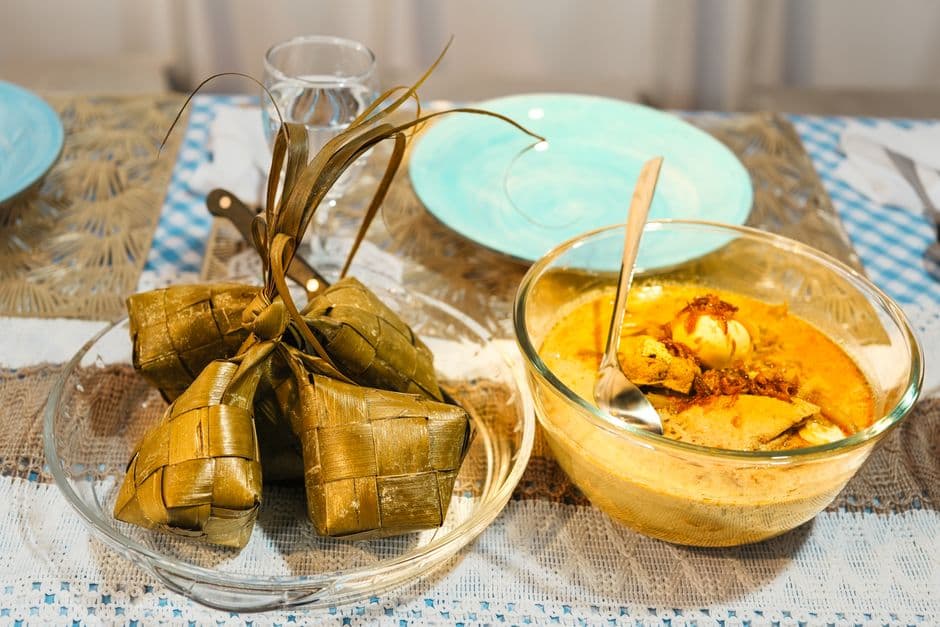
Chicken slow-cooked in a complex spice paste with coconut milk until the liquid evaporates and the meat is coated in deeply fragrant, caramelised spices — dry curry perfection.
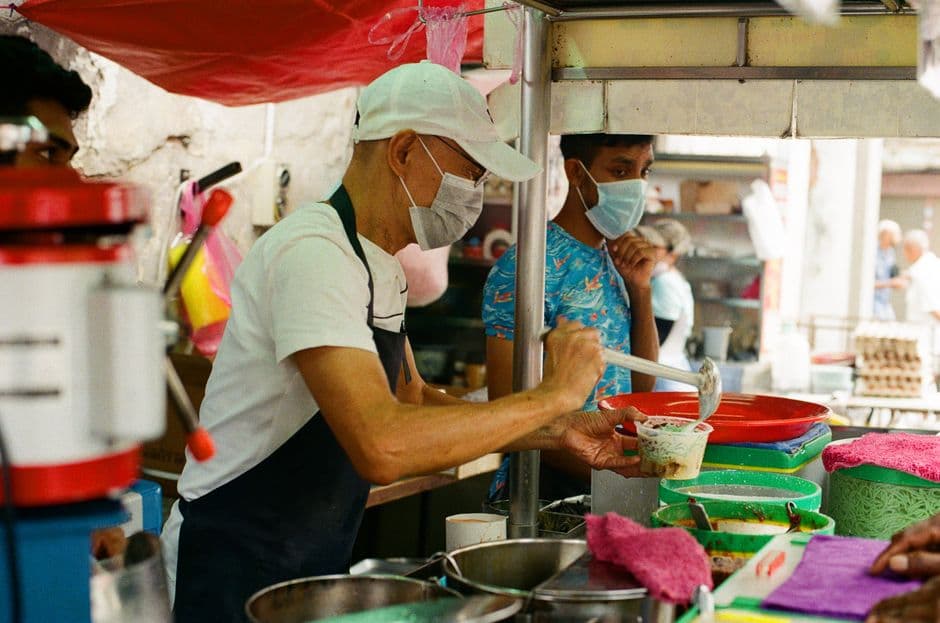
Tangy, pungent tamarind-soured fish broth with thick rice noodles, pineapple, herbs and shrimp paste — Penang's most iconic dish and one of the world's great noodle soups.

Flaky, layered Malaysian flatbread tossed until tissue-thin and cooked on a griddle until golden and crispy — the essential Malaysian breakfast with dhal curry.
Malaysia's most iconic noodle soup — a rich, spicy coconut broth with thick rice noodles, shrimp, tofu puffs, and a complex rempah spice paste, a meal of extraordinary depth.
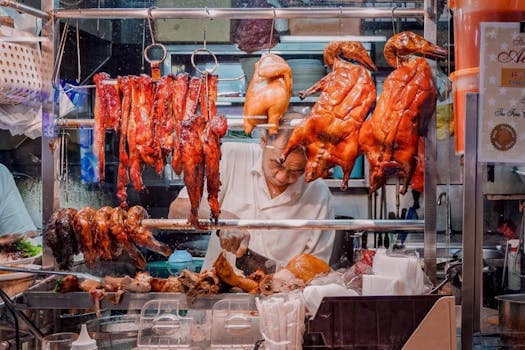
Sticky, caramelized Cantonese-Malaysian barbecue pork with a lacquered glaze of hoisin, honey, and five-spice.

Vibrant Indian-Muslim Malaysian stir-fried noodles with tofu, egg, and a tangy tomato-chili sauce.
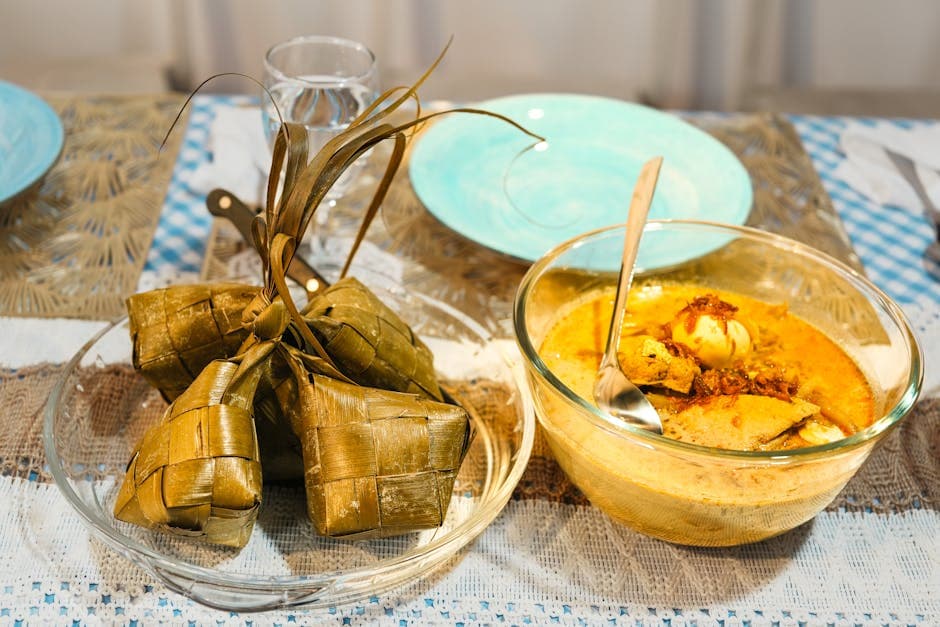
Rich, spicy coconut curry noodle soup with shrimp, tofu puffs, and bean sprouts — a Malaysian masterpiece.
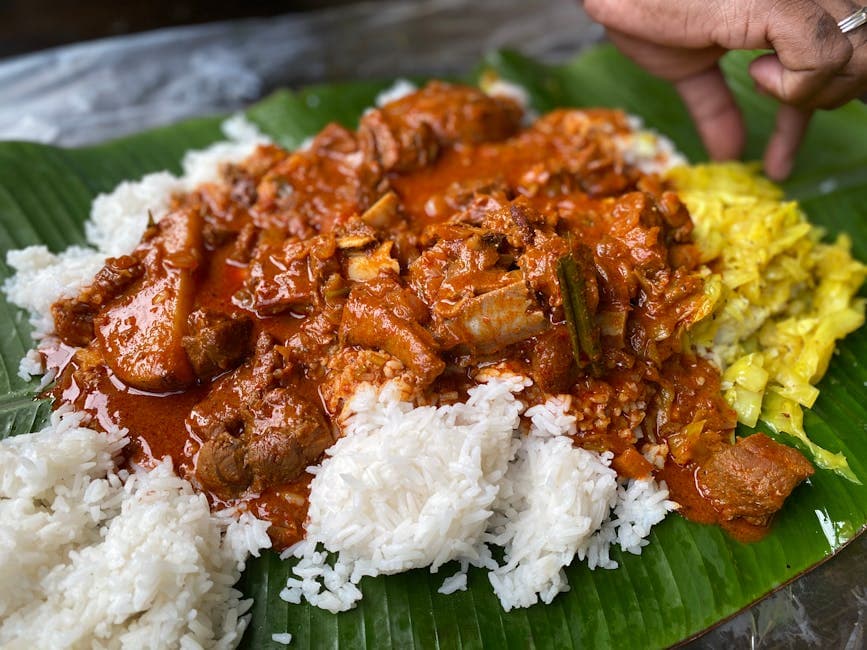
South Indian-Malaysian feast served on a banana leaf with rice, rasam, curries, and crispy papadum.

Thick, fluffy street pancake folded over a filling of butter, sugar, roasted peanuts, and corn — Malaysia's beloved snack.

Slow-cooked beef in a deeply spiced coconut paste until the sauce is completely absorbed and the meat is tender, dark and intensely flavoured.
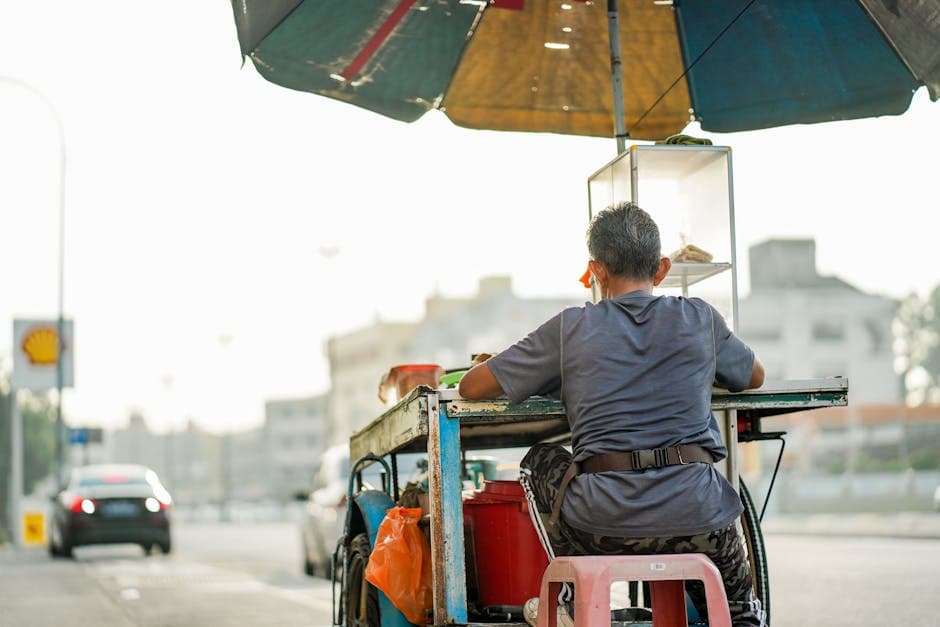
Penang's iconic stir-fried flat rice noodles with prawns, cockles, Chinese sausage and egg — cooked over ferocious heat for maximum wok hei.

Malaysia's beloved flaky flatbread — stretched and folded until paper-thin, then pan-fried in ghee and served with golden lentil dhal.
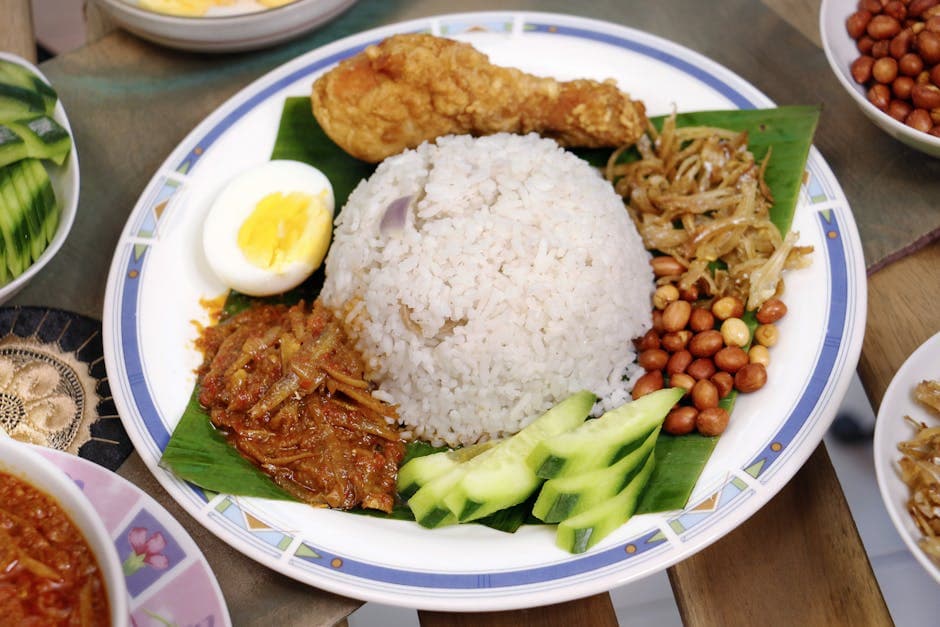
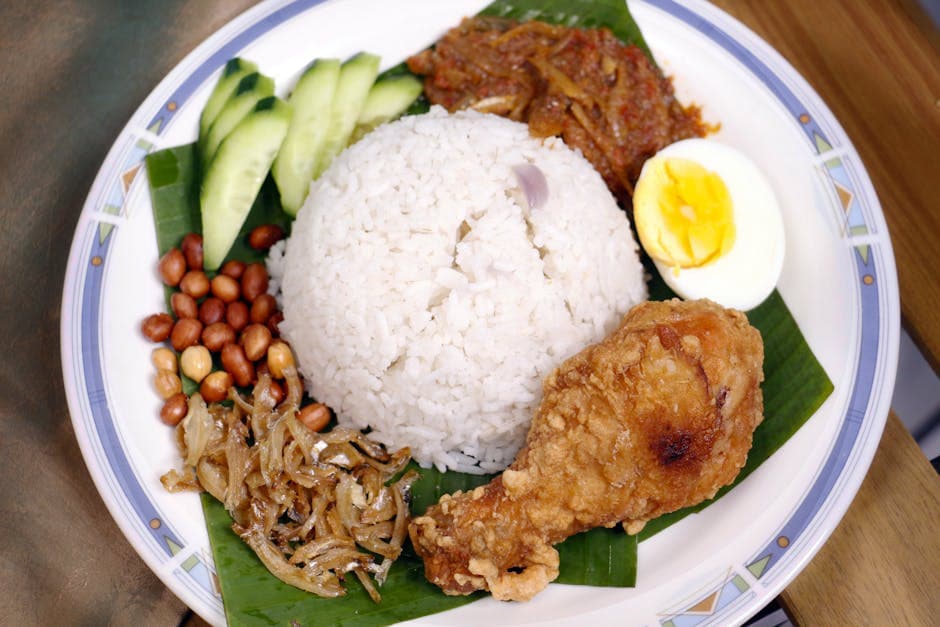
Malaysia's national dish — coconut rice with crispy fried chicken, sambal, cucumber, fried anchovies and boiled egg.
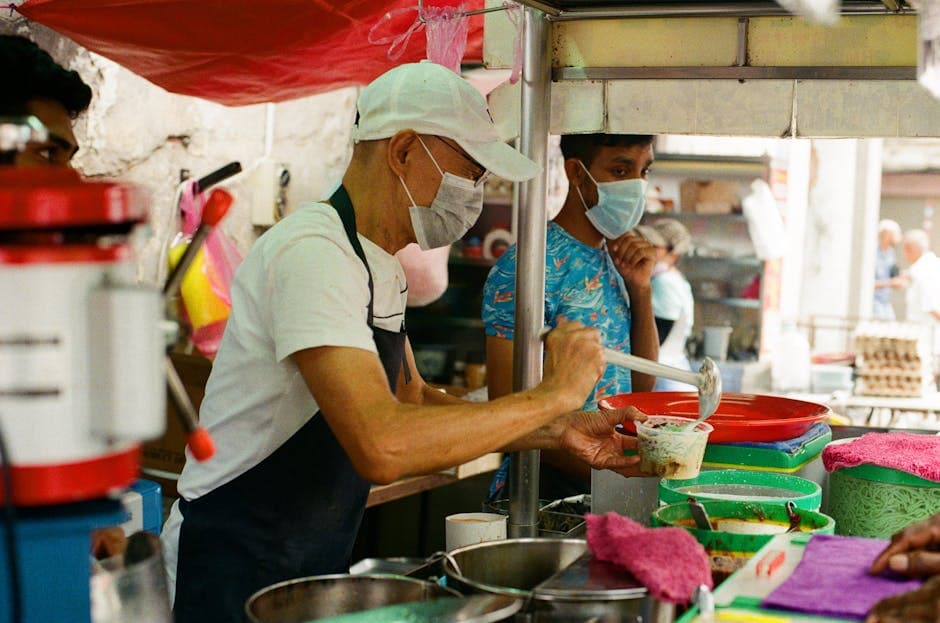
Penang's iconic sour fish laksa — a tamarind-based rice noodle soup with flaked mackerel and fresh herbs.

Malaysian slow-cooked dry beef rendang with lemongrass, galangal and coconut — one of the great dishes of Southeast Asia.
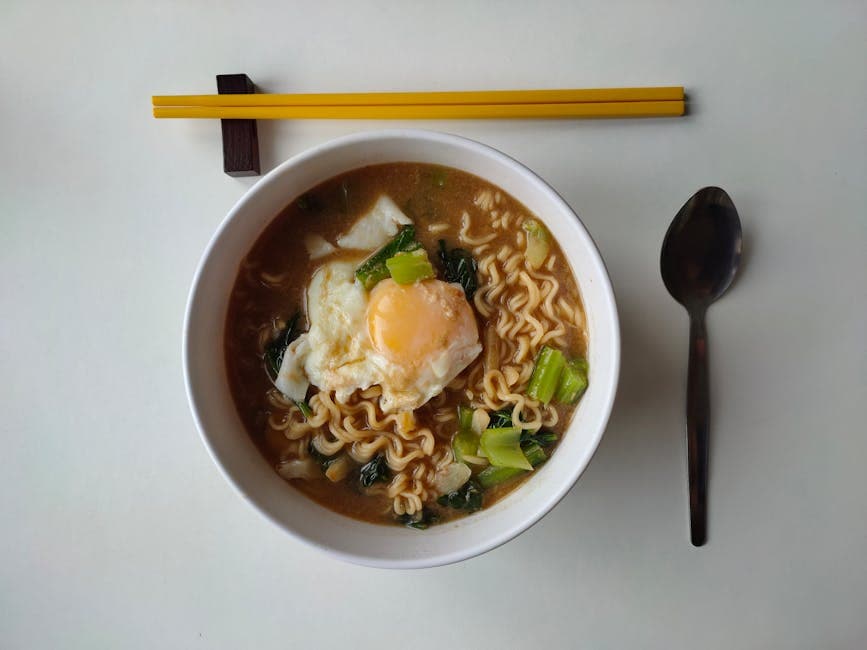
Light, stir-fried egg noodles with minced pork, mushrooms, and a subtle soy-oyster sauce from Sabah state.
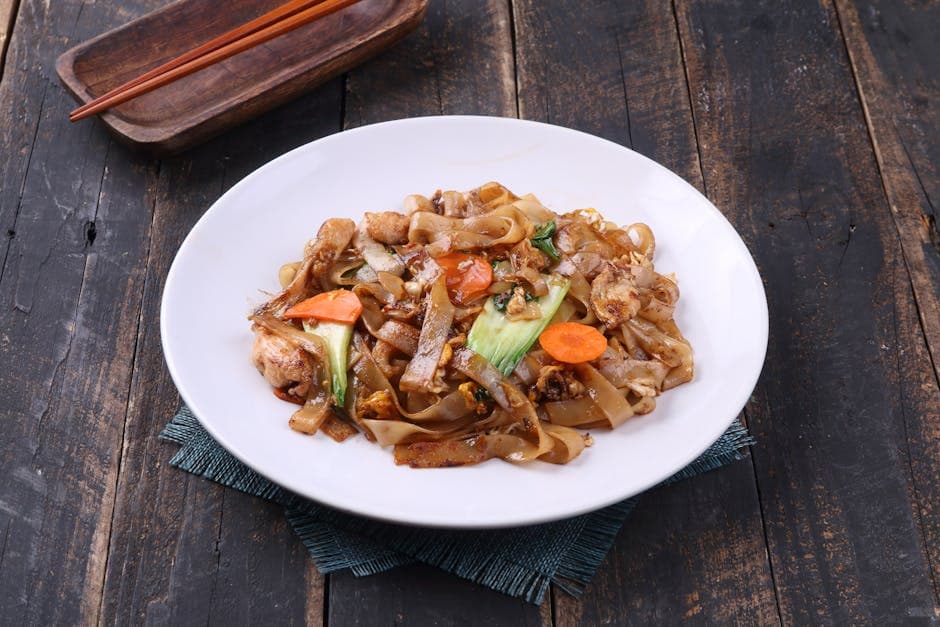
Iconic Penang stir-fried flat rice noodles with shrimp, bean sprouts, and egg in a savory soy sauce.

Rich, complex beef rendang with coconut paste, spices, and lemongrass from Terengganu state.

Creamy, chicken-based noodle soup from Ipoh with smooth rice noodles and poached chicken.
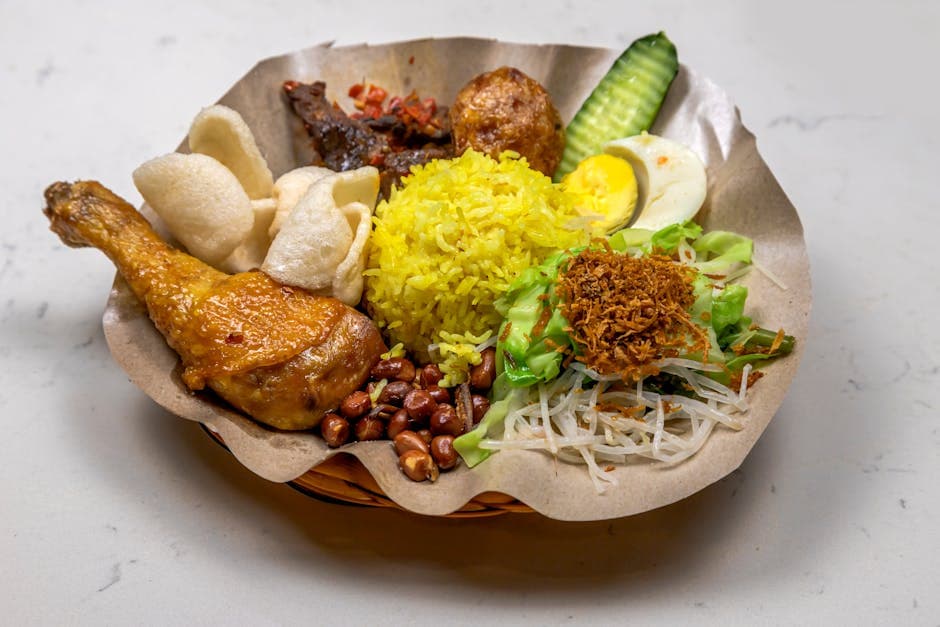
Fragrant turmeric-infused rice with coconut milk from Perak state, served with sambal and curry.
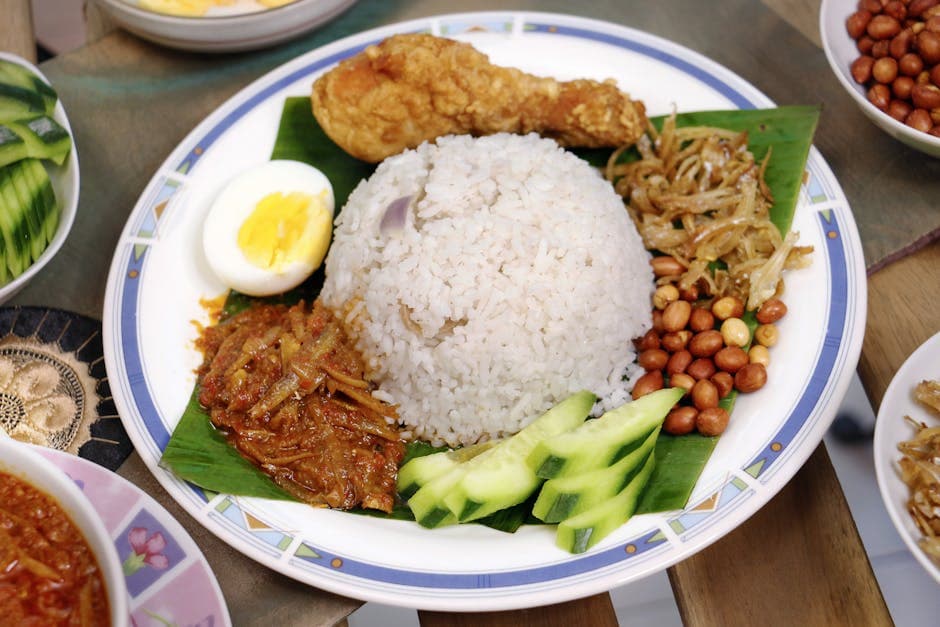
Malaysia's beloved national dish — fragrant pandan-scented coconut rice served with fiery sambal, crispy anchovies, peanuts, cucumber and egg.
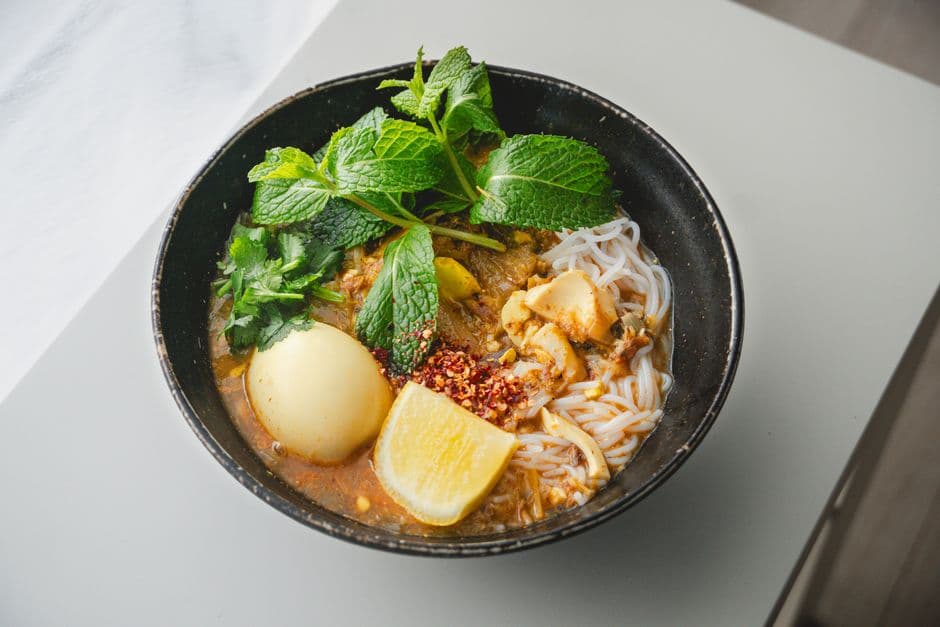
Borneo's most famous noodle soup — rice vermicelli in a fragrant coconut-tamarind broth topped with chicken, prawns, omelette ribbons and bean sprouts.
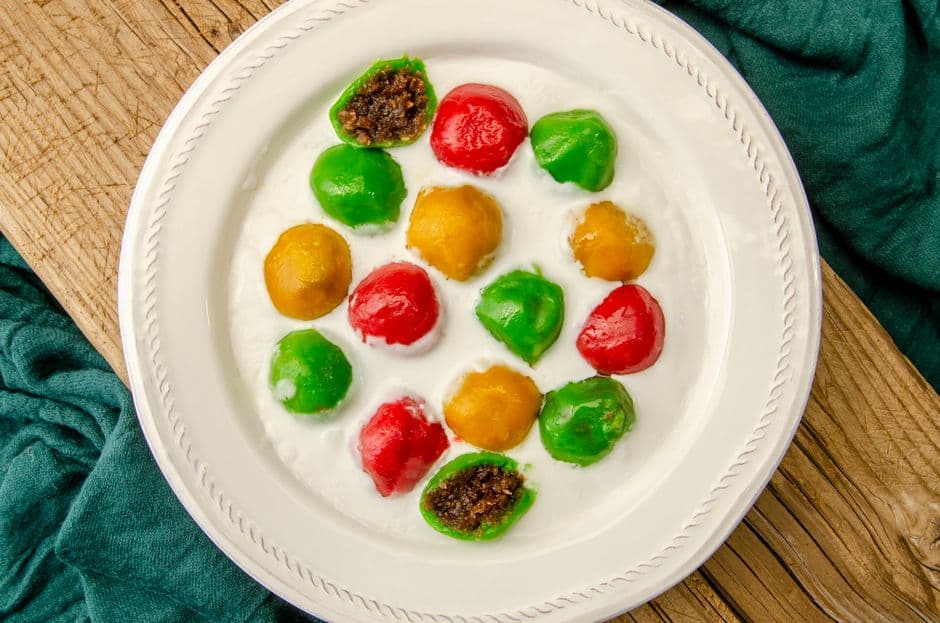
Malaysia's iconic hawker dessert — green pandan rice jelly worms over shaved ice, drowned in coconut milk and dark palm sugar syrup.
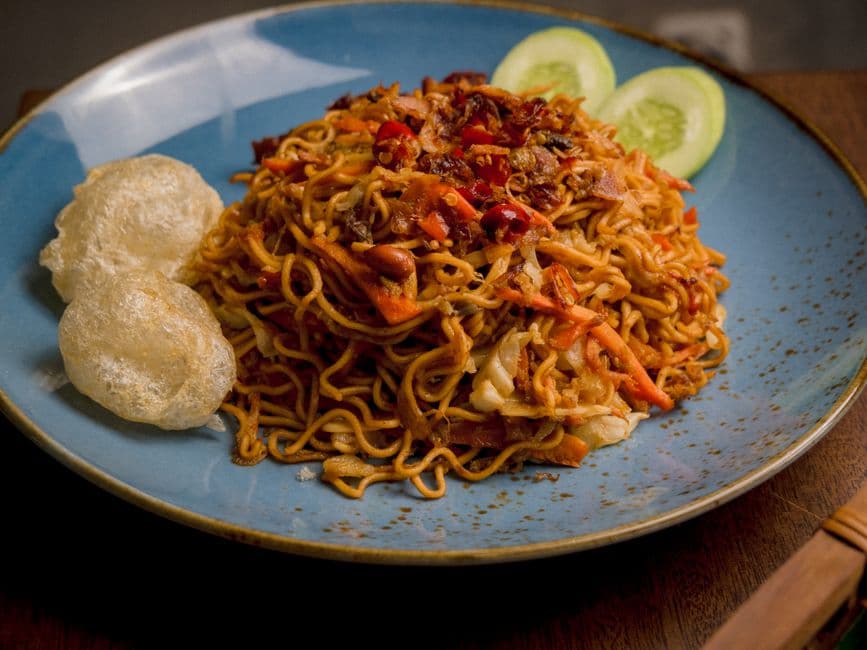
Malaysian street food made from instant noodles stir-fried with vegetables, eggs, and seafood.
Malaysian spicy coconut noodle soup with shrimp, chicken, and tofu puffs — fragrant, fiery, soul-satisfying.

Malaysia's most iconic noodle soup: thick rice noodles in a rich, spicy coconut broth fragrant with lemongrass, galangal, and shrimp.

Malaysia's national drink: strong black tea mixed with sweetened condensed milk, poured dramatically between vessels to create a thick, frothy crown.

The crown jewel of Peranakan cooking: chicken braised with inky keluak nuts in a complex rempah of galangal, candlenuts, and dried chilies.

Jewel-toned steamed layer cake of rice flour and coconut milk — a Malaysian festive sweet that tests patience and rewards it beautifully.

Shaved ice dessert with rice flour pandan noodles, coconut milk, and gula melaka palm sugar — Malaysia's most refreshing sweet.

A master recipe for three classic Malaysian market sweets — pandan coconut rice balls, red turtle cakes, and steamed sticky rice with coconut topping.

Malaysian yellow noodles in a thick, sweet-savory sweet potato gravy with curry spices — topped with fried tofu, egg, and sambal.

Penang Lemon Herb Grain Bowl turns malaysian pantry flavors into a complete grain bowl with salmon, lemongrass, coconut milk, tamarind and chile paste, and a fresh cilantro finish.

Kuala Lumpur Smoky Tomato Soup turns malaysian pantry flavors into a complete soup with white fish, lemongrass, coconut milk, tamarind and chile paste, and a fresh cilantro finish.

Malacca Sesame Lime Stew turns malaysian pantry flavors into a complete stew with chicken legs, lemongrass, coconut milk, tamarind and chile paste, and a fresh cilantro finish.

Sabah Charred Pepper Noodles turns malaysian pantry flavors into a complete noodle dish with wheat noodles, lemongrass, coconut milk, tamarind and chile paste, and a fresh cilantro finish.

Sarawak Green Herb Salad turns malaysian pantry flavors into a complete salad with grilled chicken, lemongrass, coconut milk, tamarind and chile paste, and a fresh cilantro finish.

Ipoh Lemon Herb Flatbread turns malaysian pantry flavors into a complete flatbread with flatbread dough, lemongrass, coconut milk, tamarind and chile paste, and a fresh cilantro finish.

Kelantan Smoky Tomato Traybake turns malaysian pantry flavors into a complete traybake with sweet potatoes, lemongrass, coconut milk, tamarind and chile paste, and a fresh cilantro finish.

Johor Sesame Lime Fritters turns malaysian pantry flavors into a complete fritters with salted fish, lemongrass, coconut milk, tamarind and chile paste, and a fresh cilantro finish.

Langkawi Charred Pepper Breakfast Plate turns malaysian pantry flavors into a complete breakfast plate with yogurt, lemongrass, coconut milk, tamarind and chile paste, and a fresh cilantro finish.

Terengganu Green Herb Dessert turns malaysian pantry flavors into a complete dessert with coconut, lemongrass, coconut milk, tamarind and chile paste, and a fresh cilantro finish.
Malaysian Market Lemon Herb Rice Bowl brings malaysian flavor to a practical rice bowl built with chicken thighs, lemongrass, coconut milk, tamarind and chile paste, and a fresh cilantro finish.
Malaysian Village Smoky Tomato Soup brings malaysian flavor to a practical soup built with mushrooms, lemongrass, coconut milk, tamarind and chile paste, and a fresh cilantro finish.
Malaysian Garden Sesame Lime Skillet brings malaysian flavor to a practical skillet dinner built with cauliflower, lemongrass, coconut milk, tamarind and chile paste, and a fresh cilantro finish.
Malaysian Harbor Charred Pepper Noodles brings malaysian flavor to a practical noodle dish built with rice noodles, lemongrass, coconut milk, tamarind and chile paste, and a fresh cilantro finish.
Malaysian Mountain Green Herb Salad brings malaysian flavor to a practical salad built with grilled chicken, lemongrass, coconut milk, tamarind and chile paste, and a fresh cilantro finish.
Malaysian Festival Lemon Herb Flatbread brings malaysian flavor to a practical flatbread built with flatbread dough, lemongrass, coconut milk, tamarind and chile paste, and a fresh cilantro finish.
Malaysian Homestyle Smoky Tomato Traybake brings malaysian flavor to a practical traybake built with sweet potatoes, lemongrass, coconut milk, tamarind and chile paste, and a fresh cilantro finish.
Malaysian Street Sesame Lime Fritters brings malaysian flavor to a practical fritters built with salted fish, lemongrass, coconut milk, tamarind and chile paste, and a fresh cilantro finish.
Malaysian Golden Charred Pepper Breakfast Plate brings malaysian flavor to a practical breakfast plate built with beans, lemongrass, coconut milk, tamarind and chile paste, and a fresh cilantro finish.
Malaysian Weeknight Green Herb Dessert brings malaysian flavor to a practical dessert built with coconut, lemongrass, coconut milk, tamarind and chile paste, and a fresh cilantro finish.
Pork ribs simmered for hours in a deeply herbal broth of star anise, cinnamon and dang gui, a beloved Malaysian-Chinese soup.
Chicken simmered slowly in a spiced coconut milk sauce until thick and deeply caramelized, a faster cousin to beef rendang.
Shredded unripe mango tossed with dried shrimp, chile and lime, a tangy, sweet-spicy Malaysian salad bursting with fresh flavor.
Chicken grilled with a sweet, spicy coconut milk basting sauce, a specialty of Malaysia's east coast states.
Crispy fried fritters of bean sprouts and shrimp in a light turmeric batter, a beloved Malaysian tea-time snack.
Flaky, laminated flatbread served with a mild lentil curry, a beloved Malaysian-Indian breakfast found at mamak stalls nationwide.
Green pandan jelly noodles served in coconut milk with palm sugar syrup and shaved ice, a refreshing Malaysian iced dessert.
Chicken simmered in a fragrant coconut milk curry with potato, a comforting Malaysian curry served with rice or roti.
Grilled turmeric-marinated chicken skewers rolled in flatbread with cucumber and peanut sauce, a wrap take on Malaysian satay.
Skewered turmeric-marinated meat grilled over charcoal, served with rich peanut sauce, cucumber and compressed rice, a Malaysian icon.
Fried tofu and vegetables stuffed with a seasoned fish paste, simmered in a light broth, a Malaysian-Chinese Hakka specialty.
A mix of fruit and vegetables tossed in a pungent, sweet-spicy shrimp paste dressing with crushed peanuts, a distinctly Malaysian salad.
Fish simmered in a tangy, spicy tamarind broth with okra and eggplant, a bold Malaysian coastal favorite from Malacca and Penang.
Fried eggplant simmered in a fiery, tamarind-tinged chile sambal, a beloved Malaysian starter that balances heat with tang.
Silky steamed rice flour rolls served with sweet dark soy sauce and chile, a beloved Malaysian-Chinese breakfast and snack.
Flaky, curried potato-filled pastries, fried or baked until golden, a beloved Malaysian snack found at hawker stalls and bakeries alike.
A fragrant Malaysian chicken curry simmered in coconut milk, finished with a bright lemon-pepper edge.
Malaysian black pepper beef stuffed into toasted roti for a spicy, peppery handheld meal.
Bouncy Malaysian-style beef meatballs simmered in broth, finished with a fragrant herb butter drizzle.
A fragrant Malaysian-Indian lentil curry brightened with a touch of saffron and fresh herbs.
A fluffy Malaysian fried omelet packed with deeply browned garlic and scallions.
Silky Malaysian chicken rice porridge topped with fresh mint, crispy shallots, and shredded chicken.
Malaysian grilled fish marinated in a fragrant spice paste, finished with a bright lemon-pepper crust.
Flaky Malaysian curry puffs filled with spiced potato and deeply caramelized onion.
A vibrant Malaysian herb salad with shredded vegetables, toasted coconut, and a spicy-tangy dressing.
Small, golden Malaysian rice flour cakes with a savory black pepper twist on the classic sweet snack.
Malaysian-style wonton soup in a broth balanced with sweetness and chili heat.
Malaysian coconut-chili marinated roast chicken finished with a fragrant herb butter baste.
A fragrant Malaysian coconut vegetable curry brightened with saffron and a finish of fresh herbs.
Dense, custardy Malaysian baked cassava cake drizzled with a savory-sweet browned garlic caramel.
Smoky, spicy village-style fried rice with sambal, tomato and a crispy fried egg on top.
Flaky, layered flatbread pan-fried until crisp, served with a cooling mint yogurt dip.
Fragrant rice tossed with a dozen fresh herbs, toasted coconut and sambal, a traditional Malay herb rice.
Fish simmered in a rich, spiced tomato-curry sauce, served over rice, inspired by Malaysian curry fish head.
A golden, coconut-enriched lentil dhal spiced with curry leaves and mustard seeds, cooled with mint yogurt.
Bell peppers stuffed with spicy sambal fried rice and fresh basil, baked until tender.
A baked chicken casserole simmered in a spiced coconut rendang paste with tomato, low and slow until tender.
A juicy chicken burger seasoned with satay spices, topped with a cooling mint yogurt sauce.
Chewy sago pearls in coconut cream, drizzled with dark palm sugar syrup, a beloved Malaysian dessert.
A fragrant, coconut-rich chicken curry with curry leaves and lemongrass, a Nyonya holiday classic.
Malaysian cuisine is a three-way conversation among Malay, Chinese, and Indian kitchens, conducted over centuries of trade through the Strait of Malacca. Malay cooking contributes coconut-milk curries, sambal chili pastes, and grilled fish in banana leaves; Chinese settlers brought wok technique, noodles, and char siu; Tamil Muslim (mamak) cooks created the 24-hour stalls serving roti canai and teh tarik. Peranakan (Nyonya) cuisine — born of Chinese-Malay intermarriage in Malacca and Penang — fused all of it into laksas and rich kapitan curries.
Regional identity runs deep. Penang is famous for assam laksa, a tamarind-sour mackerel noodle soup, and char kway teow seared over high charcoal heat. The east coast states of Kelantan and Terengganu cook sweeter, bluer food — literally, in the case of nasi kerabu, rice tinted with butterfly pea flowers. Sarawak laksa on Borneo uses a sambal-and-coconut broth distinct from anything on the peninsula. Nasi lemak, coconut rice with sambal, fried anchovies, peanuts, and egg, unites the whole country at breakfast.
Home cooking starts with rempah — a pounded paste of shallots, garlic, chilies, lemongrass, galangal, and turmeric — fried slowly in oil until it splits and smells toasted (the tumis stage) before liquid goes in. Belacan, fermented shrimp paste, gives sambals their savory depth. Most households keep a wok, a granite pestle and mortar, and a rice cooker working in parallel, and eating out at hawker stalls is as routine as cooking in.
Rempah & Tumis
Pounded spice pastes of shallots, chilies, lemongrass, and galangal, fried until the oil separates — the foundational technique of Malay curries.
Sambal & Belacan
Chili pastes built on toasted fermented shrimp paste season everything from nasi lemak to stir-fried water spinach (kangkung belacan).
Nasi Lemak
Coconut-and-pandan rice with sambal, fried anchovies, roasted peanuts, cucumber, and boiled egg — Malaysia's national breakfast.
The Laksa Family
Regional noodle soups ranging from Penang's tamarind-sour assam laksa to coconut-rich curry laksa and Sarawak's own hybrid.
Mamak & Hawker Culture
Indian-Muslim stalls serve roti canai, mee goreng, and pulled teh tarik around the clock, anchoring Malaysian social life.
Coconut Milk & Pandan
Santan enriches rendang and curries while pandan leaves perfume rice and desserts like kuih and cendol.
Malaysia is known for nasi lemak, beef rendang, satay with peanut sauce, char kway teow, roti canai, and a whole family of laksa noodle soups. Its signature is fusion by history: Malay coconut-and-chili cooking, Chinese wok dishes, and Indian breads and curries coexist on every street, with hawker centers and mamak stalls serving them side by side.
The two share Malay roots — rendang, satay, and sambal exist in both — but Malaysian food shows heavier Chinese and South Indian influence, producing dishes like char kway teow, Hokkien mee, and roti canai that have no Indonesian equivalent. Indonesian cooking uses sweet soy sauce (kecap manis) far more, while Malaysian sambals lean on belacan shrimp paste and tamarind sourness.
It is moderately to genuinely spicy, but rarely punishing. Sambal supplies most of the heat and is often served on the side, so you control the dose. Dishes like assam laksa and ayam masak merah carry real chili warmth, while rendang, satay, roti canai, and Hainanese chicken rice are mild. Coconut milk tempers heat throughout the cuisine.
Nasi lemak is the best entry point: the coconut rice is just rice cooked in coconut milk with pandan and salt, and the sambal is a blended chili-shallot paste fried until darkened. Chicken curry with a store-bought or simple homemade rempah is a good second. Rendang rewards practice but demands two to three hours of slow reduction.
Stock belacan (fermented shrimp paste), dried chilies, coconut milk, tamarind pulp, palm sugar (gula melaka), lemongrass, galangal, turmeric, candlenuts or macadamias, and kecap manis. Fresh shallots, garlic, ginger, and pandan leaves complete the rempah toolkit. Jasmine rice, rice vermicelli, and fresh yellow noodles cover the carbohydrate base for most classic dishes.
Calculators and converters that pair with this page — no signup needed.