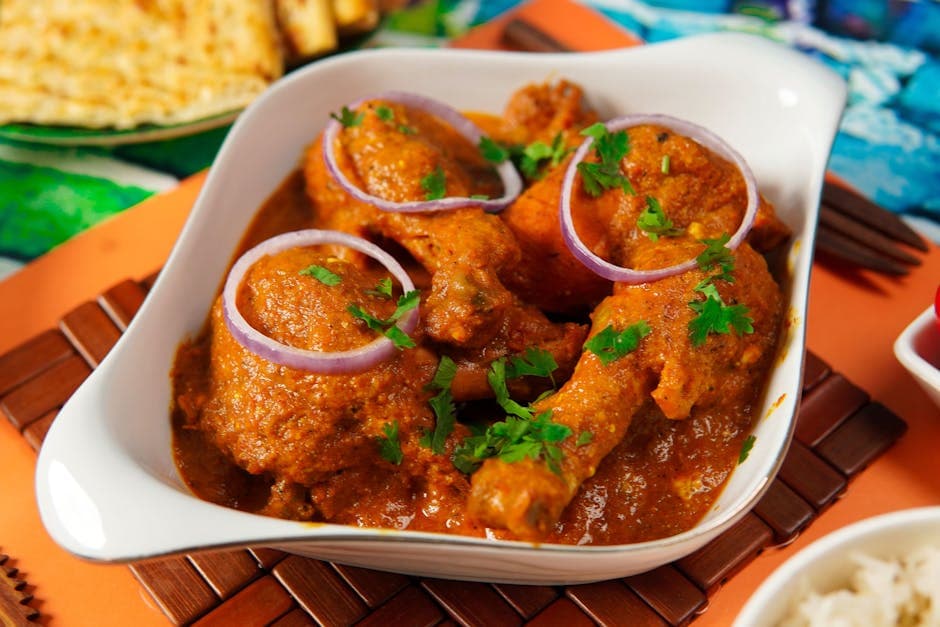
Nihari (Pakistani Slow-Cooked Beef Shank Stew)
Pakistan's most celebrated slow stew — beef shank braised overnight until the collagen melts into a thick, deeply spiced gravy. Lahore's Sunday morning institution.
Biryani, nihari, haleem, karahi — bold-spiced cuisine from the Indus plains and the Mughal kitchens.
Pakistani cuisine is meat-forward Mughal and regional cooking: nihari (beef shank stewed overnight with wheat-thickened gravy and bone marrow), haleem (wheat, lentils, and meat pounded to a velvet porridge), and karahi — chicken or mutton cooked fast in a wok-like karahi with tomatoes, ginger, and green chili, famously without onions in the Peshawar style. Lahore, Karachi, and Peshawar each defend distinct food identities, from Lahori spice abundance to Peshawar's restraint of salt, tomato, and animal fat.
Bread defines the table more than rice: tandoor naan, whole-wheat roti, layered flaky paratha, and Kashmiri-influenced sheermal. Where rice rules, it rules absolutely — Sindhi and Karachi-style biryani, layered with potatoes and aloo bukhara (dried plums), is hotter and tangier than most Indian versions, and pulao traditions like Kabuli-influenced Peshawari yakhni pulao cook rice directly in bone stock.
Home cooking revolves around the bhunai technique — frying onion, ginger, garlic, and tomato masala until the oil separates — which underpins nearly every salan (curry). Breakfast culture is its own institution: halwa puri on weekends, paya (trotter stew) and nihari after dawn. Yogurt, fresh coriander, mint chutney, and chaat masala balance the richness, and Kashmiri chai or doodh patti closes the meal.
Karahi
Meat flash-cooked in a steel wok with tomatoes, ginger, and green chilies; Peshawari versions famously omit onions entirely.
Slow stews: nihari and haleem
Overnight-cooked beef shank gravy and pounded wheat-lentil-meat porridge — Pakistan's monumental slow-food traditions.
Bhunai masala technique
Frying onion-ginger-garlic-tomato paste until oil separates is the foundational step of nearly every Pakistani curry (salan).
Tandoor breads
Naan, roti, sheermal, and flaky paratha anchor the meal; bread, more than rice, is the daily staple across Punjab and KPK.
Biryani and pulao
Karachi's spicy, plum-tangy biryani and Peshawar's stock-cooked yakhni pulao represent two rival rice philosophies.
Kebabs and BBQ
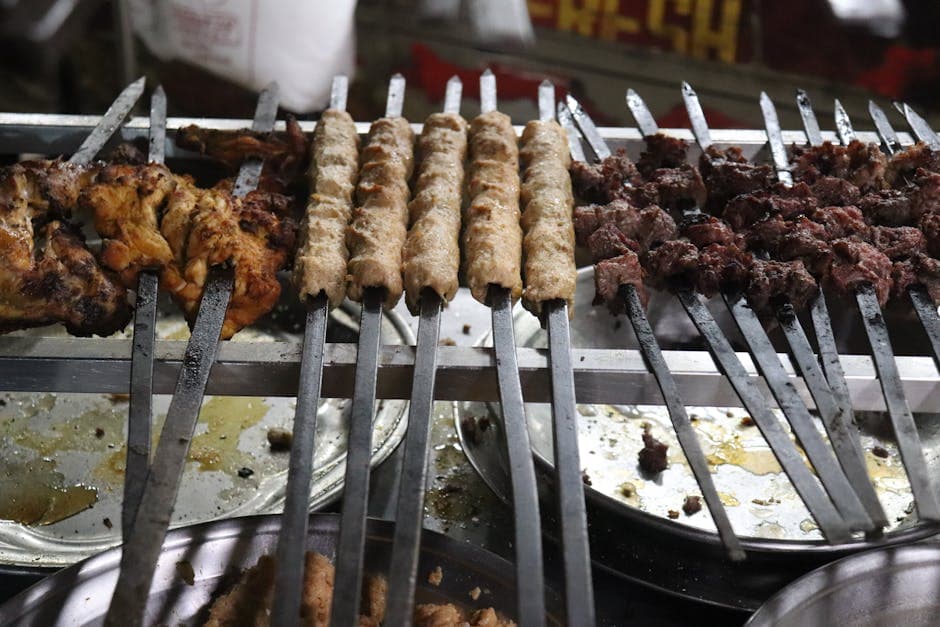
Seekh kebab, chapli kebab, and bihari boti from coal grills, served with naan, sliced onion, and mint-yogurt chutney.

Pakistan's most celebrated slow stew — beef shank braised overnight until the collagen melts into a thick, deeply spiced gravy. Lahore's Sunday morning institution.
Lahore's most celebrated dish — a whole chicken marinated overnight in yogurt and a fierce spice blend, steam-cooked then deep-fried until the skin crackles. The pride of Gawalmandi food street.

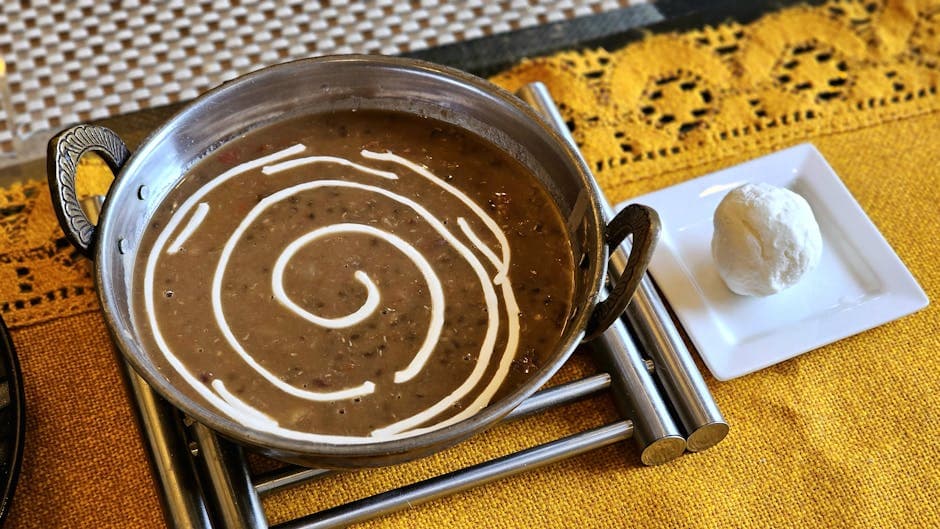
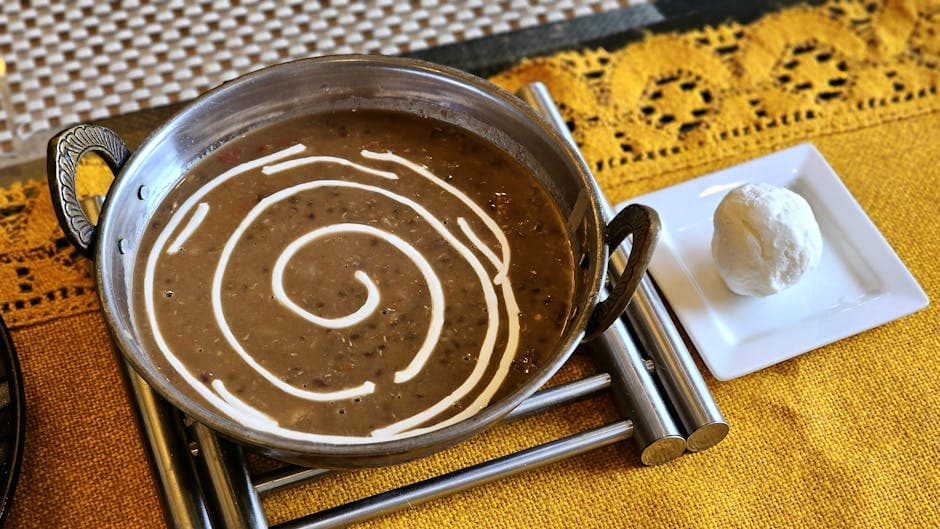
Pakistan's rich, slow-cooked black lentil dal — whole urad lentils and kidney beans simmered overnight with butter and cream into a velvety, intensely savoury curry. Lahore's most loved dal.

Pakistan's roadside restaurant classic — bone-in chicken cooked fast in a steel wok with whole tomatoes, green chillies, ginger and very little water. Smoky, bold and intensely flavoured.
Slow-cooked meat and lentil porridge spiced with garam masala and finished with fried onions and fresh ginger — one of Pakistan's most beloved dishes.

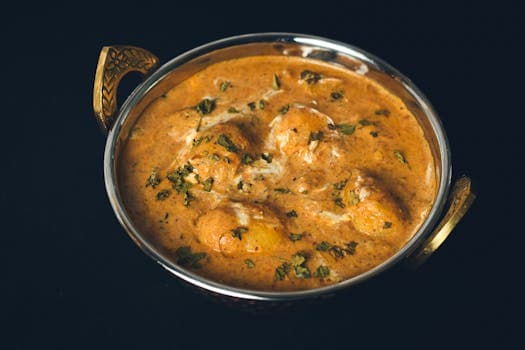
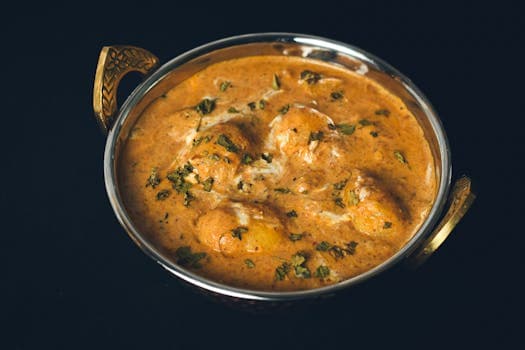
Pakistani lamb and potato curry in a rich onion and tomato sauce — a weeknight staple of every Pakistani home.
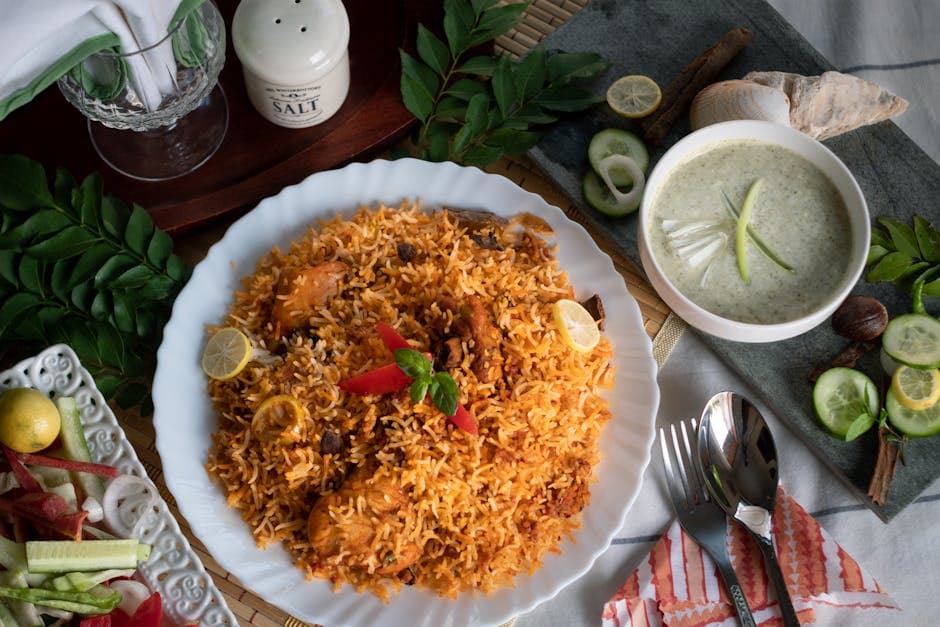
Fragrant layered spiced rice with marinated beef, fried onions and saffron — the bold Karachi style of Pakistan's most celebrated dish.
Pakistan's beloved slow-cooked beef shank stew with warm spices — the king of Sunday morning breakfasts in Lahore and Karachi.

Black lentils simmered overnight with butter, cream and tomatoes — one of Pakistan and India's most iconic dishes.
Fragrant basmati rice layered with marinated chicken, caramelised onions, saffron and aromatic whole spices — the centrepiece of every Pakistani celebration.

Slow-simmered overnight beef stew rich with marrow, ginger and a complex spice blend — Pakistan's beloved breakfast dish from the Mughal kitchens.

Slow-cooked porridge of meat, lentils and cracked wheat blended into a rich, smooth stew — Pakistan's most beloved Ramadan dish.
Tomato-rich chicken stir-fried in a wok with ginger, green chillies and crushed coriander — Lahore's most famous restaurant dish, ready in 30 minutes.

Spiced minced lamb skewered and char-grilled until smoky outside and juicy inside — Pakistan's most beloved street food kebab.

Tender chunks of lamb and potatoes braised in a tomato-onion masala — Pakistan's everyday Sunday lunch.
Flat, crispy beef kebabs studded with pomegranate seeds, fresh coriander and crushed coriander seeds — the iconic kebab of Pakistan's Pashtun north.

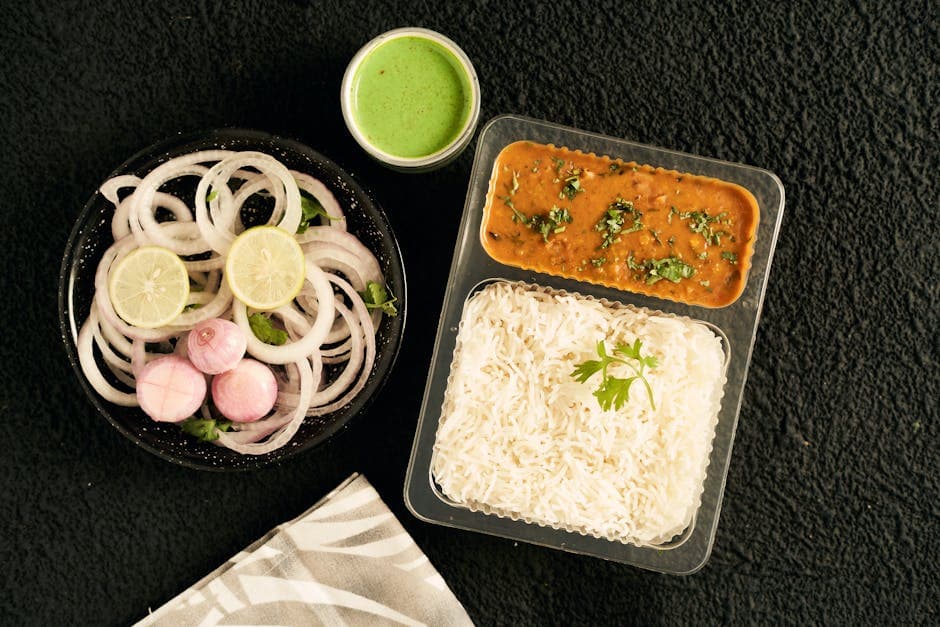
Fragrant yellow lentil curry with rice — Pakistan's most beloved everyday meal, comforting and complete in one bowl.

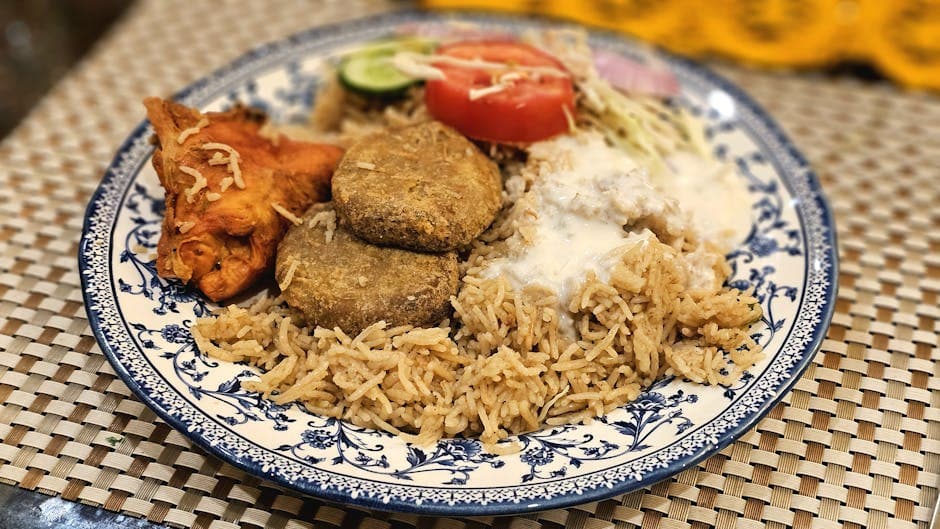
Soft, melt-in-the-mouth meat patties bound with chickpeas and aromatic spices — a Mughal-era classic served at Pakistani feasts.

Aromatic basmati rice cooked in a delicately spiced chicken broth — a one-pot Pakistani classic, simpler than biryani but equally beloved.

Slow-cooked basmati rice pudding fragrant with cardamom, saffron and rose water — Pakistan's national dessert.

Slow-cooked Pakistani porridge of beef, lentils, and pounded wheat — Ramadan's most patient comfort.

Karachi's iconic spicy biryani — basmati layered with mutton, tomato, prunes, mint, green chilies, and dried plum (aloo bukhara).

The legendary Lahore breakfast stew — beef shank simmered overnight with bone marrow and a dozen warming spices until the meat melts into a deep, glossy gravy.
Pakistani slow-cooked beef shank stew with deep spices — Karachi's iconic breakfast, intensely flavorful.

Pakistani slow-cooked stew of meat, lentils, and grains pounded to porridge — Hyderabad's iconic dish.

Pakistani spicy chicken curry cooked in karahi (wok) with tomatoes, ginger, and green chilies — robust and aromatic.
Pakistani cuisine is known for rich, meat-centered dishes: karahi cooked with tomatoes and green chili, slow-stewed nihari and haleem, spicy Karachi-style biryani, seekh and chapli kebabs, and tandoor breads like naan and paratha. The bhunai technique — frying masala until the oil separates — and generous use of yogurt, ginger, and garam masala define its curries.
They share the Mughal repertoire, but Pakistani food is more meat-dominant — beef and mutton are central, where much of India leans vegetarian — and uses fewer dried-spice-heavy vegetarian gravies. Pakistani cooking favors whole spices, animal fat, and yogurt-based marinades; dishes like nihari, paya, and Peshawari karahi are distinctly Pakistani. Indian cuisine spans far more regional vegetarian traditions, coconut-based southern cooking included.
Generally hot, but regionally varied. Lahori and Karachi cooking — especially Karachi biryani and street food — carries serious red and green chili heat. Peshawari and northern food is much milder, seasoned mainly with salt, black pepper, and tomato, letting meat and fat lead. Yogurt, raita, and bread temper heat at the table, and home cooks adjust chili freely without losing the dish's character.
Chicken karahi is the ideal first dish: brown chicken in oil, add ginger-garlic and chopped tomatoes, cook hard until the oil separates, then finish with julienned ginger, green chilies, and coriander — one pot, about forty minutes, no obscure ingredients. Aloo gosht (meat and potato curry) teaches the bhunai masala base and is the definitive everyday home salan.
Nihari is beef shank (sometimes mutton) slow-cooked for six hours or overnight with ginger, garlic, and a long-pepper-heavy spice blend, the gravy thickened with roasted wheat flour (atta). It is traditionally a breakfast dish — the name derives from nahar, Arabic for morning — served with naan, garnished with julienned ginger, green chili, lemon, and fried onions, often with bone marrow stirred in.