
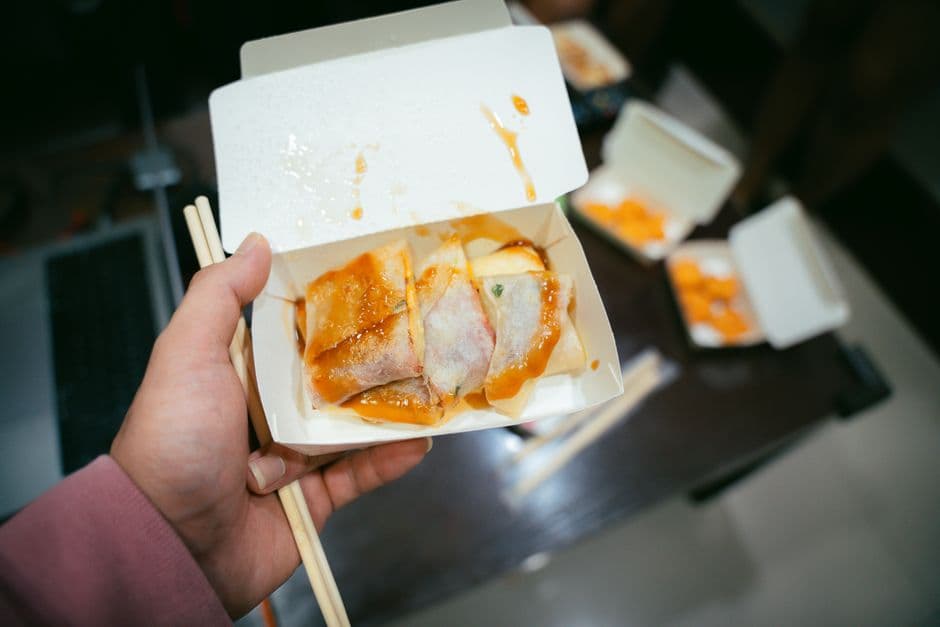
NewBreakfast
Cong You Bing
Taiwan's irresistible street-food scallion pancakes — flaky, chewy, layered flatbreads studded with fragrant spring onions, pan-fried until crisp and golden.
65 min320 kcalMedium
★4.7(1,234)
Beef noodle soup, scallion pancakes, stinky tofu — bold street food and comfort cooking.
More recipes built around the same core ingredients.
Track what you eat
Snap your meal to log calories and macros, run fasting timers and track water in the free SnapCal app.
Plan your meals, track fasting and build your grocery list — free
MyCookingCalendar's dashboard runs right in your browser, no download needed.
Taiwan's irresistible street-food scallion pancakes — flaky, chewy, layered flatbreads studded with fragrant spring onions, pan-fried until crisp and golden.
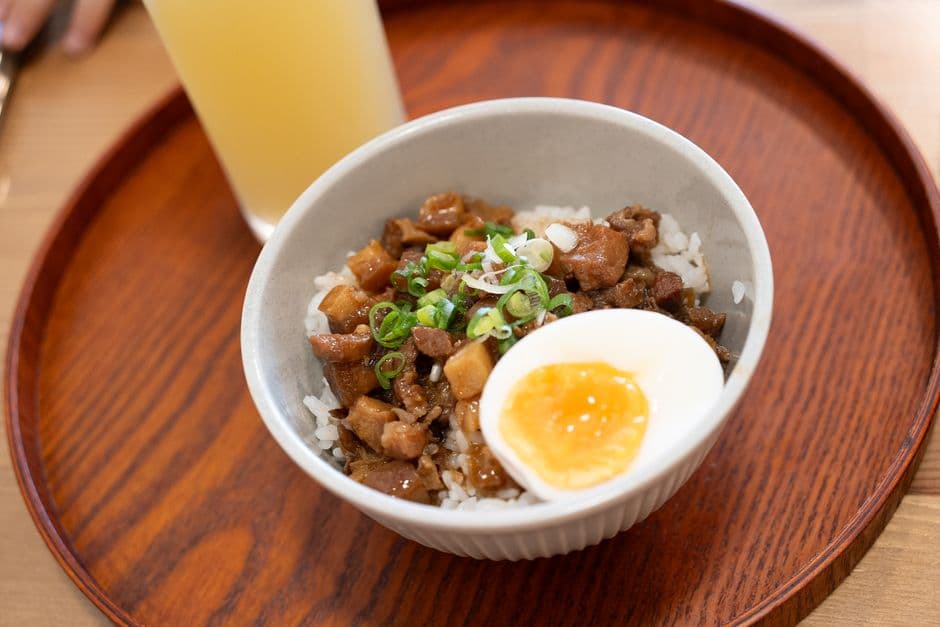
Meltingly tender soy-braised pork belly with five-spice, rice wine and crispy shallots over steamed rice — Taiwan's ultimate comfort food and the nation's most beloved bowl.
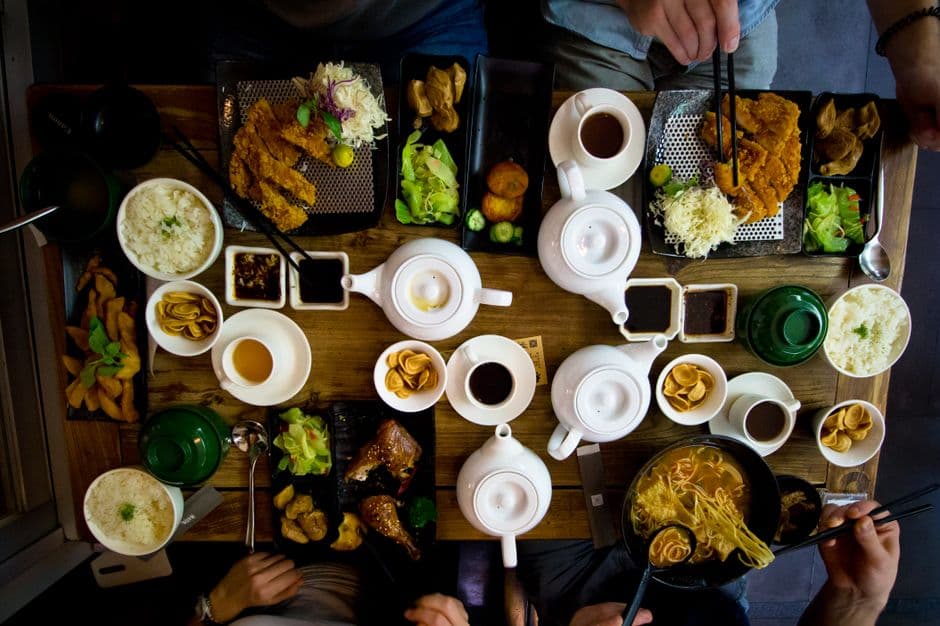
Sticky, intensely flavoured chicken with one cup each of soy sauce, sesame oil and rice wine, finished with a fragrant pile of Thai basil — Taiwan's most iconic home-cooked dish.
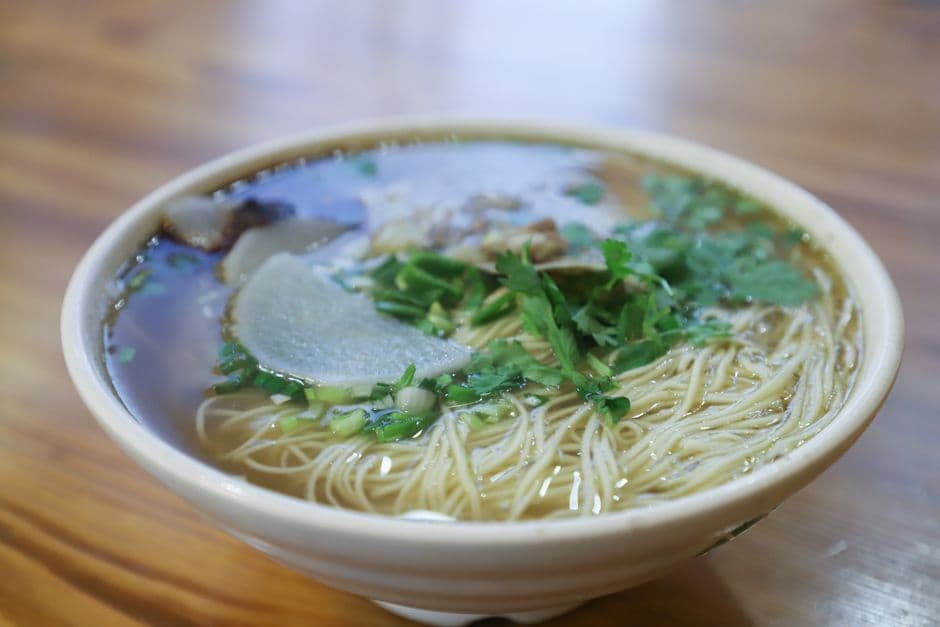
Thick rice vermicelli in a glossy sweet potato starch sauce with oysters, offal and coriander — Taipei's most iconic night market soup.

Buttery, crumbly shortbread encasing a dense, sweet pineapple jam — Taiwan's most famous souvenir pastry and one of the world's great small bites.

Taiwan's beloved street food flatbread — flaky, crispy, chewy layers of unleavened dough with aromatic scallions, pan-fried until golden and served with dipping sauce.
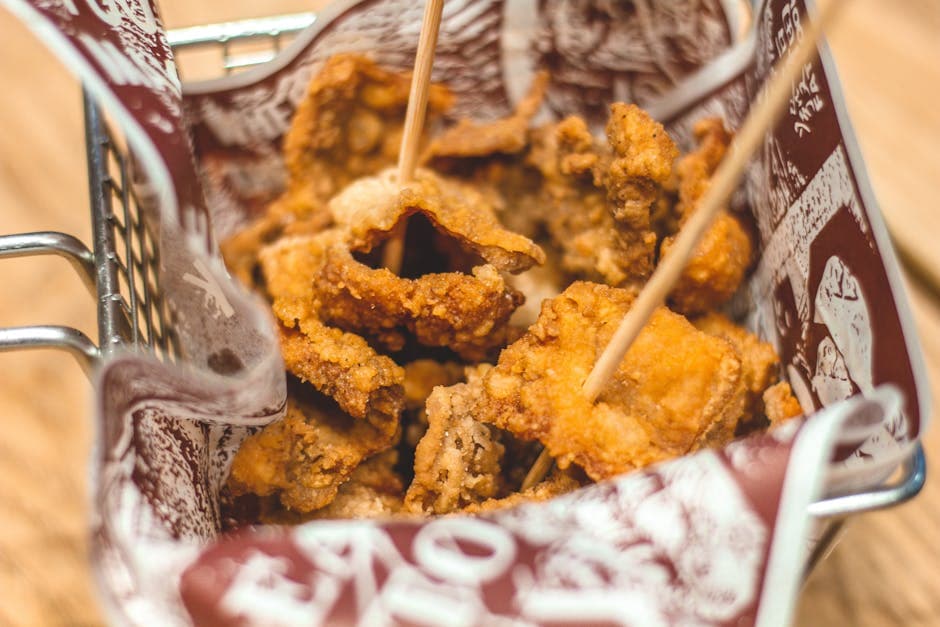
A Taiwanese street food specialty from central Taiwan — a large, translucent starchy dumpling filled with pork, bamboo shoots, and mushrooms, topped with sweet-savory sauce.

The original boba milk tea — strong black tea blended with milk and topped with chewy tapioca pearls.

Intensely flavored Taiwanese braised chicken with equal parts sesame oil, soy sauce, and rice wine — finished with Thai basil.

Tender, caramelized braised pork belly over white rice with a sticky soy-and-five-spice sauce — Taiwan's ultimate comfort bowl.

Crispy, flaky layered flatbread packed with green onions — pan-fried in sesame oil until shatteringly crisp outside and chewy within.

Thick sweet potato vermicelli in a viscous soup with oysters, pork liver and a thick sweet and sour sauce — a Taiwanese night market icon.

Crispy, flaky layered flatbread studded with spring onions — a beloved Taiwanese street breakfast.

Crispy marinated chicken pieces fried with basil leaves and chilli — Taiwan's most addictive street food from night markets.

Taiwanese braised pork rice — slowly braised fatty pork in soy, rice wine and star anise, served over white rice.

Creamy millet porridge with mountain vegetables, wild game stock, and native ingredients.
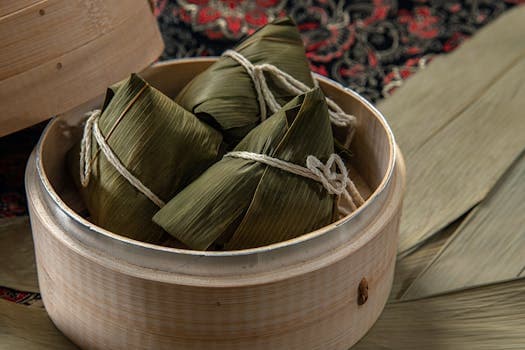
Sticky rice cooked inside bamboo tubes with pork, mushrooms, and chestnuts — a mountain feast.

Tender wild boar meat slow-cooked with mountain herbs, ginger, and native spices.

Crispy-outside, creamy-inside taro dumplings filled with savory meat and served in a light broth.

Dense, slightly sweet millet cake with red beans and a crispy exterior — a mountain staple.
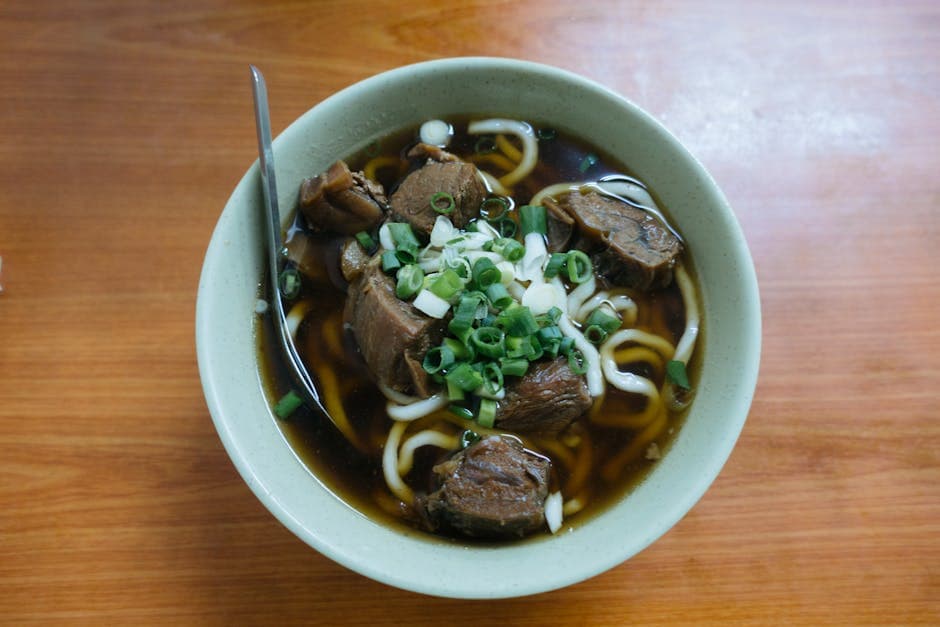
Taiwan's iconic beef noodle soup — slow-braised beef shank in a deeply spiced broth of doubanjiang, soy and rice wine, served over hand-pulled wheat noodles.

Pillowy steamed buns folded around slow-braised pork belly, pickled mustard greens, crushed peanuts, and coriander — Taiwan's most photogenic street snack.
Taiwanese Market Lemon Herb Rice Bowl brings taiwanese flavor to a practical rice bowl built with chicken thighs, soy sauce, five-spice, pickles and rice wine, and a fresh scallions finish.
Taiwanese Village Smoky Tomato Soup brings taiwanese flavor to a practical soup built with mushrooms, soy sauce, five-spice, pickles and rice wine, and a fresh scallions finish.
Taiwanese Garden Sesame Lime Skillet brings taiwanese flavor to a practical skillet dinner built with cauliflower, soy sauce, five-spice, pickles and rice wine, and a fresh scallions finish.
Taiwanese Harbor Charred Pepper Noodles brings taiwanese flavor to a practical noodle dish built with rice noodles, soy sauce, five-spice, pickles and rice wine, and a fresh scallions finish.
Taiwanese Mountain Green Herb Salad brings taiwanese flavor to a practical salad built with grilled chicken, soy sauce, five-spice, pickles and rice wine, and a fresh scallions finish.
Taiwanese Festival Lemon Herb Flatbread brings taiwanese flavor to a practical flatbread built with flatbread dough, soy sauce, five-spice, pickles and rice wine, and a fresh scallions finish.
Taiwanese Homestyle Smoky Tomato Traybake brings taiwanese flavor to a practical traybake built with sweet potatoes, soy sauce, five-spice, pickles and rice wine, and a fresh scallions finish.
Taiwanese Street Sesame Lime Fritters brings taiwanese flavor to a practical fritters built with salted fish, soy sauce, five-spice, pickles and rice wine, and a fresh scallions finish.
Taiwanese Golden Charred Pepper Breakfast Plate brings taiwanese flavor to a practical breakfast plate built with beans, soy sauce, five-spice, pickles and rice wine, and a fresh scallions finish.
Taiwanese Weeknight Green Herb Dessert brings taiwanese flavor to a practical dessert built with coconut, soy sauce, five-spice, pickles and rice wine, and a fresh scallions finish.
A night-market classic of small oysters folded into a starchy, crisp-edged egg batter and topped with a sweet-savory sauce.
Chilled wheat noodles tossed in a nutty sesame-soy dressing with julienned cucumber, a favorite hot-weather lunch across Taiwan.
Soft steamed folded buns stuffed with braised pork belly, pickled mustard greens, cilantro and crushed peanuts.
Pan-fried or boiled dumplings filled with seasoned ground pork and garlic chives, served with a soy-vinegar dipping sauce.
Bite-sized bites of five-spice marinated chicken thigh, double-fried until shatteringly crisp, tossed with fried basil.
A small-bowl Tainan specialty of thin noodles in a light shrimp broth, topped with minced pork sauce and a single shrimp.
A steamed and then pan-fried cake of shredded daikon radish and rice flour studded with dried shrimp and shiitake, crisp outside and soft within.
Delicate ribbons of milk-based shaved ice piled with fresh mango cubes, mango sorbet and condensed milk drizzle.
Silky braised pork belly simmered slowly with napa cabbage in a savory, slightly sweet soy braise, a homestyle winter favorite.
A flaky, layered pan-fried flatbread laminated with oil and scallions, crisp on the outside and chewy within.
Deep-fried fermented tofu with a famously pungent aroma but a mild, custardy interior, served with pickled cabbage and chili sauce.
Gelatinous beef tendon slow-braised with daikon radish in a soy and star anise broth until meltingly soft.
A flaky, layered pastry from Taichung filled with sweet maltose caramel, its buttery crust shattering with each bite.
Shredded poached chicken over rice moistened with its own savory braising drippings and crisp shallots, a lighter cousin of lu rou fan.
Chilled cubes of herbal grass jelly served in a lightly sweetened drink, an iconic cooling refreshment across Taiwan's summer.
A clear, restorative soup of pork ribs and bitter melon simmered with black beans, valued in Taiwan for its cooling, refreshing quality in hot weather.
Flaky, layered sesame-crusted flatbread split and stuffed with scallion and egg — a night-market breakfast staple across Taiwan.
Bouncy handmade fish balls simmered in a clear, gingery broth with cabbage — a coastal Taiwanese comfort soup found at every night market.
Whole peanuts simmered low and slow in a five-spice and star anise broth until soft and deeply savory — a Taiwanese night-market snack and beer companion.
Plump oysters folded into a chewy, translucent starch batter with egg and greens, finished with a sweet-savory sauce — a signature Taiwanese street food.
Silky rice congee simmered with juicy tomatoes and swirled with egg — a gentle, home-style Taiwanese breakfast bowl.
A whole white fish steamed until just cooked, topped with garlic, ginger and a hot lime-soy sauce — a coastal Taiwanese seafood classic.
A crisp, flaky pan-fried flatbread laced with scallion throughout every layer — Taiwan's beloved cong you bing, eaten as a snack any time of day.
Cracked cucumbers tossed in a punchy garlic-chili-vinegar dressing — a cooling, crunchy Taiwanese side found on nearly every home dinner table.
Sliced glutinous rice cake pan-fried until crisp outside and chewy within, tossed with toasted sesame and scallion — a Taiwanese Lunar New Year favorite.
Handmade chicken and ginger dumplings simmered in a light, gingery broth — a warming Taiwanese home-style soup for cold days.
Chicken braised in equal parts soy sauce, rice wine and sesame oil with basil and garlic — Taiwan's most famous braised chicken dish.
Roasted eggplant tossed in a garlicky, spicy soy glaze — a quick Taiwanese vegetable dish that's become a favorite late-night dish alongside beer.
Buttery shortbread pastry filled with tangy pineapple jam — Taiwan's most famous sweet souvenir, balancing rich crust and bright fruit filling.
Taiwanese-style fried rice with minced pork, five-spice, soy sauce and fried shallots, built on day-old rice for a proper chewy-crisp texture.
Crisp, flaky Taiwanese scallion pancakes (cong you bing) topped with pan-seared salmon and a five-spice soy dipping sauce.
Taiwan's iconic lu rou fan — pork belly slow-braised in soy, five-spice and rock sugar until silky, spooned over steamed rice.
Taiwanese three-cup style cod, simmered in equal parts soy sauce, rice wine and sesame oil with basil, served over steamed rice.
A comforting Taiwanese-style savory congee bowl made with mung beans and red lentils, seasoned with five-spice and topped with crispy shallots.
Bell peppers stuffed with a Taiwanese-seasoned pork and rice filling flavored with five-spice, soy sauce and rice wine, baked until tender.
A Taiwanese-style baked rice casserole (jiao kao fan), five-spice pork and rice topped with a savory tomato-cream sauce and melted cheese.
A Taiwanese yan su ji-style fried chicken burger, marinated in five-spice and soy, fried crisp and topped with Thai basil and melted cheese.
Silky Taiwanese douhua tofu pudding served warm in a brown sugar ginger syrup with roasted peanuts and chewy tapioca pearls.
A Taiwanese Lunar New Year plate of soy-braised whole fish and pan-fried sweet glutinous rice cake (nian gao), symbols of abundance and progress.
Taiwanese cooking layers waves of immigration onto an island pantry. Hokkien settlers from Fujian brought oyster omelets and braised pork over rice (lu rou fan); Hakka communities contributed thrifty stir-fries and preserved mustard greens; fifty years of Japanese rule left tempura-style tianbula, bento culture, and a taste for sashimi-grade seafood. After 1949, mainland arrivals added Sichuan, Shanghainese, and northern wheat traditions — which is how beef noodle soup, arguably the national dish, fused Sichuan chili bean paste with local braising habits.
The cuisine's center of gravity is the night market. Stalls in Taipei's Shilin or Tainan's Garden market turn out stinky tofu, gua bao (braised pork belly in steamed buns), oyster vermicelli, and pepper buns baked against tandoor-like oven walls. Flavors lean gently sweet and aromatic rather than fiery: soy sauce, rice wine, rock sugar, fried shallots, and white pepper do most of the work, with basil and garlic finishing dishes like three-cup chicken (san bei ji).
Home cooks build meals around a rice cooker — often the iconic Tatung brand — steaming rice while braises simmer alongside. A typical dinner is rice plus three or four small dishes: a soy-braised meat, stir-fried water spinach with garlic, a simple soup, maybe a cold pickle. Lu wei, the master-stock braising of eggs, tofu, and seaweed, lets a single pot of seasoned liquid season a week of side dishes.
Lu Rou Fan
Minced pork belly braised with soy, rice wine, fried shallots, and five-spice, ladled over rice — Taiwan's defining comfort dish.
Beef Noodle Soup
Wheat noodles in a deep broth of braised beef shank, doubanjiang chili bean paste, and pickled mustard greens, perfected in postwar Taipei.
Night Market Snacks
Xiao chi (small eats) like oyster omelets, pepper buns, stinky tofu, and gua bao define how Taiwanese people actually eat out.
Three-Cup Cooking
San bei dishes braise chicken or squid in equal parts soy sauce, rice wine, and sesame oil, finished with whole basil leaves.
Fried Shallots & White Pepper
Crisp fried shallots and ground white pepper are the background seasoning of nearly every braise, soup, and rice dish.
Master-Stock Braising (Lu Wei)
A reusable soy-spice braising liquid flavors eggs, tofu, kelp, and offal, growing more complex each time it is used.
Taiwan is best known for its night-market street food — stinky tofu, gua bao, oyster omelets, pepper buns — plus beef noodle soup, lu rou fan (braised pork rice), and bubble tea, invented in Taiwan in the 1980s (teahouses in Taichung and Tainan both claim it). The overall profile is savory-sweet, built on soy sauce, rice wine, fried shallots, garlic, and basil rather than heavy chili heat.
Taiwanese cooking grew from Fujianese (Hokkien) roots but absorbed Hakka, Japanese, and post-1949 mainland regional influences, producing a lighter, sweeter, more seafood-forward style. Japanese touches show up in bento culture and tempura-derived tianbula; dishes like beef noodle soup and gua bao exist in their iconic forms only in Taiwan. White pepper and fried shallots replace the heavier chili and Sichuan-pepper seasoning of western China.
Mostly no. The baseline palate is mild, savory, and slightly sweet, seasoned with soy, garlic, basil, and white pepper. Chili appears mainly in beef noodle soup (via doubanjiang) and in optional table condiments, so heat is usually something you add rather than something built in. People sensitive to spice handle Taiwanese menus easily.
Start with lu rou fan. It needs only ground or diced pork belly, soy sauce, rice wine, sugar, five-spice, and fried shallots, simmered 45 minutes and spooned over rice. Three-cup chicken is a good second project — one pan, equal parts soy sauce, rice wine, and sesame oil, plus garlic, ginger, and basil.
Core staples: light and dark soy sauce, Taiwanese rice wine (michiu), sesame oil, rock sugar, five-spice powder, white pepper, fried shallots, and doubanjiang for beef noodle soup. Fresh aromatics — garlic, ginger, scallions, and Thai basil — finish most dishes. Short-grain rice and dried rice vermicelli cover the starch side of the pantry.
Calculators and converters that pair with this page — no signup needed.