

Newstarter
Brik
Tunisia's iconic crispy fried pastry — a paper-thin malsouka wrapper folded around a runny egg, tuna, capers and harissa, then fried until shatteringly golden.
35 min380 kcalMedium
★4.7(672)
Brik, shakshuka, harissa — bold, spiced Maghrebi cooking from North Africa.
More recipes built around the same core ingredients.
Track what you eat
Snap your meal to log calories and macros, run fasting timers and track water in the free SnapCal app.
Plan your meals, track fasting and build your grocery list — free
MyCookingCalendar's dashboard runs right in your browser, no download needed.
Tunisia's iconic crispy fried pastry — a paper-thin malsouka wrapper folded around a runny egg, tuna, capers and harissa, then fried until shatteringly golden.

Tunisia's fiery, characterful take on shakshuka — spiced merguez sausages, sweet peppers and eggs in a harissa-spiked tomato sauce, cooked in one bold, fragrant pan.
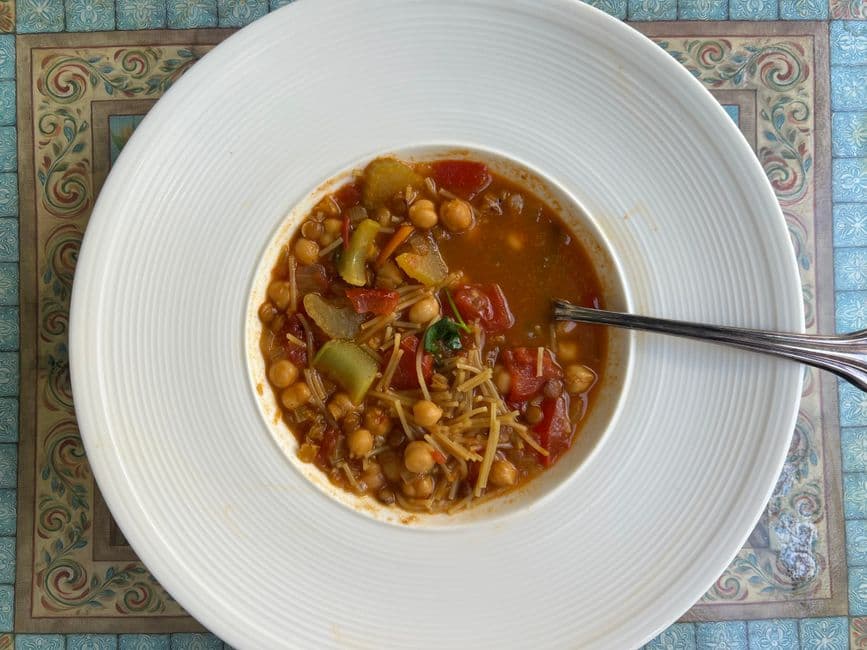
Bold Tunisian street-food soup of spiced chickpeas poured over torn bread with harissa, cumin, capers and a raw egg — Tunis' most iconic breakfast.
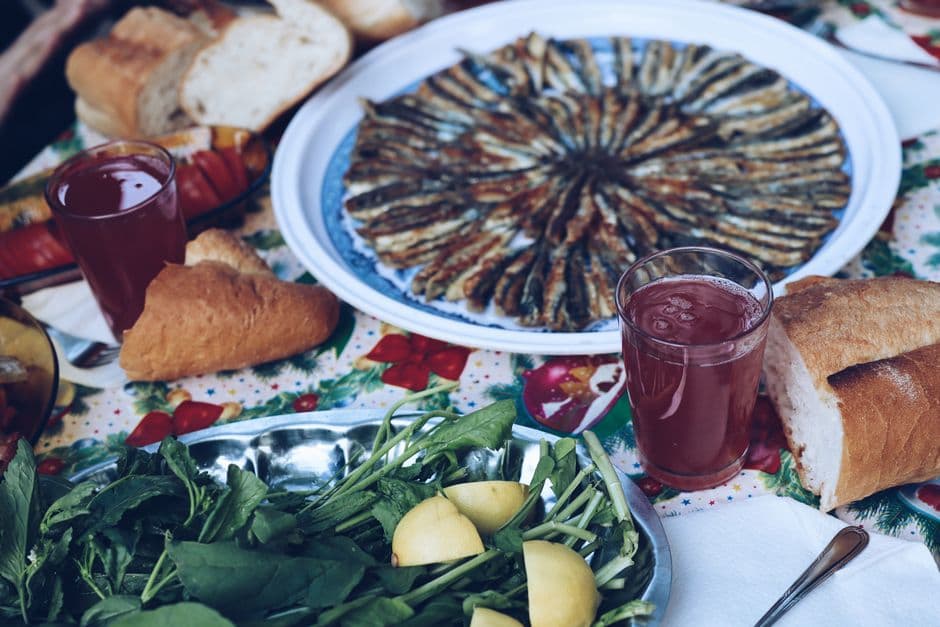
A smoky, spiced salad of charred peppers, tomatoes and chillies blended with cumin, garlic and olive oil — Tunisia's most versatile condiment and starter.

A Tunisian layered rice and vegetable dish — fragrant rice cooked with spiced lamb and eggplant, then inverted onto a platter to reveal a stunning golden dome.

Homemade Tunisian merguez sausages — spicy lamb and beef sausages redolent with harissa, cumin, and paprika, grilled or pan-fried until they split and sizzle.
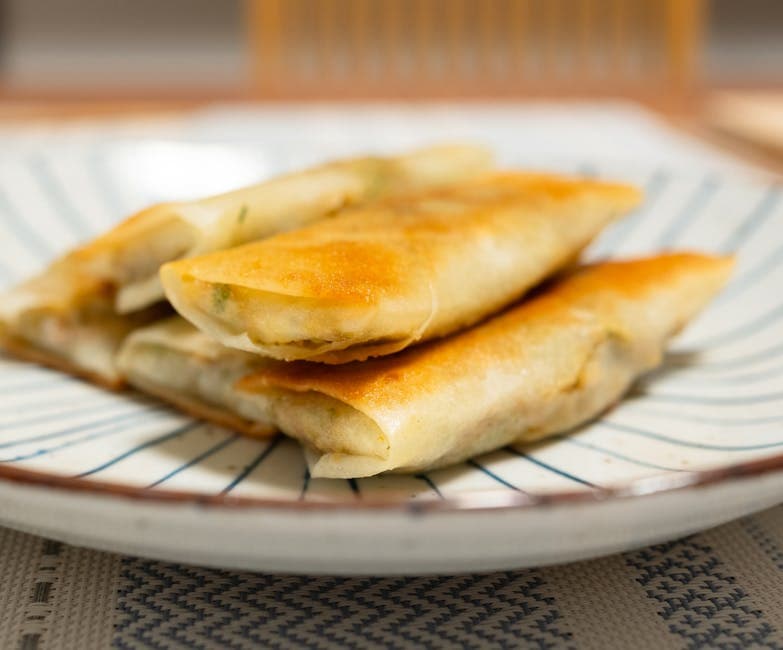
Crispy fried pastry parcel enclosing a whole runny egg, tuna, capers, and harissa — Tunisia's most beloved starter.
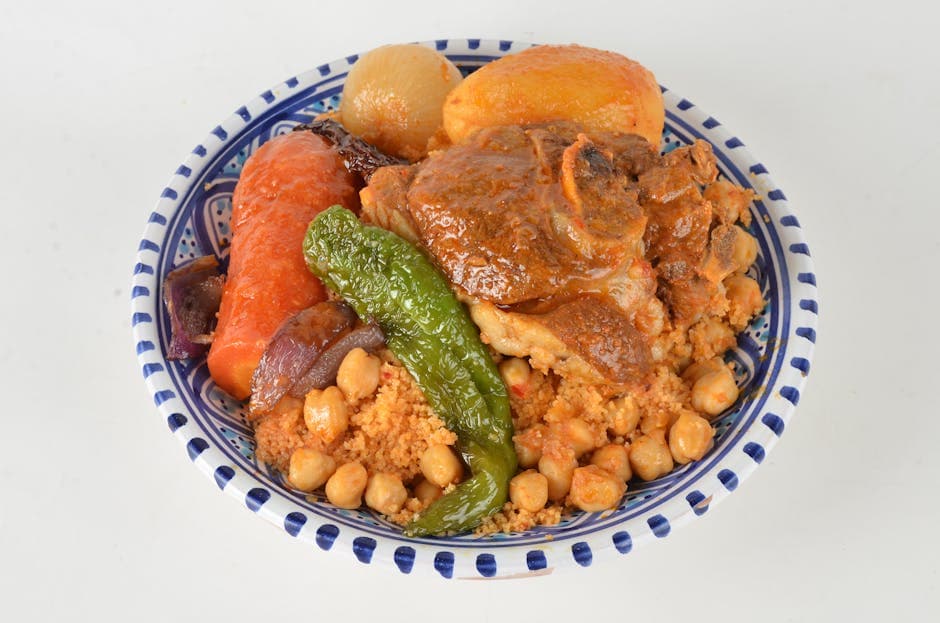
The North African classic — hand-rolled couscous steamed over a spiced lamb and vegetable stew, finished with harissa.
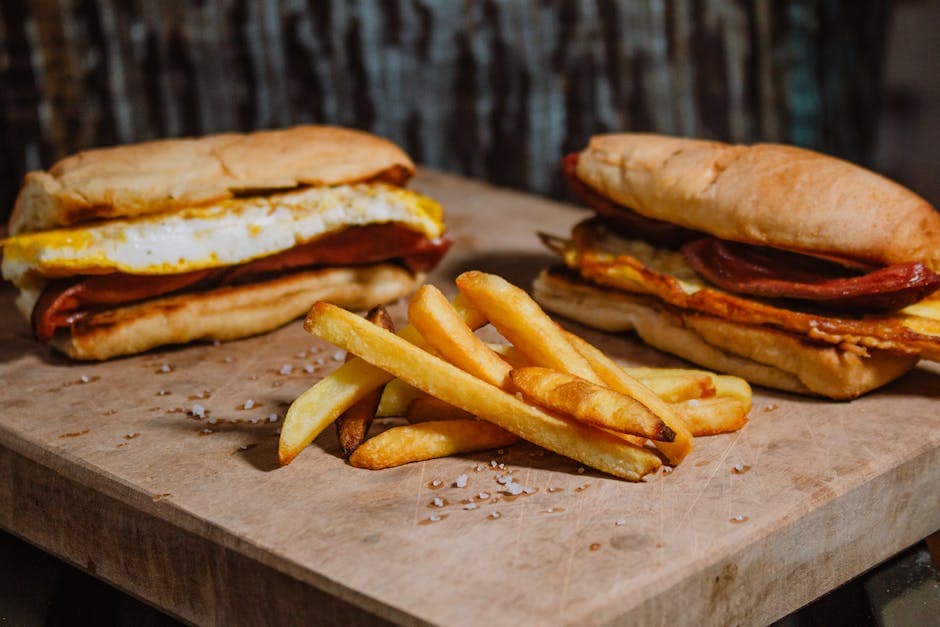
Tunisia's iconic fried bread roll stuffed with tuna, harissa, olives, and egg — the ultimate street food sandwich.

Tunisia's distinctive pine nut cream pudding — made from Aleppo pine seeds, milk, and nuts, served on Mouloud.
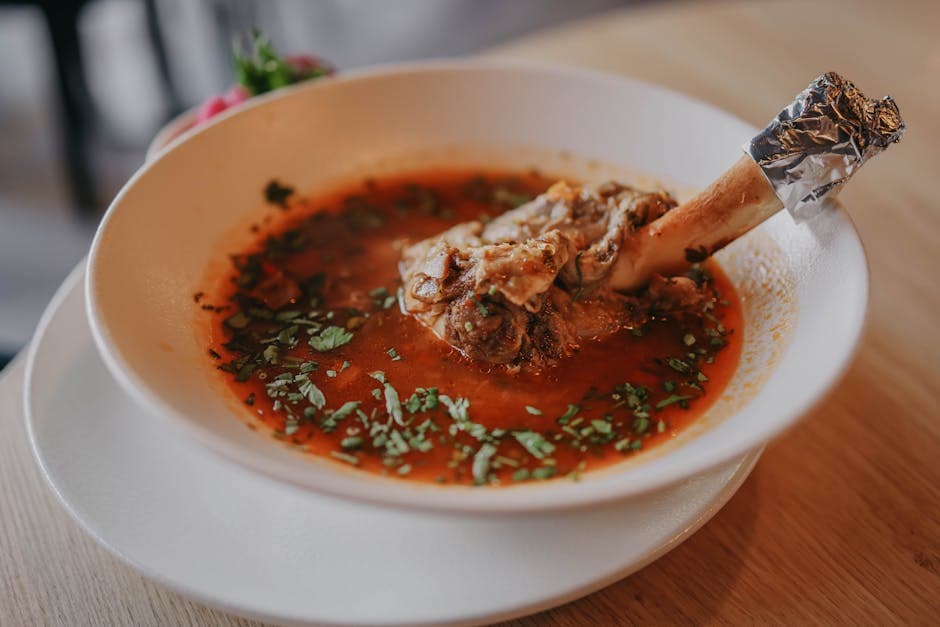
Hearty Tunisian soup with cracked green wheat, lamb, and aromatic spices — warming and deeply nourishing.
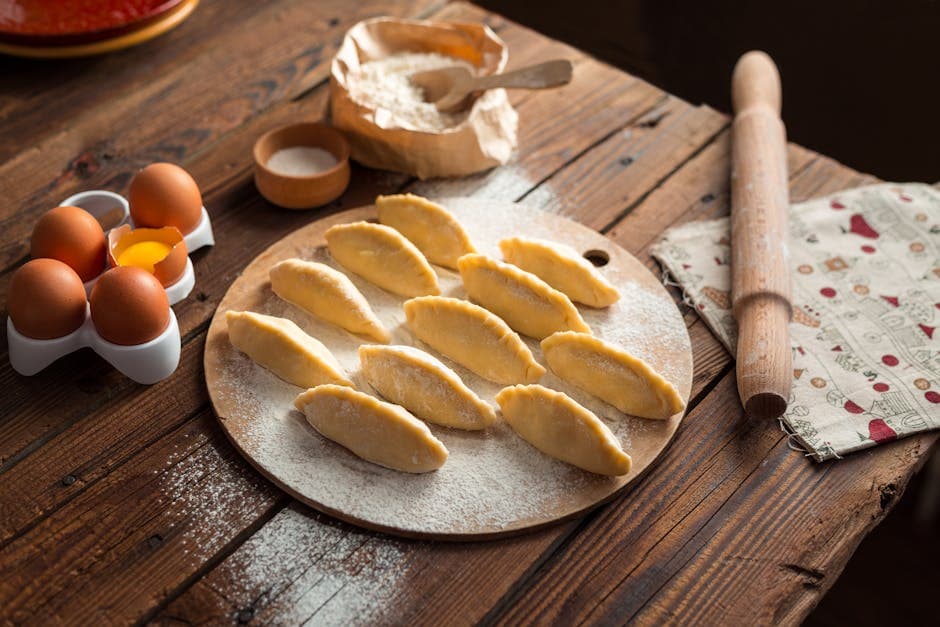
Tunisia's legendary fried pastry — a crispy malsouka wrapper encasing a whole raw egg, tuna, capers, harissa and parsley, fried until the wrapper shatters and the egg sets just barely. One of the world's great street foods.
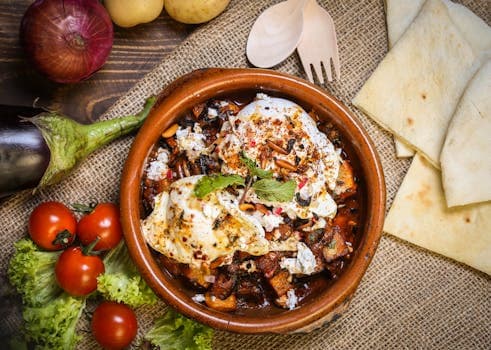
Tunisian spiced tomato and egg stew with merguez sausages and harissa — a fiery brunch classic.
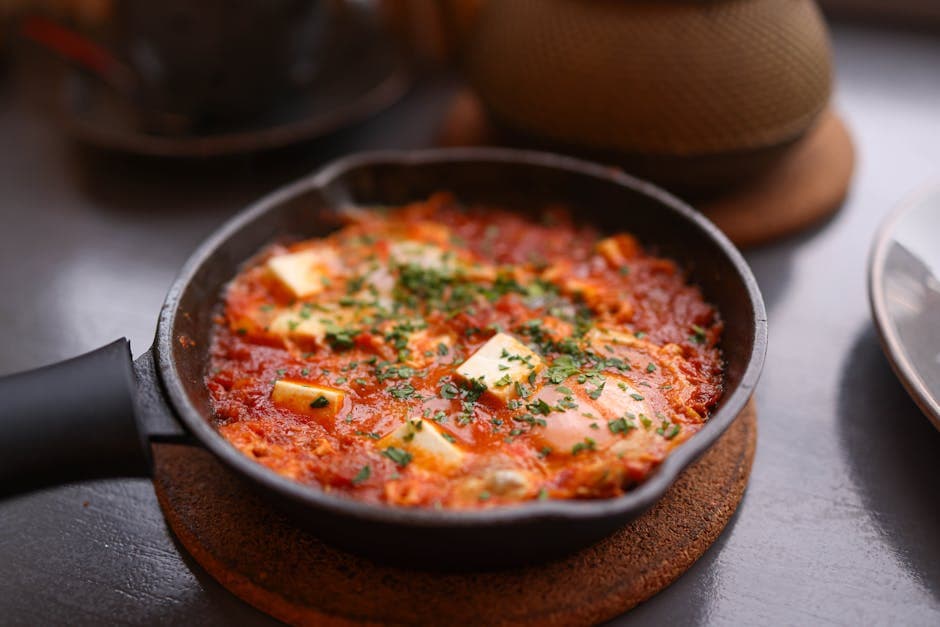
Tunisian spiced lamb and beef sausages simmered in fiery tomato pepper sauce — a North African brunch icon.
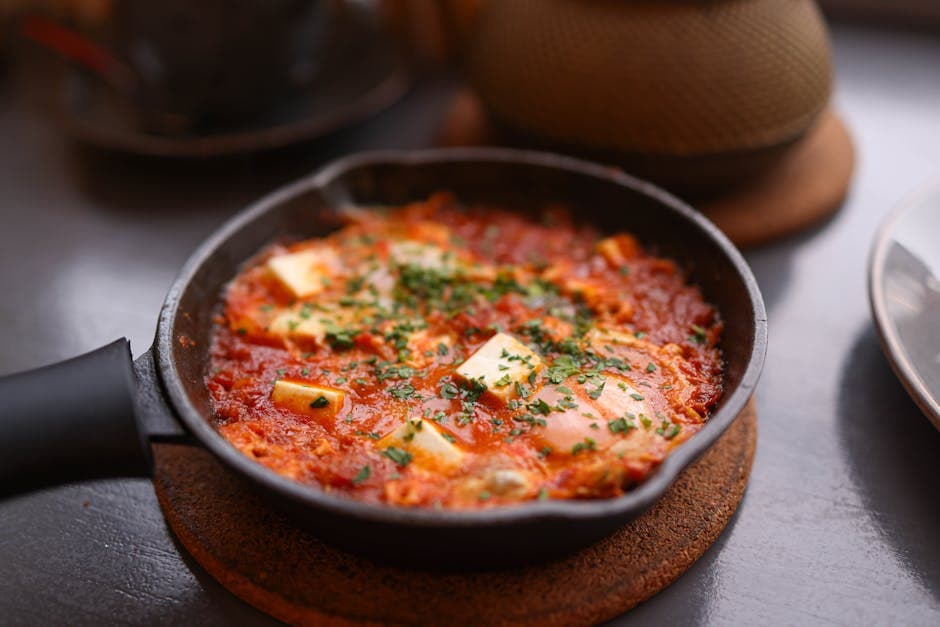
Tunisian-style eggs poached in a smoky harissa-tomato sauce with peppers, cumin, and garlic — pan to table.
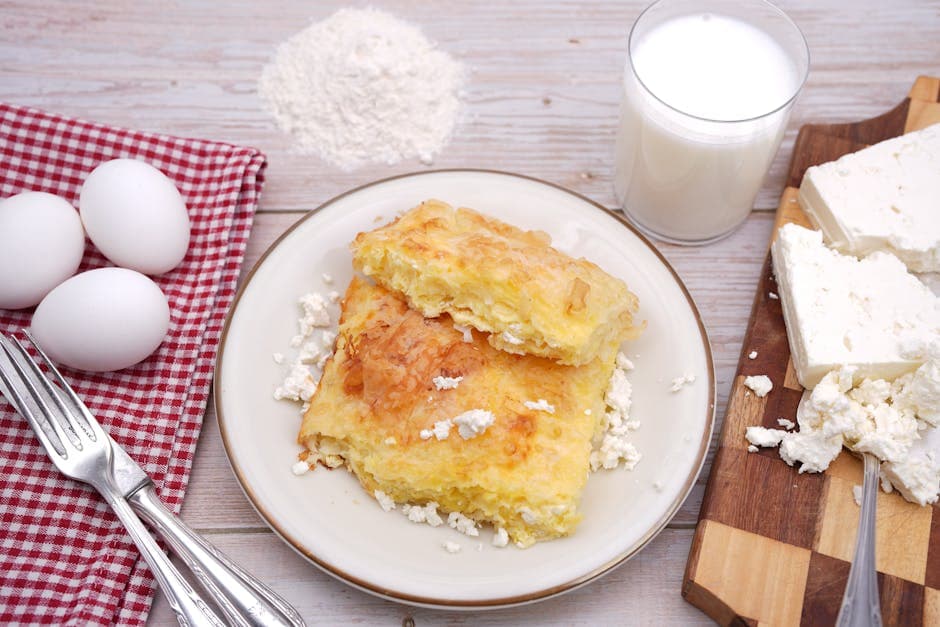
Tunisia's iconic street snack — a folded triangle of paper-thin malsouka pastry hiding a runny egg, tuna, capers and parsley, deep-fried golden and eaten with your fingers.
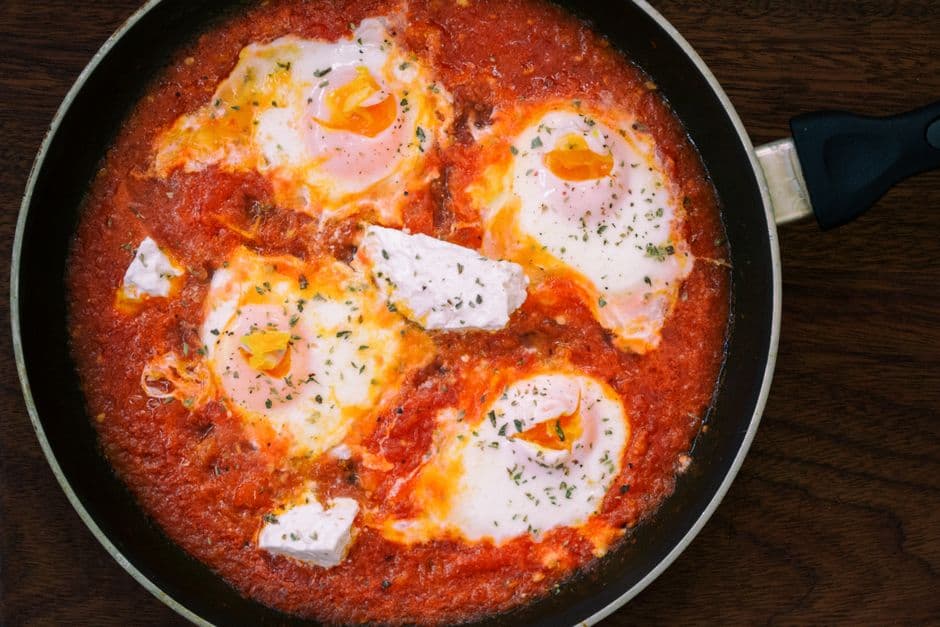
The Tunisian original — eggs poached in a chunky, harissa-fired stew of bell peppers, tomatoes and merguez spices, finished with cilantro and torn baguette for sopping.
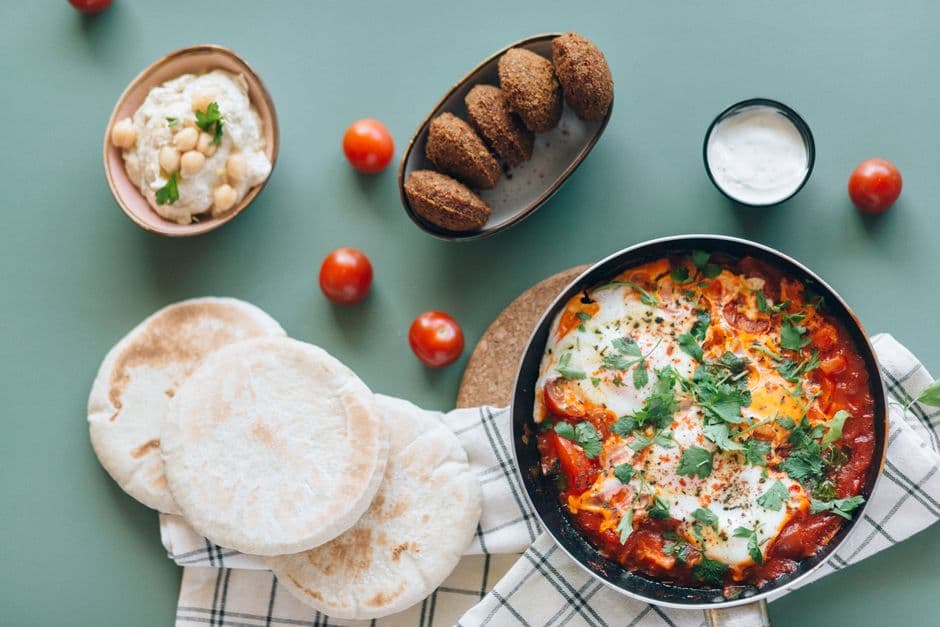
Tunisia's beloved street breakfast — a fiery, garlicky chickpea broth poured over torn day-old bread with a coddled egg, harissa, capers, tuna and a stream of olive oil.

Fluffy couscous served with a spiced vegetable stew and chickpeas.
Tunisian Market Lemon Herb Rice Bowl brings tunisian flavor to a practical rice bowl built with chicken thighs, harissa, caraway, tomatoes and olive oil, and a fresh cilantro finish.
Tunisian Village Smoky Tomato Soup brings tunisian flavor to a practical soup built with mushrooms, harissa, caraway, tomatoes and olive oil, and a fresh cilantro finish.
Tunisian Garden Sesame Lime Skillet brings tunisian flavor to a practical skillet dinner built with cauliflower, harissa, caraway, tomatoes and olive oil, and a fresh cilantro finish.
Tunisian Harbor Charred Pepper Noodles brings tunisian flavor to a practical noodle dish built with rice noodles, harissa, caraway, tomatoes and olive oil, and a fresh cilantro finish.
Tunisian Mountain Green Herb Salad brings tunisian flavor to a practical salad built with grilled chicken, harissa, caraway, tomatoes and olive oil, and a fresh cilantro finish.
Tunisian Festival Lemon Herb Flatbread brings tunisian flavor to a practical flatbread built with flatbread dough, harissa, caraway, tomatoes and olive oil, and a fresh cilantro finish.
Tunisian Homestyle Smoky Tomato Traybake brings tunisian flavor to a practical traybake built with sweet potatoes, harissa, caraway, tomatoes and olive oil, and a fresh cilantro finish.
Tunisian Street Sesame Lime Fritters brings tunisian flavor to a practical fritters built with salted fish, harissa, caraway, tomatoes and olive oil, and a fresh cilantro finish.
Tunisian Golden Charred Pepper Breakfast Plate brings tunisian flavor to a practical breakfast plate built with beans, harissa, caraway, tomatoes and olive oil, and a fresh cilantro finish.
Tunisian Weeknight Green Herb Dessert brings tunisian flavor to a practical dessert built with coconut, harissa, caraway, tomatoes and olive oil, and a fresh cilantro finish.
Steamed couscous served with a rich, spicy harissa-laced lamb and root vegetable stew, Tunisia's national dish.
Ultra-thin malsouka pastry folded around tuna, capers and a whole raw egg, fried until crackling crisp with a still-runny yolk inside.
A fiery, garlicky tomato sauce simmered with spicy merguez sausage, finished with eggs poached directly in the sauce.
Charred and blended bell peppers, tomatoes and garlic tossed with olive oil, capers and tuna, a smoky, robust Tunisian starter.
Diamond-shaped semolina pastries filled with sweet date paste, fried and soaked in honey syrup, a beloved Tunisian holiday sweet.
Diced fried vegetables and potato chopped together with scrambled eggs, heavily spiced, a hearty and popular Tunisian street food.
A hearty stew of braised bell peppers, potatoes and tomatoes finished with poached eggs, a heartier cousin of the classic tomato dish.
Whole fish marinated in a fiery harissa, garlic and lemon paste, grilled until charred and smoky, a coastal Tunisian favorite.
A warming chickpea soup poured over stale bread, spiked with cumin, harissa and a soft poached egg, a beloved Tunisian street food.
Square, richly layered semolina flatbread folded with oil between the layers, pan-fried until flaky and golden.
A rich, tomato-based lamb stew simmered with chickpeas and warming spices, served over couscous or with crusty bread.
A rich, dark pudding made from ground Aleppo pine nuts, topped with chopped nuts and dried fruit, a beloved Tunisian celebration dessert.
A small, deep-fried yeasted bun stuffed with tuna, harissa, olives and boiled potato, a beloved Tunisian street snack.
Spicy lamb merguez sausages grilled alongside charred peppers and onions, a simple, smoky Tunisian barbecue favorite.
A dense, baked casserole of eggs, ground meat, cheese and herbs, distinct from Moroccan tagine, sliced and served like a savory pie.
Crispy roasted chickpeas and sweet potato chunks tossed generously in harissa oil, a simple, spicy Tunisian-inspired side or snack.
A nutty, spiced blend of toasted grains and legumes mixed with olive oil and honey into a thick, energy-dense breakfast paste.
Charred pepper and tomato relish topped with quickly grilled shrimp, a coastal variation on Tunisia's classic smoky salad.
Deep-fried dough pockets stuffed with tuna, harissa, olives and egg — Tunisia's beloved street-food sandwich, fricassé.
Spiced beef and lamb meatballs simmered in a fiery harissa-tomato sauce — a bold Tunisian dinner built on the country's signature chili paste.
White beans simmered in a tomato and herb sauce with a hint of caraway — a comforting Tunisian home-style bean stew, loubia.
Eggs poached in a spicy tomato and pepper sauce with merguez sausage — Tunisia's beloved ojja, a bold, harissa-driven breakfast or dinner dish.
Warm semolina porridge sweetened with dates and topped with toasted almonds — a comforting Tunisian breakfast built on pantry grains.
Whole fish baked under a chermoula marinade of garlic, cumin and fresh mint — a coastal Tunisian fish dish with bold North African flavor.
Crisp, paper-thin pastry folded around a runny egg, tuna and capers, fried until shatteringly crisp — Tunisia's iconic brik.
Charred bell peppers, tomatoes and garlic mashed together with olive oil and capers — Tunisia's smoky, beloved salata mechouia.
A whole chicken rubbed with harissa and preserved lemon and roasted until deeply golden — a bold, spicy Tunisian Sunday dinner.
Roasted zucchini, eggplant and tomato baked with caraway and fresh herbs — a hearty Tunisian vegetable side dish.
Semolina cookies filled with a spiced date paste, fried and soaked in honey syrup — Tunisia's beloved makroudh, in bite-sized form.
Crisp Tunisian-spiced chickpea flour pancakes with harissa and coconut, pan-fried until golden and edged with lace.
A fragrant Tunisian couscous bowl with roasted vegetables, warm spices and a cooling herbed yogurt sauce.
Pan-seared fish over harissa-spiced rice with sweet roasted garlic, finished with fresh parsley and lemon.
Red lentils simmered with harissa and coconut milk until creamy, finished with fresh cilantro and a squeeze of lime.
Bell peppers stuffed with spiced rice, ground lamb and harissa, baked and finished with a cooling herbed yogurt.
A baked Tunisian chickpea casserole with roasted garlic, harissa and cumin, topped with a crispy breadcrumb crust.
A spiced lamb burger seasoned like merguez sausage, topped with a creamy coconut-harissa sauce and pickled onion.
A dense, sweet Tunisian semolina pudding studded with dates and pine nuts, spiced with warm cinnamon.
A festive Tunisian plate of harissa-braised lamb shoulder with couscous and a smoky roasted tomato and pepper salad.
Tunisian cuisine is the fieriest in North Africa, built on harissa — a paste of sun-dried chilies, garlic, caraway, and coriander that enters dishes at the start of cooking rather than sitting on the side. The country's history as Carthage, then a Roman granary, then an Ottoman province with Andalusian and Italian influxes, shows on the plate: couscous from the Berbers, pasta from the Italians, brik pastry from the Ottoman-Turkish brik/börek family.
The coastline matters as much as the desert. Tunisia eats far more fish than its neighbors — couscous au poisson with grouper is a Sfax signature, and grilled-vegetable salad mechouia is routinely topped with tuna. Eggs are everywhere: cracked into shakshuka-like ojja with merguez sausage, or folded raw into a brik so the yolk stays runny inside the crackling malsouka pastry.
Home cooks build dishes from a consistent base: olive oil (Tunisia is among the world's largest producers), tomato paste fried until brick-red, harissa, and tabil, the caraway-coriander-garlic spice blend. Couscous is steamed over its stew in a couscoussier, often colored red with tomato unlike the paler Moroccan style, and lablabi — chickpea soup poured over torn bread with harissa, cumin, and a soft egg — is the workers' breakfast of Tunis.
Harissa
Dried red chili paste with garlic, caraway, and coriander, used as a cooking base and condiment in nearly every savory dish.
Couscous
Steamed semolina served under red, tomato-tinted stews of lamb, chicken, or fish — the fish version is a coastal Tunisian signature.
Brik
Paper-thin malsouka pastry folded around tuna, capers, and a whole egg, fried until shattering-crisp with the yolk still runny.
Ojja
Eggs poached in a harissa-spiked tomato and pepper sauce, often with merguez sausage or shrimp, eaten with bread.
Lablabi
Chickpea broth ladled over torn stale bread and dressed with harissa, cumin, olive oil, capers, and a coddled egg.
Tabil and caraway
Tunisia's defining spice blend of coriander, caraway, garlic, and chili distinguishes its seasoning from Moroccan or Algerian cooking.
Tunisian cuisine is known for being the spiciest in North Africa, with harissa chili paste built into the cooking itself. Signature dishes include brik (crisp pastry with tuna and runny egg), couscous with fish, ojja (spicy poached eggs), and lablabi chickpea soup. Olive oil, caraway, tuna, and eggs appear constantly, reflecting its Mediterranean coastline and Berber-Ottoman-Italian history.
Tunisian food is significantly hotter — harissa is foundational, while Moroccan cooking favors sweet-savory combinations like tagines with prunes and warm spices such as cinnamon and ras el hanout. Tunisian couscous is typically red with tomato and often made with fish; Moroccan couscous is paler and frequently sweetened with caramelized onions and raisins. Caraway defines Tunisian seasoning, saffron and ginger lean Moroccan.
Yes, by regional standards. Harissa goes into the pot at the start of most stews, soups, and sauces, not just on the side, so baseline heat is real but adjustable when you cook at home. Dishes like ojja and lablabi are meant to carry a noticeable chili burn balanced by olive oil, egg, and bread. Reduce the harissa rather than omitting it to keep authentic flavor.
Ojja is the easiest entry point: fry tomato paste and harissa in olive oil, add peppers and a little water, then poach eggs in the sauce — one pan, twenty minutes. Lablabi is nearly as simple if you have cooked chickpeas. Brik is worth attempting once you can find malsouka, feuilles de brick, or spring roll wrappers as a substitute.
Harissa is a Tunisian paste of rehydrated dried red chilies pounded with garlic, salt, olive oil, and spices, typically caraway and coriander. Use it two ways: fried with tomato paste at the start of stews, couscous sauces, and ojja to build a deep base, or whisked with olive oil and lemon as a condiment for grilled fish, sandwiches, and lablabi. A tablespoon seasons a pot for four.
Calculators and converters that pair with this page — no signup needed.