
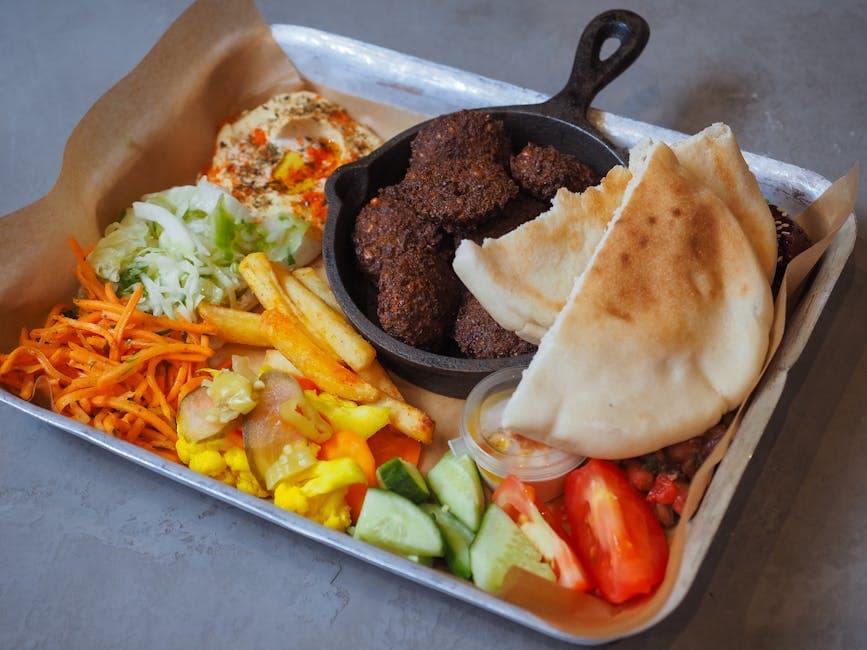
سابيش
بيتا عراقية إسرائيلية محشوة بالباذنجان المقلي والبيض المسلوق والحمص والسلطات والأمبا والزوغ - أيقونة الإفطار في تل أبيب.
حول هذه الوصفة
"سابيش" هو الإفطار الذي جلبه اليهود العراقيون إلى إسرائيل في الخمسينيات من القرن الماضي - وهو عبارة عن جيب بيتا يشبه أعجوبة معمارية صغيرة: حمص ناعم، وألواح من الباذنجان المقلي الذهبي، وبيضة مسلوقة كاملة مقطعة إلى شرائح رقيقة (على وجه التحديد هامينادو، تنضج طوال الليل في الشاي)، وسلطة إسرائيلية مكونة من خيار وطماطم، وطحينة، والبقدونس المفروم، والأمبا (صلصة المانجو المخمرة التي تمثل روح الطبق)، وملعقة نارية من zug. والنتيجة هي كريمة، مدخنة، منعشة، ساخنة، طازجة، وغنية في وقت واحد - كل قضمة مختلفة عن السابقة. كانت "سابيش" في الأصل وجبة صباح يوم السبت بعد الكنيس، وهي الآن نجمة طعام الشارع في تل أبيب وتُباع من متاجر بيتا الصغيرة ذات المنضدة الواحدة حيث يكون الخط دائمًا اثني عشر شخصًا.
المكونات
يخدم 4
- 2 كبيرباذنجان مقطع إلى شرائح بسمك 1 سم
- ملح ناعم للتمليح
- زيت محايد للقلي
- 4 كبيرالبيض المسلوق أو هامينادو (البيض العراقي المطبوخ لفترة طويلة)
- 4 كبيرخبز البيتا الطازج (أو اللافا)
- 200 غحمص ذو نوعية جيدة
- 5 ملعقة كبيرةصلصة الطحينة (مخففة بالليمون والماء)
- 2 كبيرطماطم، مقطعة إلى مكعبات صغيرة
- 2خيار فارسي، مقطع إلى مكعبات صغيرة
- 1 صغيربصل أحمر مفروم فرماً ناعماً
- 1 حزمة صغيرةأوراق البقدونس المسطحة، المفرومة ناعماً
- 1عصير ليمون
- 2 ملعقة كبيرةزيت الزيتون
- 4 ملعقة كبيرةأمبا (صلصة المانجو المخللة العراقية)
- 2 ملعقة كبيرةزوج (صلصة الفلفل الأخضر اليمني)
- فلفل أسود مطحون طازجًا
التعليمات
- 1
ملح الباذنجان
ضعي شرائح الباذنجان في مصفاة مع وضع الملح بين كل شريحة. ثقلها بطبق واتركها تستنزف لمدة 30 دقيقة. فهذا يلين اللحم ويحسن قوام القلي.
- 2
اصنع بيض هامينادو (اختياري ولكن كلاسيكي)
ضعي البيض في وعاء مملوء بالماء، بالإضافة إلى ملعقة كبيرة من أوراق الشاي الأسود، وقشر البصل المقشر، وقليل من الملح. يُطهى على نار خفيفة قدر الإمكان لمدة 4-6 ساعات (أو طوال الليل على أقل إعداد). يتحول اللون الأبيض إلى اللون البيج. يصبح الصفار حريريًا. بخلاف ذلك، اسلقي البيض جيدًا لمدة 8 دقائق ثم قطعيه إلى شرائح.
- 3
اصنع سلطة إسرائيلية
تُمزج الطماطم والخيار والبصل الأحمر والبقدونس مع عصير الليمون وزيت الزيتون والملح والفلفل. الذوق والسطوع - يجب أن يكون حادًا وطازجًا.
- 4
بات ويقلى الباذنجان
اضغط على شرائح الباذنجان بين المناشف الورقية حتى تجف. سخني 1 سم من الزيت في مقلاة واسعة. اقلي الشرائح على دفعات حتى يصبح لونها بنياً ذهبياً وكريمياً من الداخل، لمدة 3 دقائق لكل جانب. استنزاف على المناشف الورقية.
- 5
بيتا دافئ وتقسيم
لف خبز البيتا بورق الألمنيوم ثم قم بتسخينه في فرن على حرارة 180 درجة مئوية لمدة 5 دقائق. اقطعي الربع العلوي من كل قطعة وافتحيها في الجيب.
- 6
طبقة السابيش
دهن الجزء الداخلي من كل خبز بسخاء بالحمص، حتى القاع. أضف 3 شرائح من الباذنجان. كومة في ملعقة مشقوقة من السلطة الإسرائيلية. ضعي شرائح البيض على طول الجزء العلوي. رذاذ بكثرة مع الطحينة. ملعقة فوق أمبا وخط من الزوغ.
- 7
إنهاء
دس غصنًا أخيرًا من البقدونس. لف قاعدة كل خبز بيتا بمنشفة ورقية أو ورق زبدة - يصبح الأكل متحمسًا وسوف يقطر الأمبا.
هل جرّبت هذه الوصفة؟
قيّمها وساعد الآخرين في العثور على الوصفات التي تنجح فعلاً.
سجّل الدخول بنقرة واحدة وسنحفظ التقييم الذي اخترته للتو.
كل ما تحتاجه لتخطيط أسبوعك — مجانًا
- تقويم الوجبات
- قائمة التسوق
- أفكار وصفات بالذكاء الاصطناعي
تابع ما تأكله
صوّر وجبتك لتسجيل السعرات والعناصر الغذائية، واستخدم مؤقتات الصيام وتتبع شرب الماء في تطبيق SnapCal المجاني.
نصائح للمحترفين
- →
Amba هي روح Sabich - لا تتخطاها. ابحث عن الأمبا المخلل في متاجر الشرق الأوسط أو ارتجل مع صلصة المانجو + الحلبة + الكمون + الخل.
- →
يعتبر بيض هامينادو المطبوخ ببطء هو العنصر الأكثر تميزًا. إذا كان لديك الوقت الكافي للبدء بها في الليلة السابقة، فافعل.
- →
اقلي الباذنجان حتى يصبح داكنًا جدًا - الباذنجان المقلي طعمه مر ومطاطي؛ تذوب الشرائح المقلية بشكل صحيح مثل الكسترد.
الاختلافات
- •
سابيش مع البطاطا المقلية مضاف إليه (النسخة العراقية).
- •
وعاء السابيش: يقدم فوق الأرز مع جميع الإضافات، بدون خبز البيتا.
- •
استبدل zhug بـ skhug rosso (أحمر zhug) للحصول على لمسة نهائية أكثر حلاوة وأخف قليلاً.
تخزين
تُحفظ المكونات بشكل منفصل في الثلاجة لمدة 3 أيام - وتُجمّع طازجة. لا يتم الاحتفاظ بالسابيتش المُجمَّع؛ يتفكك البيتا في غضون ساعة.
التاريخ والأصل
تم جلب سابيش إلى إسرائيل من قبل المهاجرين اليهود العراقيين في الخمسينيات من القرن الماضي. اسمها مشتق من صباح، الكلمة العربية التي تعني الصباح - تم تناولها في الأصل كوجبة صباح يوم السبت حيث كان الطهي ممنوعًا، لذلك تم إعداد كل شيء في الليلة السابقة. تم افتتاح أول كشك تجاري لسابيتش في رمات غان في الستينيات.
الأسئلة المتداولة
هل يمكنني خبز الباذنجان بدلا من القلي؟
نعم - قم بدهن الشرائح بالزيت وشويها على حرارة 220 درجة مئوية لمدة 25 دقيقة. الملمس أقل روعة ولكنه أخف وأسهل.
أين أشتري أمبا؟
متاجر البقالة الشرق أوسطية أو الإسرائيلية، أو عبر الإنترنت. بمجرد فتحه، يتم الاحتفاظ به في الثلاجة لعدة أشهر.
حقائق التغذية
لكل وجبة (460g) · 4 حصص إجمالية
ملخص الوقت
هل لديك أسئلة؟
اسأل مساعد الطبخ الذي يعمل بالذكاء الاصطناعي لدينا أي شيء عن هذه الوصفة - البدائل والتقنيات والقياس.
الدردشة مع AI Chef →المزيد من وصفات إسرائيلي
قد يعجبك أيضًا
أطباق مشابهة من مطابخ أخرى حول العالم.
تصفّح حسب المكوّن
وصفات أخرى مبنية على المكوّنات الأساسية نفسها.
أدوات مطبخ مجانية
حاسبات ومحوّلات تكمّل هذه الصفحة — دون الحاجة إلى تسجيل.
حوّلها إلى خطة
جدولها، تسوّق لها، وتابع ما لديك بالفعل.
اقرأ بعد ذلك
مقالات أطول تتعمّق في الأفكار وراء هذا الطبق.
مجتمع
انضم إلى المحادثة
قم بتسجيل الدخول لترك تعليق وحفظ وصفاتك المفضلة