
Newstarter
Smørrebrød
Denmark's iconic open-faced rye bread sandwich — dense dark rugbrød piled with toppings of pickled herring, egg and prawn in elegant, artistic compositions.
20 min320 kcalEasy
★4.6(743)
Smørrebrød, æbleskiver, flæskesteg — elegant and hearty Nordic cuisine.
More recipes built around the same core ingredients.
Track what you eat
Snap your meal to log calories and macros, run fasting timers and track water in the free SnapCal app.
Plan your meals, track fasting and build your grocery list — free
MyCookingCalendar's dashboard runs right in your browser, no download needed.
Denmark's iconic open-faced rye bread sandwich — dense dark rugbrød piled with toppings of pickled herring, egg and prawn in elegant, artistic compositions.

Denmark's beloved spherical pancakes — light, fluffy balls of batter cooked in a special iron pan and served dusted with icing sugar and raspberry jam.

Tender pan-fried pork and veal patties with onion, egg and flour — Denmark's most beloved home-cooked dish, served with potatoes and pickled red cabbage.
Denmark's art form in edible form: dark rye bread topped with herring, smoked salmon, roast beef or egg, adorned with traditional garnishes — Scandinavian open sandwich culture.

A Danish Christmas classic — slow-roasted pork loin with the crispiest crackling imaginable, served with red cabbage and caramelised potatoes.

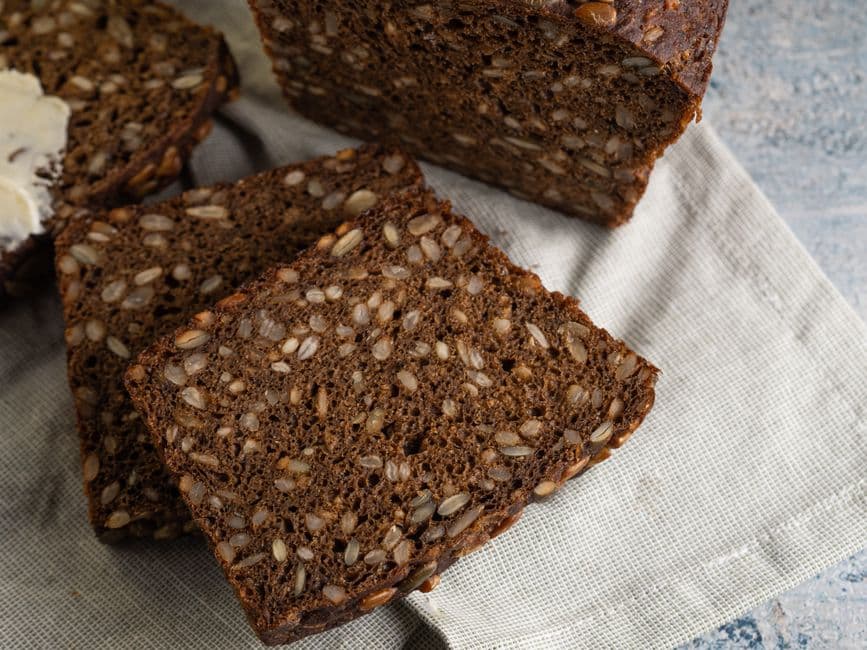
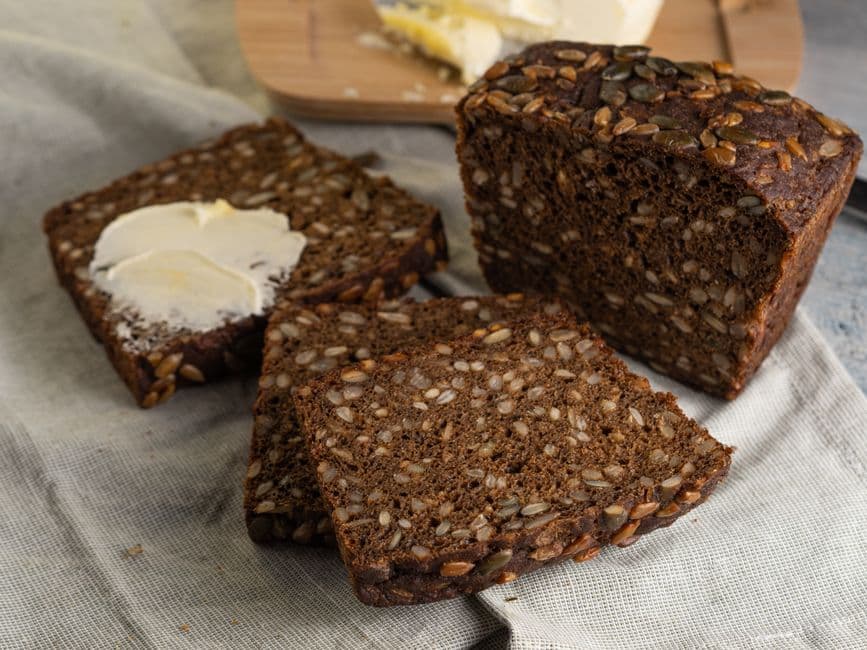
Denmark's dense, tangy, seedy sourdough rye loaf — the foundation of smørrebrød and one of the world's most nutritious breads.

The original Danish pastry — the buttery, laminated dough created by Austrian bakers in Copenhagen in the 1840s that gave the world 'danish pastry,' in many shapes and fillings.

Fluffy spherical Danish pancakes cooked in a special pan — a Christmas tradition served with jam and powdered sugar.
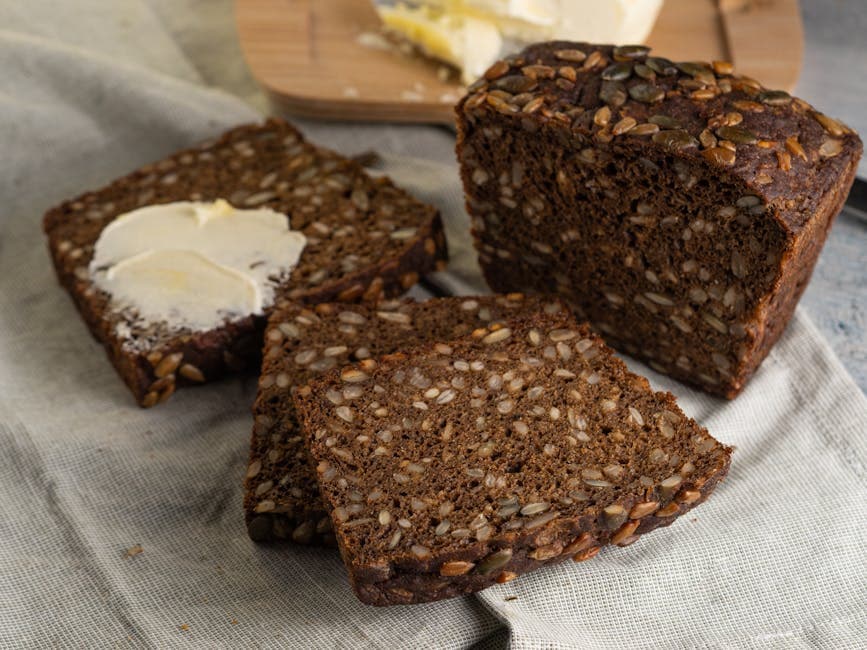
Dense, dark, malty Danish sourdough rye bread — the foundation of all Danish open-faced sandwiches.
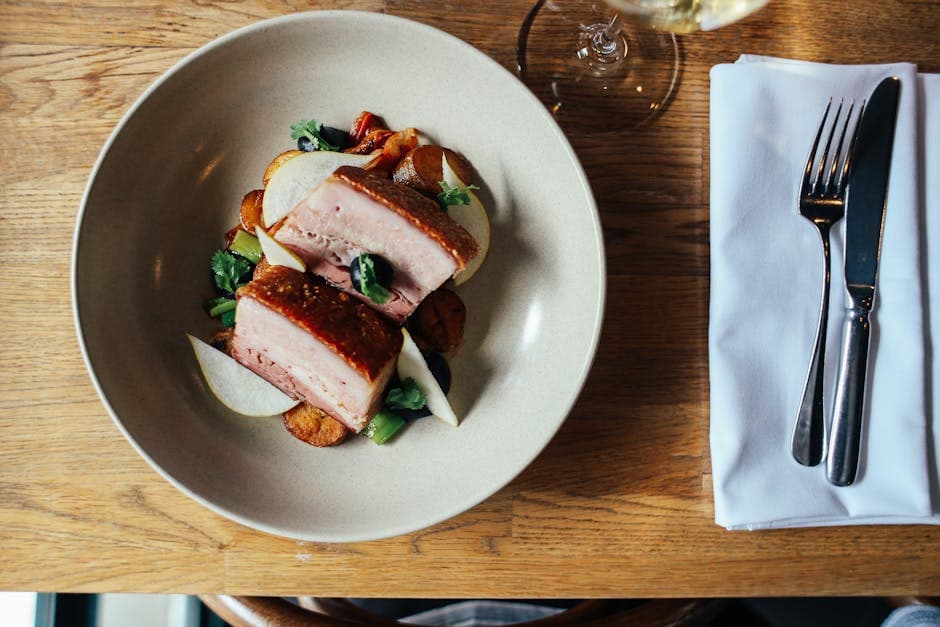
Denmark's Christmas centerpiece — slow-roasted pork with a legendary crunchy, blistered crackling.
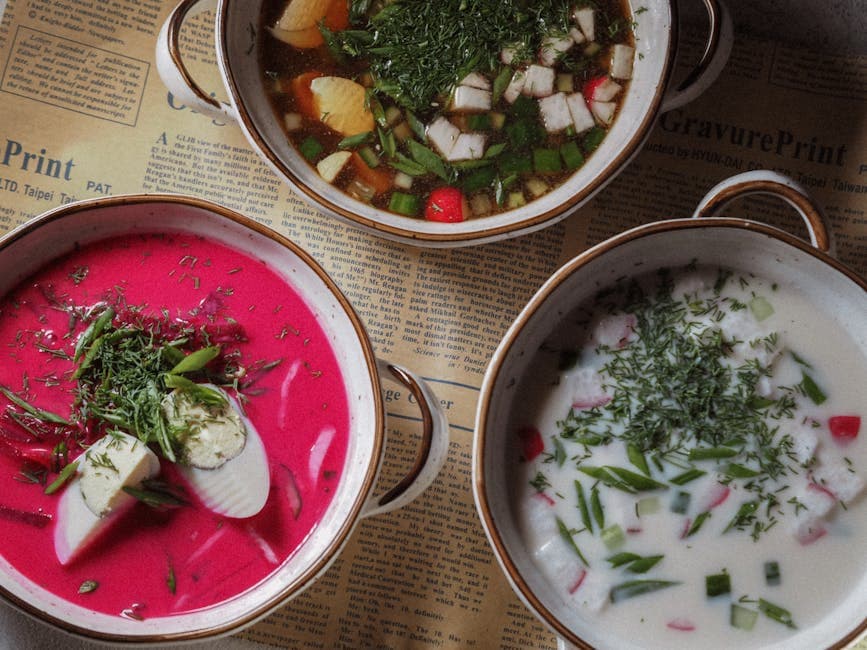
Refreshing Danish summer dessert soup of cold buttermilk, eggs, and vanilla — served with kammerjunker cookies.
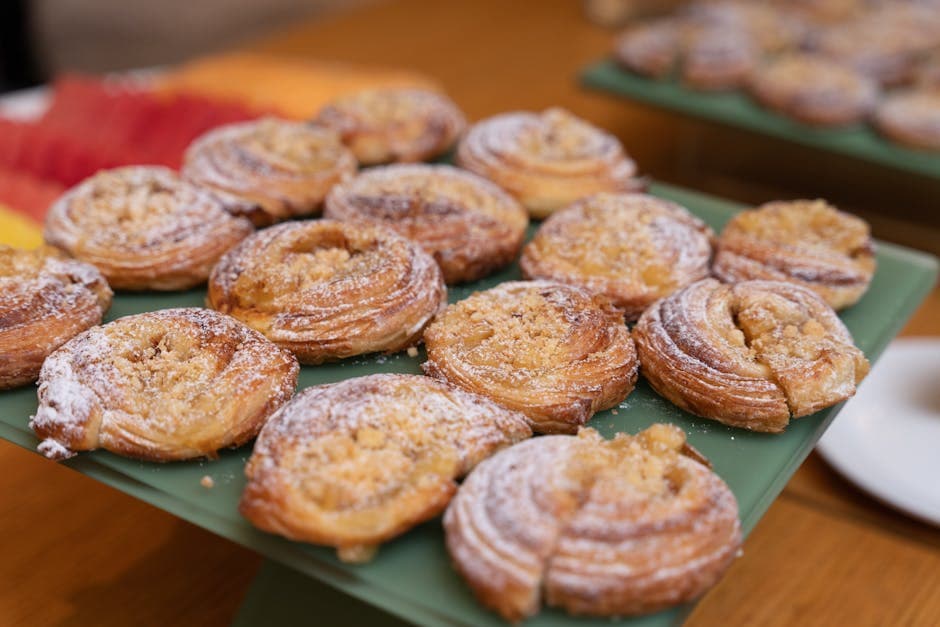
Pillowy Danish cinnamon rolls with butter, brown sugar, and cardamom in the dough — better than any other.
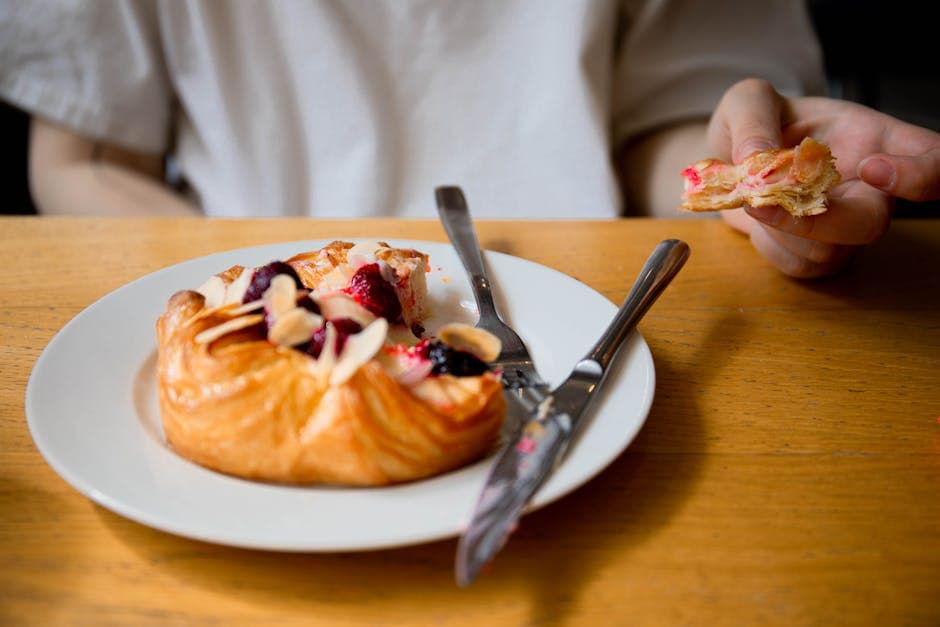
Danish Christmas rice pudding with almonds and warm cherry sauce — every table holds a whole almond and a hidden prize.

Danish caramelised potatoes — small waxy potatoes coated in butter and golden caramel — a beloved Christmas side.
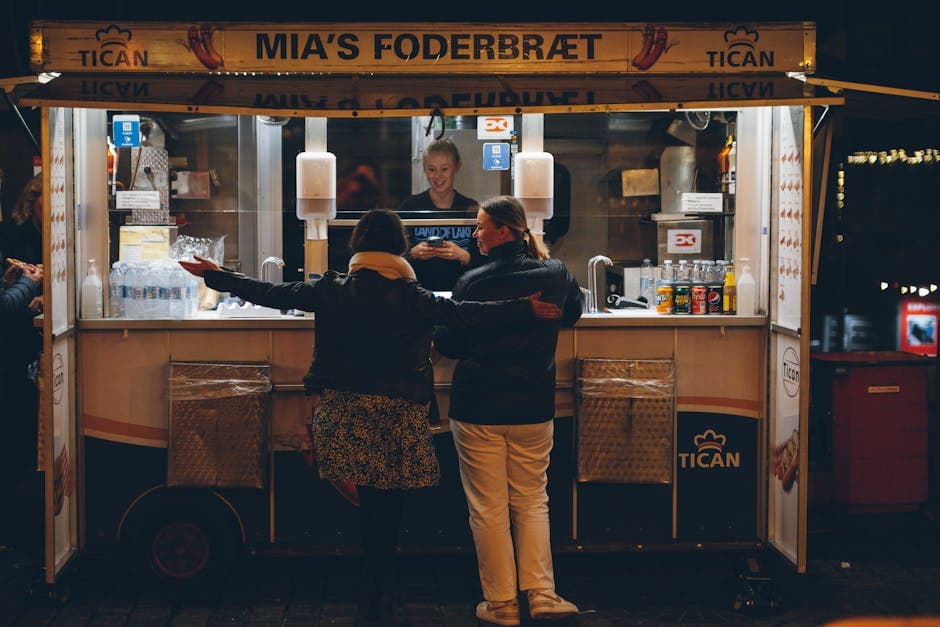
Danish pan-fried pork meatballs — flat-shaped, tender, and juicy, served with potatoes and brown gravy.

Traditional cured Atlantic fish jerky

Rich seafood stew with Atlantic fish and potatoes

Slow-cooked lamb with root vegetables

Traditional stew with seabird and root vegetables

Dense bread with barley and whole grains

Pan-fried Danish pork-and-veal meatballs served with red cabbage, parsley sauce, and boiled potatoes.

Buttered dark rye topped with sweet pink shrimp bound in dill-mayonnaise, a curl of lemon, fresh dill and a single black caviar bead — the most elegant of Denmark's open-face sandwiches.
Danish Market Lemon Herb Rice Bowl brings danish flavor to a practical rice bowl built with chicken thighs, rye, butter, dill and pickled vegetables, and a fresh dill finish.
Danish Village Smoky Tomato Soup brings danish flavor to a practical soup built with mushrooms, rye, butter, dill and pickled vegetables, and a fresh dill finish.
Danish Garden Sesame Lime Skillet brings danish flavor to a practical skillet dinner built with cauliflower, rye, butter, dill and pickled vegetables, and a fresh dill finish.
Danish Harbor Charred Pepper Noodles brings danish flavor to a practical noodle dish built with rice noodles, rye, butter, dill and pickled vegetables, and a fresh dill finish.
Danish Mountain Green Herb Salad brings danish flavor to a practical salad built with grilled chicken, rye, butter, dill and pickled vegetables, and a fresh dill finish.
Danish Festival Lemon Herb Flatbread brings danish flavor to a practical flatbread built with flatbread dough, rye, butter, dill and pickled vegetables, and a fresh dill finish.
Danish Homestyle Smoky Tomato Traybake brings danish flavor to a practical traybake built with sweet potatoes, rye, butter, dill and pickled vegetables, and a fresh dill finish.
Danish Street Sesame Lime Fritters brings danish flavor to a practical fritters built with salted fish, rye, butter, dill and pickled vegetables, and a fresh dill finish.
Danish Golden Charred Pepper Breakfast Plate brings danish flavor to a practical breakfast plate built with beans, rye, butter, dill and pickled vegetables, and a fresh dill finish.
Danish Weeknight Green Herb Dessert brings danish flavor to a practical dessert built with coconut, rye, butter, dill and pickled vegetables, and a fresh dill finish.
A thick pan-fried ground beef patty smothered in soft, slow-cooked onions and a simple pan gravy.
Rye bread topped with thin slices of herb-spiced rolled pork or veal, a classic Danish open-faced sandwich.
Round, fluffy pancake puffs cooked in a special dimpled pan, dusted with powdered sugar and served with jam.
Thick slices of pork belly fried until deeply crisp, served with boiled potatoes and a creamy white parsley sauce.
Chilled rice pudding folded with whipped cream and chopped almonds, served with a warm cherry sauce, a beloved Christmas dessert.
Finely chopped kale simmered in a creamy béchamel-like sauce, a traditional Danish Christmas side dish served with roast pork or duck.
A pork roast with deeply scored skin, roasted until the crackling shatters, the centerpiece of Danish Christmas dinner.
A lightly thickened, silky compote of mixed red berries served chilled with a generous pour of cold cream.
A creamy curry-spiced mayonnaise salad studded with chopped egg, pickles and apple, a popular smørrebrød topping.
Small pork meatballs simmered in a mild, creamy curry sauce with carrots and apple, served over rice.
Small boiled potatoes tossed in a glossy, buttery caramel coating, a traditional Danish Christmas side dish.
Thick, tangy cultured Danish dairy topped with a sweet, crunchy toasted rye breadcrumb topping, a beloved everyday breakfast.
Flaky, buttery laminated pastry spiraled around a sweet almond remonce filling, the origin of what the world calls 'Danish'.
A thick, fluffy skillet egg pancake studded with chives, topped with crispy bacon and served with dark rye bread.
A coarsely ground, allspice-scented fresh pork sausage, pan-fried and served with braised cabbage and boiled potatoes.
A rich, baked pork liver pâté studded with bacon, a beloved smørrebrød topping served warm with fried mushrooms.
Buttered rye topped with smoked salmon, dill and a creamy horseradish spread — a classic Danish open-faced sandwich, smørrebrød.
Layered potatoes baked in cream with caraway seeds — a simple, comforting Danish side dish built on classic Nordic pantry staples.
Tender pan-fried pork and veal meatballs, lightly flattened and golden — Denmark's beloved everyday frikadeller, served with potatoes and gravy.
A thick, hearty split pea soup simmered with bacon and root vegetables — a traditional Danish winter soup, gule ærter.
A soft omelette folded with fresh chives, parsley and dill, finished with a squeeze of lime — a light, herb-forward Danish breakfast.
Creamy oatmeal simmered in milk, finished with a bright charred lemon and honey drizzle — a simple, comforting Danish breakfast, havregrød.
Delicate plaice fillets baked with fresh tomato and dill — a simple, coastal Danish fish dinner built on the North Sea's most common catch.
Buttery, laminated pastry dough twisted into pretzel-shaped rolls and coated in toasted sesame seeds — a Danish bakery treat built on classic laminated dough.
Thinly sliced cucumbers marinated in a sweet-sour vinegar dressing with dill — a classic Danish side salad, agurkesalat.
A whole chicken roasted with apple wedges and fresh thyme in the cavity — a simple Danish Sunday dinner built on classic orchard fruit and herbs.
Roasted cauliflower and tomato baked together with fresh herbs and a light cheese topping — a simple Danish vegetable side dish.
Traditional Danish æbleskiver, round fluffy pancake puffs cooked in a special pan, served with a fresh basil-berry compote.
A hearty grain bowl built from Denmark's smørrebrød pantry — rye grains, pickled herring, egg and fresh dill, brightened with lime.
A Danish coastal-style shrimp and rice dish built on brown butter, dill and lemon, the flavors of a classic reje smørrebrød.
Gule ærter, Denmark's classic thick yellow split pea soup with smoked pork, served as a comforting Sunday bowl.
Bell peppers stuffed with a savory pork and rye breadcrumb filling, finished with fresh dill and a squeeze of lemon.
A creamy Danish potato casserole layered with mild curry powder, onion and cheese, baked until golden and bubbling.
A juicy pork-and-veal frikadelle patty served burger-style on rye bread with a bright basil mayonnaise.
A creamy Danish Christmas rice pudding folded with whipped cream and almonds, topped with a warm curry-spiced caramel.
A Danish holiday plate of crackling roast pork and sweet-sour red cabbage, served with a cool mint yogurt sauce.
Danish cuisine rests on rye bread, pork, dairy, and the sea. Its emblem is smørrebrød: dense sourdough rye (rugbrød) buttered and built into open-faced sandwiches with codified toppings — pickled herring with onion and capers, fried fish fillet with remoulade, roast pork with red cabbage, or the shrimp-piled 'stjerneskud.' Classic warm dishes follow the same hearty logic: frikadeller (pan-fried pork meatballs), stegt flæsk med persillesovs (crisp pork belly with parsley sauce, the official national dish), and flæskesteg roast pork with crackling.
Denmark's dairy and baking traditions run deep. Butter and cream finish sauces and pastries alike; the 'Danish' pastry is locally called wienerbrød — Vienna bread — because Austrian bakers brought lamination techniques during an 1850s bakers' strike, after which Danes perfected them with more butter and remonce filling. Christmas brings flæskesteg, duck with apples and prunes, caramelized potatoes, and risalamande, the almond rice pudding with cherry sauce and a hidden-whole-almond game.
Since the early 2000s, Denmark has also been the engine of New Nordic cuisine. The 2004 manifesto co-authored by Claus Meyer and René Redzepi of Noma re-centered cooking on Nordic terroir — foraged sea buckthorn, ramsons, beach herbs, fermentation, and heritage grains — and reshaped restaurants worldwide. At home, the everyday rhythm stays humble: rye bread lunches packed for school and work, hygge-driven communal dinners, and a strong coffee-and-pastry culture.
Smørrebrød
Buttered rye bread with codified toppings — herring, fried plaice with remoulade, roast pork — eaten with knife and fork, never hands.
Rugbrød (Rye Bread)
Dense, seeded sourdough rye is the daily staple, packed into lunchboxes nationwide and the structural base of smørrebrød.
Pork & Frikadeller
Denmark's pig-farming heritage shows in frikadeller meatballs, crackling-topped flæskesteg, and the national dish, crisp pork belly with parsley sauce.
Pickled Herring
Sild cured in vinegar, curry cream, or sherry marinades opens every Danish lunch table, especially at Christmas and Easter frokost.
Wienerbrød & Butter Baking
Laminated 'Danish' pastries with remonce, plus kanelsnegle and dream cake (drømmekage), define the legendary bakery culture.
New Nordic Thinking
The Noma-era manifesto pushed foraging, fermentation, and Nordic terroir into global fine dining and back into Danish home habits.
Smørrebrød open-faced rye sandwiches, Danish pastries (wienerbrød), frikadeller meatballs, crisp roast pork with crackling, pickled herring, and hot dogs from pølsevogn street carts. Denmark is also the birthplace of New Nordic cuisine — the foraging-and-fermentation movement launched around Noma in Copenhagen — and of the cozy meal culture summed up by hygge.
They overlap heavily — herring, rye, pork, berries — but Denmark made the open sandwich (smørrebrød) its centerpiece while Sweden formalized the smörgåsbord buffet and the meatball-lingonberry plate. Danish food leans more on butter, pork crackling, and laminated pastry; Sweden on lingonberries, dill-cured fish, and Thursday pea soup. Danish rugbrød is darker and denser than most Swedish breads.
In Denmark it's called wienerbrød — 'Vienna bread' — because Austrian bakers introduced laminated yeast dough to Copenhagen during a Danish bakers' strike in the 1850s. Danish bakers then enriched the technique with more butter and remonce (a creamed butter-sugar filling), creating spandauer, kanelsnegle, and the pastries the rest of the world now simply calls 'a Danish.'
Frikadeller: mix ground pork (or pork and veal) with grated onion, egg, flour or oats, and milk, then pan-fry spoonfuls in butter until browned. Serve with boiled potatoes, brown gravy or stewed white cabbage, and pickled red cabbage. Smørrebrød is the other easy entry — good rye bread, butter, and careful topping assembly is the whole craft.
Roast duck with apples and prunes and/or flæskesteg (pork roast with crackling), boiled potatoes plus brunede kartofler (potatoes caramelized in butter and sugar), red cabbage, and thick brown gravy. Dessert is risalamande — cold rice pudding folded with whipped cream and chopped almonds, served with warm cherry sauce — where finding the single whole almond wins a marzipan pig.
Calculators and converters that pair with this page — no signup needed.