

NewSoup
Ghanaian Groundnut Soup
A rich, deeply flavoured West African peanut soup simmered with chicken, tomatoes and aromatic spices — the soul of Ghanaian cooking.
80 min580 kcalMedium
★4.7(312)
Groundnut soup, kelewele, jollof — vibrant and richly spiced West African cooking.
More recipes built around the same core ingredients.
Track what you eat
Snap your meal to log calories and macros, run fasting timers and track water in the free SnapCal app.
Plan your meals, track fasting and build your grocery list — free
MyCookingCalendar's dashboard runs right in your browser, no download needed.
A rich, deeply flavoured West African peanut soup simmered with chicken, tomatoes and aromatic spices — the soul of Ghanaian cooking.

Ghanaian street-food classic — ripe plantain cubes marinated in ginger, Scotch bonnet and spices, then deep-fried until caramelised and irresistible.

Tender rice and black-eyed peas cooked together with dried sorghum leaves for a deep reddish-brown colour, served with stew, egg and wele — Ghana's most iconic street food.

A vibrant stew of black-eyed peas cooked in a rich palm oil and tomato sauce, served with fried sweet plantain — Ghana's most popular everyday dish.

Fermented corn and cassava dough formed into smooth dumplings, served with whole grilled tilapia, shito and fresh pepper sauce — a quintessential Ghanaian coastal meal.
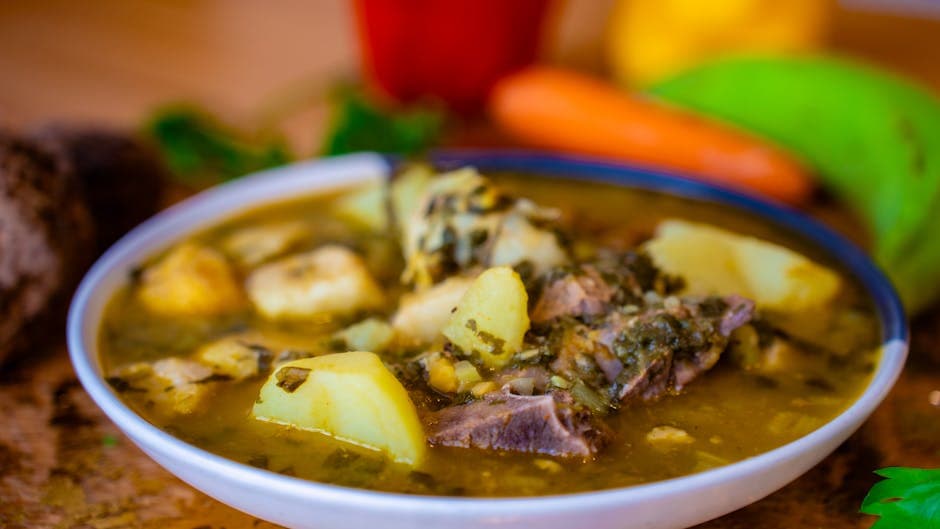
A Ghanaian taro leaf stew cooked with smoked fish, palm oil, and egusi seeds — earthy, rich, and full of bold West African flavors, eaten with fufu or boiled yam.

Ghana's fermented corn dough dumplings served with whole grilled tilapia and pepper sauce — a coastal classic.
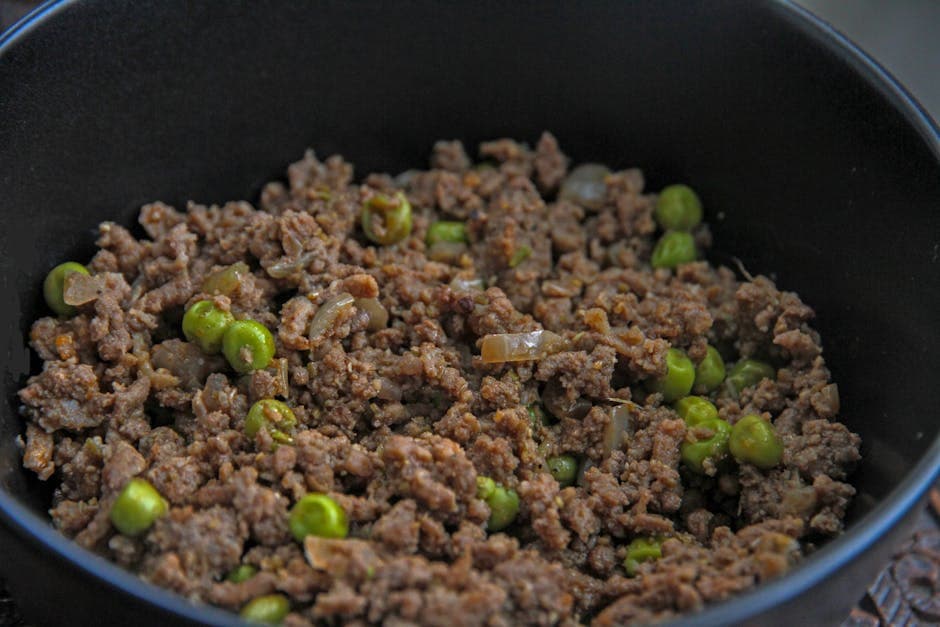
Ghana's beloved red palm oil black-eyed pea stew with ripe fried plantains — a simple, nourishing staple.
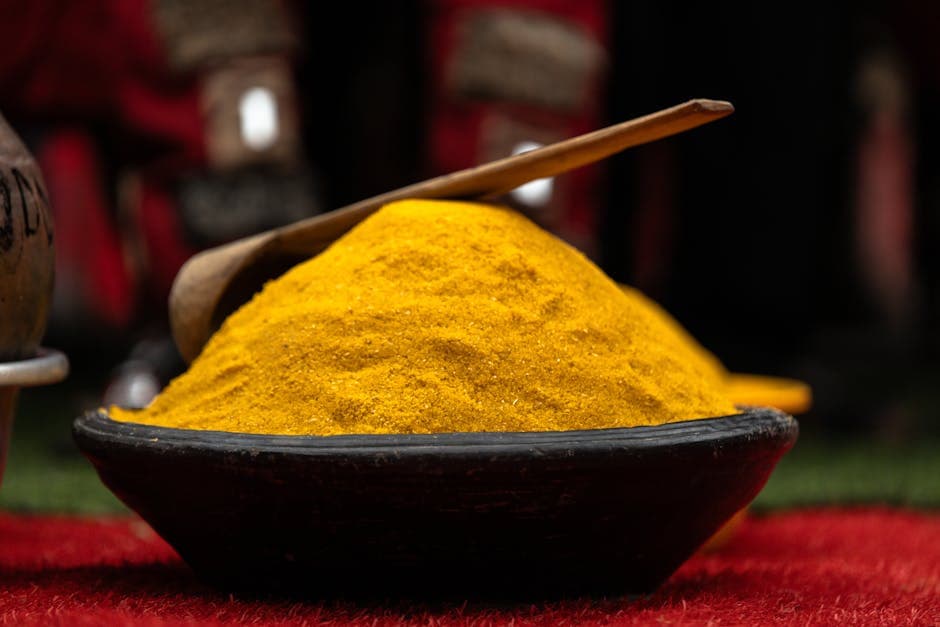
Smooth, pounded cassava and plantain fufu served in a clear, peppery palm nut or tomato soup.
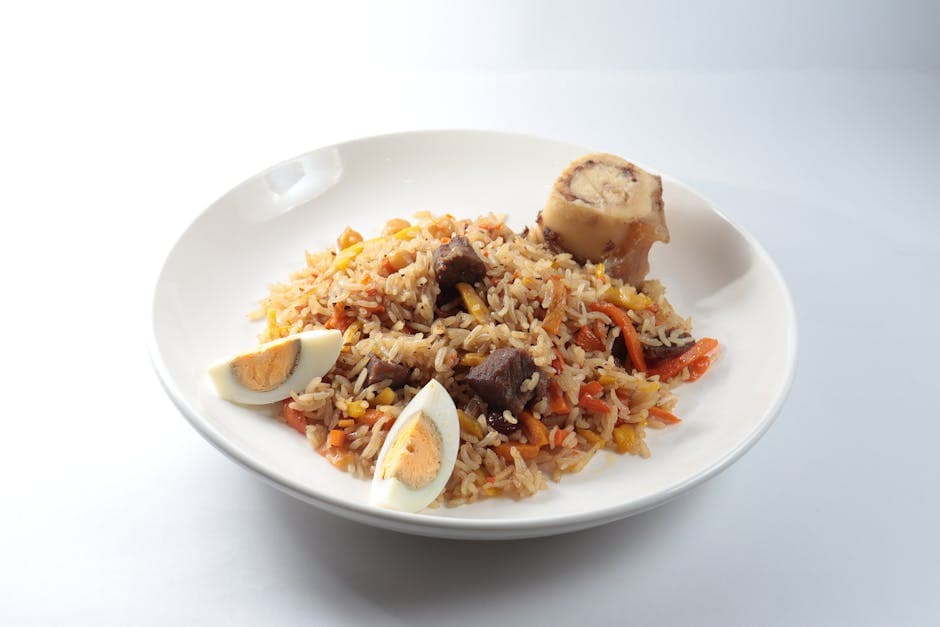
Soft, sticky Ghanaian rice balls served with palm nut soup or groundnut soup — a Northern Ghanaian staple.
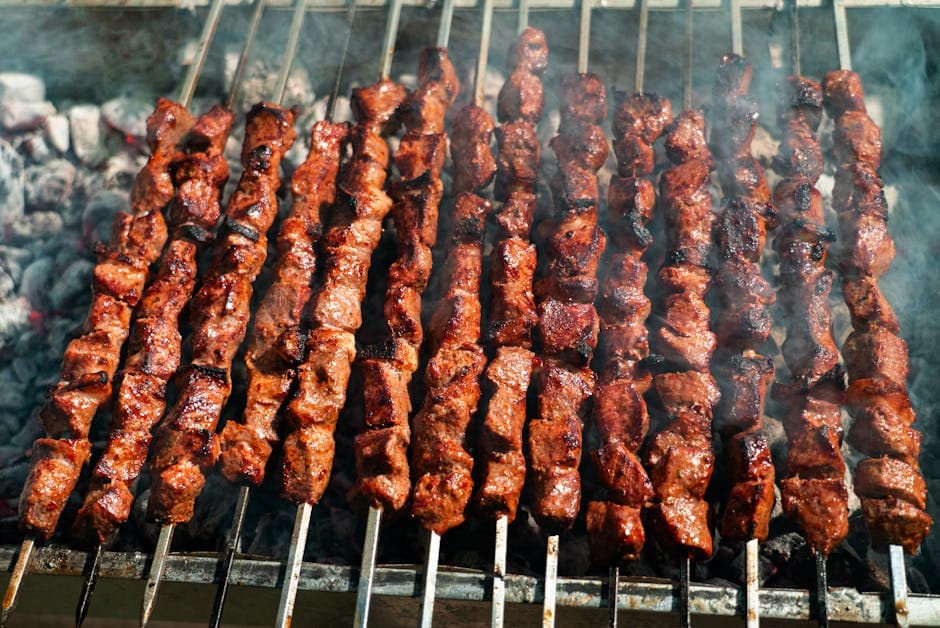
Ghana's street food king — spiced beef skewers grilled over coals and coated in spiced ground peanuts.

Ghana's essential everyday soup — a thin, deeply flavoured tomato broth with goat, chicken or fish, whole scotch bonnets and tomatoes. Always served over fufu or with rice balls.
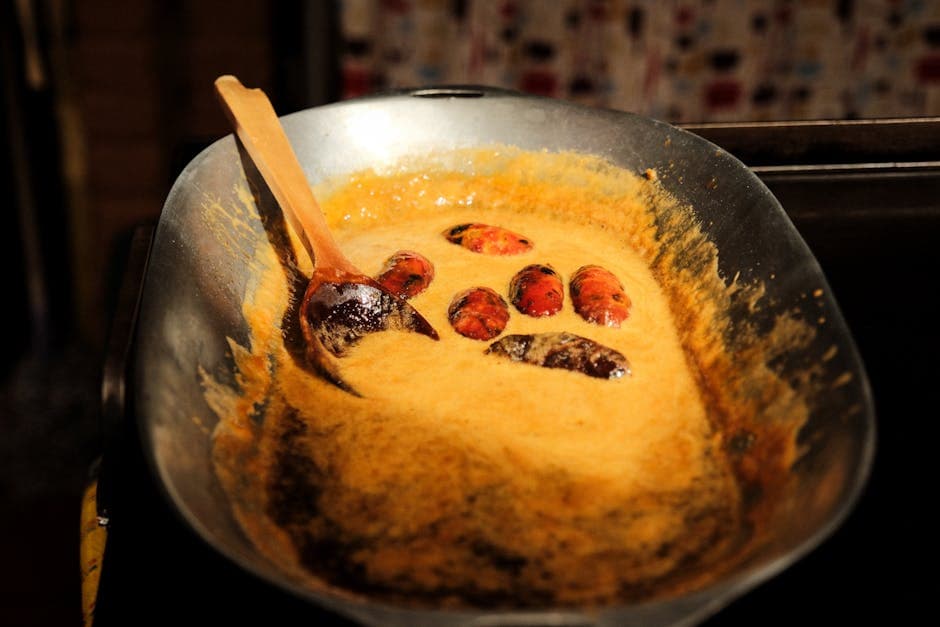
Ghanaian rich palm nut soup with chicken, crab and smoked fish — a deeply traditional Akan soup.
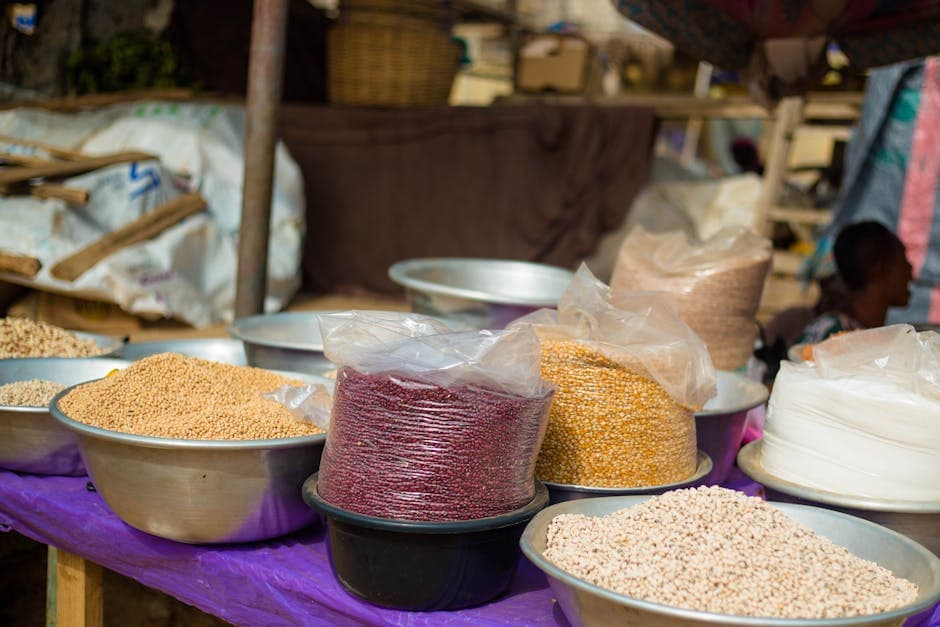
Ghana's iconic burgundy rice-and-beans tinted with sorghum leaves, served with stew, shito, gari, and fried plantain.

The Ghanaian side of West Africa's most famous food rivalry — long-grain rice slow-simmered in smoky tomato sauce until a prized caramelised crust forms on the bottom.
Ghanaian Market Lemon Herb Rice Bowl brings ghanaian flavor to a practical rice bowl built with chicken thighs, tomato stew, ginger, peanuts and smoked fish, and a fresh scallions finish.
Ghanaian Village Smoky Tomato Soup brings ghanaian flavor to a practical soup built with mushrooms, tomato stew, ginger, peanuts and smoked fish, and a fresh scallions finish.
Ghanaian Garden Sesame Lime Skillet brings ghanaian flavor to a practical skillet dinner built with cauliflower, tomato stew, ginger, peanuts and smoked fish, and a fresh scallions finish.
Ghanaian Harbor Charred Pepper Noodles brings ghanaian flavor to a practical noodle dish built with rice noodles, tomato stew, ginger, peanuts and smoked fish, and a fresh scallions finish.
Ghanaian Mountain Green Herb Salad brings ghanaian flavor to a practical salad built with grilled chicken, tomato stew, ginger, peanuts and smoked fish, and a fresh scallions finish.
Ghanaian Festival Lemon Herb Flatbread brings ghanaian flavor to a practical flatbread built with flatbread dough, tomato stew, ginger, peanuts and smoked fish, and a fresh scallions finish.
Ghanaian Homestyle Smoky Tomato Traybake brings ghanaian flavor to a practical traybake built with sweet potatoes, tomato stew, ginger, peanuts and smoked fish, and a fresh scallions finish.
Ghanaian Street Sesame Lime Fritters brings ghanaian flavor to a practical fritters built with salted fish, tomato stew, ginger, peanuts and smoked fish, and a fresh scallions finish.
Ghanaian Golden Charred Pepper Breakfast Plate brings ghanaian flavor to a practical breakfast plate built with beans, tomato stew, ginger, peanuts and smoked fish, and a fresh scallions finish.
Ghanaian Weeknight Green Herb Dessert brings ghanaian flavor to a practical dessert built with coconut, tomato stew, ginger, peanuts and smoked fish, and a fresh scallions finish.
Rice and black-eyed peas cooked together with dried sorghum leaves for a distinctive reddish-brown color, served with an array of sides.
Ripe plantain cubes marinated in ginger, chili and warming spices, then fried until caramelized and crisp at the edges.
Pounded, stretchy cassava and plantain dough served alongside a light, peppery tomato-based soup with goat meat.
Black-eyed peas simmered in a palm oil and tomato sauce, served alongside sweet fried plantain, a beloved everyday Ghanaian dish.
Fermented corn and cassava dough cooked into a smooth, tangy dumpling, served with whole grilled tilapia and a fiery pepper sauce.
Thin beef skewers coated in a spiced, ground peanut suya spice blend, grilled over open flame, a popular Ghanaian street food.
Chopped cocoyam leaves simmered in a palm oil, tomato and smoked fish sauce, a nutrient-rich Ghanaian home-cooking staple.
Soft, pillowy deep-fried dough balls with a slightly sweet, doughnut-like flavor, a beloved Ghanaian breakfast and snack treat.
Boiled yam, plantain and cassava served plain alongside a rich cocoyam leaf and palm oil stew, a simple, everyday Ghanaian meal.
A deeply savory, fiery black sauce of dried shrimp, dried fish, ginger and chilies slow-cooked in oil, essential to Ghanaian cuisine.
A smooth, stretchy millet or corn dough served with a slightly slimy, nutritious ayoyo leaf soup, a beloved staple of northern Ghana.
Chunks of yam simmered in a light palm oil and tomato broth until soft and slightly broken down, a comforting Ghanaian breakfast porridge.
Crunchy, caramelized peanut candy discs, a beloved sweet Ghanaian snack sold widely by roadside vendors.
Finely chopped okra simmered down into a thick, slightly gelatinous stew with smoked fish and palm oil, a classic Ghanaian favorite.
Stir-fried rice with mixed vegetables, served with a smoky shito sauce and juicy grilled chicken, a popular modern Ghanaian party dish.
Smoky suya-spiced beef skewers tucked into toasted bread with tomato, onion and a squeeze of lime, the way Accra street vendors serve them after dark.
Ground smoked fish and onion patties seasoned with garlic and lime, pan-seared until crisp the way coastal Ghanaian fishing families cook their catch.
Black-eyed peas simmered in a palm oil and tomato base with ripe plantain on the side, the classic Ghanaian bean stew known as red red.
Eggs scrambled into a bubbling tamarind-spiked tomato and onion stew, a quick Ghanaian breakfast built for spooning over bread or rice.
Spiced fermented millet porridge simmered until silky, served with crisp koose bean fritters the way it's sold at Ghanaian breakfast stalls.
Whole tilapia scored and roasted until the skin blisters, served smothered in a spicy roasted pepper and onion sauce with a nutty sesame finish.
Flaky hand pies stuffed with smoky paprika-spiced ground beef and vegetables, a Ghanaian bakery classic eaten warm as a snack or party food.
Warm ginger-chile fried plantain cubes tossed with roasted peanuts, red onion and lime over greens, built around the classic Ghanaian street snack kelewele.
Garlic and lime marinated chicken thighs grilled until charred, a Ghanaian party staple served with jollof rice or coleslaw.
Garden eggs (African eggplant) roasted then mashed into a tomato and onion stew, baked with a cheese-free crust of gari for a hearty vegetable dinner.
Pillowy, lightly sweet fried dough balls with a golden crust and airy interior, the Ghanaian teatime snack known as bofrot or puff-puff.
Sweet, spiced Ghanaian plantain pancakes made with ripe plantain, ginger and orange zest, fried until golden.
Smoky, tomato-based Ghanaian jollof rice topped with grilled chicken and a fresh mint garnish.
Smoky Ghanaian jollof rice simmered with warm curry spice and finished with plump, quickly seared shrimp.
Ghana's classic red red stew of black-eyed peas in a palm oil and tomato sauce, brightened with ginger and orange.
Bell peppers stuffed with smoky jollof-spiced rice and ground beef, baked and finished with fresh mint.
A baked Ghanaian-style peanut chicken casserole with warm spice, tomato and a rich groundnut sauce.
A grilled beef burger coated in Ghanaian suya spice, topped with a bright ginger-orange cabbage slaw.
A creamy Ghanaian coconut rice pudding warmed with cinnamon, nutmeg and ginger, sweetened with condensed milk.
A festive Ghanaian holiday plate of smoky party jollof rice, grilled chicken and a bright green herb sauce.
Ghanaian cuisine is built on the pairing of a starchy staple with a rich soup or stew. Fufu — cassava and plantain pounded into a smooth, elastic dough — is swallowed, not chewed, with light soup, groundnut soup, or palm-nut soup. Banku and kenkey, fermented corn doughs from the Ga and coastal peoples, deliver a sour tang that matches grilled tilapia and fiery shito, the black pepper sauce of dried fish, shrimp, and chilies cooked down in oil.
Jollof rice, cooked in a tomato-pepper base until the bottom catches, is both an everyday dish and the subject of West Africa's friendliest rivalry with Nigeria; Ghanaian jollof typically uses aromatic local or basmati-style rice and a ginger-forward blend. Waakye, rice and beans tinted maroon by dried sorghum leaves, is the definitive street breakfast, served with gari, spaghetti, boiled egg, and shito in a single layered plate.
Home cooks start most dishes the same way: blend tomatoes, onions, ginger, garlic, and scotch bonnet (or the local kpakpo shito chili) into a base, then fry it down in oil until it loses rawness. Smoked and dried fish, dawadawa (fermented locust bean), and crab or goat deepen the soups. Kelewele — ripe plantain cubes spiced with ginger and cayenne, then fried — is the night-market snack everyone learns first.
Fufu and soups
Pounded cassava-plantain dough served in light soup, groundnut soup, or palm-nut soup — Ghana's defining swallow-and-soup pairing.
Jollof rice
Rice cooked in a reduced tomato-pepper-ginger base until smoky at the bottom, the centerpiece of parties and a regional rivalry.
Fermented corn doughs
Banku and kenkey bring a sour, tangy backbone to plates of grilled tilapia, okra stew, and pepper sauce.
Shito
A deep-black condiment of dried shrimp, dried fish, and chilies slow-fried in oil, spooned over rice, waakye, and kenkey.
Groundnut (peanut) base
Peanut paste thickens nkatenkwan, the groundnut soup with chicken or goat, balancing chili heat with nutty richness.
Plantain
Eaten at every ripeness — boiled green, pounded into fufu, or fried ripe with ginger and chili as kelewele.
Ghanaian cuisine is known for jollof rice, fufu with groundnut or light soup, waakye (sorghum-tinted rice and beans), banku with grilled tilapia, and shito pepper sauce. Meals pair a starchy staple — pounded, fermented, or boiled — with a deeply reduced soup or stew built on tomatoes, ginger, onions, and chilies, often enriched with smoked fish or peanut paste.
Ghanaian jollof typically uses fragrant long-grain or basmati-style rice and a sauce heavier on fresh ginger and garlic, often cooking the rice directly in the stew. Nigerian jollof favors parboiled long-grain rice, white pepper, and bay leaf, prized for the smoky 'party jollof' bottom layer. Both reduce tomatoes, red peppers, and scotch bonnets into the base; the rivalry is real but good-natured.
Generally yes — scotch bonnet and kpakpo shito chilies go into most stew bases, and shito condiment adds another layer at the table. That said, heat in home cooking is adjustable: soups like nkatenkwan (groundnut soup) balance chili with peanut richness, and staples like fufu, kenkey, and boiled yam are plain by design, tempering each spicy spoonful.
Jollof rice is the natural first dish: blend tomatoes, red bell pepper, onion, ginger, and a scotch bonnet, fry the purée down in oil with tomato paste and curry powder, then steam the rice in it. Kelewele — fried ripe plantains tossed with ginger, cayenne, and salt — is even easier and takes fifteen minutes. Groundnut soup is a good third step.
Fufu is a smooth, stretchy dough traditionally made by pounding boiled cassava and unripe plantain in a wooden mortar; outside Ghana it is often made from fufu flour whisked over heat. It has a mild, slightly tangy taste and is eaten with the right hand: pinch off a piece, indent it, scoop up soup, and swallow without chewing — it is a vehicle for the soup's flavor.
Calculators and converters that pair with this page — no signup needed.