
NewDinner
Hungarian Goulash
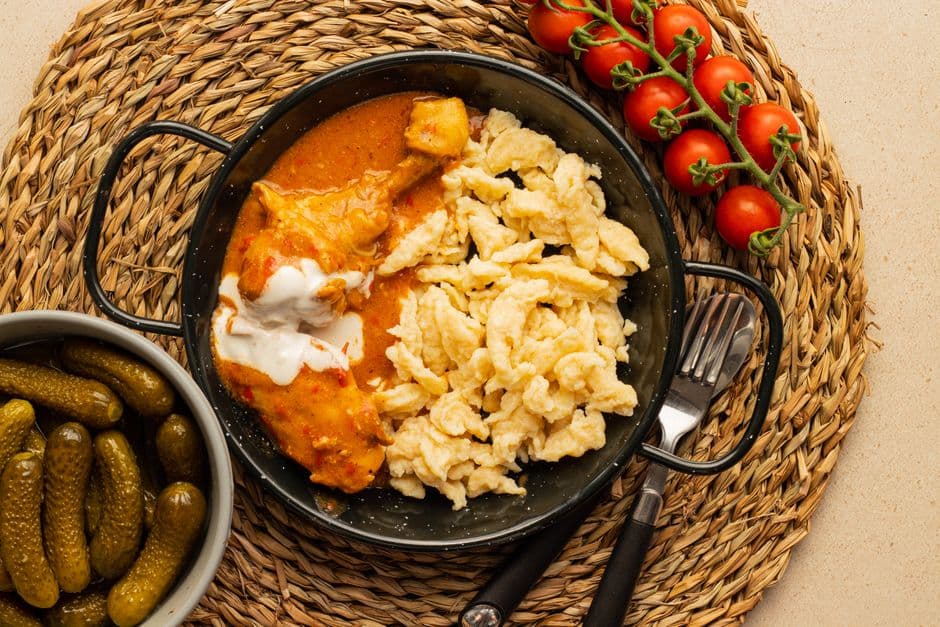
Hungary's iconic paprika-red beef and potato stew — deeply savoury, warmly spiced and cooked low and slow until the beef is meltingly tender.
170 min390 kcalEasy
★4.8(1,956)
Goulash, chicken paprikash, lángos — bold paprika-spiced Carpathian cuisine.
More recipes built around the same core ingredients.
Track what you eat
Snap your meal to log calories and macros, run fasting timers and track water in the free SnapCal app.
Plan your meals, track fasting and build your grocery list — free
MyCookingCalendar's dashboard runs right in your browser, no download needed.
15 Freezer-Friendly Make-Ahead Meals That Actually Reheat Well
15 real, well-rated stews, braises, curries and bakes from around the world that freeze without losing texture — plus the portioning, thawing and reheating technique to make them taste freshly cooked.
10 Winter Soups From Around the World
Hearty cold-weather soups worldwide, with Turkish çorba classics — mercimek, tarhana, and beyran — leading the way.
Hungary's iconic paprika-red beef and potato stew — deeply savoury, warmly spiced and cooked low and slow until the beef is meltingly tender.
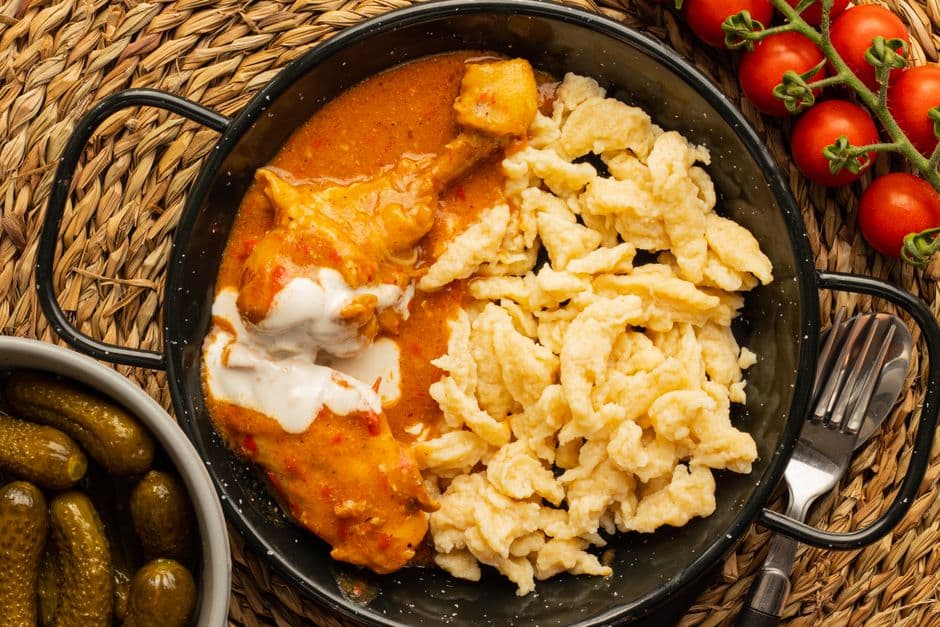
Csirkepaprikás — tender chicken thighs braised in a velvety, paprika-scented sauce finished with sour cream, served with egg noodles.

The authentic Hungarian gulyás: a clear, paprika-rich beef and potato soup — not the thick Western stew, but a warming, elegant soup that is Hungary's national dish.
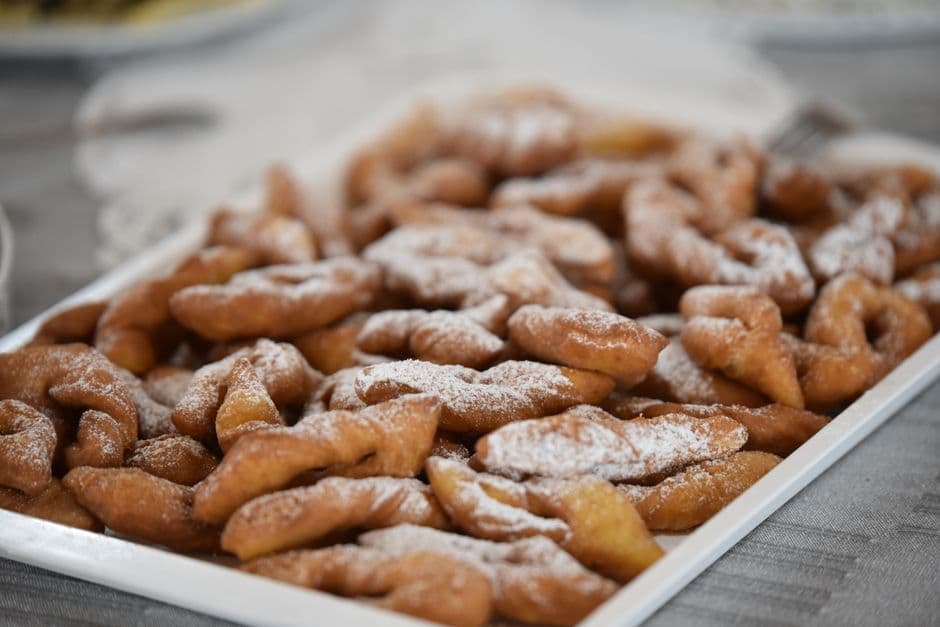
Hungary's most beloved street food: a large, yeasted flatbread deep-fried until golden and puffy, topped with sour cream and grated cheese.

Cabbage rolls filled with pork and rice, slow-braised in sauerkraut with smoked pork and paprika — Hungary's greatest winter dish and Christmas tradition.
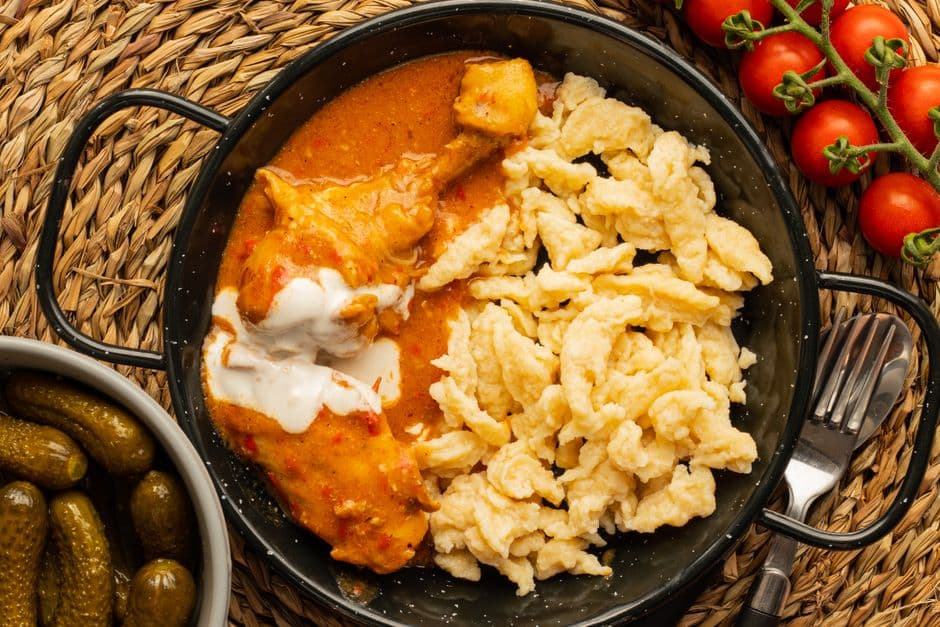
Hungary's soul of a dish — a slowly simmered beef and potato stew made brilliant red by generous amounts of sweet Hungarian paprika, hearty and deeply warming.

Hungary's most celebrated chicken dish — bone-in chicken simmered in a vibrant paprika sauce finished with sour cream, served with egg dumplings (nokedli).

Hungarian stuffed cabbage rolls — tender cabbage leaves wrapped around minced pork and rice, simmered in a sauerkraut-tomato broth until meltingly tender.

Fiery, paprika-red Hungarian fish soup from the Danube — bold, rich, and deeply satisfying.
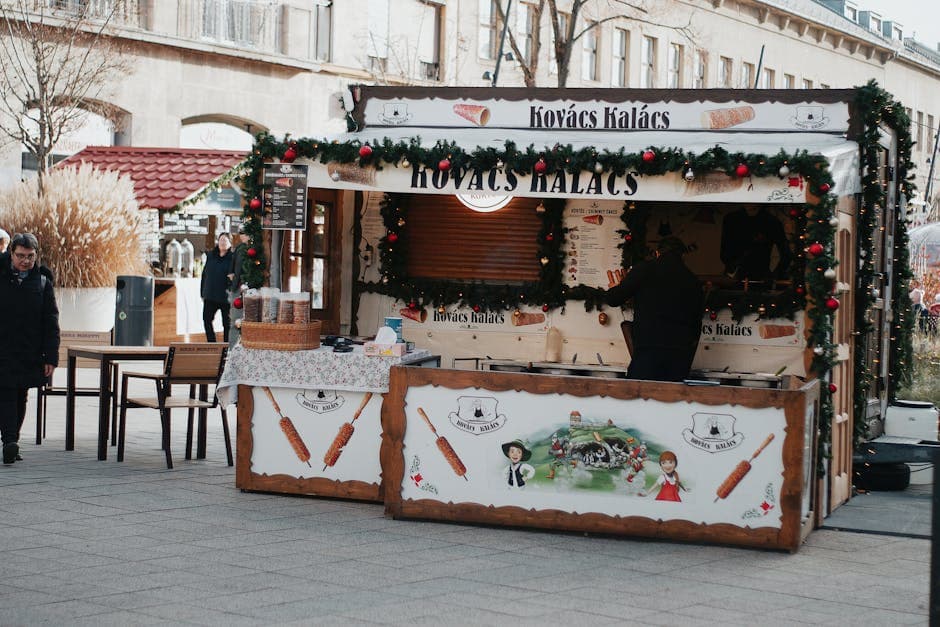
Hungary's beloved hand-stretched strudel filled with sour cherries and walnuts — paper-thin layers of crispy pastry.
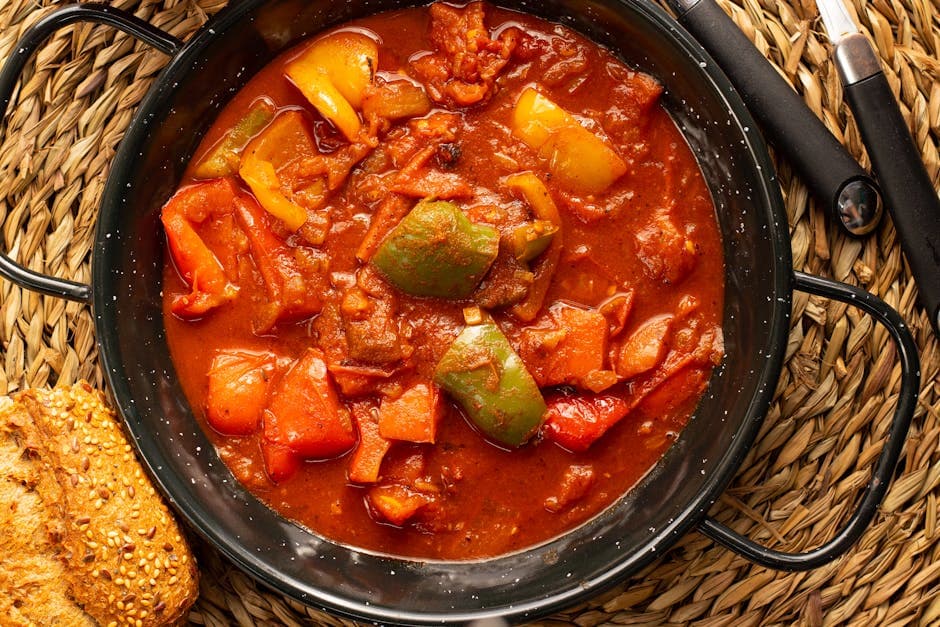
Hungary's versatile pepper, tomato, and onion stew with paprika and sausage — eaten as a main course or side.

Hungary's beloved cylinder-shaped grilled sweet dough coated in caramelized sugar and walnuts.

Hungarian bell peppers stuffed with spiced pork and rice, simmered in a rich tomato sauce.

Hungary's national dish — a paprika-rich beef and potato stew with a clear, deeply flavoured broth that is technically a soup, not the thick stew exported to the world. The authentic Budapest version.
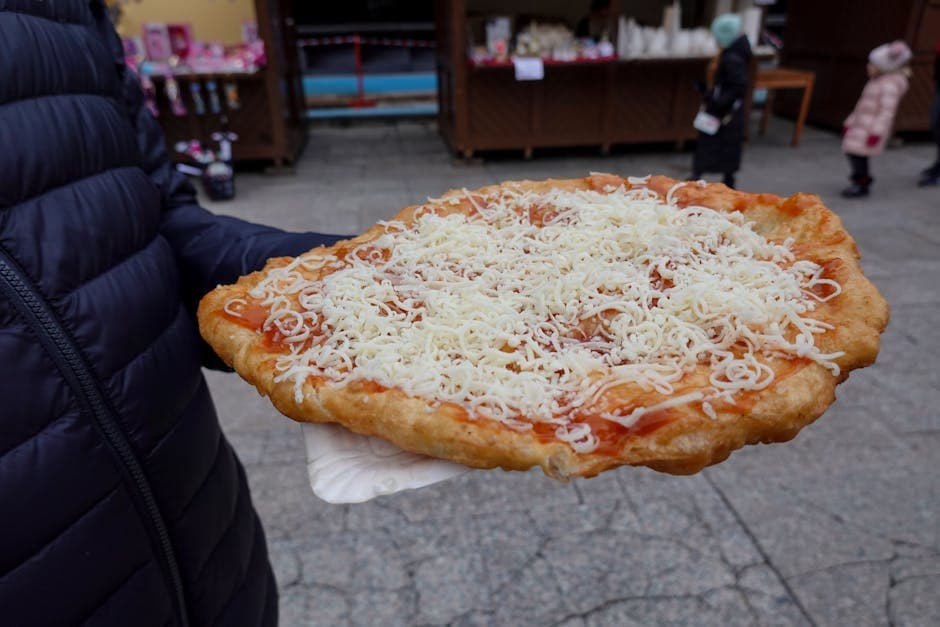
Hungary's most beloved street food — a large, yeasted flatbread deep-fried until golden and puffy, rubbed with garlic, topped with sour cream and grated cheese. The taste of every Hungarian market.

Hungary's greatest cake — six layers of sponge cake filled with chocolate buttercream, topped with crispy caramel brittle wedges. Created for Emperor Franz Joseph I in 1885. A masterpiece of patisserie.
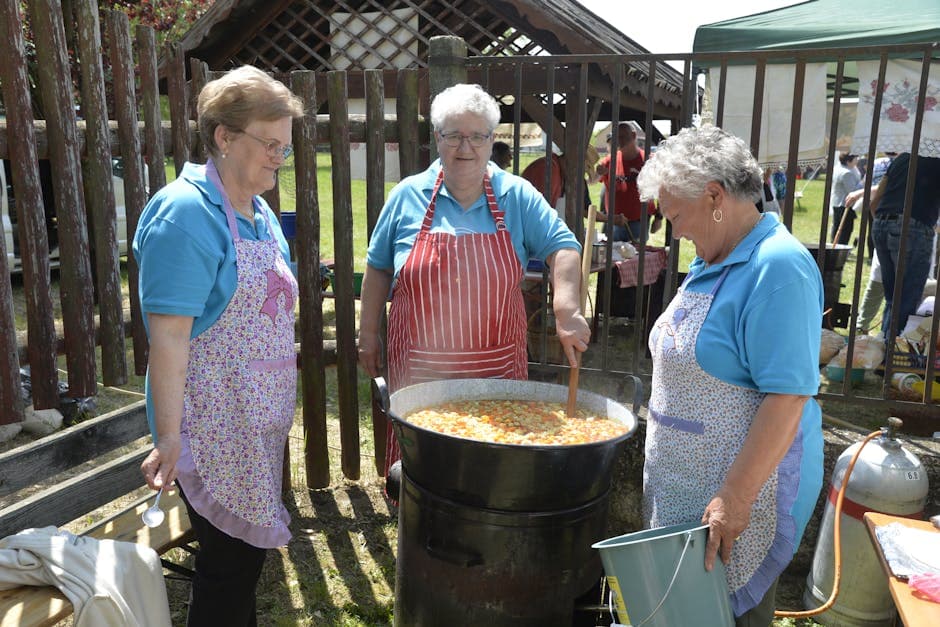
Hungary's dramatic spicy fish soup — whole carp, catfish or pike simmered in a fiery, red paprika broth. Two competing versions (Baja vs. Szeged) and a permanent argument. Both are extraordinary.
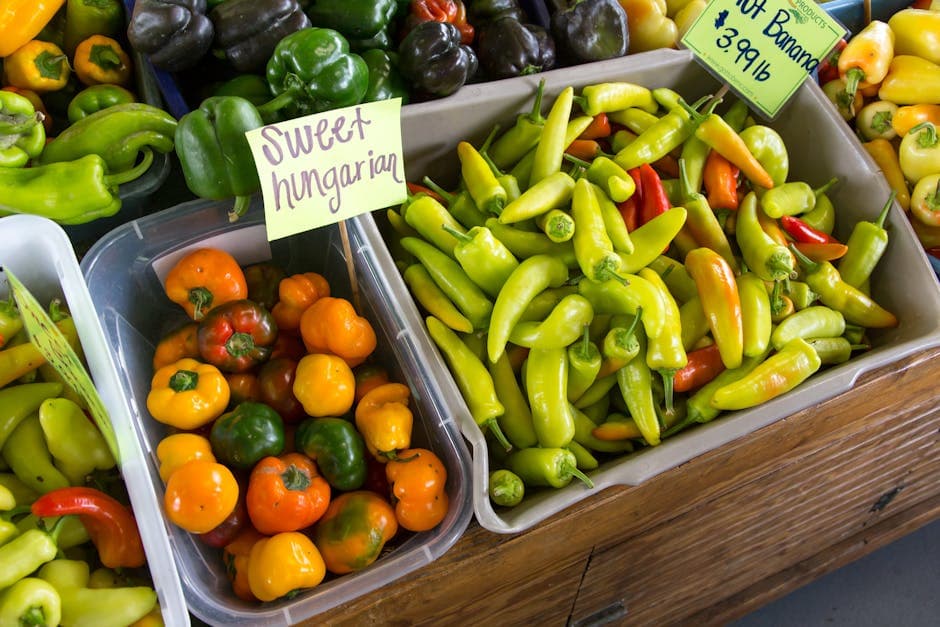
Hungarian pepper and tomato stew with bacon and eggs — the quintessential summer vegetable dish of Hungarian cooking.

Hungarian chilled sour cherry soup — a cold, sweet-sour cream soup eaten as a first course in summer.
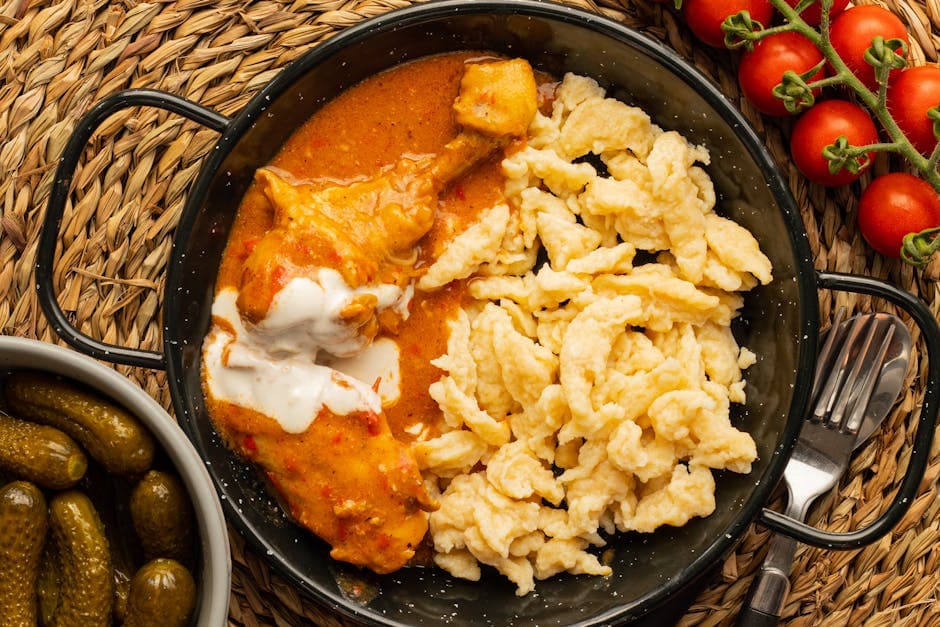
Hungary's national stew — beef, sweet paprika, onions, and potatoes simmered into a fragrant red soup.
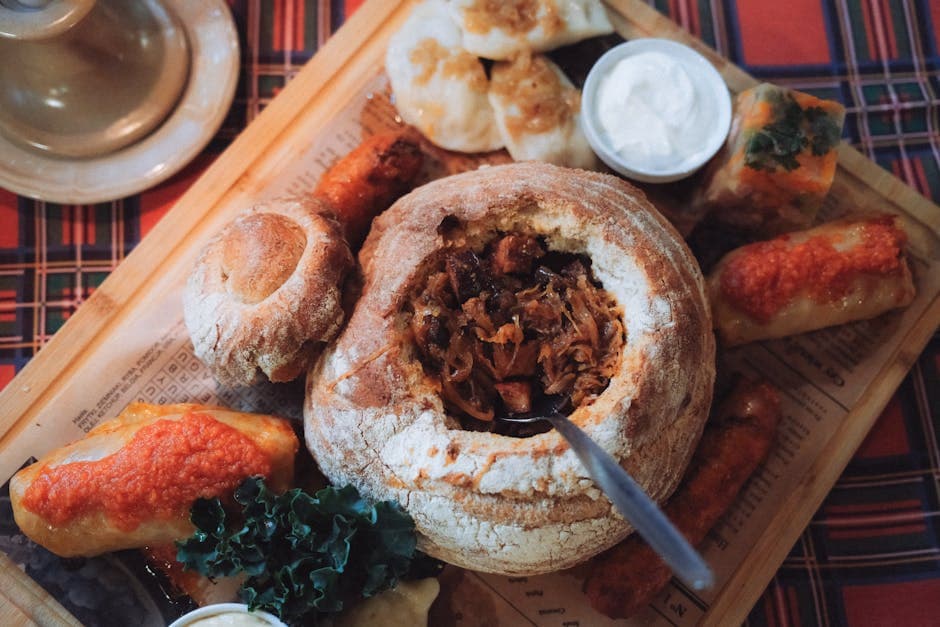
Hungarian sauerkraut-and-pork goulash with sour cream and caraway — the warming winter classic of southeastern Hungary.

Hungary's true goulash — a soulful paprika-rich beef and potato soup cooked low and slow with caraway, lard-softened onions, peppers and tomato, served from a kettle over open flame.
Hungarian Market Lemon Herb Rice Bowl brings hungarian flavor to a practical rice bowl built with chicken thighs, paprika, sour cream, caraway and peppers, and a fresh parsley finish.
Hungarian Village Smoky Tomato Soup brings hungarian flavor to a practical soup built with mushrooms, paprika, sour cream, caraway and peppers, and a fresh parsley finish.
Hungarian Garden Sesame Lime Skillet brings hungarian flavor to a practical skillet dinner built with cauliflower, paprika, sour cream, caraway and peppers, and a fresh parsley finish.
Hungarian Harbor Charred Pepper Noodles brings hungarian flavor to a practical noodle dish built with rice noodles, paprika, sour cream, caraway and peppers, and a fresh parsley finish.
Hungarian Mountain Green Herb Salad brings hungarian flavor to a practical salad built with grilled chicken, paprika, sour cream, caraway and peppers, and a fresh parsley finish.
Hungarian Festival Lemon Herb Flatbread brings hungarian flavor to a practical flatbread built with flatbread dough, paprika, sour cream, caraway and peppers, and a fresh parsley finish.
Hungarian Homestyle Smoky Tomato Traybake brings hungarian flavor to a practical traybake built with sweet potatoes, paprika, sour cream, caraway and peppers, and a fresh parsley finish.
Hungarian Street Sesame Lime Fritters brings hungarian flavor to a practical fritters built with salted fish, paprika, sour cream, caraway and peppers, and a fresh parsley finish.
Hungarian Golden Charred Pepper Breakfast Plate brings hungarian flavor to a practical breakfast plate built with beans, paprika, sour cream, caraway and peppers, and a fresh parsley finish.
Hungarian Weeknight Green Herb Dessert brings hungarian flavor to a practical dessert built with coconut, paprika, sour cream, caraway and peppers, and a fresh parsley finish.
A brick-red paprika-forward beef and vegetable soup, closer to a hearty stew, simmered low and slow with sweet Hungarian paprika.
Bone-in chicken braised in a rich sour cream and paprika sauce, traditionally served over egg noodle dumplings (nokedli).
A simple, vibrant stew of stewed bell peppers, tomatoes and onions, often finished with sausage and a fried egg.
Thin savory crepes filled with a paprika-braised chicken filling, topped with a creamy paprika sauce.
A tall sponge cake with many thin layers, filled with chocolate buttercream and crowned with a shattering caramel disc.
A fiery red paprika-based fish soup made with river fish, simmered until the broth turns deep and richly flavored.
Wide pasta tossed with fresh farmer's cheese, sour cream and crispy bacon bits, a beloved Hungarian comfort dish.
Layers of rum-soaked sponge cake, chocolate sauce, vanilla custard and whipped cream, a beloved Hungarian layered dessert.
A baked casserole of sliced potatoes, hard-boiled eggs and sausage layered with sour cream, golden and bubbling on top.
A yeasted dough wound around a wooden spit, roasted over open flame or in an oven until golden and rolled in sugar and toppings.
A rich stew of pork and sauerkraut simmered in a paprika-spiked sauce, finished with a swirl of sour cream.
Deep-fried yeasted flatbread, crisp outside and chewy within, topped with sour cream, grated cheese and garlic.
A chilled, sweet-tart sour cherry soup enriched with sour cream and a hint of cinnamon, served as a summer starter.
A hearty kidney bean soup simmered with smoked pork and root vegetables, thickened with a paprika roux.
Thick slices of semi-hard cheese breaded and deep-fried until the crust shatters and the center turns molten.
Soft dumplings made from fresh farmer's cheese, boiled and rolled in buttery breadcrumbs, served with sour cream and sugar.
Deep-fried potato dough topped with garlic, sour cream and grated cheese, folded like a sandwich — Hungary's beloved fairground street food.
Layered potatoes, hard-boiled eggs and smoked sausage baked in a paprika-spiced sour cream sauce — Hungary's beloved rakott krumpli casserole.
Tender pork and beef meatballs simmered in a rich, sweet paprika cream sauce — a Hungarian home-style dinner built on the country's signature spice.
A hearty bean soup simmered with smoked ham hock and paprika, finished with sour cream — Hungary's classic bableves.
A soft omelette folded around lecsó — Hungary's classic stewed peppers, tomatoes and onion — a home-style breakfast built on the country's favorite vegetable stew.
Creamy semolina porridge simmered in milk and finished with butter and sugar — a simple, comforting Hungarian breakfast for cold mornings.
Whole carp baked with a paprika-lemon butter — a traditional Hungarian Christmas Eve fish dish with deep, warm spice.
Paper-thin stretched strudel dough wrapped around a sweet farmer's cheese filling — Hungary's beloved túrós rétes, a fixture of coffee-house culture.
Thinly sliced cucumbers in a tangy paprika-flecked sour cream dressing — a classic Hungarian summer salad, uborkasaláta.
A whole chicken rubbed with sweet paprika and roasted until deeply golden — a simplified, roasted take on Hungary's beloved paprikás flavor.
Whole apples cored and baked with a walnut, honey and cinnamon filling — a simple, orchard-style Hungarian dessert.
Layered chocolate and vanilla sponge cake with walnuts, rum syrup and whipped cream, in bite-sized form — Hungary's beloved somlói galuska.
Thin Hungarian crepes filled with paprika chicken (paprikás csirke), rolled and topped with more of the same creamy paprika sauce.
A Hungarian bableves-inspired bowl of paprika-spiced beans and smoked ham, thickened with caraway and finished with sour cream.
A paprika-forward Hungarian-style seafood rice built on a proper alapmártás and finished with cracked black pepper and sour cream.
A creamy Hungarian lentil stew, lencsefőzelék-style, thickened with a paprika roux and finished with sour cream.
Classic Hungarian töltött paprika — bell peppers stuffed with rice and pork, simmered in a roasted-garlic tomato-paprika broth.
Rakott krumpli, Hungary's beloved layered potato bake with hard-boiled eggs, sausage and a black-pepper sour cream sauce.
A Hungarian-spiced beef burger seasoned with sweet paprika and caraway, topped with deeply caramelized slow-cooked onions.
A silky Hungarian farina pudding, grízes puding, topped with warm black-pepper-spiced sour cherries.
A classic Hungarian holiday-table plate of chicken paprikás and hand-rolled nokedli dumplings, finished with sour cream.
Hungarian cuisine is built on a triad: paprika, lard or fat-rich pork, and sour cream (tejföl). Paprika arrived via Ottoman Turks in the sixteenth century but became Hungarian in Szeged and Kalocsa, where peppers are dried and ground into grades from sweet (édesnemes) to hot (erős). Gulyás began as the kettle stew of Magyar cattle herders on the Great Plain — beef, onions, paprika, and water cooked in a bogrács over open fire — and remains a soup in Hungary, not the thick 'goulash' of foreign menus.
The technique that defines the kitchen is the pörkölt base: onions sweated slowly in fat, the pot pulled off the heat, paprika stirred in (it scorches and turns bitter in seconds), then meat added to braise in its own juices. From this base come pörkölt and paprikás — the latter finished with sour cream, as in chicken paprikash with dumpling-like nokedli. Halászlé, the fisherman's soup of carp and hot paprika cooked along the Tisza and Danube, may be the spiciest dish in Central Europe.
Beyond paprika, Hungarian cooking loves layered and stuffed things: töltött káposzta (stuffed cabbage with sauerkraut and smoked pork), rakott krumpli (layered potatoes, eggs, and sausage), and lecsó, the pepper-tomato stew eaten all summer. The pastry tradition is serious — rétes (strudel) with paper-thin hand-stretched dough, Dobos torte with caramel, chimney cake (kürtőskalács), and the coffeehouse culture of Budapest that rivaled Vienna's at its height.
Paprika
Ground Szeged and Kalocsa peppers in sweet to hot grades color and flavor the entire cuisine — always added off the heat to avoid bitterness.
Pörkölt & Paprikás
The mother technique: onions in fat, paprika, then meat braised slowly; finish with sour cream and it becomes paprikás.
Gulyás
The herdsmen's kettle soup of beef, onion, paprika, potato, and csipetke pinched noodles — a soup in Hungary, never a thick stew.
Sour Cream (Tejföl)
Thick Hungarian sour cream enriches paprikash, tops stuffed cabbage and lángos, and balances paprika's warmth across the repertoire.
Lecsó & Peppers
A summer stew of Hungarian wax peppers, tomatoes, and onions, eaten alone, with sausage, or with eggs stirred in.
Strudel & Coffeehouse Pastry
Hand-stretched rétes, Dobos torte, and somlói galuska descend from Budapest's golden-age café culture.
Paprika-based dishes above all: gulyás (goulash soup), chicken paprikash with nokedli dumplings, pörkölt braises, and fisherman's soup (halászlé). Beyond those, stuffed cabbage, lángos (fried dough with sour cream and cheese), lecsó pepper stew, and pastries like strudel, Dobos torte, and chimney cake. The flavor signature is paprika, onions cooked in fat, and sour cream.
In Hungary, gulyás is a paprika-spiced beef soup with potatoes, carrots, and pinched csipetke noodles, eaten with a spoon. Pörkölt is the thick braise — meat stewed in an onion-paprika base with minimal liquid — that foreigners usually mean by 'goulash.' Add sour cream to a pörkölt-style braise and it becomes paprikás, as in chicken paprikash.
Usually warm rather than hot. Most cooking uses sweet paprika (édesnemes), which delivers deep pepper flavor and red color without much heat. Hot paprika and fresh cherry peppers appear as table condiments — notably Erős Pista paste — so diners adjust individually. The exception is halászlé, the river fisherman's soup, which is traditionally and assertively hot.
Chicken paprikash: sweat plenty of onion in fat, stir in sweet paprika off the heat, braise chicken thighs in the resulting base, and finish with sour cream tempered with a little flour. Serve over nokedli (quick egg dumplings scraped into boiling water) or egg noodles. Lecsó is even simpler — peppers, tomatoes, onion, paprika, one pan.
Ground paprika is rich in sugars that scorch within seconds in hot fat, turning the dish bitter and muddy brown. Hungarian cooks pull the pot off the burner, stir paprika into the softened onions and fat, then immediately add meat or liquid to bring the temperature down. This single habit is the difference between authentic-tasting paprikash and a bitter imitation.
Calculators and converters that pair with this page — no signup needed.