
Dessert
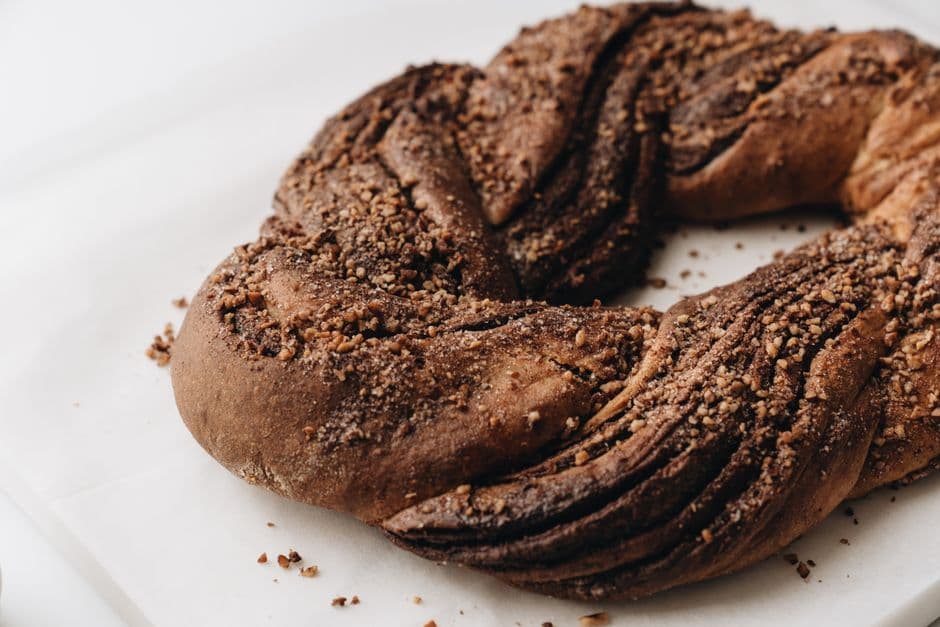
Chocolate Babka
Rich, buttery Eastern European yeast bread swirled with chocolate and baked into a glossy braided loaf.
75 min380 kcalHard
★4.7(1,791)
Bigos, pierogi, żurek — hearty, warming Central European comfort food.
More recipes built around the same core ingredients.
Track what you eat
Snap your meal to log calories and macros, run fasting timers and track water in the free SnapCal app.
Plan your meals, track fasting and build your grocery list — free
MyCookingCalendar's dashboard runs right in your browser, no download needed.
Rich, buttery Eastern European yeast bread swirled with chocolate and baked into a glossy braided loaf.
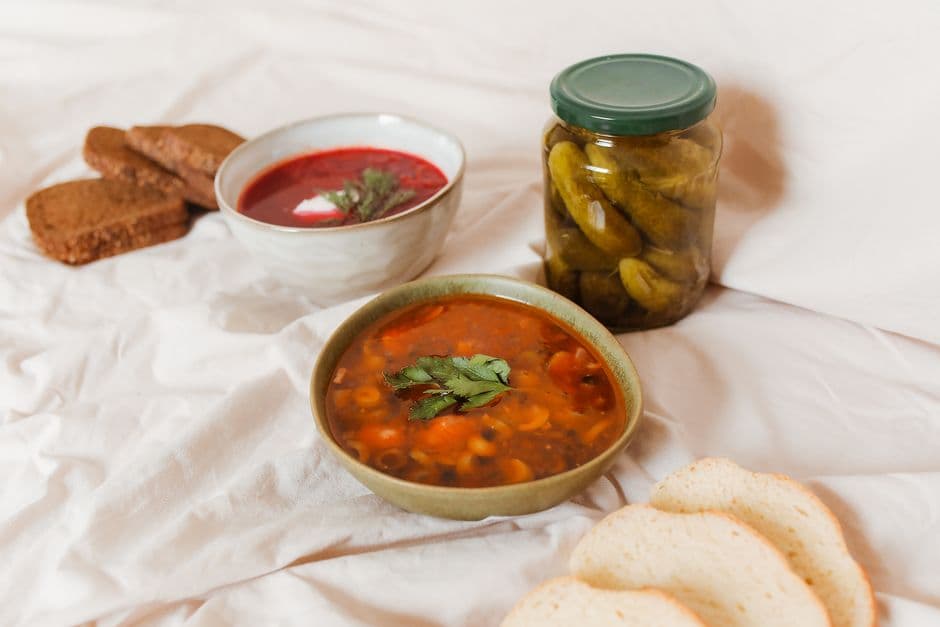
A thick, creamy, intensely sour soup made from fermented rye flour, topped with hard-boiled egg, white sausage and horseradish — Poland's most iconic Easter soup.
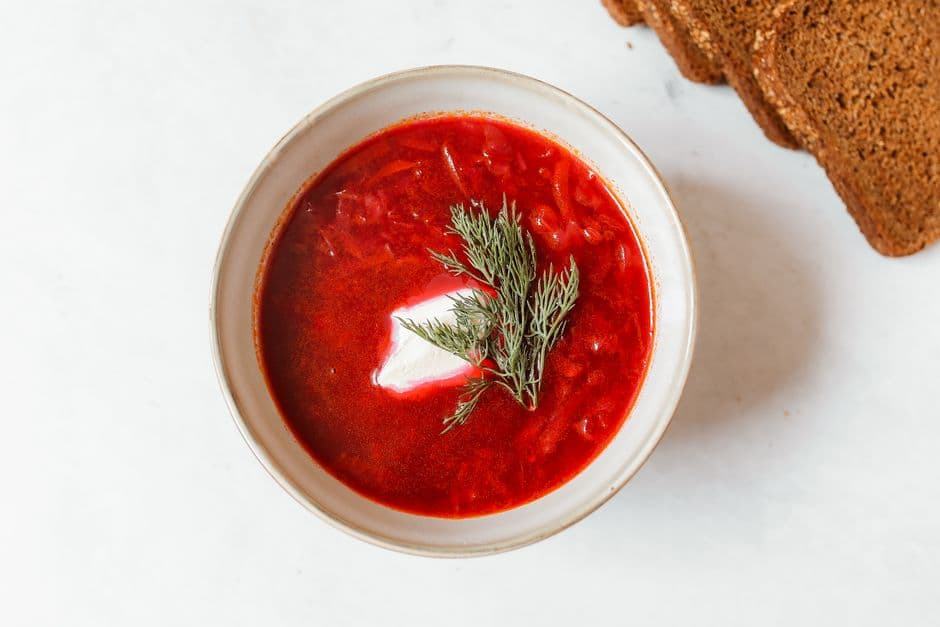
A brilliant crimson, intensely flavoured beetroot consommé with a clean, sweet-sour taste — Poland's Christmas Eve soup, served with mushroom dumplings.
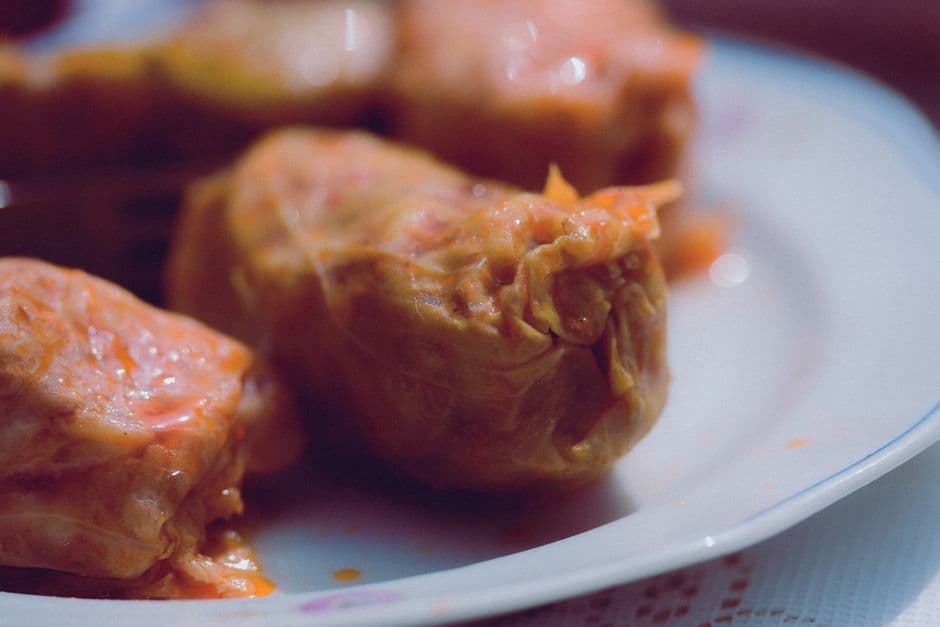
Tender cabbage leaves stuffed with spiced pork and rice, slow-braised in a rich tomato sauce — Poland's most beloved family comfort dish.
Poland's classic tripe soup — slow-simmered beef tripe in a rich, paprika-spiced broth with vegetables and marjoram, a hearty warming dish with centuries of history.
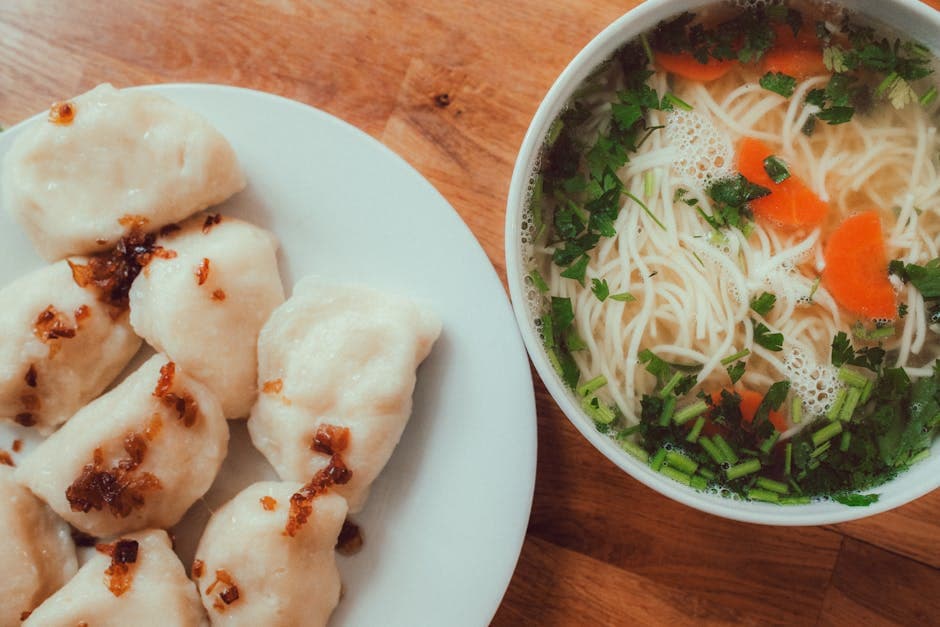
Poland's golden Sunday soup — a crystal-clear, deeply nourishing chicken broth with thin egg noodles.
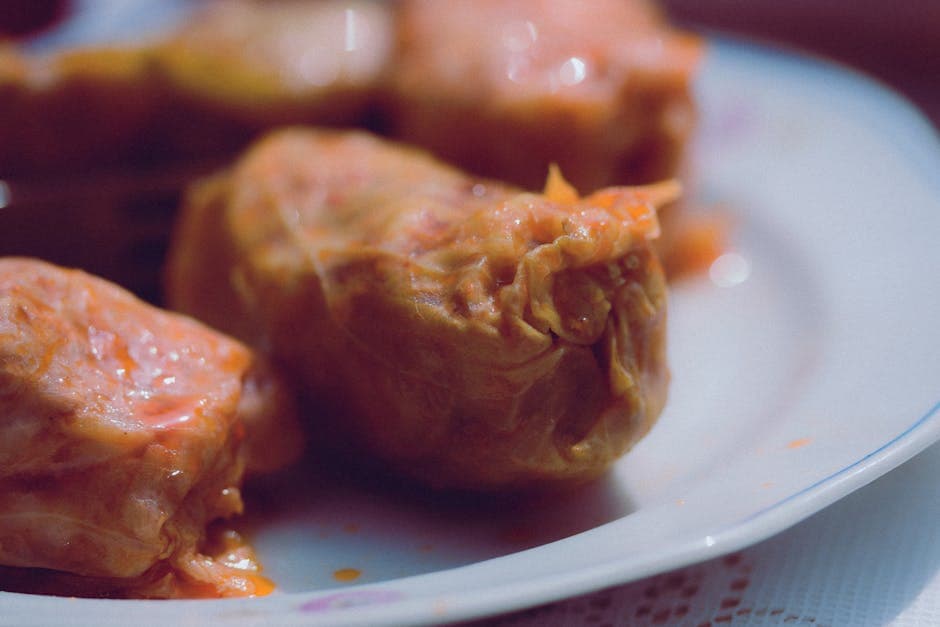
Tender cabbage leaves rolled around spiced pork and rice, slow-baked in a rich tomato sauce — Polish comfort food at its finest.
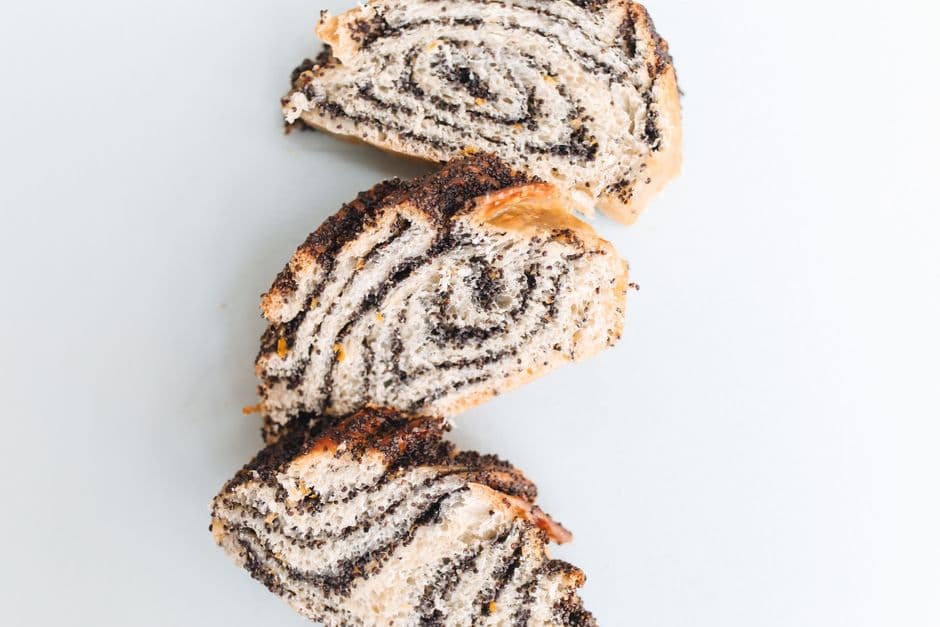
Festive Polish yeasted roll filled with a rich, sweet poppy seed paste — the centerpiece of Christmas tables.

Poland's beloved creamy tomato soup with rice — the ultimate weekday comfort soup of Polish childhood.
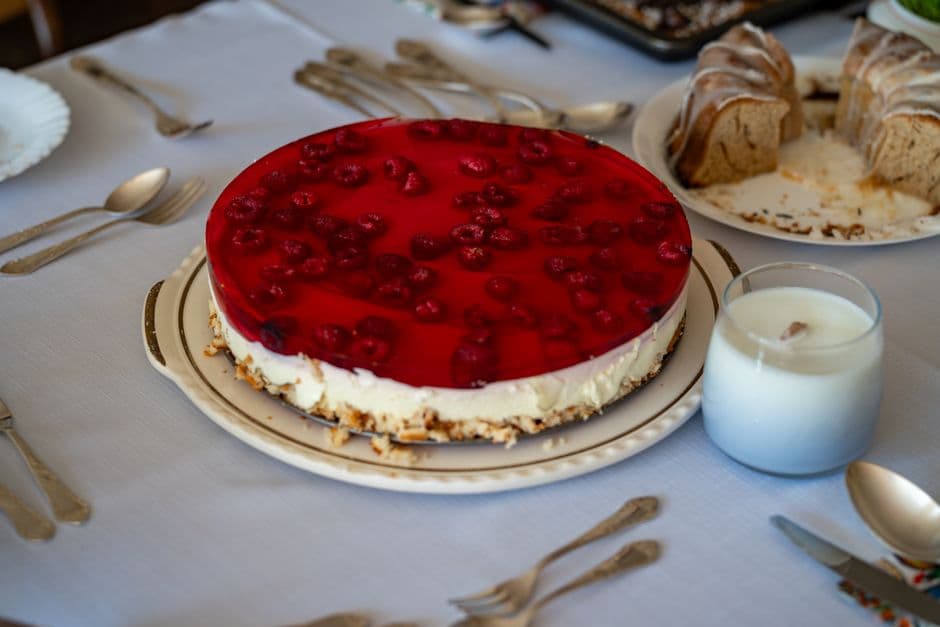
Poland's iconic cheesecake made with twaróg farmer's cheese — dense, tangy, and utterly distinct from any other cheesecake.
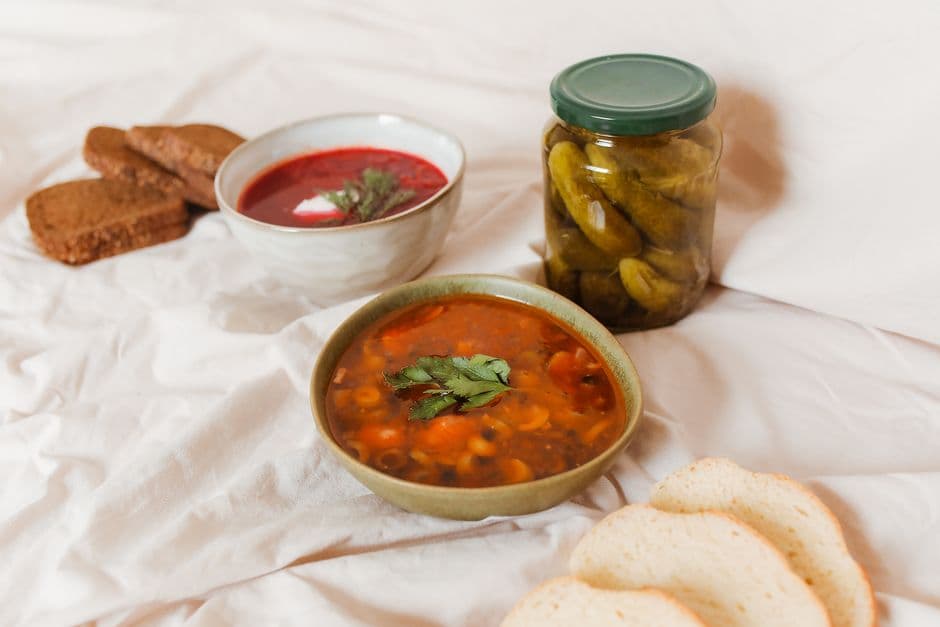
Poland's extraordinary sour rye soup — a tangy, creamy broth made from fermented rye flour starter, served with boiled egg, kielbasa and horseradish. Easter's essential dish.
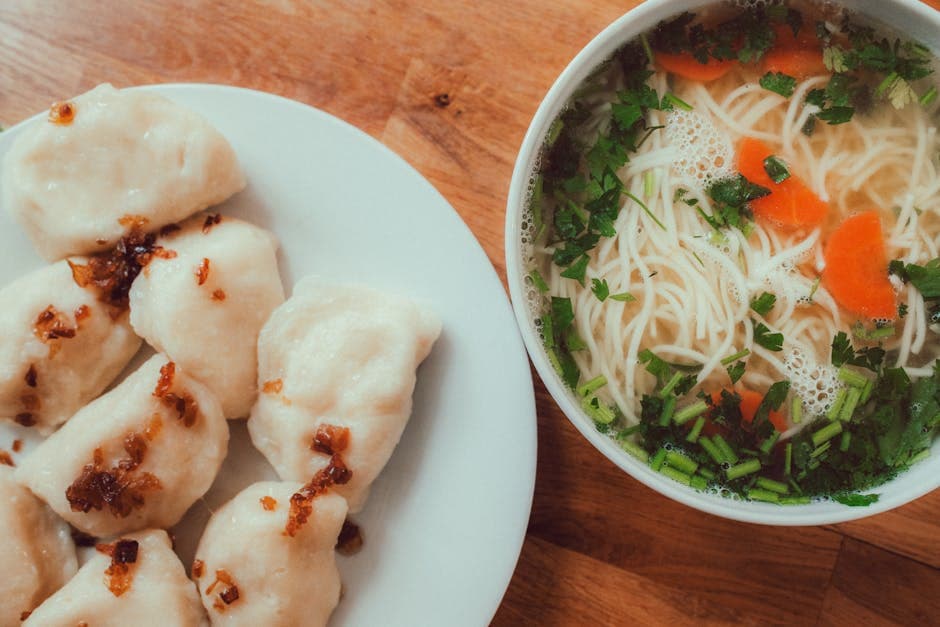
Polish vibrant ruby beetroot soup served clear or with uszka mushroom dumplings — the jewel of Polish Christmas Eve.
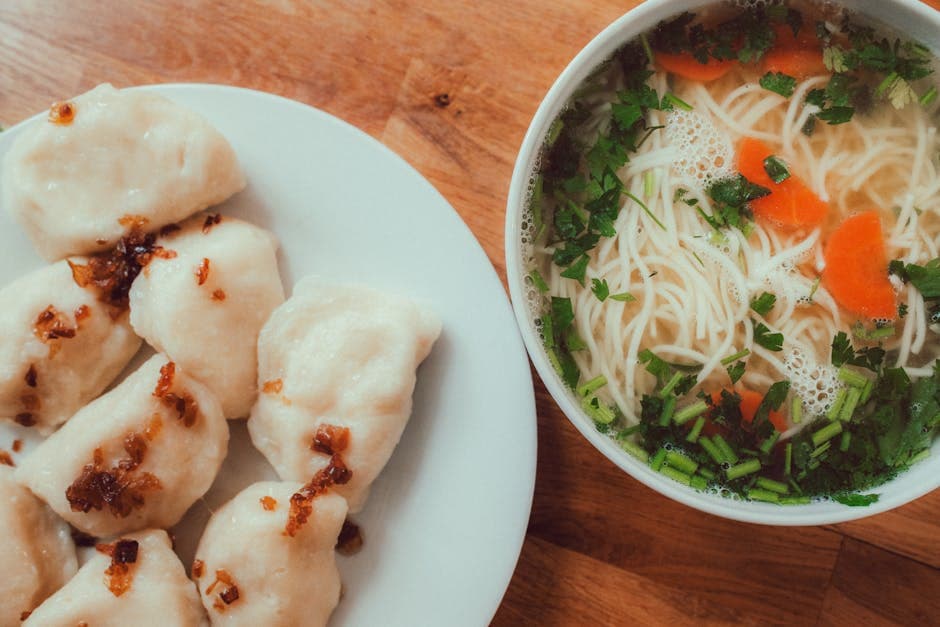
Polish stuffed cabbage rolls with pork and rice in a rich tomato sauce — baked until tender and comforting.
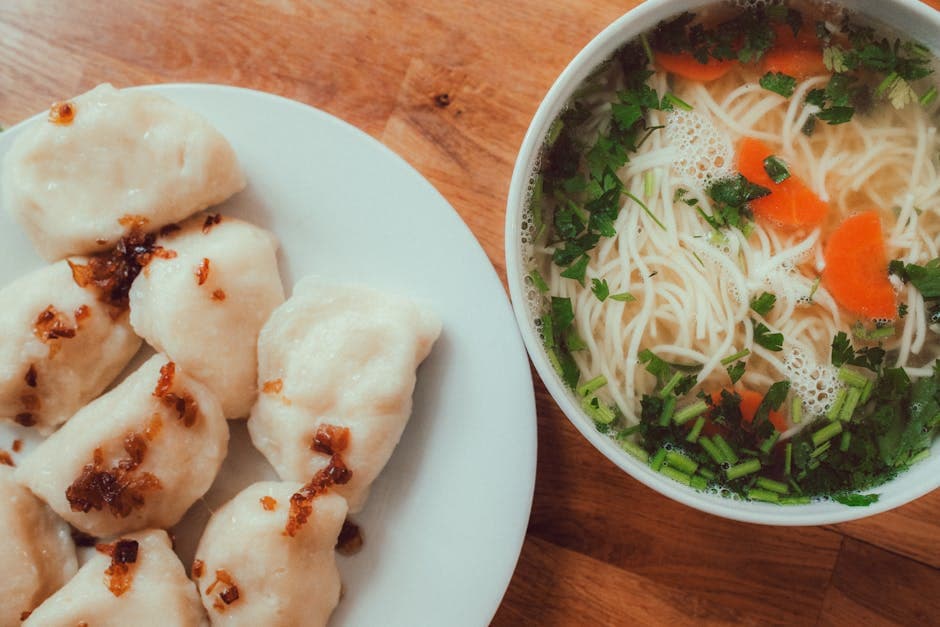
Polish breaded pork cutlet — Poland's answer to Wiener Schnitzel, eaten at every family Sunday dinner.
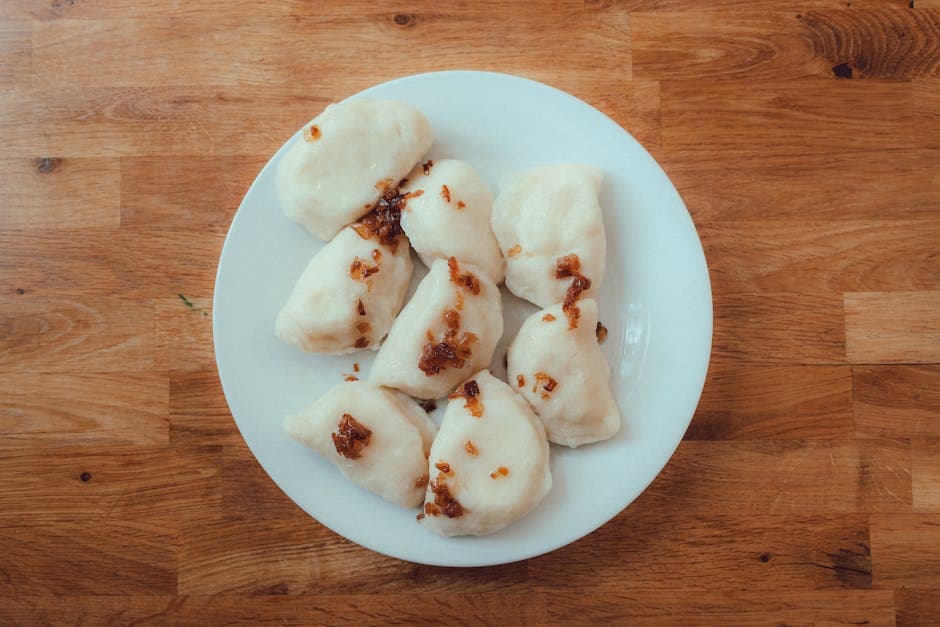
Polish dumplings filled with potato, twaróg cheese, and onion — boiled, then pan-fried in butter.

Polish Christmas-Eve dumplings filled with wild mushrooms, onion, and a whisper of marjoram — earthy, smoky, deeply seasonal.
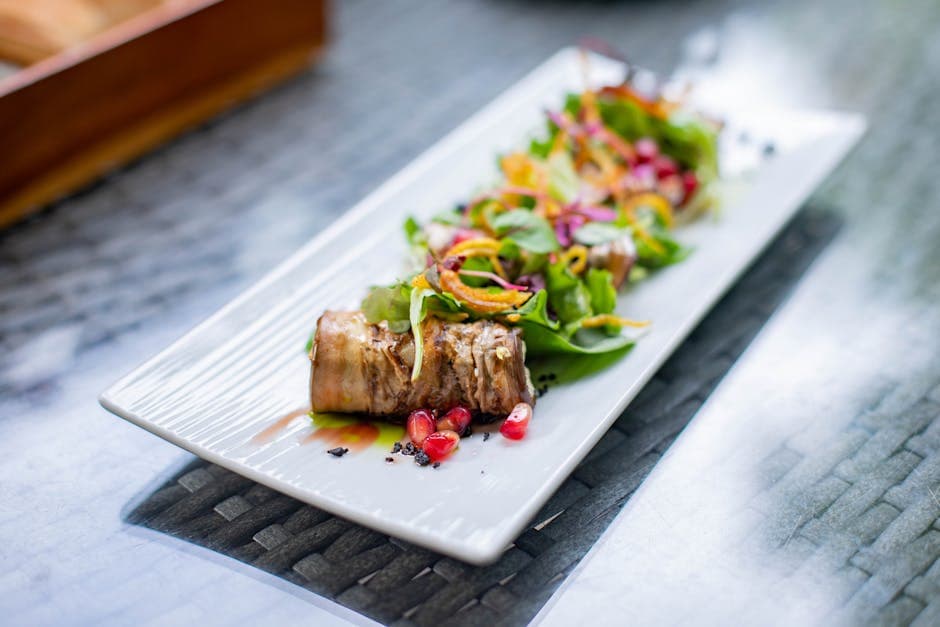
Silesian Sunday classic — thinly pounded beef rolled around bacon, pickle, and onion, slow-braised in dark gravy with red cabbage and dumplings.

Poland's iconic 'hunter's stew' — sauerkraut and fresh cabbage slow-cooked for hours with pork, smoked kielbasa, mushrooms, prunes and red wine until deeply mahogany and complex.
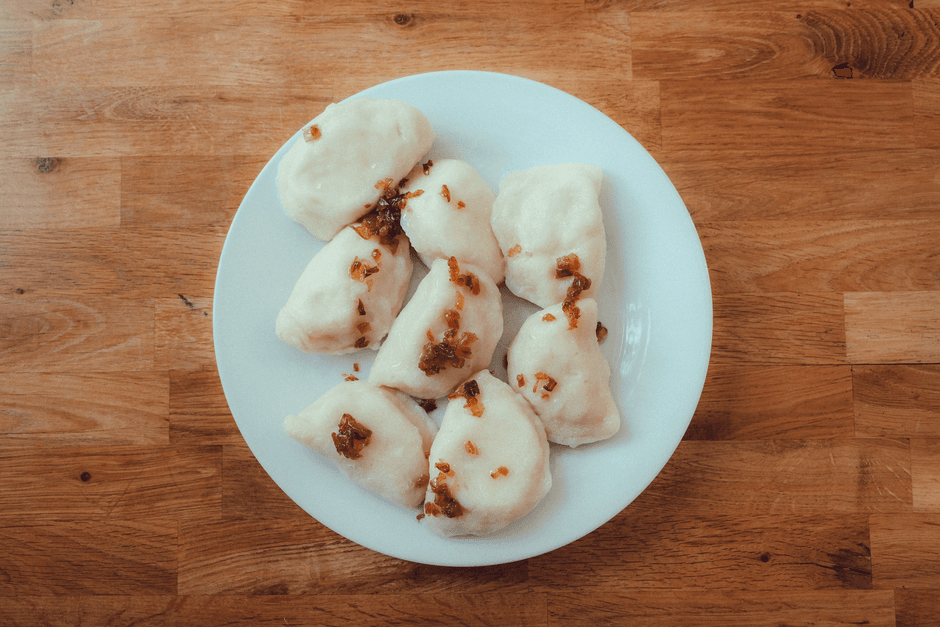
Half-moon pastry dumplings filled with creamy potato and cheese, served with caramelized onions and sour cream.
Polish Market Lemon Herb Rice Bowl brings polish flavor to a practical rice bowl built with chicken thighs, dill, sour cream, cabbage and mushrooms, and a fresh dill finish.
Polish Village Smoky Tomato Soup brings polish flavor to a practical soup built with mushrooms, dill, sour cream, cabbage and mushrooms, and a fresh dill finish.
Polish Garden Sesame Lime Skillet brings polish flavor to a practical skillet dinner built with cauliflower, dill, sour cream, cabbage and mushrooms, and a fresh dill finish.
Polish Harbor Charred Pepper Noodles brings polish flavor to a practical noodle dish built with rice noodles, dill, sour cream, cabbage and mushrooms, and a fresh dill finish.
Polish Mountain Green Herb Salad brings polish flavor to a practical salad built with grilled chicken, dill, sour cream, cabbage and mushrooms, and a fresh dill finish.
Polish Festival Lemon Herb Flatbread brings polish flavor to a practical flatbread built with flatbread dough, dill, sour cream, cabbage and mushrooms, and a fresh dill finish.
Polish Homestyle Smoky Tomato Traybake brings polish flavor to a practical traybake built with sweet potatoes, dill, sour cream, cabbage and mushrooms, and a fresh dill finish.
Polish Street Sesame Lime Fritters brings polish flavor to a practical fritters built with salted fish, dill, sour cream, cabbage and mushrooms, and a fresh dill finish.
Polish Golden Charred Pepper Breakfast Plate brings polish flavor to a practical breakfast plate built with beans, dill, sour cream, cabbage and mushrooms, and a fresh dill finish.
Polish Weeknight Green Herb Dessert brings polish flavor to a practical dessert built with coconut, dill, sour cream, cabbage and mushrooms, and a fresh dill finish.
A tangy, fermented rye-soured soup with smoked sausage, potatoes and a hard-boiled egg, often served in a bread bowl.
Thinly sliced cucumbers salted, drained and dressed in a light sour cream and dill sauce, a cooling summer side.
Crisp fried grated potato pancakes bound with egg and a touch of flour, served with sour cream or sugar.
Tender cabbage leaves rolled around seasoned ground meat and rice, simmered in a tomato-based sauce until soft.
A dense, tall baked cheesecake made with twaróg farmer's cheese, lighter and less rich than New York-style versions.
A pounded, breaded and pan-fried pork cutlet, Poland's answer to schnitzel, served with potatoes and cooked cabbage.
A clear, deeply red beet broth soured with fermented beet juice, traditionally served with mushroom-filled dumplings on Christmas Eve.
A hearty, peppery tripe soup simmered for hours with root vegetables and marjoram until the tripe turns silky and tender.
A sweet yeasted bread rolled around a dense, dark poppy seed filling, sliced into swirled rounds for holidays.
Soft, pillowy potato dumplings shaped like little hooves, boiled and pan-fried with butter and breadcrumbs.
Large, dense potato dumplings stuffed with seasoned ground meat, boiled and served with melted butter and crispy bacon.
Thin crepes rolled around a savory meat and mushroom filling, breaded and fried until golden and crisp.
Salt-cured herring fillets marinated in a creamy, tangy sour cream and onion sauce, a classic cold appetizer.
Pan-fried slices of buckwheat blood sausage served with sweet caramelized apples and fried onions.
A clear, deeply flavored chicken broth simmered with root vegetables, strained and served over thin egg noodles.
Delicate, ribbon-shaped fried dough pastries, light and crisp, dusted heavily with powdered sugar for Carnival season.
Grilled Polish kielbasa on rye with mustard, pickles and caramelized onion — a hearty open-faced sandwich built on Poland's favorite sausage.
Layered potatoes and pickled herring baked in a creamy dill sauce — a Polish coastal take on a classic potato bake.
Tender pork and beef meatballs simmered in a deeply caramelized onion gravy — Poland's home-style klopsiki, served over kasza or potatoes.
White beans simmered with smoky sausage and bacon in a tomato-paprika sauce — Poland's hearty bean stew, despite its French-sounding name.
A hearty omelette packed with diced smoked kielbasa, potato and black pepper — a filling Polish country breakfast.
Toasted millet simmered into a creamy porridge with stewed apple and a drizzle of honey — a traditional Polish breakfast grain bowl.
Whole trout baked with a generous herb butter, a nod to Poland's freshwater fishing tradition and love of dill.
Thinly sliced cucumbers folded into a light sour cream and dill dressing — Poland's simplest, most beloved summer salad, mizeria.
A golden, slow-simmered chicken broth with thin egg noodles and fresh dill — Poland's classic Sunday soup, rosół.
A whole chicken rubbed with marjoram and roasted over deeply caramelized onions — a Sunday centerpiece built on Poland's signature savory herb.
Layered cabbage and potato baked with caraway seeds and a light cream sauce — a Polish farmhouse vegetable bake built on two pantry staples.
Thin, twisted strips of dough deep-fried until crisp and dusted with powdered sugar — Poland's beloved carnival-season pastry, faworki.
Crispy Polish potato pancakes, grated fresh and fried golden, served with a dollop of dill sour cream.
Toasted Polish buckwheat groats (kasza gryczana) tossed with browned kielbasa, caramelized apple and fresh dill.
Polish-style egg noodles tossed with salmon in a dill and sour cream sauce, a Baltic-coast comfort dish.
A hearty Polish grochówka split pea soup, thickened and served bowl-style with smoky kielbasa and marjoram.
Bell peppers stuffed with the classic Polish gołąbki filling of pork, rice and marjoram, baked in a tomato-sour cream sauce.
Whole boiled cauliflower baked under a blanket of golden buttered breadcrumbs, a simple, classic Polish side dish.
A Polish kotlet mielony-style pork and beef patty, bound with soaked bread and marjoram, fried in butter and served on a bun.
Silky Polish kisiel, a fruit-thickened pudding made from red berries and potato starch, served chilled with cream.
A Polish Christmas Eve Wigilia plate of clear ruby beet barszcz served alongside meatless mushroom and sauerkraut pierogi.
Polish cuisine was forged by harsh winters, fertile plains, and centuries at the crossroads of Europe. Its foundations are grain, pork, cabbage, beets, mushrooms, and dairy — preserved by fermenting, smoking, and pickling. Sour flavors are a national signature: żurek, a soup soured with fermented rye starter; barszcz from fermented beets; kapusta kiszona (sauerkraut) in bigos, the hunter's stew that combines fresh and soured cabbage with several meats and dried forest mushrooms, traditionally improving over days of reheating.
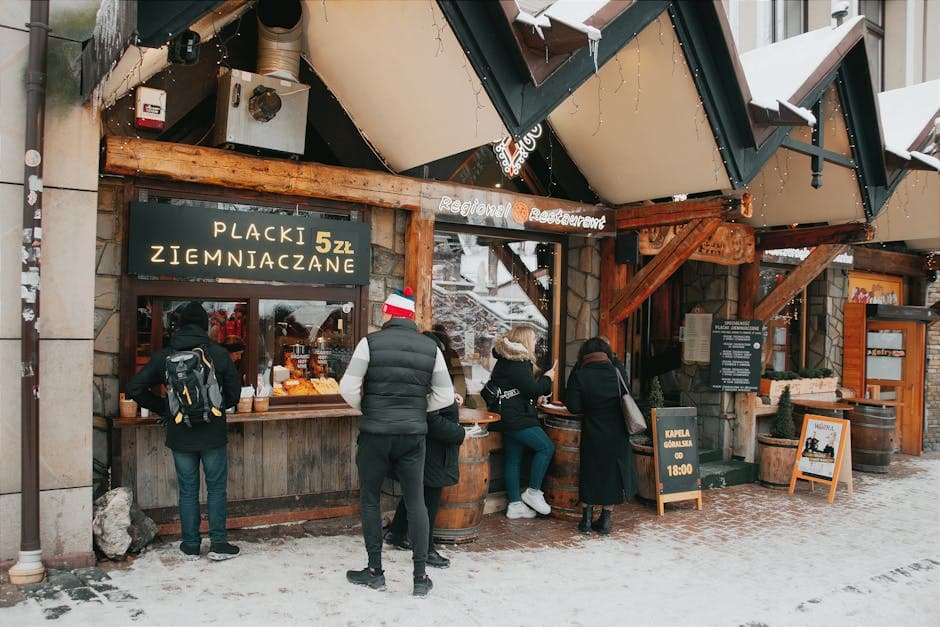
Pierogi are the global ambassadors — half-moon dumplings filled with potato and farmer's cheese (ruskie), sauerkraut and mushroom, meat, or seasonal fruit, boiled then often pan-fried in butter with onions. Around them stands a hearty canon: kotlet schabowy, the breaded pork cutlet of Sunday dinners; gołąbki, cabbage rolls in tomato sauce; kiełbasa in dozens of regional smoked forms; and placki ziemniaczane, crisp potato pancakes. Jewish, Lithuanian, Ukrainian, and German culinary threads run through all of it, reflecting the old Commonwealth's breadth.
Rhythm matters in Polish eating. Obiad, the main meal, lands mid-afternoon and opens with soup almost without exception — rosół (golden chicken broth with noodles) on Sundays, pickle soup or tomato soup midweek. Christmas Eve (Wigilia) demands twelve meatless dishes, including carp, barszcz with uszka dumplings, and kutia. Mushroom foraging remains a genuine national pastime, and dill, marjoram, allspice, and sour cream finish dishes across the repertoire.
Pierogi
Boiled half-moon dumplings with fillings from potato-cheese ruskie to sauerkraut-mushroom, finished in butter with fried onions.
Soups First
Żurek, barszcz, rosół, and pickle soup open nearly every Polish dinner — souring agents like fermented rye and beets are the tradition's hallmark.
Cabbage & Fermentation
Sauerkraut powers bigos hunter's stew and pierogi fillings, while fresh cabbage wraps gołąbki rolls in tomato sauce.
Kiełbasa & Smoked Meats
Poland's sausage culture spans juniper-smoked kiełbasa jałowcowa to garlicky fresh biała, grilled, boiled into soups, or baked with cabbage.
Potatoes & Dairy
Potato pancakes, silesian dumplings, and kopytka pair with sour cream, twaróg farmer's cheese, and dill throughout the cuisine.
Forest Mushrooms
Dried borowiki (porcini) deepen bigos, barszcz, and Christmas uszka — foraging remains a living seasonal ritual.
Pierogi dumplings lead, followed by kiełbasa sausages, bigos hunter's stew, gołąbki cabbage rolls, kotlet schabowy (breaded pork cutlet), żurek sour rye soup, and barszcz beet soup. The cuisine is hearty and centered on pork, cabbage, potatoes, mushrooms, and fermented sour flavors, with sour cream and dill as constant finishing touches.
Pierogi and Ukrainian varenyky are close cousins — both larger dumplings with cooked fillings like potato, cheese, cabbage, or fruit, boiled and often buttered. Russian pelmeni are smaller, thinner-skinned, and filled with raw seasoned meat that cooks inside the dumpling, served with broth, sour cream, or vinegar. The 'ruskie' in pierogi ruskie refers to historical Red Ruthenia, not Russia.
Traditional celebratory dishes — bigos, breaded cutlets, sausage — are rich, but everyday Polish eating includes much lighter fare: clear rosół broth, cucumber and tomato salads (mizeria, surówki) at every dinner, fermented vegetables, kefir and buttermilk, and summer fruit soups. Fermented foods like sauerkraut, sour rye, and pickles give the cuisine a bright acidity that cuts the richness.
Potato pancakes (placki ziemniaczane) are nearly foolproof: grated potato and onion, egg, flour, fried crisp and served with sour cream. For a flagship project, make pierogi ruskie — the dough is just flour, water, and a little fat, and the potato-farmer's-cheese filling is forgiving. Boil, then brown in butter with onions.
Wigilia, the Christmas Eve supper, is traditionally meatless with twelve dishes: clear beet barszcz with mushroom-filled uszka dumplings, fried or jellied carp, herring in oil or cream, sauerkraut with mushrooms, pierogi, kutia or poppy-seed noodles, and dried-fruit compote. The meal begins when the first star appears and starts with sharing the opłatek wafer.
Calculators and converters that pair with this page — no signup needed.