
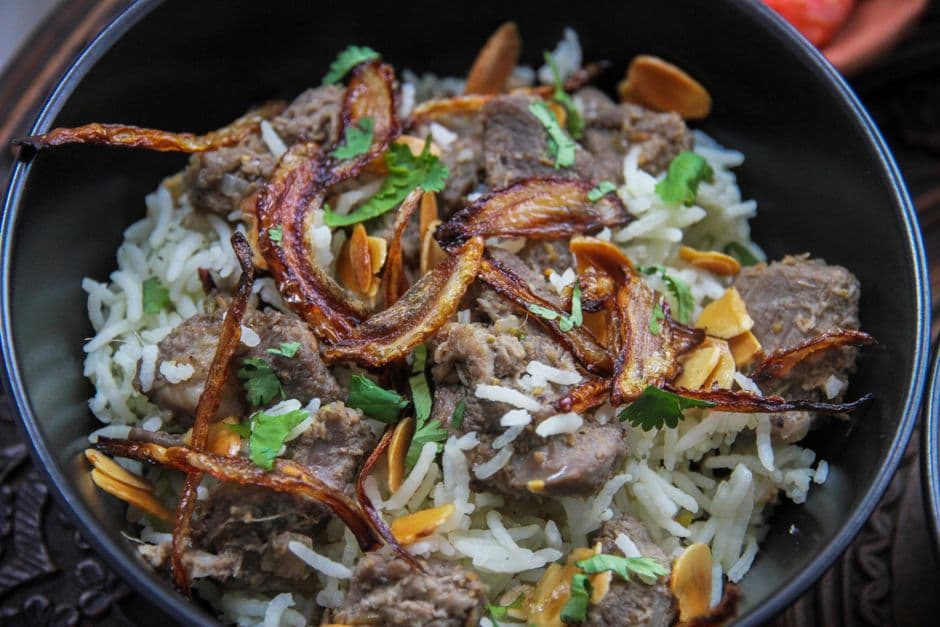
NewDinner
Thiébou Yapp — Senegalese Lamb and Rice
The meat version of Senegal's national dish: fragrant one-pot rice cooked in a rich tomato and onion broth with slow-braised lamb and vegetables.
150 min620 kcalMedium
★4.8(1,032)
Thieboudienne, yassa, mafé — bold, aromatic dishes from Senegal's rich culinary tradition.
More recipes built around the same core ingredients.
Track what you eat
Snap your meal to log calories and macros, run fasting timers and track water in the free SnapCal app.
Plan your meals, track fasting and build your grocery list — free
MyCookingCalendar's dashboard runs right in your browser, no download needed.
The meat version of Senegal's national dish: fragrant one-pot rice cooked in a rich tomato and onion broth with slow-braised lamb and vegetables.
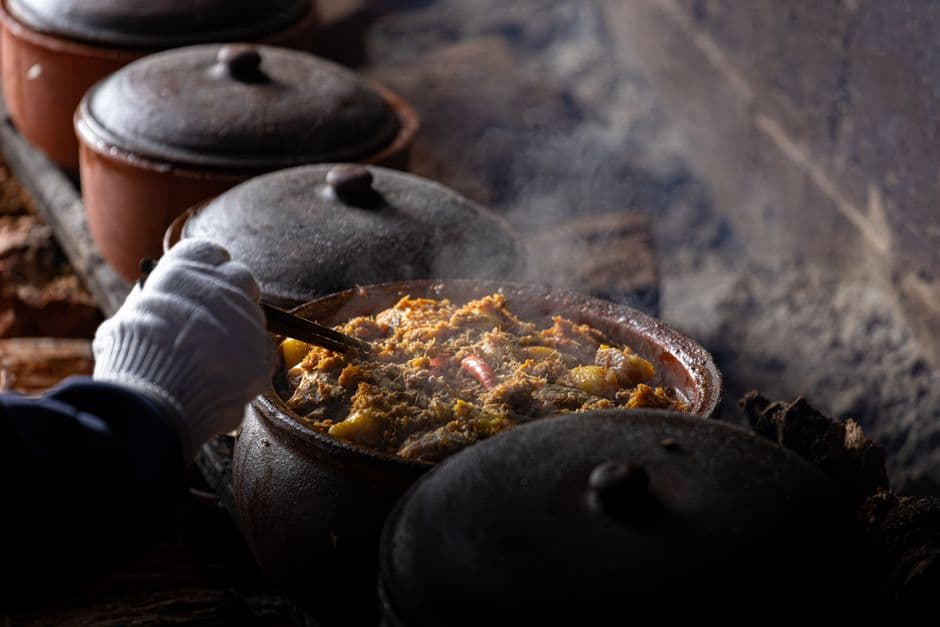
Rich, deeply savoury West African peanut stew with beef or lamb, sweet potato and aubergine — one of the great stews of the world.

Senegal's Mandinka peanut and tomato stew — a rich, slightly sweet groundnut stew thickened with tomato paste and peanut butter, made with beef or vegetables.
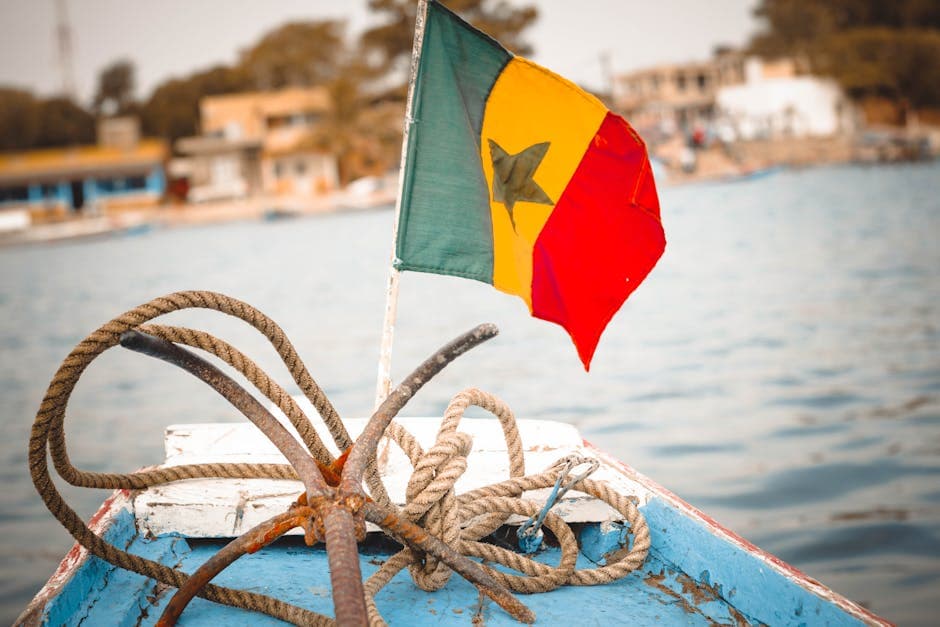
A Senegalese one-pot rice dish — the Wolof ancestor of the West African jollof rice, cooked in spiced tomato broth with chicken, vegetables, and whole scotch bonnet peppers.

A Senegalese sweet millet couscous dessert — steamed millet pearls mixed with sweetened yogurt, vanilla, and orange zest, a creamy, fragrant treat from West Africa.

Rich, deeply savory Senegalese peanut butter stew with beef and vegetables — West Africa's most comforting dish.
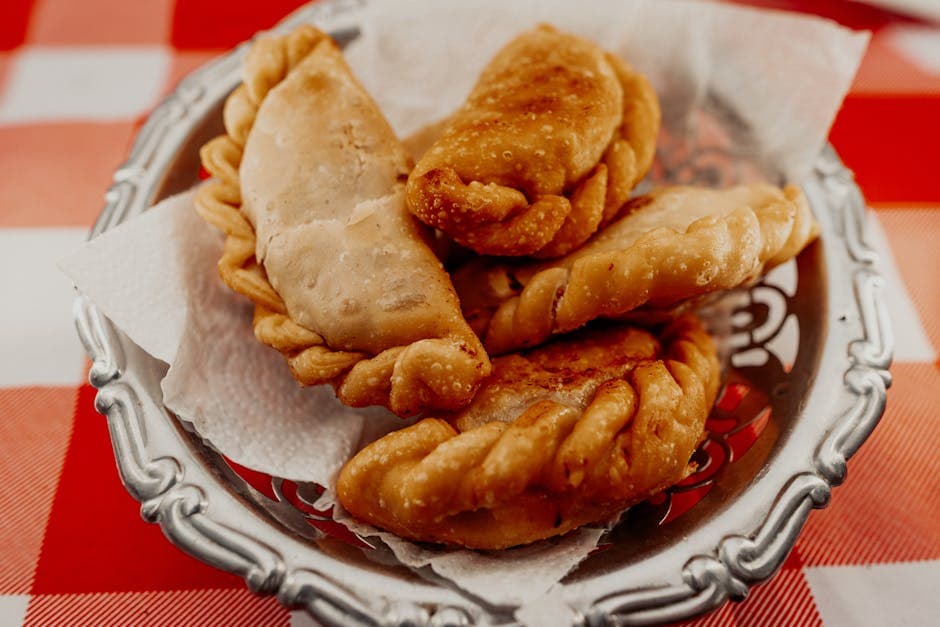
Crispy Senegalese half-moon pastry filled with spiced ground beef and onions — the ultimate Dakar street snack.

Sweet Senegalese millet couscous dessert with sweetened yogurt, raisins, and orange blossom — cooling and fragrant.

Light Senegalese fish rice dish in a lemony, fragrant broth — a refreshing alternative to the richer thieboudienne.

Senegal's festive peanut and baobab fruit pudding — sweet, tangy, and uniquely West African.
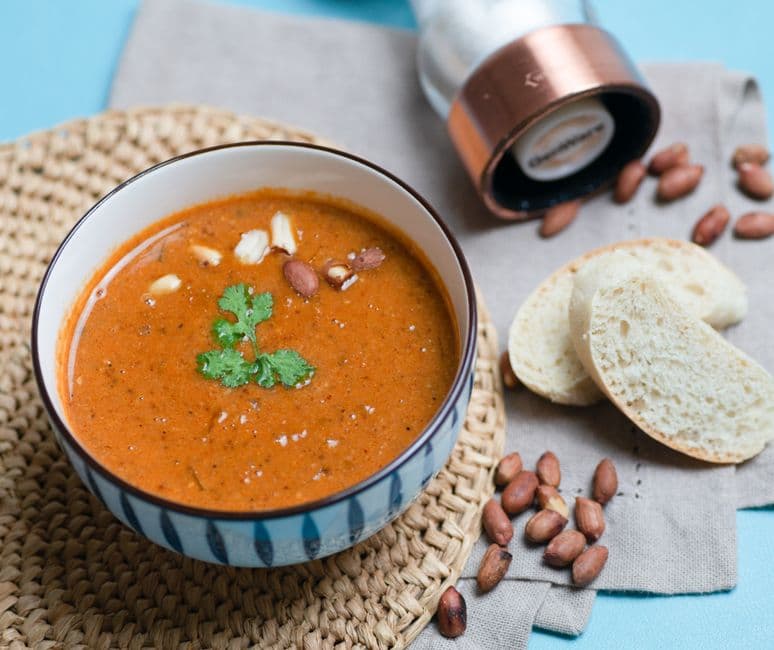
West Africa's great peanut stew — lamb or beef slow-braised in a rich, earthy groundnut sauce with tomatoes and vegetables. Deeply satisfying, warmly spiced and velvety smooth.
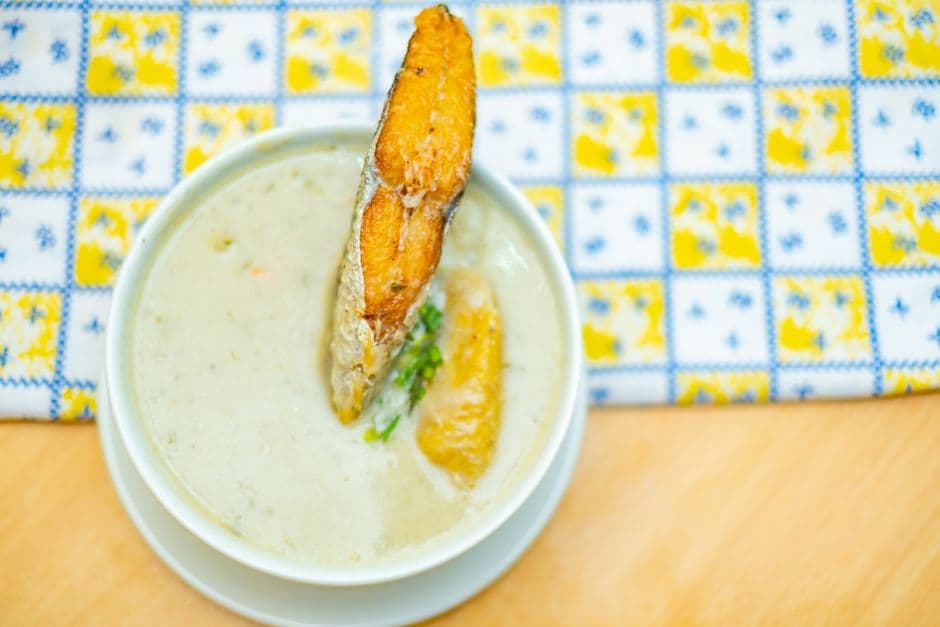
Senegalese fish and lemon rice stew — a light, fragrant everyday dish from the coastal Serer people.

Senegalese lamb and rice — the meat companion to thiéboudienne, slow-cooked in rich tomato sauce with vegetables.

Senegal's national dish — broken jasmine rice cooked in a deeply spiced tomato and fish broth, served with whole stuffed fish, root vegetables and a tamarind sauce.

Chicken marinated in a flood of lemon juice, Dijon mustard and slow-cooked onions, then braised until the onions become a silky, tangy gravy poured over white rice — the proudest dish of Senegal's Casamance.

Lemon-onion chicken from Senegal with mustard, garlic and bright, punchy flavor.
Senegalese cuisine is anchored by thieboudienne (ceebu jën), the national dish of fish stuffed with parsley-garlic rof paste, braised with vegetables in a tomato broth, and finished by cooking broken rice in that same liquid until the bottom forms a prized crust called xoon. Broken rice itself is a legacy of colonial trade with Indochina that Senegal made its own; the dish is so foundational that it is widely credited as the ancestor of jollof rice across West Africa.
The flavor signature is a triangle of nokos (pounded garlic, onion, and pepper seasoning), pungent nététou (fermented locust bean), and guedj, dried fermented fish that adds deep umami to stews. Yassa — chicken or fish marinated in lemon, mustard, and masses of slow-cooked onions, a Casamance specialty — and mafé, the peanut-butter stew of Mandinka origin with lamb or beef, are the other two pillars every Senegalese cook commands.
French colonial history shows in the baguette eaten at breakfast and in mustard's surprising prominence, while Islamic tradition makes attaya — a three-round ceremony of sweet gunpowder green tea poured high to raise foam — the social glue after meals. Home cooks build dishes in one large pot, season boldly, and serve around a shared platter; teranga, the Wolof word for hospitality, is treated as the cuisine's first ingredient.
Thieboudienne (ceebu jën)
Fish stuffed with herb paste, braised with vegetables in tomato broth, with broken rice cooked in the liquid — the national dish.
Yassa
Chicken or fish marinated in lemon, onion, and mustard, then smothered in slow-cooked caramelized onion sauce, from the Casamance region.
Mafé
A peanut-butter and tomato stew of Mandinka origin, simmered with lamb, beef, or vegetables and served over rice.
Fermented umami
Nététou (locust bean) and guedj (dried fermented fish) give Senegalese stews their characteristic savory depth.
Broken rice
Fragmented rice grains absorb sauce better than whole grains and form xoon, the crisp bottom crust diners compete for.
Attaya tea ritual
Gunpowder green tea brewed in three increasingly sweet rounds and poured from height, closing meals and anchoring social life.
Senegalese cuisine is known for thieboudienne, the tomato-braised fish and broken rice dish considered the ancestor of jollof rice, plus yassa (lemon-onion-mustard chicken) and mafé (peanut stew). It is defined by one-pot cooking, fermented umami ingredients like nététou and dried fish, French touches such as baguettes and mustard, and the hospitality culture known as teranga.
Senegal's cooking is more fish-centric than most of the region, thanks to its Atlantic coastline, and uses broken rice rather than whole-grain rice as the staple. Lemon and mustard — French-influenced — give dishes like yassa a sour brightness uncommon in Ghanaian or Nigerian food, and overall chili heat is more restrained, with depth coming from fermented locust bean and dried fish instead.
It is flavorful more than fiery. Scotch bonnet chili goes into most pots, but usually whole or in moderation, so dishes carry warmth rather than burn. The dominant notes are savory and tangy: fermented fish and locust bean for umami, lemon and tamarind for sourness, heaps of slow-cooked onion for sweetness. Extra chili is typically served on the side for those who want it.
Poulet yassa is the classic entry dish: marinate chicken in lemon juice, sliced onions, mustard, and garlic, brown it, then stew everything until the onions collapse into a tangy sauce for rice. Mafé is a close second — a tomato and peanut-butter stew that is hard to ruin. Save thieboudienne for later; it is a multi-stage project.
Thieboudienne (ceebu jën, 'rice with fish' in Wolof) is Senegal's national dish: a whole fish stuffed with rof herb paste, braised with cassava, carrots, cabbage, and eggplant in tomato broth, then broken rice cooked in that broth. UNESCO added it to its intangible cultural heritage list in 2021, and food historians trace jollof rice across West Africa back to it.
Calculators and converters that pair with this page — no signup needed.