
NewDinner
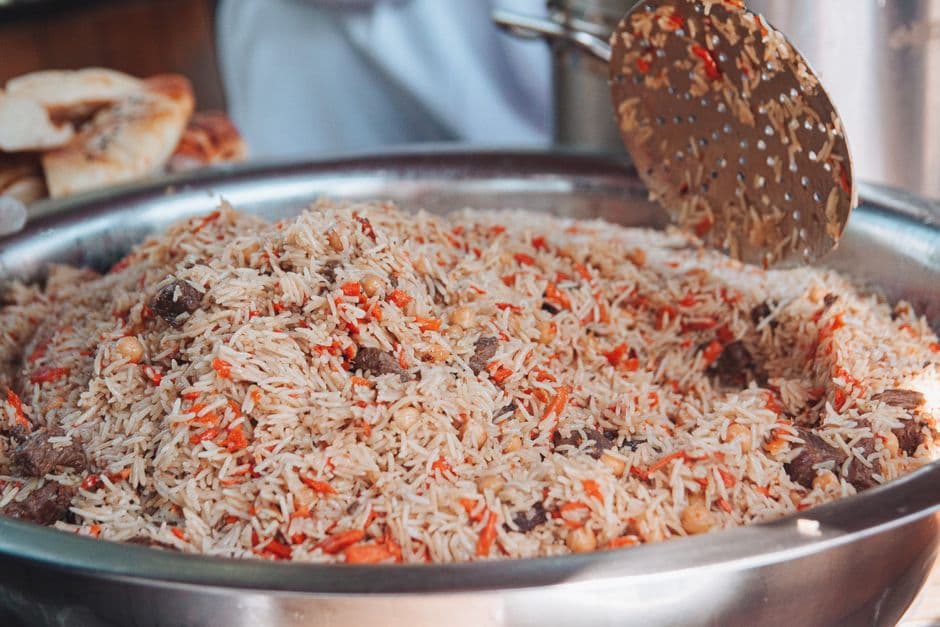
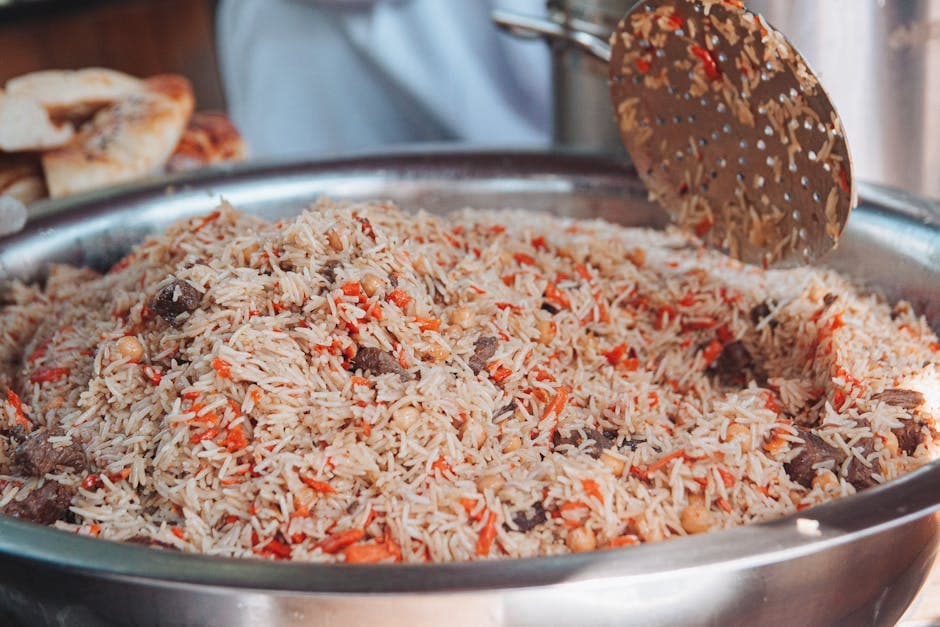
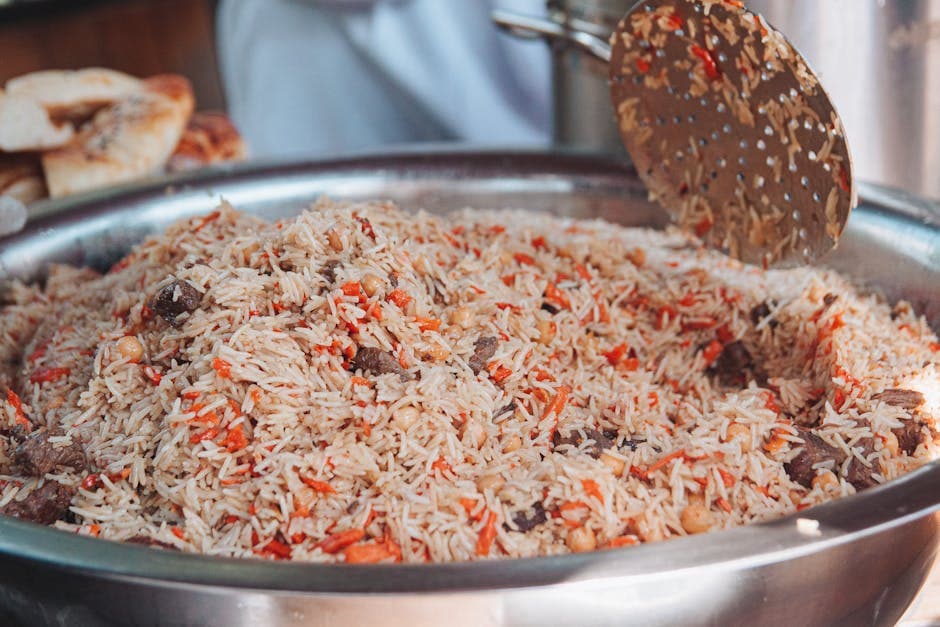
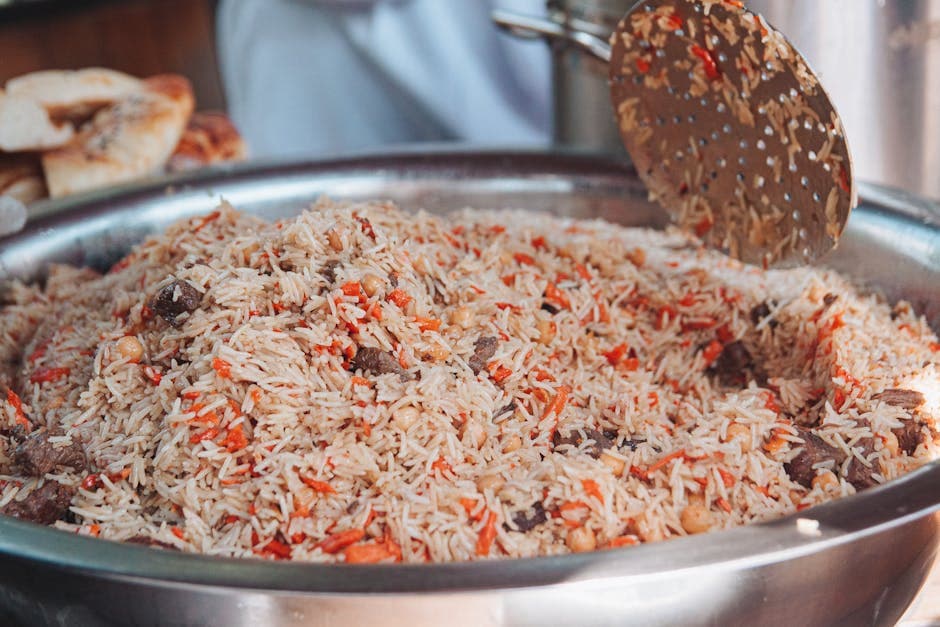
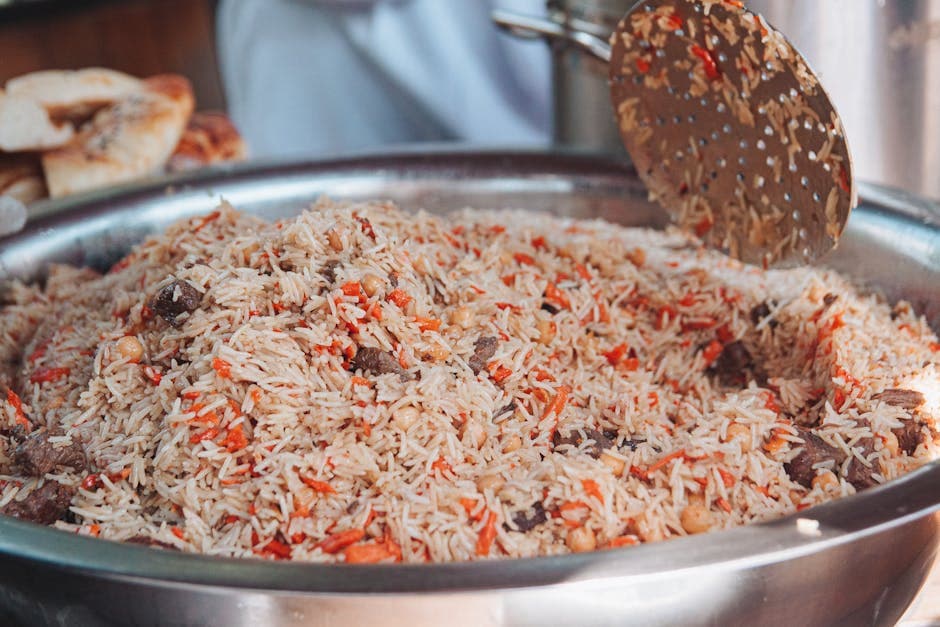
Plov
Uzbekistan's legendary rice pilaf — lamb, carrots, onions and spiced broth cooked together in a kazan to create Central Asia's most beloved dish.
115 min680 kcalMedium
★4.9(654)
Plov, samsa, lagman — hearty Silk Road cooking from the heart of Central Asia.
More recipes built around the same core ingredients.
Track what you eat
Snap your meal to log calories and macros, run fasting timers and track water in the free SnapCal app.
Plan your meals, track fasting and build your grocery list — free
MyCookingCalendar's dashboard runs right in your browser, no download needed.
Uzbekistan's legendary rice pilaf — lamb, carrots, onions and spiced broth cooked together in a kazan to create Central Asia's most beloved dish.

A clear, golden lamb broth with chickpeas, potato, carrot, onion and fresh herbs — Central Asia's most beloved and nourishing soup.
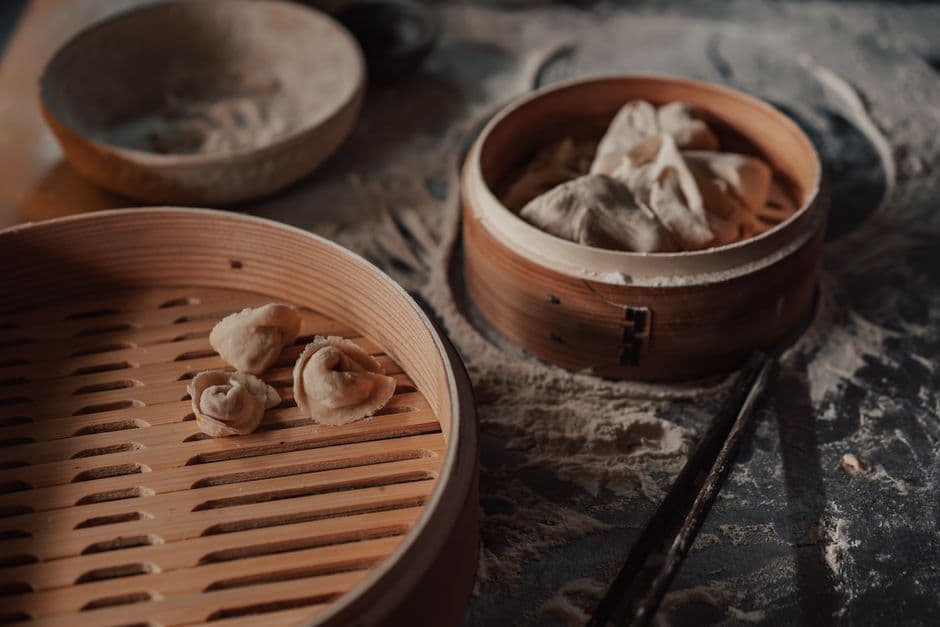
Generously sized steamed dumplings filled with spiced lamb, onion and pumpkin, served with sour cream and herb sauce — the royal dish of Central Asian cuisine.

A no-stir Uzbek stew of layered lamb, potato, carrot, onion and herbs sealed tightly and slow-cooked in their own steam — deceptively simple and profoundly flavourful.
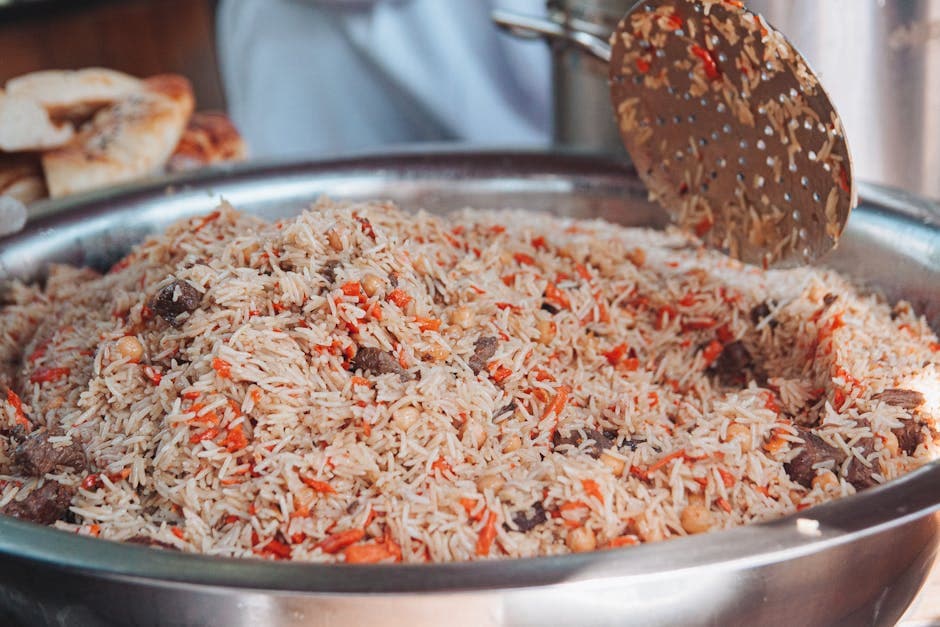
The ancient rice dish from Samarkand — lamb and rice cooked in a kazan with the characteristic dry, separate grains of Uzbek plov, fragrant with cumin and topped with whole garlic and quince.
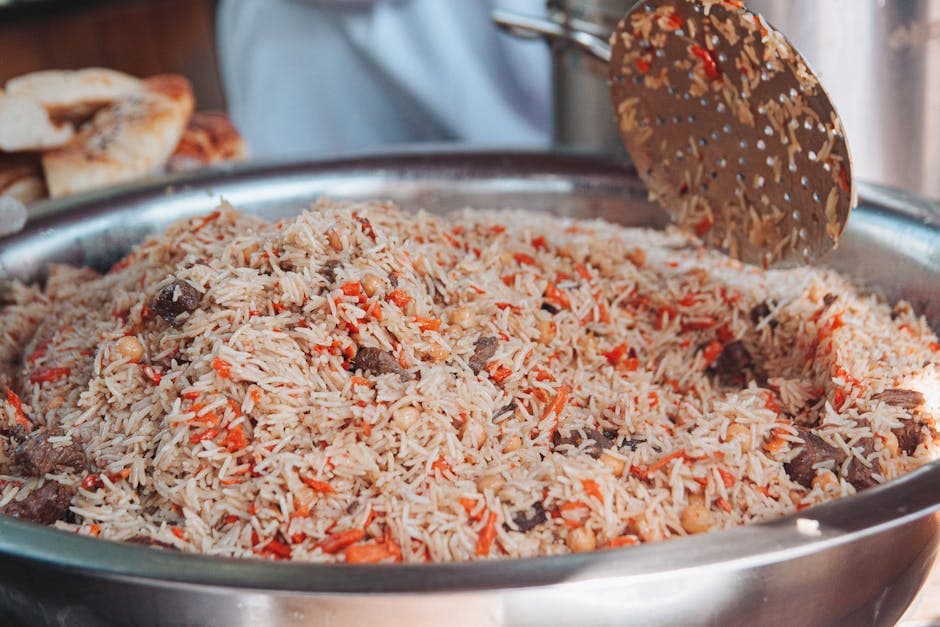
Uzbek baked lamb pastries from the tandoor — flaky triangular pastries filled with spiced lamb and onion, baked in a clay oven until the outside shatters and the inside sizzles.
Uzbekistan's nomadic noodle dish — hand-cut noodles served with boiled horse or lamb meat in a clear, aromatic broth, garnished with golden fried onions.

Central Asia's great lamb and vegetable soup — rich, aromatic, and deeply nourishing.

Tiny Uzbek dumplings filled with lamb and onion, served in a clear broth or yogurt — Central Asia's comfort food.

Uzbek rice soup with tender lamb, tomatoes, and chickpeas — a lighter, brothier cousin of plov.

Rich, buttery Uzbek semolina halva fragrant with butter and vanilla — a celebration sweet unlike any other.

Uzbek layered stew of lamb, vegetables, and herbs cooked completely sealed — no liquid added, just natural steam.
Central Asia's greatest rice dish — lamb, carrot and onion cooked together in a large cast-iron kazan, then topped with rice and steamed in the meat juices. The national dish of Uzbekistan, eaten for every celebration.
Hearty Uzbek lamb and vegetable soup — a slow-simmered broth with whole vegetables and tender bone-in lamb.

Flaky baked pastries stuffed with spiced lamb and onion — the Central Asian answer to the samosa.
Uzbek layered meat and vegetable casserole steamed in its own juices — a simple one-pot feast.

Steamed dumplings filled with spiced lamb and onion — the Uzbek answer to Chinese dim sum, eaten at every celebration.
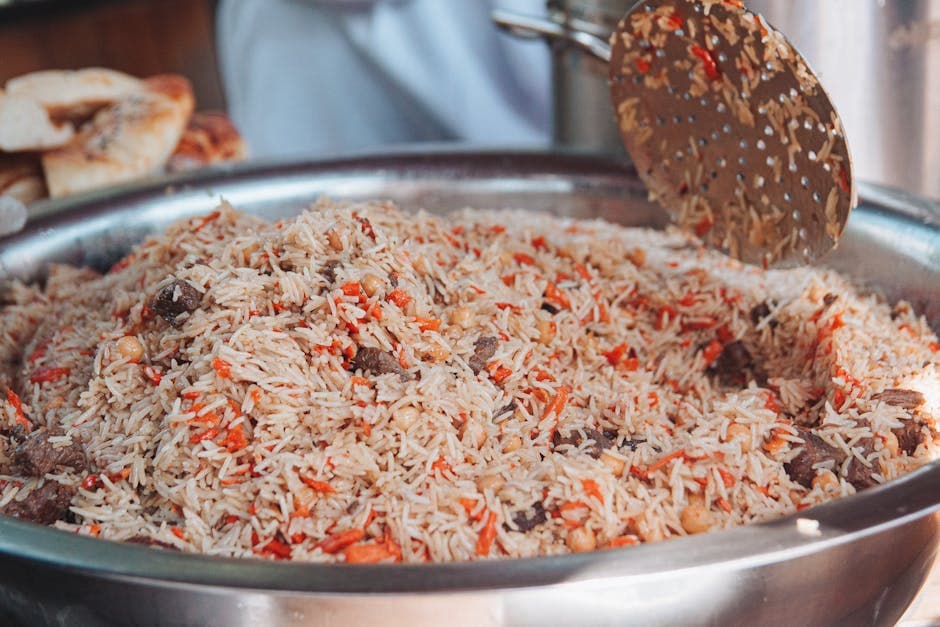
Uzbek hand-cut noodles with horse meat and broth — a celebratory dish served at weddings and Navruz.
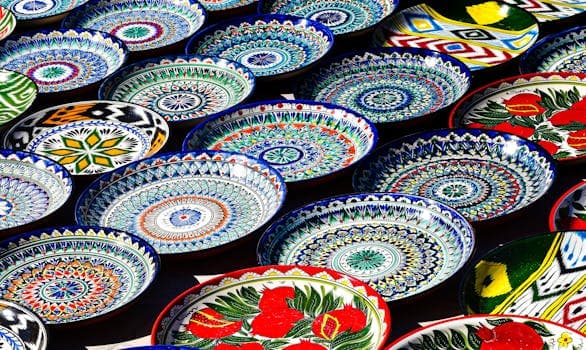
Uzbekistan's hearty pulled noodle soup — hand-stretched wheat noodles in a rich lamb and vegetable broth with cumin and sweet pepper.
Uzbekistan's national rice dish — lamb, carrots, and rice slow-cooked in a single kazan until each grain glistens with golden fat.
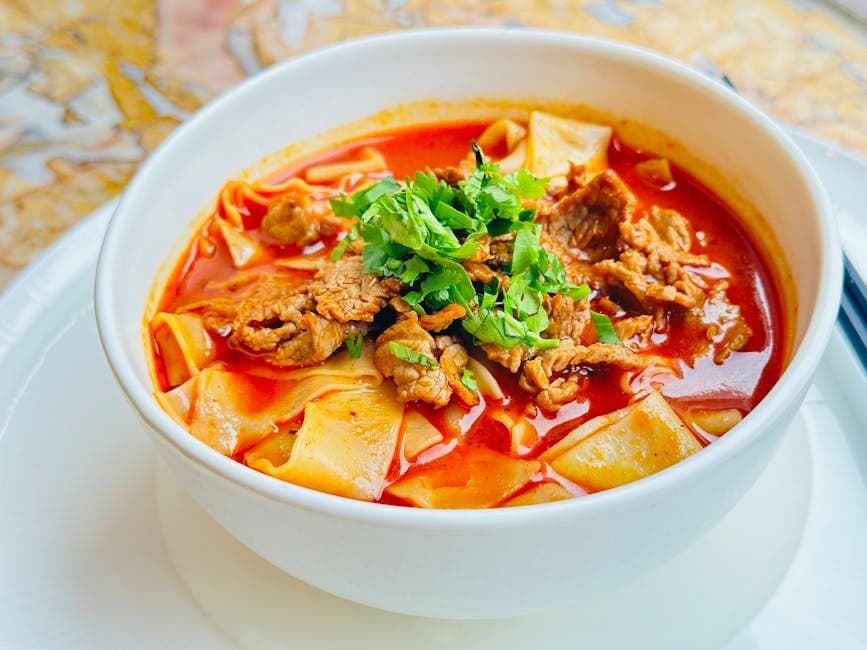
Uzbekistan's hand-pulled wheat noodles in a deeply spiced lamb-and-vegetable soup-stew — the Silk Road's most iconic noodle dish.
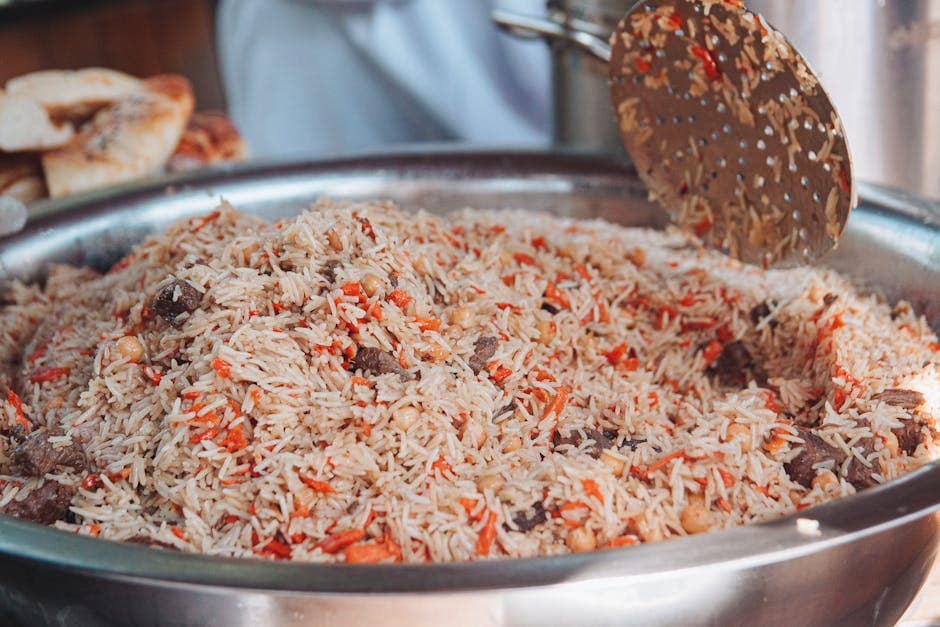
Uzbekistan's national dish — lamb, carrots, cumin and rice cooked in a single deep cauldron until every grain glistens with spiced fat and the meat falls apart.
Uzbek Market Lemon Herb Rice Bowl brings uzbek flavor to a practical rice bowl built with chicken thighs, cumin, carrots, lamb and onions, and a fresh dill finish.
Uzbek Village Smoky Tomato Soup brings uzbek flavor to a practical soup built with mushrooms, cumin, carrots, lamb and onions, and a fresh dill finish.
Uzbek Garden Sesame Lime Skillet brings uzbek flavor to a practical skillet dinner built with cauliflower, cumin, carrots, lamb and onions, and a fresh dill finish.
Uzbek Harbor Charred Pepper Noodles brings uzbek flavor to a practical noodle dish built with rice noodles, cumin, carrots, lamb and onions, and a fresh dill finish.
Uzbek Mountain Green Herb Salad brings uzbek flavor to a practical salad built with grilled chicken, cumin, carrots, lamb and onions, and a fresh dill finish.
Uzbek Festival Lemon Herb Flatbread brings uzbek flavor to a practical flatbread built with flatbread dough, cumin, carrots, lamb and onions, and a fresh dill finish.
Uzbek Homestyle Smoky Tomato Traybake brings uzbek flavor to a practical traybake built with sweet potatoes, cumin, carrots, lamb and onions, and a fresh dill finish.
Uzbek Street Sesame Lime Fritters brings uzbek flavor to a practical fritters built with salted fish, cumin, carrots, lamb and onions, and a fresh dill finish.
Uzbek Golden Charred Pepper Breakfast Plate brings uzbek flavor to a practical breakfast plate built with beans, cumin, carrots, lamb and onions, and a fresh dill finish.
Uzbek Weeknight Green Herb Dessert brings uzbek flavor to a practical dessert built with coconut, cumin, carrots, lamb and onions, and a fresh dill finish.
Rice cooked in a single pot atop caramelized carrots and browned lamb, seasoned with cumin, a dish considered Uzbekistan's national treasure.
Flaky, layered pastry triangles filled with spiced ground lamb and onion, baked in a tandoor-style oven until deeply golden.
Large steamed dumplings filled with fatty ground lamb, onion and pumpkin, served with a dollop of yogurt and butter.
A hearty, clear lamb broth simmered with chunky vegetables like potato, carrot and bell pepper, a comforting Central Asian staple.
A round, chewy flatbread with a stamped, decorative center and puffed, blistered edges, traditionally baked stuck to the walls of a hot tandoor.
Thin hand-cut noodles tossed with finely sliced boiled meat and onion, a distinctive cold dish traditionally served at Uzbek celebrations.
Tiny dumplings filled with seasoned ground meat, boiled in a clear broth and served with a dollop of sour cream and fresh dill.
Lamb, potatoes, carrots and cabbage layered in a heavy pot and cooked in their own juices without added water, resulting in deeply concentrated flavors.
A dense, fudgy sweet made from toasted flour bound with a hot sugar and butter syrup, studded with nuts, a traditional Uzbek confection.
Chunks of lamb and potato slow-fried together in a heavy cauldron until deeply browned and tender, a hearty rustic Uzbek favorite.
Thinly sliced tomatoes and onions tossed with fresh herbs and a light dressing, a simple, refreshing counterpart to rich Uzbek mains.
Cubed lamb pan-fried with onions, potatoes and bell peppers until deeply browned, a rustic, hearty Uzbek skillet dinner.
Thin dough pockets filled with a raw egg and butter mixture, fried until crisp, resulting in a soft, custardy interior.
A hearty, tomato-tinged soup of rice, vegetables and meat, similar to a lighter, soupier cousin of plov.
Small pieces of fried dough coated in warm honey syrup and pressed into a mounded, sticky, festive shape, a beloved Central Asian sweet.
Flaky baked pastries filled with a vibrant green mixture of fresh herbs and onion, a lighter, vegetarian cousin of meat samsa.
A whole chicken marinated in yogurt and spices, traditionally roasted in a tandoor oven until the skin turns deeply golden and crisp.
Rice cooked with finely chopped liver and a generous amount of fresh herbs, turning the dish a distinctive deep green, a Bukharan Jewish-Uzbek specialty.
Rice slow-cooked in a heavy kazan pot with lamb, browned onion, mountains of carrot and raisins, Uzbekistan's iconic national dish, plov.
Warm, tandoor-baked non bread torn and filled with thick kaymak cream, a simple, beloved Uzbek breakfast sandwich enjoyed with hot tea.
Hand-formed lamb meatballs simmered in a tangy tomato broth, a home-style Uzbek dish that echoes the flavors of the country's beloved dimlama stew.
Mung beans and rice simmered together into a soft, savory porridge with fried onion and cumin, a comforting Uzbek dish traditionally eaten during illness or fasting.
Thin dough pockets filled with scrambled egg, herbs and a touch of cheese, folded and fried until crisp, a savory Uzbek snack pastry.
A slow-simmered, naturally sweet pudding made entirely from sprouted wheat, traditionally cooked overnight by the community to celebrate Navruz.
Whole carp stuffed with onion and dill, rubbed with cumin, and baked until tender, a hearty Uzbek preparation for the freshwater fish found in the country's rivers and lakes.
Flaky, layered pastry triangles filled with spiced ground lamb and onion, baked in a tandoor-style oven until deeply golden, Uzbekistan's beloved somsa.
Thinly sliced tomato and onion tossed with fresh herbs and a touch of vinegar, the simple, ever-present Uzbek salad served alongside plov and grilled meats.
Tiny meat-filled dumplings simmered in a clear, seasoned broth, Uzbekistan's beloved chuchvara soup often served with a dollop of yogurt or vinegar.
A whole chicken roasted with a cumin-forward spice rub and basted in a tangy tomato glaze, bringing plov's signature flavors to a simple family roast.
Layers of meat, potato, carrot, cabbage and tomato slow-cooked without added liquid until meltingly tender, the beloved Uzbek stew known as dimlama.
Small pieces of fried dough coated in warm honey syrup and pressed together with sesame seeds, the celebratory Uzbek and Central Asian sweet chak-chak.
Fluffy Uzbek-style pancakes made with baked fermented milk, black pepper and a touch of honey, pan-fried until golden.
A fragrant Uzbek-style rice bowl with sweet paprika, caramelized carrots and cumin, echoing the flavors of classic plov.
A fragrant Uzbek-inspired rice dish with shrimp, finished with a cooling herbed yogurt sauce (katyk-style) on the side.
A comforting Uzbek mung bean and rice porridge-style bowl seasoned with cumin, black pepper and caramelized onion.
Uzbek-style bell peppers stuffed with spiced rice and lamb, simmered in a lightly sweet paprika tomato broth.
A layered Uzbek-inspired baked casserole of rice, seasoned beef and a garlicky herbed yogurt sauce, baked until bubbling.
A juicy Uzbek-spiced beef patty seasoned with cumin, black pepper and onion, served burger-style with a garlic yogurt sauce.
A dense, chewy dessert inspired by Central Asian sujukh nut candy, set into a pudding-style loaf with honey and walnuts.
A festive Uzbek plov holiday plate with tender lamb, caramelized onions, saffron-tinted rice and dried fruit.
Uzbek cuisine grew up along the Silk Road, feeding caravans in Samarkand, Bukhara, and the Fergana Valley, and its centerpiece is plov (osh) — rice cooked in a cast-iron kazan with lamb, yellow carrots, onions, cumin, and whole garlic heads, layered and never stirred. Plov is so codified that each city claims its own canon, master cooks called oshpaz prepare it for weddings in batches for hundreds, and UNESCO lists it as cultural heritage.
Beyond plov, the repertoire centers on lamb fat (dumba, from fat-tailed sheep), hand-pulled noodles, and tandyr ovens. Lagman noodles arrived with Dungan and Uyghur cooks and became a national staple in soup or fried (kovurma) form; samsa — flaky pastries of lamb and onion — bake stuck to tandyr walls like Indian naan's savory cousin; manti, large steamed dumplings of hand-chopped lamb and onion, are eaten with suzma yogurt.
Home cooking is seasonal and bread-reverent: non, the stamped round tandyr bread, is never placed face-down or cut with a knife, only torn. Meals open with chai, melon, and salads like achichuk (tomato, onion, chili), and the kazan does most of the work — the same pot makes plov, shurpa (lamb-vegetable soup), and dimlama, the layered meat-and-vegetable steam-braise of late summer.
Plov (osh)
Rice layered with lamb, yellow carrots, cumin, and whole garlic in a kazan; each region — Samarkand, Tashkent, Fergana — has its own canonical version.
The kazan
A heavy cast-iron cauldron used for plov, shurpa, and dimlama; its heat retention defines Uzbek layering-and-steaming technique.
Tandyr breads and samsa
Stamped non flatbreads and flaky lamb-onion samsa pastries baked stuck to the walls of a clay tandyr oven.
Hand-made noodles and dumplings
Lagman pulled noodles in soup or fried form, plus steamed manti and small boiled chuchvara dumplings.
Lamb and dumba fat
Fat-tailed sheep provide the meat and rendered tail fat that carry flavor in plov, samsa, and kebabs (shashlik).
Tea and melon culture
Green tea served in piala bowls and famously sweet Uzbek melons frame every meal from start to finish.
Uzbek cuisine is known for plov — rice cooked with lamb, yellow carrots, and cumin in a cast-iron kazan — along with lagman hand-pulled noodles, steamed manti dumplings, tandyr-baked samsa pastries and non bread, and shashlik kebabs. It is Central Asia's most celebrated food culture, shaped by Silk Road trade through Samarkand and Bukhara.
Uzbek plov is built in strict unstirred layers in a kazan: rendered lamb fat, then meat, onions, and a thick stratum of julienned yellow carrots, with rice and water on top. Whole garlic heads and cumin season it, and it is never mixed until serving. Persian polo emphasizes the crisp tahdig crust and herbs; Indian pulao and biryani use far more spices and basmati rice.
No. Uzbek cooking is savory and rich rather than hot, seasoned mainly with cumin (zira), black pepper, coriander seed, and barberries. Fresh chili appears in achichuk salad and lagman can take a chili-garlic condiment (laza), reflecting Uyghur influence, but heat is always optional. Richness comes from lamb and dumba tail fat, balanced by green tea, salads, and yogurt.
Start with a home-scale plov in a Dutch oven: brown lamb or beef in oil, add onions and a generous layer of carrot matchsticks, season with cumin, nest in a garlic head, then add rice and water and steam undisturbed. It teaches the core layering technique. Shurpa, the lamb and vegetable soup, is even simpler — just slow simmering.
The essentials are medium-grain rice (devzira is traditional; calrose works), lamb or beef, lots of carrots and onions, whole cumin seeds, coriander, black pepper, and dried barberries for plov. A heavy Dutch oven substitutes for the kazan. For the wider repertoire add flour for noodles and dumplings, plain yogurt (as suzma), and lamb fat or a neutral oil.
Calculators and converters that pair with this page — no signup needed.