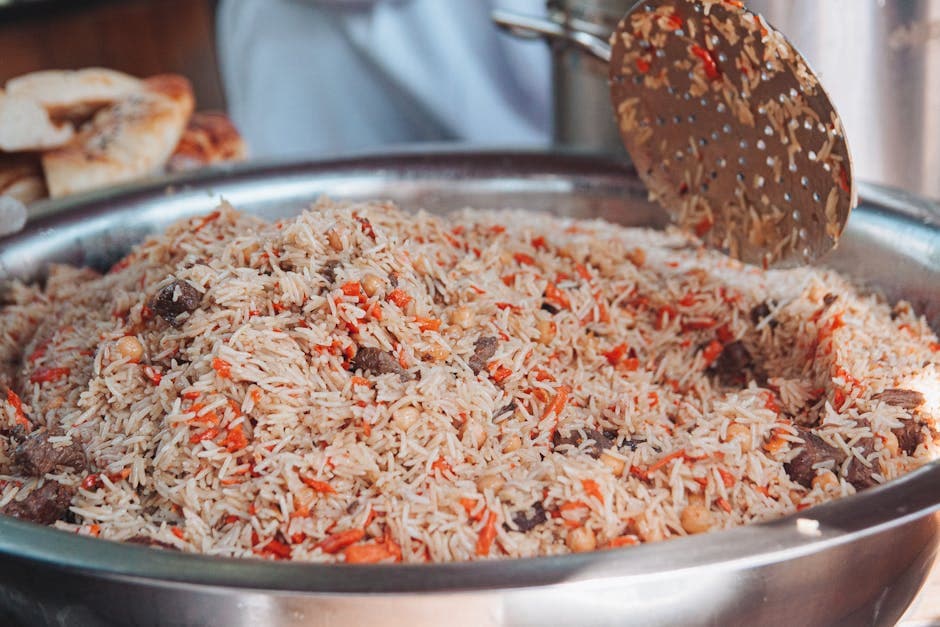
Lagman
Central Asia's pulled noodle soup — hand-stretched wheat noodles in a rich lamb and vegetable broth, a Silk Road dish with Chinese, Uyghur, and Uzbek roots.
About This Recipe
Lagman is one of the most fascinating culinary artifacts of the Silk Road, with clear connections to Chinese lamian (hand-pulled noodles) — the word 'lagman' is itself derived from the Chinese. It arrived in Central Asia via the Uyghur people of Xinjiang and became embedded in Uzbek, Kyrgyz, and Kazakh cuisines. The hand-stretching technique for the noodles requires practice but produces a texture that no dried pasta can replicate. The broth (värvä) is thick, sauce-like rather than soup-like, and gets its depth from the Dungan chili paste that Uyghur cooks introduced. Lagman is eaten as both a dry stir-fried dish and a soup.
Ingredients
Serves 4
- 500 gall-purpose flour
- 200 mlwater
- 1 tspsalt(for dough)
- 400 glamb shoulder(thinly sliced)
- 2 mediumbell peppers(sliced)
- 2 mediumtomatoes(chopped)
- 2 mediumonions(sliced)
- 3 clovesgarlic(minced)
- 1 mediumeggplant(cubed)
- 2 tbspvegetable oil
- 1 tspground cumin
- 1 tspchili flakes
- 1 tspsalt(for broth)
- 500 mlwater or lamb stock
Instructions
- 1
Make the dough
Mix flour, water, and salt into a stiff dough. Knead 10 minutes until smooth. Rest 30 minutes covered.
- 2
Pull the noodles
Divide dough into ropes. Stretch each rope by pulling and slapping it against the table, progressively thinning it until noodle-thin. Coil on an oiled surface.
- 3
Make the sauce
Fry lamb in oil until browned. Add onion, garlic, peppers, eggplant, and tomatoes. Add cumin, chili, and salt. Pour in stock and simmer 20 minutes.
- 4
Cook the noodles
Boil noodles in salted water for 3–4 minutes. Drain.
- 5
Serve
Place noodles in bowls. Ladle the lamb and vegetable sauce over the top.
Pro Tips
- →
Oiling the dough ropes before stretching prevents them from sticking
- →
The noodles should be slightly thicker than spaghetti — they puff up when boiling
Variations
- •
Serve 'kosorma' style — dry-fried without broth
- •
Use beef instead of lamb
Storage
Store sauce and noodles separately. Sauce keeps 3 days. Cook noodles fresh.
History & Origin
Lagman derives from Chinese lamian via the Uyghur people of Xinjiang and has been eaten along the Silk Road for over 1,000 years. It represents one of the clearest examples of Chinese culinary influence in Central Asia.
Frequently Asked Questions
Is lagman the same as ramen?
They share ancestry — both derive from the Chinese hand-pulled noodle tradition — but lagman has evolved distinctly in Central Asia with its own spicing and sauce.
Nutrition Facts
Per serving · 4 servings total
Time Summary
Have Questions?
Ask our AI cooking assistant anything about this recipe — substitutions, techniques, scaling.
Chat with AI Chef →More Uzbek Recipes
Community
Join the conversation
Sign in to leave a comment and save your favourite recipes