Skip to content
🍚
koreandinner✨ New

Bibimbap

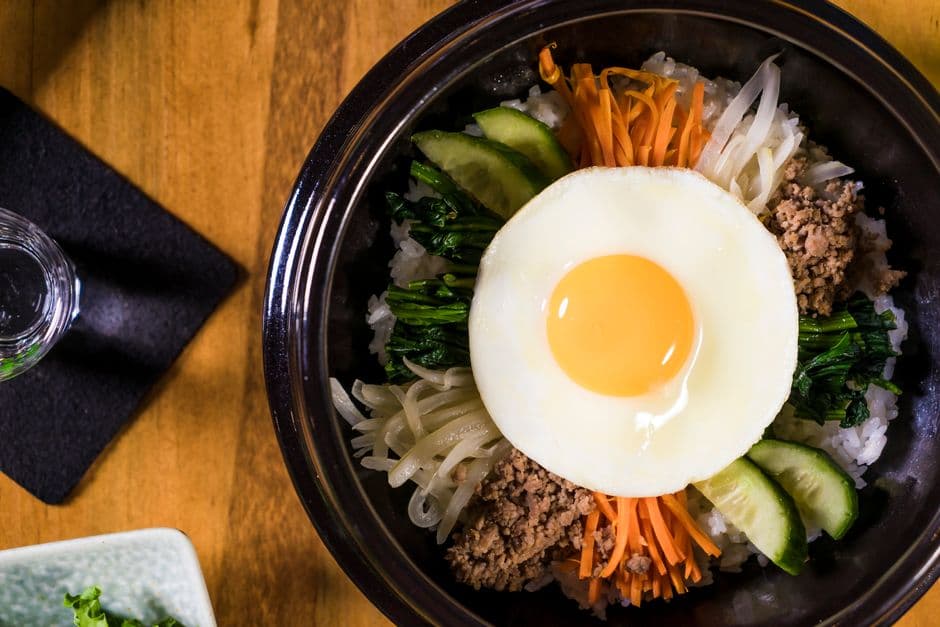
Korea's iconic mixed rice bowl — a vibrant arrangement of seasoned vegetables, marinated beef, a fried egg and gochujang sauce over steamed rice.

Prep
40 min
Cook
20 min
Servings
4
Difficulty
Medium
4.8(2,104 ratings)
#korean#rice#vegetables#beef#gochujang#healthy#colourful

About This Recipe

Bibimbap (비빔밥, 'mixed rice') is one of Korea's most beloved and visually spectacular dishes: a bowl of warm steamed rice topped with an artful arrangement of individually seasoned namul vegetables, marinated beef (bulgogi or minced beef), a perfectly fried egg and a generous spoonful of gochujang (Korean fermented chilli paste). The diner mixes everything vigorously at the table before eating, combining the textures and flavours — nutty spinach, earthy mushrooms, crunchy bean sprouts, sweet carrot, savoury beef and the umami heat of gochujang — into a harmonious whole. Dolsot Bibimbap, served in a scorching stone pot, creates a crust of crispy rice at the bottom that is considered a delicacy. Bibimbap likely originated as a New Year's dish for using up the year's leftovers and has been eaten in Korea since at least the nineteenth century.

Ingredients

Serves 4

  • 800 gcooked short-grain rice(hot)
  • 200 gminced beef
  • 200 gfresh spinach
  • 150 gbean sprouts
  • 2 mediumcarrots(julienned)
  • 150 gshiitake mushrooms(stems removed, sliced)
  • 4eggs
  • 4 tablespoonsgochujang (Korean chilli paste)
  • 3 tablespoonssoy sauce
  • 2 tablespoonssesame oil
  • 1 tablespoonsugar
  • 3 clovesgarlic(minced)
  • 2 tablespoonssesame seeds(toasted)
  • 3 tablespoonsvegetable oil

Instructions

  1. 1

    Marinate and cook the beef

    Mix the minced beef with 1 tablespoon soy sauce, 1 teaspoon sugar, 1 teaspoon sesame oil and half the garlic. Cook in a hot frying pan, stirring, until browned and cooked through, about 5 minutes. Set aside.

    Season each vegetable component individually — this is what gives bibimbap its complexity, with every element tasting distinct before mixing.

  2. 2

    Prepare the namul vegetables

    Blanch the spinach in boiling salted water for 30 seconds, refresh in cold water, squeeze dry and season with 1 teaspoon soy sauce, 1 teaspoon sesame oil and a pinch of garlic. Blanch bean sprouts for 2 minutes, refresh and season similarly. Sauté the julienned carrot in a little oil over medium heat for 3 minutes until tender; season with a pinch of salt. Sauté the shiitake mushrooms in oil with the remaining garlic and a splash of soy sauce until tender.

  3. 3

    Make the gochujang sauce

    Mix the gochujang with 1 tablespoon sesame oil, 1 tablespoon sugar, 1 tablespoon soy sauce and 1 tablespoon water to make a smooth, spoonable sauce. Adjust heat and sweetness to taste.

  4. 4

    Fry the eggs

    Fry the eggs in a little oil in a non-stick pan, sunny-side up, until the whites are just set but the yolks are still runny. Season with a pinch of salt.

  5. 5

    Assemble and serve

    Divide the hot rice among four bowls. Arrange the beef, spinach, bean sprouts, carrot and mushrooms in neat sections around the bowl — the visual presentation is part of bibimbap's appeal. Place a fried egg on top. Add a generous spoonful of gochujang sauce to each bowl. Scatter with sesame seeds and a drizzle of sesame oil. Serve immediately, allowing diners to mix everything vigorously before eating.

Pro Tips

  • Season each vegetable component individually before assembling — this layering of flavour is the essence of bibimbap.

  • A hot stone pot (dolsot) creates a crispy rice crust (nurungji) at the bottom that many consider the best part.

  • Use short-grain Korean or Japanese rice — its stickiness is essential for the dish.

Variations

  • Dolsot Bibimbap uses a preheated stone pot to create the famous crispy rice bottom.

  • Vegetarian bibimbap replaces the beef with extra mushrooms or marinated tofu.

  • Jeonju Bibimbap, from the city of Jeonju, uses beef tartare instead of cooked beef and is considered the premium version.

Storage

Store components separately. The seasoned vegetables keep for 3 days in the fridge. Assemble and serve fresh.

History & Origin

Bibimbap appears in Korean royal court records from the nineteenth century and was traditionally eaten on New Year's Eve to use up all the namul vegetables before the new year. The city of Jeonju in North Jeolla province is considered the spiritual home of bibimbap and holds an annual bibimbap festival.

Frequently Asked Questions

Do I have to use all these vegetables?

Bibimbap is very flexible — use whatever vegetables you have. Traditional bibimbap typically includes at least 5 different seasoned vegetables, but the combination varies by region and season.

Nutrition Facts

Per serving (550g / 19.4 oz) · 4 servings total

Calories580kcal
Protein28g
Carbohydrates72g
Fat18g
Fiber6g
Protein28g
Carbs72g
Fat18g

Time Summary

Prep time40 min
Cook time20 min
Total time60 min

Have Questions?

Ask our AI cooking assistant anything about this recipe — substitutions, techniques, scaling.

Chat with AI Chef →

Community

Join the conversation

Sign in to leave a comment and save your favourite recipes