TrendingDinner
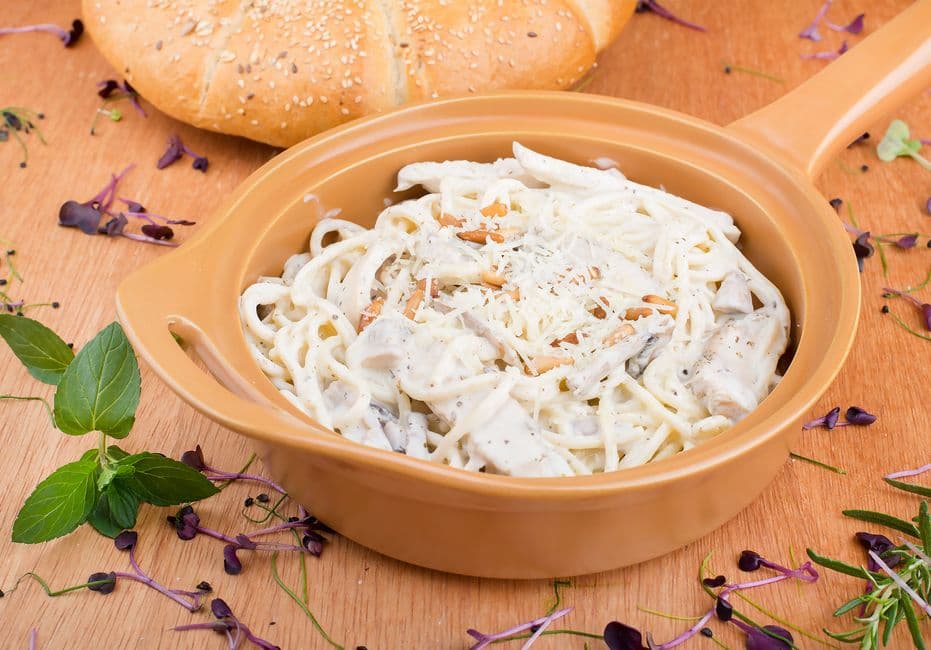
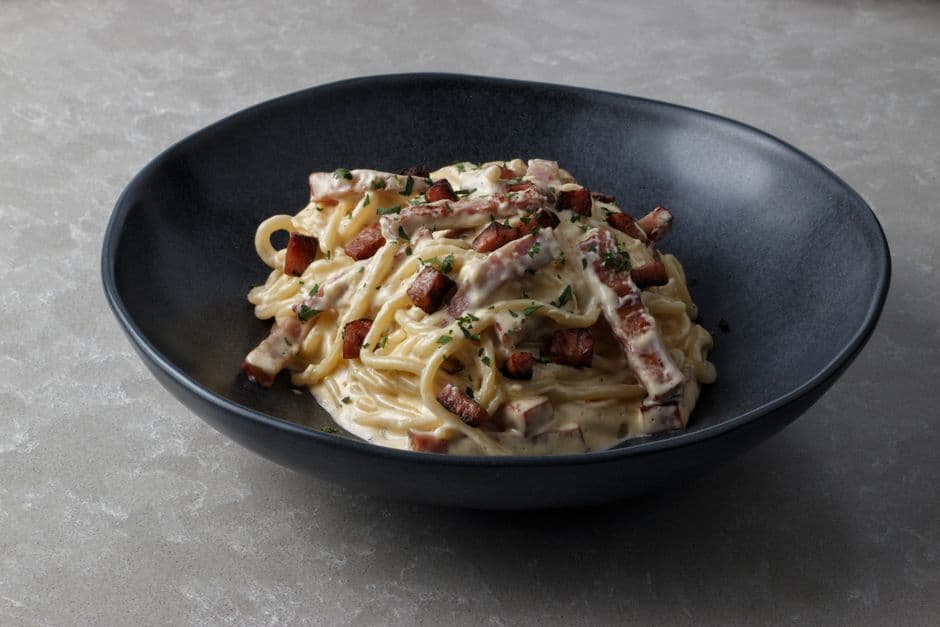
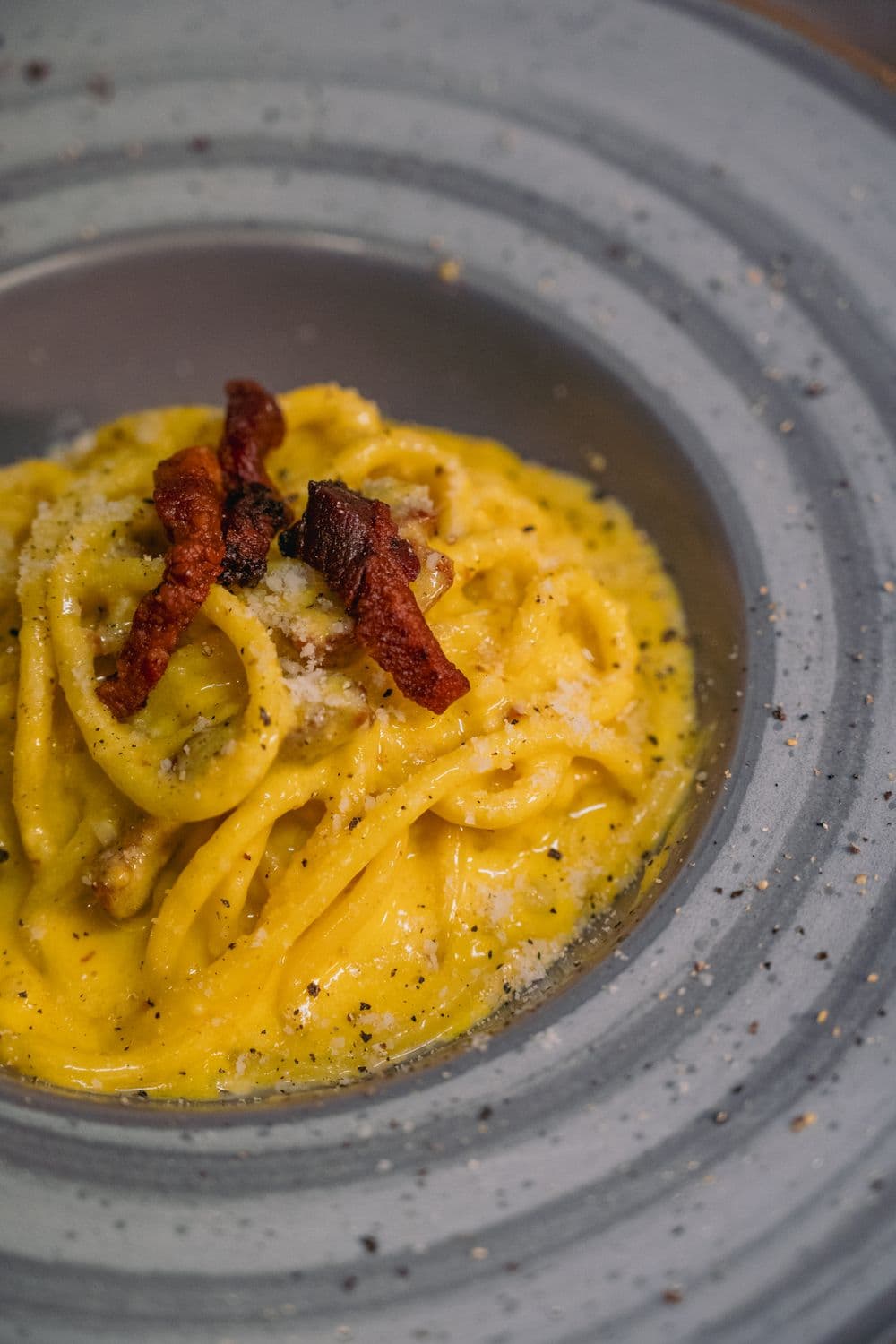
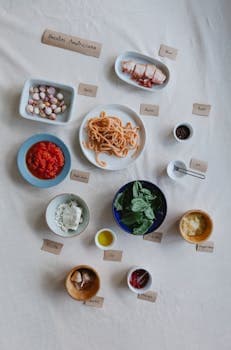
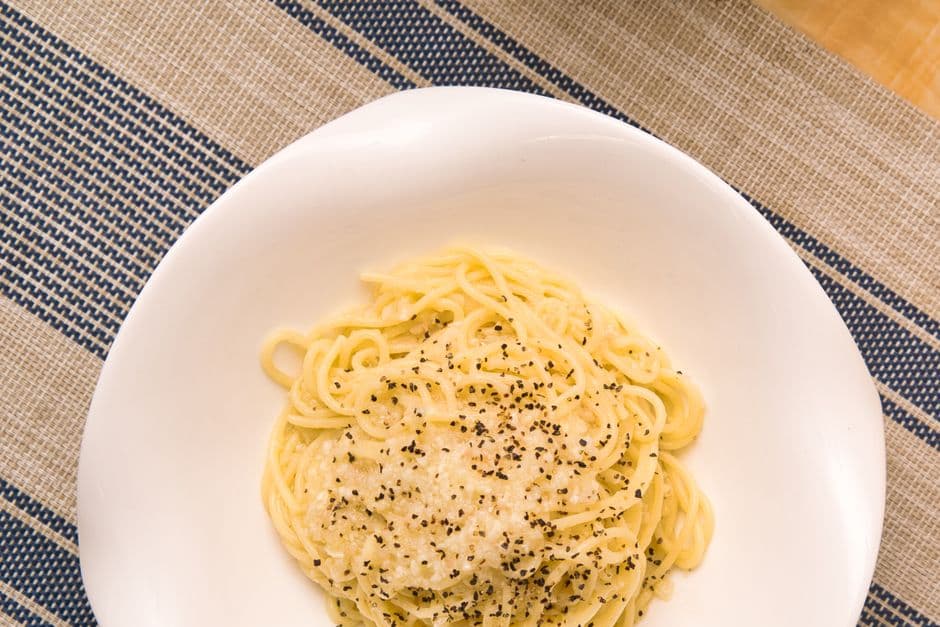
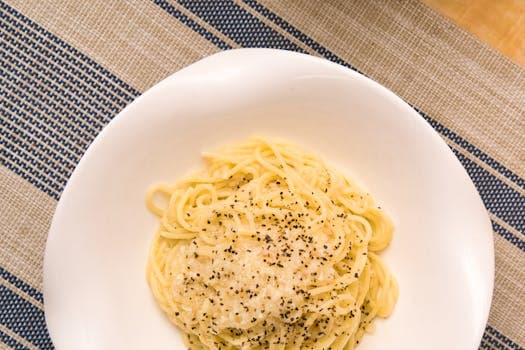
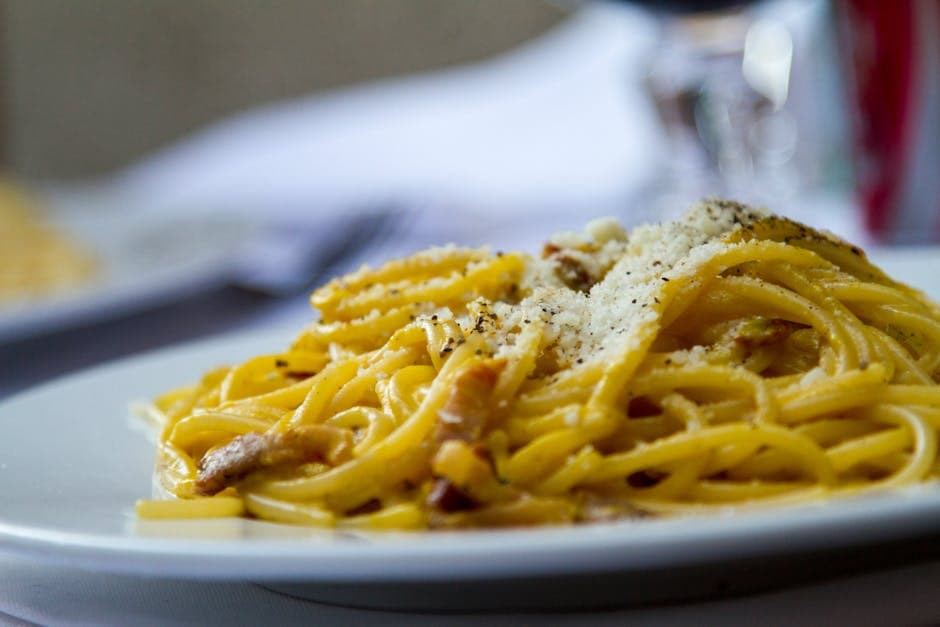
Classic Spaghetti Carbonara
Authentic Roman pasta with crispy guanciale, egg yolk, Pecorino Romano and black pepper — no cream, ever.
30 min620 kcalMedium
Pasta, pizza, risotto and more from la bella Italia.
More recipes built around the same core ingredients.
Track what you eat
Snap your meal to log calories and macros, run fasting timers and track water in the free SnapCal app.
Plan your meals, track fasting and build your grocery list — free
MyCookingCalendar's dashboard runs right in your browser, no download needed.
Mediterranean Diet: Complete Recipe Guide & Benefits
Explore the Mediterranean diet with 50+ authentic recipes from Greece, Italy, Spain, and the Middle East. Learn the health benefits and how to cook Mediterranean at home.
Mediterranean Diet Meal Plan: 7 Days for Beginners
A 7-day Mediterranean diet meal plan for beginners: breakfast, lunch, dinner and snacks linked to tested recipes, one shopping list and daily macros.
Keto 7-Day Meal Plan + Macros
A practical 7-day ketogenic meal plan with breakfast, lunch, dinner — every meal under 20g net carbs. Includes shopping list, macros, and how to handle keto flu.
Italian cuisine as we know it is younger than it looks: until unification in 1861, Italy was a patchwork of regional kitchens, and dishes like ragù alla bolognese, pizza napoletana, and risotto alla milanese still carry their hometown names. The unifying thread is cucina povera — the peasant logic of doing a lot with little — which turned stale bread into panzanella and ribollita, and cheap durum wheat into hundreds of pasta shapes, each matched to a specific sauce.
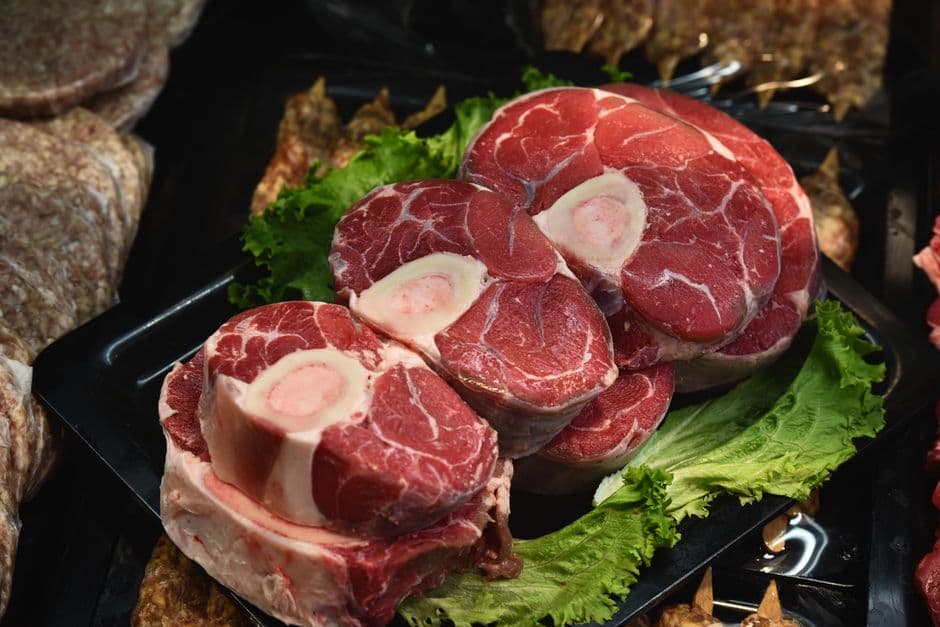
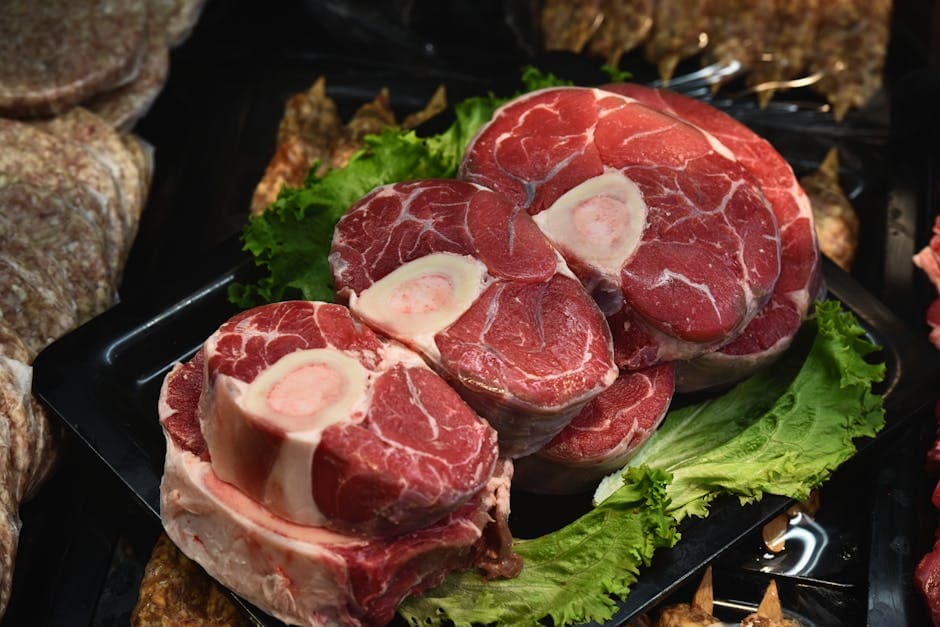
Geography splits the country's pantry in two. The north cooks with butter, rice, polenta, and slow braises — think osso buco and risotto — while the south runs on olive oil, dried pasta, tomatoes, and preserved anchovies. Coastal regions add seafood traditions like Liguria's pesto-laced trenette and Sicily's pasta con le sarde, where Arab-era ingredients such as saffron, raisins, and pine nuts still surface.
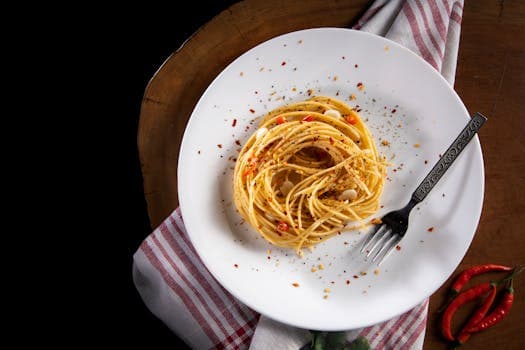
Home cooks approach Italian food through restraint: a classic sauce like aglio e olio uses four ingredients, and success depends on technique — salting pasta water properly, finishing pasta in the sauce with starchy cooking water, and grating Parmigiano-Reggiano fresh. Quality of raw ingredients matters more than complexity, which is why DOP-protected products like San Marzano tomatoes and buffalo mozzarella command such loyalty.
Pasta shapes and pairings
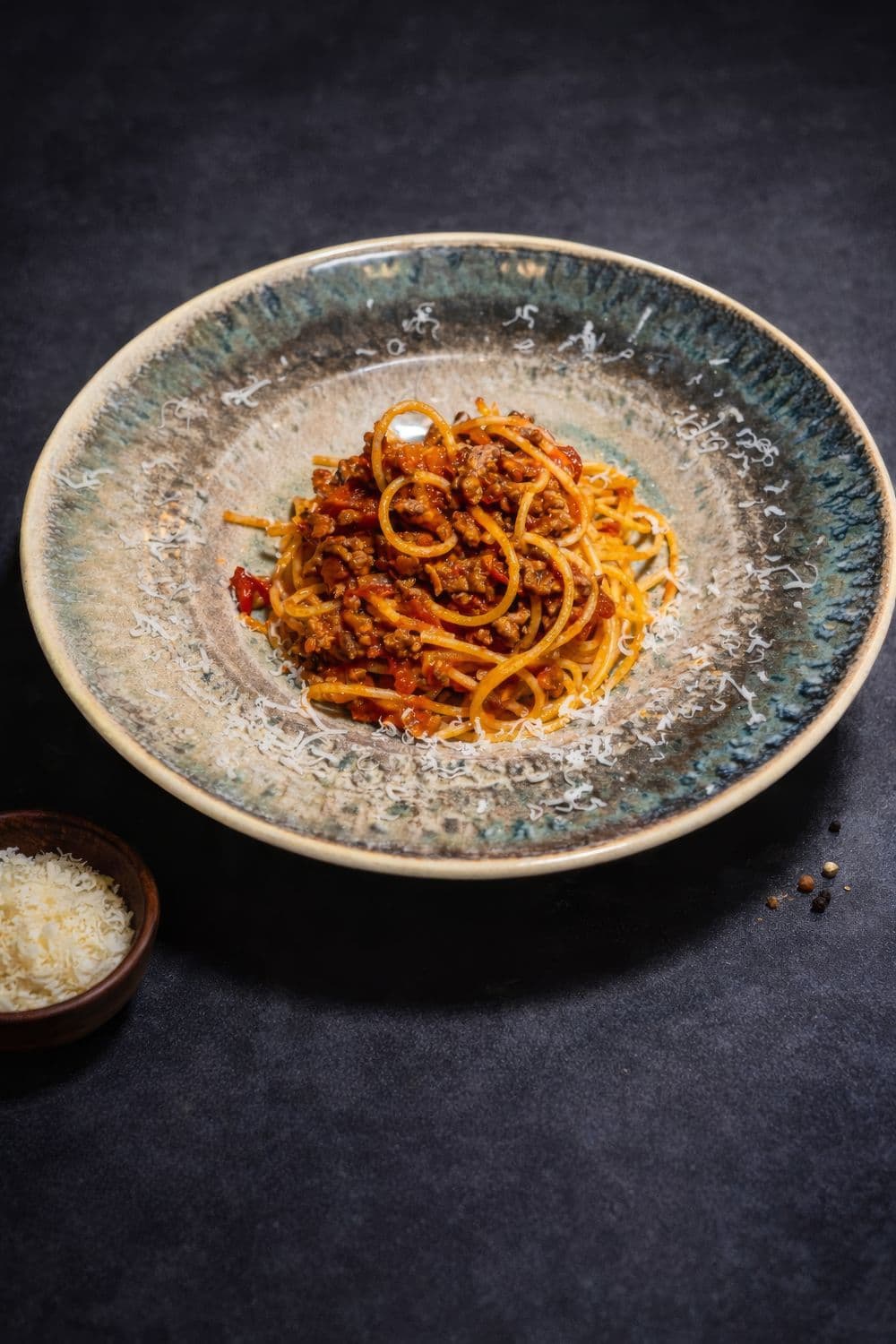
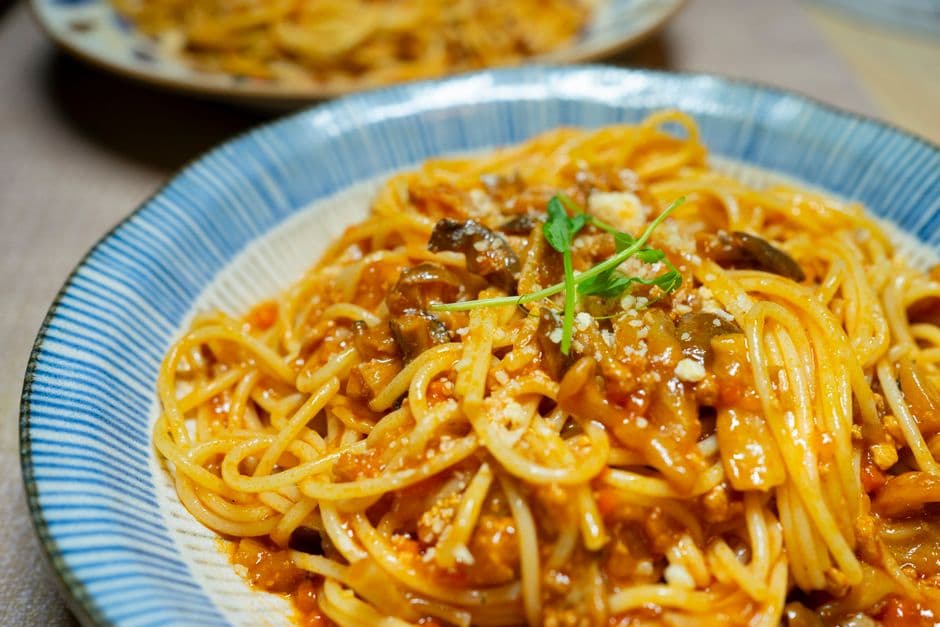
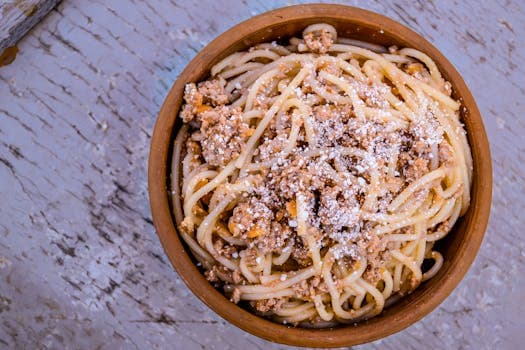
Each shape has a purpose: ridged rigatoni grips chunky ragù, thin spaghetti suits oil-based sauces, and egg tagliatelle pairs with rich Bolognese.
Olive oil and butter divide
Southern cooking is built on extra-virgin olive oil, while northern regions like Lombardy and Piedmont traditionally cook with butter and lard.
Soffritto
The slow-cooked base of onion, carrot, and celery in fat underpins most Italian soups, ragùs, and braises.
Aged cheeses
Parmigiano-Reggiano, Pecorino Romano, and Grana Padano act as seasoning agents, adding salt and umami to pasta, risotto, and soups.
Risotto technique
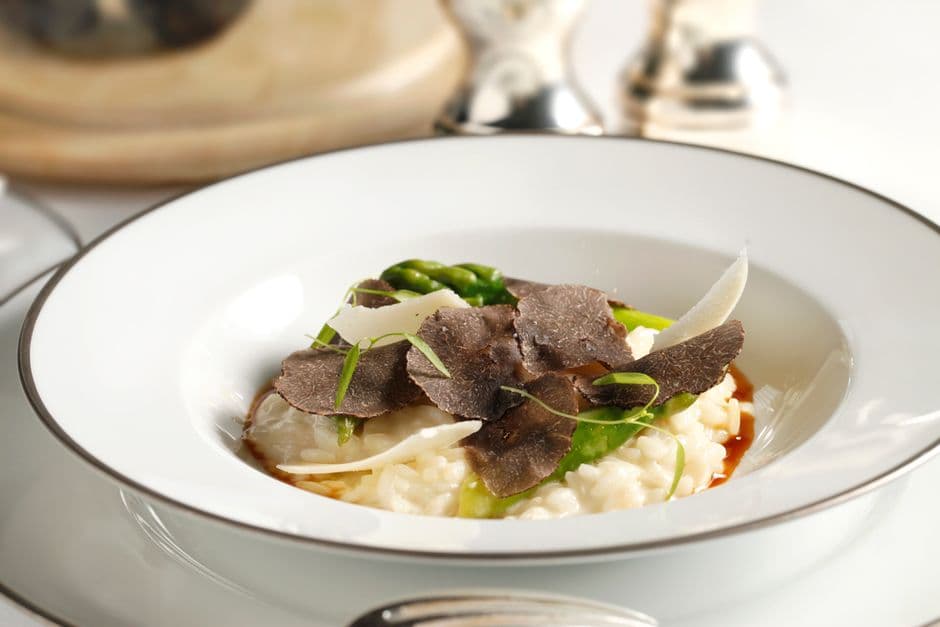
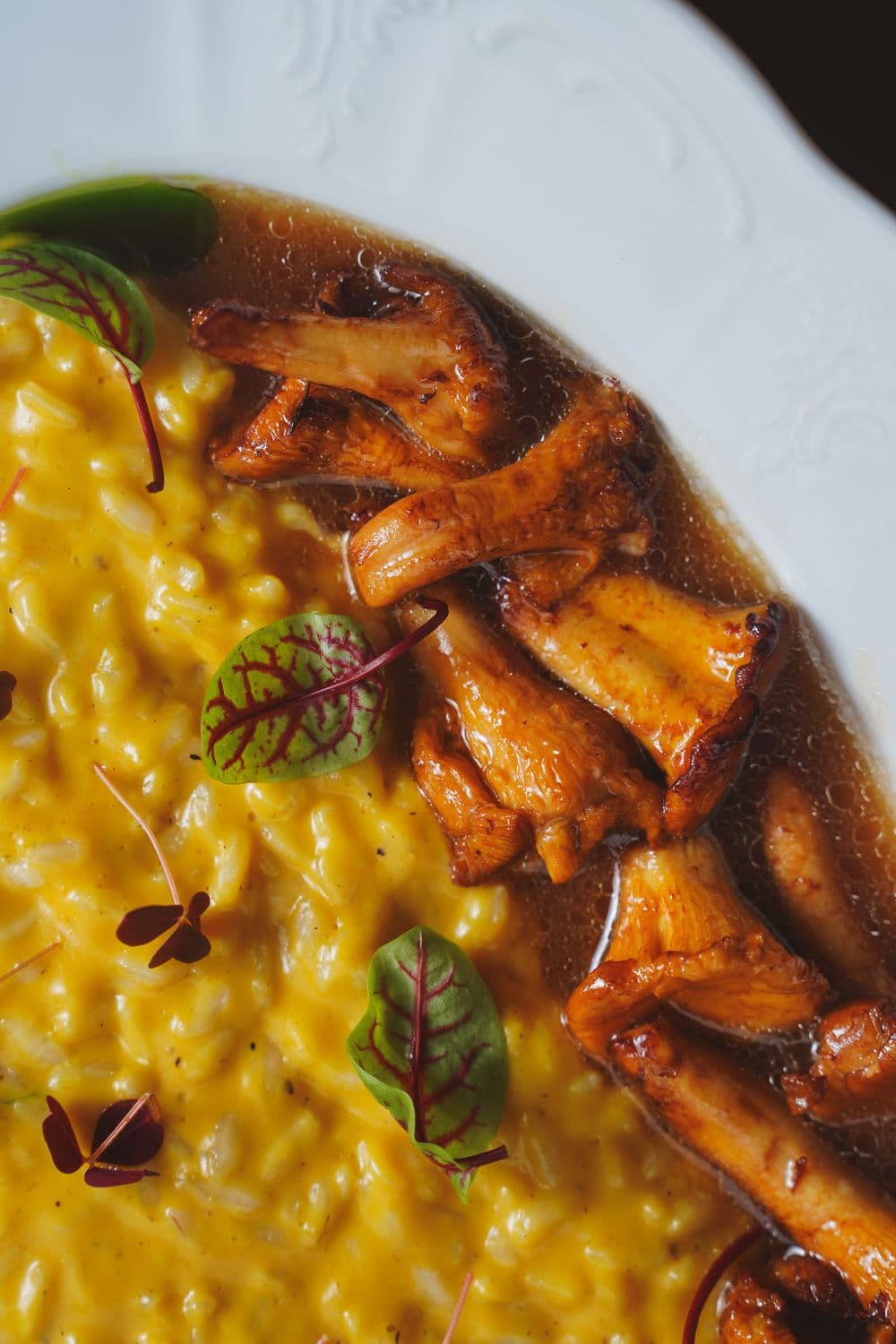
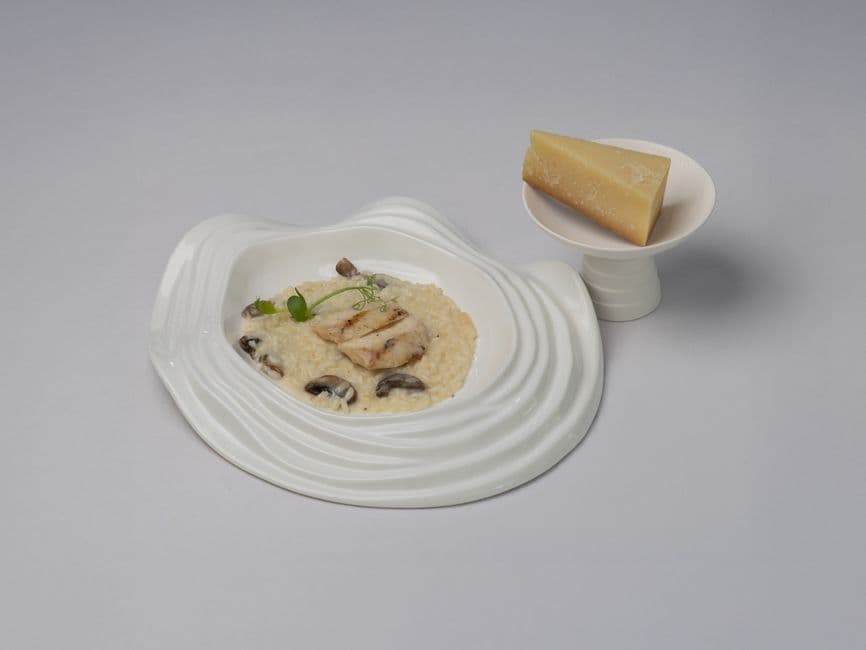
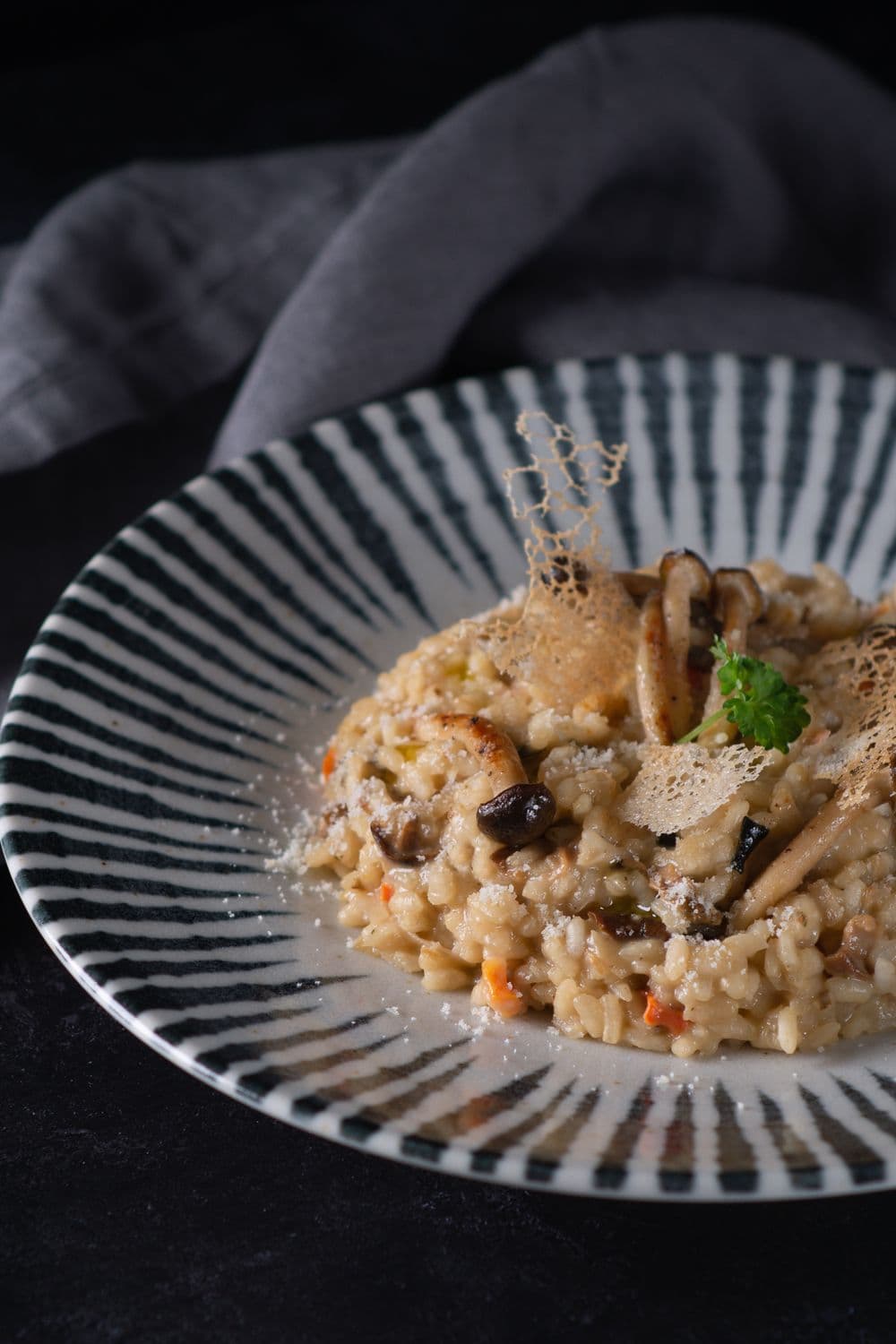
Arborio or Carnaroli rice is toasted, then fed warm stock gradually while stirring, releasing starch for a creamy texture without cream.
Cured meats
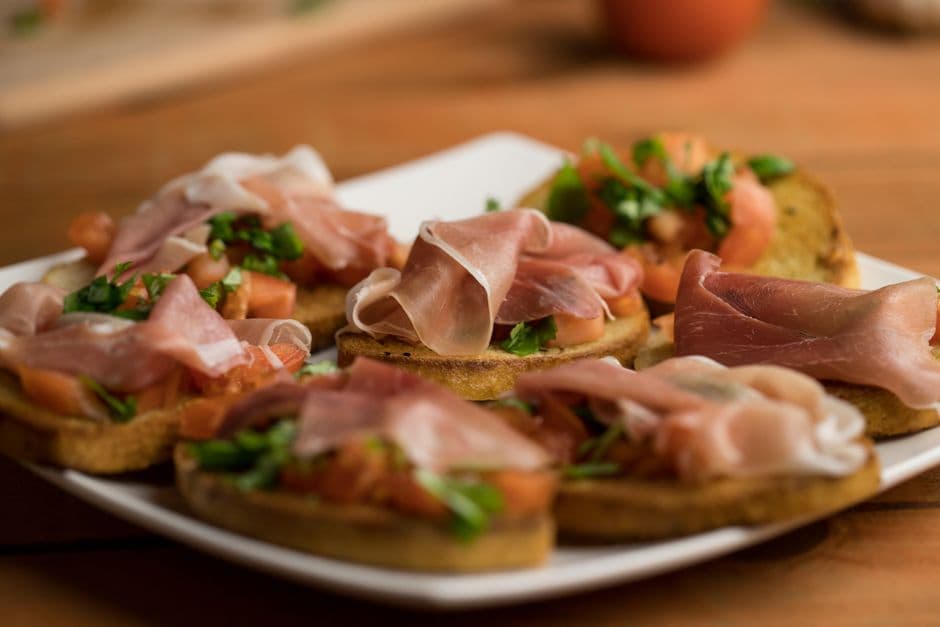
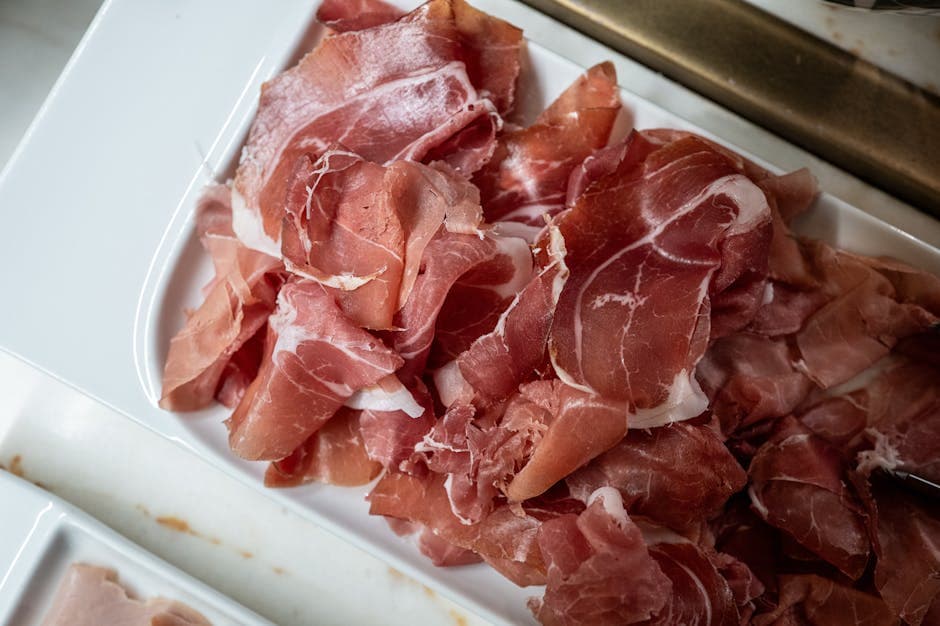
Prosciutto di Parma, guanciale, and pancetta deliver concentrated pork flavor; guanciale specifically defines carbonara and amatriciana.
Italian cuisine is known for pasta, pizza, risotto, and a regional approach where dishes belong to specific places: carbonara to Rome, pesto to Genoa, Bolognese to Emilia-Romagna. Its hallmark is simplicity — short ingredient lists built on quality olive oil, tomatoes, aged cheeses like Parmigiano-Reggiano, and cured pork — combined with strict technique around how pasta is cooked and sauced.
Northern Italy favors butter, rice, polenta, fresh egg pasta, and slow-braised meats — dishes like risotto alla milanese and osso buco. Southern Italy cooks with olive oil, dried semolina pasta, tomatoes, and more vegetables and seafood, producing dishes like pasta alla norma and pizza napoletana. The divide reflects climate: dairy farming dominates the north, olive groves the south.
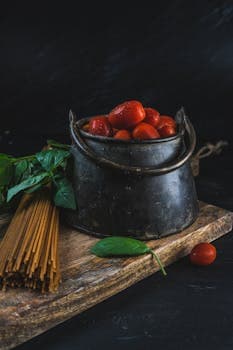
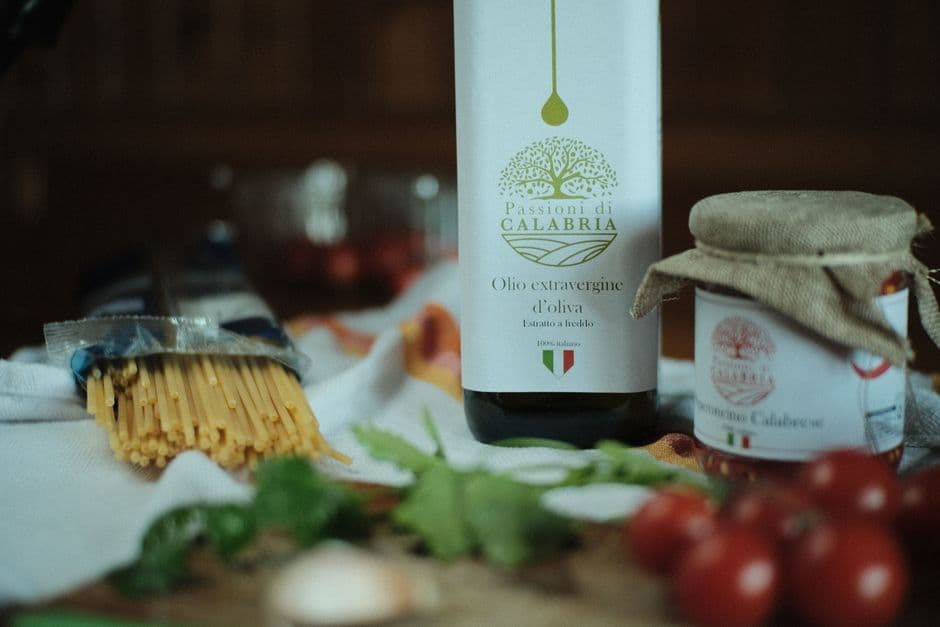
Start with good extra-virgin olive oil, dried pasta in two or three shapes, canned whole San Marzano-style tomatoes, garlic, anchovies, capers, dried oregano, and a wedge of Parmigiano-Reggiano or Pecorino Romano. Add guanciale or pancetta for Roman pastas and Arborio rice for risotto. With these, you can cook dozens of classic dishes without a special shopping trip.
Spaghetti aglio e olio teaches pasta-water emulsification with four ingredients. Pasta al pomodoro teaches tomato sauce fundamentals. Cacio e pepe is harder than it looks but only needs cheese, pepper, and pasta. From there, try a basic risotto and a slow-simmered ragù. Each builds a core technique used across the whole cuisine.
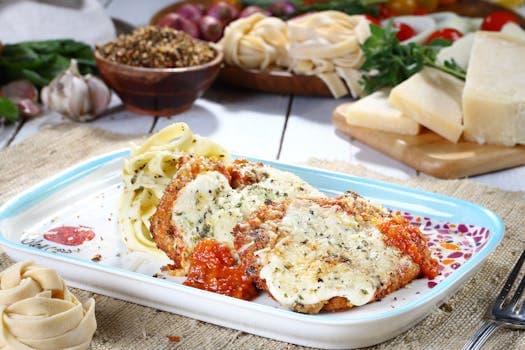
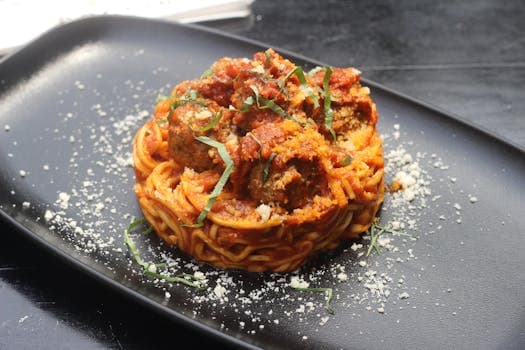
Yes. Italian-American cooking, developed by southern Italian immigrants, uses more meat, garlic, and sauce — spaghetti and meatballs, chicken parmigiana, and fettuccine Alfredo with cream are American creations or adaptations. In Italy, meatballs (polpette) are eaten separately from pasta, Alfredo is just butter and Parmigiano, and portions of pasta are smaller, served as a first course.
Calculators and converters that pair with this page — no signup needed.