NewDinner
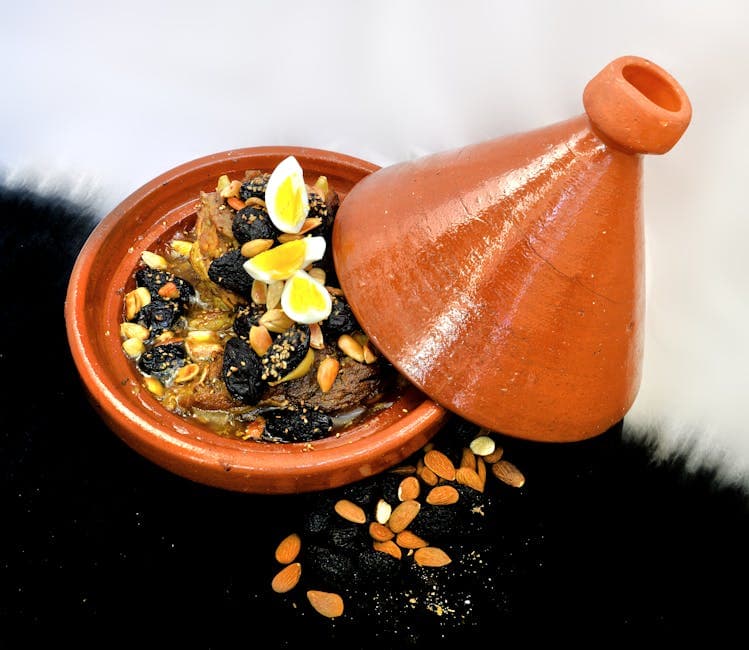
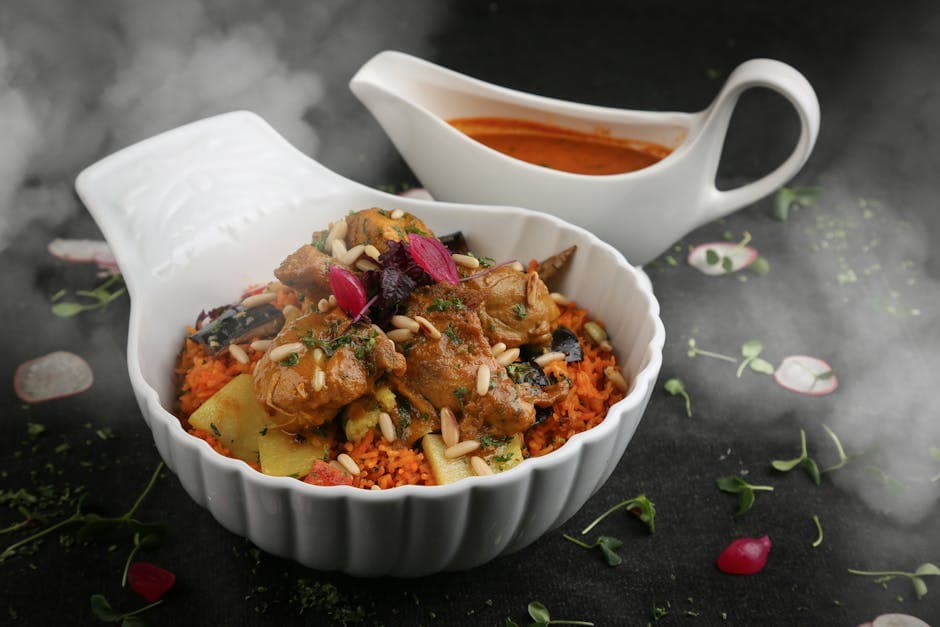
Moroccan Lamb Tagine with Apricots
Slow-cooked lamb with warming spices, sweet dried apricots, almonds and saffron — a feast from the Maghreb.
140 min640 kcalMedium
Tagines, couscous and the fragrant spice blends of the Maghreb.
More recipes built around the same core ingredients.
Track what you eat
Snap your meal to log calories and macros, run fasting timers and track water in the free SnapCal app.
Plan your meals, track fasting and build your grocery list — free
MyCookingCalendar's dashboard runs right in your browser, no download needed.
African Cuisine: 35+ Recipes from Ethiopia to South Africa
Discover authentic African cooking with traditional recipes, techniques, and the stories behind the food.
Mediterranean Diet Meal Plan: 7 Days for Beginners
A 7-day Mediterranean diet meal plan for beginners: breakfast, lunch, dinner and snacks linked to tested recipes, one shopping list and daily macros.
15 Freezer-Friendly Make-Ahead Meals That Actually Reheat Well
15 real, well-rated stews, braises, curries and bakes from around the world that freeze without losing texture — plus the portioning, thawing and reheating technique to make them taste freshly cooked.
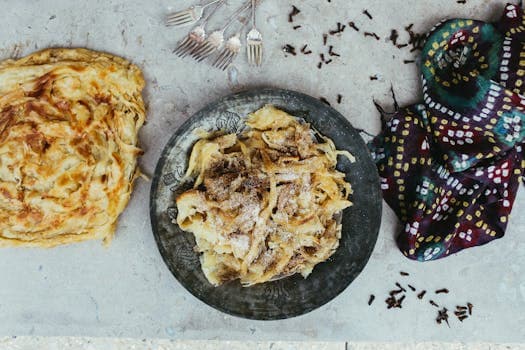
Moroccan cuisine fuses Amazigh (Berber) foundations — couscous, tagine cookery, preserved foods — with Arab spice routes, Moorish refugees from Andalusia who brought olive and citrus refinement, and Sephardic Jewish preserving traditions credited with perfecting preserved lemons. The result is North Africa's most elaborate kitchen, famous for sweet-savory pairings: lamb with prunes and almonds, chicken with preserved lemon and olives, and pastilla, a pigeon or chicken pie dusted with sugar and cinnamon.
Technique centers on the tagine, the conical clay pot whose lid condenses steam and returns it to the stew, allowing meat to braise in minimal liquid until it falls apart. Couscous — hand-rolled semolina, steamed three times over a simmering stew in a couscoussier — is by tradition the Friday family dish after midday prayers. The spice cabinet is deep but measured: cumin, ginger, turmeric, saffron from Taliouine, sweet paprika, cinnamon, and ras el hanout, a blend that can exceed twenty components.
Home cooking is bread-centered — khobz rounds are bought or baked daily and used as the utensil for scooping tagines — and structured around the dada tradition of cooks passing recipes orally. Harira, the tomato-lentil-chickpea soup, breaks the Ramadan fast nationwide alongside chebakia pastries. Street food thrives too: msemen flatbreads, snail broth, and grilled kefta, while mint tea, poured high from silver pots, punctuates every visit and transaction.
Tagine cookery
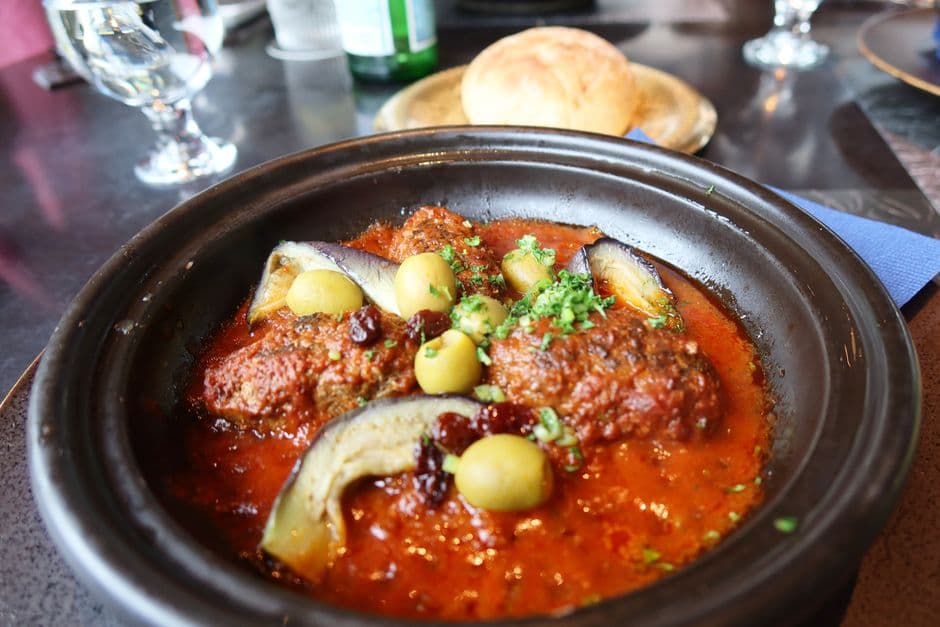
The conical clay pot self-bastes slow braises like chicken with preserved lemon or lamb with prunes, using remarkably little added liquid.
Couscous
Steamed semolina, traditionally rolled by hand and cooked three times in a couscoussier, is the Friday dish crowning vegetables and meat.
Preserved lemons
Lemons cured in salt for weeks develop a deep, mellow citrus flavor essential to tagines, salads, and chermoula-marinated fish.
Ras el hanout and spices
The shop's-best spice blend, plus cumin, ginger, saffron, and cinnamon, builds Morocco's layered but rarely hot flavor profile.
Sweet-savory pairings
Dried fruit, honey, and cinnamon meet meat in classics like lamb with prunes and the sugar-dusted pastilla pie.
Mint tea ritual
Green tea brewed with fresh spearmint and sugar, poured from a height, frames hospitality and accompanies every meal and visit.
Moroccan cuisine is known for tagines — slow braises in conical clay pots — couscous, harira soup, pastilla pie, and preserved lemons. Its hallmark is sweet-savory layering: lamb with prunes, chicken with olives and preserved lemon, and spice blends like ras el hanout combining cumin, ginger, saffron, and cinnamon. Mint tea and daily fresh bread complete its identity.
Moroccan food is heavily spiced but rarely hot. Cumin, ginger, turmeric, saffron, paprika, and cinnamon build aroma and depth rather than heat. When Moroccans want fire they add harissa — the chili paste more associated with neighboring Tunisia — at the table, or fresh chilies in some southern dishes. A typical tagine is fragrant and mild enough for children.
No. The conical pot is traditional and attractive, but a heavy Dutch oven or any lidded braiser reproduces the slow, moist cooking faithfully — many Moroccan households use pressure cookers for weekday tagines. What matters is gentle heat, minimal liquid, and time. If you do buy a clay tagine, it needs soaking and seasoning before first use and a heat diffuser on most stoves.
Chicken tagine with preserved lemon and olives is the canonical starter — one pot, few steps, dramatic payoff. Harira soup is a forgiving simmer of tomatoes, lentils, and chickpeas. Zaalouk, a cooked eggplant-tomato salad with cumin, is nearly effortless. Kefta tagine with eggs poached in spiced tomato sauce comes together in thirty minutes. Couscous from a box is acceptable while learning.
Cumin, ground ginger, turmeric, sweet paprika, cinnamon, and ras el hanout cover the spices; saffron is worth a pinch for special dishes. Preserved lemons and good green or violet olives are the signature flavorings — jarred versions work. Add couscous, dried chickpeas and lentils, dried apricots or prunes, almonds, honey, olive oil, and fresh coriander and parsley, bought in bunches.
Calculators and converters that pair with this page — no signup needed.