TrendingDinner
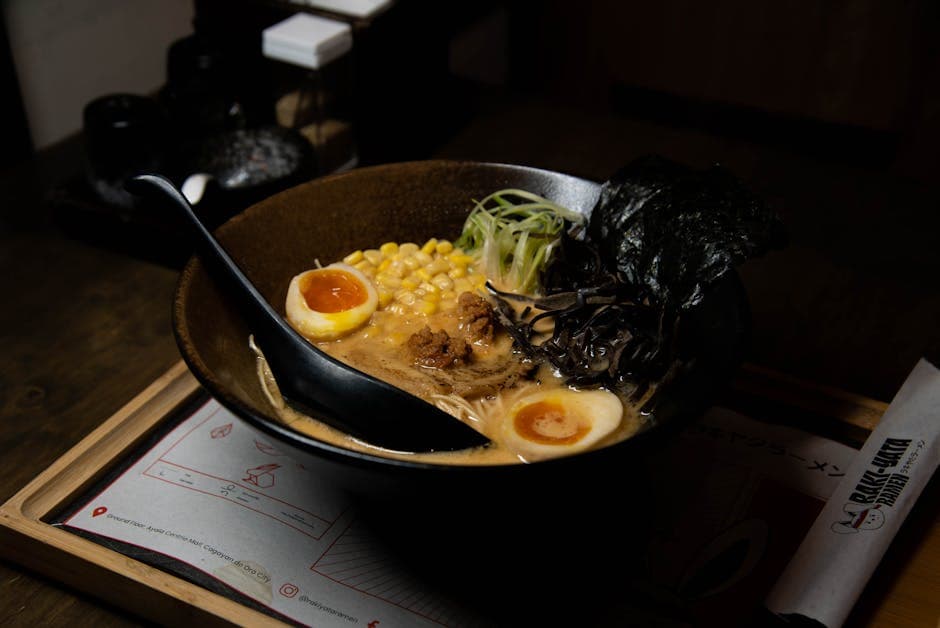
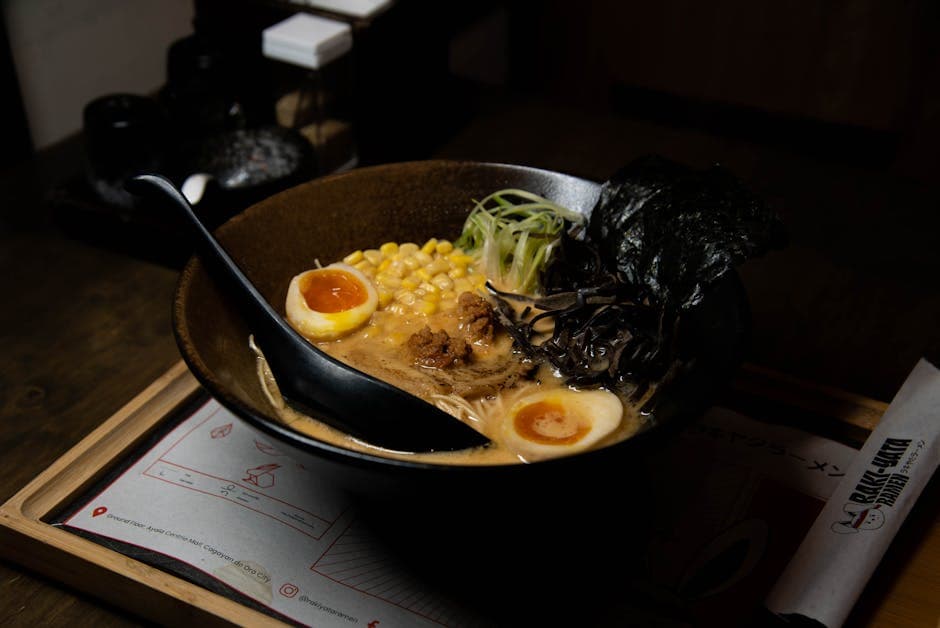
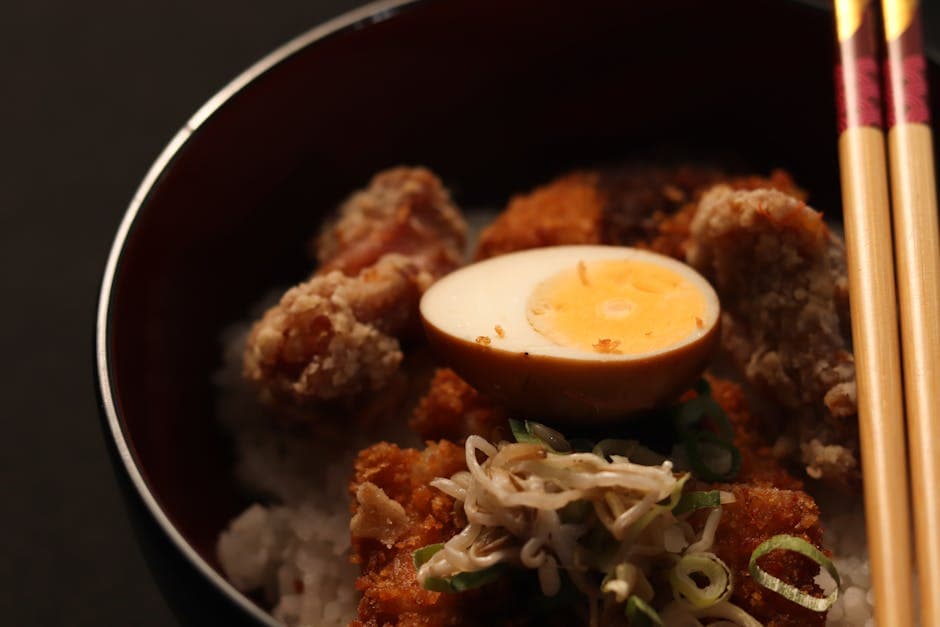
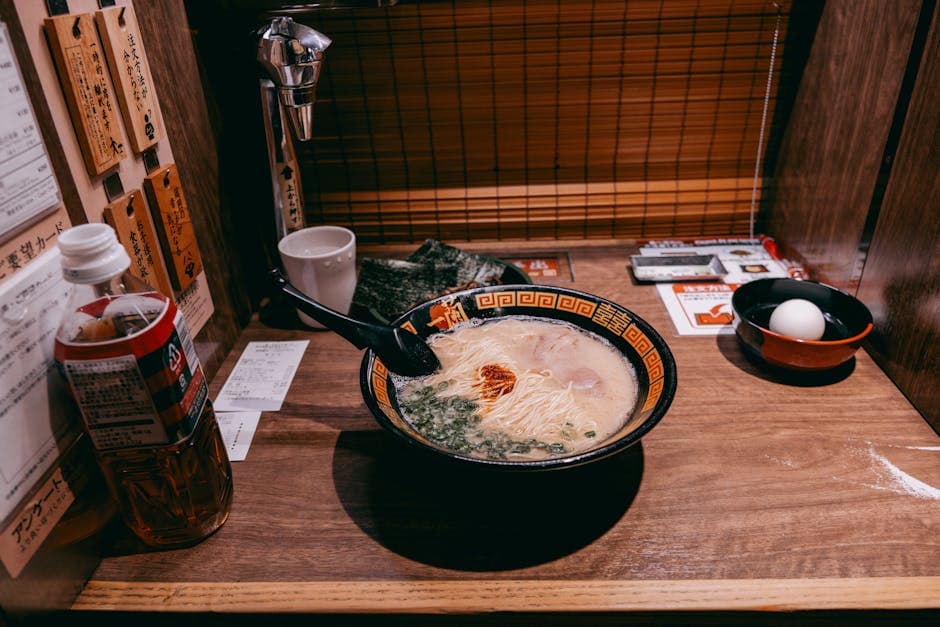
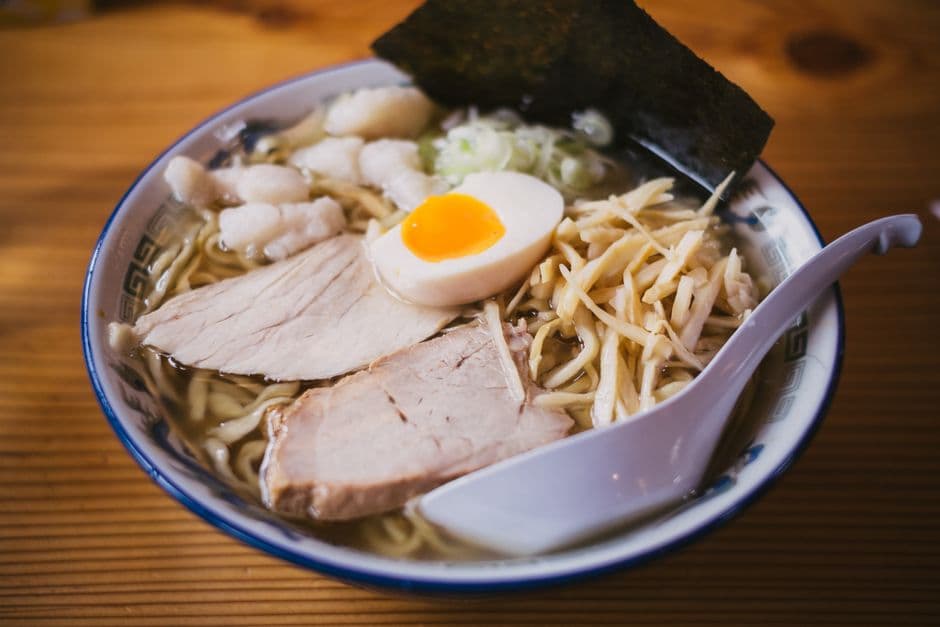
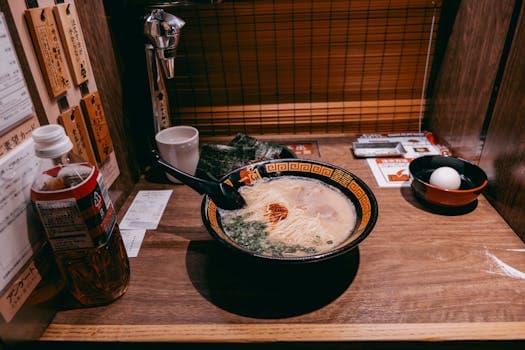
Rich Tonkotsu Ramen
Creamy pork bone broth ramen with chashu pork, soft-boiled egg, nori and bamboo shoots.
270 min780 kcalHard
Ramen, sushi, teriyaki and umami-rich Japanese cuisine.
More recipes built around the same core ingredients.
Track what you eat
Snap your meal to log calories and macros, run fasting timers and track water in the free SnapCal app.
Plan your meals, track fasting and build your grocery list — free
MyCookingCalendar's dashboard runs right in your browser, no download needed.
Asian Cuisine Recipes: Complete Guide to Chinese, Japanese, Thai & More
Discover authentic Asian cooking with 50+ recipes from China, Japan, Thailand, Vietnam, Korea, and India. Learn techniques, ingredients, and how to recreate restaurant-quality Asian dishes at home.
High-Protein 7-Day Meal Plan (150g+)
A 7-day high-protein meal plan delivering 150-180g protein/day from real food (not just shakes). Includes recipes, shopping list, and macros for body recomposition.
Anti-Inflammatory 7-Day Meal Plan
A 7-day anti-inflammatory meal plan based on the strongest dietary evidence for reducing chronic inflammation — fatty fish, leafy greens, berries, olive oil, turmeric.
Japanese cuisine — washoku, recognized by UNESCO in 2013 — is organized around dashi, the kombu-and-katsuobushi stock that delivers umami, a taste identified and named by the Japanese chemist Kikunae Ikeda in 1908. Centuries of Buddhist restrictions on meat-eating (lifted only in 1872) pushed the cuisine toward fish, soy, and vegetables, producing the fermentation backbone of miso, shoyu, sake, and mirin, and the shojin ryori temple cooking that still influences plant-based technique.
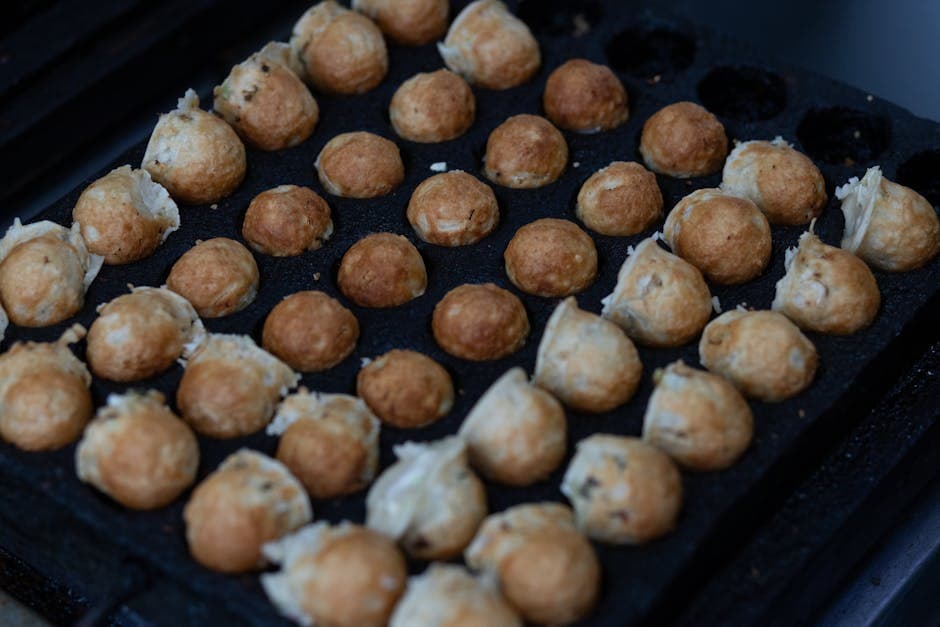
The formal ideal is ichiju-sansai — one soup, three dishes, plus rice and pickles — emphasizing seasonality (shun) and visual restraint. Distinct culinary lineages coexist: Edo-period fast foods like nigiri sushi, tempura, and soba from Tokyo; Kyoto's refined kaiseki multi-course meals; Osaka's konamon batter culture of okonomiyaki and takoyaki. Regional ramen styles — Sapporo miso, Hakata tonkotsu, Tokyo shoyu — show how a Chinese import was reinvented into a national obsession.
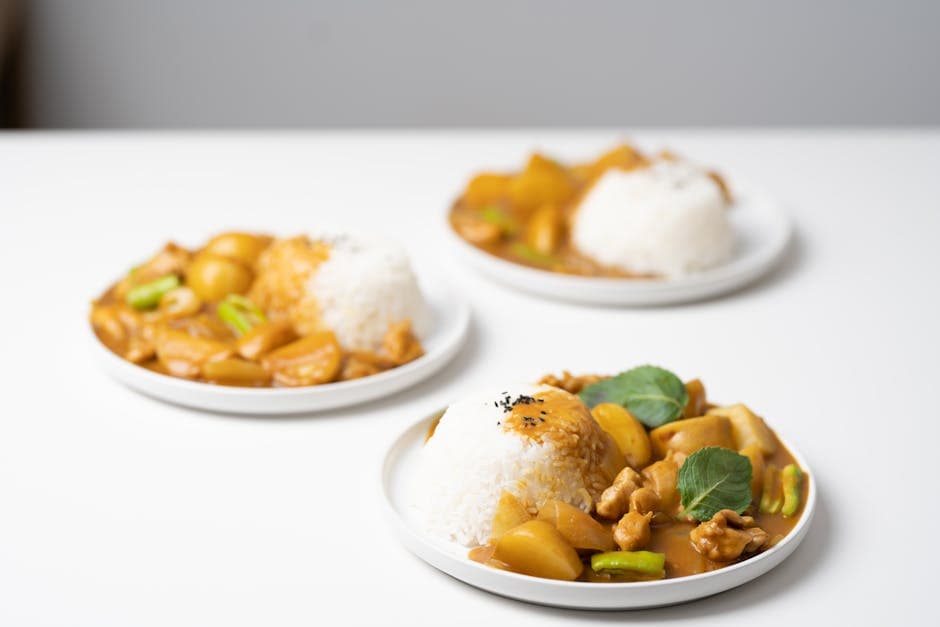
Home cooking looks little like sushi restaurants: weeknight tables run on gohan (rice), miso soup, grilled salted fish, simmered nimono vegetables, curry rice — Japan's most popular home dish, adapted from British naval curry — and donburi rice bowls. Precision matters at every level: rice is rinsed until the water runs clear, knives are sharpened single-beveled for clean cuts, and condiments like ponzu, rice vinegar, and toasted sesame are deployed in exact, small amounts.
Dashi and umami
Stock from kombu kelp and katsuobushi (smoked bonito flakes) underlies miso soup, noodle broths, and simmered dishes across the cuisine.
Rice
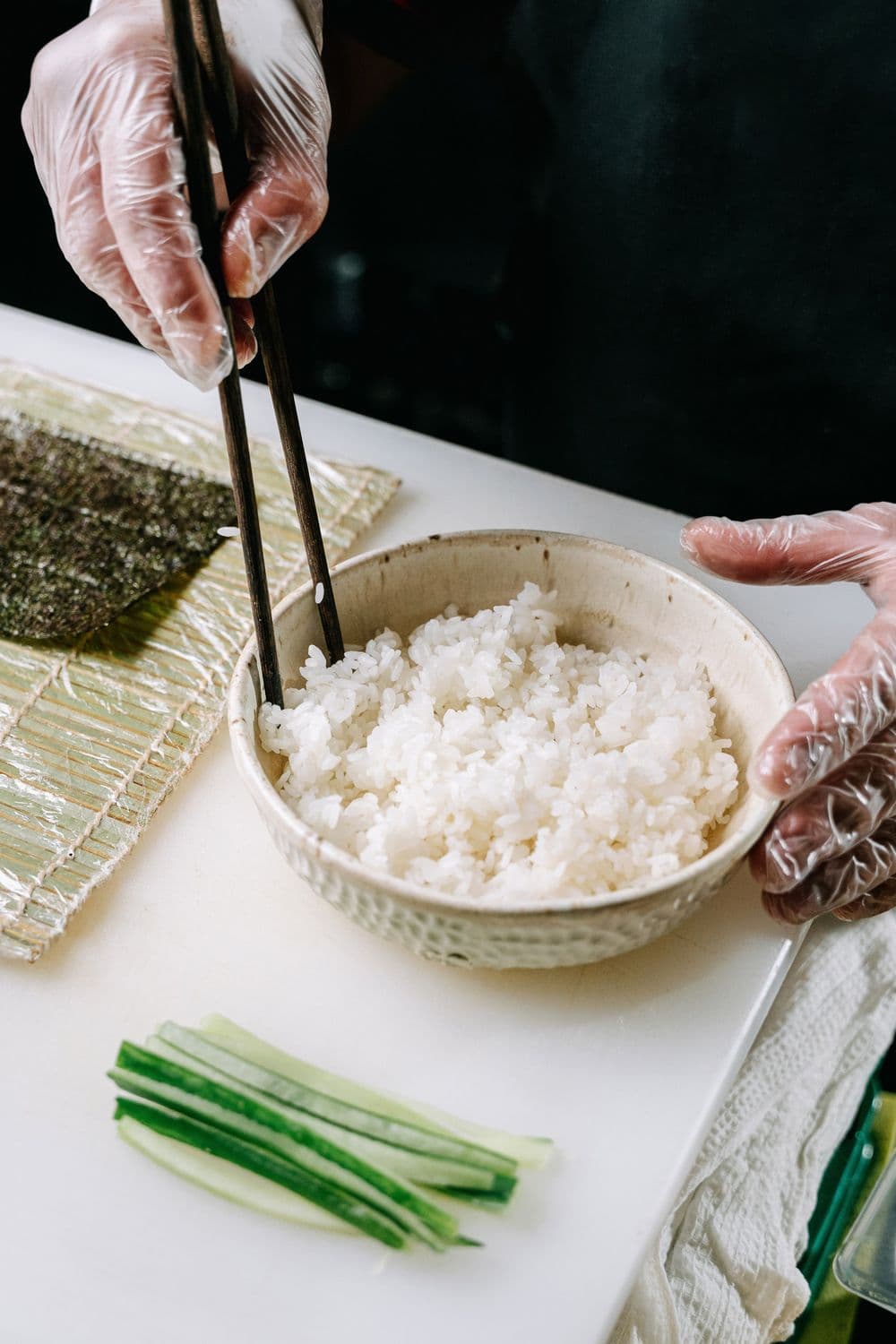
Short-grain japonica rice, rinsed and precisely cooked, is the meal's center; sushi rice adds seasoned vinegar, and donburi builds meals atop a bowl of it.
Fermented seasonings
Miso, soy sauce, sake, mirin, and rice vinegar — most based on koji mold fermentation — form the core flavoring system of Japanese cooking.
Raw fish craft
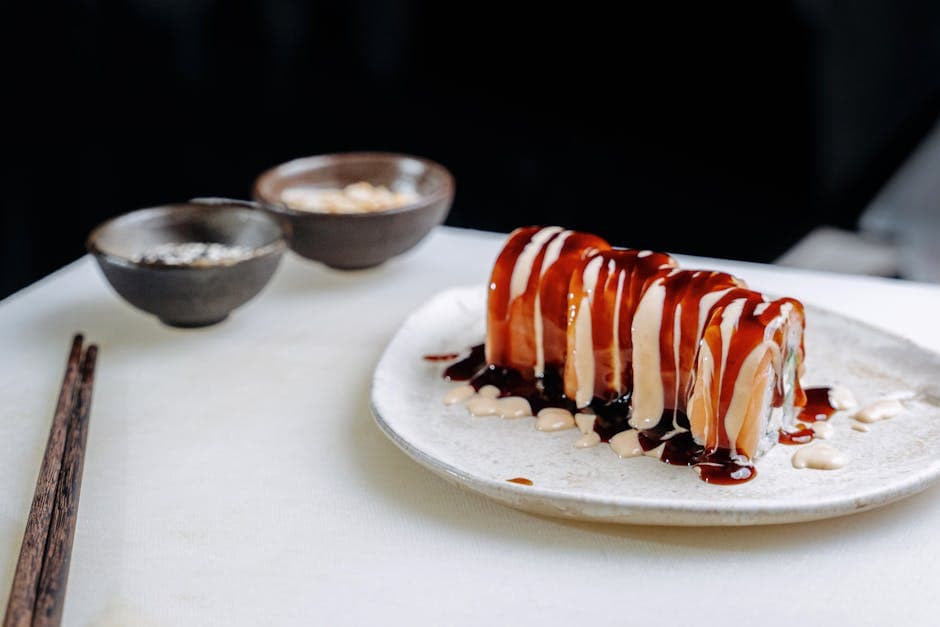
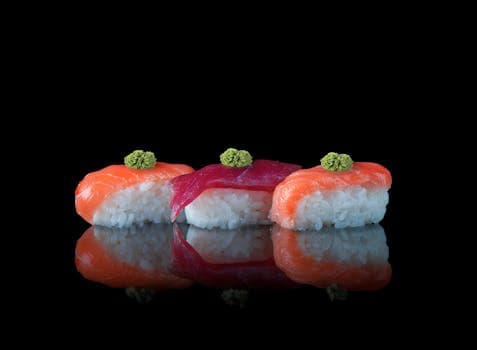
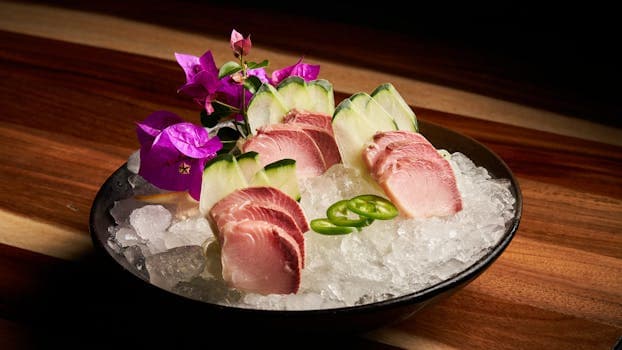
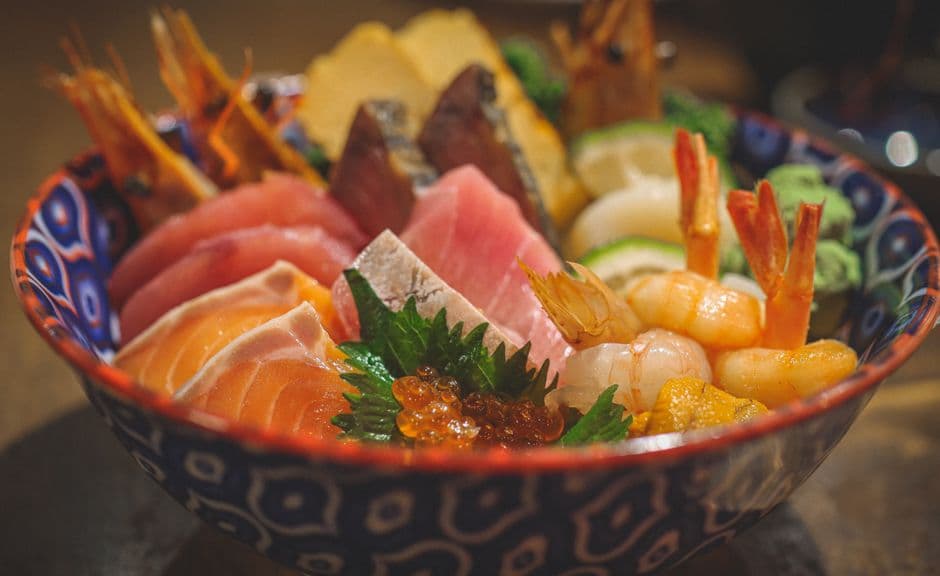
Sushi and sashimi depend on fish handling, knife technique, and rice temperature, an Edo-period street food refined into a global discipline.
Noodle traditions
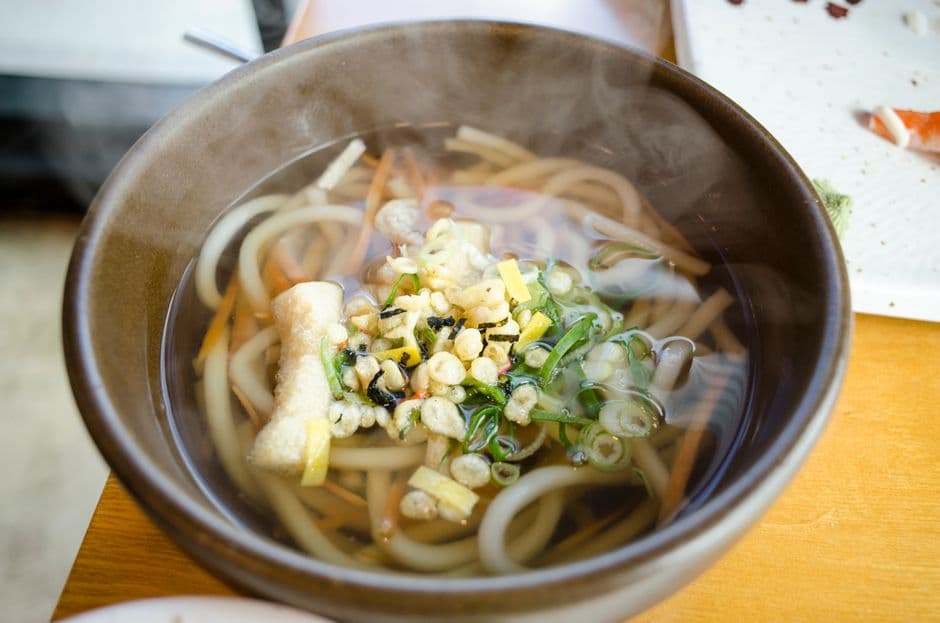
Soba (buckwheat), udon (wheat), and ramen each carry regional broths and etiquette, eaten hot or cold according to season.
Ichiju-sansai
The one-soup-three-dishes meal structure with rice and pickles encodes balance, portion moderation, and seasonality in everyday eating.
Japanese cuisine is known for sushi and sashimi, ramen, tempura, miso soup, and a broader washoku tradition recognized by UNESCO. It is defined by umami-rich dashi stock, koji-fermented seasonings like miso and soy sauce, meticulous knife work, seasonal ingredients, and the ichiju-sansai meal format of rice, soup, and small balanced dishes.
Largely yes, by structural design: small portions, fish-forward protein, fermented foods, seaweed, and minimal added fat in home cooking correlate with Japan's high life expectancy. Steaming, simmering, and grilling dominate over frying. The caveats are sodium — soy sauce, miso, and pickles add up — and indulgent categories like tonkotsu ramen, katsu, and tempura, which are occasional foods rather than the daily pattern.
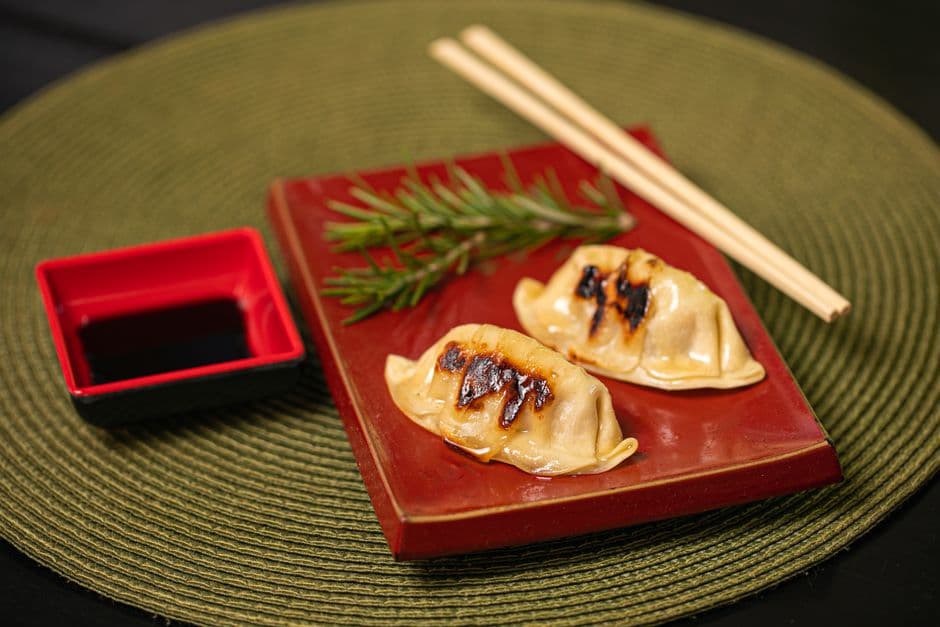
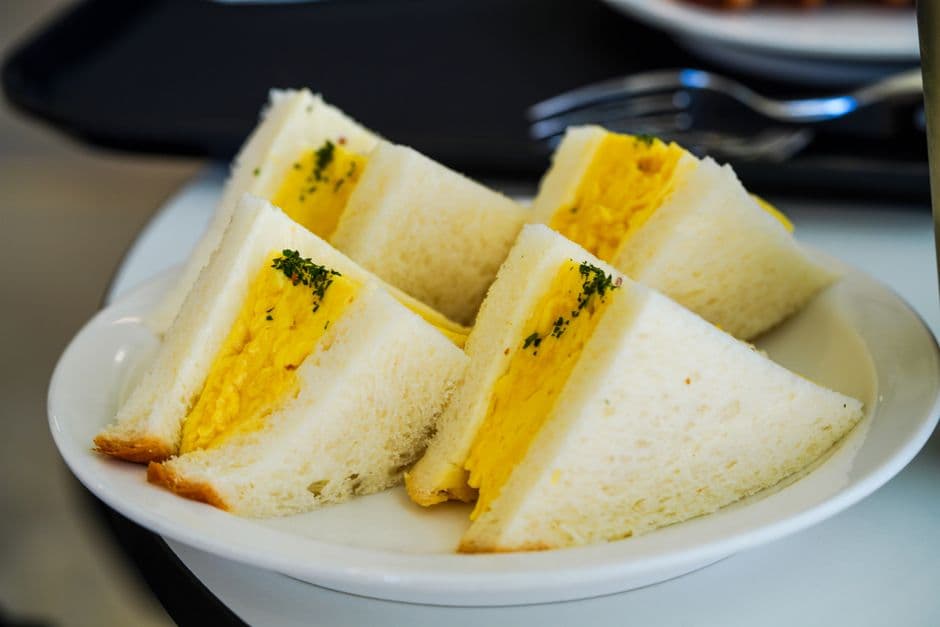
Not much sushi — that is restaurant or special-occasion food. Weeknight staples are rice with miso soup, grilled salted salmon or mackerel, simmered vegetables, tamagoyaki omelet, curry rice (the most popular home dish), gyoza, donburi bowls like oyakodon, and one-pot nabe stews in winter. Convenience also matters: quality prepared food from depachika food halls and konbini is part of normal eating.
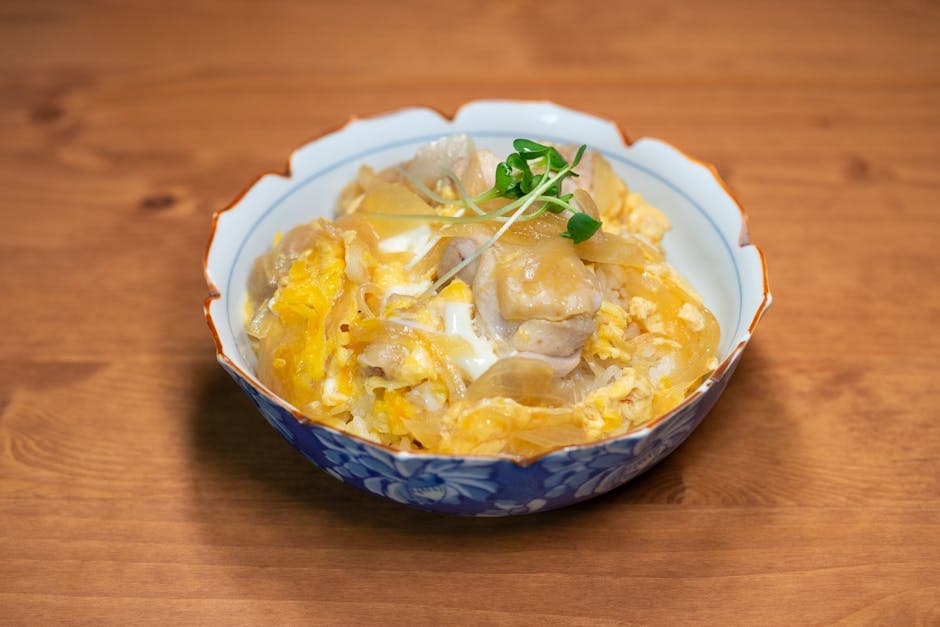
Start with rice cooked properly and miso soup from instant dashi — together they teach the meal's foundation. Oyakodon (chicken-and-egg rice bowl) uses one pan and the basic soy-mirin-dashi seasoning ratio. Japanese curry from roux blocks is nearly foolproof. Tamagoyaki builds knife-free skill, and gyoza from store-bought wrappers is a satisfying step up. Leave sushi rice and tempura for later.
They differ in noodle and tradition. Ramen is a Chinese-derived wheat noodle made springy with alkaline kansui, served in rich pork, chicken, or miso broths. Udon is a thick, chewy plain wheat noodle in lighter dashi-based broth. Soba is thin buckwheat noodle, nutty in flavor, eaten hot in broth or cold with dipping sauce — the most traditional of the three.
Calculators and converters that pair with this page — no signup needed.