TrendingDessert
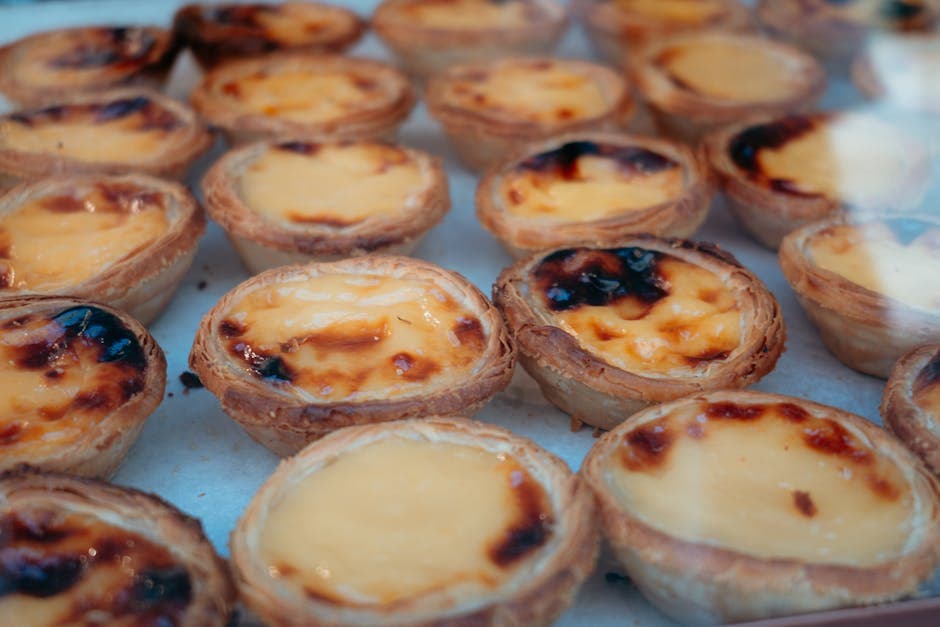
Pastel de Nata – Portuguese Custard Tarts
Shattering puff pastry shells filled with burnt, blistered, cinnamon-scented custard — Lisbon's most famous pastry.
45 min240 kcalHard
Bacalhau, pastéis de nata, piri piri — Atlantic-influenced and deeply flavourful.
More recipes built around the same core ingredients.
Track what you eat
Snap your meal to log calories and macros, run fasting timers and track water in the free SnapCal app.
Plan your meals, track fasting and build your grocery list — free
MyCookingCalendar's dashboard runs right in your browser, no download needed.
Portuguese cuisine was shaped by the Age of Discovery in both directions: Portugal carried chilies to Africa and Asia (piri-piri came back from Mozambique and Angola), introduced tempura's ancestor to Japan, and brought home spices, while keeping a medieval backbone of bread, olive oil, and wine. The defining obsession is bacalhau — salted dried cod, fished from Newfoundland waters since the 1500s — for which Portuguese cooks claim a different recipe for every day of the year, from bacalhau à brás to pastéis de bacalhau.
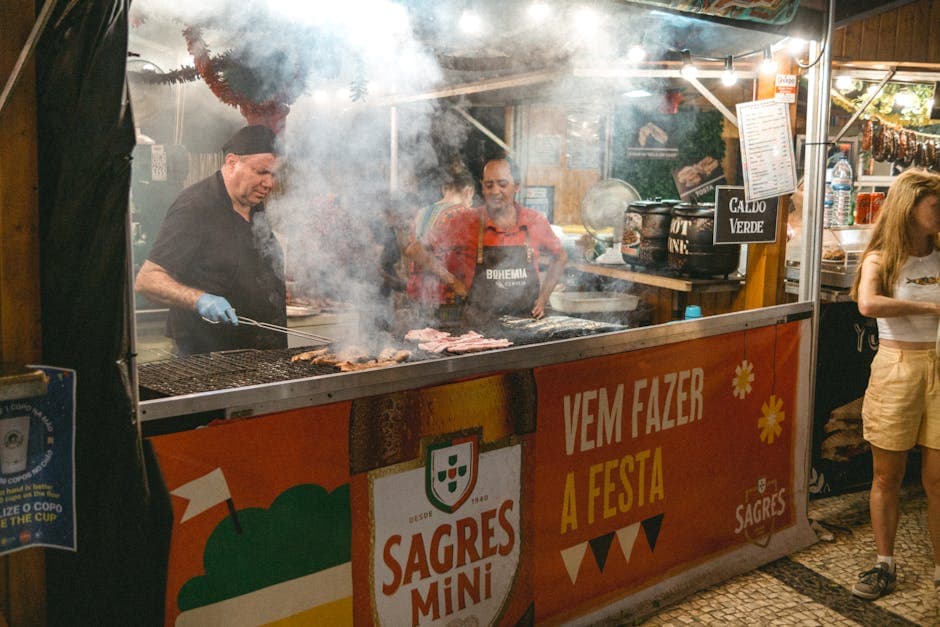
Despite its small size, the country divides clearly. The north cooks heartily: caldo verde (kale and potato soup with chouriço), tripas à moda do Porto, and the francesinha sandwich drowned in beer sauce. The Alentejo's interior favors bread-based dishes like açorda and migas with pork from acorn-fed black pigs. The Algarve and coast live on grilled sardines, clams (amêijoas à Bulhão Pato), and cataplana stews cooked in a hinged copper vessel.
Home cooking is direct and frugal: dishes rely on garlic, olive oil, bay leaf, fresh coriander — unusual in Europe — and smoked paprika via chouriço. The conventual sweets tradition, born in monasteries that used egg yolks left over after whites went to starch laundry and winemaking, produced pastel de nata, ovos moles, and dozens of yolk-rich pastries that remain café staples beside a bica espresso.
Bacalhau
Salt cod is the national ingredient, soaked and transformed into hundreds of dishes from creamy bacalhau com natas to fried pastéis de bacalhau.
Grilled sardines and seafood
Charcoal-grilled sardines, octopus, and clams in garlic-coriander sauce reflect one of Europe's highest per-capita fish consumption rates.
Chouriço and pork
Smoked paprika-cured chouriço flavors soups and stews, while Alentejo's acorn-fed black pig yields prized cuts like secretos and plumas.
Bread-based dishes
Açorda (bread stew with garlic and coriander) and migas turn stale bread into main courses, a hallmark of Alentejo cooking.
Piri-piri
The bird's-eye chili, adopted from Portuguese Africa, seasons the famous grilled chicken (frango piri-piri) and marinades.
Conventual sweets
Egg-yolk pastries born in monasteries — pastel de nata, ovos moles, toucinho do céu — define Portuguese café culture.
Portuguese cuisine is known for bacalhau (salt cod) in countless preparations, pastel de nata custard tarts, piri-piri chicken, grilled sardines, and caldo verde soup. It is seafood-heavy Atlantic cooking flavored with garlic, olive oil, bay leaf, and fresh coriander, with a pork and smoked-sausage tradition inland and a monastery-born repertoire of egg-yolk pastries.
Portuguese cooking uses fresh coriander extensively — rare in Spain — leans harder on salt cod and Atlantic fish, and favors bread-thickened dishes like açorda. Spain has stronger rice (paella) and tapas traditions and uses more smoked paprika directly rather than through sausage. Portugal's piri-piri heat and its African and Brazilian influences also have no real Spanish equivalent. The cuisines are related but clearly distinct.
Portuguese fleets fished cod off Newfoundland from the early 1500s, salting and drying it for the long voyage home. The result — bacalhau — kept indefinitely, was cheap, and satisfied Catholic fasting rules, making it everyday food for centuries. Though now imported mainly from Norway and no longer cheap, it remains the centerpiece of Christmas Eve dinner and the claim of 365 recipes endures.
Caldo verde — potato, kale, and chouriço soup — is the simplest entry. Frango piri-piri needs only a marinade and a grill or hot oven. Amêijoas à Bulhão Pato (clams with garlic, olive oil, white wine, and coriander) takes ten minutes. Bacalhau à brás, scrambling soaked cod with eggs, onions, and shoestring potatoes, is the most approachable salt-cod dish.
Mostly no. Mainland Portuguese cooking is gently seasoned with garlic, bay, paprika, and coriander. The exception is piri-piri, the bird's-eye chili sauce adopted from Portugal's former African colonies, served with grilled chicken and available as a table condiment — but the heat is optional and applied by the eater. Compared with Mexican or Thai food, even piri-piri dishes are moderate.
Calculators and converters that pair with this page — no signup needed.