

NewDinner
Sinigang na Baboy (Filipino Sour Pork Soup)
The Philippines' beloved sour tamarind soup — pork ribs with vegetables in a bright, tangy tamarind broth. Refreshing, comforting and deeply Filipino.
75 min360 kcalEasy
★4.8(1,000)
Adobo, sinigang, lechon — bold, sour and deeply savoury island cooking.
More recipes built around the same core ingredients.
Track what you eat
Snap your meal to log calories and macros, run fasting timers and track water in the free SnapCal app.
Plan your meals, track fasting and build your grocery list — free
MyCookingCalendar's dashboard runs right in your browser, no download needed.
The Philippines' beloved sour tamarind soup — pork ribs with vegetables in a bright, tangy tamarind broth. Refreshing, comforting and deeply Filipino.
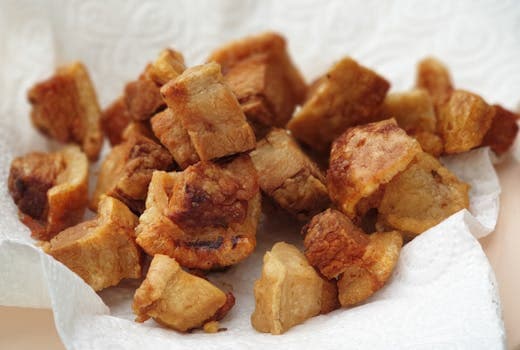
The Filipino answer to crispy pork — boiled then deep-fried pork belly until the skin shatters like glass, served with liver sauce and rice.

A magnificent Filipino braise of oxtail, tripe, and vegetables in a rich, creamy peanut and annatto sauce, served with the essential fermented shrimp paste (bagoong).
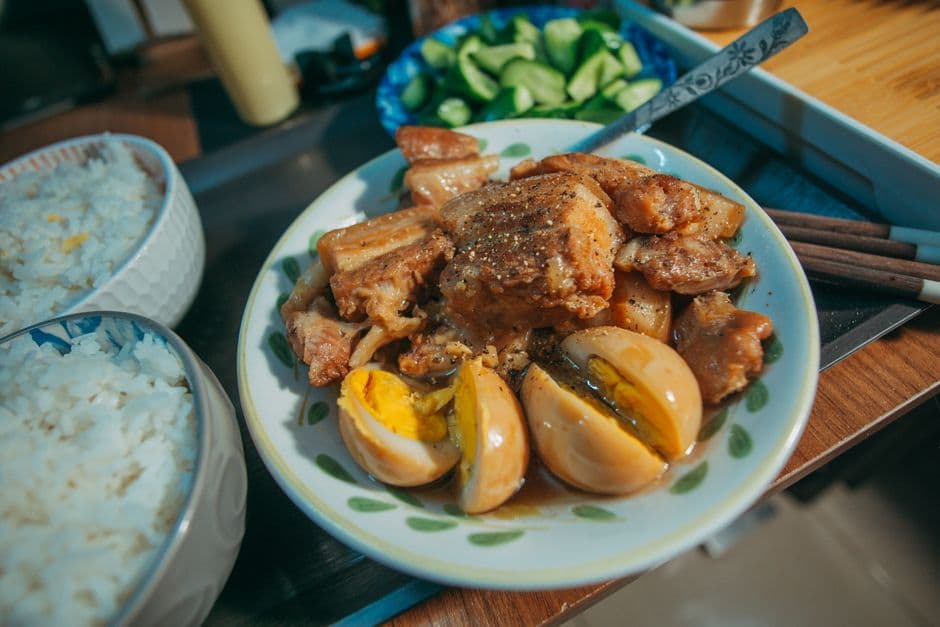
Tender chicken braised in a tangy, garlicky soy-vinegar sauce until the meat falls from the bone and the sauce reduces to a rich, glossy glaze — the unofficial national dish of the Philippines.

Crispy, crackling pork belly stuffed with lemongrass, garlic and bay leaves, slow-roasted until the skin shatters — a home-kitchen version of the Philippines' most festive dish.

Crispy, chewy pork face and belly served sizzling on a cast-iron plate with onions, chilli, calamansi and egg — Pampanga's most famous creation and one of the world's great bar foods.

Filipino stir-fried wheat noodles with pork, shrimp, vegetables and a savoury soy-oyster sauce — the birthday dish synonymous with long life.

The Philippines' most beloved frozen dessert: shaved ice over sweet beans, jellies, fruits and jackfruit, topped with ube ice cream, leche flan and evaporated milk.

Thin-sliced beef simmered in soy sauce, calamansi juice and caramelised onion rings — the Filipino answer to beef steak, tangy, savoury and deeply comforting.

A Filipino adobo with coconut milk — chicken braised in vinegar, soy sauce, and garlic, then enriched at the end with creamy coconut milk for a richer, milder version.

A classic Filipino sour tamarind soup with milkfish — the national fish of the Philippines — simmered in a bright, tart broth with tomatoes, green chili, and leafy vegetables.

A Bicolano dish of dried taro leaves simmered in rich coconut milk with pork, shrimps, and fiery bird's eye chillies — intensely flavourful.
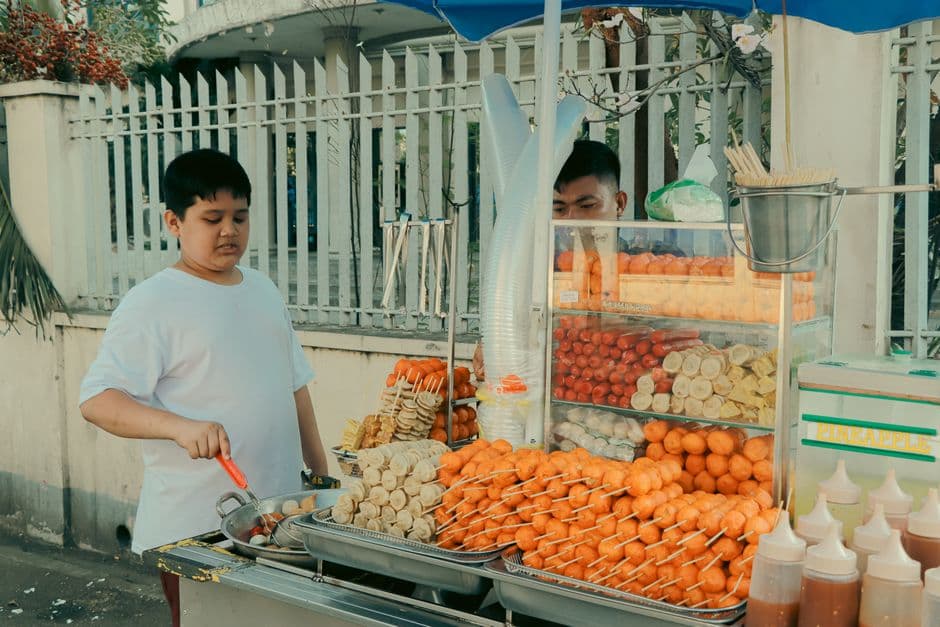
Iloilo's iconic pork noodle soup — rich pork broth with fresh egg noodles, liver, crushed chicharon (pork crackling), garlic, and spring onions.

A festive Filipino noodle dish — thin rice noodles topped with a golden shrimp-and-pork sauce, crushed chicharon, shrimps, eggs, and spring onions.
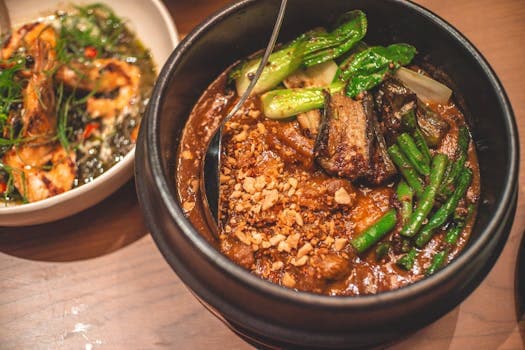
Pork belly braised in vinegar, soy, garlic and bay leaves until lacquered and meltingly tender — the Philippines' national dish, refined.
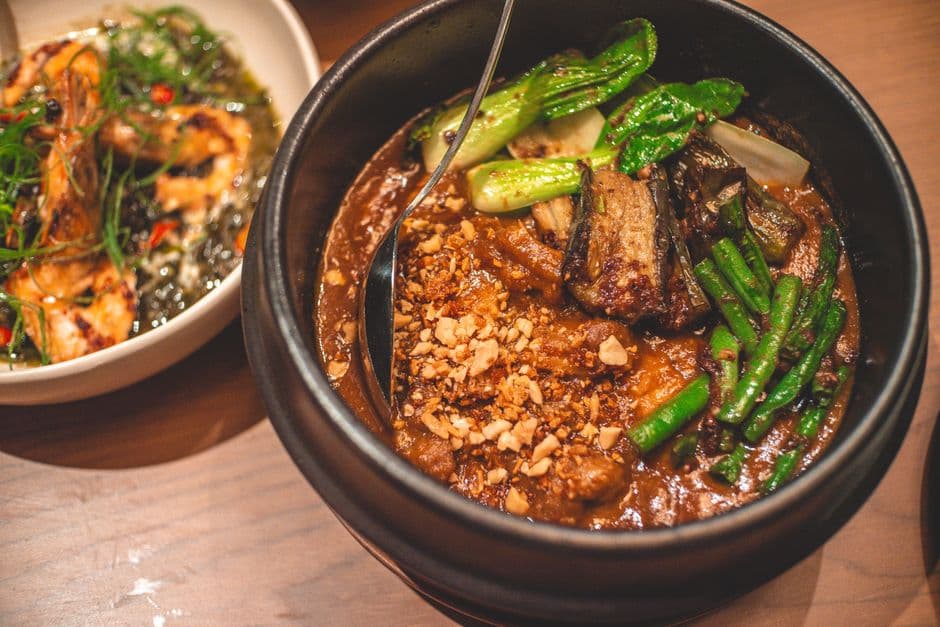
The Philippines' grand fiesta stew — slow-braised oxtail and tripe in a thick golden peanut and toasted-rice sauce, served with bok choy, eggplant, long beans and a side of pungent shrimp paste.

The Philippines' national comfort soup — pork ribs and vegetables in a clear sour tamarind broth that wakes you up in three bites.

Slow-simmered pork belly in coconut milk, shrimp paste and an arsenal of long green chiles — the Bicol region's fierce, creamy national dish.
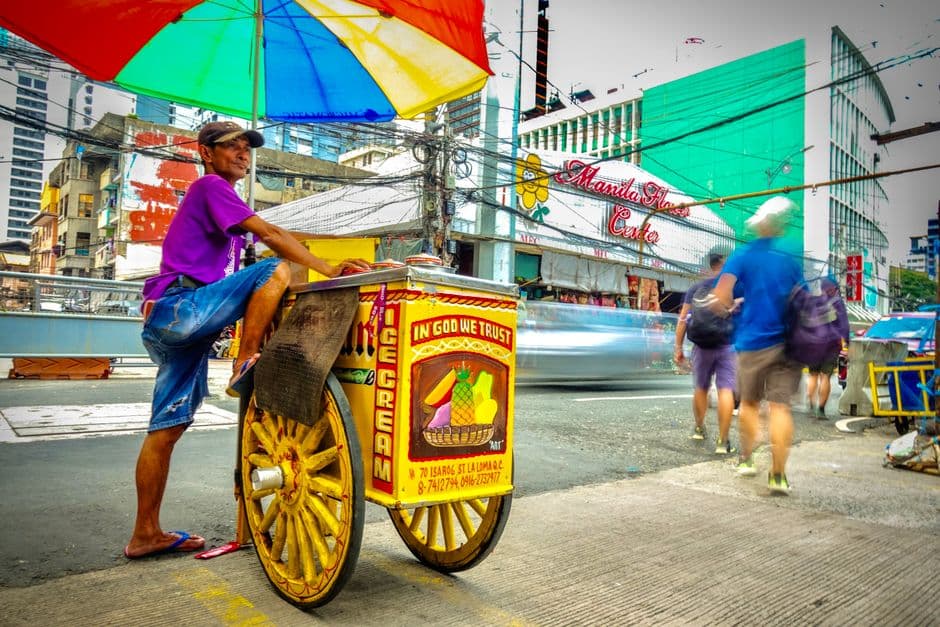
The Philippines' beloved hot-weather dessert — shaved ice layered over sweetened beans, jellies, fruit, leche flan, ube ice cream, and a final crown of pinipig.

A creamy, comforting Filipino noodle soup with egg, vegetables, and cornstarch thickening — street food and home comfort in one bowl.

Filipino crispy ground pork spring rolls, thin and golden — the addictive party appetizer everyone requests, best served with sweet chili sauce.

Filipino leche flan made with egg yolks, condensed and evaporated milk, and amber caramel — denser and silkier than a classic crème caramel.

Filipino stir-fried rice noodles with chicken, shrimp, and vegetables — birthday party essential.

Manila Lemon Herb Grain Bowl turns filipino pantry flavors into a complete grain bowl with salmon, soy sauce, vinegar, calamansi and garlic, and a fresh scallions finish.

Cebu Smoky Tomato Soup turns filipino pantry flavors into a complete soup with white fish, soy sauce, vinegar, calamansi and garlic, and a fresh scallions finish.

Bicol Sesame Lime Stew turns filipino pantry flavors into a complete stew with chicken legs, soy sauce, vinegar, calamansi and garlic, and a fresh scallions finish.

Ilocos Charred Pepper Noodles turns filipino pantry flavors into a complete noodle dish with wheat noodles, soy sauce, vinegar, calamansi and garlic, and a fresh scallions finish.

Visayan Green Herb Salad turns filipino pantry flavors into a complete salad with grilled chicken, soy sauce, vinegar, calamansi and garlic, and a fresh scallions finish.

Davao Lemon Herb Flatbread turns filipino pantry flavors into a complete flatbread with flatbread dough, soy sauce, vinegar, calamansi and garlic, and a fresh scallions finish.

Pampanga Smoky Tomato Traybake turns filipino pantry flavors into a complete traybake with sweet potatoes, soy sauce, vinegar, calamansi and garlic, and a fresh scallions finish.

Tagalog Sesame Lime Fritters turns filipino pantry flavors into a complete fritters with salted fish, soy sauce, vinegar, calamansi and garlic, and a fresh scallions finish.

Iloilo Charred Pepper Breakfast Plate turns filipino pantry flavors into a complete breakfast plate with yogurt, soy sauce, vinegar, calamansi and garlic, and a fresh scallions finish.

Luzon Green Herb Dessert turns filipino pantry flavors into a complete dessert with coconut, soy sauce, vinegar, calamansi and garlic, and a fresh scallions finish.
Filipino Market Lemon Herb Rice Bowl brings filipino flavor to a practical rice bowl built with chicken thighs, soy sauce, vinegar, calamansi and garlic, and a fresh scallions finish.
Filipino Village Smoky Tomato Soup brings filipino flavor to a practical soup built with mushrooms, soy sauce, vinegar, calamansi and garlic, and a fresh scallions finish.
Filipino Garden Sesame Lime Skillet brings filipino flavor to a practical skillet dinner built with cauliflower, soy sauce, vinegar, calamansi and garlic, and a fresh scallions finish.
Filipino Harbor Charred Pepper Noodles brings filipino flavor to a practical noodle dish built with rice noodles, soy sauce, vinegar, calamansi and garlic, and a fresh scallions finish.
Filipino Mountain Green Herb Salad brings filipino flavor to a practical salad built with grilled chicken, soy sauce, vinegar, calamansi and garlic, and a fresh scallions finish.
Filipino Festival Lemon Herb Flatbread brings filipino flavor to a practical flatbread built with flatbread dough, soy sauce, vinegar, calamansi and garlic, and a fresh scallions finish.
Filipino Homestyle Smoky Tomato Traybake brings filipino flavor to a practical traybake built with sweet potatoes, soy sauce, vinegar, calamansi and garlic, and a fresh scallions finish.
Filipino Street Sesame Lime Fritters brings filipino flavor to a practical fritters built with salted fish, soy sauce, vinegar, calamansi and garlic, and a fresh scallions finish.
Filipino Golden Charred Pepper Breakfast Plate brings filipino flavor to a practical breakfast plate built with beans, soy sauce, vinegar, calamansi and garlic, and a fresh scallions finish.
Filipino Weeknight Green Herb Dessert brings filipino flavor to a practical dessert built with coconut, soy sauce, vinegar, calamansi and garlic, and a fresh scallions finish.
Chicken braised in vinegar, soy sauce, garlic and bay leaf until deeply savory and tangy, the Philippines' most iconic dish.
Crispy fried fritters of shredded vegetables and whole small shrimp, a popular Filipino snack served with a vinegar dipping sauce.
Cured, pan-fried beef strips served with garlic fried rice and a sunny-side-up egg, a beloved Filipino breakfast combination.
Saba bananas and jackfruit wrapped in spring roll wrappers, fried in caramelized sugar until crisp, a beloved Filipino street dessert.
Crispy Filipino pork spring rolls wrapped in lettuce with fresh herbs and a sweet-tangy dipping sauce, a quick lunch reinterpretation.
Pork skewers marinated in a sweet-savory soy and banana ketchup marinade, grilled until charred and sticky, a Filipino street food staple.
Grilled eggplant flattened and stuffed with ground meat, dipped in egg and pan-fried, a comforting Filipino home-style dinner.
Charred eggplant tossed with tomato, onion and a tangy vinegar dressing, a refreshing Filipino side salad often paired with grilled fish.
Bitter melon sauteed with tomato, onion and scrambled egg, a distinctive Filipino vegetable dish that balances bitterness with savory richness.
Steamed dumplings of ground pork, shrimp and water chestnut, a Filipino-Chinese favorite served with calamansi and soy sauce.
Deep-fried orange-battered quail eggs and fish balls served on skewers with sweet and spicy vinegar sauce, a beloved Filipino street snack.
A comforting Filipino rice porridge simmered with chicken and abundant ginger, topped with fried garlic and calamansi, perfect for cold days or when unwell.
Soft Filipino pandesal rolls stuffed with sweet ham, melted cheese, and caramelized onions.
Tender Filipino pork meatballs simmered in a peppery, garlicky broth with noodles and vegetables.
A hearty Filipino mung bean stew simmered with pork, greens, and a touch of chili heat.
Grilled, mashed Filipino eggplant dipped in egg and pan-fried into a smoky, tender omelet finished with herb butter.
Warming Filipino rice porridge simmered with ginger, chicken, and saffron-yellow annatto, topped with crispy garlic.
Whole fish rubbed with garlic and pan-fried until crackling-crisp, finished with a pool of browned garlic oil.
Golden, flaky Filipino empanadas filled with lemon-pepper spiced chicken and vegetables.
Smoky grilled Filipino eggplant salad tossed with tomato, onion, and fresh herbs in a bright vinegar dressing.
Soft, steamed Filipino rice cakes topped with sweet caramelized onions and a touch of cheese.
Ilonggo-style Filipino dumpling soup with a savory pork filling in a toasted garlic and chicken broth.
Filipino chicken marinated in calamansi, garlic, and black pepper, then roasted until charred and juicy.
Filipino mixed vegetables baked with shrimp paste, tomato, and a touch of chili heat and sweetness.
Crispy fried Filipino banana spring rolls drizzled with a browned herb butter caramel sauce.
Crisp garlic fried rice studded with day-old rice and seared pork, finished with calamansi and scallions.
Golden banana fritters drizzled with honey, a crisp lunchbox and merienda favorite.
Spicy pork simmered in coconut milk and chile, Bicol Express-style, served over rice.
Shrimp simmered in coconut milk with garlic and chile, served over steamed rice.
Hearty mung bean stew simmered with pork and garlic, a Filipino comfort-food staple.
Bell peppers stuffed with garlicky ground pork, rice and chile, baked until tender.
A baked chicken casserole seasoned with garlic, soy sauce, vinegar and chile in the spirit of adobo.
A juicy pork burger seasoned with garlic and honey, inspired by Filipino longganisa sausage flavors.
Warm coconut rice pudding with glutinous rice balls, sweet potato and jackfruit.
A sour, comforting tamarind-based pork soup loaded with vegetables, a Filipino everyday favorite.
Filipino cuisine reflects the Philippines' position as a crossroads: Malay foundations of rice, coconut, and fish; centuries of trade with China that brought noodles (pancit), soy sauce, and lumpia spring rolls; 333 years of Spanish rule that left adobo's vinegar-braising name, tomato-based stews like afritada and menudo, and fiesta centerpieces like lechon roast pig; and American influence visible in sweet spaghetti and banana ketchup. The cuisine's signature is bold contrast — sour, salty, sweet, and funky in deliberate collision rather than smooth balance.
Sourness (asim) is the defining taste. Sinigang, the tamarind-soured soup of pork or shrimp with vegetables, is a strong contender for national dish alongside adobo — meat braised in vinegar, soy sauce, garlic, black peppercorns, and bay leaf, a dish with as many versions as households. Souring agents vary by region: calamansi lime, green mango, batuan fruit in the Visayas, kamias. Fermented seasonings — patis fish sauce and bagoong shrimp paste — supply salt and depth, the latter famously paired with sour green mango or stirred into kare-kare oxtail peanut stew.
Home cooking is rice-driven — garlic fried rice (sinangag) anchors the silog breakfast plates topped with egg and cured meats like tocino or longganisa. Regional traditions run deep: Bicol cooks with coconut milk and chilies (laing, Bicol express), Pampanga is regarded as the culinary capital, and Ilocos favors bitter and bagoong-forward vegetable dishes like pinakbet. Celebration means lechon with crisp skin, pancit for long life, and halo-halo — shaved ice layered with sweet beans, fruits, leche flan, and ube ice cream.
Adobo and Vinegar Braising
Meat simmered in vinegar, soy sauce, garlic, and peppercorns is the de facto national dish, with countless regional and family versions.
Sourness (Asim)
Tamarind, calamansi, green mango, and kamias sour the soups and stews — above all sinigang — that define the Filipino palate.
Patis and Bagoong
Fish sauce and fermented shrimp paste deliver salt and funky depth, seasoning everything from kare-kare to green mango snacks.
Rice and Silog Culture
Steamed rice at every meal and garlic fried rice breakfasts (tapsilog, longsilog) make rice the cuisine's structural core.
Lechon and Fiesta Food
Whole roast pig with crackling skin headlines celebrations, joined by pancit noodles for long life and lumpia spring rolls.
Coconut and Ube Sweets
Coconut milk savory dishes from Bicol and a dessert canon of halo-halo, leche flan, and purple ube define the sweet-rich register.
Filipino food is known for adobo (vinegar-soy braised meat), sinigang sour tamarind soup, lechon roast pig, lumpia spring rolls, pancit noodles, and halo-halo shaved-ice dessert. Its flavor signature is bold contrast — sour, salty, sweet, and savory layered together — built on vinegar, calamansi lime, fish sauce, and shrimp paste over a foundation of rice.
They share only the Spanish name, meaning marinade or seasoning. Filipino adobo is a braising method: meat (usually chicken or pork) simmered in vinegar, soy sauce, garlic, black peppercorns, and bay leaves until tender and tangy. Mexican adobo is a chile-based paste or sauce of dried peppers, vinegar, and spices. The Filipino dish predates Spanish contact; colonizers simply named the existing vinegar-cooking technique.
Mostly no — unusual for Southeast Asia. The dominant tastes are sour, salty, and sweet rather than hot, and chilies appear sparingly outside the Bicol region, which cooks dishes like Bicol express and laing with coconut milk and plenty of heat. Spiced vinegar is a common table condiment, so diners add sharpness and mild heat to taste.
Chicken adobo is the ideal start: one pot, pantry ingredients, nearly impossible to ruin, and better the next day. Sinigang from tamarind paste packets is a standard shortcut even in Filipino homes. Garlic fried rice with egg and longganisa builds a silog breakfast. Pancit bihon stir-fried noodles and lumpia follow once the basics feel comfortable.
Cane or coconut vinegar, soy sauce, patis fish sauce, and bagoong shrimp paste are the seasoning core. Add garlic in quantity, bay leaves, whole black peppercorns, calamansi (or substitute lime), tamarind paste, and jasmine rice. Coconut milk covers Bicolano dishes; banana ketchup, ube extract, and rice noodles (bihon) round out the distinctly Filipino extras.
Calculators and converters that pair with this page — no signup needed.