Newstarter
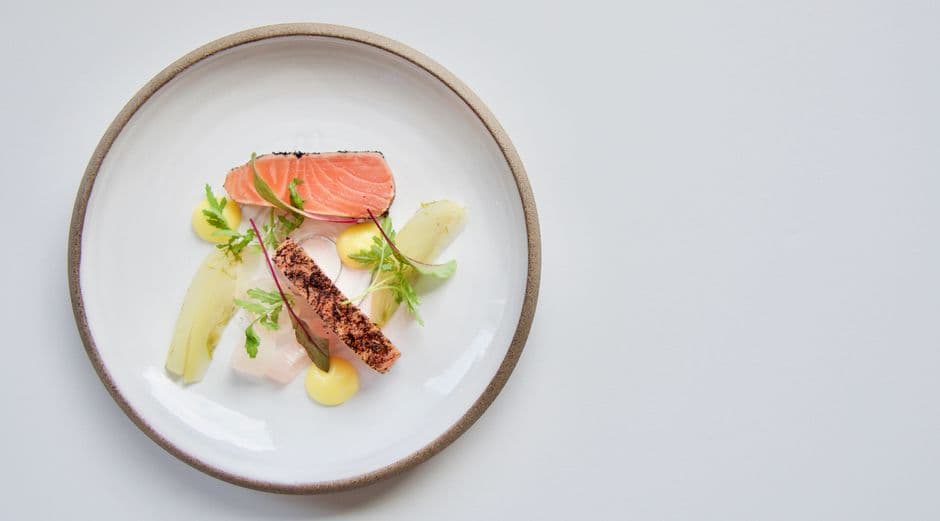
Gravlax — Nordic Dill-Cured Salmon
Salmon cured in salt, sugar and dill for 48 hours, producing silky, intensely flavoured fish that slices like butter. Served with the classic Swedish hovmästarsås mustard-dill sauce.
20 min180 kcalEasy
Swedish meatballs, gravlax, smörgåsbord — clean Nordic flavours.
More recipes built around the same core ingredients.
Track what you eat
Snap your meal to log calories and macros, run fasting timers and track water in the free SnapCal app.
Plan your meals, track fasting and build your grocery list — free
MyCookingCalendar's dashboard runs right in your browser, no download needed.
15 No-Cook Recipes: Real Meals Without Turning On the Stove
15 genuinely no-cook recipes — ceviche, cured salmon, salads, dips and no-bake desserts — verified against real steps and cook times, not just labeled 'easy'.
8 Recipes to Use Up Leftover Mashed Potatoes
Made too much mash for dinner? Eight real recipes — shepherd's pie, colcannon, boxty, potato-filled dumplings — that are actually built around already-mashed potato.
Swedish cuisine took shape around the demands of long winters and short, intense summers: preserve everything. Herring was salted, pickled, and fermented (surströmming in the north); pork was cured; cabbage soured; lingonberries — naturally rich in benzoic acid — kept without canning. This husmanskost, classic home cooking, produced meatballs with cream sauce and lingonberries, yellow pea soup with pancakes on Thursdays, gravlax cured with dill and sugar-salt, and Jansson's temptation, a potato gratin laced with sprat fillets.
Geography splits the table. Southern Skåne, historically Danish and agriculturally rich, eats goose, eel, and spettekaka; the Baltic coast lives on herring in dozens of pickling styles; the north favors reindeer, cured suovas, cloudberries, and tunnbröd flatbread from Sami and Norrland traditions. The smörgåsbord — a structured buffet that opens with herring, moves through cold fish and meats, and ends warm — codified Swedish eating for celebrations and gave the world a loanword.
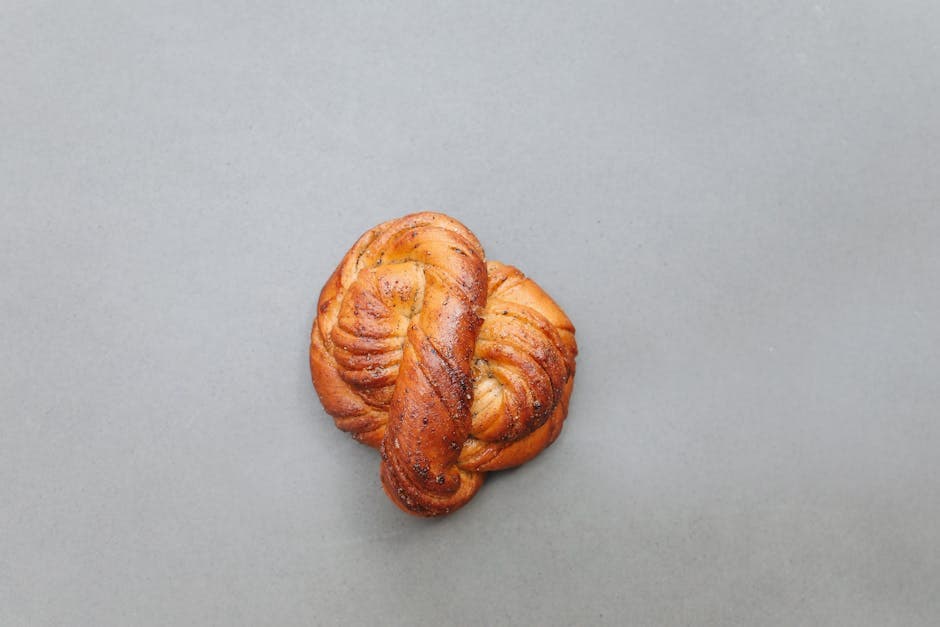
Modern Swedish home cooking balances tradition against everyday pragmatism. Weeknights mean falukorv sausage, pytt i panna hash, or salmon with dill potatoes; Christmas revives the full julbord. Fika — the institutionalized coffee break with cinnamon buns (kanelbullar) or cardamom buns — remains non-negotiable, and baking at home is common. Crispbread (knäckebröd) sits on nearly every table, and dill, allspice, and white pepper quietly dominate the spice drawer.
Pickled & Cured Herring
Sill in mustard, onion, or sherry pickles anchors every smörgåsbord and holiday table, a direct legacy of Baltic preservation.
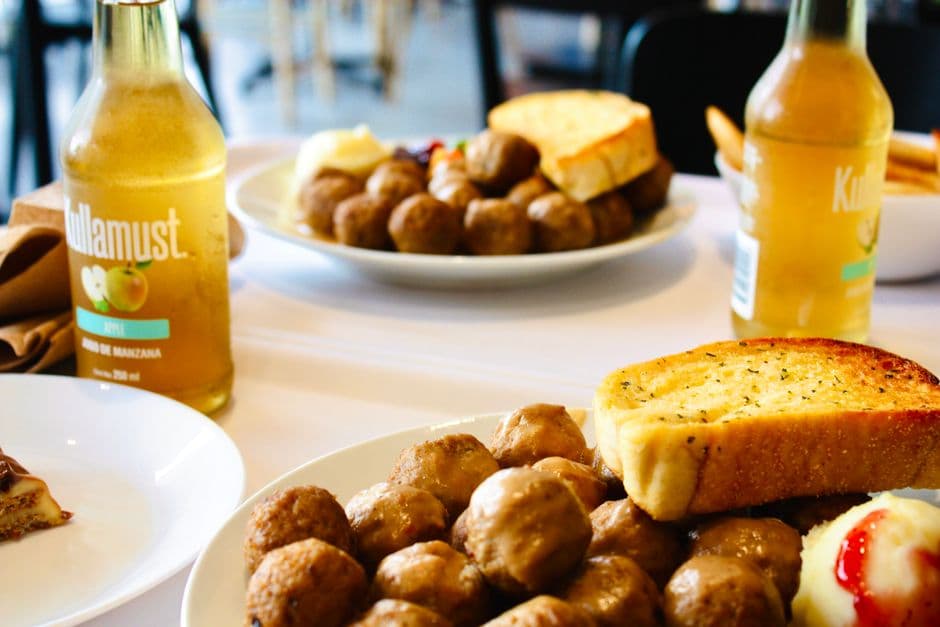
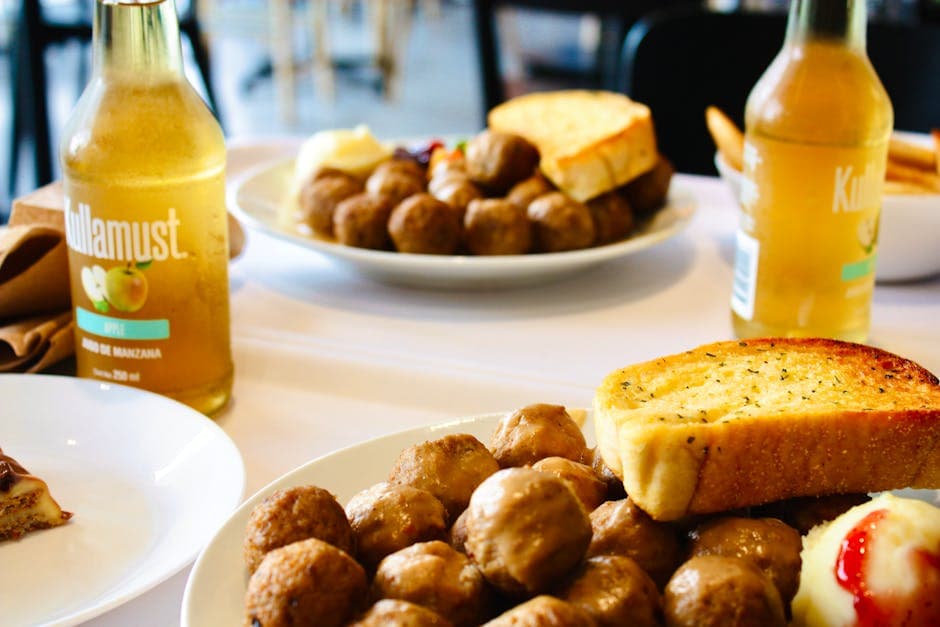
Köttbullar
Pork-and-beef meatballs with cream sauce, lingonberry jam, and pressed cucumber — the dish that defines Swedish husmanskost abroad and at home.
Gravlax & Dill
Salmon cured in salt, sugar, and dill, sliced thin and served with sweet mustard sauce (hovmästarsås), shows the Swedish way with fish.
Lingonberries & Foraging
Allemansrätten, the right to roam, keeps lingonberries, chanterelles, and cloudberries flowing from forest to home kitchens each autumn.
Fika & Baking
The daily coffee ritual sustains a serious bun culture: kanelbullar, cardamom buns, and seven sorts of cookies for proper hospitality.
Knäckebröd & Potatoes
Rye crispbread and boiled dill potatoes are the constant starches, pairing with everything from herring to falukorv sausage.
Internationally, Swedish meatballs with cream sauce and lingonberries lead, followed by gravlax, pickled herring, cinnamon buns, and the smörgåsbord buffet. Within Sweden, husmanskost — hearty home dishes like pea soup with pancakes, Jansson's temptation, and pytt i panna — defines the everyday table, while fika, the coffee-and-bun break, is the country's most exported food ritual.
All three share herring, salmon, rye, and berries, but emphases differ. Denmark built its identity on smørrebrød open sandwiches and a richer butter-and-pork tradition; Norway leans harder on cod, dried fish (tørrfisk), and lamb dishes like fårikål. Sweden is distinguished by its meatball-and-lingonberry pairing, the smörgåsbord format, Thursday pea soup, and fermented surströmming in the north.
It is mild rather than bland — seasoning favors dill, allspice, white pepper, juniper, and cardamom over chili. Flavor comes from contrast: sweet lingonberry against savory meat, sharp pickles against rich cream sauce, cured fish against mustard. Fermented and pickled elements like sill and surströmming carry plenty of intensity for those who want it.
Köttbullar are the natural start: mix ground pork and beef with breadcrumbs soaked in milk, grated onion, and allspice, pan-fry, then make a cream sauce in the same pan. Serve with boiled potatoes and lingonberry jam. Pytt i panna — a diced potato, onion, and leftover-meat hash topped with a fried egg — is even simpler.
The julbord is an expanded smörgåsbord: multiple pickled herrings, gravlax, Christmas ham (julskinka) glazed with mustard and breadcrumbs, meatballs, prinskorv sausages, Jansson's temptation, red cabbage, and rice porridge with a hidden almond. Glögg, spiced mulled wine with raisins and almonds, accompanies gingersnaps (pepparkakor) and saffron buns (lussekatter) through December.
Calculators and converters that pair with this page — no signup needed.