TrendingSoup
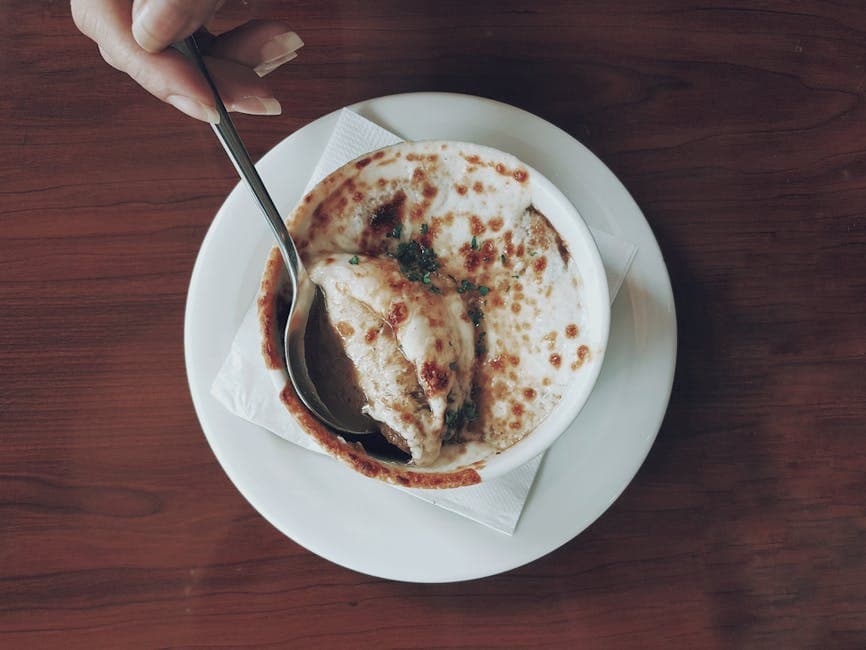
Classic French Onion Soup
Deeply caramelized onion soup topped with toasted baguette and a blanket of molten Gruyère.
90 min520 kcalMedium
Classic French techniques and the mother of world cuisine.
More recipes built around the same core ingredients.
Track what you eat
Snap your meal to log calories and macros, run fasting timers and track water in the free SnapCal app.
Plan your meals, track fasting and build your grocery list — free
MyCookingCalendar's dashboard runs right in your browser, no download needed.
French Cuisine: 40 Classic Recipes Everyone Should Know
Master French cooking fundamentals with 40 classic recipes from bistro comfort food to elegant cuisine.
15 Beginner-Friendly Recipes Anyone Can Cook
15 genuinely easy, well-rated recipes from around the world — no advanced technique, no specialty equipment, most done in 30 minutes or less.
45 Dessert Recipes: Sweet Treats from Around the World
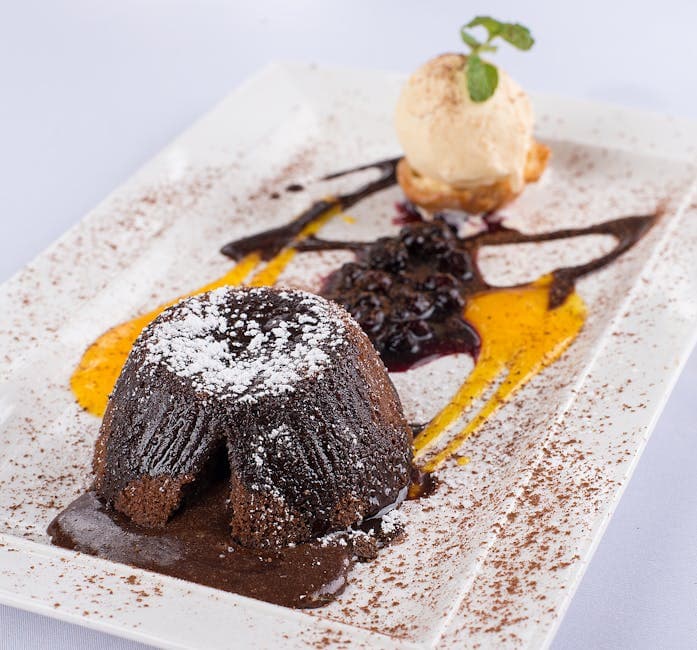
Discover 45 delicious dessert recipes ranging from simple sweets to impressive showstoppers, from global cuisines.
French cuisine became the grammar of Western professional cooking largely through codification: Marie-Antoine Carême systematized the grand kitchen in the early 1800s, and Auguste Escoffier's 1903 Guide Culinaire defined the mother sauces — béchamel, velouté, espagnole, hollandaise, and tomate — and the brigade system still used in restaurants. UNESCO recognized the French gastronomic meal as cultural heritage in 2010, a nod to the structured progression from apéritif through cheese course.
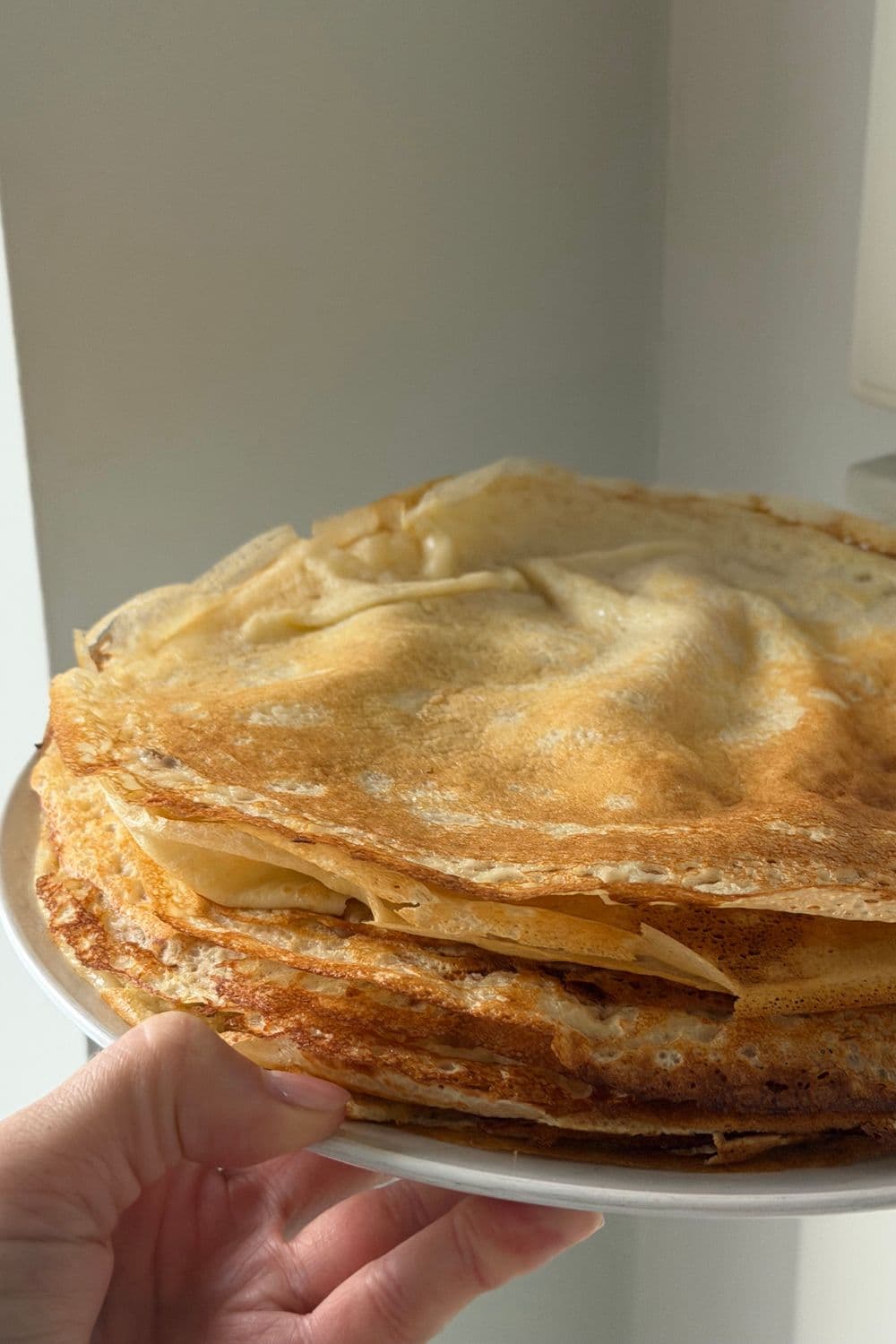
Beyond haute cuisine sits cuisine du terroir, the regional cooking that supplies most of France's famous dishes: boeuf bourguignon and coq au vin from Burgundy's wine country, cassoulet from the southwest, bouillabaisse from Marseille, choucroute garnie from German-influenced Alsace, and crêpes from Brittany. Each region's dish reflects its products — Normandy cooks with cream, butter, and apples; Provence with olive oil, garlic, and herbs.
French home cooking is less intimidating than its restaurant reputation. Everyday staples are omelets, gratins, simple roast chicken, vinaigrette-dressed salads, and one-pot braises that improve overnight. What home cooks absorb from the tradition is method: building flavor with mirepoix, deglazing the fond from a pan with wine, mounting sauces with butter, and treating stock as a foundational ingredient rather than an afterthought.
Mother sauces
Escoffier's five base sauces — béchamel, velouté, espagnole, hollandaise, and tomate — spawn dozens of derivatives and anchor classical technique.
Stocks and fonds
Long-simmered veal, chicken, and fish stocks form the backbone of French soups, sauces, and braises, prized for body and depth.
Butter and cream
From beurre blanc to crème fraîche, dairy carries flavor and texture in northern French cooking, especially Normandy and Brittany.
Braises and daubes
Slow wine-based braises like boeuf bourguignon and coq au vin transform tough cuts through hours of gentle cooking.
Pâtisserie and viennoiserie
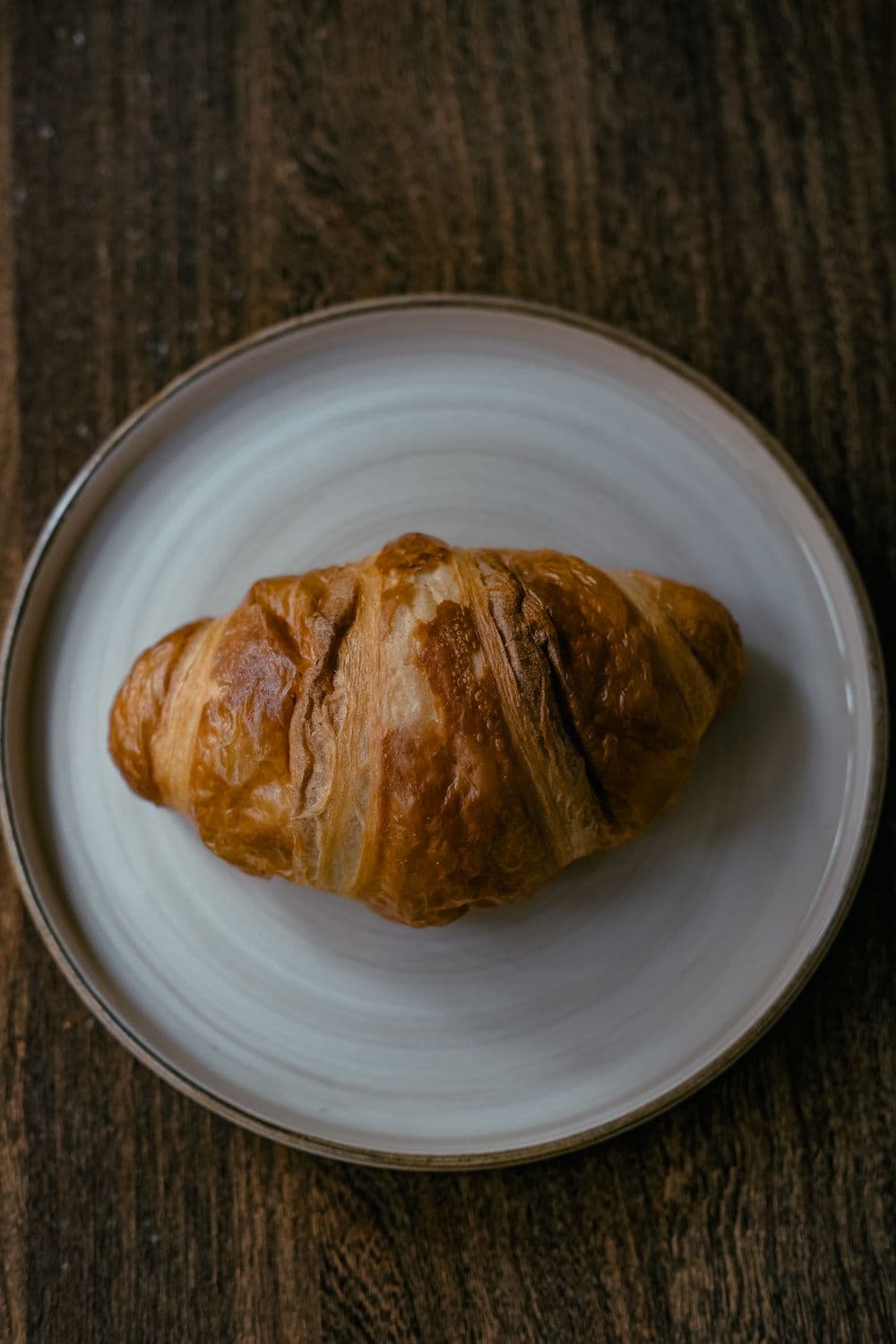
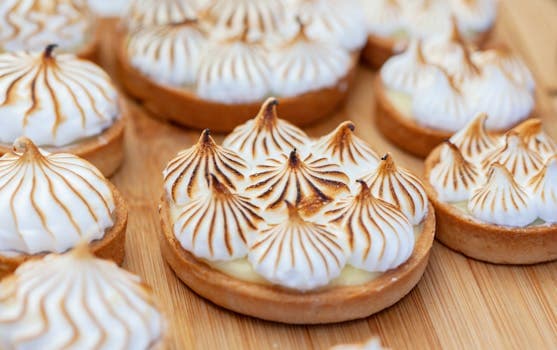
Laminated doughs (croissants), choux pastry (éclairs), and pâte brisée tarts represent a precise, measurement-driven baking tradition.
Cheese and wine pairing
France produces over 1,000 cheeses, from Comté to Roquefort, traditionally served as a separate course before dessert.
French cuisine is known for its codified techniques — the five mother sauces, stocks, braising, and pastry — and for regional classics like coq au vin, cassoulet, bouillabaisse, and croissants. It established the vocabulary of professional cooking worldwide: terms like sauté, mirepoix, and confit are French. It is also famous for cheese, wine, and bread, with the baguette protected by law.
The fundamentals are not. An omelet, a vinaigrette, a roast chicken, or a gratin dauphinois each need only a handful of ingredients and basic attention. Braises like boeuf bourguignon are forgiving — long, slow, and hard to ruin. The genuinely difficult areas are pastry and emulsified sauces like hollandaise, which demand precision. Start with bistro dishes, not haute cuisine.
Haute cuisine is the formal restaurant tradition: elaborate technique, refined presentation, multiple courses, and sauces built from labor-intensive stocks. Bistro (or cuisine bourgeoise) cooking is the everyday food of homes and casual restaurants — steak frites, onion soup, duck confit, pot-au-feu. Most beloved French dishes are bistro food, originating in regional and home kitchens rather than grand hotels.
Unsalted butter, shallots, garlic, Dijon mustard, dry white wine, red wine vinegar, fresh thyme and bay leaves, good chicken stock, flour for roux, and crème fraîche or heavy cream. Gruyère or Comté covers most gratin and soup needs. With these plus eggs and decent bread, you can produce vinaigrettes, pan sauces, soups, and braises that taste distinctly French.
Start with a proper omelet and a homemade vinaigrette — both teach control and balance. Move to soupe à l'oignon gratinée, quiche Lorraine, and roast chicken with pan jus. Then attempt a weekend braise: coq au vin or boeuf bourguignon, which teach browning, deglazing, and reduction. Crêpes are an easy entry into French dessert-making before tackling pastry.
Calculators and converters that pair with this page — no signup needed.