TrendingNewDinner
Argentinian Chimichurri Steak (Asado)
Grass-fed beef grilled over high heat, sliced and drowned in vivid, herby chimichurri sauce — Argentina's asado at home.
35 min520 kcalEasy
Asado, chimichurri, empanadas — the BBQ culture of the pampas.
More recipes built around the same core ingredients.
Track what you eat
Snap your meal to log calories and macros, run fasting timers and track water in the free SnapCal app.
Plan your meals, track fasting and build your grocery list — free
MyCookingCalendar's dashboard runs right in your browser, no download needed.
Latin American Cuisine: Recipes from Mexico to Argentina
Explore the diverse flavors of Latin America with 40+ authentic recipes from Mexico, Peru, Brazil, and beyond.
14 Real Recipes With 5 Ingredients or Less
14 well-rated recipes from around the world that use five ingredients or fewer — proof that a short ingredient list doesn't mean a compromise on flavor.
14 High-Protein Recipes With the Numbers to Prove It
14 real recipes from our database with genuinely high protein per serving — verified against actual nutrition data, spanning chicken, beef, lamb, pork, fish, and plant-based sources.

Dulce de leche sandwich cookies coated in coconut.
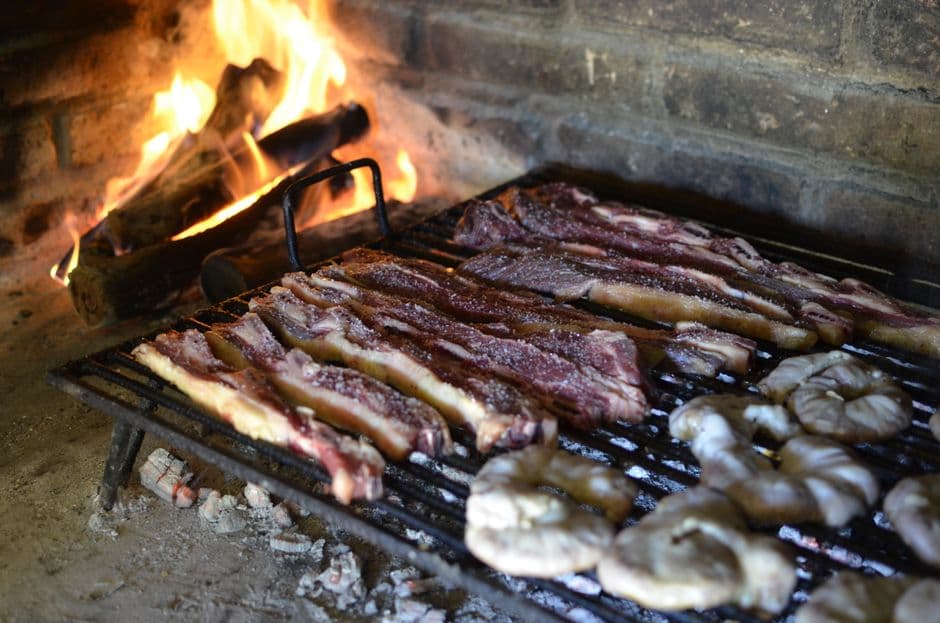
Argentine cuisine was forged on the Pampas grasslands, where gaucho cattle culture made beef the national identity. The asado — a ritual of slow grilling over wood embers on a parrilla — remains the country's defining social event, working through chorizo and morcilla sausages, sweetbreads (mollejas), short ribs (asado de tira), and flank cuts, dressed only with salt and finished with chimichurri of parsley, garlic, oregano, and vinegar. Argentina long ranked among the world's highest per-capita beef consumers.
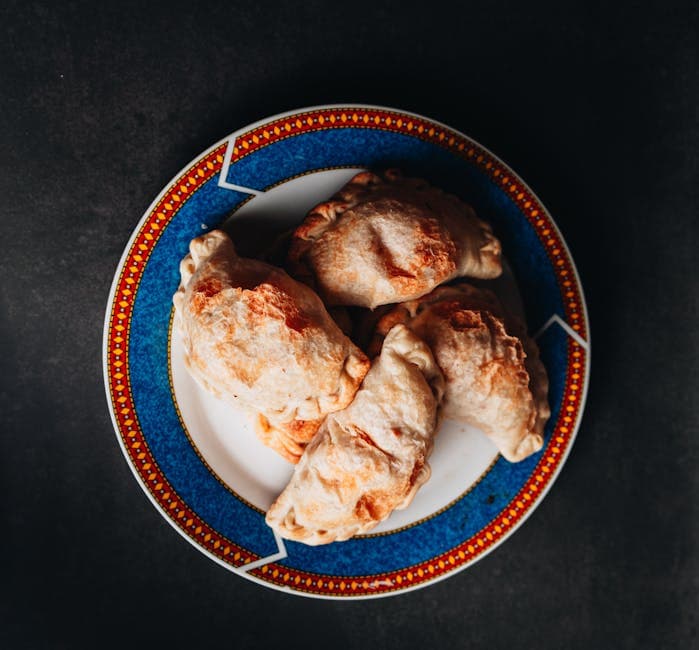
Massive Italian and Spanish immigration between 1880 and 1930 reshaped everyday eating. Italians contributed milanesa breaded cutlets, fresh pasta Sundays, ñoquis on the 29th of each month, and fugazzeta — Buenos Aires' onion-and-cheese pizza with a thick crust unlike Naples'. Spaniards brought the empanada, which evolved into fiercely regional forms: juicy hand-cut beef in Salta, sweeter versions with raisins and olives in Tucumán. The north shares Andean dishes like locro, a hominy and squash stew eaten on patriotic holidays.
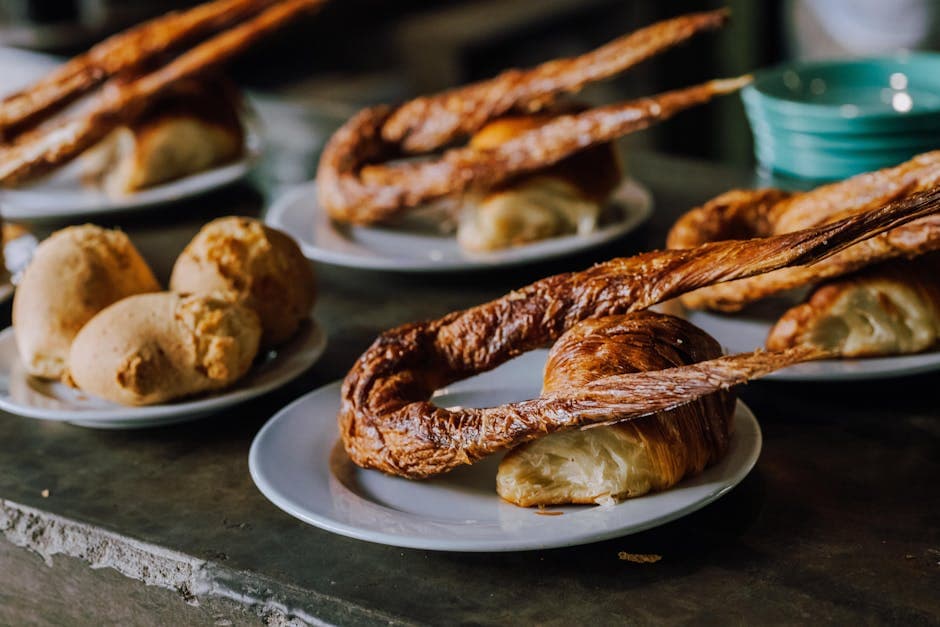
Home life runs on yerba mate, the bitter caffeinated infusion sipped through a bombilla straw and passed in a circle — more social ritual than beverage. Dulce de leche, milk caramel, fills alfajores cookies, pastries, and breakfast toast. Sunday asado or pasta with extended family remains the structural meal of the week, and Malbec from Mendoza is the default companion to beef.
Asado and the Parrilla
Slow wood-ember grilling of beef cuts, sausages, and offal is the national ritual, seasoned with salt and patience alone.
Chimichurri
The parsley, garlic, oregano, vinegar, and oil sauce is asado's essential condiment, spooned over grilled meats rather than marinated in.
Empanadas
Baked or fried filled pastries vary by province — Salta's hand-cut beef with potato, Tucumán's with raisins and olives.
Italian Inheritance
Milanesas, fresh pasta, ñoquis del 29, and thick-crust fugazzeta pizza came with mass Italian immigration and became national staples.
Dulce de Leche
Slow-cooked milk caramel fills alfajores, facturas pastries, and desserts, consumed in quantities unmatched elsewhere.
Yerba Mate
The shared bitter infusion, sipped through a bombilla from a gourd, structures social life from breakfast onward.
Argentina is known for beef above all — asado barbecue grilled over wood embers, steaks like bife de chorizo, and chimichurri sauce. Beyond beef, its signatures are empanadas, milanesa cutlets, dulce de leche, alfajores cookies, and yerba mate. Heavy Italian immigration also made pasta, ñoquis, and a distinctive thick-crust pizza part of the national diet.
Asado grills meat slowly over hardwood embers (not direct flame or smoke chambers), seasoned only with coarse salt — no rubs, no sauce during cooking. It's a multi-hour social event progressing through sausages, offal, and cuts like asado de tira. American barbecue smokes meat with rubs and sauces; asado's only condiment, chimichurri, is added at the table.
No — it's among the least spicy cuisines in Latin America. Seasoning relies on salt, garlic, parsley, oregano, and paprika; chimichurri has tang and herb flavor but virtually no heat. Even empanada fillings use sweet paprika and cumin rather than chili. Anyone sensitive to spice can eat across the entire Argentine repertoire comfortably.
Chimichurri takes five minutes and transforms any grilled steak. Milanesas — breaded, fried beef or chicken cutlets — are weeknight-simple, often topped with tomato and cheese as milanesa napolitana. Baked beef empanadas are a satisfying weekend project with store-bought dough discs (tapas). Alfajores with dulce de leche cover dessert without advanced pastry skill.
Yerba mate is a caffeinated infusion of the Ilex paraguariensis plant, drunk hot from a gourd (mate) through a filtered metal straw (bombilla). One person, the cebador, refills the gourd with hot water — never boiling, around 70-80°C — and passes it around a circle; each drinker finishes the gourd before it's refilled. It's grassy, bitter, and as much social ritual as drink.
Calculators and converters that pair with this page — no signup needed.