NewDinner
Valencian Chicken & Chorizo Paella
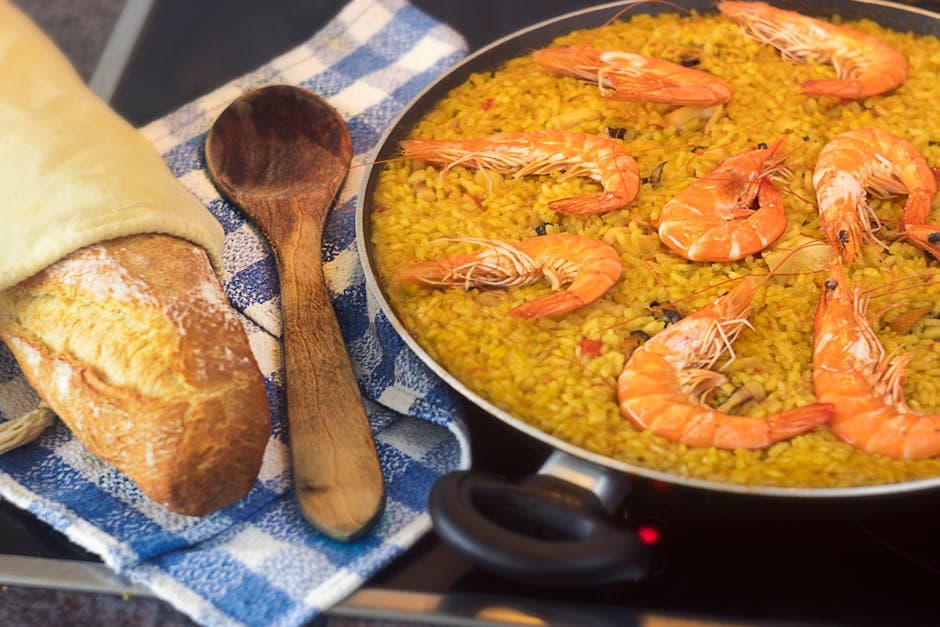
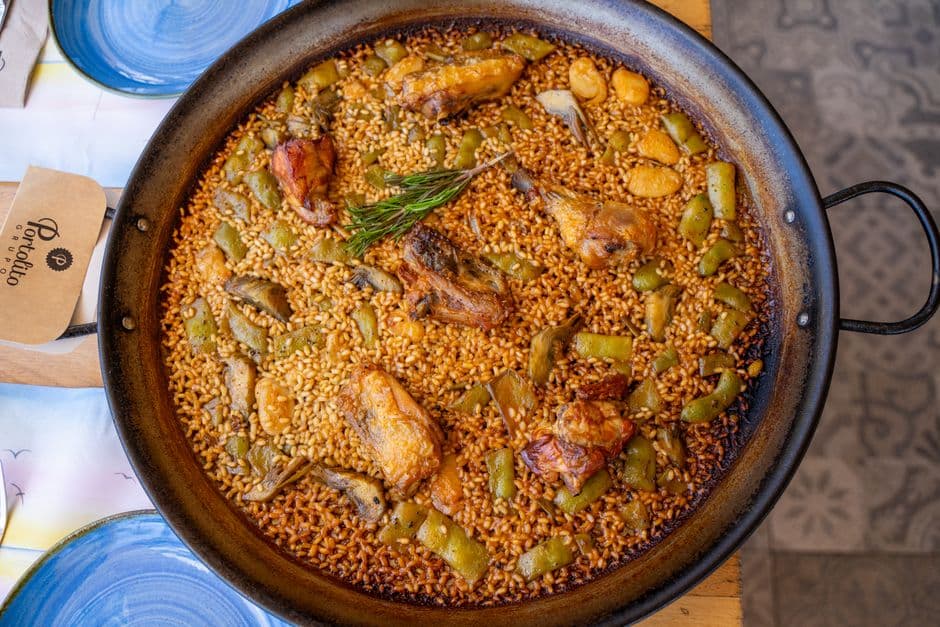
The socarrat is the whole point: saffron-perfumed rice with chicken and chorizo, cooked in the iconic wide Spanish pan until a golden, crackling crust forms at the base.
65 min640 kcalMedium
Paella, tapas, gazpacho — from Iberian sun-drenched kitchens.
More recipes built around the same core ingredients.
Track what you eat
Snap your meal to log calories and macros, run fasting timers and track water in the free SnapCal app.
Plan your meals, track fasting and build your grocery list — free
MyCookingCalendar's dashboard runs right in your browser, no download needed.
Mediterranean Diet: Complete Recipe Guide & Benefits
Explore the Mediterranean diet with 50+ authentic recipes from Greece, Italy, Spain, and the Middle East. Learn the health benefits and how to cook Mediterranean at home.
Spanish Cuisine: 30 Recipes from Paella to Pintxos
Explore Spanish cooking through 30 regional recipes showcasing paella, tapas, seafood, and seasonal dishes.
Mediterranean Diet Meal Plan: 7 Days for Beginners
A 7-day Mediterranean diet meal plan for beginners: breakfast, lunch, dinner and snacks linked to tested recipes, one shopping list and daily macros.
Spanish cuisine carries eight centuries of Moorish influence — almonds, saffron, citrus, and rice arrived with Al-Andalus — layered over Roman olive oil culture and, after 1492, ingredients from the Americas: tomatoes, peppers, and potatoes that now define dishes like gazpacho and tortilla española. The pig is central; the matanza (annual slaughter) tradition produced jamón ibérico, chorizo, and morcilla, cured meats that anchor the national pantry.
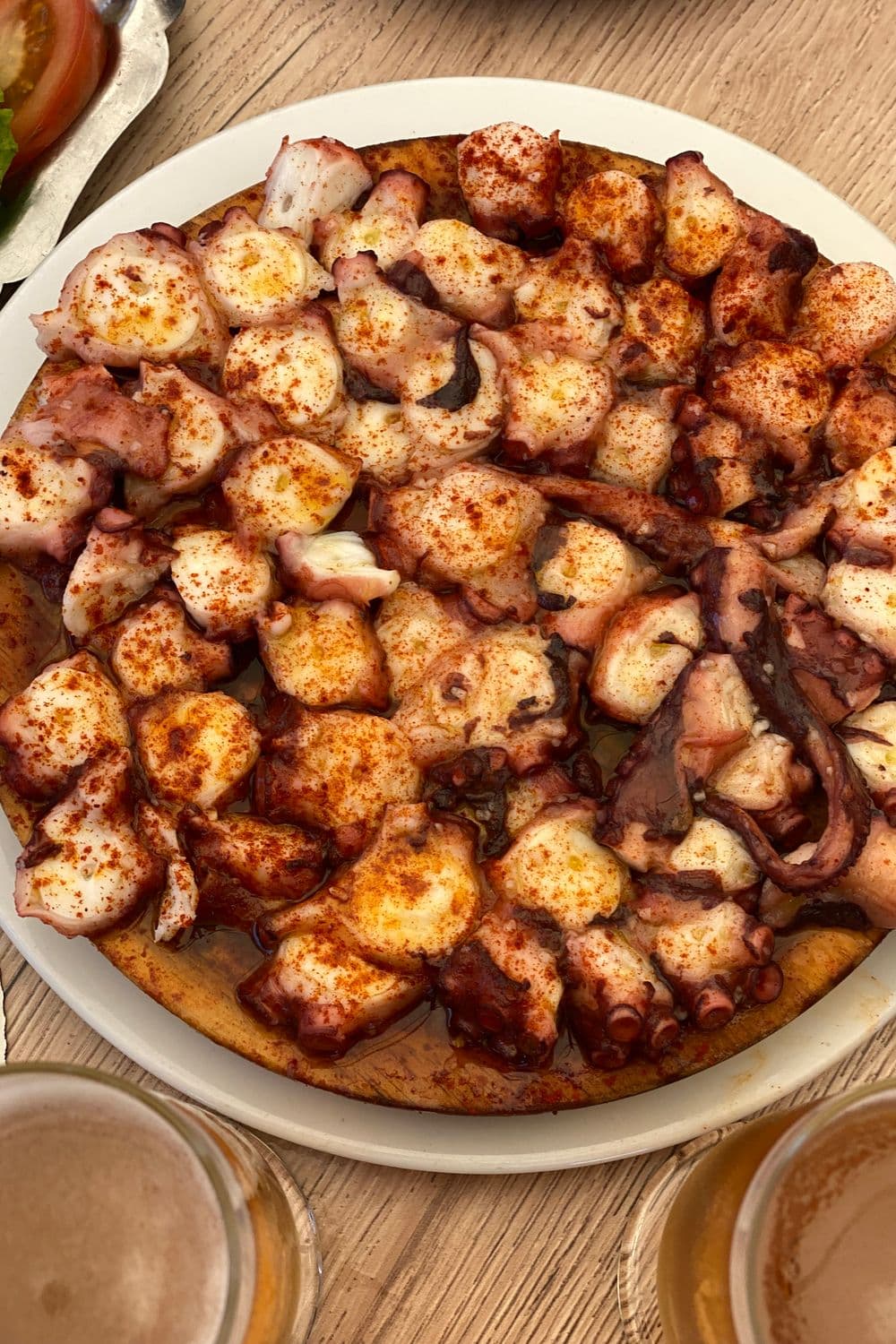
Spain is fiercely regional. Valencia owns paella, properly made with bomba rice, rabbit, chicken, and snails over an open fire — not the seafood medley tourists expect. The Basque Country runs Spain's most decorated restaurant scene and the pintxo bar tradition; Galicia specializes in octopus (pulpo a la gallega) and shellfish; Andalusia gives fried fish, gazpacho, and salmorejo; Catalonia contributes pa amb tomàquet and romesco sauce.
Home cooking revolves around sofrito — onion, garlic, and tomato slowly reduced in olive oil — which starts most stews and rice dishes. Spaniards eat late and socially: lunch around 2pm is the main meal, and tapas culture turns dinner into a sequence of small shared plates. Everyday dishes like lentejas con chorizo and tortilla require patience more than technique, with olive oil used generously as both fat and flavor.
Sofrito
Onion, garlic, and tomato slowly cooked down in olive oil forms the flavor base of paella, stews, and countless Spanish home dishes.
Jamón and cured meats
Jamón ibérico de bellota, serrano ham, chorizo, and lomo represent a curing tradition central to tapas and everyday cooking.
Rice dishes
Beyond paella valenciana, Spain cooks arroz negro with squid ink, arroz al horno, and brothy arroz caldoso, all using short-grain bomba rice.
Olive oil
Spain is the world's largest olive oil producer; it is used for frying, finishing, emulsifying alioli, and even in desserts.
Pimentón
Smoked paprika from La Vera, in sweet, bittersweet, and hot grades, gives chorizo, pulpo a la gallega, and stews their signature color and smoke.
Tapas and pintxos
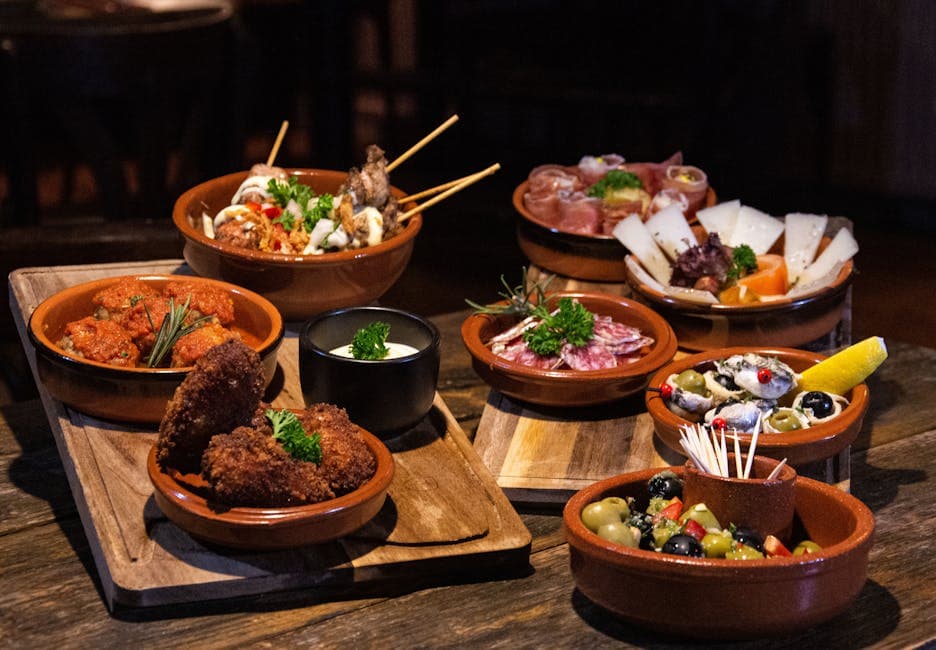
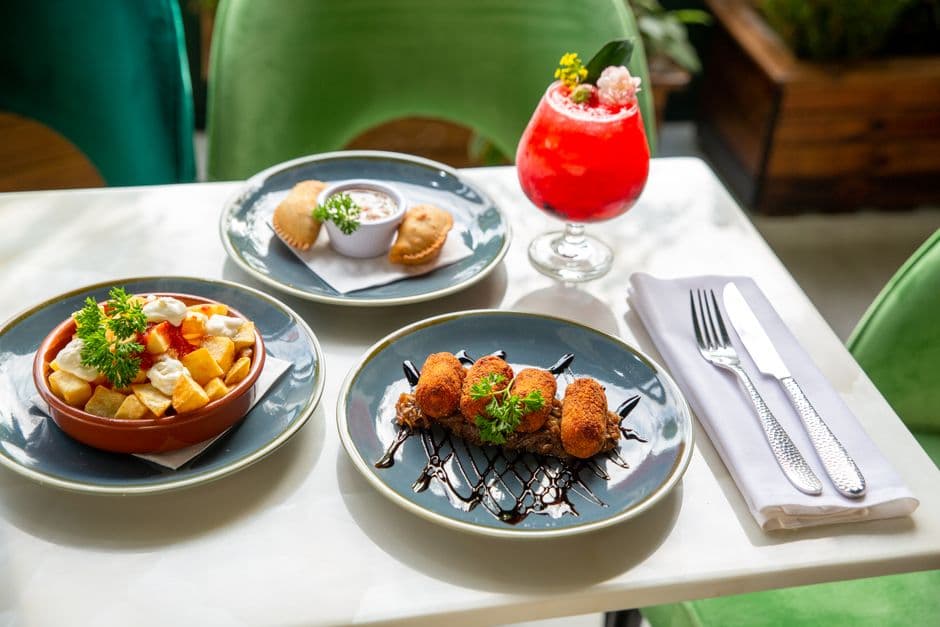
Small plates — from patatas bravas to gambas al ajillo — structure Spanish social eating, with Basque pintxos served skewered on bread.
Spanish cuisine is known for paella, tapas, jamón ibérico, gazpacho, and tortilla española, all built on olive oil, garlic, and smoked paprika. It is defined by regional traditions — Valencian rice dishes, Basque pintxos, Galician seafood, Andalusian fried fish — and a social style of eating where small shared plates and late mealtimes matter as much as the food itself.
Generally no. Spanish cooking is flavorful but mild; heat is the exception, not the rule. Pimentón picante (hot smoked paprika) and guindilla chilies appear in specific dishes like patatas bravas sauce and pimientos de Padrón (where only some peppers are hot), but most dishes rely on garlic, olive oil, saffron, and smoke for flavor. Spanish food is often confused with spicier Mexican cuisine.
They are distinct cuisines sharing only the language. Spanish food is Mediterranean: olive oil, seafood, cured pork, rice, and mild seasoning like saffron and smoked paprika. Mexican food is built on corn (tortillas, masa), beans, fresh and dried chilies, and pre-Columbian ingredients. Spanish cooking rarely uses chilies for heat, cilantro, or corn tortillas — staples of the Mexican kitchen.
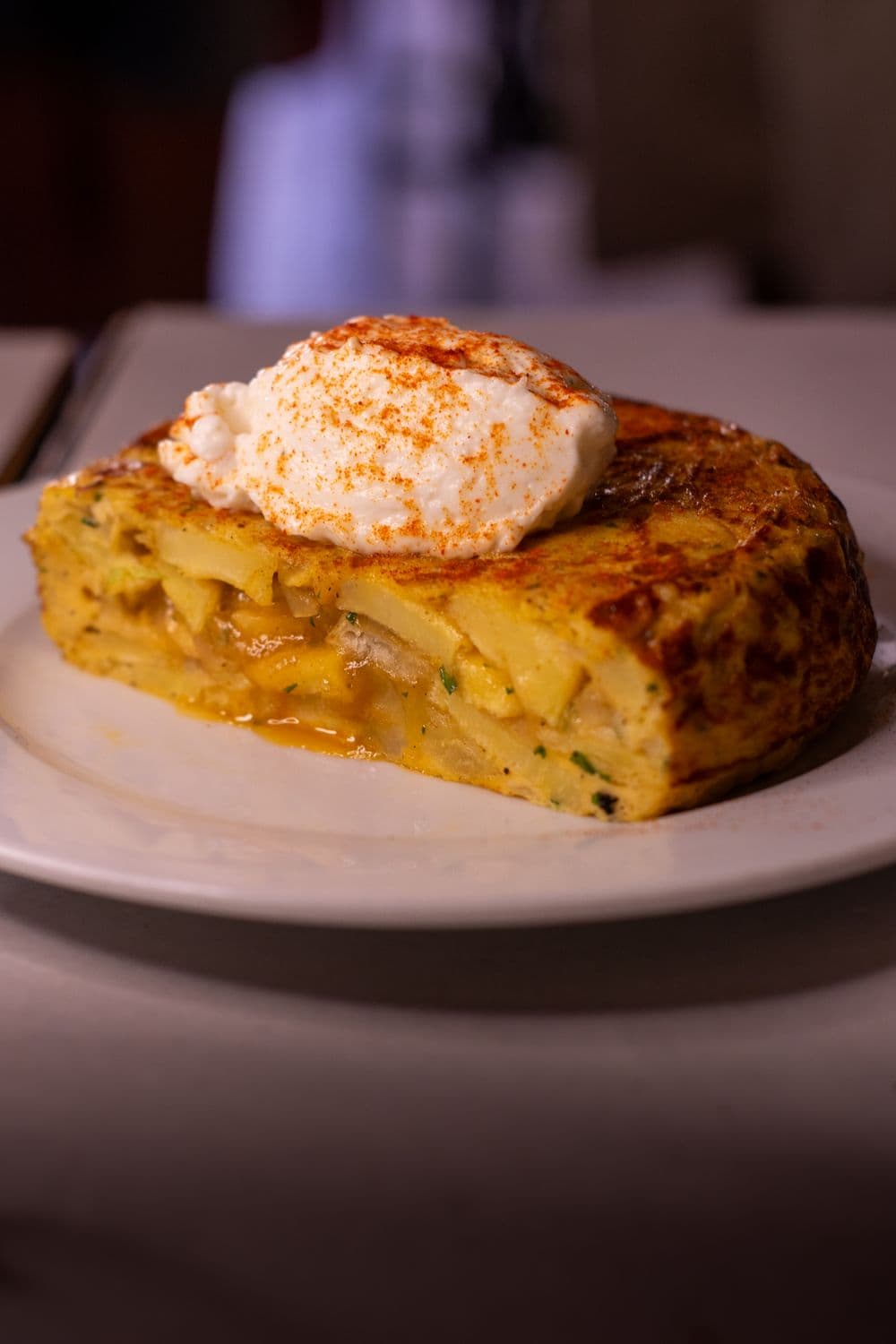
Tortilla española teaches patience with just eggs, potatoes, onion, and olive oil. Gambas al ajillo takes ten minutes. Pan con tomate needs only bread, ripe tomato, garlic, and oil. Gazpacho is a no-cook blender dish. Once comfortable, try a simple chicken and chorizo rice before attempting true paella, which demands socarrat — the prized crispy bottom layer.
Tapas are small plates served across Spain, ordered from a menu and shared at the table — patatas bravas, croquetas, tortilla. Pintxos are the Basque Country's version: bite-sized portions typically skewered with a toothpick onto bread, displayed on the bar counter, and eaten standing. In pintxo bars you often pay by counting your toothpicks at the end.
Calculators and converters that pair with this page — no signup needed.