TrendingDinner
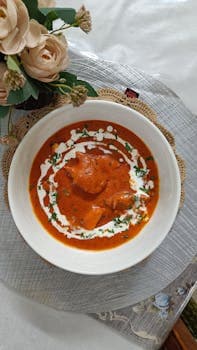
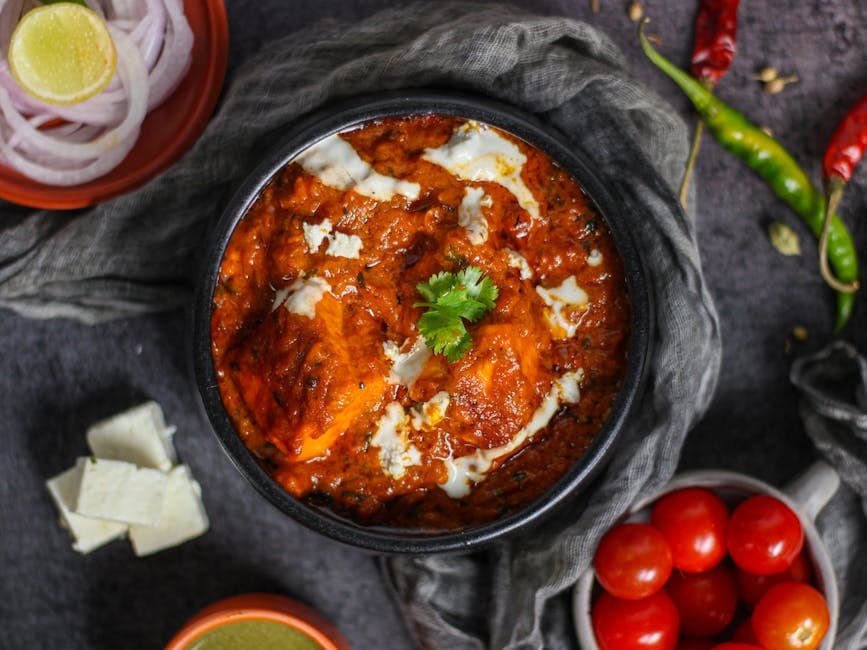
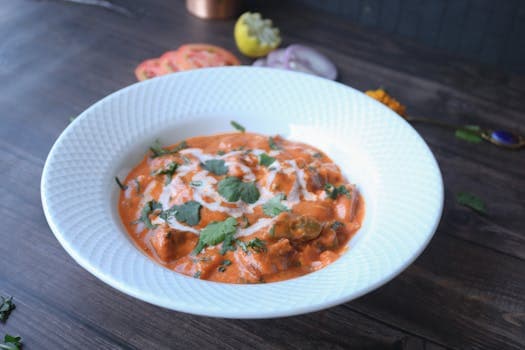
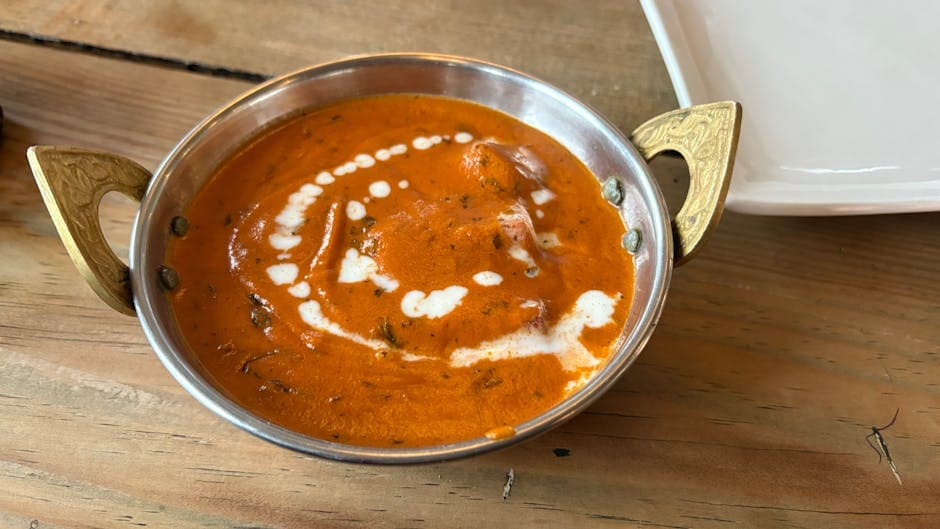
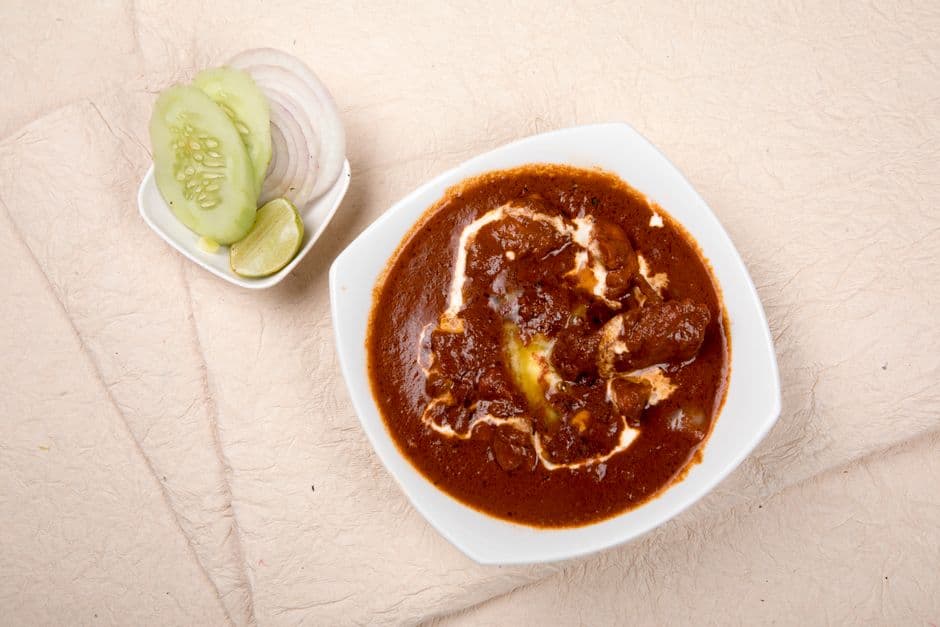
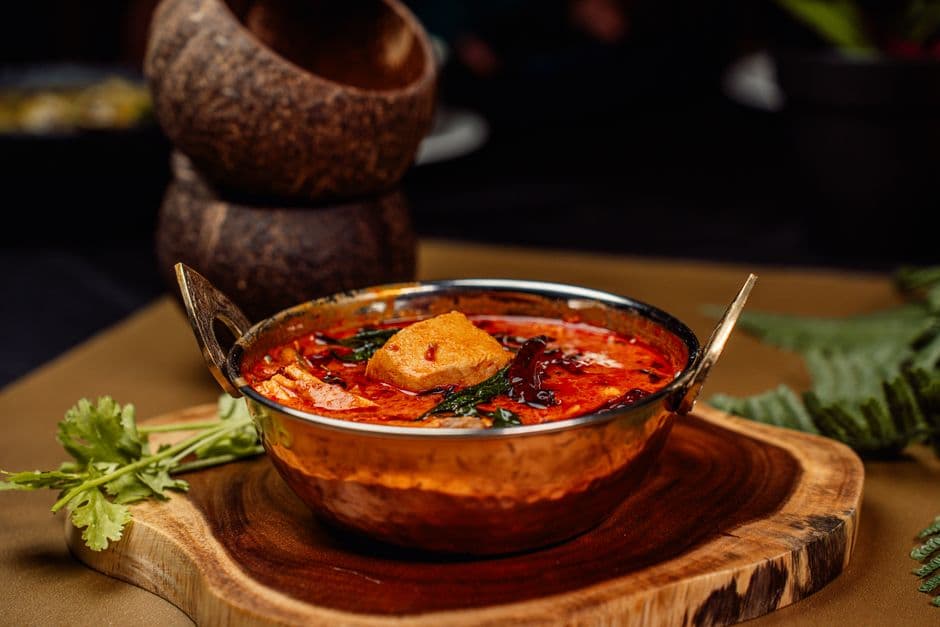
Authentic Butter Chicken (Murgh Makhani)
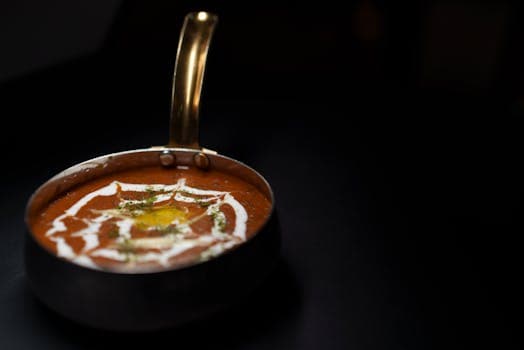
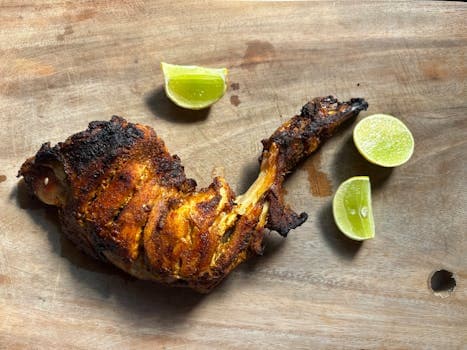
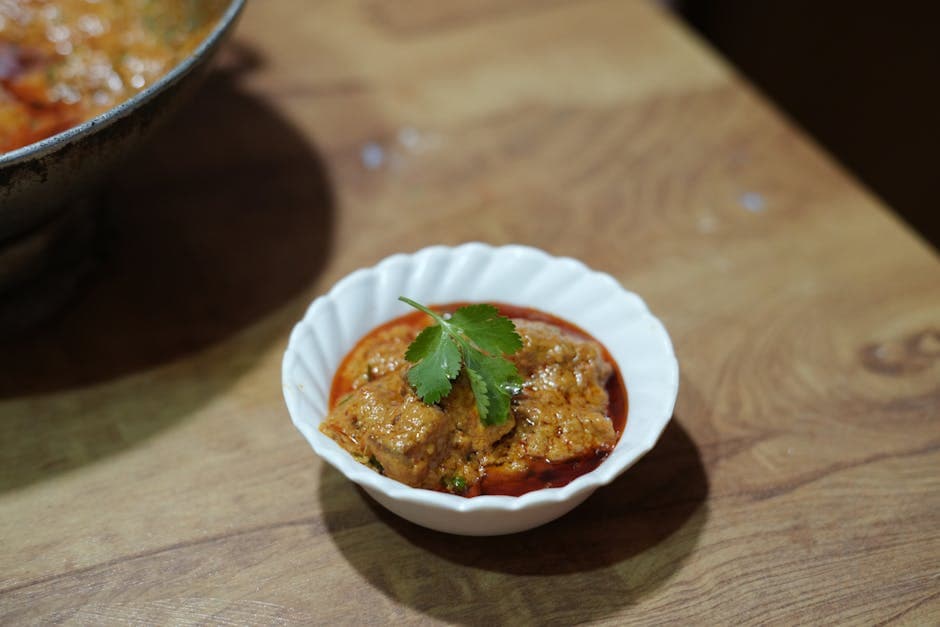
Tandoor-roasted chicken in a velvety tomato, butter and cream sauce — the world's most ordered Indian dish.
75 min560 kcalMedium
Curries, biryanis, dals and the world's most complex spice cuisine.
More recipes built around the same core ingredients.
Track what you eat
Snap your meal to log calories and macros, run fasting timers and track water in the free SnapCal app.
Plan your meals, track fasting and build your grocery list — free
MyCookingCalendar's dashboard runs right in your browser, no download needed.
Asian Cuisine Recipes: Complete Guide to Chinese, Japanese, Thai & More
Discover authentic Asian cooking with 50+ recipes from China, Japan, Thailand, Vietnam, Korea, and India. Learn techniques, ingredients, and how to recreate restaurant-quality Asian dishes at home.
Indian Cuisine: 50 Recipes Mastering Spices & Techniques
Learn Indian cooking fundamentals through 50 recipes teaching spice use, regional variations, and essential techniques.
40 Quick Comfort Food Recipes
Warm, satisfying comfort food dishes that come together faster than you'd expect.
Indian cooking spans more than five millennia, shaped by Mughal court kitchens, coastal spice trade through Kerala and Gujarat, and the vegetarian traditions of Hindu, Jain, and Buddhist communities. The subcontinent's defining technique is the masala: whole spices like cumin, cardamom, and cloves bloomed in hot ghee or oil, then layered with aromatics. Persian influence brought biryani and korma to the north, while Portuguese traders introduced the chili pepper in the 16th century, transforming dishes from Goan vindaloo to Andhra curries.
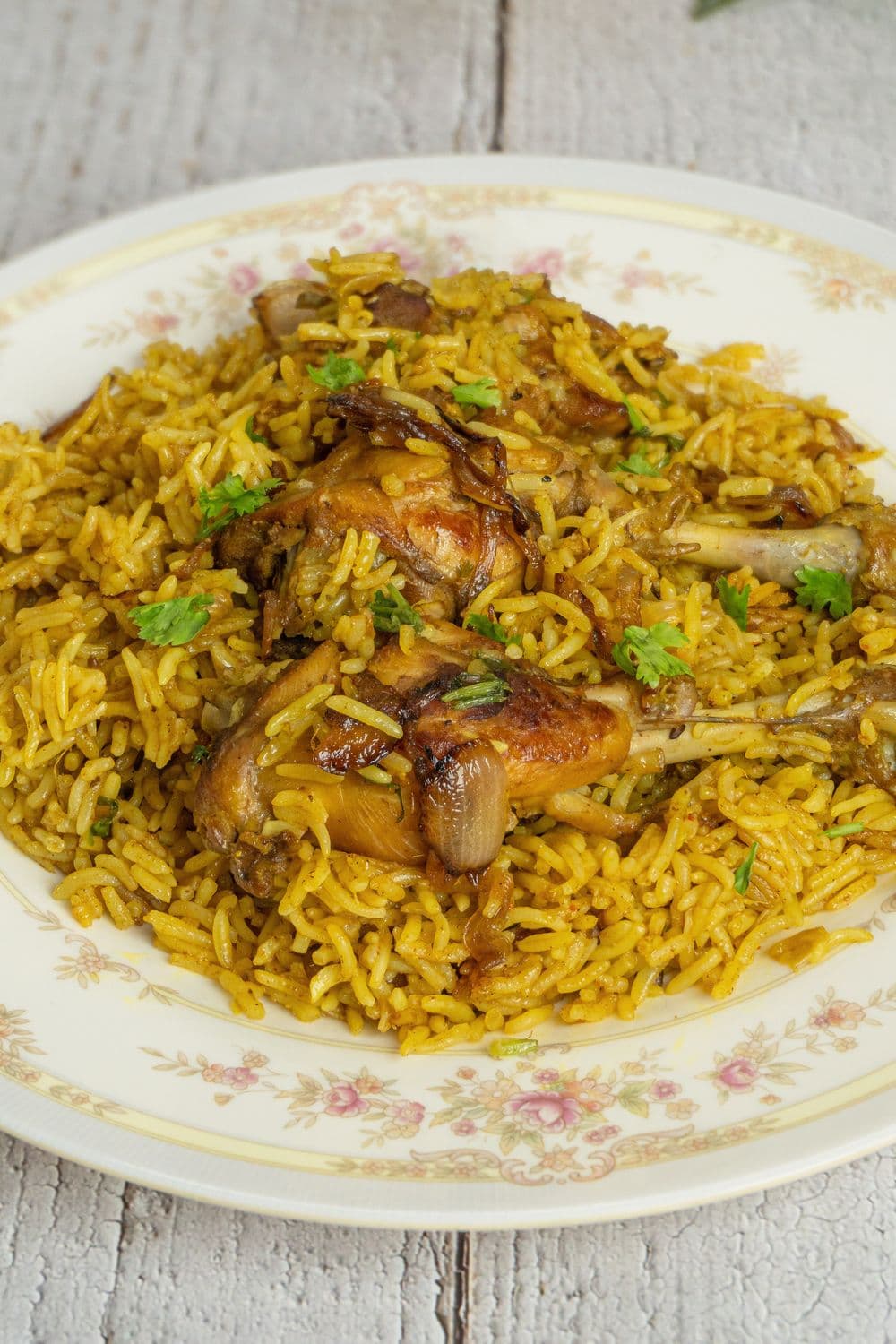
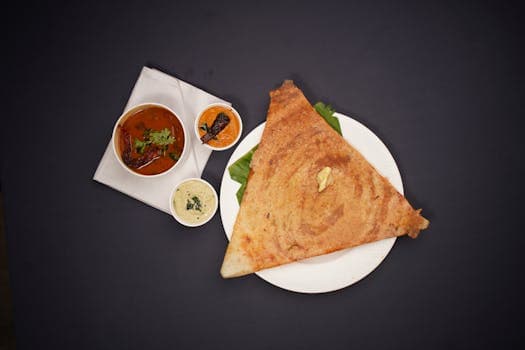
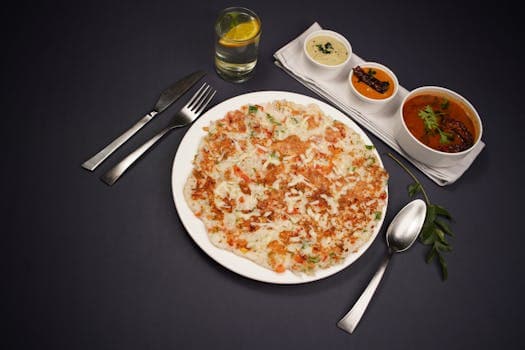
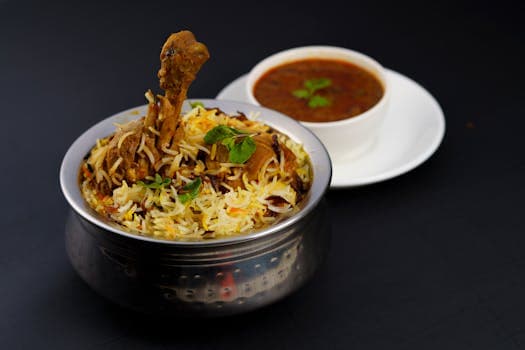
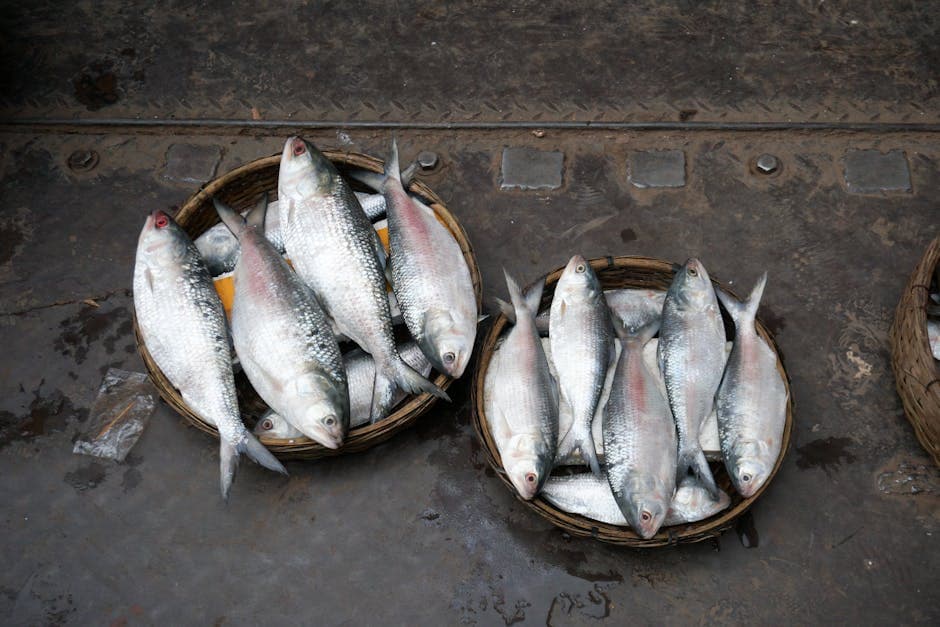
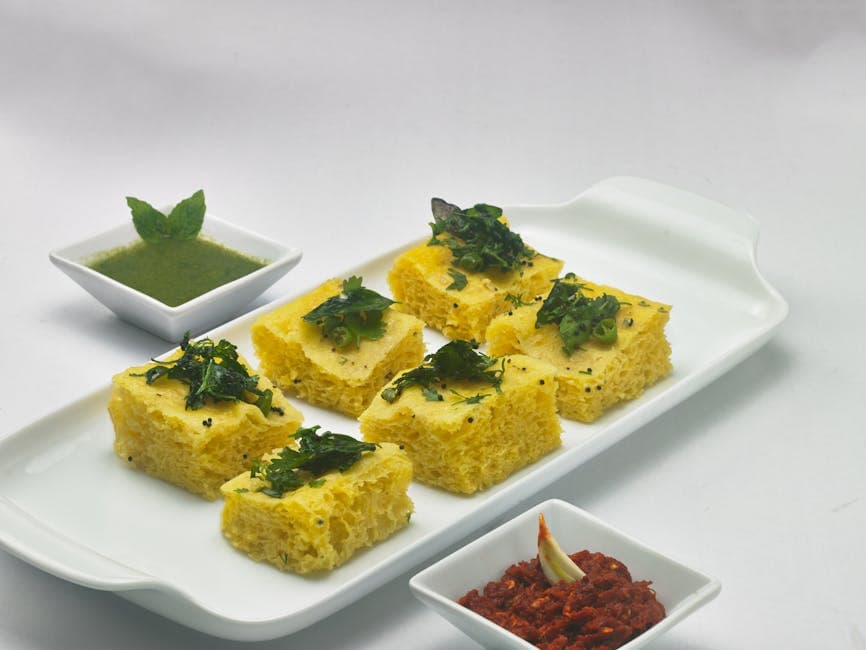
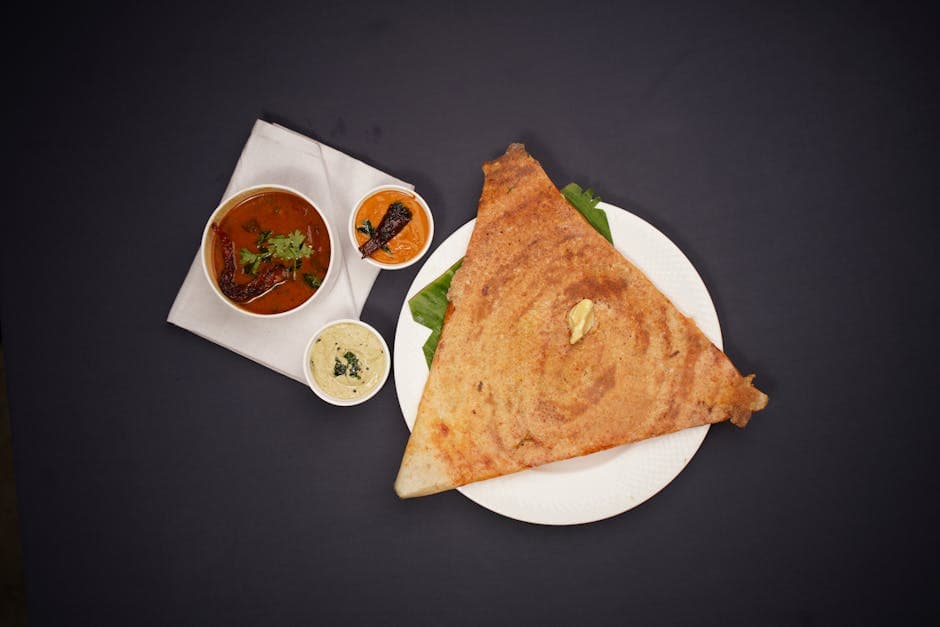
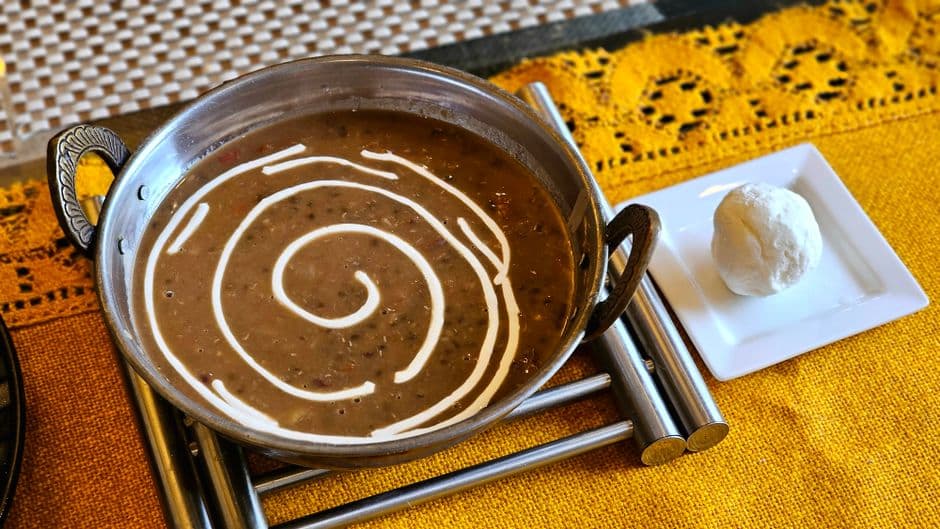
Regional variation is extreme. The wheat-growing north favors tandoor breads like naan and roti, dairy-rich gravies, and slow-cooked dals such as dal makhani. The rice-eating south builds meals around fermented batters — idli, dosa, uttapam — with coconut, curry leaves, tamarind, and mustard seeds tempered in oil. Bengal prizes freshwater fish and mustard, Gujarat balances sweet and savory in thali spreads, and Hyderabad layers saffron rice over marinated meat for dum biryani.
Home cooks rely on a stocked masala dabba — a round tin holding turmeric, red chili powder, coriander, cumin, and garam masala — and on technique rather than recipes. The tadka (tempering of spices in fat, poured over a finished dal) and bhuna (frying a masala until oil separates) are foundational skills. A pressure cooker handles lentils and tough cuts, while fresh ginger-garlic paste, onions, and tomatoes form the base of most everyday gravies.
Masala and Tempering (Tadka)
Whole and ground spices are bloomed in hot ghee or oil to release fat-soluble aromatics, the single most important Indian technique.
Dal and Legumes
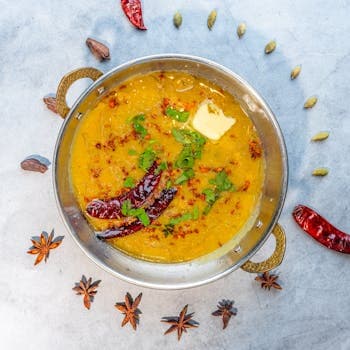
Lentils, chickpeas, and beans — toor, moong, chana, urad — anchor daily meals and supply protein in largely vegetarian diets.
Flatbreads
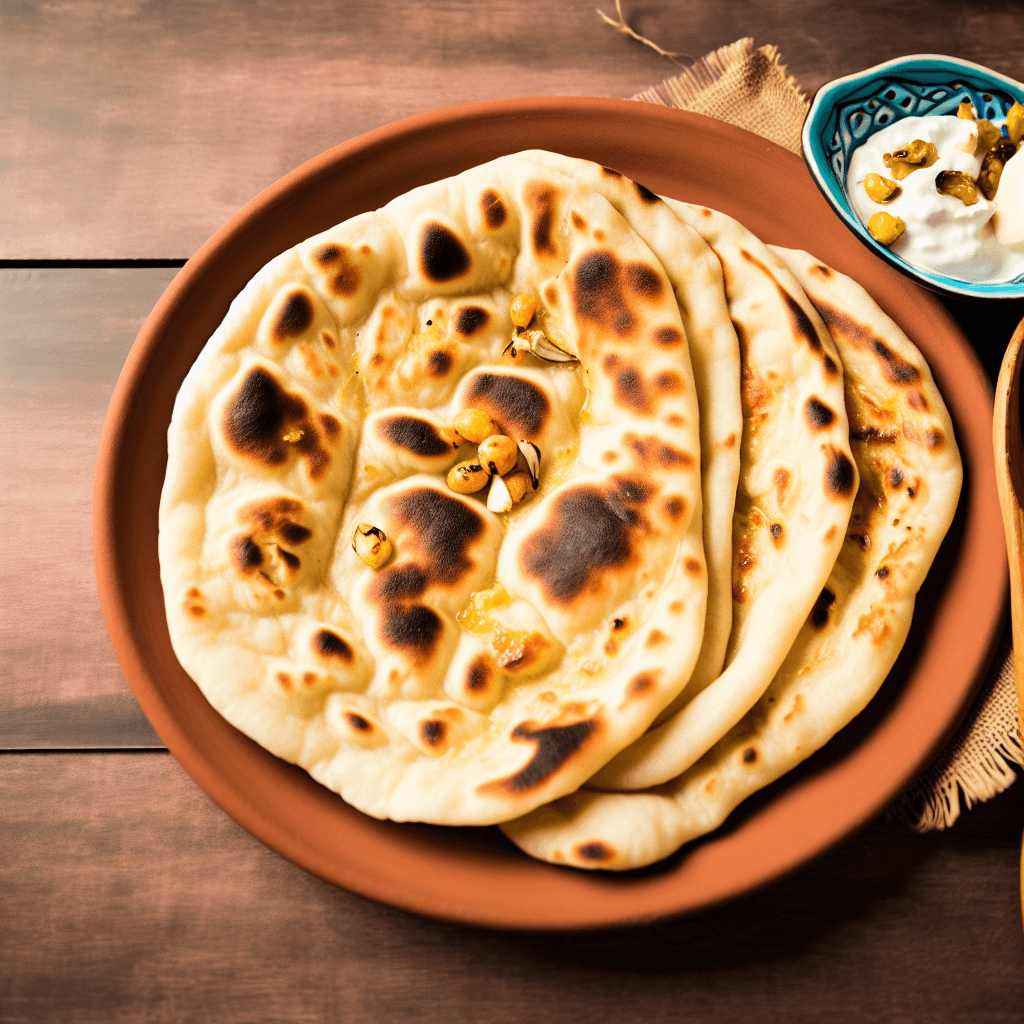
Roti, naan, paratha, and dosa vary by region and grain, from griddle-cooked whole wheat to fermented rice-lentil crepes.
Tandoor Cooking
The clay tandoor reaches around 480°C, charring naan and yogurt-marinated meats like tandoori chicken in minutes.
Rice Dishes
Basmati stars in biryani and pulao, while South India transforms rice into idli, dosa, and tamarind or lemon rice.
Dairy: Ghee, Paneer, Yogurt
Clarified butter carries spices, fresh paneer absorbs gravies, and yogurt tenderizes marinades and cools dishes as raita.
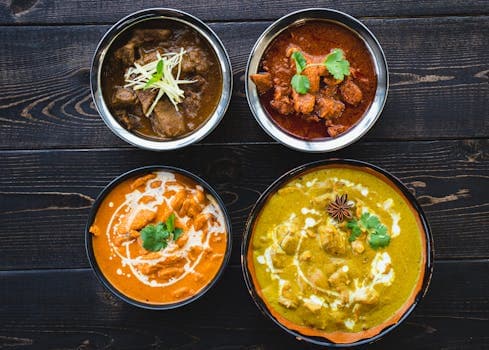
Indian cuisine is known for its layered use of spices — cumin, coriander, turmeric, cardamom, and garam masala blends — and for dish families like curries, biryanis, dals, and tandoor breads. It has one of the world's strongest vegetarian traditions, regional styles that differ dramatically between north and south, and techniques like tempering spices in hot fat that define its flavor.
No. Heat varies widely by region and dish. Andhra and Goan cooking can be intensely hot, but northern dishes like korma, butter chicken, and dal makhani are mild and creamy. Many dishes are aromatic rather than hot — spiced with cardamom, cinnamon, and fennel. Most recipes let you scale chili up or down without affecting the core flavor.
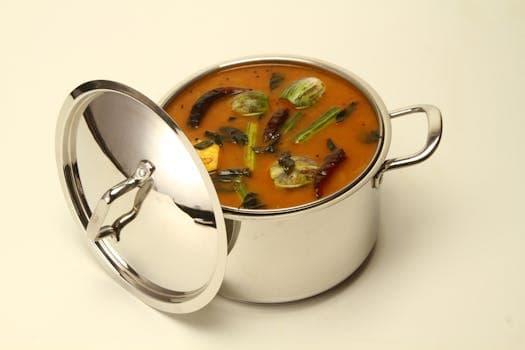
North Indian food centers on wheat breads (naan, roti), dairy-based gravies, and tandoor cooking, with Persian-influenced dishes like biryani. South Indian food is rice-based, featuring fermented batters (dosa, idli), coconut, tamarind, curry leaves, and lighter, often hotter sambar and rasam. The south also uses more mustard seed tempering and less cream.
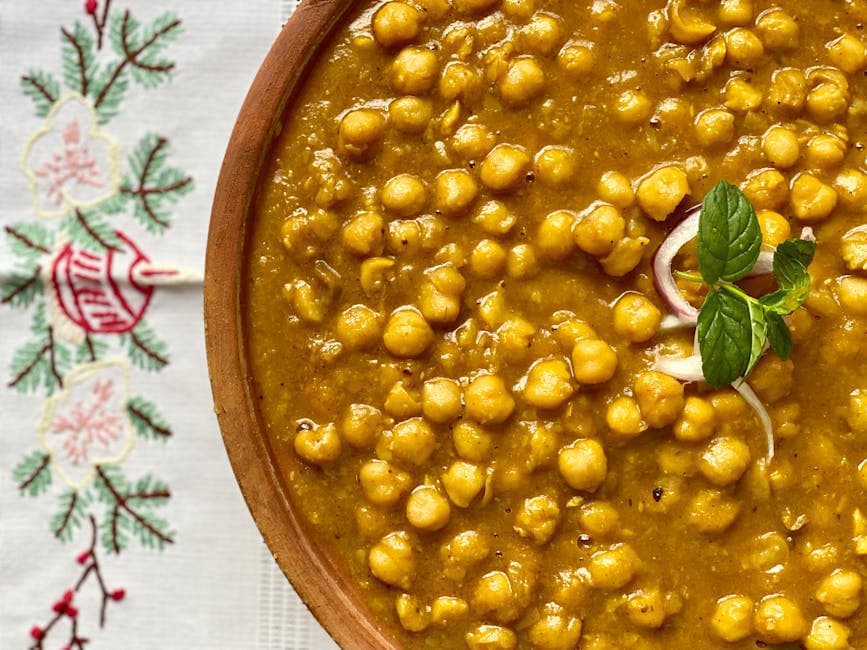
Start with dal tadka — lentils simmered then finished with spice-infused ghee — or chana masala, a chickpea curry built on onion, tomato, ginger, and garlic. Jeera rice and simple chicken curry teach the bhuna technique of frying masala. These need only common pantry spices and forgive imprecision better than biryani or dosa.
Six spices cover most recipes: cumin seeds, ground coriander, turmeric, red chili powder, garam masala, and black mustard seeds. Add whole cardamom, cinnamon, cloves, and curry leaves as you expand. Fresh ginger, garlic, green chilies, and cilantro handle the aromatics. Ghee or a neutral oil for tempering completes the foundation.
Calculators and converters that pair with this page — no signup needed.