
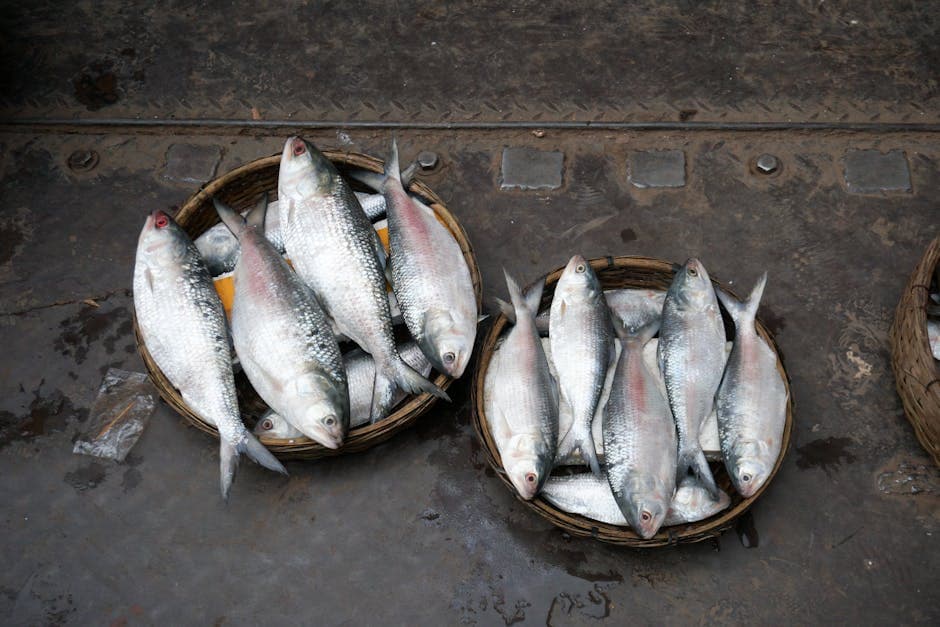
Shorshe Ilish (Bengali Hilsa in Mustard)
Bengal's prized hilsa fish poached in fiery yellow-mustard gravy with green chili and turmeric — eaten over white rice in monsoon season.
About This Recipe
Shorshe Ilish is the most celebrated dish in Bengali cooking, eaten on both sides of the border to mark monsoon, Pohela Boishakh, and Saraswati Puja. Hilsa (ilish), the silver river fish prized above all others, is bathed in a paste of yellow and brown mustard seeds, green chili, and turmeric, then briefly steamed or simmered in mustard oil until just cooked through — the flesh should still tremble. The dish is fiercely simple: five core ingredients, fifteen minutes of cooking, and decades of grandmotherly judgment about how much chili the mustard can carry before turning bitter. Served with a mound of steamed gobindobhog rice and a wedge of lemon, it is a once-a-week ritual across Kolkata and Dhaka households.
Ingredients
Serves 4
- 6 steakshilsa (ilish), bone-in, 2 cm thick (substitute: shad or oily mackerel)
- 3 tbspyellow mustard seeds
- 1 tbspbrown mustard seeds
- 4green chilies, plus 2 whole for garnish
- 1 tspsalt
- 1 tspground turmeric, plus 0.5 tsp to rub fish
- 5 tbspcold-pressed mustard oil
- 300 mlwarm water
- 0.5 tspsugar (optional, to round the mustard)
Instructions
- 1
Soak the seeds
Soak both kinds of mustard seeds together in 100 ml warm water for 15 minutes — this softens them and reduces bitterness.
- 2
Rub the fish
Pat hilsa steaks dry. Rub with 0.5 tsp turmeric and a pinch of salt. Rest 10 minutes.
- 3
Make mustard paste
Drain seeds. Grind with green chilies and salt in a small grinder or mortar, adding 2–3 tbsp water, into a smooth pale-yellow paste. Strain through a fine sieve if you want maximum smoothness.
Don't over-grind hot — friction heats the mustard and makes it bitter. Pulse, rest, pulse.
- 4
Bloom mustard oil
Heat mustard oil in a wide pan over medium-high until it just starts to smoke — this kills its raw pungency. Reduce heat to medium.
- 5
Sear fish lightly
Slip fish into the hot oil for 30 seconds per side, just to firm — do not brown. Lift out and set aside.
- 6
Combine
Lower heat. Whisk mustard paste, turmeric, sugar, and warm water into the pan. Bring to a gentle simmer for 2 minutes.
- 7
Poach the fish
Slide fish back in. Add the 2 whole green chilies. Simmer uncovered 5–6 minutes, basting gently, until fish is just cooked through. Do not stir — Bengali cooks tilt the pan instead.
- 8
Rest and serve
Drizzle a teaspoon of raw mustard oil over the top. Cover and rest 3 minutes. Serve hot over steamed gobindobhog or basmati rice.
Did you make this?
Rate it and help other cooks find the recipes that actually work.
One tap to sign in, and we'll save the rating you just picked.
Everything you need to plan your week — free
- Meal calendar
- Grocery list
- AI recipe ideas
Track what you eat
Snap your meal to log calories and macros, run fasting timers and track water in the free SnapCal app.
Pro Tips
- →
Always use cold-pressed mustard oil (kachi ghani) — refined mustard oil is flavorless and a different ingredient entirely.
- →
Sieve the ground mustard paste — even a few unground seeds will make the gravy bitter.
- →
Frozen hilsa works well; thaw slowly in the fridge overnight to keep the delicate flesh intact.
- →
The dish should taste sharp and slightly sweet, never harshly bitter. If bitter, your mustard was over-ground or under-soaked.
Variations
- •
Bhapa ilish: same paste, steamed in a sealed container over rice in the same pot.
- •
Add a tablespoon of grated coconut to the paste for a Dhaka-style version.
- •
Some Bangladeshi cooks add poppy seeds (posto) to round the mustard's edge.
Storage
Best eaten the day it's made. Refrigerate up to 24 hours; reheat very gently in a covered pan with a splash of water. Mustard gravy turns sour if left longer.
History & Origin
Hilsa is documented in Bengali literature for over 500 years and considered the queen of fish in both West Bengal and Bangladesh. Shorshe ilish in its modern mustard-paste form is recorded in 19th-century Bengali cookbooks like Pak-Pranali and has been the centerpiece of monsoon-season meals across the delta region.
Frequently Asked Questions
Can I use a different fish?
Hilsa's oily, sweet flesh is what makes the dish; the closest substitutes are American shad, oily mackerel, or pomfret. Salmon works as a last resort but is much less authentic.
Why is my mustard gravy bitter?
Three usual causes: insufficient soaking, over-grinding (which heats the seeds), or skipping the strain. Use a fine-mesh sieve and add a pinch of sugar to round it.
What rice goes with this?
Bengali gobindobhog or kala bhog rice are traditional. Basmati works fine; avoid sticky short-grain rices, which mute the gravy.
Is the mustard oil safe to eat?
Cold-pressed mustard oil is legal and traditional in South Asia and many other places; in the US it's sold for 'external use only' due to FDA regulations but is widely cooked with in Indian and Bangladeshi homes. Always heat to smoking point before adding ingredients.
Nutrition Facts
Per serving (360g / 12.7 oz) · 4 servings total
Time Summary
Have Questions?
Ask our AI cooking assistant anything about this recipe — substitutions, techniques, scaling.
Chat with AI Chef →Featured in Guides
This recipe is featured in the following curated guides:
More Indian Recipes
You Might Also Like
Similar dishes from other cuisines around the world.
Free Kitchen Tools
Calculators and converters that pair with this page — no signup needed.
Put This Into a Plan
Schedule it, shop for it, and track what you already have.
Read Next
Longer reads that go deeper on the ideas behind this dish.
Community
Join the conversation
Sign in to leave a comment and save your favourite recipes