TrendingDinner
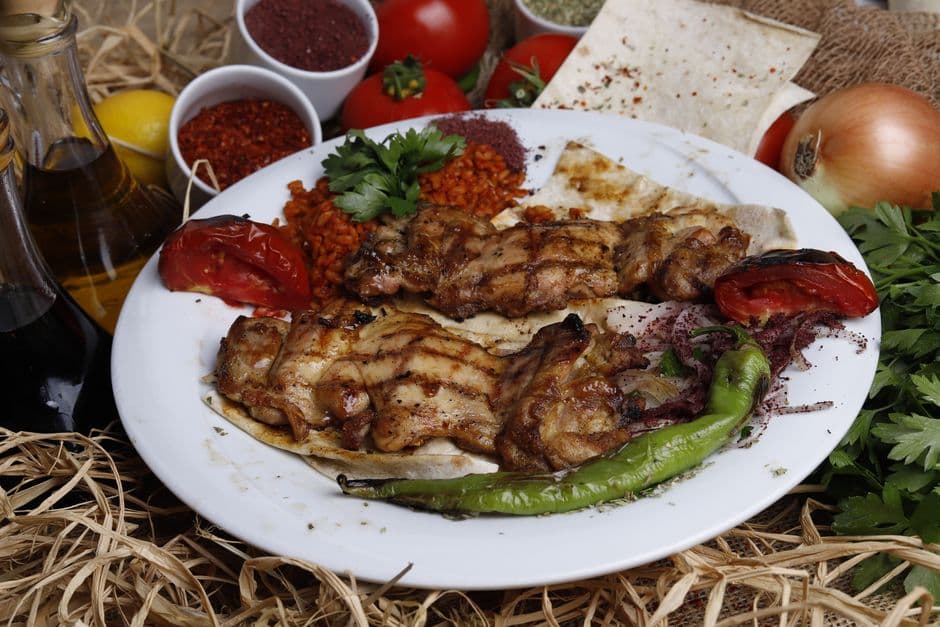
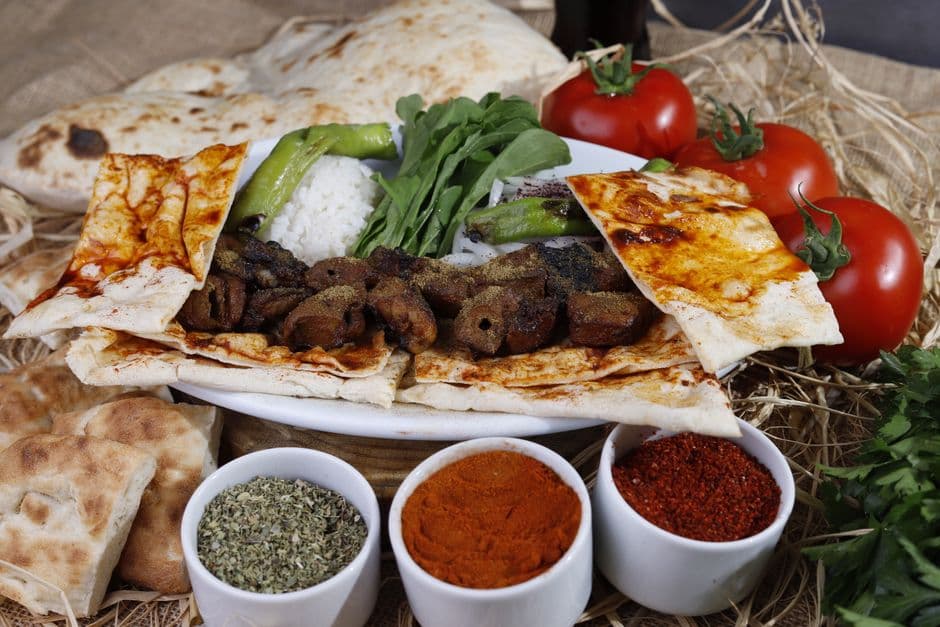
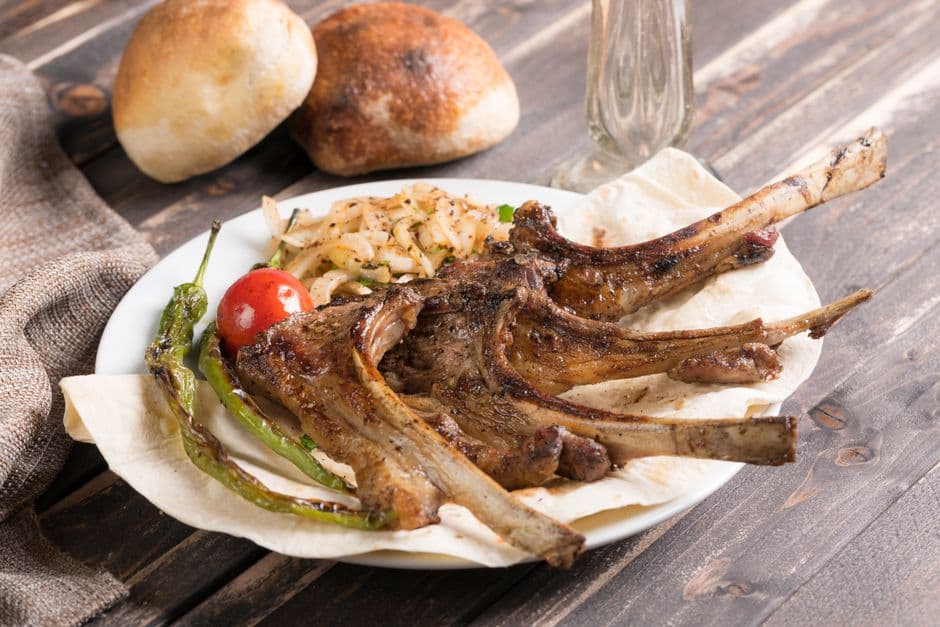
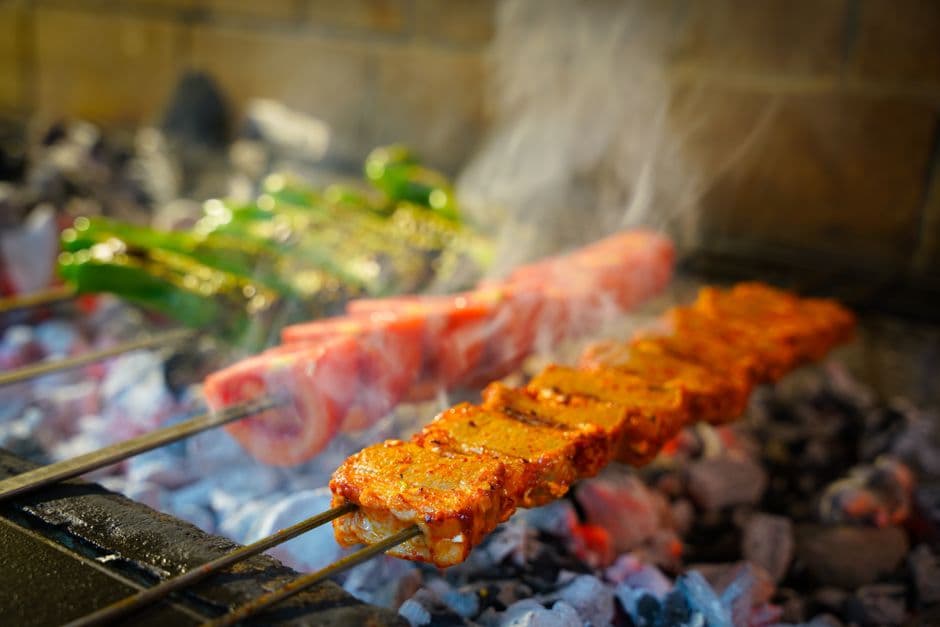
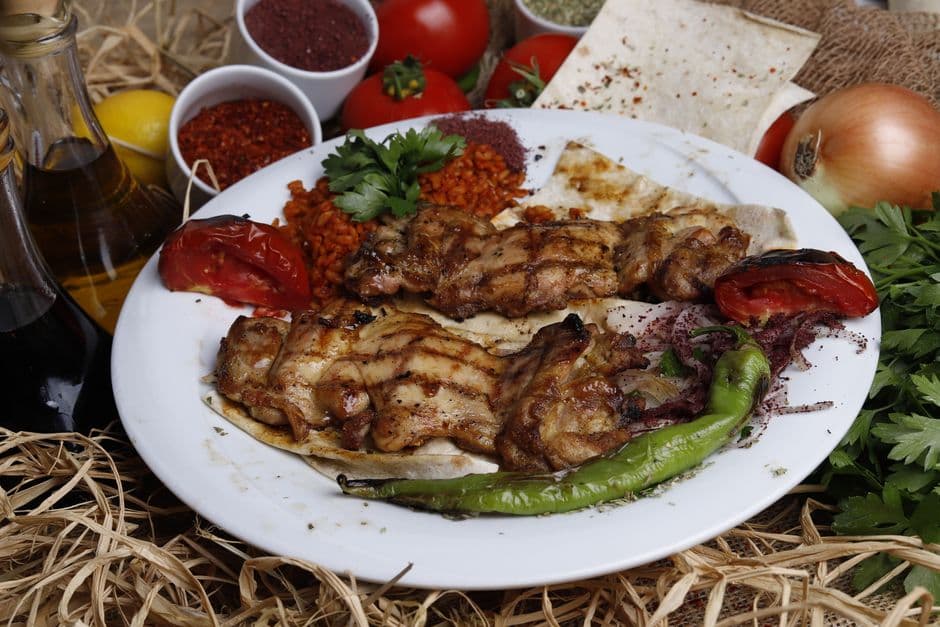
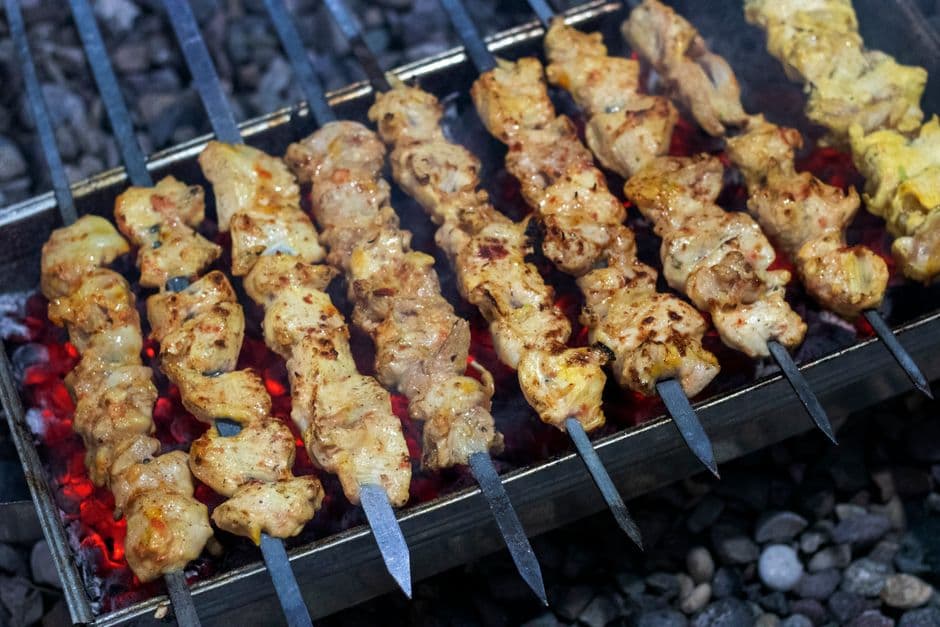
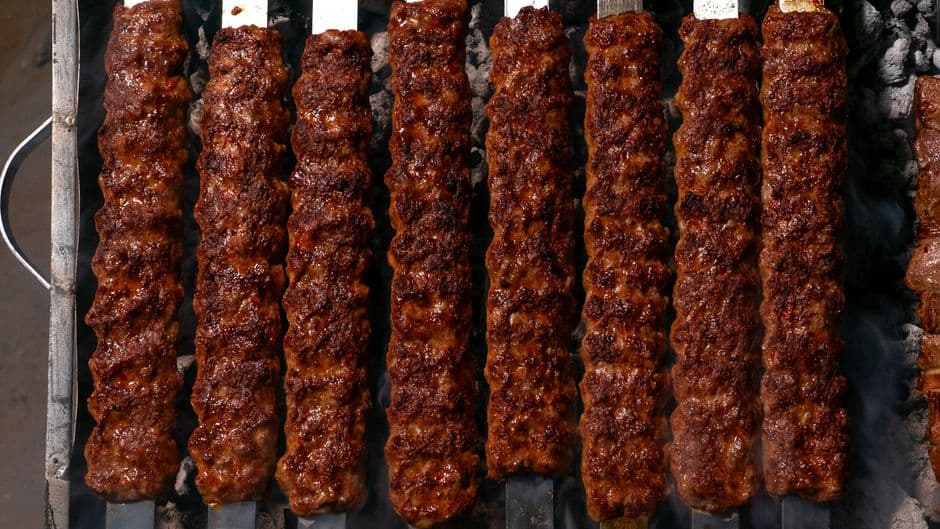
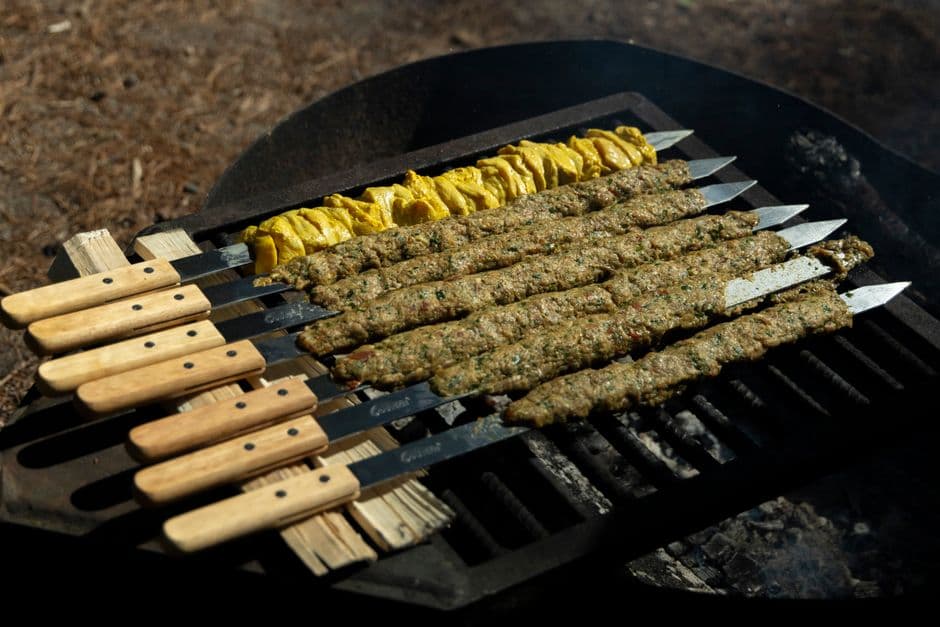
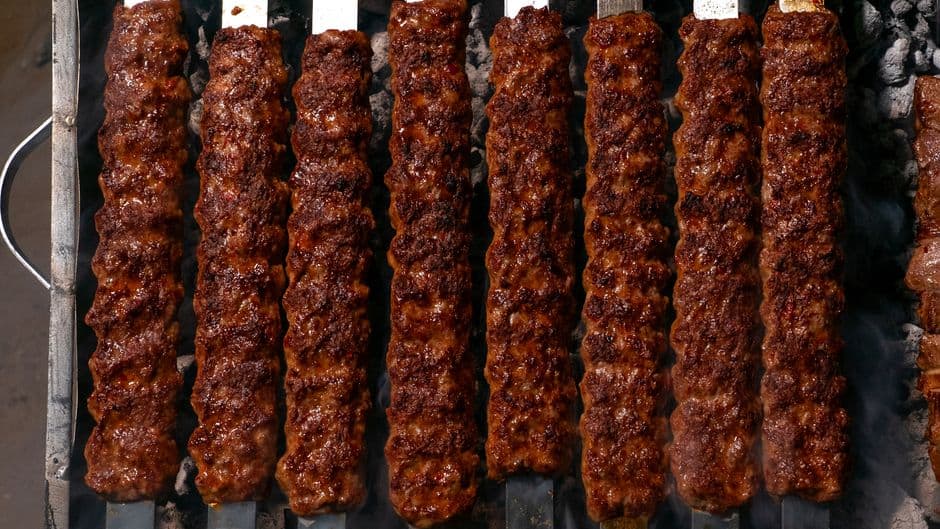
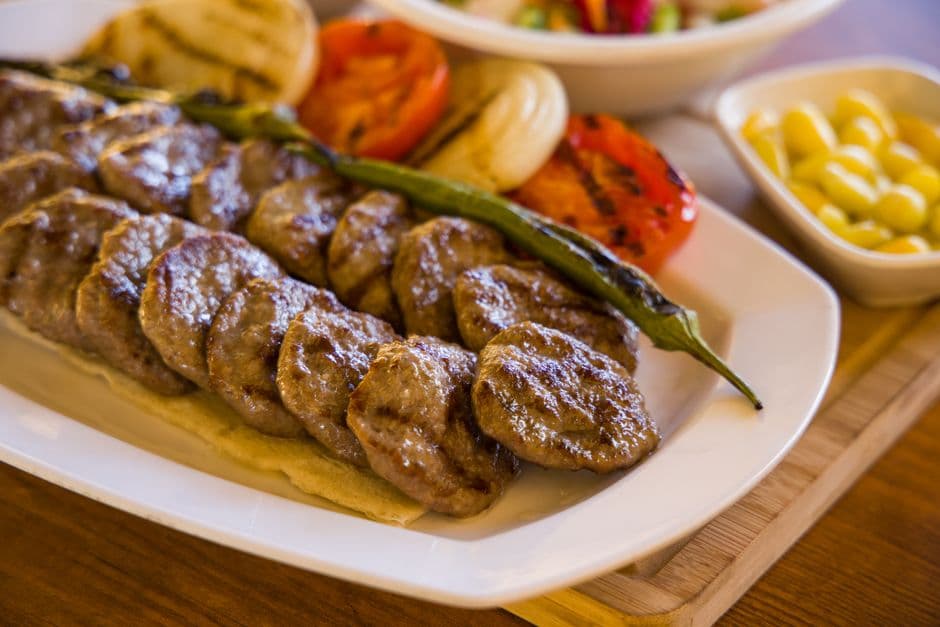
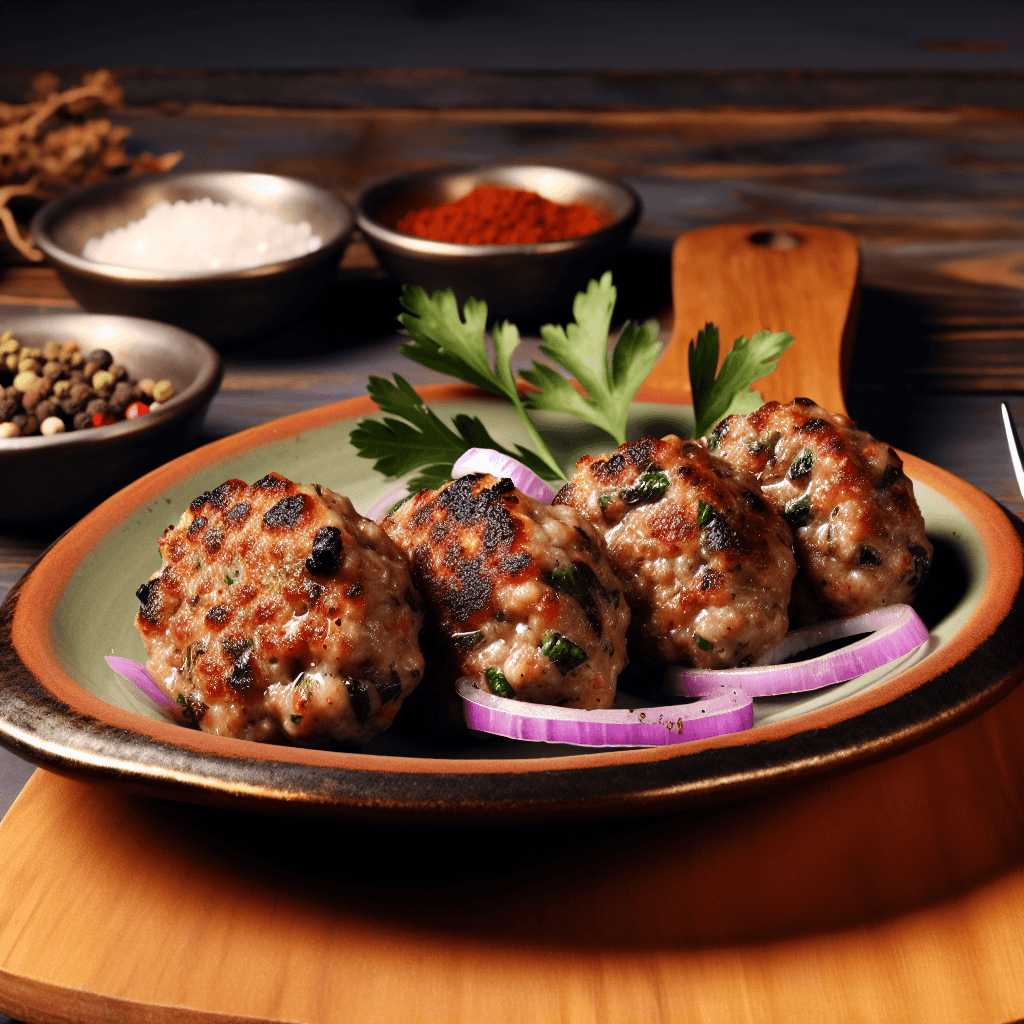
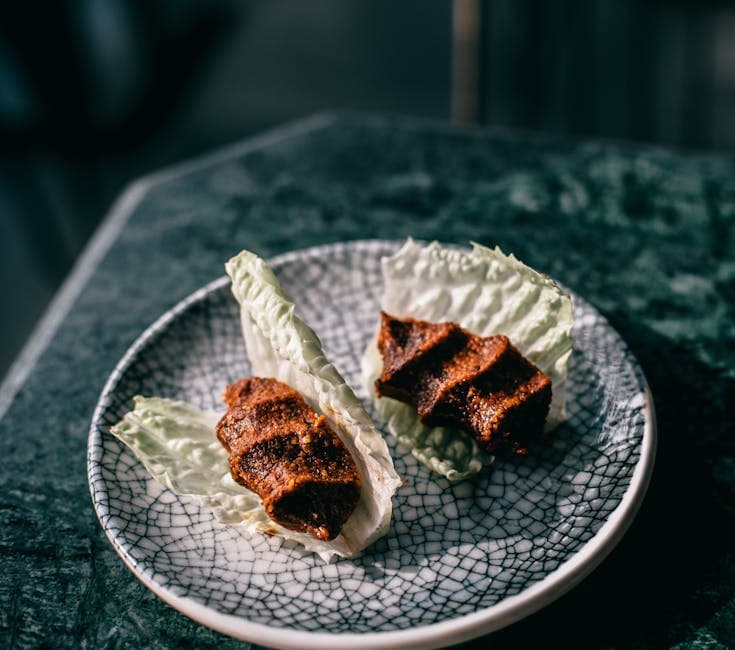
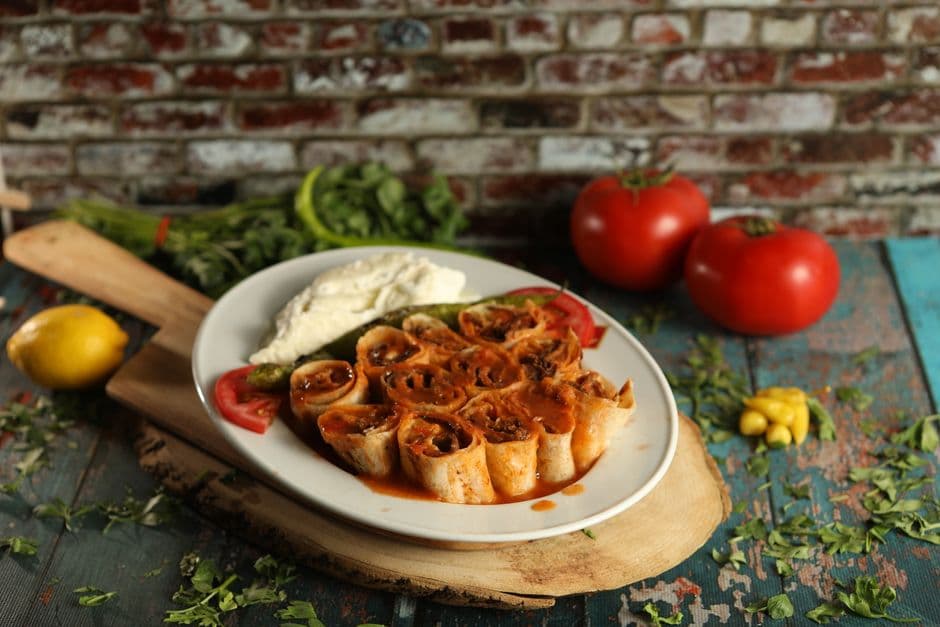
Spicy Adana Kebab
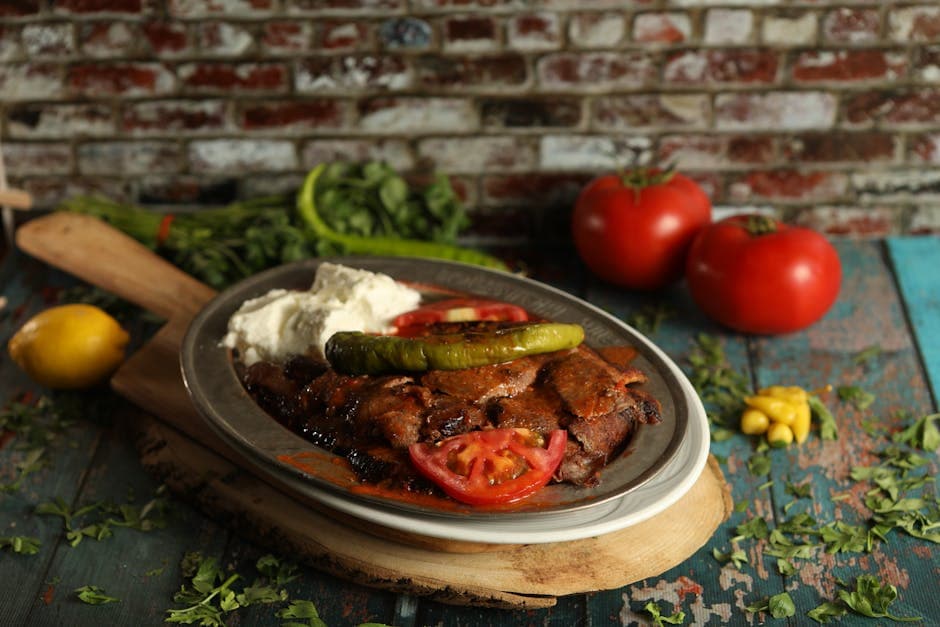
Hand-minced lamb and beef kebab seasoned with red chilli flakes and spices, grilled on flat skewers.
45 min580 kcalMedium
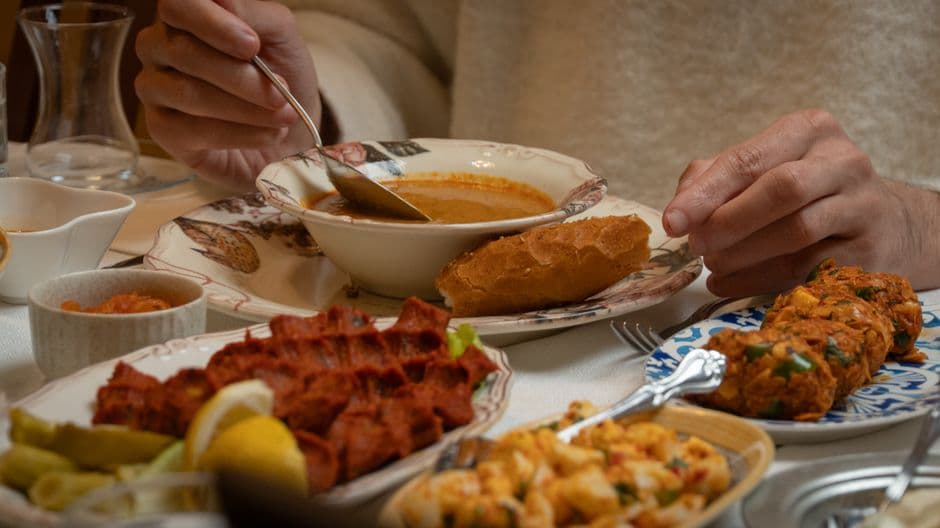
Kebabs, mezze, baklava and the richness of Anatolian cooking.
More recipes built around the same core ingredients.
Track what you eat
Snap your meal to log calories and macros, run fasting timers and track water in the free SnapCal app.
Plan your meals, track fasting and build your grocery list — free
MyCookingCalendar's dashboard runs right in your browser, no download needed.
Mediterranean Diet: Complete Recipe Guide & Benefits
Explore the Mediterranean diet with 50+ authentic recipes from Greece, Italy, Spain, and the Middle East. Learn the health benefits and how to cook Mediterranean at home.
Mediterranean Diet Meal Plan: 7 Days for Beginners
A 7-day Mediterranean diet meal plan for beginners: breakfast, lunch, dinner and snacks linked to tested recipes, one shopping list and daily macros.
15 Beginner-Friendly Recipes Anyone Can Cook
15 genuinely easy, well-rated recipes from around the world — no advanced technique, no specialty equipment, most done in 30 minutes or less.
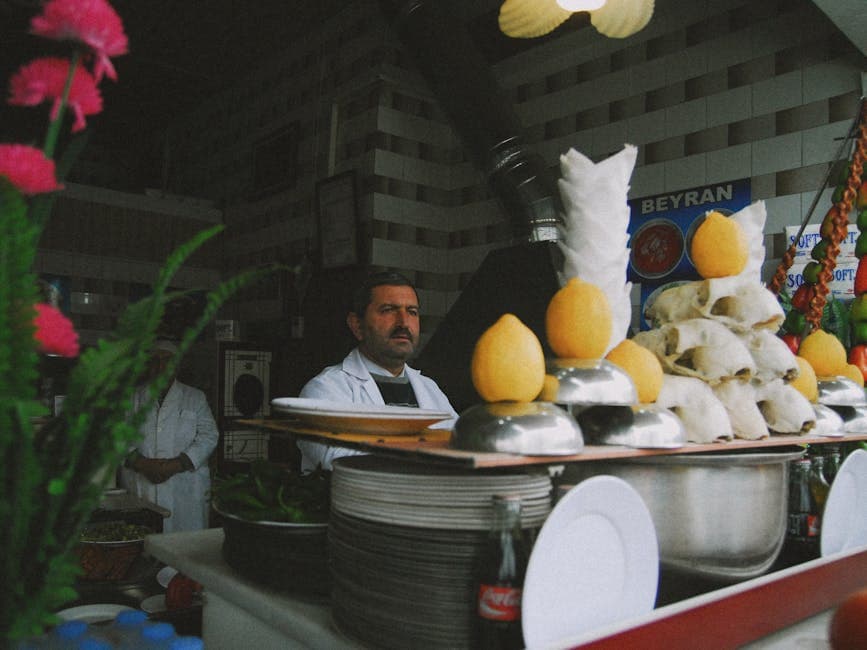
Turkish cuisine descends from the Ottoman palace kitchens at Topkapı, where hundreds of cooks in specialized guilds — soup makers, kebab masters, pastry chefs — refined dishes drawn from an empire spanning three continents. Layered onto that are Central Asian nomadic roots (yogurt, manti dumplings, cured pastırma) and Anatolia's position as the wheat belt of the ancient world, which explains the centrality of bread, bulgur, and the börek family of layered pastries.
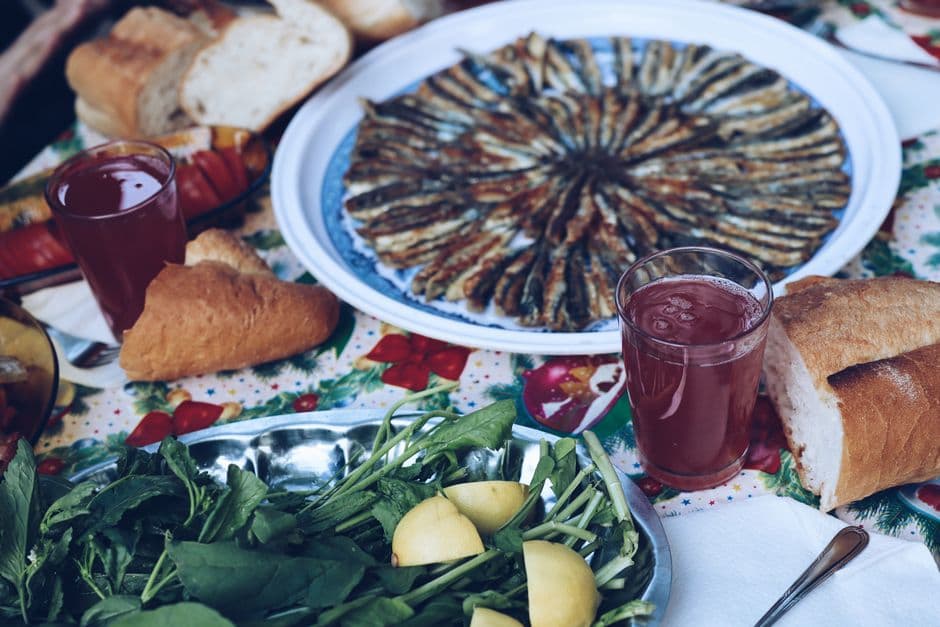
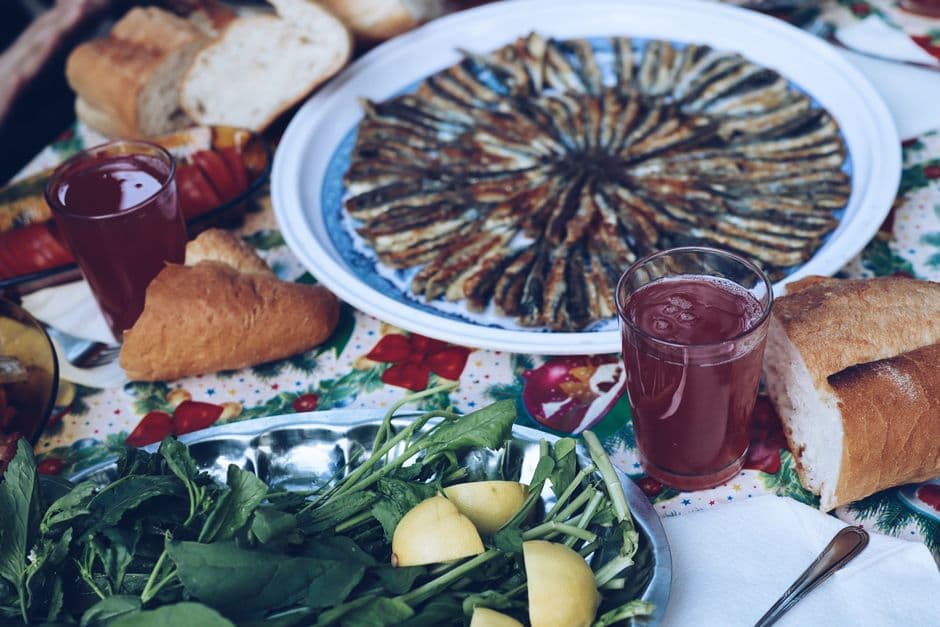
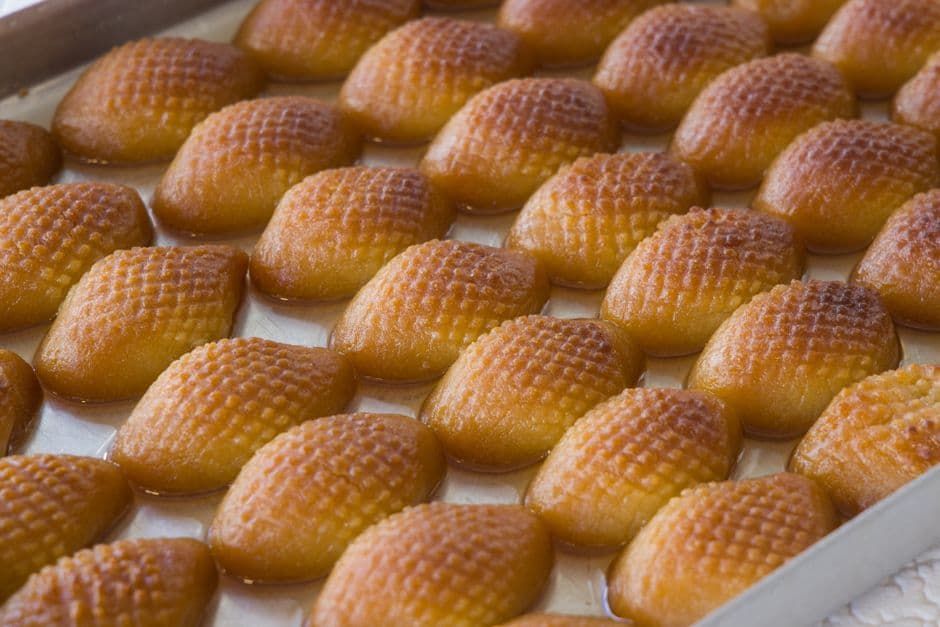
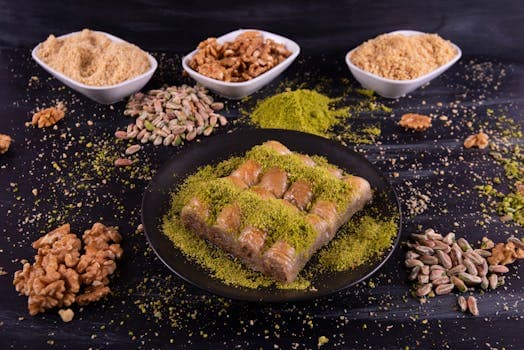
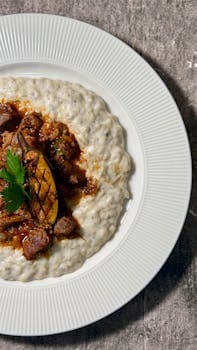
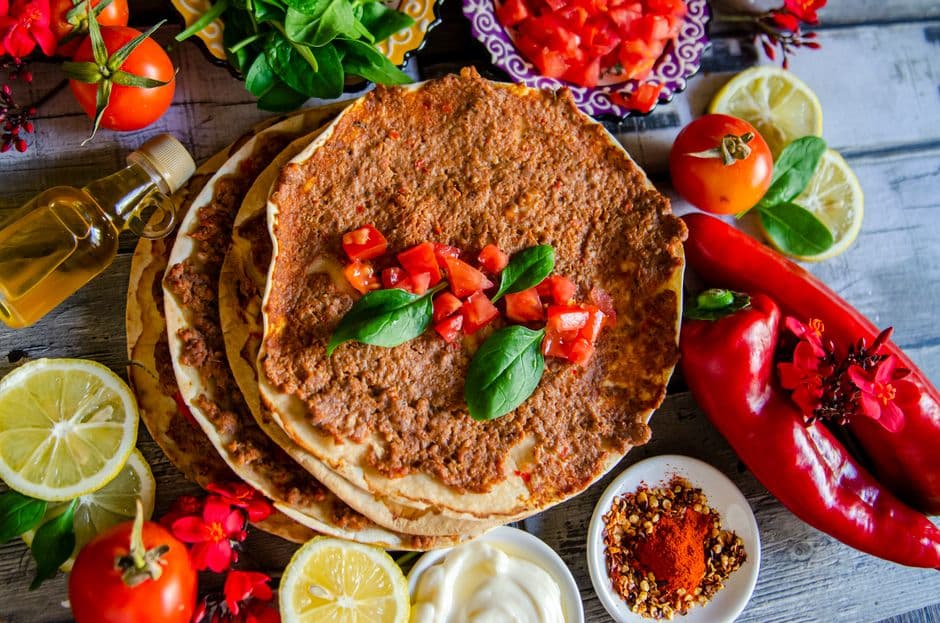
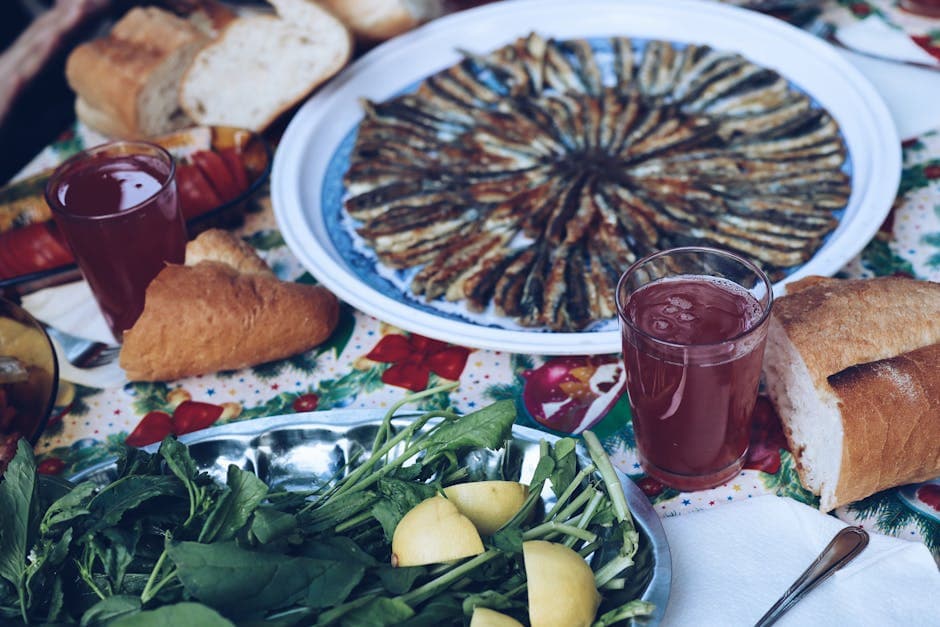
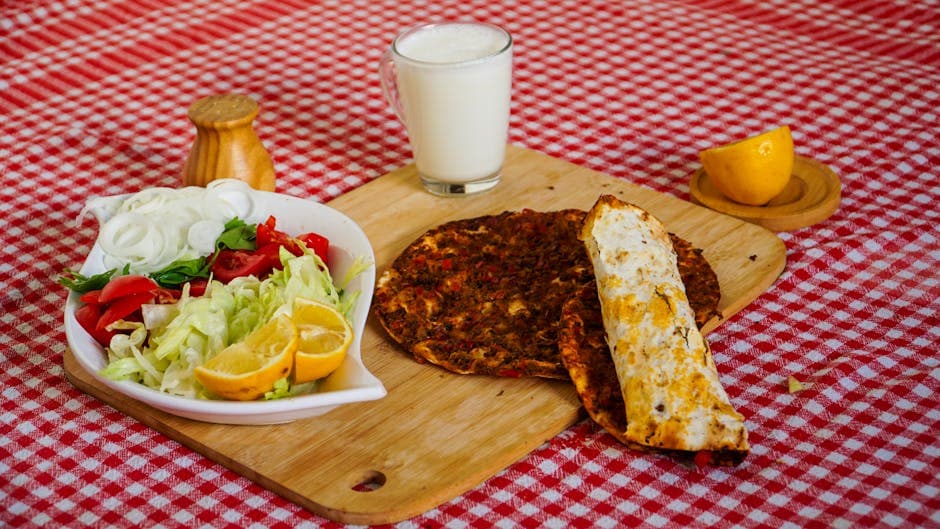
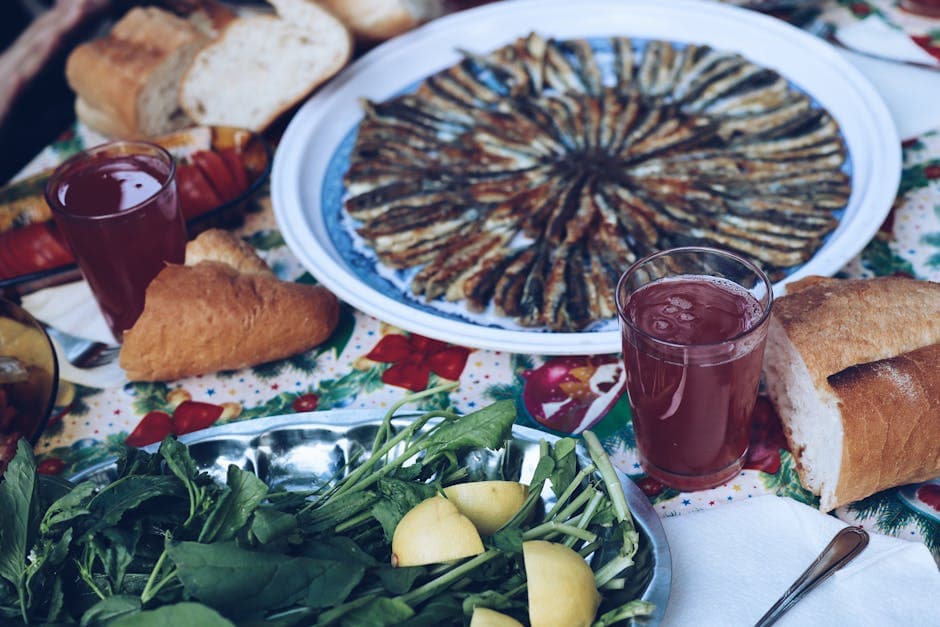
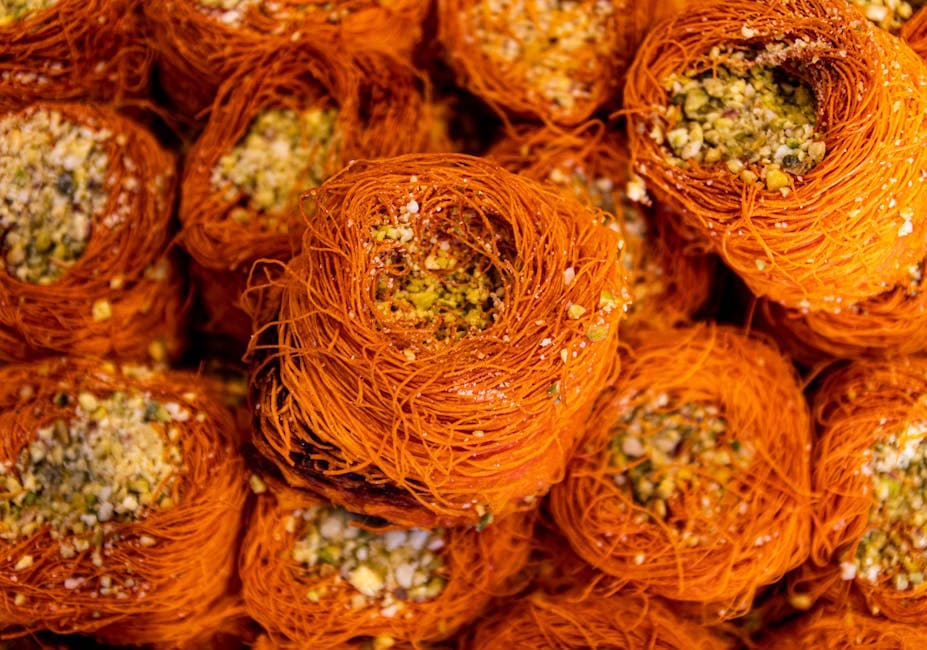
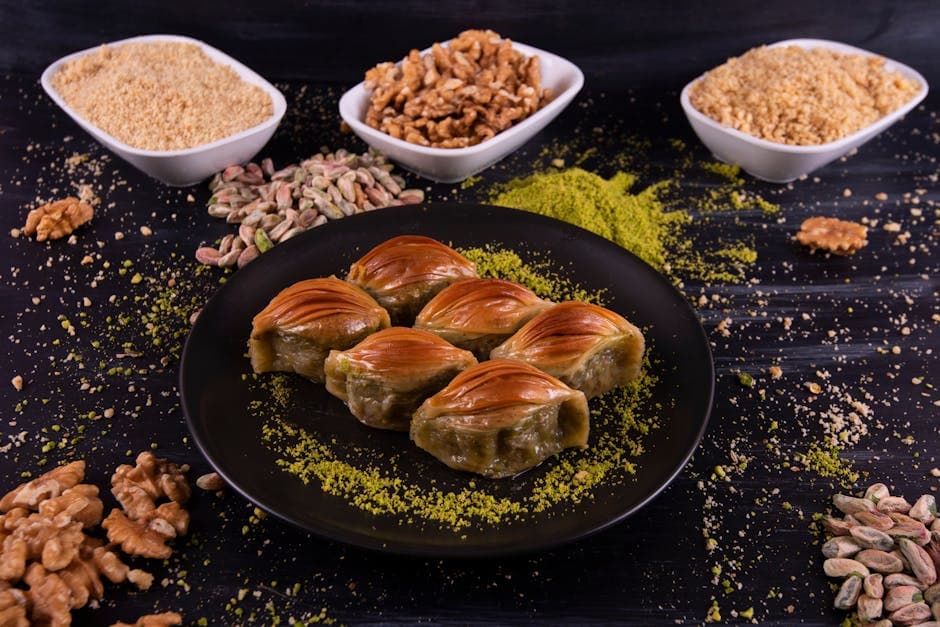
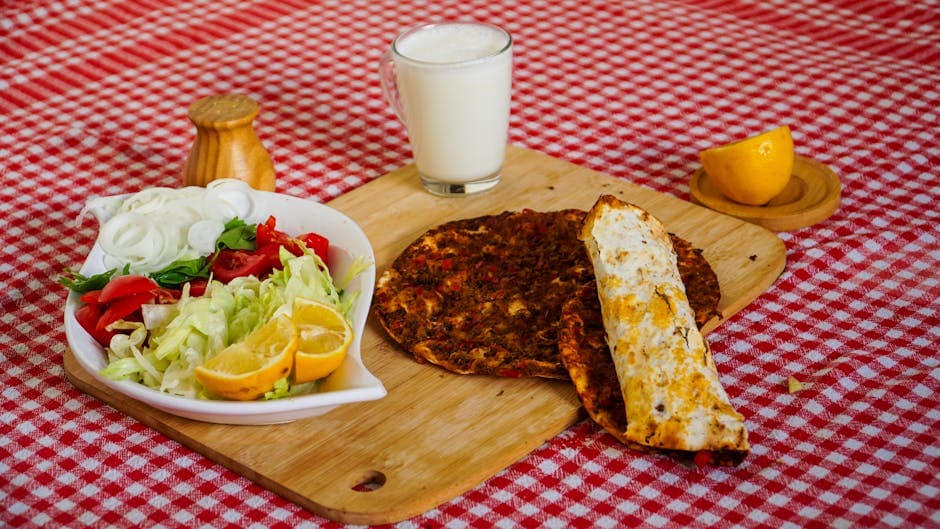
The regions diverge sharply. The Aegean coast cooks like its Greek neighbors — olive oil, wild greens, and zeytinyağlı vegetable dishes served at room temperature. The Black Sea lives on anchovies (hamsi), cornbread, and kale. The southeast around Gaziantep, a UNESCO Creative City of Gastronomy, is the heartland of kebab culture, Aleppo-pepper heat, lahmacun, and pistachio baklava made with razor-thin yufka. Central Anatolia contributes manti and testi kebab cooked in sealed clay pots.
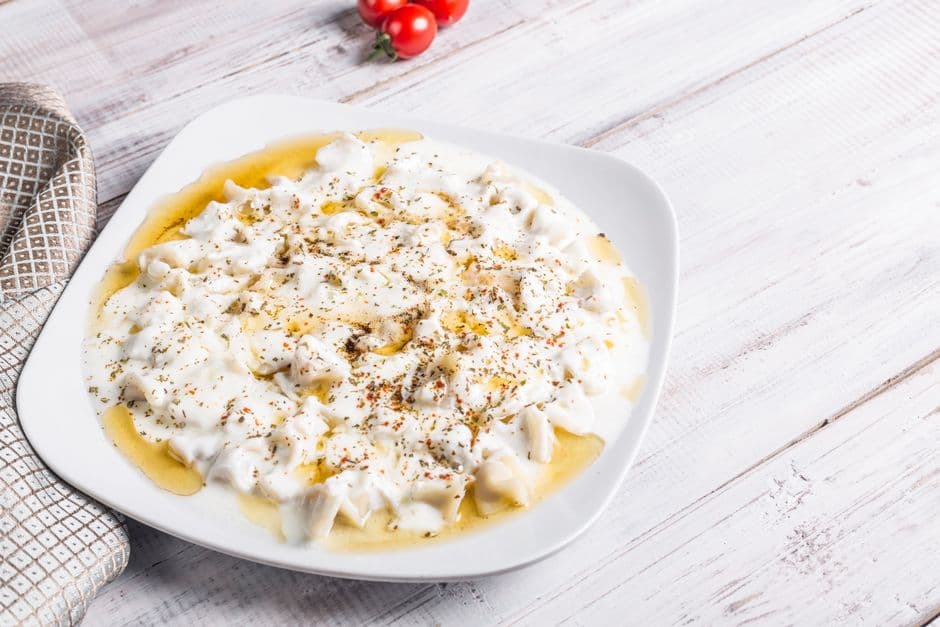
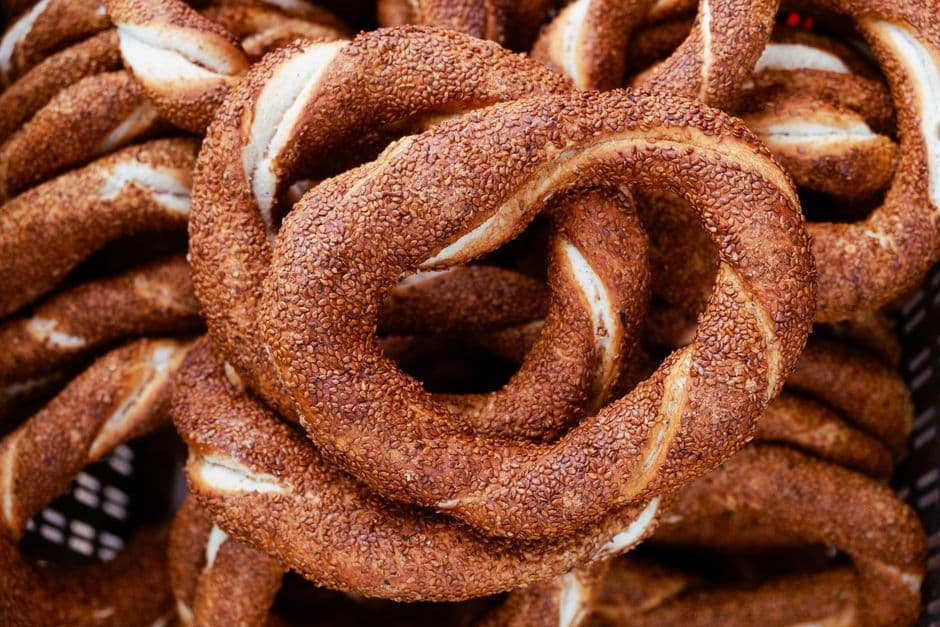
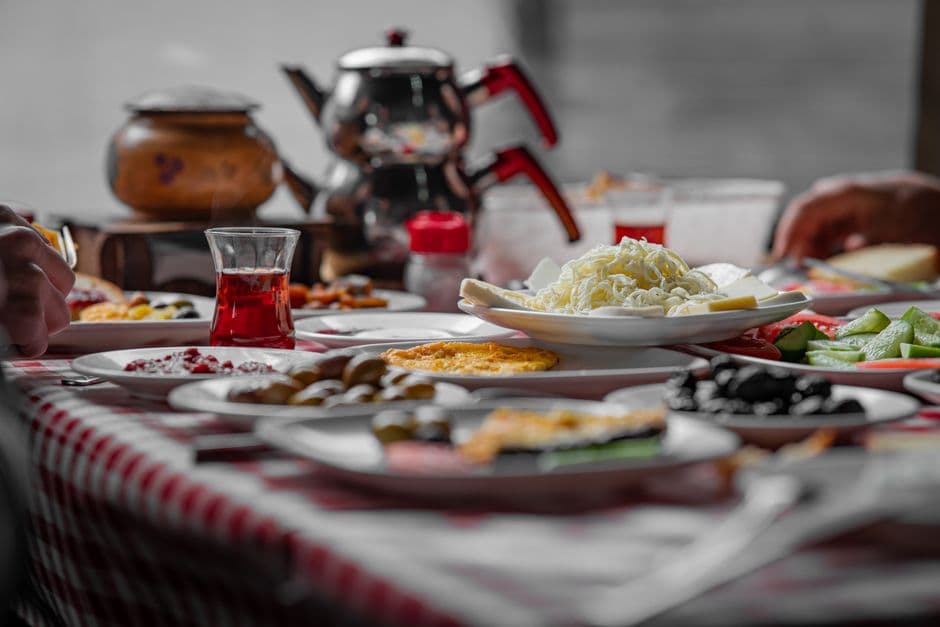
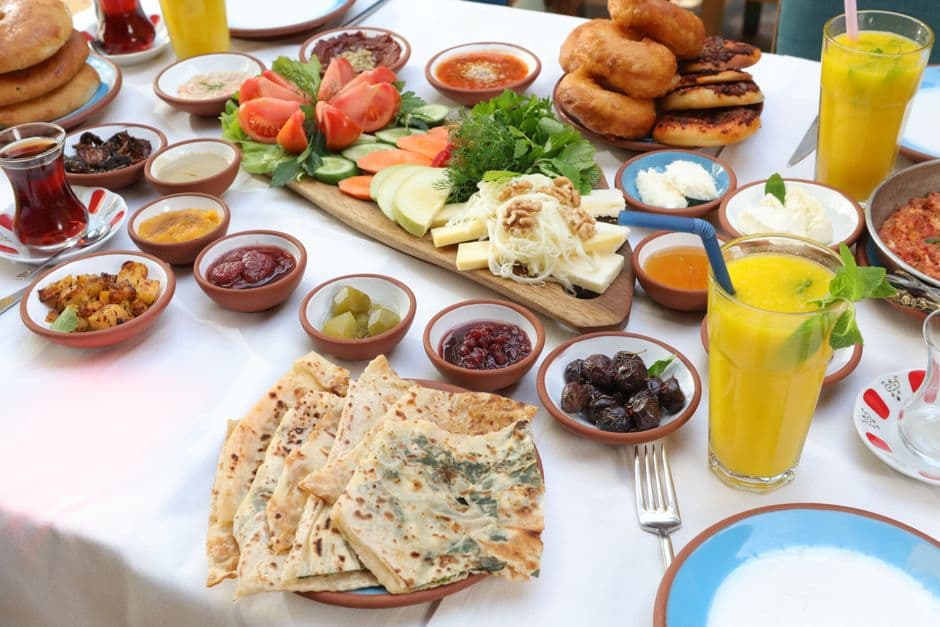
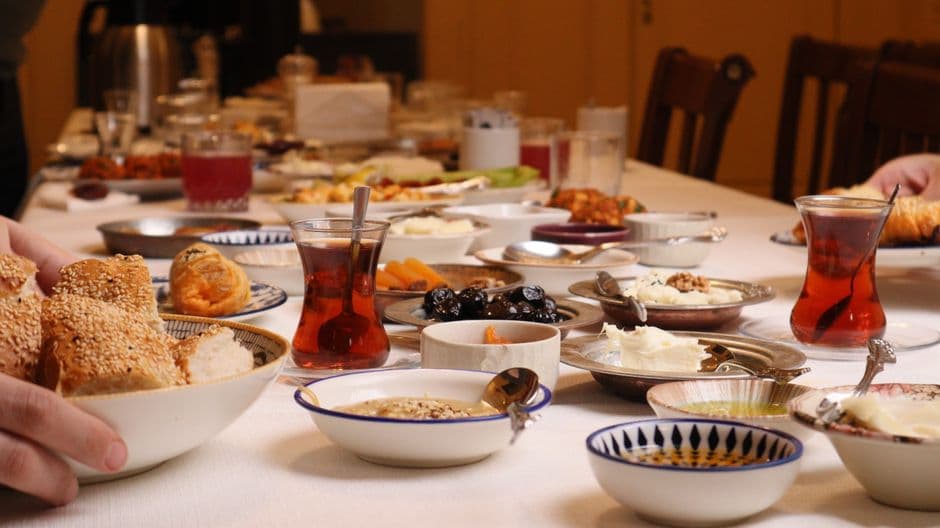
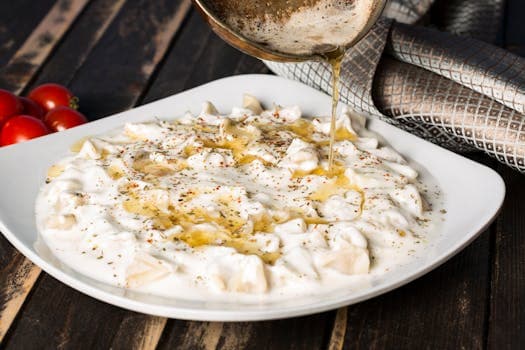
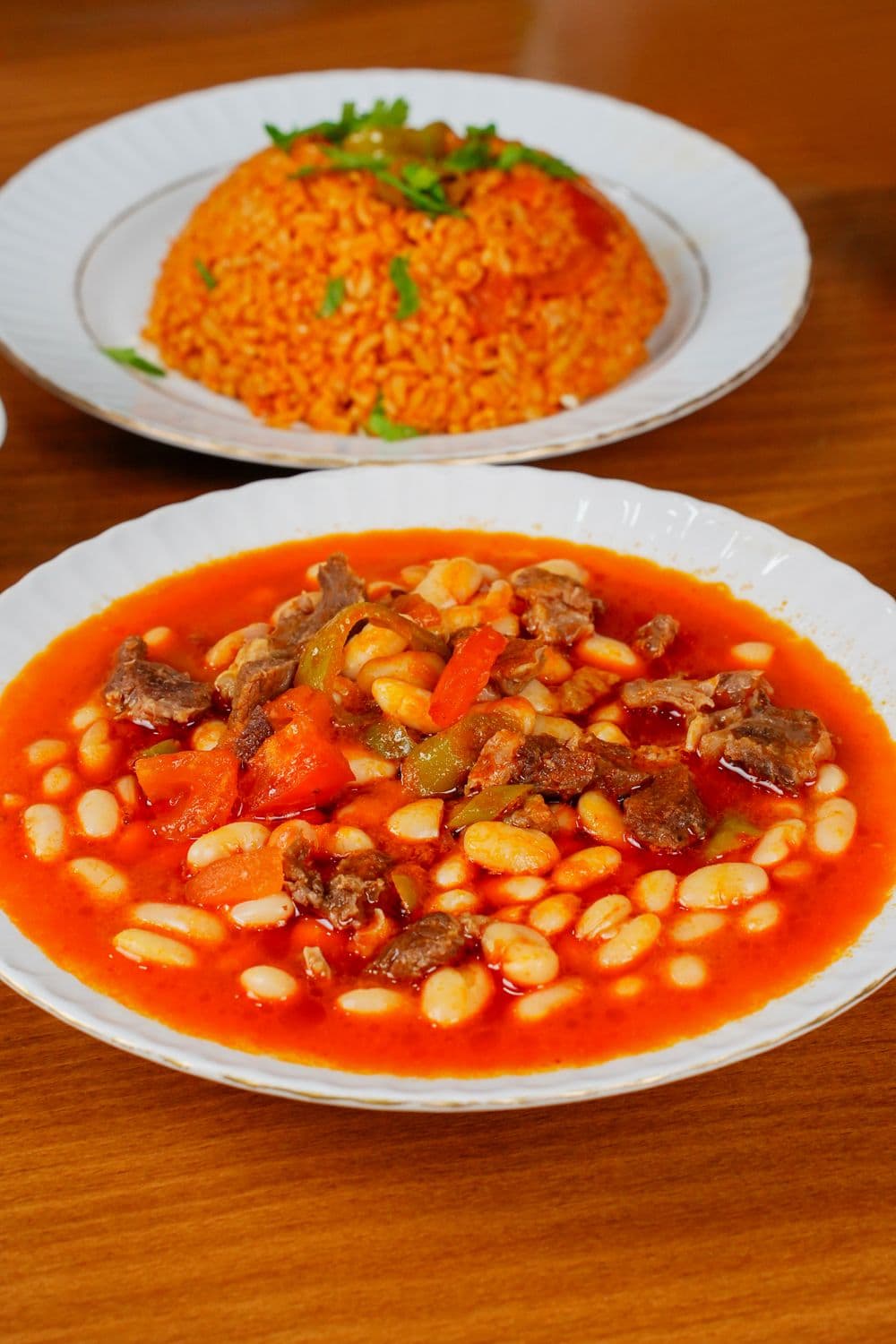
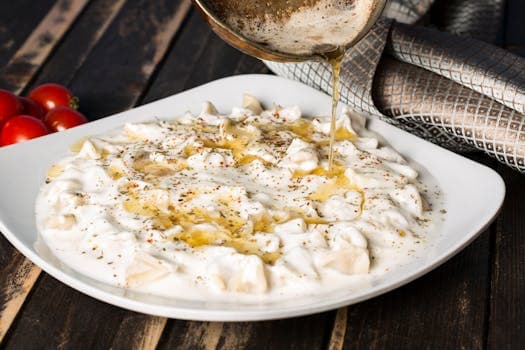
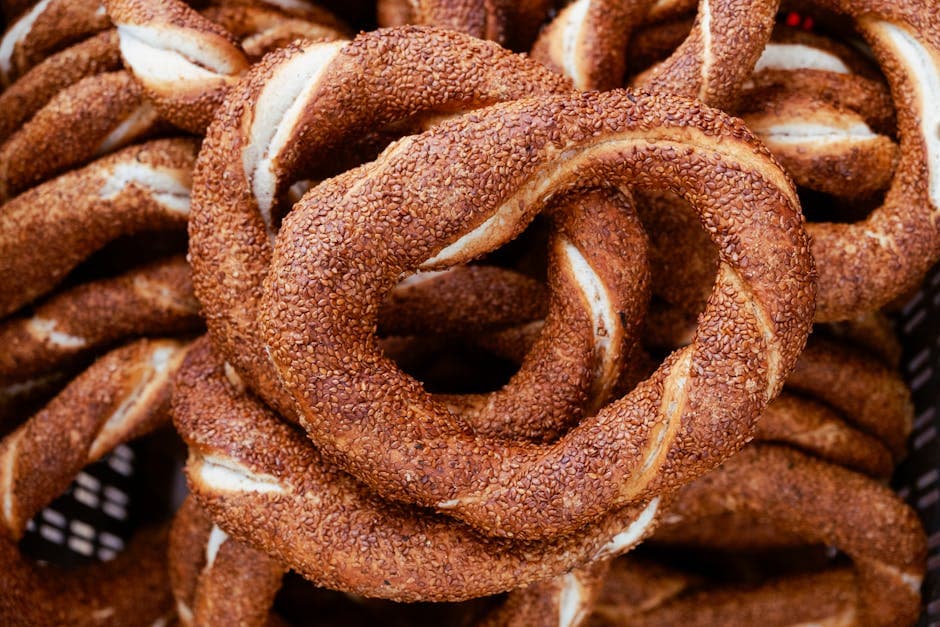
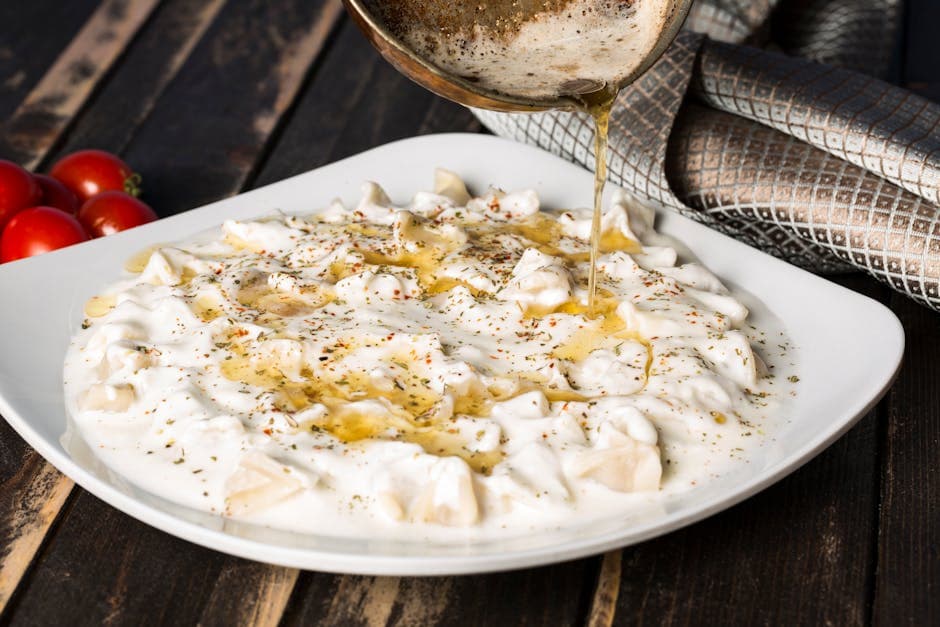
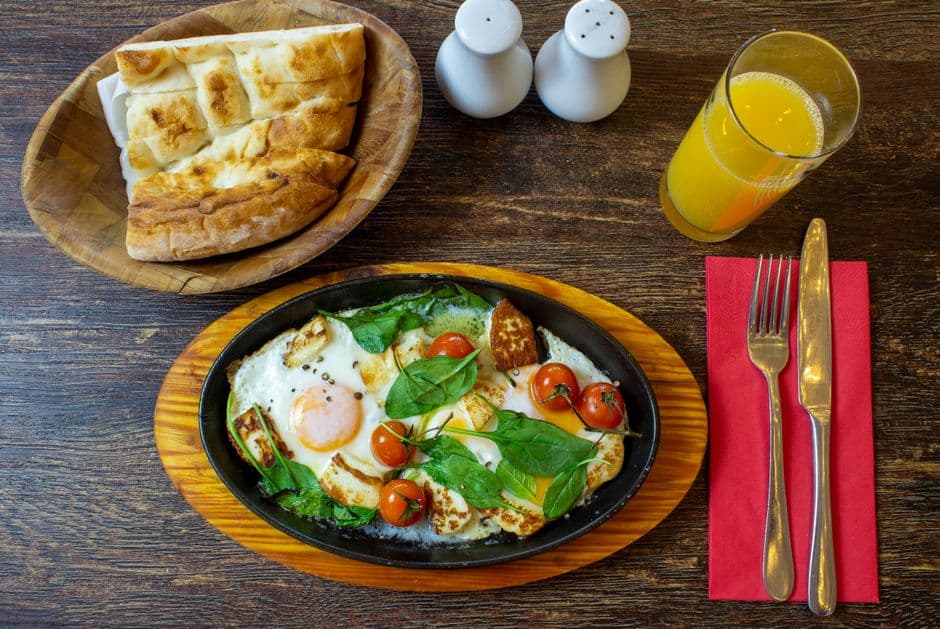
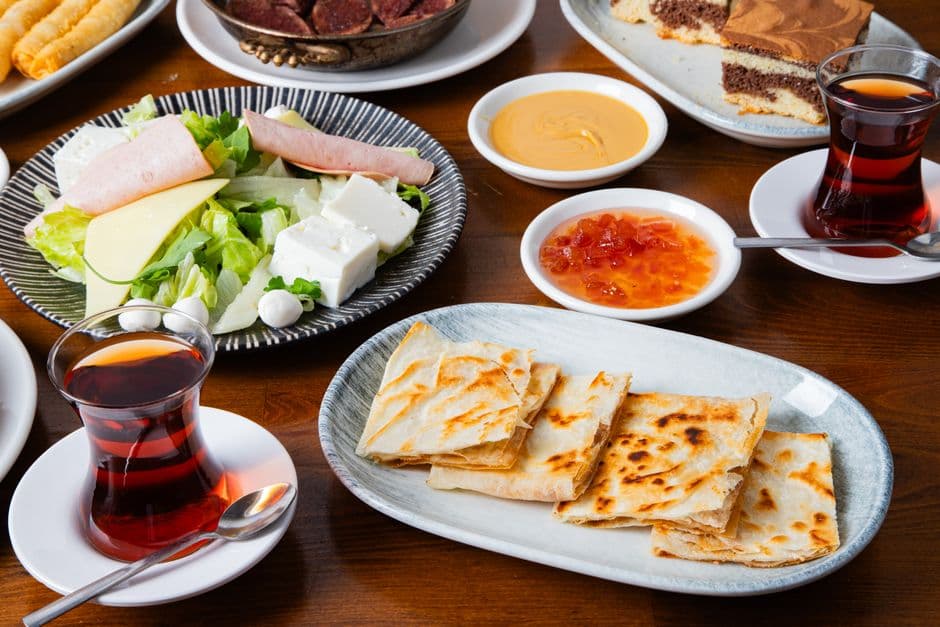
Home cooking is built around yogurt — Turkey gave the word to the world — used in soups, sauces like the garlic yogurt over manti, and the drink ayran. A typical family table runs on vegetable-and-legume dishes simmered with tomato and biber salçası (pepper paste), pilavs of rice or bulgur, and the meze tradition for gatherings. The kahvaltı breakfast spread — cheeses, olives, honey with kaymak, simit, menemen — is a cultural institution.
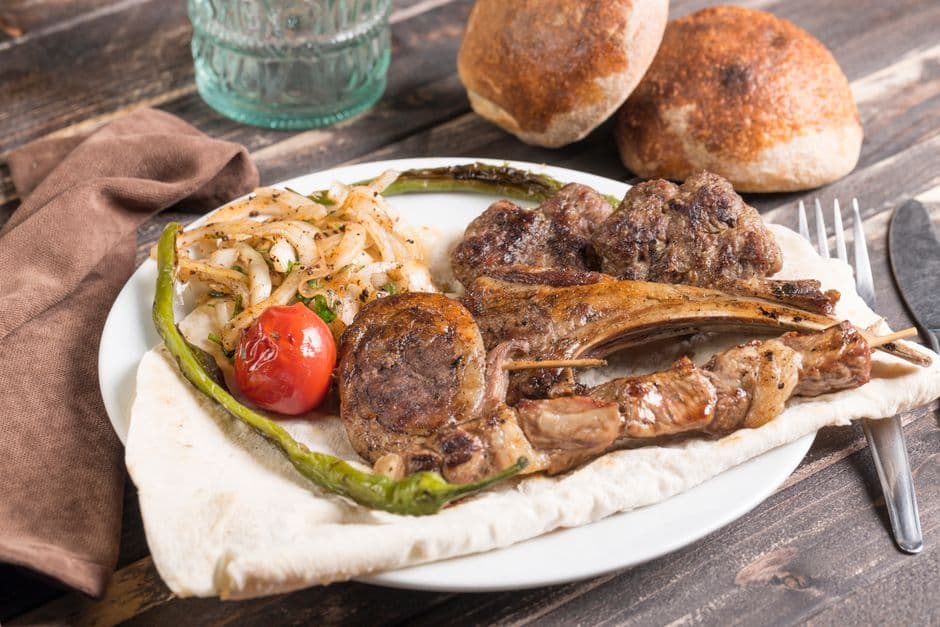
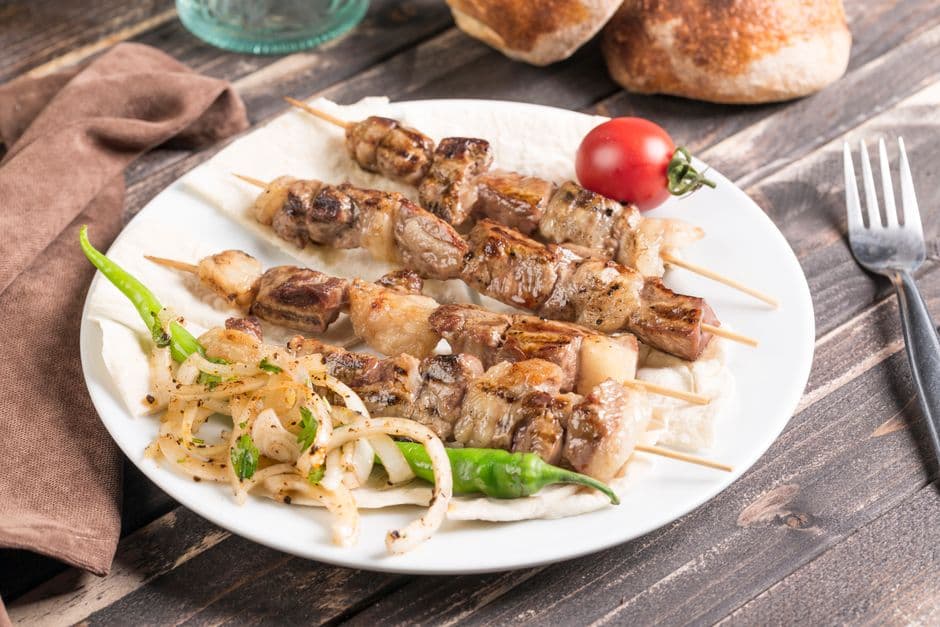
Kebab culture
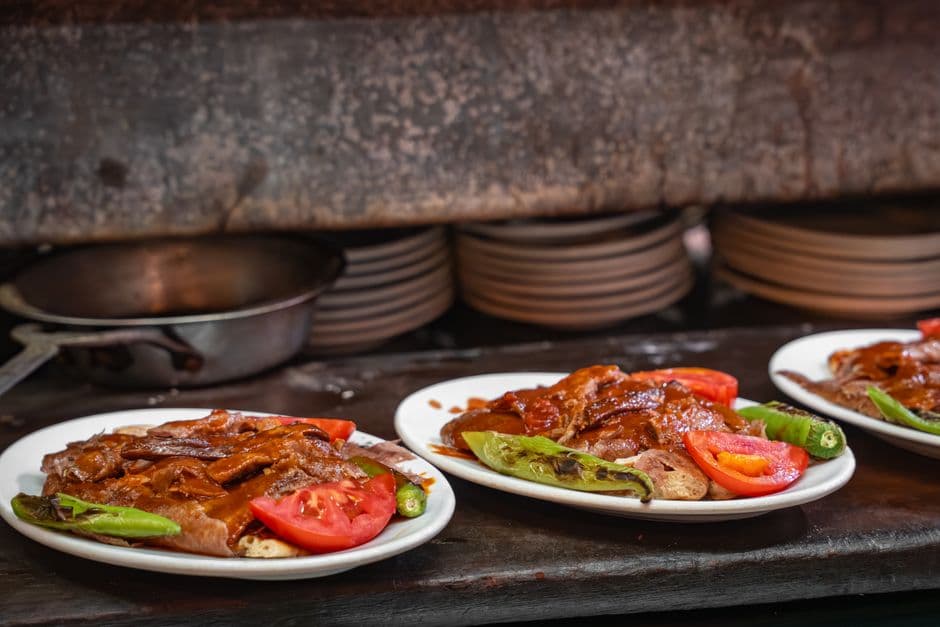
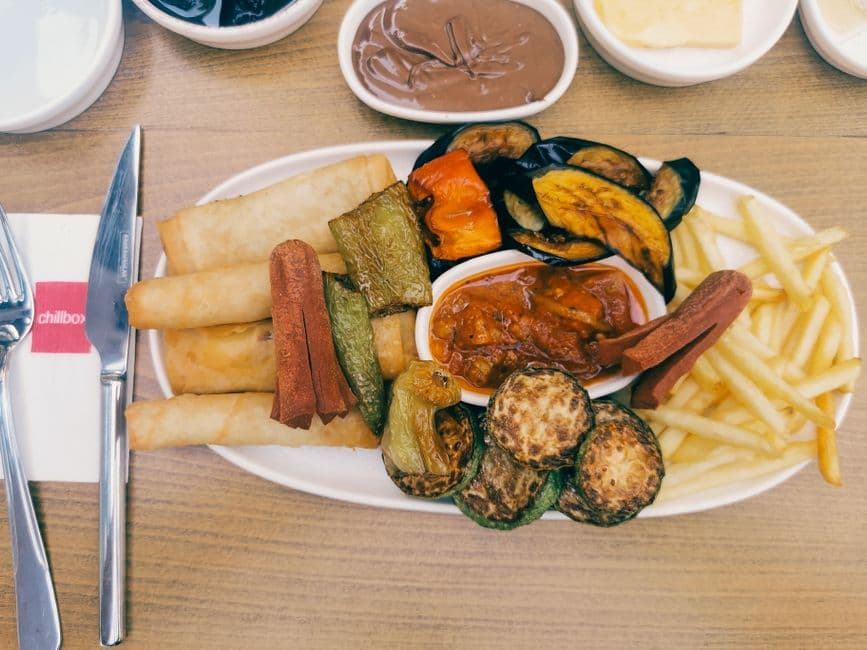
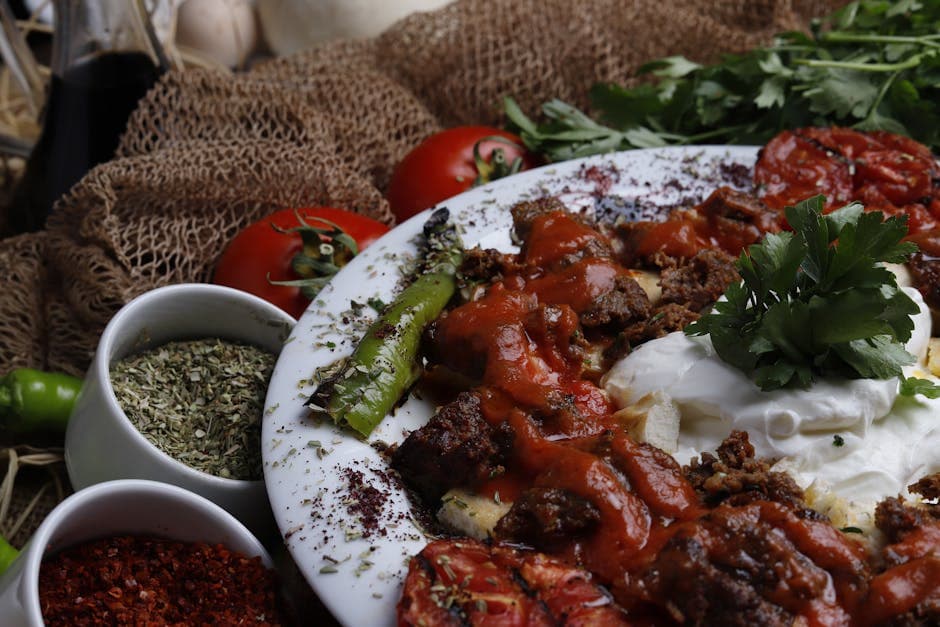
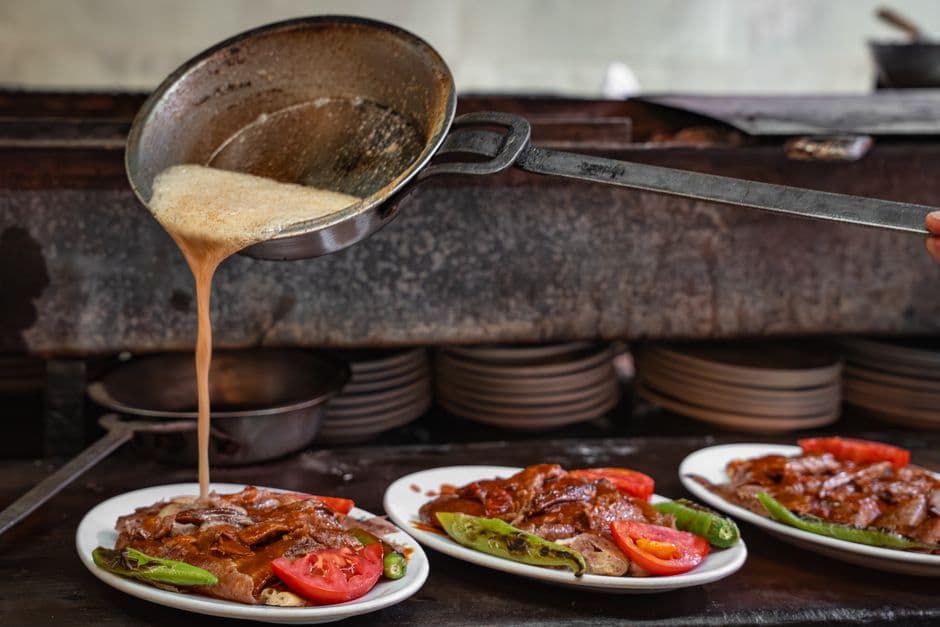
From Adana's hand-minced spicy skewers to İskender with yogurt and tomato butter, regional kebabs each follow strict local conventions.
Yogurt
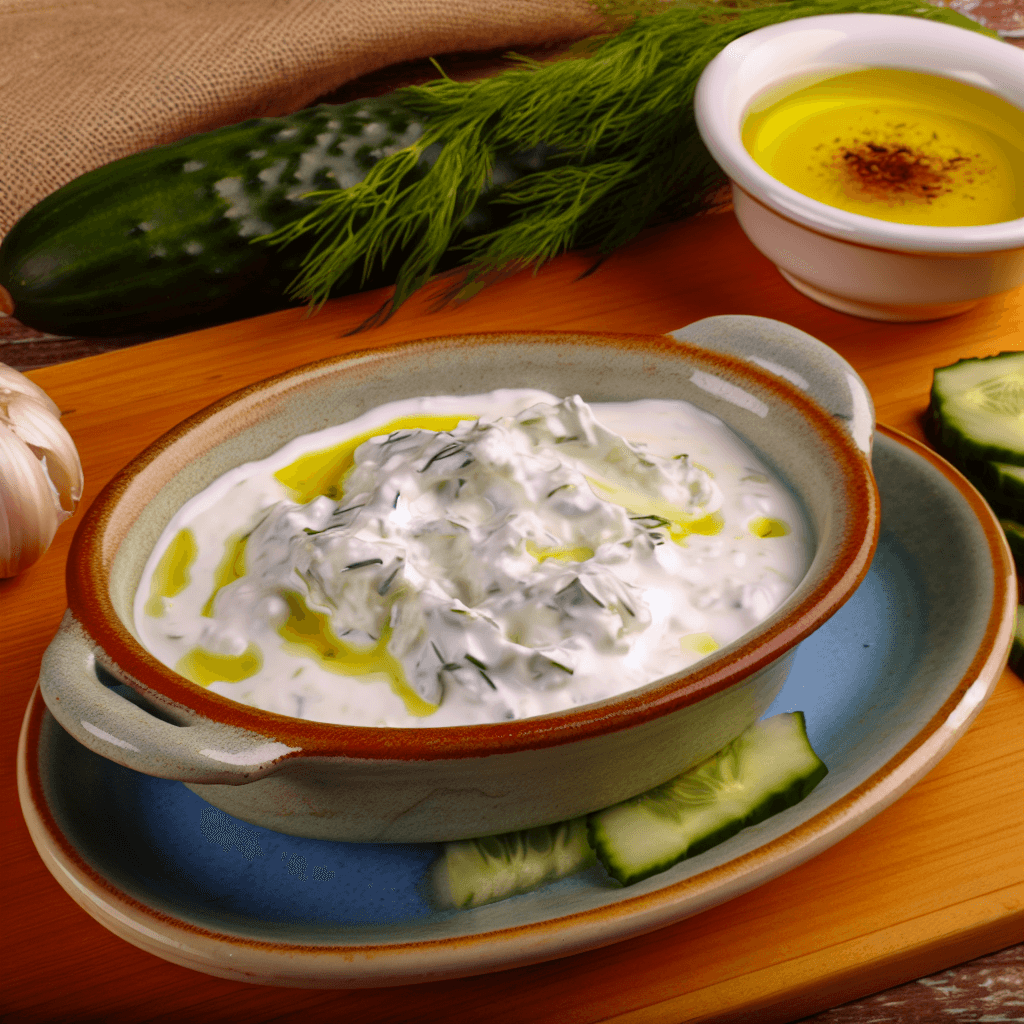
Used in soups (yayla), garlic sauces over manti, the drink ayran, and marinades, yogurt is the defining ingredient of the Turkish kitchen.
Zeytinyağlı dishes
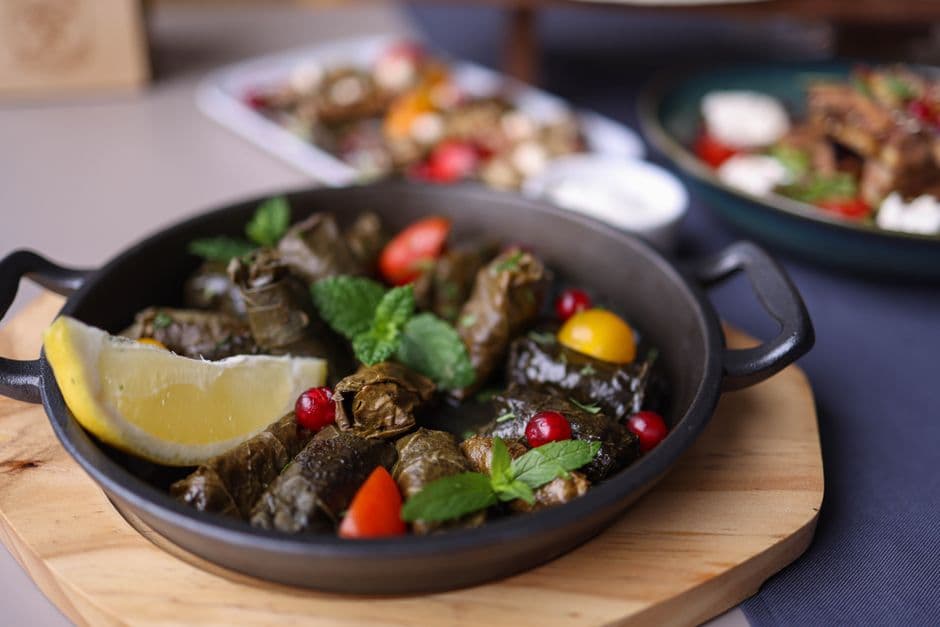
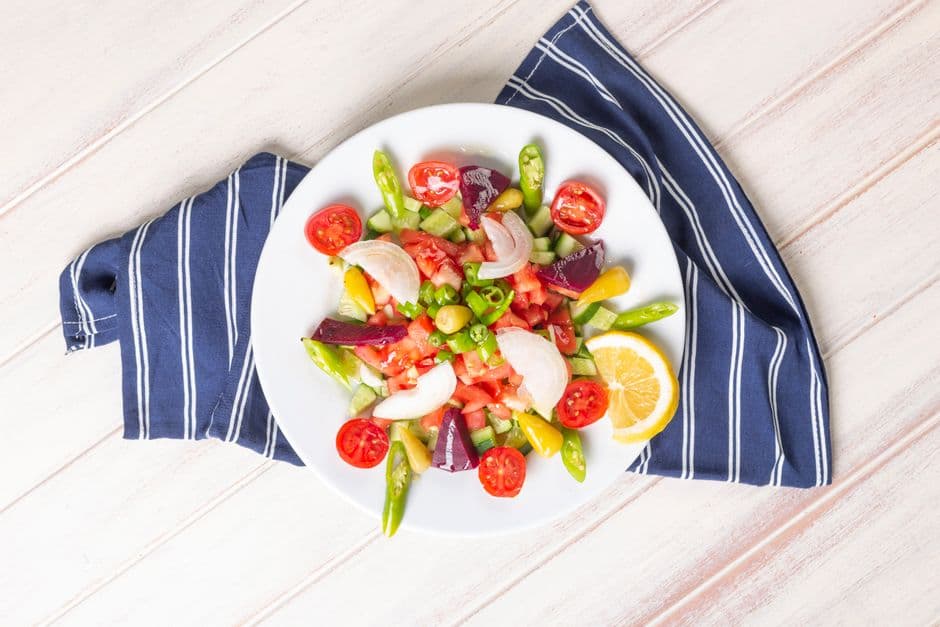
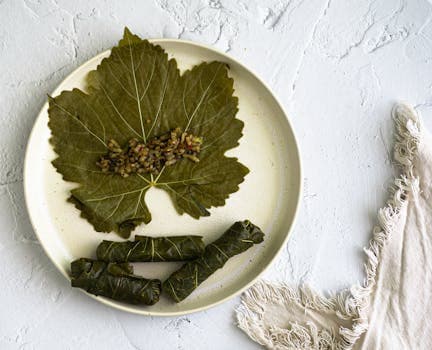
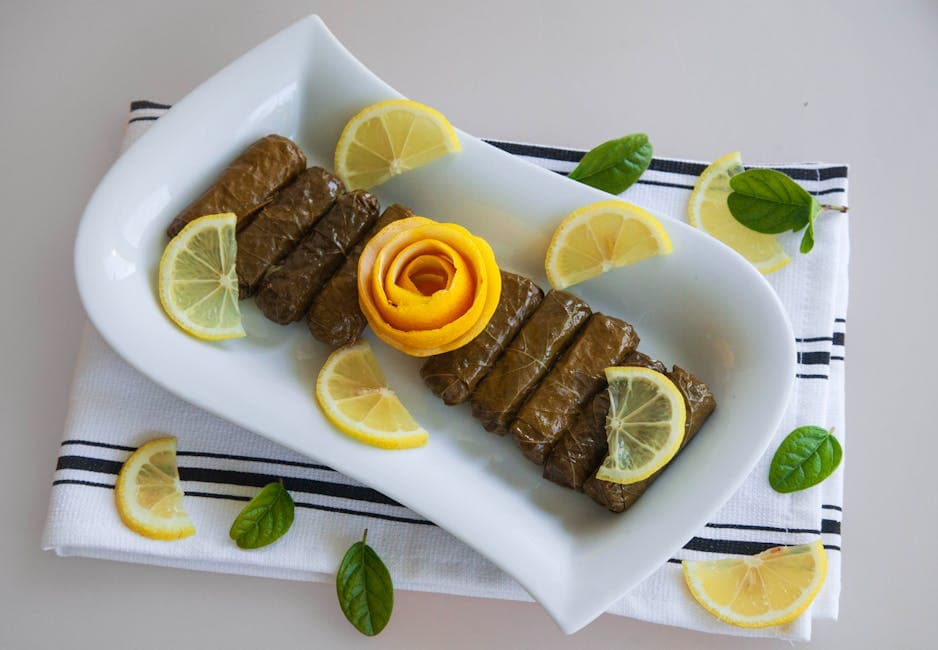
Vegetables like green beans, artichokes, and stuffed peppers braised in olive oil and served at room temperature define Aegean cooking.
Börek and yufka
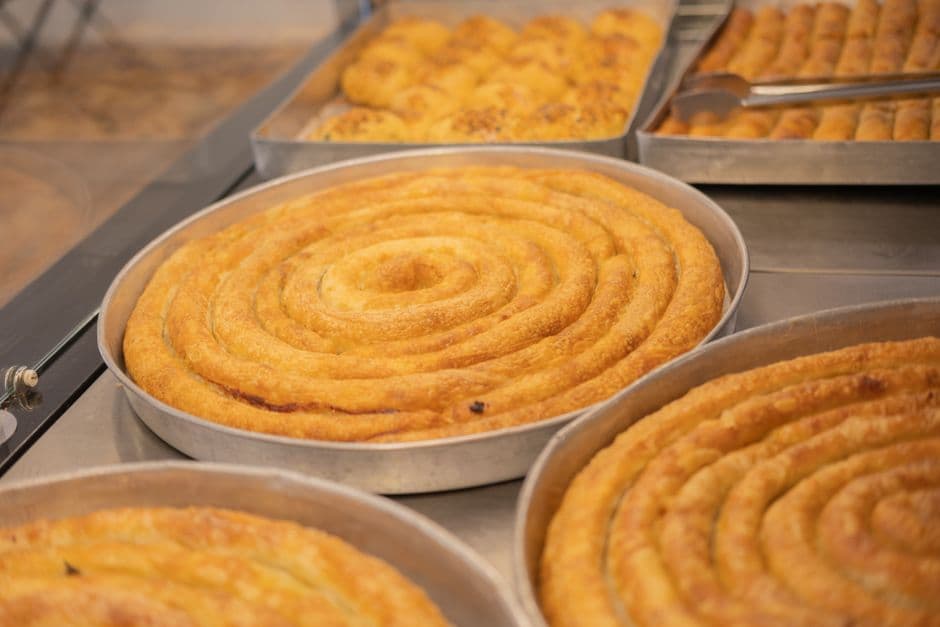
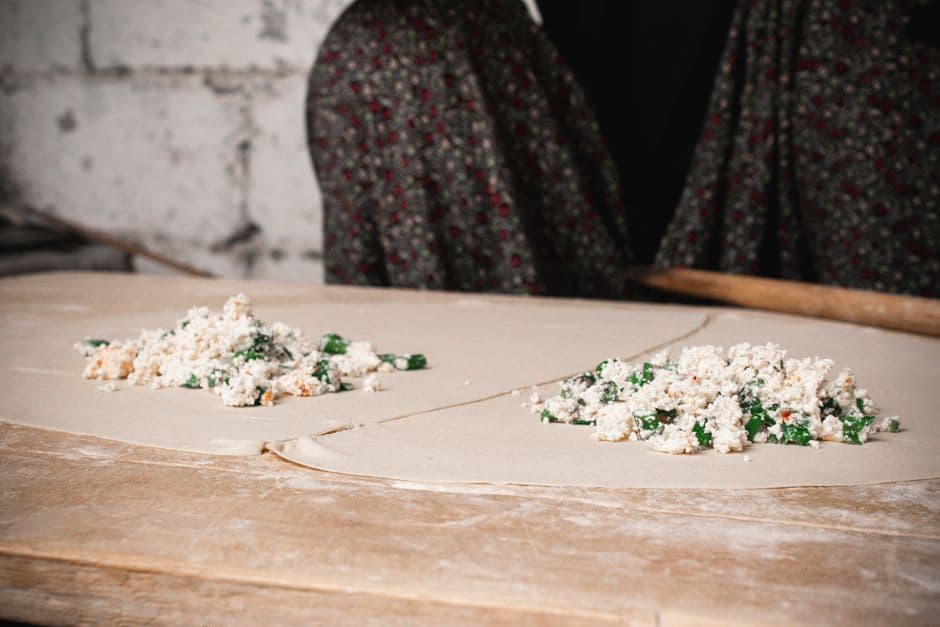
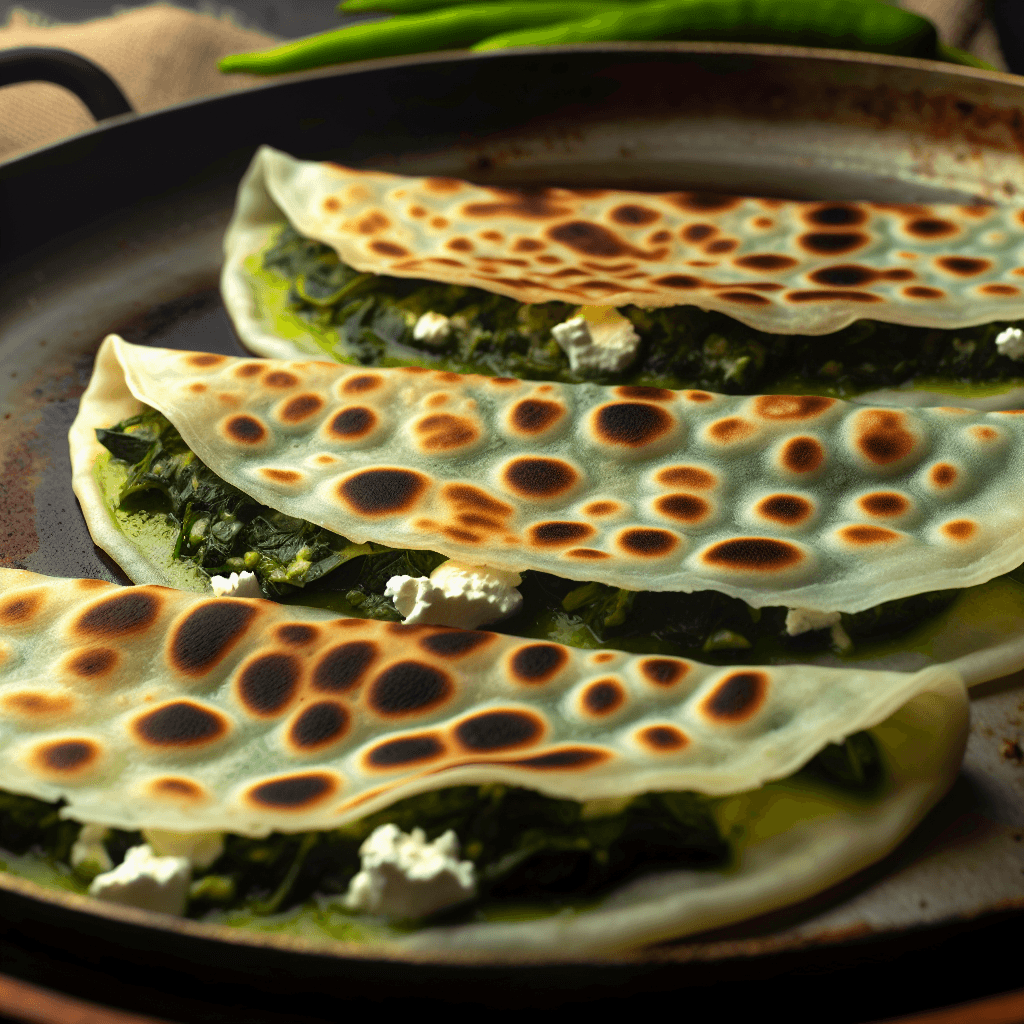
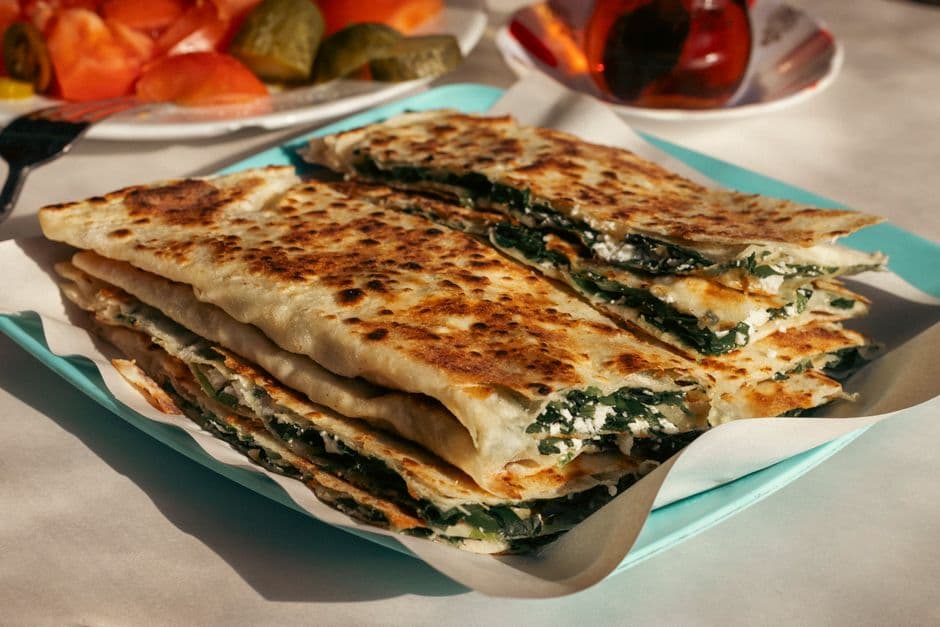
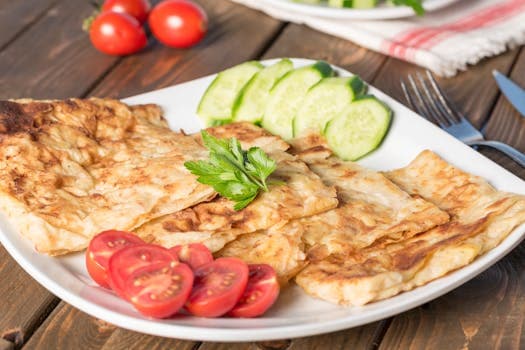
Paper-thin yufka pastry layers wrap cheese, spinach, or meat in su böreği, sigara böreği, and the wider börek family.
Bulgur and pilav
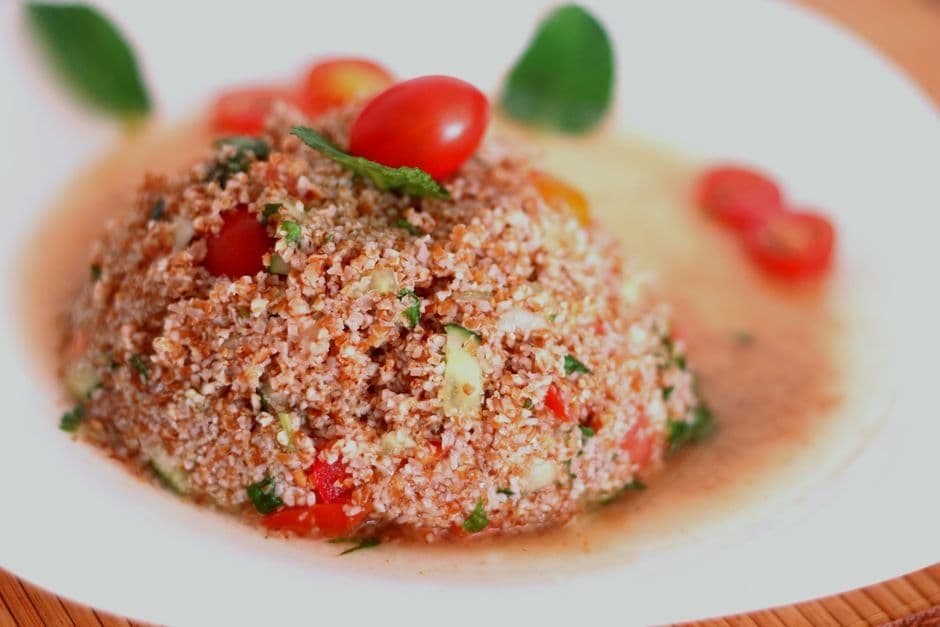
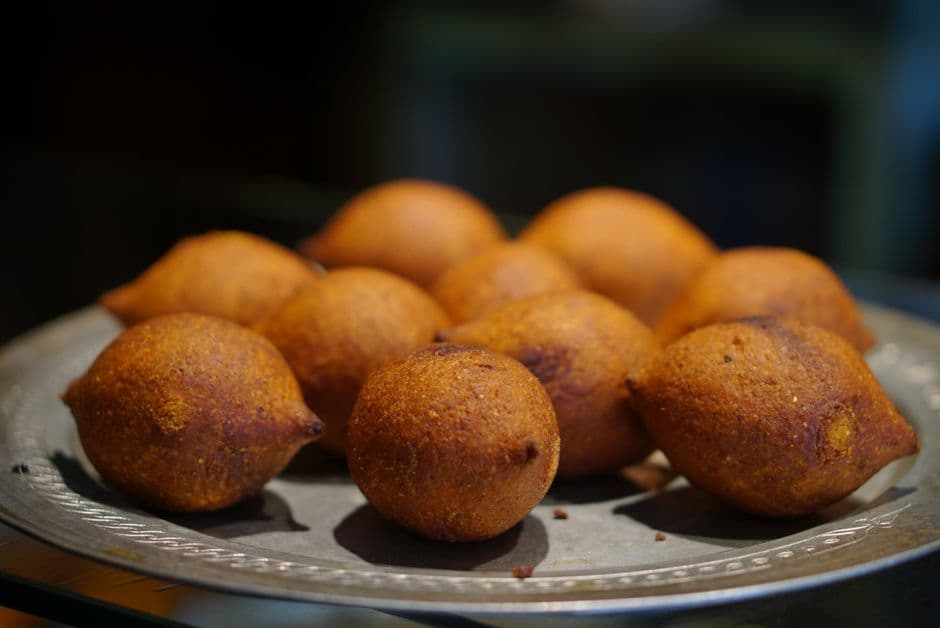
Cracked wheat bulgur appears in pilavs, kısır salad, and kofta casings like içli köfte, often outranking rice in Anatolian home cooking.
Meze and kahvaltı
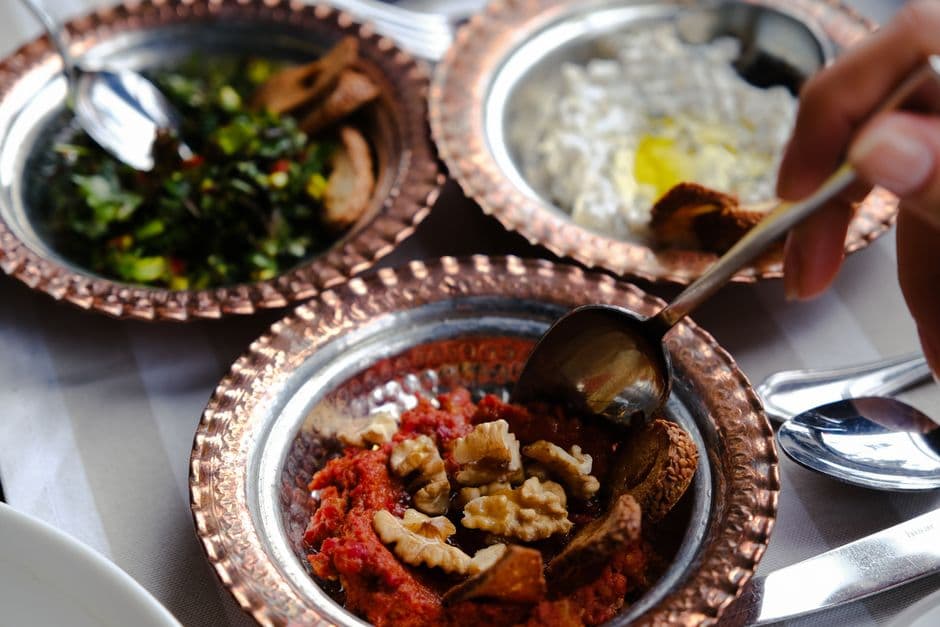
The shared-table traditions — evening meze spreads and the elaborate Turkish breakfast — structure social eating around many small dishes.
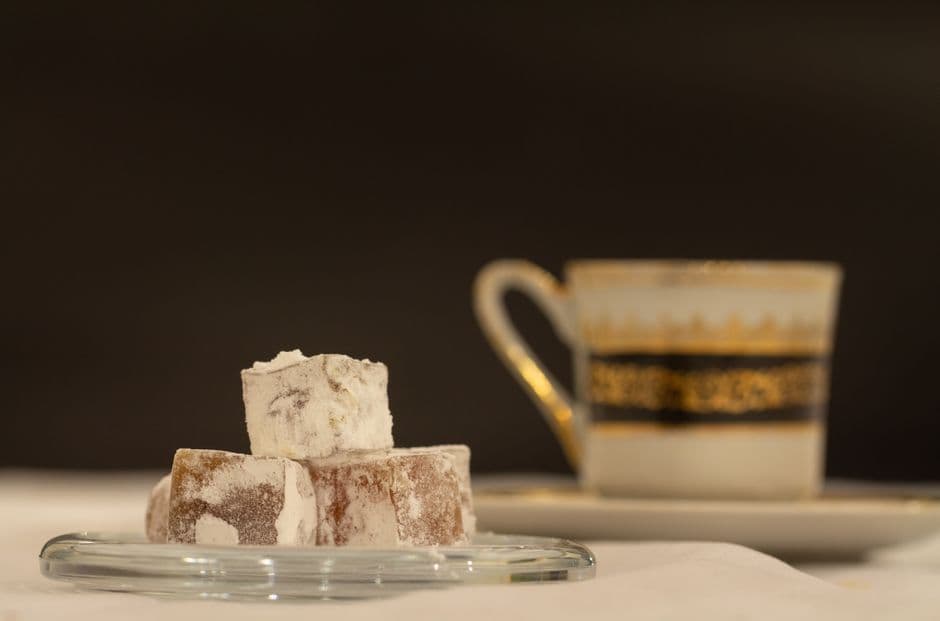
Turkish cuisine is known for kebabs, baklava, Turkish delight, meze spreads, and the elaborate kahvaltı breakfast. Its foundations are yogurt (a Turkish word), bread and yufka pastry, bulgur, olive-oil vegetable dishes, and grilled meats. Heir to the Ottoman palace kitchen, it ranks among the world's great cuisines for sheer breadth, from Aegean olive oil cooking to Gaziantep's pistachio pastries.
It depends on the region. Western and central Turkish cooking is aromatic but mild, seasoned with mint, oregano, sumac, and sweet pepper paste. The southeast — Adana, Gaziantep, Şanlıurfa — uses real heat from pul biber (Aleppo-style red pepper flakes) and isot, the dark dried Urfa pepper. Adana kebab is genuinely spicy; an İstanbul home dinner usually is not. Heat is regional, not national.
The two share an Ottoman repertoire — dolma, baklava, kofta, coffee — but differ in emphasis. Turkish cooking uses yogurt far more extensively, has a vastly larger kebab and bulgur repertoire, and uses butter and pepper paste alongside olive oil. Greek cooking is dominated by olive oil and lemon, includes pork (absent in Turkey), and features avgolemono and feta, which have no Turkish equivalents.
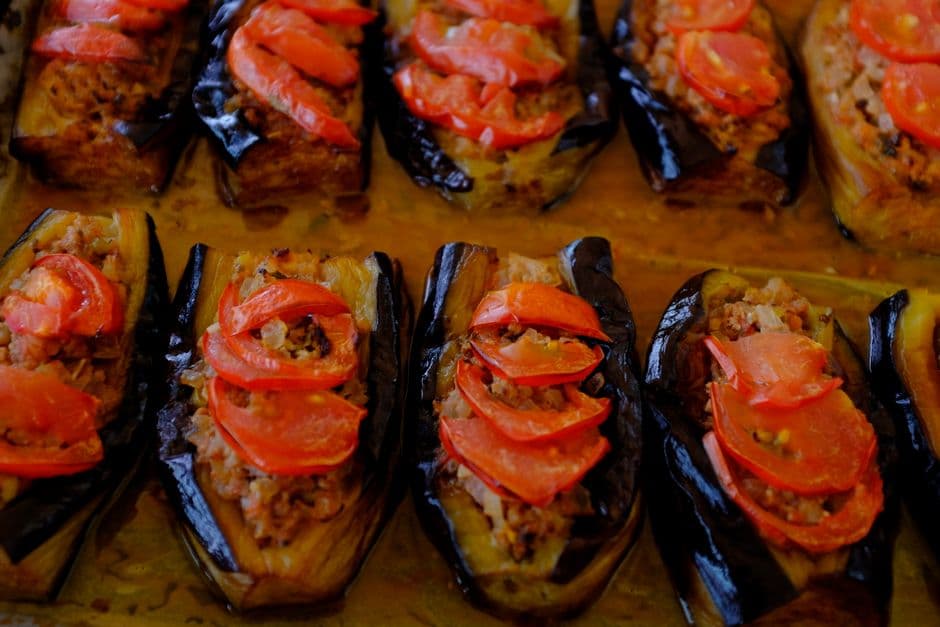
Menemen — eggs scrambled with tomatoes, peppers, and olive oil — takes fifteen minutes. Red lentil soup (mercimek çorbası) is the everyday national soup and nearly foolproof. Kısır, a bulgur salad with pepper paste and lemon, needs no cooking beyond soaking. Chicken şiş marinated in yogurt grills reliably. From there, attempt karnıyarık (stuffed eggplant) or homemade lahmacun.
Biber salçası (red pepper paste), tomato paste, pul biber, dried mint, sumac, cumin, and good olive oil cover the seasoning base. Staples include red lentils, bulgur, rice, yogurt, white cheese (beyaz peynir), and tahini with grape molasses (pekmez) for breakfast. Yufka or filo in the freezer enables the börek family. With these, most home dishes are achievable anywhere.
Calculators and converters that pair with this page — no signup needed.