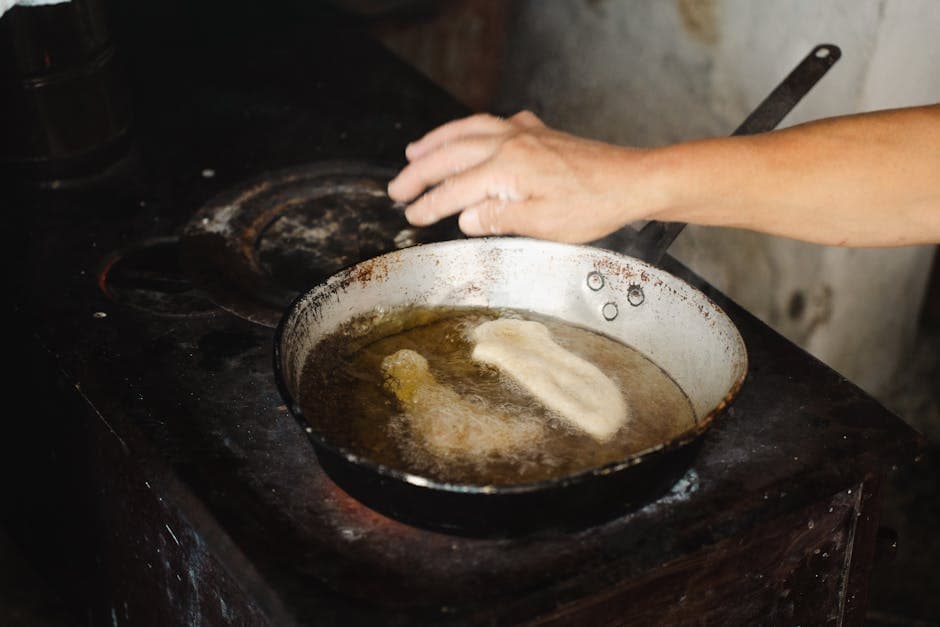
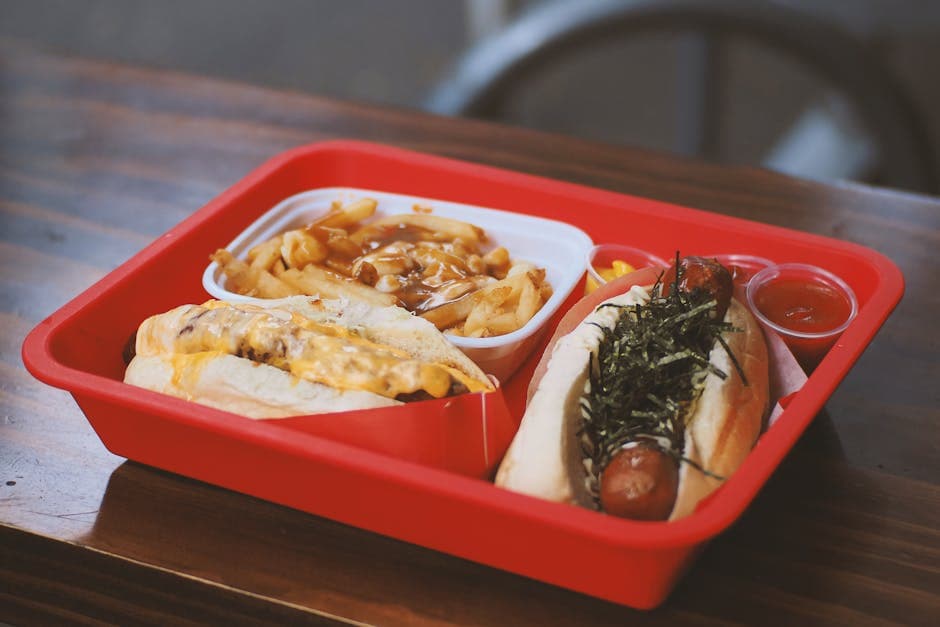
Canadian cuisine layers Indigenous foundations — salmon fishing and smoking on the Pacific coast, wild rice (manoomin) harvested by Anishinaabe peoples, game, berries, and bannock — with French and British colonial cooking and successive immigrant waves. Quebec developed the most distinct regional kitchen: tourtière meat pie, pea soup, sugar shack (cabane à sucre) feasts, and poutine, the 1950s rural Quebec invention of fries, squeaky cheese curds, and gravy that became the national dish. Canada produces about 70 percent of the world's maple syrup, most of it from Quebec.
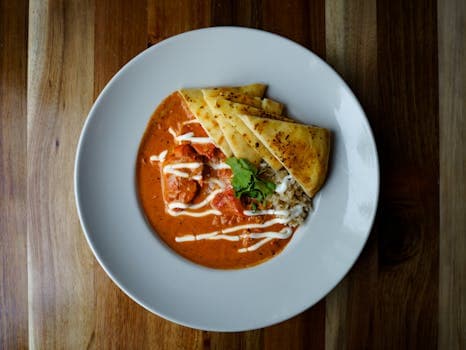
Regional identity runs coast to coast. Atlantic Canada lives on seafood — lobster rolls, Digby scallops, PEI mussels, and Newfoundland's salt cod traditions like fish and brewis. The Prairies, shaped by Ukrainian and Mennonite settlement, made perogies and kielbasa local staples and grow most of the country's wheat, canola, and lentils. Montreal's Jewish community created its own bagel (smaller, sweeter, wood-fired) and smoked meat; Toronto and Vancouver rank among the world's most diverse food cities, where dim sum, shawarma, and butter chicken roti are everyday eating.
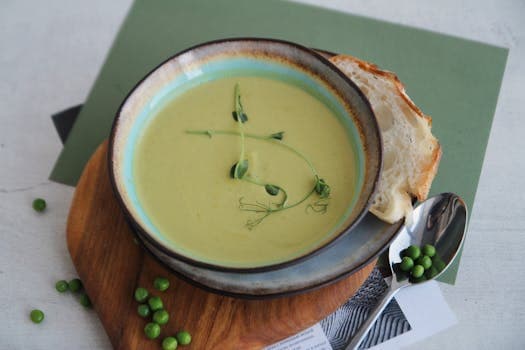
Home cooking follows the seasons hard: summer barbecues and berry picking, fall preserving, and winter comfort dishes — split pea soup, butter tarts, Nanaimo bars, and tourtière at Christmas. Maple syrup functions as a true pantry staple, glazing salmon and bacon, not just topping pancakes. Tim Hortons coffee culture, weekend brunch, and the backyard rink snack of hot chocolate are as much a part of the food identity as any single dish.
Maple Syrup
Canada taps about 70 percent of the world's supply, using it as a true pantry staple in glazes, baking, and sugar shack feasts.
Quebecois Cooking
Poutine, tourtière, pea soup, and cabane à sucre traditions form Canada's most distinct regional cuisine, rooted in French settlement.
Atlantic Seafood
Lobster, PEI mussels, Digby scallops, and Newfoundland salt cod define the East Coast's fishing-economy table.
Indigenous Foundations
Pacific salmon, wild rice (manoomin), game, berries, and bannock carry First Nations, Métis, and Inuit food traditions into modern kitchens.
Prairie and Immigrant Staples
Ukrainian perogies, Mennonite baking, and the wheat and canola belt shaped central Canada's hearty everyday cooking.
The Sweet Canon
Butter tarts, Nanaimo bars, and Montreal bagels with maple-sweetened baking define a distinctly Canadian dessert and bakery tradition.