NewDinner
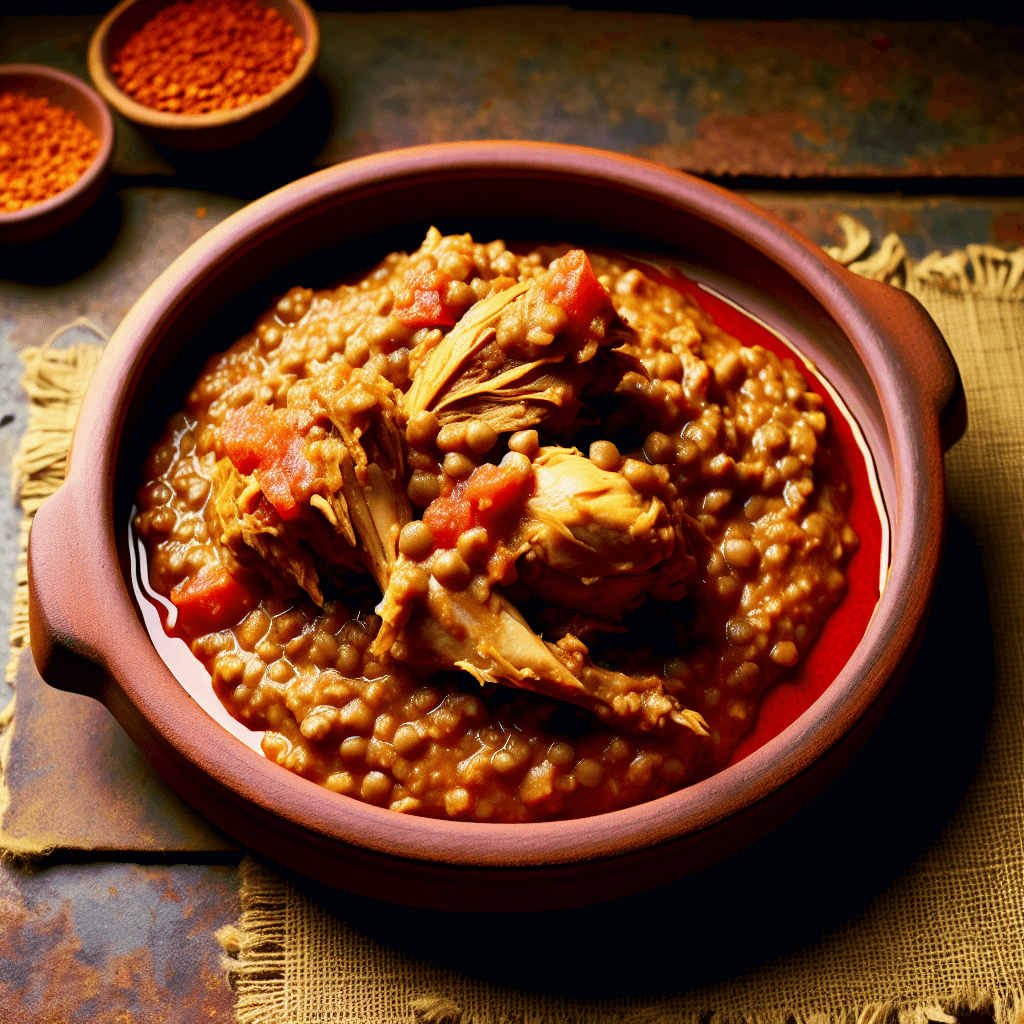
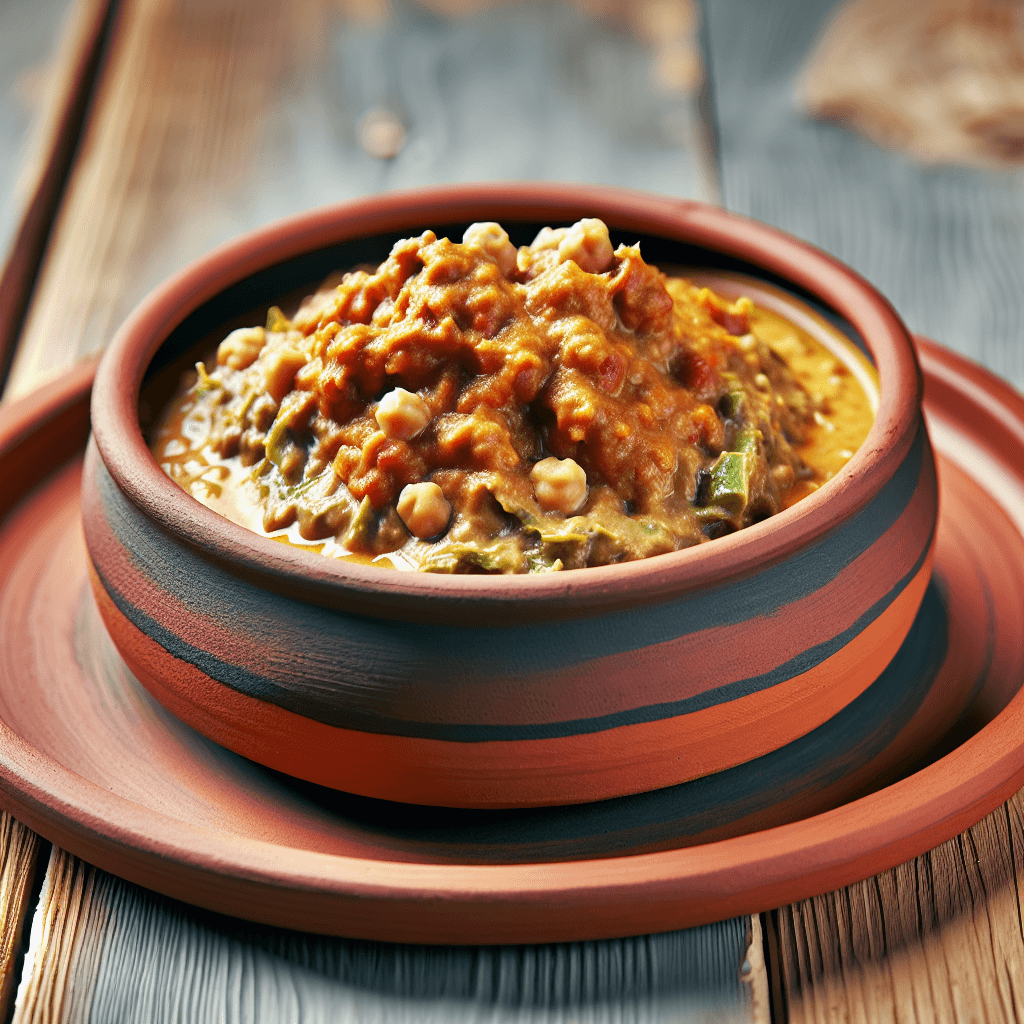
Ethiopian Doro Wat — Spiced Chicken Stew
Ethiopia's national dish — slow-cooked chicken in a rich, deeply red berbere spiced onion sauce with hard-boiled eggs, served on injera sourdough flatbread.
150 min480 kcalHard
Injera, doro wat, misir — ancient spiced stews of the Horn of Africa.
More recipes built around the same core ingredients.
Track what you eat
Snap your meal to log calories and macros, run fasting timers and track water in the free SnapCal app.
Plan your meals, track fasting and build your grocery list — free
MyCookingCalendar's dashboard runs right in your browser, no download needed.
Ethiopian cuisine developed in remarkable isolation in the Horn of Africa, never colonized for long, and centers on two native domesticates: teff, the tiny iron-rich grain fermented over days into injera — the spongy, sour flatbread that serves as plate, utensil, and starch — and coffee, which originated in the forests of Kaffa. Meals are communal: stews (wot) are ladled onto a shared round of injera, and diners tear pieces to scoop, sometimes feeding each other in the affectionate gesture called gursha.
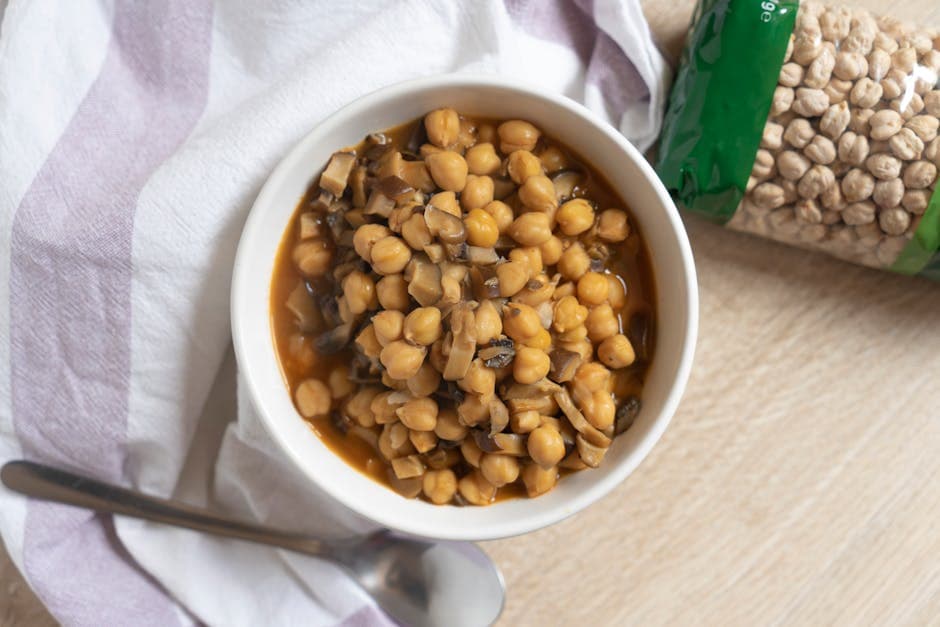
Flavor is built on berbere, a complex blend of dried chilies, fenugreek, korarima (Ethiopian cardamom), and a dozen other spices, and on niter kibbeh, clarified butter infused with garlic, ginger, and besobela sacred basil. Doro wot — chicken legs and hard-boiled eggs braised long in slow-cooked onions and berbere — is the celebratory national dish. The Ethiopian Orthodox Church's roughly 200 annual fasting days, which prohibit animal products, produced a deep vegan repertoire: misir wot (red lentils), shiro (chickpea flour stew), gomen greens, and the beyaynetu combination platter.
Home cooking begins with onions: chopped fine and dry-cooked down in quantity, often without oil at first, until deeply reduced — the base of every wot. Injera-making is a skilled craft of fermenting teff batter for several days and cooking it on a clay mitad griddle until the surface forms its characteristic 'eyes.' The coffee ceremony — green beans roasted, ground, and brewed in a jebena pot, served in three rounds — remains a daily act of hospitality.
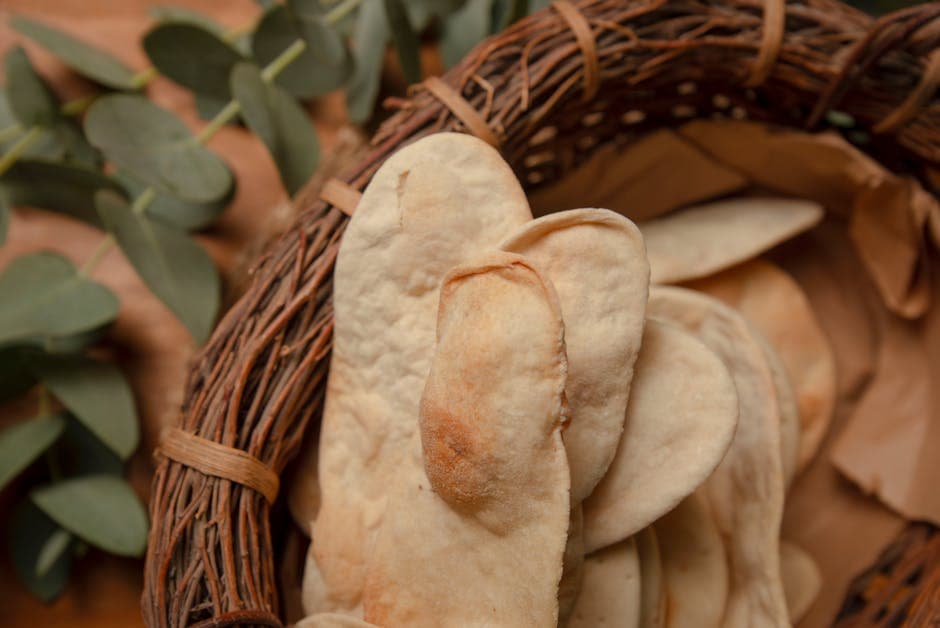
Injera and Teff
Fermented teff batter cooked into a sour, spongy flatbread serves simultaneously as plate, utensil, and the meal's foundation.
Berbere
The signature blend of chilies, fenugreek, korarima, and a dozen spices colors and flavors most red stews (key wot).
Niter Kibbeh
Spiced clarified butter infused with garlic, ginger, and herbs enriches doro wot, kitfo, and most non-fasting dishes.
Wot Stew Family
Long-simmered stews built on deeply reduced onions — doro wot, misir wot, siga wot — anchor every meal.
Fasting and Vegan Tradition
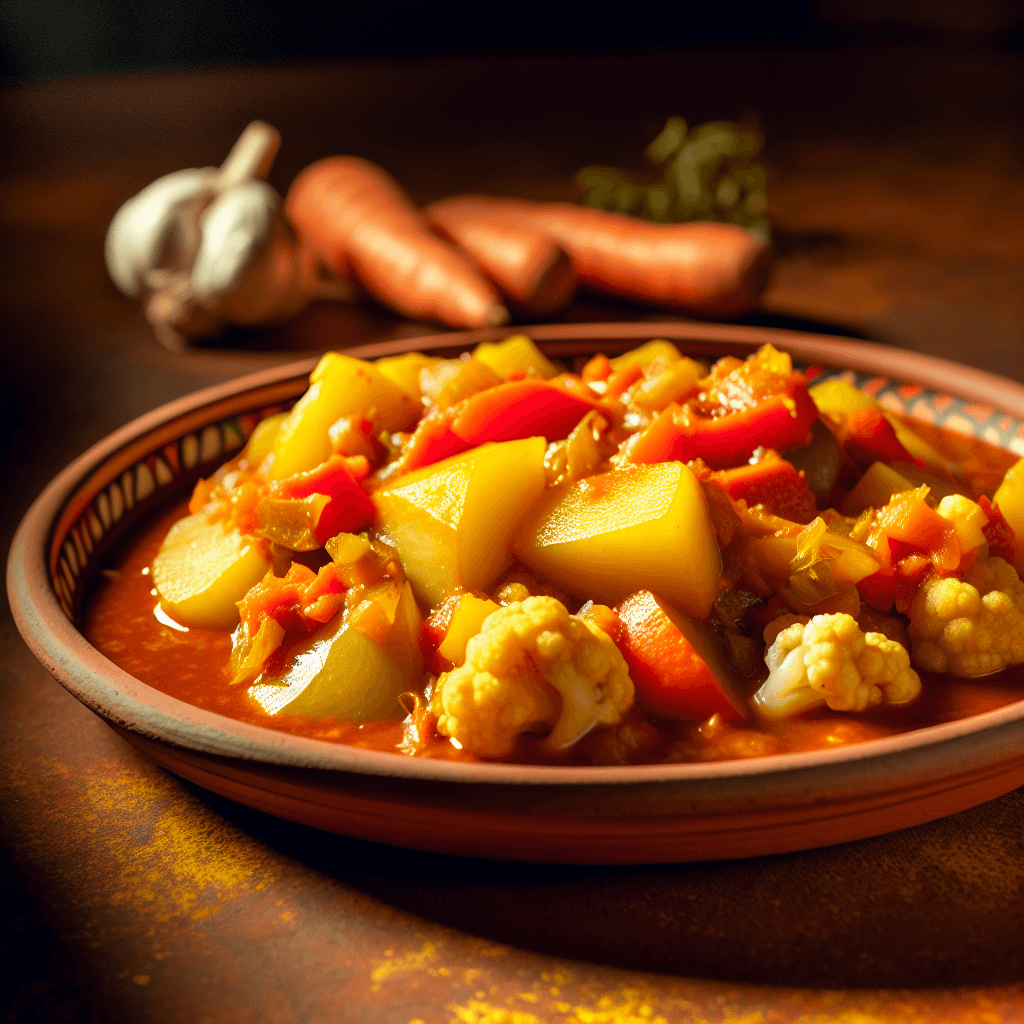
Around 200 Orthodox fasting days yearly created the beyaynetu platter of shiro, lentils, and greens, a complete vegan cuisine.
The Coffee Ceremony
Beans roasted, ground, and brewed in a jebena pot, served in three rounds, form a daily ritual of hospitality in coffee's birthplace.
Ethiopian food is known for injera — sour, spongy teff flatbread used as both plate and utensil — and the stews (wot) served on it, especially berbere-spiced doro wot chicken. It's also notable for its extensive vegan tradition from Orthodox fasting practices, communal eating by hand from a shared platter, and the coffee ceremony, fitting for coffee's country of origin.
Often, but not uniformly. Berbere-based red stews carry real warmth, and mitmita (a hotter blend) accompanies kitfo. However, alicha dishes are deliberately mild, seasoned with turmeric and ginger instead of chili, and a beyaynetu platter mixes both styles. The sour injera and frequent legume dishes also temper heat, so most palates manage a full Ethiopian meal.
With your right hand, no utensils. Stews and salads are served directly on a large round of injera, with extra rolls on the side. Tear off a piece of injera, use it to pinch up a bite of stew, and eat. Feeding a companion a choice morsel — gursha — is a gesture of affection. The stew-soaked injera underneath is eaten last.
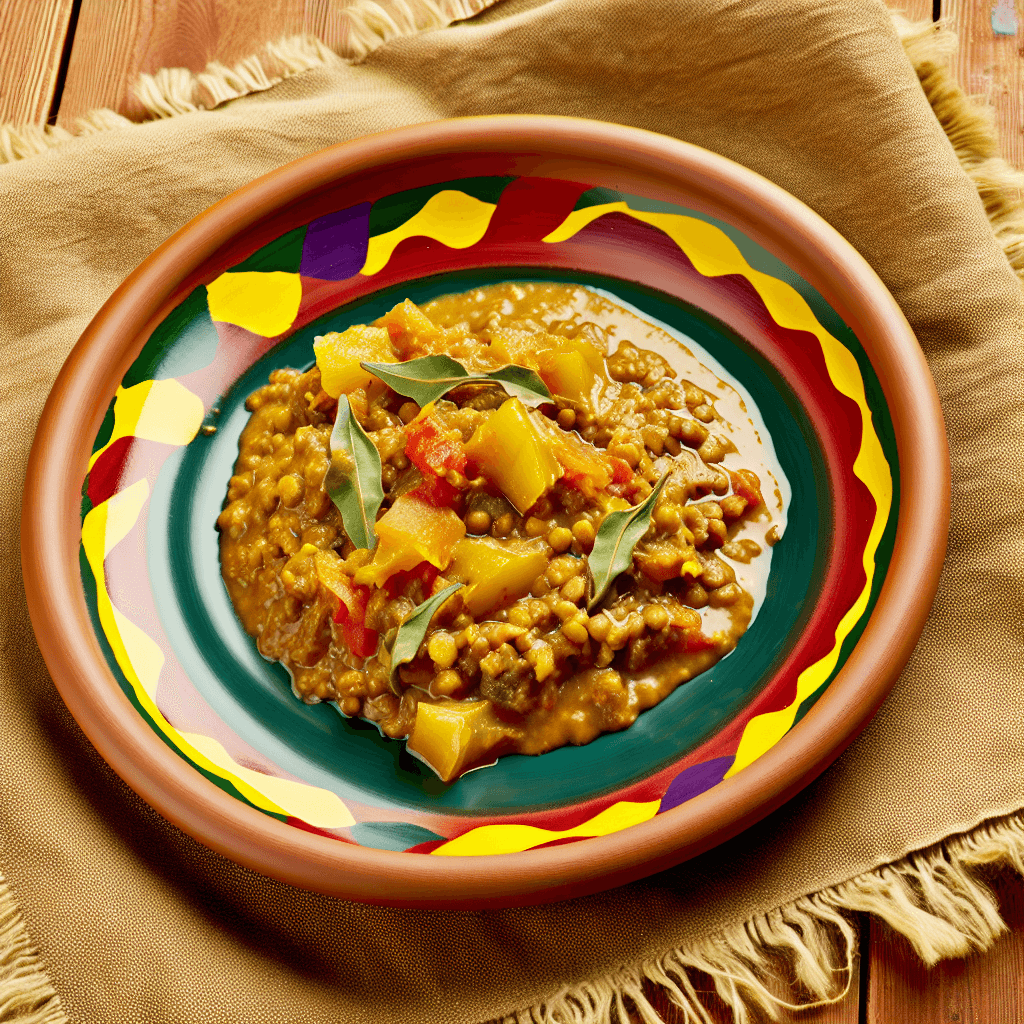
Misir wot, red lentils simmered with berbere and the slow-reduced onion base, teaches the core wot method with cheap ingredients. Gomen (collard greens with garlic and ginger) and shiro (chickpea flour stew) follow easily. Buy injera from an Ethiopian market at first — fermenting and griddling teff batter is a skill worth learning later. Doro wot is the rewarding next step.
Exceptionally. The Ethiopian Orthodox calendar includes roughly 200 fasting days banning all animal products, so the cuisine evolved a complete vegan repertoire rather than adaptations: shiro, misir wot, kik alicha split peas, gomen greens, atkilt wot vegetables, and azifa lentil salad. Ordering 'fasting food' (yetsom beyaynetu) gets a fully vegan combination platter at any Ethiopian restaurant.
Calculators and converters that pair with this page — no signup needed.